
B2B Google Ads Services That Book Demos, Not Form Fills
B2B Google Ads services on Search, Performance Max, and YouTube coordinated with LinkedIn ABM. Flat monthly fee from $499. Ad spend billed direct by Google. HubSpot or Salesforce offline conversion feed wired week 1 so bidding learns from closed-won revenue, not raw form fills.
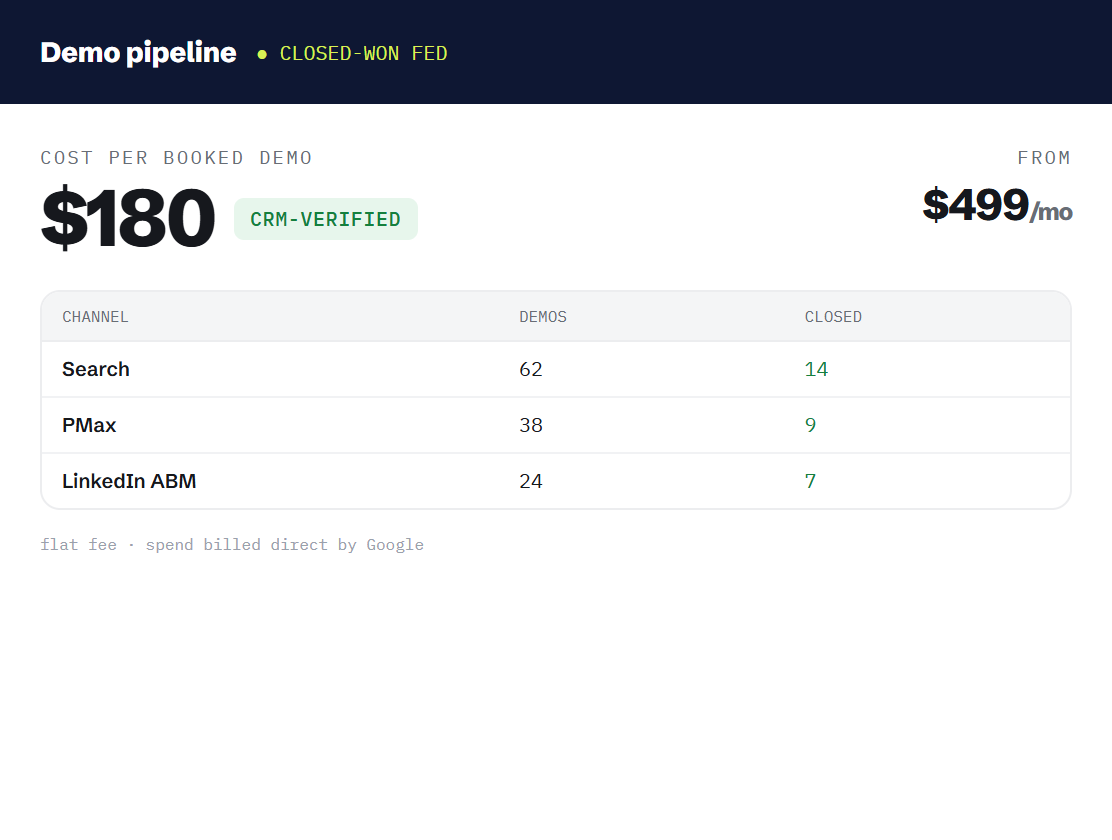
Three ways your B2B Google Ads spend burns pipeline right now
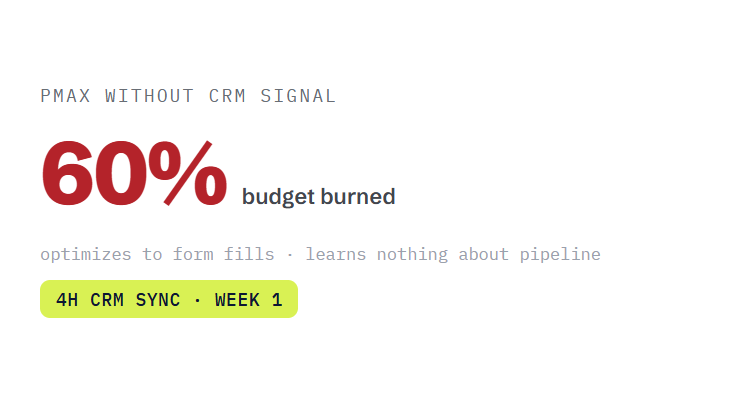
Performance Max burns 60% of budget because your CRM signal never made it back to Google
B2B deals close 30 to 180 days out. Without a HubSpot or Salesforce offline conversion feed piped into Google Ads, PMax optimizes to raw form fills and burns 60 percent of budget on demos that never close. The algorithm learns nothing about which leads turn into pipeline. Every account we take on gets Enhanced Conversions for Leads plus a 4-hour CRM sync wired in week one so bidding learns from closed-won revenue.
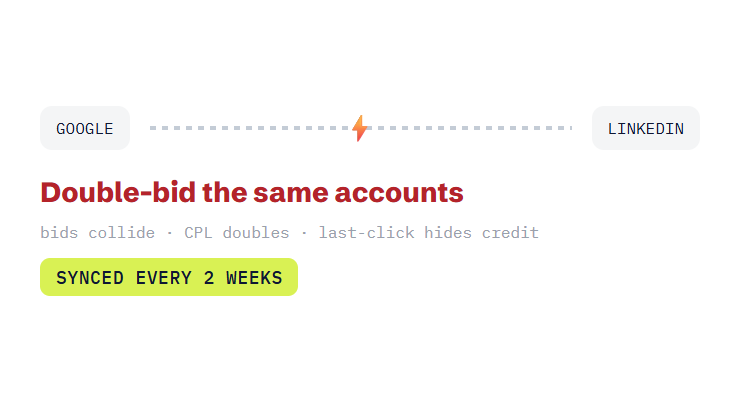
Google Ads and LinkedIn ABM run in silos and double-bid the same named accounts
Your ABM target list lives in one platform, Customer Match sync lives in another, and no one owns the coordination. Bids collide, cost per lead doubles, and credit disappears in last-click attribution. B2B Google Ads services at Redefine Web sync your named-account list across Google Customer Match and LinkedIn Matched Audiences every 2 weeks so paid search and paid social stop bidding blind against each other.
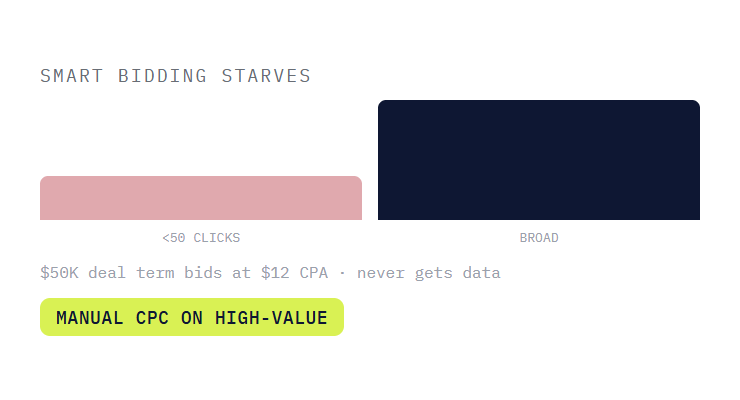
High-value B2B keywords get starved by Smart Bidding for lack of volume
B2B niche terms below 50 clicks per month starve under Smart Bidding because the algorithm never gets enough data to trust them. Meanwhile your $50K deal category ends up bidding at a $12 CPA target. Manual CPC runs on the low-volume high-value clusters, PMax scales the broad top of funnel, and Enhanced Conversions for Leads feeds both. Every campaign type earns its slot in your account.
Three outcomes every B2B Google Ads retainer produces
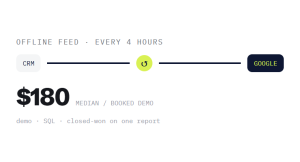
HubSpot, Salesforce, or Pardot lead stages piped back to Google Ads every 4 hours. Bidding learns from closed deals, not raw form fills or clicks.
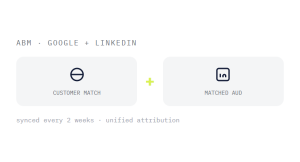
Target-account lists synced to Google Customer Match and LinkedIn Matched Audiences every 2 weeks. Paid search and paid social stop double-bidding.
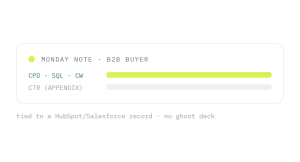
Every Monday your named B2B media buyer writes cost per booked demo, SQL, and closed-won for last week. Impressions and CTR live in the appendix.
Four stages. CRM audit to closed-won pipeline
Fixed scope, fixed timeline, fixed outcomes. Nothing moves to the next stage until your marketing owner or founder signs the gate deliverable.
CRM audit that surfaces broken tracking and wasted spend
HubSpot or Salesforce audited. Lead scoring reviewed. Offline conversion feed configured before campaigns run. Median finding on new accounts is 42 percent wasted spend and 247 missing negatives. Written 20-page audit report signed off by owner plus ops lead before we touch structure.
B2B intent rebuild and competitor conquesting
Buyer intent keywords, competitor conquesting on your top 5 named rivals, RLSA layered on retargeting audiences from your CRM. Priority services carry higher target CPA. SKAG-lite match-type discipline. Performance Max layered only where your feed qualifies. 247-term negative sculpt strips waste before the rebuild goes live.
First CRM-verified paid conversion inside 14 days
Purpose-built landing pages per priority service. Server-side pixels and revenue-based conversion tracking through GA4, Meta CAPI, and your CRM. Miss the 14-day first CRM-verified conversion mark and month 1 is free. Written into the MSA. Applied on 30 plus B2B accounts to date.
ABM at scale on CRM-verified closed-won revenue
ABM audiences activated in Google via Customer Match. Territory expansion mapped against ops capacity. Meta and Display layer in as retargeting and category awareness. Coordinated with LinkedIn budget. Every scaling decision traces back to CRM-verified closed revenue and sales team throughput.
What you actually get from our B2B Google Ads services
Fixed scope, fixed timeline, fixed outcomes. Each phase has a written deliverable, a signed gate, and a date on the calendar with your team.
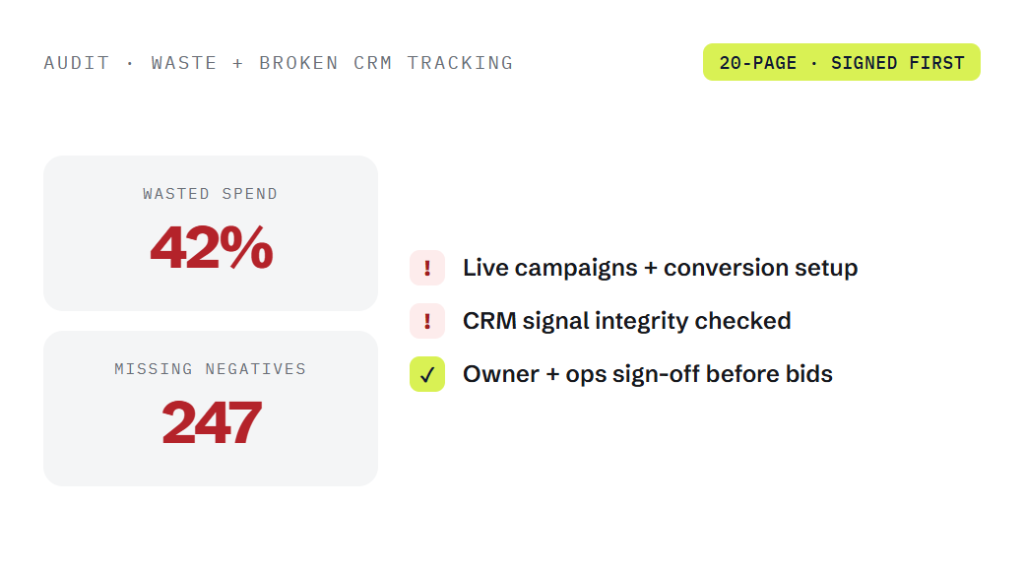
Audit that surfaces wasted spend and broken CRM tracking
Full audit of live campaigns, conversion setup, and CRM signal. Median finding on new B2B accounts is 42 percent wasted spend and 247 missing negatives. Written 20-page report signed off by owner plus ops lead before we touch structure or bids.
every search term with spend reviewed. Off-category, competitor, and irrelevant queries surfaced for negative sculpt.
are conversions counting clicks (wrong), form fills (better), or closed-won revenue (right)? Fixed at the root before any bid change.
landing page conversion rate benchmarked against B2B norms. Every ad group mapped to its landing page with a CVR score.
owner and ops lead review and sign off before rebuild starts. Nothing moves without a written go-ahead from your team.
top 5 named B2B competitors pulled from Google Auction Insights and priced against your target CPA and ACV.
last 90 days of pipeline mapped by source so the audit opens with a real cost per SQL and cost per closed-won.
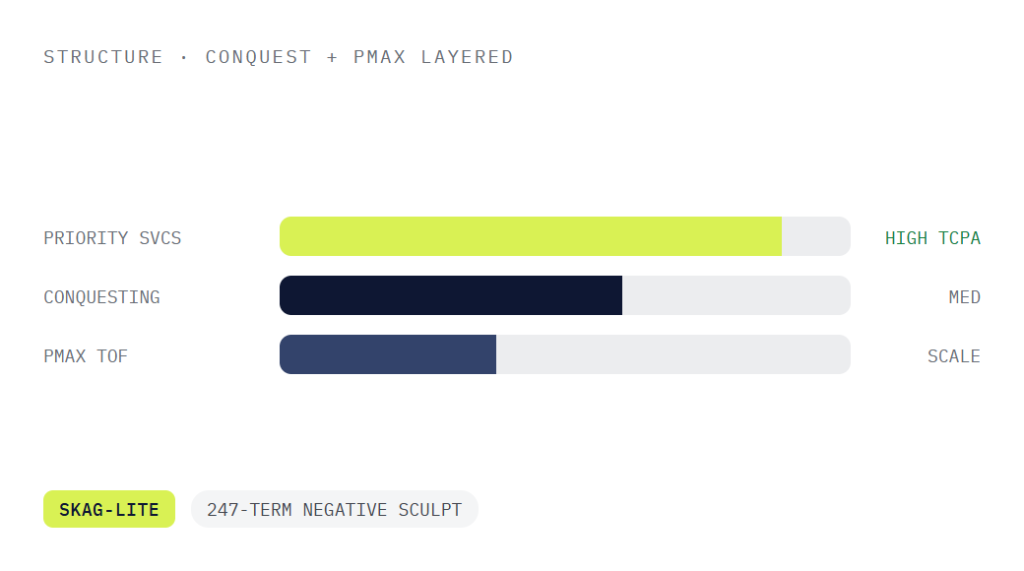
B2B structure with competitor conquesting and PMax layered right
Priority services carry higher target CPA than lower-margin work. SKAG-lite discipline. Performance Max layered where your CRM feed and creative library qualify. 247-term negative sculpt strips waste before the rebuild goes live.
top revenue services each get their own campaign with target CPA based on ACV plus LTV modeling.
247 negatives added on average in the first pass. Blocks jobs, tutorials, free tools, and consumer terms your budget should never touch.
top 5 named competitors on Search with comparison landing pages. RLSA overlays for higher intent. Trademark-safe ad copy.
exact and phrase for high-intent buyer terms, broad only on tightly scoped clusters. Every match type has a written rationale.
PMax layered where your feed, CRM signal, and creative library qualify. Asset group segmentation done, not defaulted.
target-account list synced to Google Customer Match and LinkedIn Matched Audiences every 2 weeks. Bids coordinated across both.
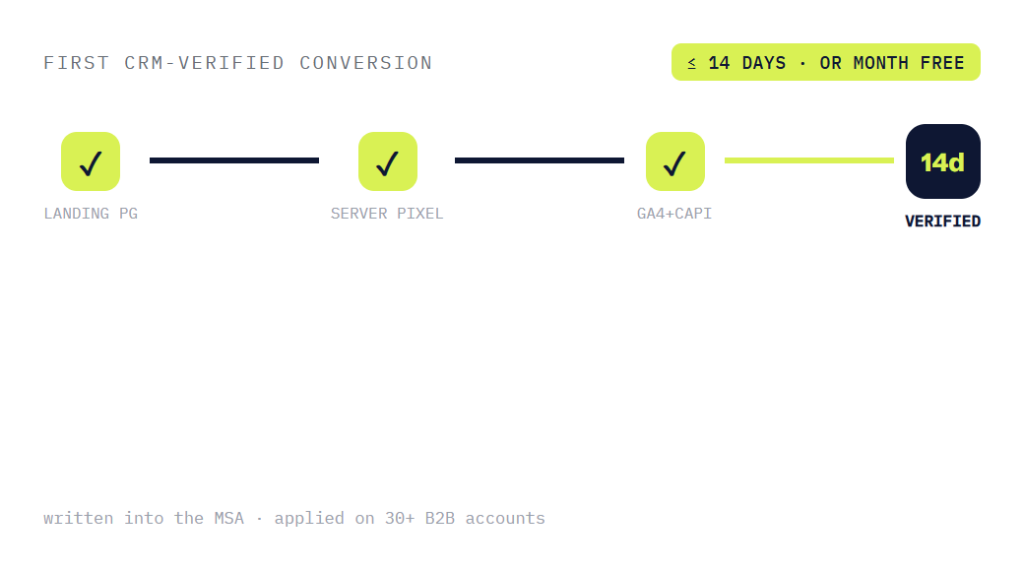
First CRM-verified paid conversion inside 14 days
Purpose-built landing pages, server-side pixels, and revenue-based conversion tracking through GA4, Meta CAPI, and your CRM. Miss the 14-day first CRM-verified conversion mark and month 1 is free. Written into the MSA. Applied on 30 plus B2B accounts.
every campaign gets its own landing page built around one priority service. Homepage traffic never dilutes intent.
Google Ads Enhanced Conversions activated on launch with hashed-email match-back. Cross-device attribution survives cookie loss.
Meta CAPI, LinkedIn Insight Tag, and Google Ads pixels wired with server-side backup. iOS 17 aware from day one.
4-hour sync from HubSpot, Salesforce, or Pardot back to Google Ads. PMax learns from closed-won, not raw form fills.
miss the 14-day CRM-verified conversion mark, month 1 is free. Applied on 30 plus B2B accounts to date.
demo forms route to Chili Piper or Calendly. Round-robin to your AEs. Every booked demo is a Google Ads conversion event.
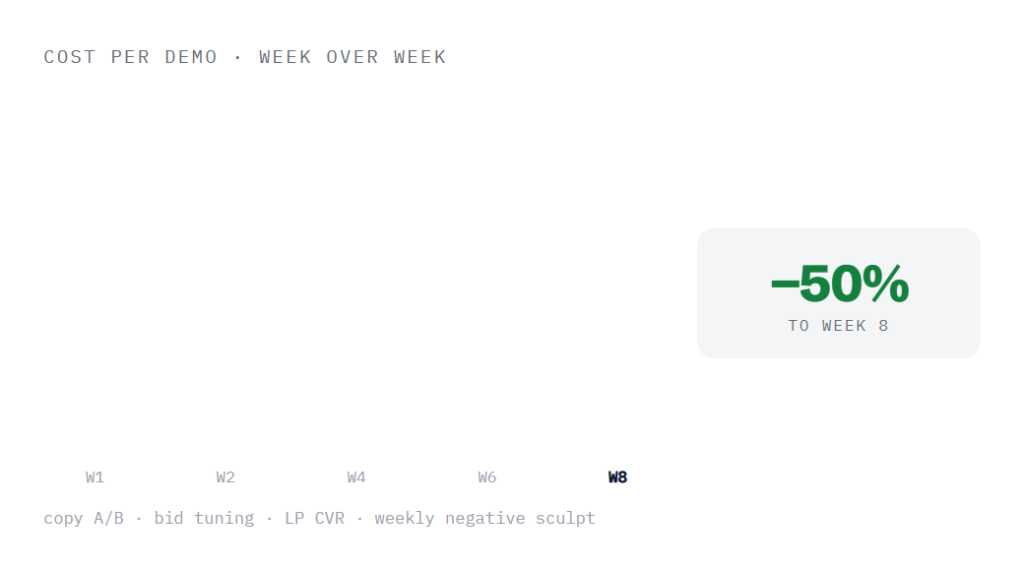
Cost per booked demo drops week over week
Ad copy A/B tests, bid strategy tuning, landing page CVR iteration, and weekly negative sculpt run against CRM-verified conversion numbers. Median CPA drops 50 percent from launch to week 8. Written note on your desk every Monday.
every Monday: what changed last week, impact on cost per booked demo and SQL, what is being tested this week.
headline, description, and creative testing at ad-group level. Winners promoted, losers killed. No copy runs longer than 4 weeks without a test.
manual to target CPA to target ROAS progression as CRM data compounds. Bid caps and budget shifting based on ACV per service.
landing page conversion rate benchmark tracked weekly. Copy, form, and hero test cycles run in-house without waiting on external design.
weekly SDR pull from your CRM. Junk patterns clustered by keyword, geo, and device. Negatives and audience exclusions updated every Friday.
Meta and LinkedIn retargeting for site visitors matched by page depth and time on site. Cost per SQL tracked separately from cold.
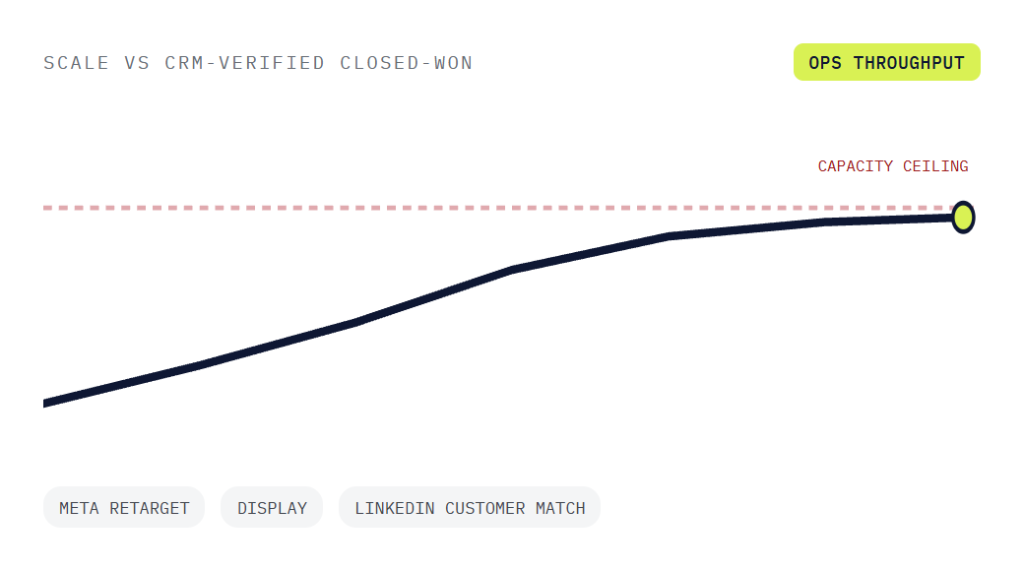
Scale spend against CRM-verified closed-won revenue
Once cost per demo is stable, ad spend scales into your capacity ceiling. Meta and Display layer in as retargeting. LinkedIn ABM activates in Google via Customer Match. Every scaling decision traces to CRM-verified closed revenue and ops throughput.
ad spend scaled against your sales team capacity and demo throughput. Nothing spent past what your AEs can close on.
once search demand is captured, Meta and Display layered as retargeting and lookalike from closed-won cohorts.
every 30 days: ad spend, booked demos, cost per SQL, closed-won revenue, ROAS, next-month plan on one page.
every 90 days ROI and book of tests presented to leadership. Budget shifts and strategy tweaks signed off in the meeting.
named-account list synced to Google Customer Match and LinkedIn Matched Audiences every 2 weeks. Unified attribution across both.
SOC 2 aware workflow, SSO on the Google Ads MCC, and named contract-level access reviews on the Enterprise tier.
Four PPC tiers for every stage of growth
Pick the tier that matches your practice size. Move up or down anytime with 30 days notice, no setup fees. Hover any feature name for a plain-English explanation.
Single-location testing paid ads, or recovering from a bad agency.
Growing brands scaling beyond one campaign: PMax, search, Meta.
Two to ten locations, paid ads across service areas and lines.
Enterprise or 11+ locations. Systematic paid rollouts, multi-market.
Every PPC feature, tier by tier
HOVER FOR DETAILPlatforms and ad spend +
Campaigns + landing pages +
Reporting + analytics +
Ad channels + creative +
Compliance + enterprise +
Team + service level +
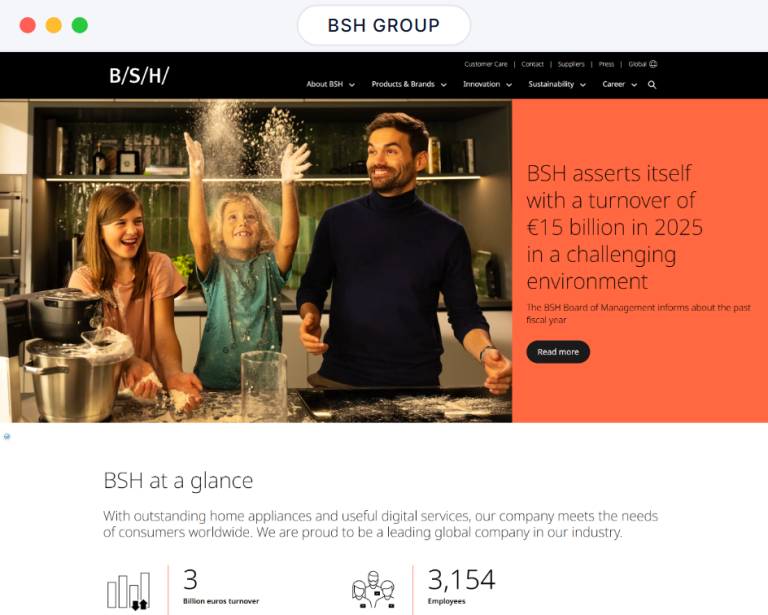
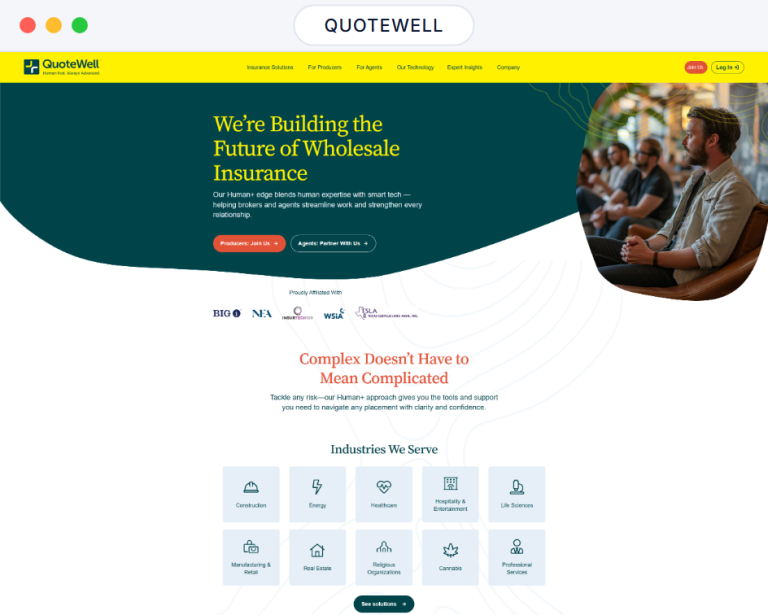
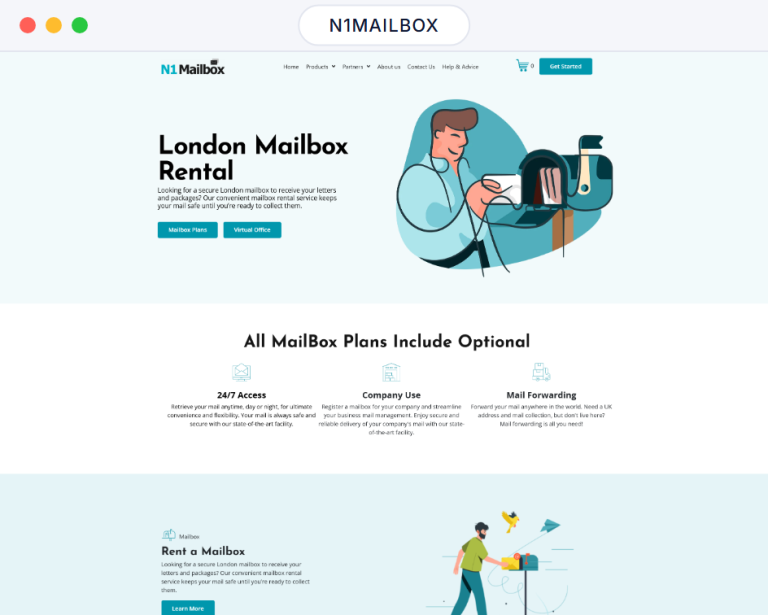
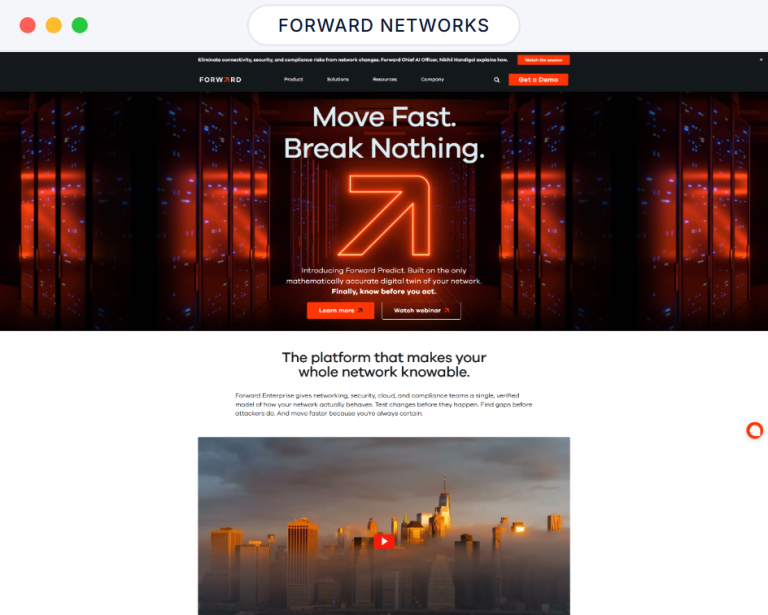
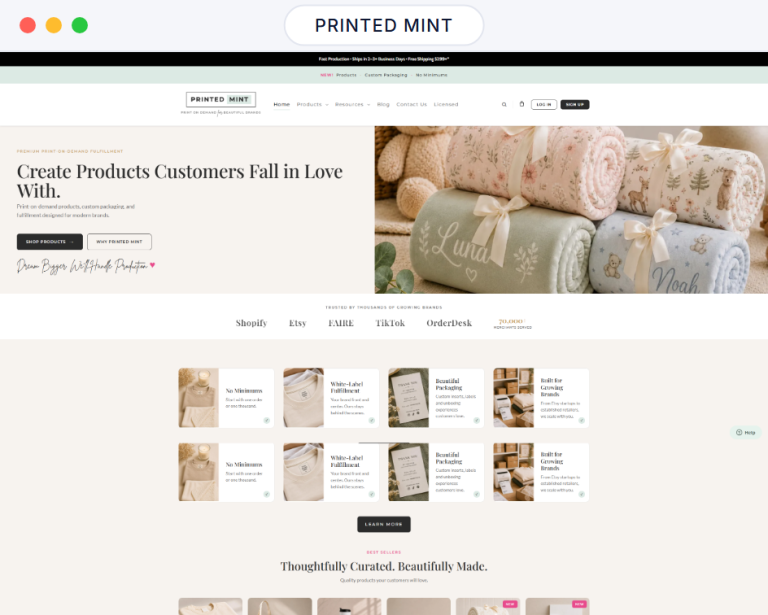
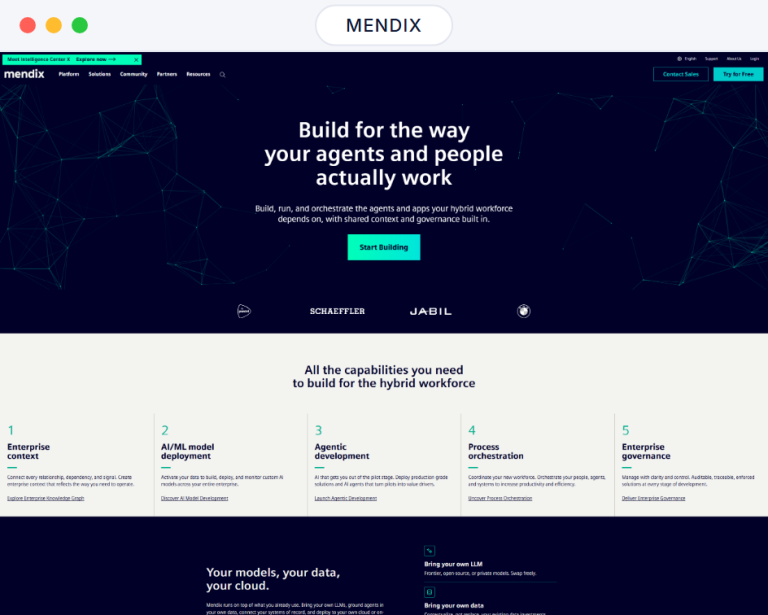
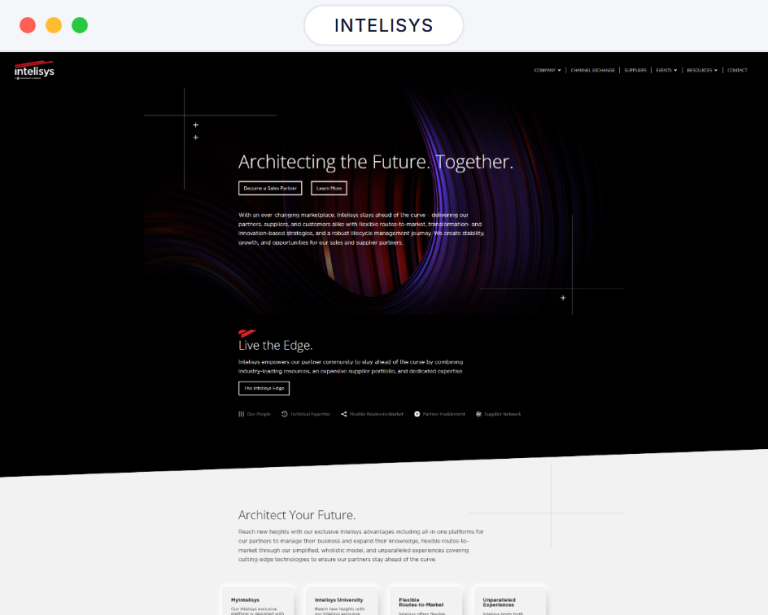
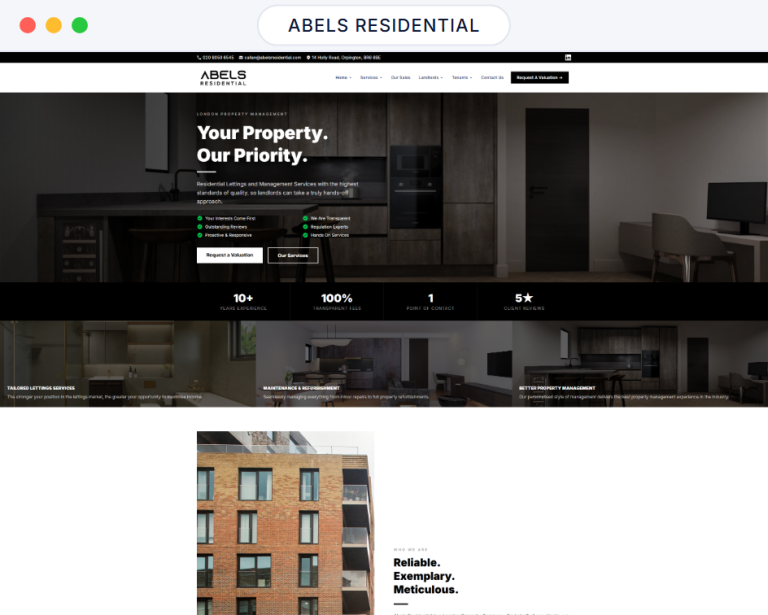
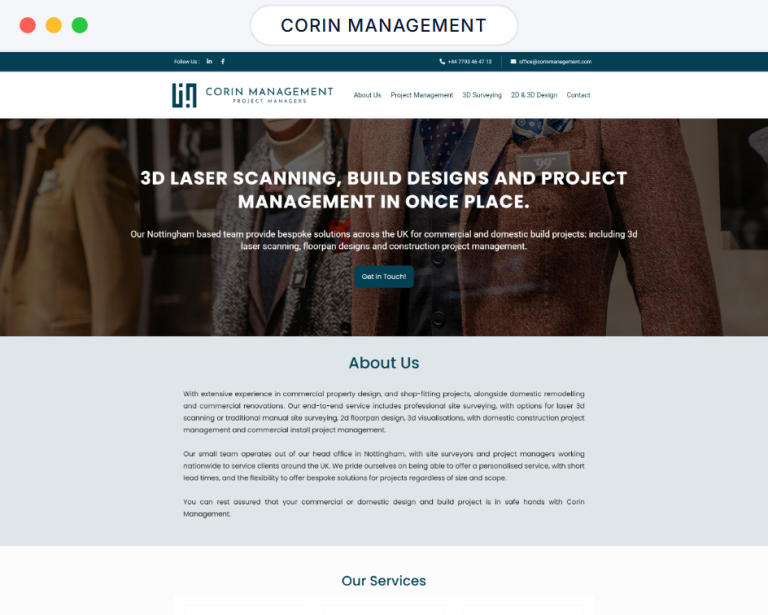
Real B2B accounts, real ad spend, real booked demos

B2B Google Ads questions answered
Pricing, CRM integration, sales cycle attribution, ABM coordination, and reporting answers for B2B founders and heads of marketing.
How much do B2B Google Ads services cost per month?
+
B2B Google Ads services at Redefine Web run $499, $999, $1,999, or from $3,500 per month across four flat-fee tiers. Ad spend is billed direct by Google to your card, so you always see network cost separate from the management fee. Launch at $499 fits businesses spending $1,500 to $3,000 monthly on ads with 1 to 2 service-line campaigns and Google Search only. Growth at $999 fits $3,000 to $8,000 monthly with Google Search plus coordinated LinkedIn ABM and up to 5 campaigns. Scale at $1,999 fits $8,000 to $25,000 monthly with the full B2B stack across Search, LinkedIn, Meta, and YouTube. Enterprise from $3,500 fits $25,000 plus with per-region budget pools, SOC 2 workflow, and a dedicated B2B media buyer. Contract length is 6 months on tiers 1 through 3 and 12 months on Enterprise. Every tier includes the CRM offline conversion feed wired in week 1, weekly written notes, a monthly written report to the founder or head of marketing, and full ownership of ad accounts and pixel containers on cancel. No percent-of-spend rate. No agency markup on ad platform invoices. You always see what Google charges and what Redefine Web charges on separate lines.
Does Google Ads work for B2B?
+
Yes, when the account is built for a 30 to 180 day sales cycle rather than a same-day cart checkout. Google Ads is one of the strongest B2B paid search services because it catches decision-makers the moment they search a category, competitor, or pain point. Research puts 65 percent of B2B buyers on Google at the start of the buying process. What makes it work for B2B software and SaaS is bidding on closed-won revenue from your CRM, not raw form fills. High-intent search on category and competitor terms carries the load, with Performance Max and retargeting layered on after the CRM signal is wired. What kills B2B Google Ads is pointing PMax at form fills, running a 3-month test, or hiring a generalist agency that rotates between ecommerce and B2B accounts. Google published a B2B lead generation playbook that mirrors this bidding model. Every retainer starts by wiring your CRM to Google Ads so the algorithm can learn what a paying customer looks like.
How is a B2B PPC agency different from an ecommerce PPC agency?
+
Your B2B deal takes 30 to 180 days to close. An ecommerce PPC agency bids against a same-day cart checkout. Point Google Ads at the wrong signal and every scale play compounds the wrong number for 90 days before you notice. A B2B Google Ads agency wires an offline conversion feed from HubSpot or Salesforce back into Google Ads inside week 1, so bidding learns from closed deals worth $10K plus instead of raw form fills. Generalist agencies almost never wire this correctly on a B2B account. Bidding signal is closed-won revenue from your CRM, not click-to-form. Attribution windows are 180 days, not 30. Campaign mix leads with search and competitor conquesting, with Performance Max second. Report cadence is pipeline-first, not click-first. Ad copy speaks to a buying committee, not a single shopper. Landing pages carry firmographic questions to filter free-email domains before an SDR gets paged. Every one of those defaults flips when you hire a B2B specialist over a generalist shop.
Does your B2B Google Ads agency work with HubSpot or Salesforce?
+
Yes. The offline conversion feed is wired in week 1 of every retainer, so bidding learns from your CRM stages rather than raw ad-platform clicks. HubSpot uses the native Google Ads integration. Salesforce uses Enhanced Conversions for Leads. Pardot, Marketo, and custom CRMs sync through the Google Ads API. During the CRM wiring pass, your ops team gets CRM stage to conversion mapping so each pipeline stage becomes a discrete Google Ads conversion action, Enhanced Conversions for Leads with hashed-email match-back so cross-device attribution survives cookie loss, server-side tagging for first-party signal that iOS 17 and Safari cannot strip, and a 4-hour sync cadence from your CRM back to Google Ads. Field-mapping and stage-to-action logic get documented in a runbook your ops lead signs off on before any campaign gets a bid change. End result: Performance Max bids on demos that close, not demos that no-show. Every campaign traces back to closed-won pipeline in HubSpot or Salesforce dashboards. Ops teams get a second reconciliation pass in month 2 to catch any stage mapping drift caused by pipeline stage renames on your side.
Is Google Ads good for B2B lead generation?
+
Yes for high-intent capture. No for cold-audience awareness. Google catches buyers the moment they search a category, competitor, or pain phrase, which is why 65 percent of B2B buyers start on Google. That is where the budget belongs. Where Google Ads shines for B2B lead gen: bottom-funnel search on branded and high-intent keywords, competitor conquesting on the top 5 named rivals, retargeting on your CRM Customer Match list, and Performance Max with a CRM-verified conversion signal. Where it does not: cold display or YouTube prospecting to a broad B2B ICP. That job belongs to LinkedIn. Redefine Web coordinates both under one retainer at the Growth tier and above, so paid search and paid social stop double-bidding the same named account. Common KPIs to expect: cost per SQL, cost per opportunity, and cost per closed-won reported weekly. Cost per booked demo lands on the front page of every Monday note, not buried in a click-heavy dashboard behind three tabs.
How do you handle junk leads from B2B paid search services?
+
Your SDRs stop taking demos from paid the moment 6 in 10 leads are unqualified. That kills CFO trust in Google Ads before the channel gets a fair test. Junk leads get defunded systemically, not one form fill at a time. Median junk lead reduction of 40 percent inside 14 days across our active B2B book. The workflow: Monday SDR pull with sales feedback on last-week leads pulled from your CRM and tagged qualified or junk. Source pattern map with junk clusters by keyword, geo, device, and ad copy. Weekly negative sculpt with negative keyword and audience exclusion lists updated every Friday. Landing-page filter with firmographic questions on the form so free-email domains and 1-person shops get routed out of the SQL bucket. Junk lead ratio and cost per SQL both land in the Friday note. Junk lead patterns are also reported quarterly so your sales and marketing leads can adjust ICP and disqualification rules together.
Can you track closed-won revenue back to a Google Ads keyword?
+
Yes. If your CRM produces a closed-won revenue report, we trace every dollar back to the campaign, keyword, and ad creative that produced it. Attribution gets wired before the first campaign runs, not in month 3 after your CFO asks where the money went. The closed-won tracking stack on every retainer: 4-hour CRM feed piped from HubSpot, Salesforce, or Pardot. Enhanced Conversions for Leads with hashed-email attribution that survives cross-device and cookie loss. GA4 to Google Ads pipeline for onsite conversions imported for Smart Bidding. Weekly revenue reconciliation with closed-won pulled from your CRM and matched back to keyword and campaign so Performance Max bids on revenue, not clicks. Cost per closed-won lands in every monthly report next to cost per demo and cost per SQL. HubSpot developer docs cover the API pattern we use for the pipeline sync so your ops team can audit every field mapping without waiting on Redefine Web. Revenue attribution is portable, documented, and stays with you on cancellation.
Do you coordinate Google Ads with LinkedIn Matched Audiences ABM?
+
Google and LinkedIn running in separate silos is how ABM budgets get burned twice on the same account. Your retainer syncs your named-account list across Google Customer Match and LinkedIn Matched Audiences every 2 weeks, so bids and creatives coordinate rather than collide. If you already run LinkedIn through another partner, your Redefine Web B2B media buyer coordinates budget and reporting with them directly. If you do not, we run LinkedIn under the same retainer at the Growth tier and above. Coordination covers named-account list sync refreshed from your CRM every 2 weeks across both platforms, cross-channel budget planning by funnel stage, retargeting from Google search visits into LinkedIn feed, and unified attribution so the closed deal gets credited to the actual touch order, not just the last click. Named-account bid modifiers get updated monthly against SDR outbound activity so paid and outbound stop stepping on each other on the same target list.
Do you run competitor conquesting on B2B Google Ads?
+
Buyers already searching your competitor name are 3 to 5 times closer to a purchase than category searchers. Every retainer at our B2B Google Ads agency includes a competitor conquesting workflow built around this, not bolted on as an upsell. The workflow: competitor keyword list built with SpyFu, SEMrush, or Similarweb against your top 5 named rivals. Comparison landing pages written per competitor, addressing the specific migration or switch story head-on. RLSA overlay so higher-intent audiences already exposed to your brand get bid up on competitor terms. Trademark compliance so ad copy is written to Google policy and ads do not get disapproved for trademark use. Expected read on a healthy conquesting program: 15 to 25 percent of demo volume from competitor terms inside 90 days. Conquesting spend caps get reviewed monthly so top-of-funnel category search never gets starved by competitor tests running hot. Comparison pages are rewritten each quarter as competitor pricing pages, positioning, and product launches shift, so ad copy always maps to what a prospect actually finds on the switch decision.
What Google Ads campaign types work best for B2B?
+
Consumer campaign types run against a B2B buying committee is how ad budgets vanish inside 60 days. Google Search on high-intent keywords carries the load. Competitor conquesting, retargeting, and Performance Max layer on top, but only after the CRM signal is wired. Campaign mix by funnel stage on a Redefine Web retainer: bottom funnel runs search on branded and high-intent keywords, competitor conquesting, and Performance Max with retargeting audiences. Mid funnel runs search on category keywords and YouTube against target-account lists. Top funnel runs display and YouTube for category awareness, funded only after bottom funnel is efficient. Performance Max is not turned on until the offline conversion feed is live and clean. Running Performance Max on form fills is how a $50K deal ends up bidding at a $12 CPA target. Every campaign type earns its slot on the plan against pipeline data, not because the sales rep at Google pushed the shiny new format.
What is the reporting cadence on a B2B PPC retainer?
+
Your CFO does not care about impressions or CTR. She cares about cost per closed deal. Every report at Redefine Web opens with the pipeline number and walks back to the campaigns that produced it. Weekly written note on Friday, monthly deep-dive with your sales team included, and a live dashboard your ops team can pull 24/7. What every report covers: cost per booked demo on a rolling 4-week trend against target, cost per SQL tagged by campaign and keyword, cost per opportunity as a pipeline-stage entry cost from your CRM, and cost per closed-won as actual revenue generated matched back to the ad that started the conversation. No vanity metrics on the front page. Impressions and CTR go in the appendix where they belong. Quarterly reports pair the numbers with a written narrative on what changed, what tested, and what next quarter needs from ops and creative. Founders on the Scale and Enterprise tiers also get a 30-minute recorded video walkthrough on the monthly report so async review works when calendars break.
How long is the initial B2B paid search services retainer?
+
The initial term is 6 months on Launch, Growth, and Scale tiers. Enterprise runs 12 months. Anyone selling you a 3-month B2B PPC retainer is either misleading you or planning to blame the platform when the first cohort of demos has not closed yet. B2B sales cycles run 30 to 180 days, so paid needs a full quarter to prove itself and a second quarter to compound. How the 6-month retainer breaks down: months 1 to 2 wire CRM attribution, defund junk leads, and stabilize cost per booked demo. Months 3 to 4 settle cost per SQL and let pipeline attribution catch the first cohort of closed deals. Months 5 to 6 land blended customer acquisition cost inside target and scale the account against real closed-won revenue. After month 6, retainers renew each month against a written CAC target agreed with your CFO. Ad accounts, tag containers, landing pages, and every keyword list remain your property on cancellation with a 30-day handoff window and a written turnover checklist signed off by both sides.