Skip to content
NOW BOOKING NEW ENGAGEMENTS GET A FREE STRATEGY SESSION ↗
RWCUSTOM WEB DEVELOPMENT SERVICES

Custom Web Development Services Built on Your Team's Stack

For teams past what page builders can carry. Redefine Web builds on Next.js, Laravel, Node, headless WordPress, or Shopify Hydrogen. Whatever your team already runs. Every commit lands in your git. Every deploy runs through your CI. Fixed-price scope quoted before we start.
35+
CUSTOM BUILDS DELIVERED SINCE 2021
9-wk
MEDIAN BUILD-TO-LAUNCH
100%
HANDOFF WITH CODE YOU OWN
custom web development services dashboard tracking booked outcomes and revenue metrics
FIXED-PRICE SCOPE
9 wk
MEDIAN BUILD-TO-LAUNCH
Trustpilot 4.7/5 ★★★★★
Clutch 5.0/5 ★★★★★
Google 5.0/5 ★★★★★
DesignRush 4.9/5 ★★★★★
GoodFirms 5.0/5 ★★★★★
F6S 5/5 ★★★★★
4.9 WEIGHTED AVERAGE · VERIFIED BY TEAMS THAT ACTUALLY PAID US
01 THE PROBLEMS

Three ways WordPress and page builders are quietly capping your product

bespoke web development agency challenge card visualizing a common growth blocker
PROBLEM 01 · STACK

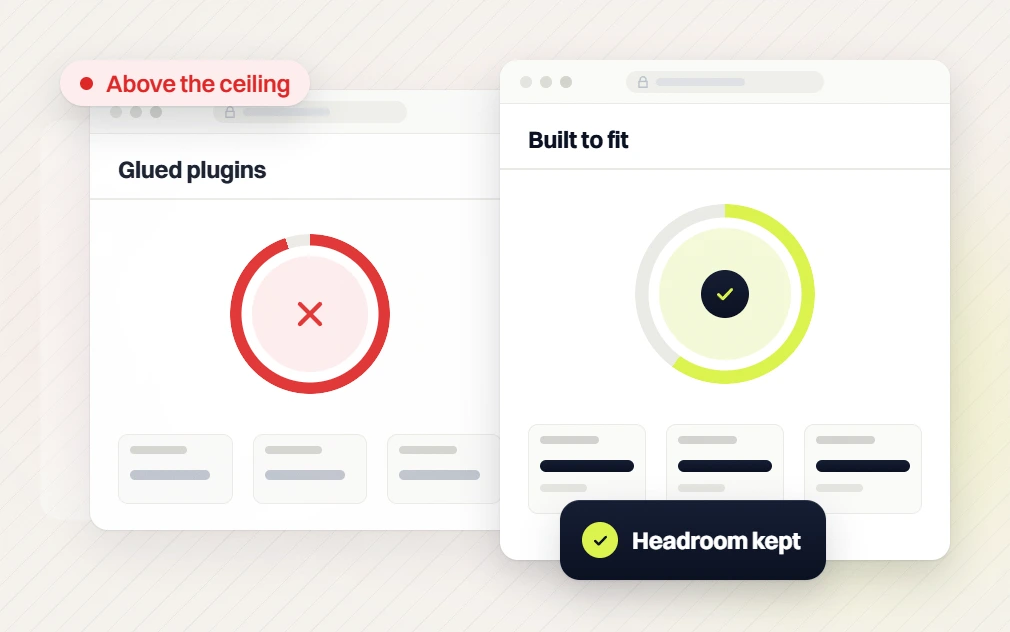
WordPress hits a ceiling that Laravel or Next.js clears

WordPress hits a wall at role-based dashboards, multi-tenant billing, or 200+ SKUs with real-time inventory. Ten plugins glued together with custom PHP turns into a maintenance bill inside 2 years. If the workload needs 4+ plugins bolted together, the right call is Laravel or Next.js picked to the workload.

custom web development services challenge card visualizing a common growth blocker
PROBLEM 02 · INTEGRATIONS

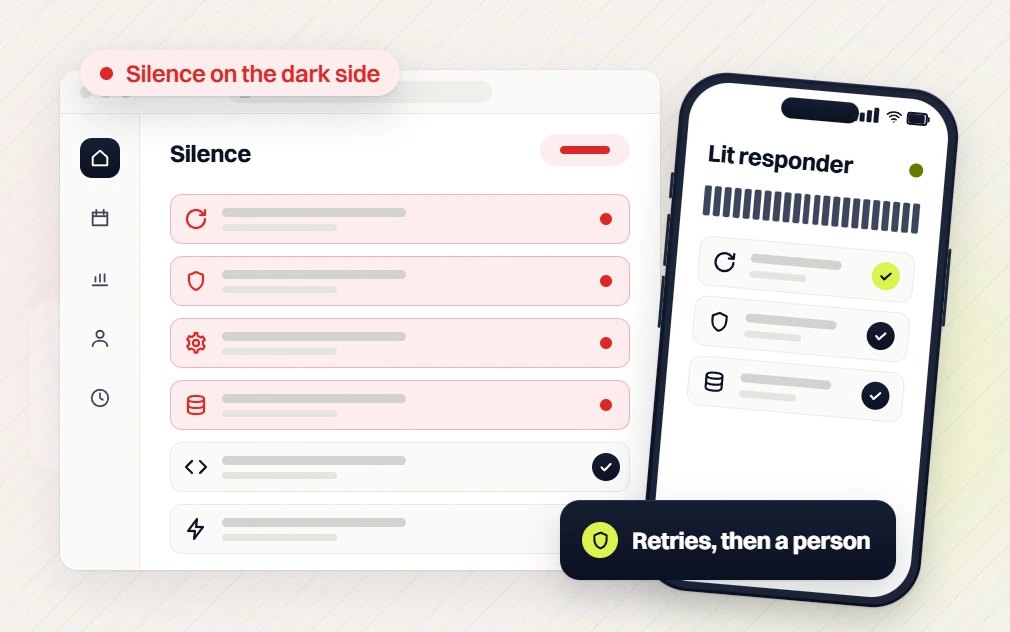
HubSpot, Salesforce, and Stripe get iframe-glued into the page

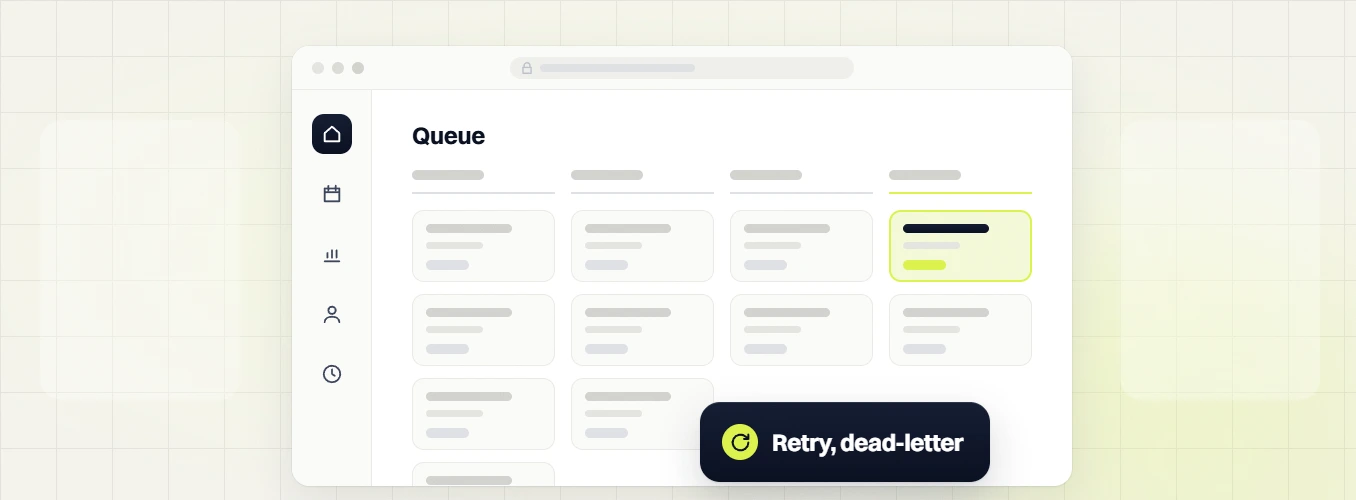
Most agencies drop a HubSpot form embed and call it integrated. A failed Stripe webhook at 3 AM never pages an engineer, and a Salesforce lead handoff drops on a rate-limit spike. Real webhook-safe middleware with retry queues and dead-letter alerts keeps every lead. That is table stakes on a build over $18K.

custom website development challenge card visualizing a common growth blocker
PROBLEM 03 · ENTERPRISE

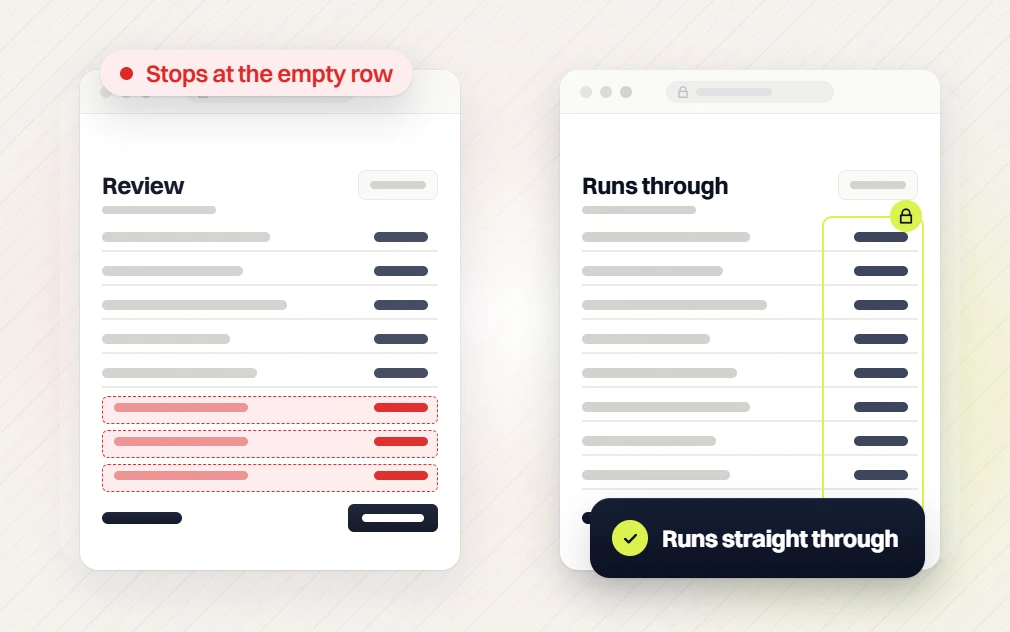
Enterprise buyers want Okta SAML, staging, and PWA on day 1

Procurement asks for SAML SSO, a SOC 2 questionnaire, and a real staging environment before UAT starts. Agencies that treat security as a phase-2 add-on lose the deal in IT review. Wire Okta or Azure AD, staging that mirrors production 1:1, and a PWA shell on day 1 so IT signs off first pass.

02 THE OUTCOMES

Three outcomes every custom build produces

bespoke web development agency outcome showing tracked performance improvement
Custom code in your git from day one · full ownership

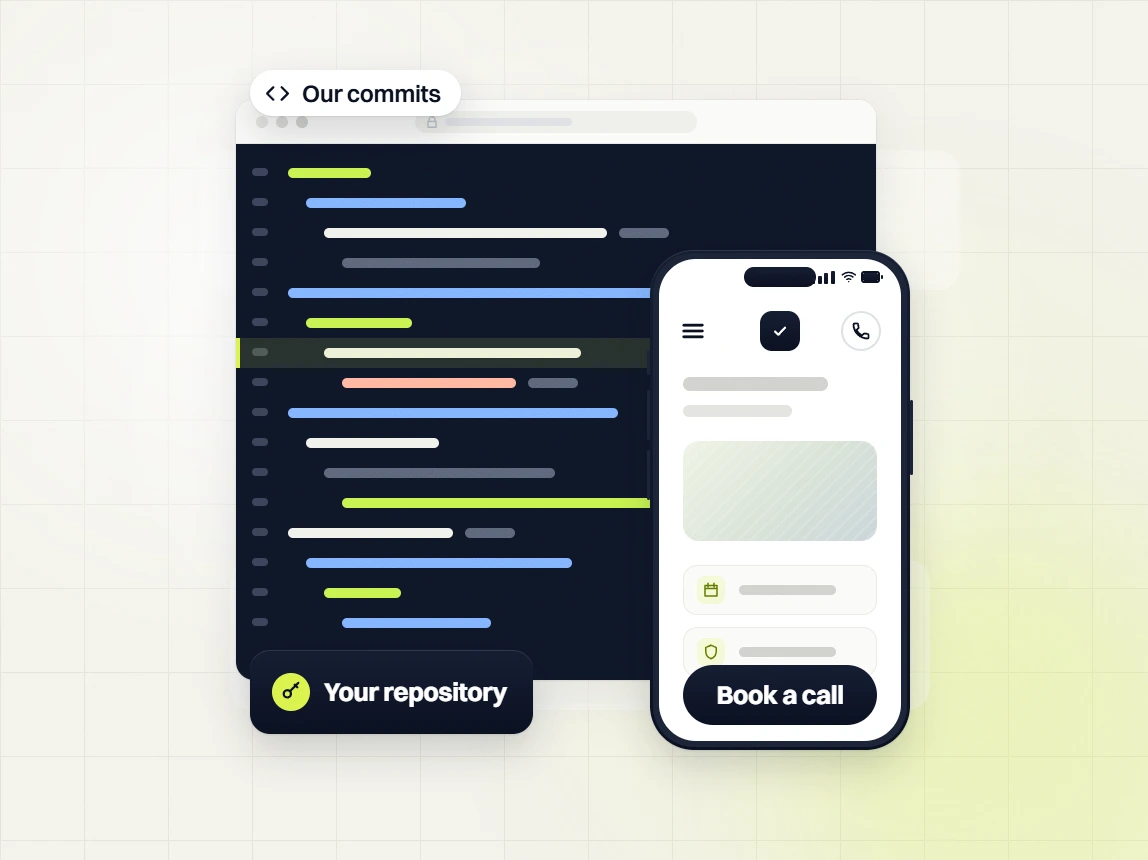
Every commit lands in your repository, not ours. Every deploy runs through your CI. Every rollback stays under your control. Ownership is written into day 1.
custom web development services outcome showing tracked performance improvement
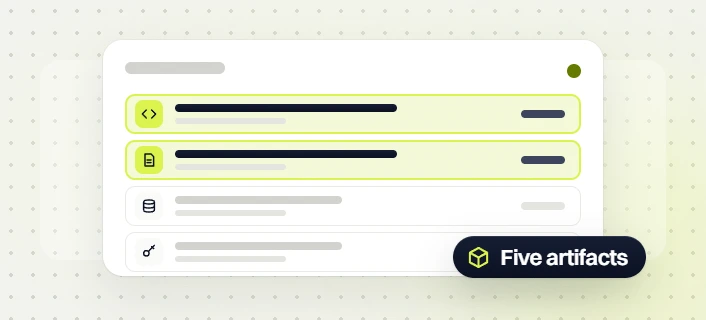
Architecture that survives handoff without a meeting

Decision log, storybook, API contracts, test coverage, and runbook handed over with the code. The engineer who takes over at month 12 has what they need.
custom website development outcome showing tracked performance improvement
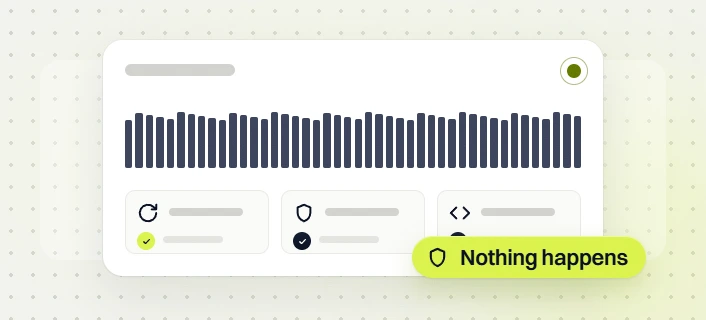
Integrations that hold clean on vendor version bumps

Semver pinning on every dependency. Contract tests per integration. CI runs against sandbox APIs. Salesforce and Stripe version bumps land as reviews.

03 · OUR PROCESS

Four stages. One engineering discipline

Every one of our custom web development projects follows the same path. Scope the build in writing. Design against real data. Push to staging every week. Cut over with monitoring live.

01 WEEKS 1-2

Scope the build in writing

Stack audit, integration map, and a fixed-price SOW signed before a single commit lands in your repo. Product and engineering interviews, existing codebase review, dependency graph, CI/CD flow, and a written list of technical debt worth paying down.

✓ SIGN-OFF: SCOPE + PRICE
02 WEEKS 3-5

Design against real data

Component library, admin patterns, and edge-case states validated on real data volumes before engineering starts. Design tokens exported to JSON and CSS variables the engineers import directly. Clickable prototype tested on real users.

✓ SIGN-OFF: DESIGN + TOKENS
03 WEEKS 5-13

Push weekly to staging

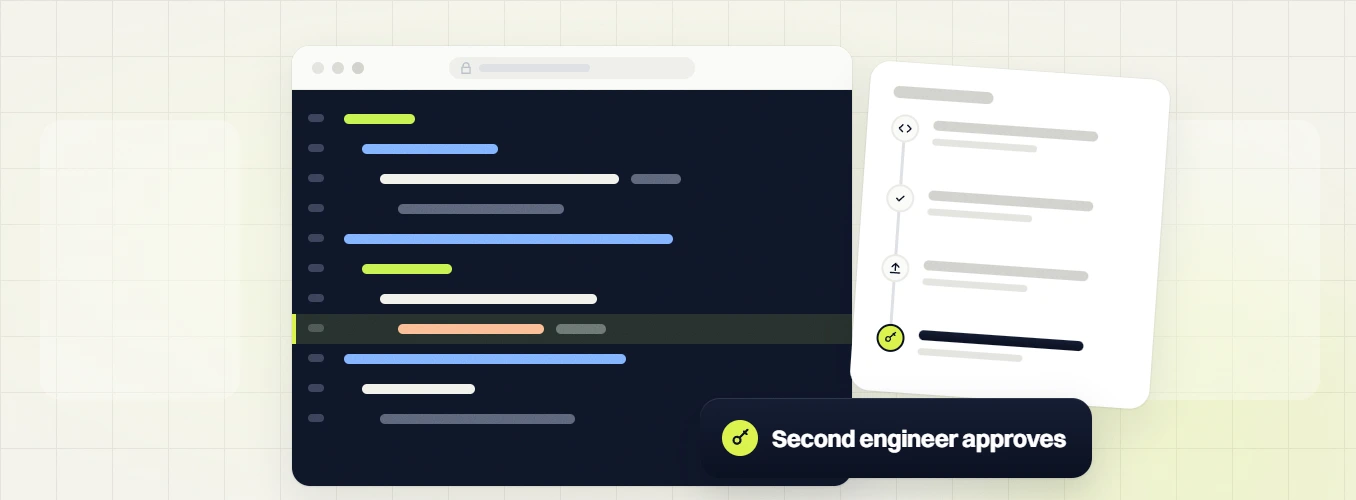
Code in your git from day 1. Every PR reviewed by a second engineer. Preview environments per branch. Weekly promotion to staging so you always see the actual build, not screenshots. Next.js, Laravel, Node, or hand-written PHP against the stack you already run.

✓ WEEKLY DEPLOY
04 WEEK 13 + 30 DAYS

Cut over with monitoring live

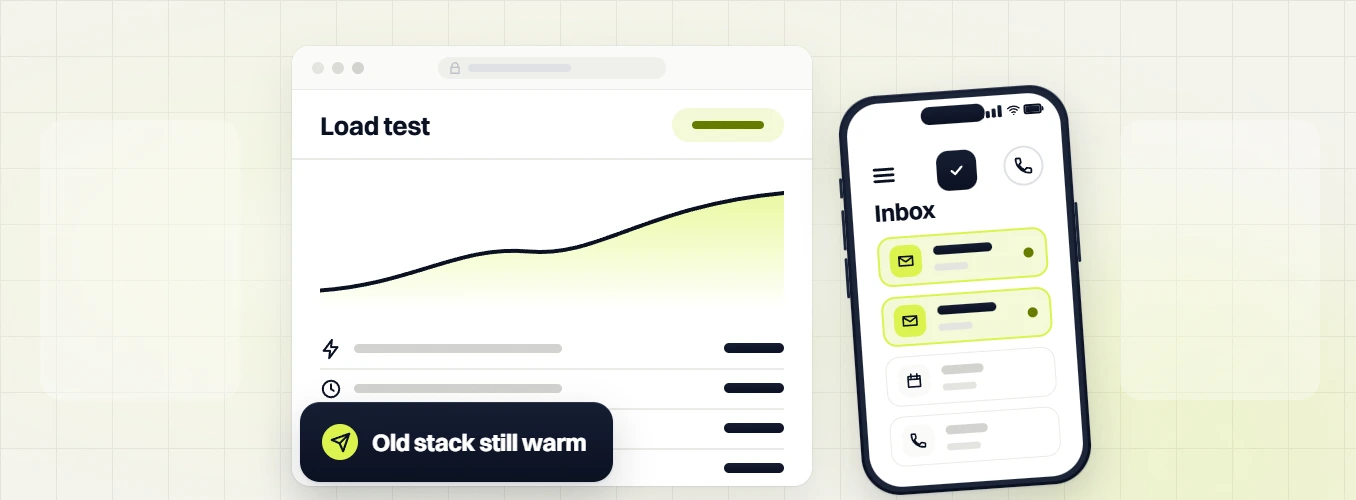
Blue-green cutover with a tested rollback plan. Load test at 10x forecast traffic. Sentry and Datadog dashboards live from the minute traffic switches. Signed runbook per top-10 failure mode. 30 to 90 days of post-launch support.

✓ HANDOFF
04 DELIVERABLES

What you get from our custom web development services

Every phase has defined deliverables, a signed acceptance page, code committed to your git, and a date on the calendar. You always know what is due, when, and who owns it on our side.
custom web development services deliverable panel visualizing scope of work

Discovery that scopes the build honestly

Nothing gets built until we understand your stack, your data, and your team's engineering discipline. 1 to 2 weeks of working sessions with your product and engineering leads, a technical audit of the existing stack, an integration map of every third-party the app touches, and a signed fixed-price scope document with line-item deliverables before a single commit lands in your repo.
PHASE DURATION 1-2 weeks SIGN-OFF Fixed-price SOW signed DELIVERABLES
Book a 30-Min Audit
INCLUDED IN EVERY BUILD
Product + engineering interviews
3 to 5 working sessions with your PM, tech lead, and ops owner. Business rules, edge cases, and success criteria captured in writing.
Stack + repo audit
Existing codebase review, dependency graph, CI/CD flow, observability gaps, and a written list of technical debt worth paying down.
Integration + API map
Every third-party API, auth flow, webhook, and data source diagrammed with rate limits, contracts, and failure modes.
Fixed-price SOW + milestones
Feature-by-feature scope, dated milestones, sign-off gates, and payment schedule. What you approve is what you pay.
Data + content model
Schema draft, content types, and migration inventory scoped so engineering starts against real data volumes, not fake JSON.
Risk register + assumptions log
Every assumption we made, every dependency on your side, every risk ranked by impact. Nothing hides in a slide deck.
Book a 30-minute engineering audit. Written recap next business day
NO SALES CALL REQUIRED · FIXED-PRICE SCOPE · CODE IN YOUR GIT DAY 1
Request a Free Audit
05 PRICING

Four web design tiers for every stage of growth

Every line item listed. The quote you get is the invoice you pay. Take any tier as a project fee, or split it into the flat monthly plan.

STARTER
$1,500
OR $250/MO · SINGLE DOCTOR

Fast, credible site converting existing reputation.

THE FOUNDATION:
Custom 8-page website build
Contact form + click-to-call
On-page SEO + Maps setup
Hosting + nightly backups
2 content edits per month
Next-business-day support
Get this quote
MOST PRACTICES
GROWTH
$2,500
OR $400/MO · GROWING PRACTICE

Full booking engine: scheduling, checkout, customer reporting.

EVERYTHING IN STARTER, PLUS:
Live scheduling integration
Landing page per revenue
Objection-handling copy
Missed-call auto text-back
Bookings and leads report
4 edits/mo, same-day
Get this quote
MULTI-LOCATION
$3,500
OR $550/MO · 2–5 LOCATIONS

One brand, every office found, location-level tracking.

EVERYTHING IN GROWTH, PLUS:
Landing page + map/location
Per-location call tracking
Per-location review routing
Team member profile pages
Quarterly review call
6 monthly edits (all sites)
Get this quote
enterprise operator / CUSTOM
$5,000+
CUSTOM SCOPE · 6+ LOCATIONS

Design system the whole group launches on. Ops-team-spec integrations.

EVERYTHING IN MULTI, PLUS:
Shared design system
Custom integrations
Rank-safe migrations
Dedicated account lead
Direct Slack access
SLA-backed ticket support
Scope my build
EVERY TIER: MONTHLY PLAN AVAILABLE · 30-DAY LAUNCH · 90-DAY REBUILD GUARANTEE · YOU OWN SITE, DOMAIN + DATA

Every web design feature, tier by tier

HOVER ANY FEATURE FOR A PLAIN-ENGLISH EXPLANATION
Website + design +
FEATURE STARTER GROWTH MULTI-LOCATION ENTERPRISE OPERATOR / CUSTOM
Pages included 81525CUSTOM
Custom design, no tpl
Landing page per revenue
Team member profile pages
Shared design system
Booking + patients +
FEATURE STARTER GROWTH MULTI-LOCATION ENTERPRISE OPERATOR / CUSTOM
Contact form + click-to-call
Live scheduling integration
Objection-handling copy
Missed-call auto text-back
Review automation PER OFFICEPER OFFICE
SEO + visibility +
FEATURE STARTER GROWTH MULTI-LOCATION ENTERPRISE OPERATOR / CUSTOM
On-page SEO + schema
Google map listing SETUPREBUILDPER OFFICEPER OFFICE
Location pages
Rank-safe migration AT SCALE
Copy from interview
Care + support +
FEATURE STARTER GROWTH MULTI-LOCATION ENTERPRISE OPERATOR / CUSTOM
Hosting, SSL + backups
Content edits per month 246CUSTOM
Support response NEXT DAYSAME DAYSAME DAYSLA
Bookings and leads report
Quarterly review call
Dedicated lead + Slack
06 COMMON ENGINEERING QUESTIONS

Common engineering questions

From real quote calls with CTOs and product leads. Anything else, ask on the call, answered in the first 5 minutes.

PREFER TO TALK?
+1 (866) 999 9531
[email protected]

How much does it cost to develop a custom website?

+

At Redefine Web, custom web development services start at $18,000 for a scoped web app, a custom marketing site with a real backend, or a headless frontend running against a proper CMS. Multi-service backends, enterprise SSO, and large data migrations have run up to $180,000 on prior client work. Every quote is fixed-price, written into the SOW before code starts, and includes staging, CI/CD, and Sentry monitoring in the base scope. Time-and-materials is only used when discovery genuinely cannot be scoped, and even then the budget cap is fixed up front so no invoice ever comes in higher than expected. For teams that want a public benchmark on what quality development takes, Google web.dev Core Web Vitals is a fair reference on the performance work included in every build. Discovery, design, engineering, integrations, launch, and 30 to 90 days of post-launch support all sit inside the number quoted on day 1, never billed as add-ons.

What is custom web development?

+

Custom web development is engineering a website or web app from scratch against your workflow, data model, and integrations, rather than assembling a template or page builder. On every project, we pick the stack to the workload: Next.js, Nuxt, or Astro for the frontend, Laravel or Node for the backend, and Postgres or MySQL for data. That gives you role-based dashboards, multi-tenant billing, real-time inventory across 200 SKUs, and enterprise SSO that WordPress plugins genuinely cannot hold at scale without a maintenance bill inside 2 years. Google’s own guidance on search-friendly custom implementations is the baseline we build to on every project we quote. Custom means: your git repo, your cloud account, your API keys, your data model, and code you own on the final invoice. Nothing is licensed back to you and no vendor lock-in gets written into the delivery contract at any stage. Ownership and IP assignment are default terms, not premium extras that carry a change order.

How much does it cost to pay someone to build your website?

+

Cost depends on what you are building end to end. A marketing site with a real backend and CMS lands $18,000 to $45,000. A single-app frontend with authentication and a small admin panel runs $25,000 to $70,000 on typical scope. A multi-service backend, headless commerce migration, or enterprise SaaS build runs $70,000 to $180,000 on our recent engagements with mid-market clients. Off-the-shelf template work from a freelancer is cheaper ($3,000 to $8,000) but caps out at what the template can carry, and re-platforming inside 18 months is common when the business outgrows the template. Our engagements are priced fixed on the SOW, so you know the ceiling on day 1. Payment is milestone-based (30/30/30/10 typical), and the final 10% releases only when handoff docs, code ownership, and access transfer are signed. No hourly billing surprises, no scope creep clauses that quietly move the price. Every add-on runs through a written change order signed before extra engineering time starts on any new module.

How much does it cost to have a custom website built?

+

Fixed-price ranges we deliver most often on custom website development: $18,000 to $35,000 for a headless marketing site with a custom CMS backend, $35,000 to $75,000 for a member-gated web app or portal, $75,000 to $180,000 for multi-service backends with enterprise SSO, HubSpot and Salesforce sync, and Stripe billing across products. Every number is quoted before a commit is written, tied to a milestone plan you sign, and locked into the SOW as the ceiling on price. Discovery, design, engineering, QA, and 30 to 90 days of post-launch support all sit inside the base number. Add-ons that some agencies bill separately (Sentry setup, staging environment, contract tests per integration, blue-green cutover) come included by default on every engagement. What you approve on the scope is what you pay on the final invoice, with no hourly surprises hiding in the fine print of the master services agreement. Change orders only exist when you request extra scope, priced up front.

Can ChatGPT build me a website?

+

ChatGPT can reliably generate boilerplate HTML, a starter Next.js scaffold, or a WordPress theme skeleton in minutes. It cannot decide the right stack for your workload, wire HubSpot to Salesforce through a queue with dead-letter alerts, or hold a SOC 2 questionnaire in front of your prospect’s IT team. On our engagements, we use AI-assisted tooling (Copilot, Cursor, Claude) inside the engineering workflow, but a real engineer owns the decision, the code review, and the production deploy every time. Buyers who tried ChatGPT-only builds usually come back inside 6 months with maintenance debt, security holes, or an integration that broke on a vendor version bump they never saw coming until traffic hit it. Support docs from HubSpot for developers are one example of the vendor-specific patterns AI tools do not reliably get right on the first try without engineering review sitting on top and validating the output against real webhook payloads.

What is the 3 second rule in website design?

+

The 3-second rule says over half of mobile visitors leave a page that takes longer than 3 seconds to load. On every custom website development build, that number is baked into the SOW as a hard target on every build we quote. Every page has to clear Largest Contentful Paint under 2.5 seconds on a real 4G connection, or engineering does not sign off on the milestone. We deliver against Google’s Core Web Vitals thresholds, which cover LCP, INP, and CLS across every route on the finished site. Static generation, image optimization, code splitting, edge caching, and lazy loading are wired on day 1, not added as a phase-2 fix after launch traffic exposes the problem to real users. Weekly Lighthouse runs land in the deploy pipeline as a quality gate. If a pull request drops the score below the target, the merge gets blocked automatically until an engineer fixes the regression, not left for launch week to catch.

What is bespoke web development?

+

Bespoke web development is the UK-English term for what US teams usually call custom web development. It means the site or app is engineered against your business logic, data model, and integrations, rather than assembled from a template or SaaS builder. A bespoke web development agency owns the stack decision, the code, the integrations, and the QA discipline across the whole build from discovery to launch. On our engagements, bespoke means you get your own git repository, your own cloud account, your own secret manager, and a fixed-price SOW signed before engineering starts on any real work. Everything is picked to the workload: Next.js or Astro for the frontend, Laravel or Node for the backend, Postgres for data, and Sentry plus Datadog for observability. Nothing is white-labeled or licensed back to you at handoff. Full IP assignment on final invoice is a standard clause in the master services agreement, not a premium add-on that shows up on a change order.

How much does a bespoke website cost?

+

A bespoke website from a UK or US custom web development agency typically runs anywhere from $18,000 to $180,000 depending on scope and integrations. On the entry end, a bespoke marketing site with a custom backend lands $18,000 to $35,000. A member-gated web app runs $35,000 to $75,000 on typical scope. Enterprise-grade builds with SSO, multi-service backends, and payments run $75,000 to $180,000 on our recent projects. Our engagements are fixed-price across every tier. Every number is quoted against a written scope you sign before code starts on any milestone. Discovery, design, engineering, integrations, and 30 to 90 days of post-launch support all sit inside the base number. Hosting on your cloud account, code sitting in your git repo, and full ownership at final invoice are default terms, not premium add-ons that carry an extra invoice line. The SOW is the ceiling on price. Change orders only happen when you request extra scope, signed and priced before extra engineering time starts.

Which company is best for web development?

+

The right custom web development agency is the one whose stack, engineering discipline, and integration breadth match the workload you are building today. Ask three things on every shortlist call: what git will the code sit in (yours, not theirs), what does the fixed-price SOW cover end to end, and what is the day-90 handoff plan in writing. Redefine Web is a fully remote agency that builds on your team’s existing stack (Next.js, Laravel, Node, headless WordPress, or Shopify Hydrogen), commits into your repo from day 1, and hands over a signed runbook per top-10 failure mode at launch. We are not the right pick for $5,000 template work off the shelf. We are the right pick when you need engineering discipline, real observability, and a build that survives version bumps without a 3 AM page ringing on your on-call rotation. Ownership transfer at the final invoice is written into every contract, not negotiated after launch.

What tech stacks do you use for custom web development services?

+

Stack gets picked to the workload on each build, not to what we like this quarter or what our engineers prefer working on any given week. Frontend defaults: Next.js (App Router, RSC, TypeScript), Nuxt 3, or Astro for content-heavy static sites with heavy SEO needs. Backend defaults: Laravel (Eloquent, Horizon, Sanctum) or Node (NestJS or Fastify) depending on data patterns and team preference. Data: Postgres for relational, MySQL where the client already runs it, Redis for sessions and queues. Search: Meilisearch or Algolia depending on scale and query volume. Auth: Okta, Auth0, Azure AD, or Google Workspace with SAML 2.0 or OIDC on top. Hosting: Vercel, Netlify, AWS, GCP, or Azure on your account, under your billing so ops stays yours. If your team already runs a stack we do not name here, we build on it as long as it is production-grade and has an active maintainer community backing releases. Our custom web development services never force you off a stack you already have engineering talent on. Handoff always lands into your existing tooling.

What is your timeline for a custom web development project?

+

Median build-to-launch on our last 20 fixed-price engagements is 9 weeks end to end. Single-app frontends and admin panels launch in 4 to 6 weeks. Marketing sites with a custom backend run 6 to 10 weeks on typical scope. Multi-service backends and headless commerce migrations run 12 to 20 weeks with regular staging demos. Enterprise SSO, procurement review, and vendor sign-offs add 2 to 4 weeks and get called out in the SOW before the contract is signed by legal. Every timeline is signed and tracked against milestones week by week on a shared plan. Weekly staging deploys land every Friday so you review the actual build, not screenshots or slide decks from the design tool. Dependencies on your side (content approvals, integration sandbox access, IdP admin) get logged in the weekly stand-up notes so nothing hides in a side chat. If a milestone slips, the reason is written down the same week and the recovery plan is on the next call. Custom website development runs on visible dates, not vague quarters.

Do you build ADA and WCAG compliance into the site?

+

Yes. WCAG 2.2 AA is a baseline on every engagement, wired into design and engineering rather than audited after launch as a fix-up phase. Focus order, ARIA roles, color contrast, keyboard navigation, and screen-reader semantics get annotated in the Figma handoff and validated on real assistive tech before staging opens to the client team. Automated checks (axe-core, Lighthouse) run in CI on every pull request against the main branch. Manual VoiceOver and NVDA passes happen at the end of design QA and again right before cutover to production traffic. If your industry sits under stricter accessibility law (healthcare, government, financial services), we add ADA legal review as a separate phase and route findings through your compliance team for sign-off. Accessibility is a legal risk we do not let clients carry into launch. Reports land on the same shared drive as engineering ADRs and stay auditable long after the build wraps up.

What happens after launch on ongoing support and hosting?

+

Post-launch support on our custom web development services runs 30 to 90 days depending on tier, included in the base project price. You get a direct Slack channel with the engineering lead, bug fixes on delivered scope, hotfix deploys inside 4 business hours, and weekly office hours through the support window on scheduled days. Hosting sits on your cloud account (AWS, GCP, Azure, Vercel, or Netlify) under your billing, with our engineers as invited users only during the support window. Runbooks per top-10 failure mode are signed off by your on-call rotation before we cut over to production traffic on launch day. After the support window closes, ongoing retainer options run from $1,999 a month for observability, dependency updates, and a monthly feature sprint against your product backlog. You are never locked into ongoing work. Access can be revoked and the retainer paused with 30 days written notice, and the code stays yours no matter what happens next.

FREE — 30 MINUTES — NO PITCH

Book a free growth audit.

Walk away with three fixes you can ship the same week — whether or not you hire us.

24-HOUR RESPONSE 300+ AUDITS RUN ZERO OBLIGATION