
Sales Funnel and Automation Services That Recover Lost Revenue
Most brands lose 30% of revenue in unopened emails and untriggered flows. Redefine Web sales funnel and automation services rebuild cart, trial, and consult abandon sequences on the stack you already run, whether that is HubSpot, Klaviyo, Customer.io, or Braze. One owner runs the whole build. From $8,000 fixed. 6 to 10 weeks to launch.
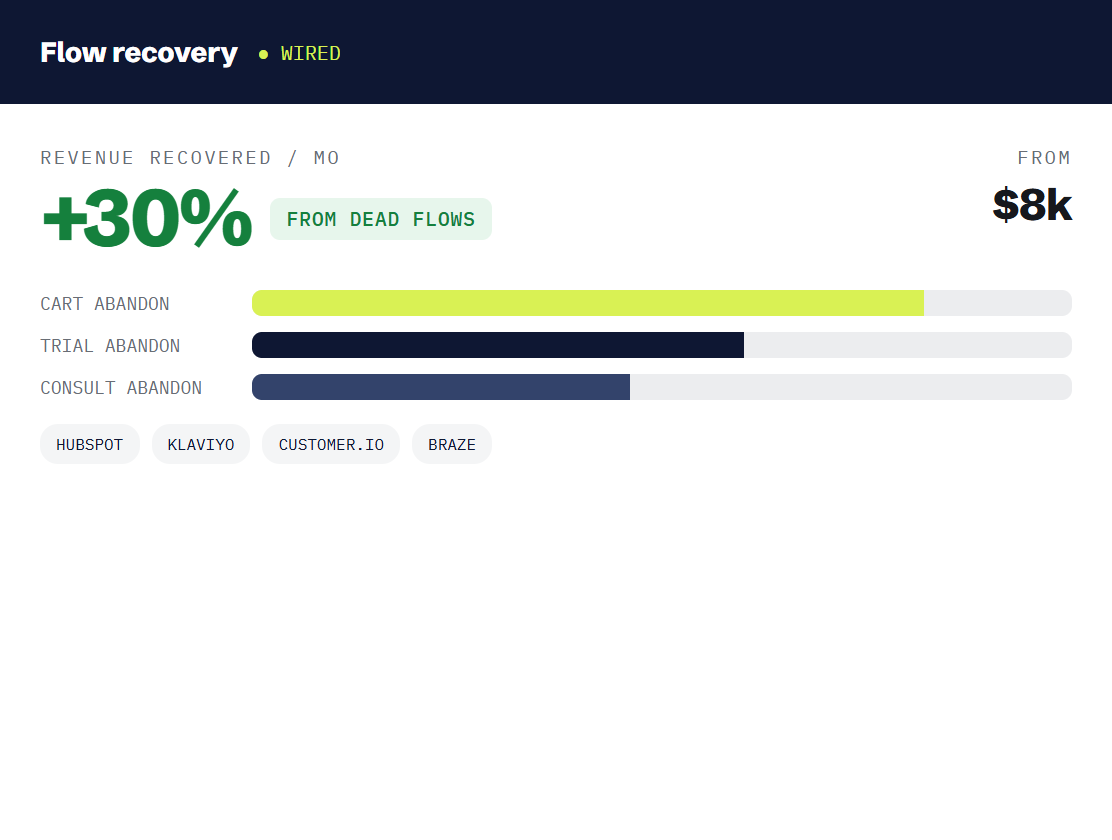
Three ways your current sales funnel drops revenue
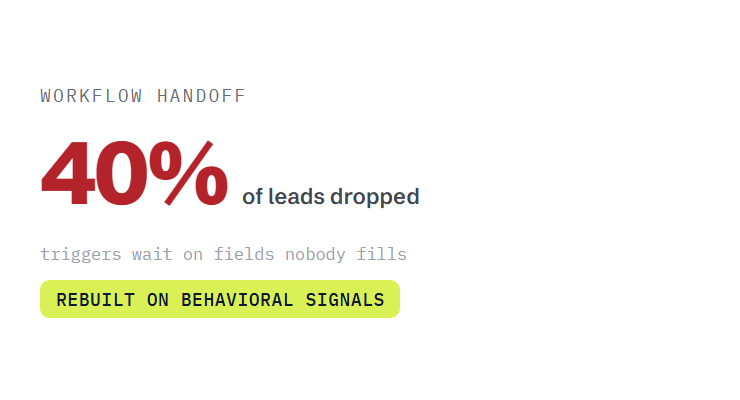
HubSpot, Salesforce, and ActiveCampaign workflows drop 40% of leads at the handoff
HubSpot deal-stage triggers wait on fields nobody fills. Salesforce workflows fire on lead source, not real intent. ActiveCampaign automations stall on missing tags. Redefine Web rebuilds workflow logic on real behavioral signals, not fields the sales rep forgets to update.
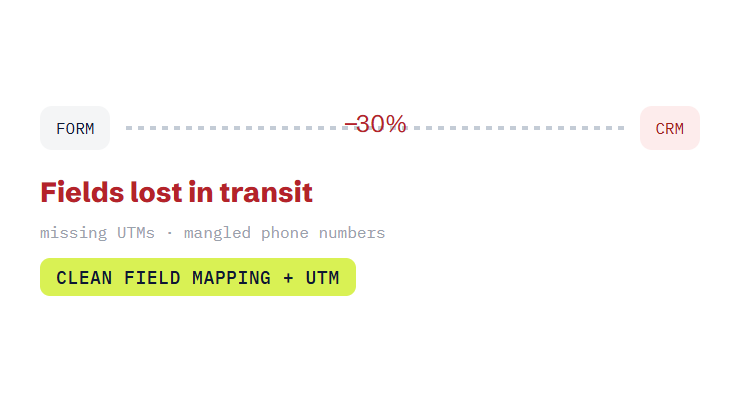
Form-to-CRM handoff loses 30% of fields on the way to the sales queue
Gravity Forms and Typeform submissions land in HubSpot or Salesforce missing UTMs and mangled phone numbers. Sales calls the wrong number, skips the lead, or attributes it to organic when it was paid. We wire clean field mapping with UTM capture, phone normalization, and duplicate detection.
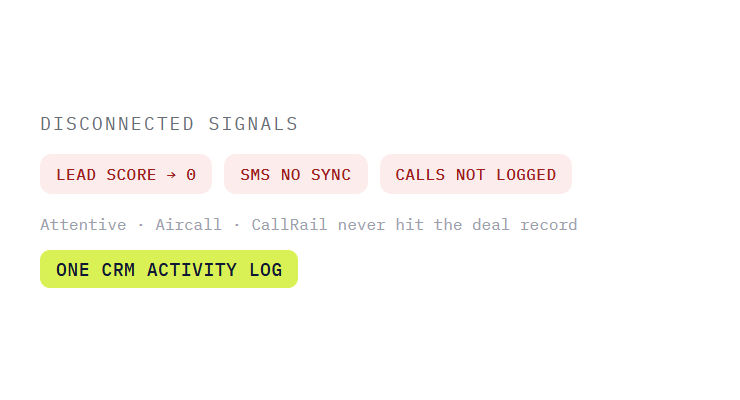
Lead scoring drift, SMS gaps, and call tracking that never hits the CRM
Lead scores decay to zero when nobody refreshes the model. SMS runs on Attentive but never syncs back. Aircall or CallRail never posts to the deal record. We wire lead scoring, SMS, and call tracking to one CRM activity log so sales sees the full picture.
Three outcomes every sales funnel build produces
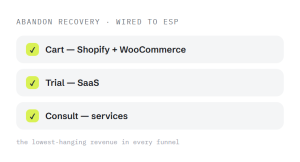
The lowest-hanging revenue in every ecommerce, SaaS, or services funnel. Cart, trial, and consult abandon flows rebuilt on real behavioral triggers.
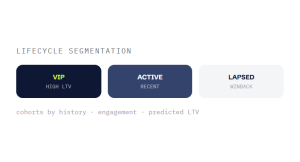
Real cohorts based on purchase history, engagement recency, product category, and predicted LTV. Different content, offer, and cadence per cohort.
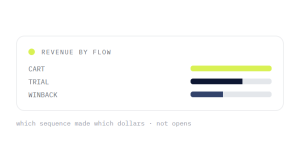
Every flow tracked to CRM-verified revenue in your ESP and GA4 Enhanced Conversions. See which sequence produced which dollars in weekly written reports.
Four stages. Audit to launch on your existing stack
Same rhythm across every automation project. Each stage ends in a written deliverable and a working flow you can inspect inside your own ESP. Fixed scope, fixed timeline, calendar dates on every milestone.
Funnel map that names the underperforming flows
Current flows audited. Drop-off points identified. Priority scored by projected revenue impact. Nothing new gets wired until the audit is signed off by owner and ops lead. 30-page written audit deck with every drop-off, every prioritized flow, and every recovery projection in writing.
Copy and templates written before build starts
A lifecycle copywriter drafts every email and SMS. Designer builds branded templates. Both signed off before automation build so nothing gets wired against draft copy. Subject lines, preview text, body, CTA, and P.S. all written for your voice.
ESP configuration inside your existing workspace
Flows built in HubSpot, Klaviyo, Customer.io, Braze, or ActiveCampaign under your own login. Segmentation and A/B tests wired in from day one. You own every sequence. Every trigger tested against a real account before the flow goes live.
Staged rollout with 30 days of monitoring
Real-account testing on live inboxes and phones. Staged rollout by cohort so a bad flow never blasts your whole list. 30 days of performance monitoring with weekly written updates on revenue per flow, deliverability, and next-week test priorities.
What you get from our sales funnel automation build
Every phase has a written deliverable, a signed acceptance page, and a date on the calendar. You always know what is due, when, and which flow it is tied to inside your ESP.
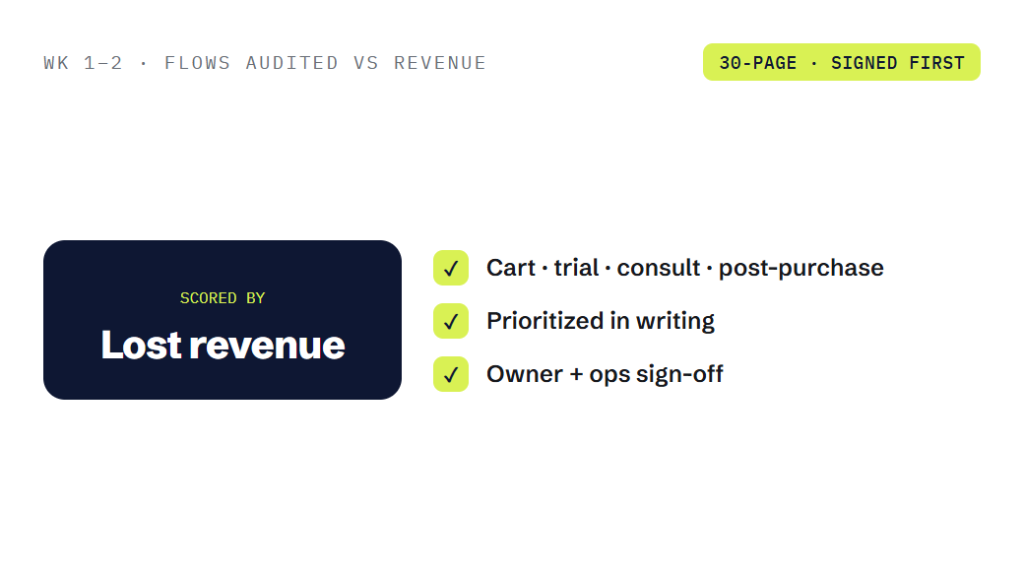
Weeks one to two. Every existing lifecycle flow audited against real revenue
Cart, trial, consult, and post-purchase sequences pulled from your ESP and CRM, scored by lost revenue, and prioritized in writing before a single new flow gets built. 30-page audit deck signed off by owner and ops lead before any wiring starts.
Every current email, SMS, and lifecycle flow in HubSpot, Klaviyo, Customer.io, or Braze scored by revenue drop-off.
Cart, trial, and consult abandonment rates measured against your CRM baseline. Every drop-off in the funnel gets a dollar figure.
30-page audit deck with every drop-off, every prioritized flow, and every recovery projection in writing.
Which sequences get rebuilt first, in what order, at what fixed price. Signed by owner and ops lead before build.
SPF, DKIM, DMARC, list hygiene, and sender reputation on Google Postmaster and Microsoft SNDS captured before any send.
Every priority flow gets a 12-month recovery projection signed by our lifecycle lead and your ops lead before scope locks.
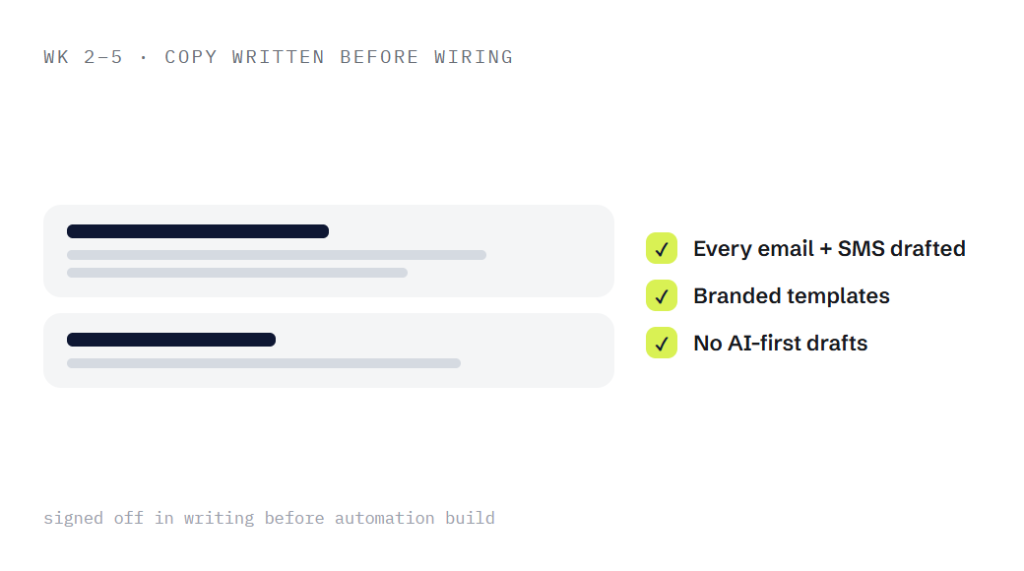
Weeks two through five. Every email and SMS written before a single flow is wired
Copywriter drafts every message across every priority flow. Branded templates designed, edge-case sends drafted, and every message signed off in writing before automation build. No AI-first drafts. No template-email look and feel.
Copywriter drafts every message across every priority flow. Subject lines, preview text, body, CTA, and P.S. all written for your voice.
Email and SMS templates designed to your brand. Modular blocks so future flows reuse the same design system without agency time.
Which cohort gets which sequence, on what trigger, at what delay. Documented so ops can read it cold six months in.
Every message reviewed by owner and brand lead. Nothing gets wired into your ESP until the copy and design are approved in writing.
Existing voice guide referenced or built during discovery. Subject lines held to 30-50 characters. Body copy held at grade 6-8.
Every draft run through Glockapps or Litmus for spam-word check and inbox placement before it goes near your list.
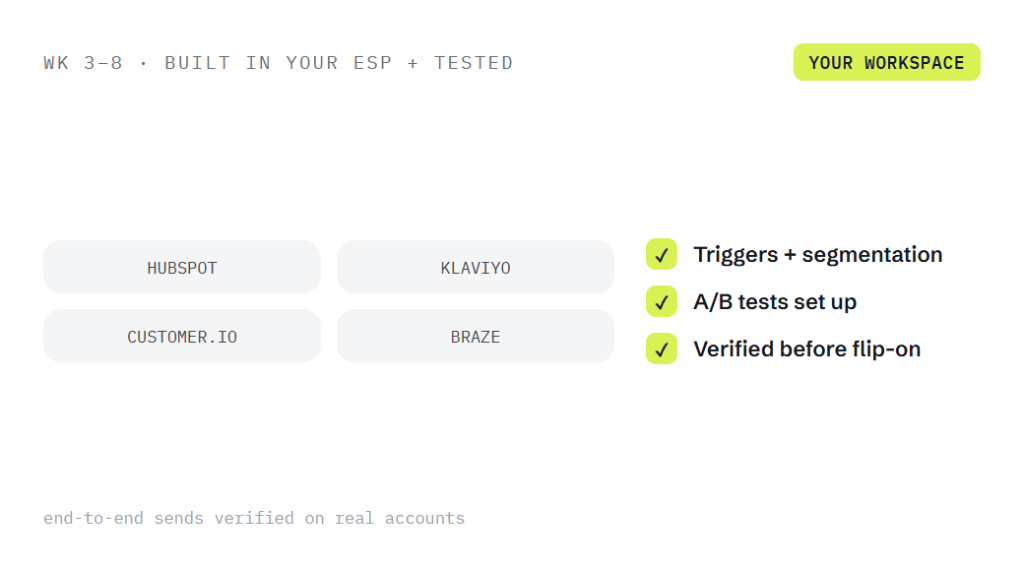
Weeks three through eight. Automation built inside your ESP and end-to-end tested
Every priority flow built inside HubSpot, Klaviyo, Customer.io, Braze, or ActiveCampaign under your own workspace. Triggers wired, segmentation configured, A/B tests set up, and end-to-end sends verified on real accounts before the flow is flipped on.
Cart, trial, and consult abandon sequences built inside your own HubSpot, Klaviyo, Customer.io, or Braze workspace. You own every flow.
Real cohorts based on purchase history, engagement, and LTV. Behavioral triggers wired to CRM events, not scheduled blasts.
Subject line, delay, and offer variants set up in the ESP so testing runs from launch, not month three.
Every flow test-sent to a real inbox and phone. Every trigger fired against a real account. Nothing goes live untested.
Meta Pixel, GA4 conversion events, and Enhanced Conversions wired so paid channels attribute against the same revenue baseline.
GoHighLevel, Zapier, or Segment wired for edge-case handoffs. Documented for your ops lead so nothing is a black box.
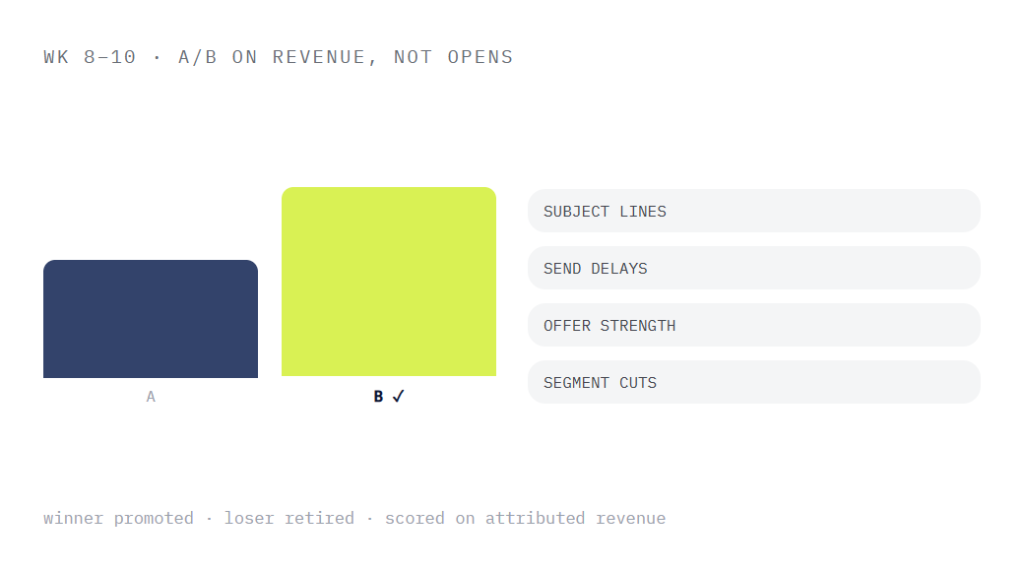
Weeks eight through ten and beyond. A/B tests scored on revenue, not opens
Subject lines, send delays, offer strength, and segmentation cuts A/B tested against real-account conversions. Every winner promoted to the flow, every loser retired, all scored against attributed revenue in your CRM and ESP, not open or click rates.
Every abandon flow tested for subject line strength and delay timing. Winners promoted, losers retired every week.
What we tested last week, what won, what got promoted into the live flow this week. One-page recap you can actually read.
Cohorts re-cut against real behavior. High-LTV segments get their own sequences. Dormant cohorts get retired, not blasted.
Every flow tracked to CRM-verified revenue in your ESP and GA4. You see which sequence produced which dollars, not opens and clicks.
Inbox rate tracked against baseline via Litmus or Glockapps. Sender reputation checked weekly on Google Postmaster and Microsoft SNDS.
Discount depth, free-shipping thresholds, and bundle offers tested against margin, not top-line. Every winner promoted with a written margin note.
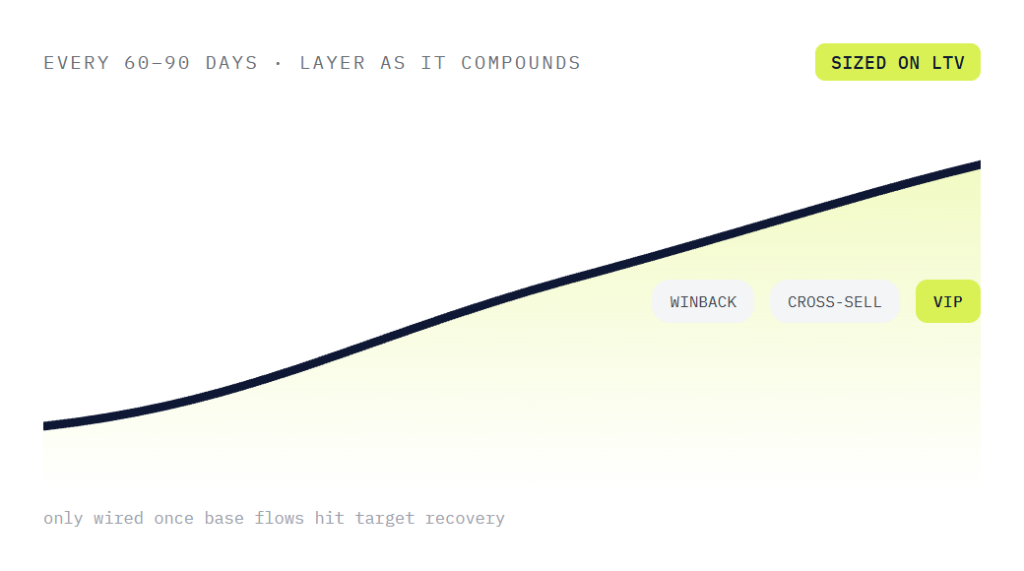
Every 60 to 90 days. Lifecycle sequences layered as revenue compounds
Winback, cross-sell, VIP, and retention sequences layered on top of the recovery flows once the abandon flows are compounding. Each new sequence sized against LTV gain, prioritized in writing, and only wired once the base flows are hitting target recovery rates.
Dormant-customer flows built on top of abandon recovery once the base flows compound. Each sequence sized against LTV gain.
Post-purchase cross-sell wired to product data. VIP cohort gets a high-touch sequence. Both signed off against forecast gain.
Renewal, replenishment, and reactivation sequences on the LTV curve. Sent on behavior, not calendar.
12-month rolling report showing recovery revenue, LTV gain by cohort, and retention trend. All CRM-verified against your baseline.
Every 90 days, your lifecycle lead walks you through revenue attribution, deliverability, and the next quarter test roadmap in a written deck.
One new priority flow built per quarter on the retainer. Sized against forecast revenue and signed off before the sprint starts.
Four web design tiers for every stage of growth
Every line item listed. The quote you get is the invoice you pay. Take any tier as a project fee, or split it into the flat monthly plan.
Fast, credible site converting existing reputation.
Full booking engine: scheduling, checkout, customer reporting.
One brand, every office found, location-level tracking.
Design system the whole group launches on. Ops-team-spec integrations.
Every web design feature, tier by tier
HOVER ANY FEATURE FOR A PLAIN-ENGLISH EXPLANATIONWebsite + design +
Booking + patients +
SEO + visibility +
Care + support +
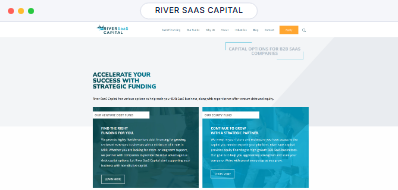
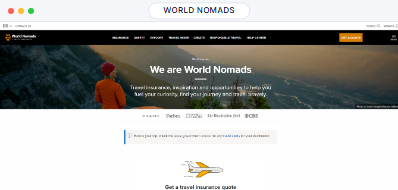
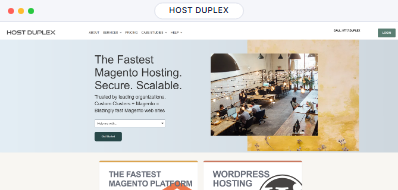
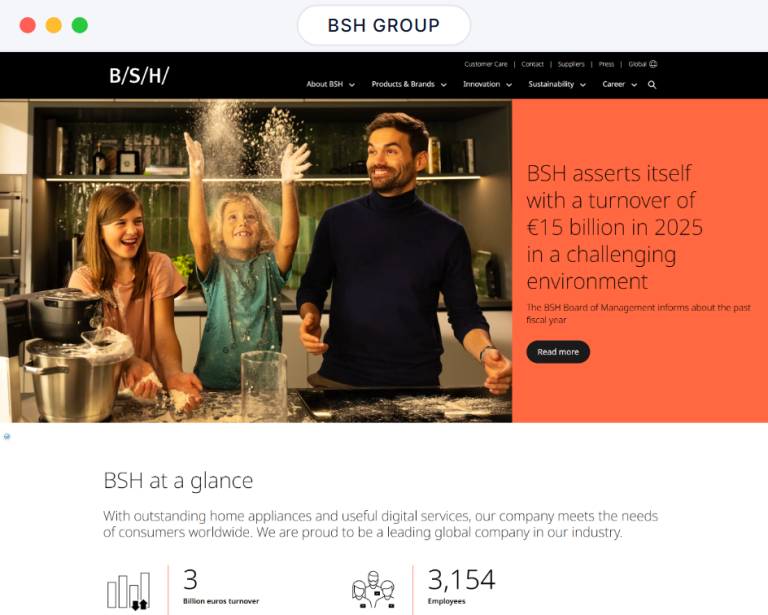
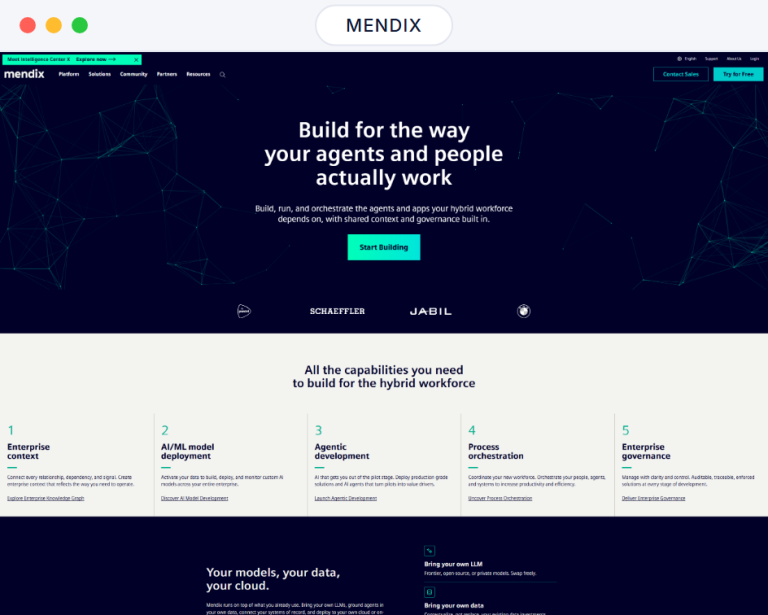
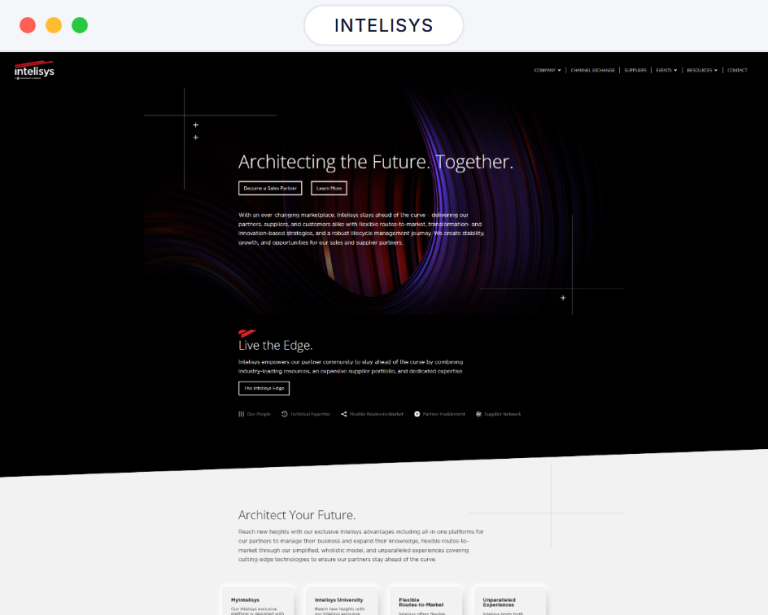
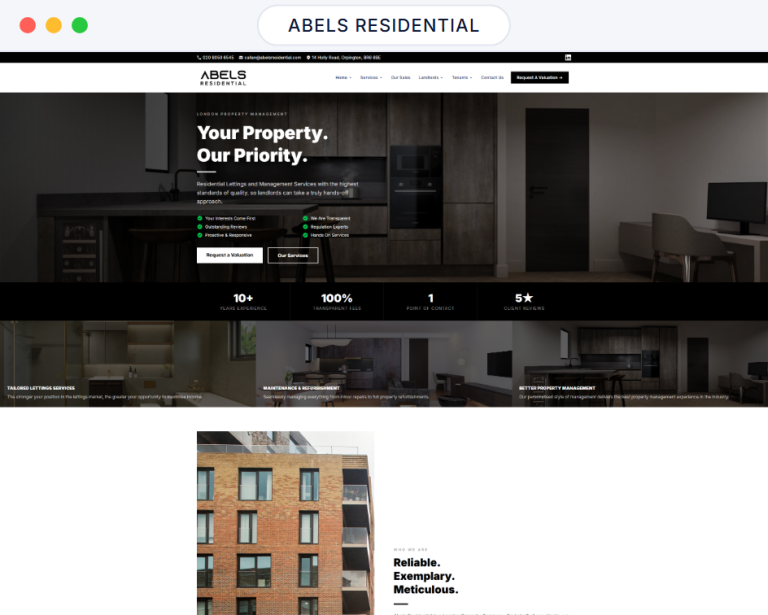
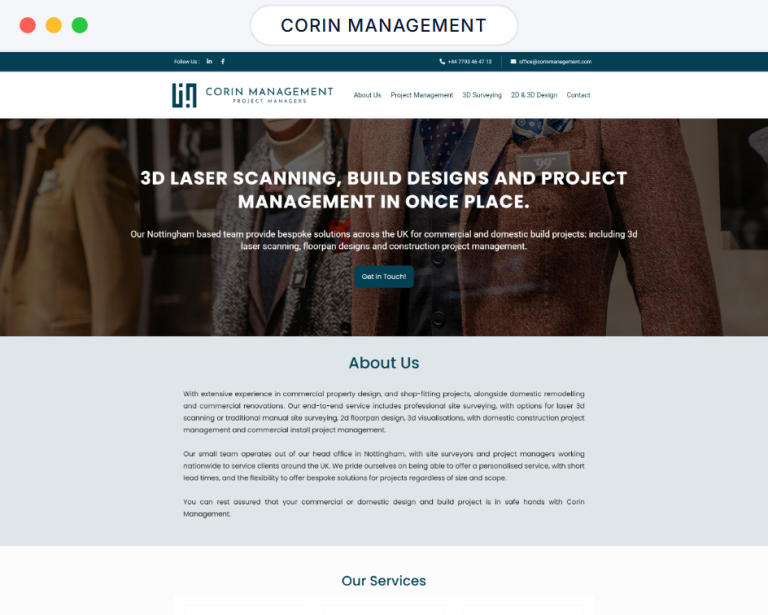
Real funnel builds, real recovered revenue

Common sales funnel and automation questions
Straight answers on cost, timeline, ESPs, copy ownership, deliverability, attribution, SMS, and B2B pipelines. Call or email if we missed yours.
What is an automated sales funnel?
+
An automated sales funnel is a set of triggered messages that moves a lead from first touch to closed revenue on real behavior, not a scheduled blast. Sales funnel and automation services from Redefine Web wire the whole system: capture forms, lead scoring, welcome and nurture flows, cart or trial abandon, consult recovery, post-purchase sequences, and winback. Every trigger fires on a real signal from your CRM or ESP: a page view, an add-to-cart event, a form submit, a stalled deal stage, a subscription about to lapse. You get one path per cohort, not one blast for everyone on the list. The full build lives inside your own HubSpot, Klaviyo, Customer.io, or Braze workspace, and you own every flow after the handoff on day 60. HubSpot’s own docs on workflow automation cover the mechanics if you want a deeper read on how triggers, delays, and branch logic wire together. The point is behavior-driven revenue recovery, tested against attributed dollars in your ESP and GA4.
What are the 5 stages of a sales funnel?
+
The 5 stages are awareness, interest, consideration, decision, and retention. Awareness covers first touch on paid, organic, or referral, and it is where cost per lead lives. Interest is opt-in on a form, chat, or gated asset, and it is where segmentation starts. Consideration runs the nurture sequence with education, social proof, and objection-handling emails or SMS across 14 to 30 days. Decision fires the cart, trial, or consult abandon flow with the offer that closes the sale. Retention layers winback, cross-sell, and VIP sequences on the LTV curve after purchase or renewal. A sales funnel design agency like Redefine Web wires every stage to a real trigger, not a scheduled blast to the full list. Each stage ships with segmentation, a written copy brief, an ESP or CRM build, and revenue attribution back to source. You see which stage drops, which stage closes, and where the next sprint of test priorities belongs on the roadmap.
How much does a sales funnel cost?
+
Fixed price, published on the page, no percent-of-send markup on your list volume. Redefine Web starts sales funnel and automation services at $8,000 for the Essential tier, $18,000 for the Growth tier, and $35,000 for the Scale tier. Enterprise builds on Marketo or Salesforce start at $40,000. Ongoing optimization runs from $599 a month on the retainer plan. The $8,000 Essential tier covers 5 core flows: welcome, cart abandon, browse, post-purchase, and winback. The $18,000 Growth tier covers 12 flows with full segmentation and a deliverability audit on your primary sending domain. The $35,000 Scale tier covers unlimited flows plus lifecycle orchestration and cross-channel triggers across email, SMS, and push notifications on mobile. ESP migration is quoted separately at $6,000 to $25,000 based on list size and template count. Nothing in your quote is a placeholder for a change order later on. Every line item has a signed acceptance page and a date on the calendar for delivery before wiring starts on your account.
What are marketing automation services?
+
Marketing automation services build the messaging system that runs on customer behavior instead of manual sends by a coordinator inside your team. Redefine Web covers strategy, segmentation, ESP or CRM build, copy, deliverability, testing, and revenue attribution under one small team of specialists. Typical scope includes welcome and nurture flows, cart and trial abandon recovery, post-purchase sequences, winback and VIP sequences, plus lead scoring and CRM handoff between marketing and sales departments. The full build ships inside your existing stack: Klaviyo, HubSpot, Customer.io, Braze, or ActiveCampaign, so your business owns every sequence, every template, and every trigger after handoff on day 60 of go-live. Klaviyo’s developer docs cover the API side if your ops team wants to extend the flows in-house later on the calendar. Every flow gets a written copy brief, a real behavioral trigger, and revenue attribution back to your ESP and GA4 Enhanced Conversions, not opens and clicks alone on a chart. That is the whole scope of the engagement.
What are examples of marketing automation?
+
Concrete examples for a real brand: a Shopify welcome series that greets a new subscriber and delivers the promised offer within an hour, a Klaviyo cart abandon sequence that recovers 15 to 20 percent of abandons within 24 hours of the drop-off event, a HubSpot lead-nurture sequence that scores B2B leads on real page views and moves them to a sales rep once they hit a threshold, a Customer.io product-tour sequence for a SaaS trial user during days 1 to 14, a Braze push sequence for mobile app onboarding, a winback flow that reactivates dormant customers on a 90-day silence flag, and a post-purchase sequence that thanks the buyer, primes reviews, and teases the cross-sell offer. Marketing automation services from Redefine Web wire each of these on real behavior, tested against real inboxes, and attributed to revenue in your ESP and GA4. Every trigger is documented so ops can inspect the logic six months later on their own.
What are the top 3 CRM systems?
+
For a sales funnel design agency build, the top 3 CRM systems buyers ask about are HubSpot, Salesforce, and Pipedrive. HubSpot fits SMB and mid-market B2B with tight marketing-to-sales handoff, native workflow automation, and clean reporting on pipeline value. Salesforce fits enterprise B2B with heavier customization, ABM programs, and deep territory rules across regions. Pipedrive fits sales-led small teams that want a simple pipeline without the platform overhead of the bigger two. Redefine Web builds funnels on all three plus HubSpot Sales Hub, ActiveCampaign, Zoho CRM, Close CRM, and Salesforce Marketing Cloud for cross-channel work. The right pick is not the popular one, it is the one that maps to your sales motion, list size, and reporting needs. Discovery scores your fit against 8 criteria including deal-stage complexity, integration depth, quoting, and team seniority on your side. The recommendation lands in writing before a single license gets sold on your account.
What is the best CRM with automation?
+
There is no single best CRM with automation, only the best fit for your motion, team size, and reporting needs. HubSpot is the safest default for B2B SaaS and professional services teams that want marketing, sales, and service in one workspace with strong native workflows and clean reporting on the pipeline. Salesforce plus Marketing Cloud is the pick for enterprise B2B teams with ABM programs and heavy customization on lead objects. Klaviyo is the ecommerce winner for Shopify and BigCommerce brands that want CRM-lite plus deep segmentation on purchase history and browse behavior. Customer.io is the winner for product-led SaaS with event-driven triggers on the trial flow. Redefine Web builds sales funnel and automation services on whichever stack you already run on today, no forced migration. Google search docs matter here too: your CRM should feed clean data to GA4 Enhanced Conversions so paid channels attribute against the same revenue baseline you report on every month.
How long does a sales funnel and automation build take to launch?
+
Sales funnel and automation services from Redefine Web launch on a signed timeline: Essential in 6 weeks, Growth in 8 weeks, Scale in 10 weeks, and Enterprise in 10 to 14 weeks. Every project runs on that timeline with no open-ended discovery on the calendar. Week 1 covers the funnel map and audit of the current setup with drop-off scored against real revenue in dollars. Weeks 2 to 3 cover ESP or CRM configuration and segmentation setup inside your existing workspace under your own login. Weeks 3 to 6 cover flow build and copywriting with a lifecycle writer on every email and SMS. Weeks 6 to 8 cover QA on real inboxes and phones plus deliverability testing on Google Postmaster and Microsoft SNDS. Weeks 8 to 10 cover staged rollout by cohort and 30 days of monitoring on live traffic. Client approval on copy is the most common delay, so we set weekly copy review windows before the sprint starts so nothing hides in a Slack channel later on.
What ESPs and CRMs do you support and who owns the build?
+
Redefine Web marketing automation services build on Klaviyo, HubSpot, Customer.io, Braze, ActiveCampaign, Marketo, Iterable, and Salesforce Marketing Cloud out of the box. We build on your existing stack. No migration required, so bring your current login on day one. You own every sequence, every template, every trigger from day one of the build. All work happens inside your own workspace under a user we get invited to as a collaborator. On project handoff, we hand back the invited user, walk your ops lead through every flow, deliver a written flow map, and archive the copy library in your Google Drive or Notion. If you cancel, you keep everything as-is. Klaviyo runs the DTC and Shopify ecommerce work. HubSpot handles B2B SaaS and professional services. Customer.io fits product-led SaaS. Braze covers enterprise lifecycle with mobile push. Iterable handles cross-channel enterprise stacks with heavy volume. If your stack is not on the list, we probably still run on it.
How do you measure success on sales funnel automation?
+
Success on marketing automation services is revenue attributed to each flow, tracked in your ESP and GA4 Enhanced Conversions, not opens and clicks alone on a dashboard. Redefine Web reports which sequence produced which dollars in weekly written reports for the first 90 days of go-live, then monthly on the retainer plan. Metrics tracked include revenue attributed on last touch and multi touch, placed order rate, conversion rate, average order value per flow, deliverability on inbox placement, bounce rate, complaint rate, and engagement on open, click, and unsubscribe as diagnostic only. Every number is compared against baseline pre-project and against vertical benchmarks from a comparable brand size. The report is one page you can actually read: what won, what got promoted into the live flow, what got retired, and what test queues up next week for the sprint. No decks stuffed with vanity charts on the ESP dashboards you already have access to on your own login.
Do you write the copy for automation flows and how many revisions?
+
Yes. A lifecycle copywriter drafts every email and SMS in the funnel automation build for your account. You review, we revise, you sign off before flows go live on a real cohort. Copy is the point of the project, not a wrapper on the wiring. The brand voice guide is referenced or built during discovery week one on the calendar. Subject lines run 30 to 50 characters. Body copy holds at grade 6 to 8 reading level per Hemingway score. Every CTA ties to a specific micro-conversion your team can measure. SMS stays under 160 characters with TCPA-compliant consent language on the first send. Marketing automation services from Redefine Web ship revision rounds at 2 per flow on the Essential tier, 3 on Growth, and open on Scale until owner sign-off in writing. Copy that fails deliverability tests on Glockapps or Litmus gets rewritten at no charge to your account. Every message ships with a written brief before draft starts on the copy library.
Do you handle SMS and B2B sales pipeline funnels too?
+
Yes on both fronts of your program. CRM automation services at Redefine Web include SMS on Klaviyo SMS, Attentive, Postscript, or Twilio with TCPA-compliant consent capture, STOP and HELP handling, A/B testing on send-time and body copy, and cross-channel throttling so no user gets email plus SMS plus push in the same hour of the day. For B2B, we build funnel programs on HubSpot or Salesforce with MQL to SQL to opportunity to closed-won attribution across every stage, nurture sequences for stalled deals at 14, 30, and 60-day silence flags on the record, ABM sequences with buying-committee mapping across 3 to 6 personas, and sales enablement content triggered by CRM stage transitions across regions. B2B funnel builds run $12,000 to $40,000 based on team size and CRM complexity in your account. Every project ships with a written playbook your sales team can run cold on day 90 of go-live inside the new system across regions.