Google Ads Management Services Built to Cut CPA in Half
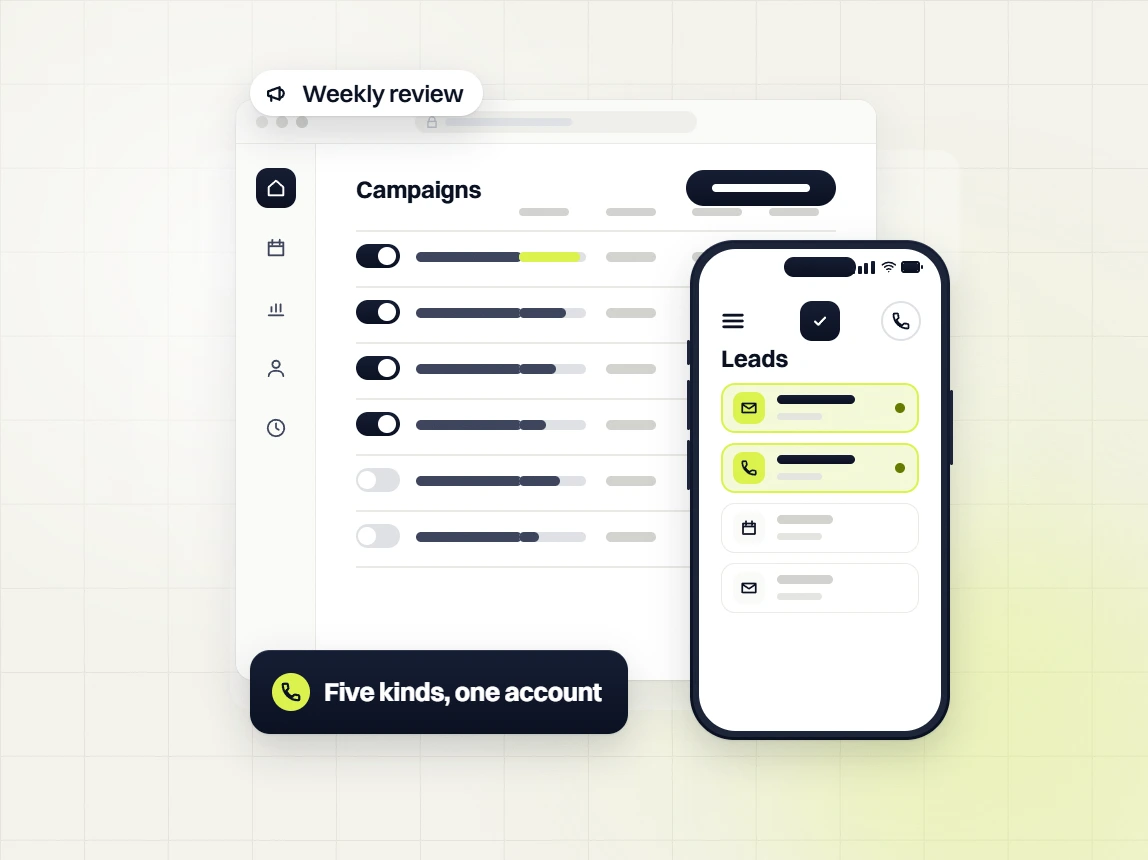
Google Ads management services covering Search, Performance Max, YouTube, Shopping, and Discovery under one named media buyer. Enhanced Conversions plus an offline conversion feed from HubSpot, Salesforce, or Pipedrive wire every campaign to CRM-verified revenue. Median account cuts cost per acquisition 50 percent between launch and week 8.
3 ways your Google Ads account loses paid revenue every month
Performance Max spends against a black-box the in-house team cannot audit, so branded queries burn cash
PMax hides search terms and burns spend on branded queries that Search should own for free. Broken product feed titles, missing GTINs, and under-optimized SKUs push spend to the wrong catalog rows. Median new account finds 38 percent of SKUs disapproved or under-tuned on day one. The fix is a full Merchant Center audit, brand exclusion lists, and asset group segmentation before PMax gets a dollar. Every group ties to a defined conversion goal in Google Ads and GA4.
Enhanced Conversions not wired means Smart Bidding bids on form fills that never close in your CRM
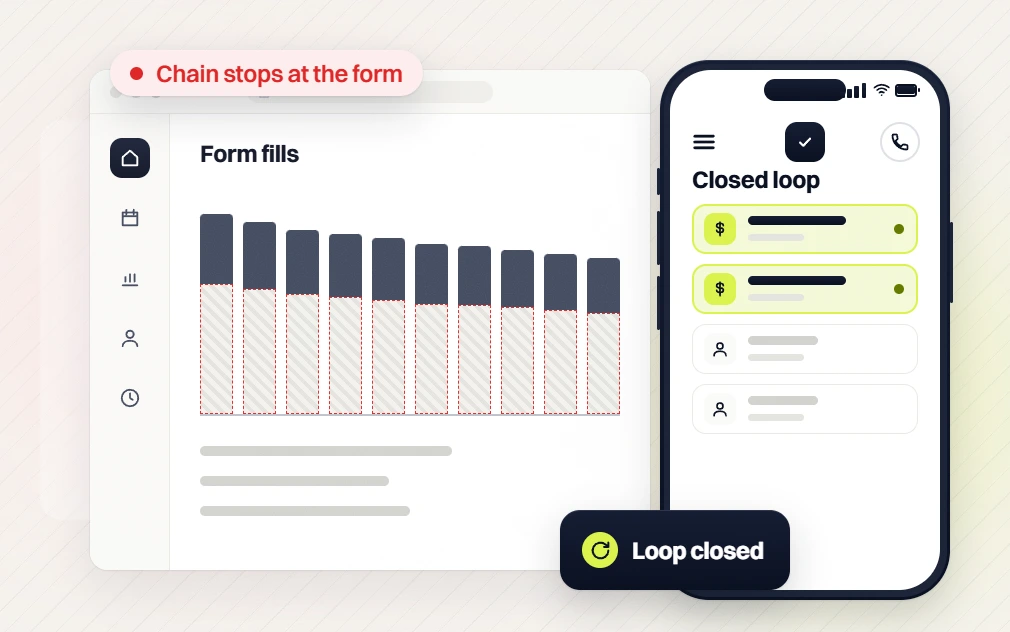
Without Enhanced Conversions plus a CRM offline conversion feed, Google bids on raw form fills instead of closed revenue. The algorithm optimizes toward high-volume, low-quality leads. Median account wastes 42 percent of paid spend on clicks that never became revenue. The fix wires Enhanced Conversions on Google Ads, GA4 conversion imports, and a nightly closed-won upload from HubSpot, Salesforce, or Pipedrive. Smart Bidding starts learning against revenue in week two.
Broad match with no discipline and no negative keyword list burns cash from day one
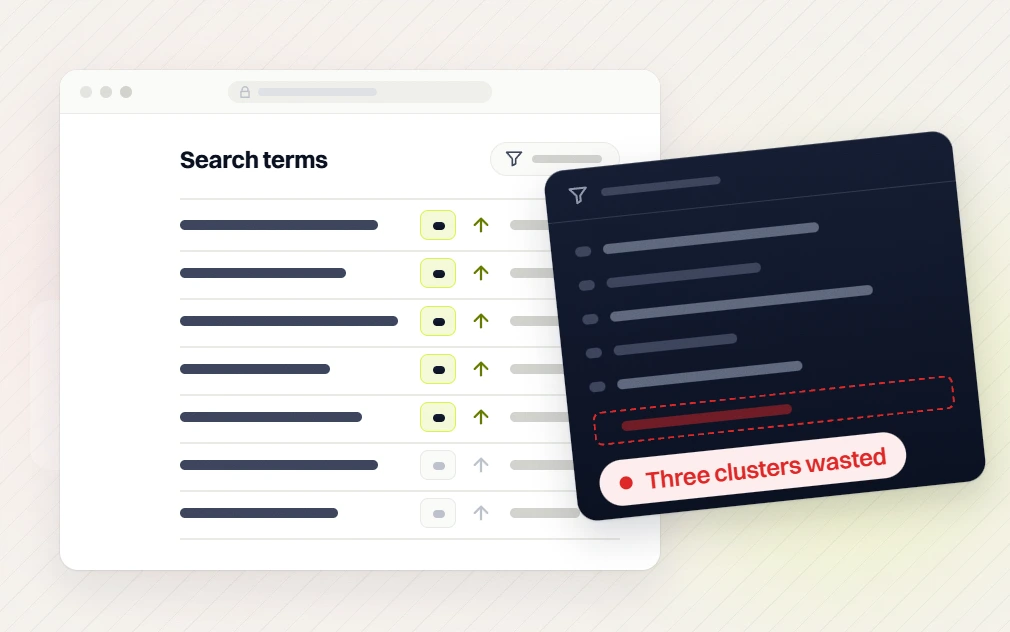
New account audits find 247 missing negative keywords on average. Every off-category, competitor, and DIY query gets a paid click that never converts. Broad match on high-intent terms burns budget on queries the ad copy never matched. The fix is SKAG-lite structure with exact and phrase for high-intent, broad only when negative-sculpted, and a 247-negative sweep on day one plus a fresh weekly review. Quality Score climbs, CPCs drop, and CPA follows.
3 outcomes every Google Ads management retainer delivers
Tight structure, aggressive negatives, and revenue-graded Smart Bidding cut cost per acquisition inside 30 days. Median account halves CPA by week 8 on CRM data.
Search catches high-intent queries. PMax catches broad demand. YouTube builds category awareness. Shopping and Demand Gen layer once your feed data qualifies.
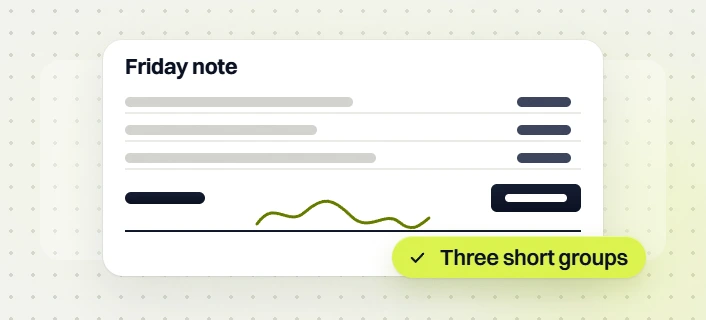
Every Friday, one written note from your Google Ads buyer. What changed, what moved revenue, what is queued next. Every claim traces to your CRM feed.
4 stages. Audit to scale on the Google stack
Same rhythm on every Google Ads retainer. Each stage ends in a written deliverable your ops lead signs off before the next stage starts. Fixed scope, fixed timeline, fixed outcomes.
12-page audit that names every wasted click
Written 12-page audit covering account structure, Enhanced Conversions setup, GA4 event wiring, feed hygiene, wasted spend, missing negatives, and priority growth plays. Median finding on new accounts is 42 percent wasted spend and 247 missing negatives. Your ops lead signs off before our media buyer touches the campaign structure or a single bid.
Search plus PMax rebuilt around top revenue services
Search campaign structure and PMax asset groups rebuilt around your top revenue services. Enhanced Conversions live on Google Ads, GA4 conversion events piped in, offline conversion feed wired from HubSpot, Salesforce, or Pipedrive. SKAG-lite structure, match-type discipline, 247 fresh negatives on average. Every campaign has a target CPA modeled on customer lifetime value.
Weekly cadence graded against CRM-verified revenue
Ad copy, Smart Bidding strategy, and landing page conversion iterated weekly. Written note every Friday: what changed, what moved, what is next. Average account cuts CPA 50 percent between launch and week 8. Every change is graded on the CRM-verified conversion number, not vanity click counts. Data-Driven Attribution flips on as conversion data compounds.
Scale into YouTube, Shopping, and territories
YouTube TrueView and Video Reach layered once Search and PMax hit target CPA. Shopping activated where the Merchant Center feed qualifies. Discovery and Demand Gen added for upper-funnel demand. Meta and Display layered as retargeting. Territory expansion when the number backs it. Every scaling call graded against conversion volume and capacity, not vanity spend targets.
What you actually get from our Google Ads management services
Fixed scope, fixed timeline, fixed outcomes. Each phase below has a defined deliverable, a written sign-off, and a date on the calendar.
Wasted spend and broken tracking called out in writing
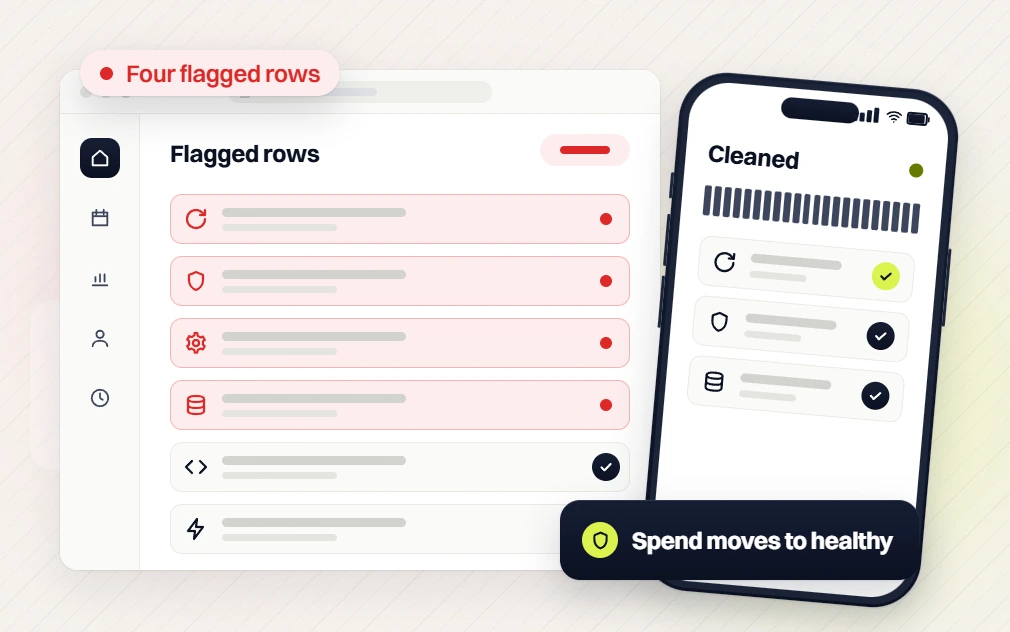
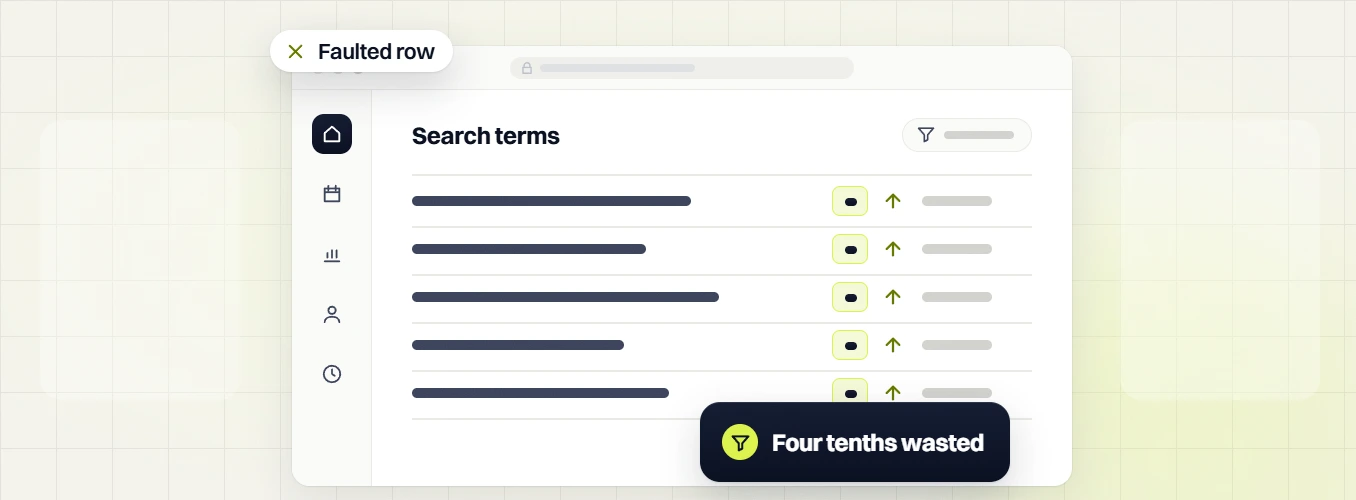
Week one. You get a 20-page written audit that names every wasted click, every missing negative, and every mis-fired conversion tag. Median finding on new accounts is 42 percent wasted spend and 247 missing negatives. Your ops lead signs it off before our team touches the campaign structure.
every search term with spend is reviewed. Off-category, competitor, and irrelevant queries surfaced for negative keyword sculpt.
are conversions counting clicks (wrong), form fills (better), or revenue events (right)? Fixed at the root before any bid change.
landing page conversion rate benchmark. Every ad group mapped to its landing page with a Quality Score and CVR breakdown.
owner and ops lead review and sign off before we rebuild. Nothing changes without a written go-ahead in your inbox.
every SKU checked for disapproval, missing GTIN, and duplicate coverage. Median finding is 38 percent of SKUs under-tuned on day one.
top competitors on your Search and PMax auctions pulled and priced against your target cost per acquisition.
Campaigns rebuilt around your highest-margin services
Week two. Your top-revenue services each get a campaign with a target CPA modeled on customer lifetime value. Our media buyer runs a SKAG-lite structure with match-type discipline and layers Performance Max only when your feed qualifies. You get a rebuilt account, 247 fresh negatives, and a written structure map.
top revenue services each get their own campaign with a target CPA modeled on customer lifetime value from CRM data.
247 negatives added on average in the first pass. Off-category, competitor, DIY, and job-seeker queries excluded before spend flows.
exact and phrase on high-intent queries, broad only on tightly scoped clusters. Every match type carries a written rationale.
PMax layered where your Merchant Center feed and creative library qualify. Asset groups segmented by margin tier, not defaulted.
full ad extension stack built and rotated. Sitelinks tied to Search intent, callouts to trust cues, structured snippets to service families.
LSA activated for home services, dental, law, and healthcare where LSA outperforms Search on cost per booked call.
First live paid conversion inside 14 days
Weeks 2 to 4. Your media buyer builds a landing page per campaign with conversion flow, review proof, and trust badges, then wires each ad through to a CRM-verified conversion event. If a paid conversion has not fired by day 14, month one is on us. That clause is in every retainer contract.
every campaign gets its own landing page built around one priority service. Homepage traffic never dilutes intent again.
conversion is a revenue event, not click to form. Tracked from ad to landing page to CRM entry to closed-won upload.
Google Ads pixel wired server-side with GA4 conversion imports live. Meta CAPI and CallRail added where the funnel warrants.
miss day 14 on the first paid conversion, month one is free. Applied on 30 accounts to date and honored every time.
Enhanced Conversions turned on for form fills, calls, and revenue events. Bidding starts learning against your CRM in week two.
CallRail dynamic number insertion wired for accounts where phone calls drive revenue. Every tracked call flows to Google Ads.
Cost per acquisition drops week over week
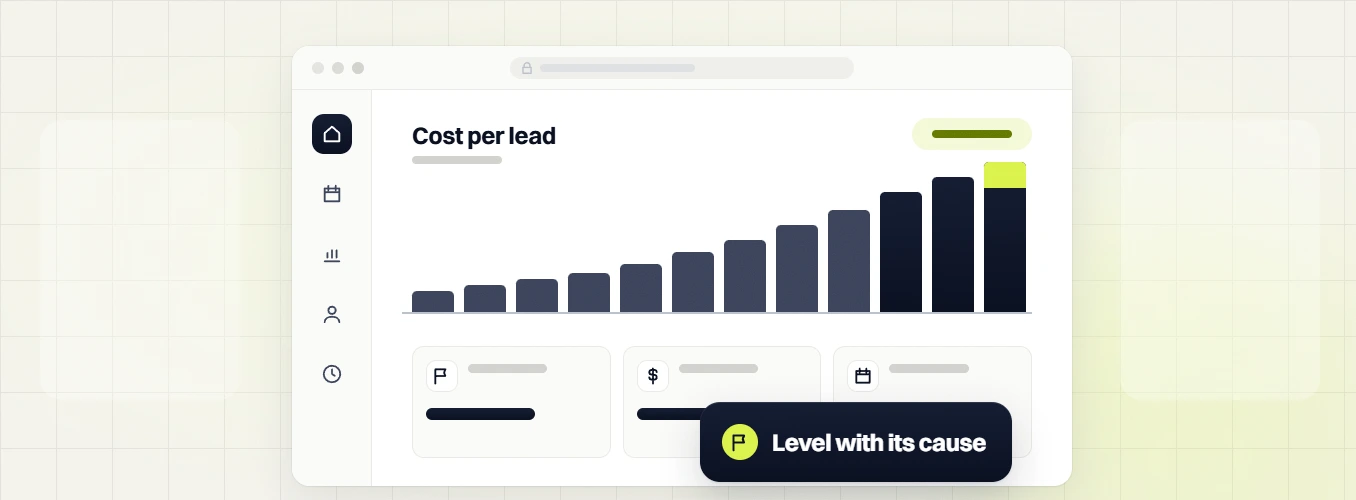
Weeks 4 to 8. Your media buyer runs ad copy A/B tests, tunes Smart Bidding, iterates the landing page, and refines negatives every 7 days. The average account cuts CPA 50 percent between launch and week 8. Every change we make is graded against the CRM-verified conversion number.
every Monday: what changed last week, impact on CPA and conversions, what is being tested this week, expected next-week result.
headline, description, and creative testing at ad group level. Winners promoted, losers killed. No creative runs longer than 4 weeks without a test.
manual to target CPA to target ROAS to Maximize Conversions as data compounds. Data-Driven Attribution turned on once volume qualifies.
landing page conversion rate benchmark tracked weekly. Copy, form, and hero test cycles run in-house without waiting on outside design.
top-spend keywords tracked by Quality Score with expected CTR, ad relevance, and landing page experience broken out and worked weekly.
fresh negative sweep every 7 days. Search terms review, off-category surfaces added, low-intent modifiers pruned.
Scale spend against real CRM-verified revenue
Month 3 onward. Once CPA holds, your media buyer scales spend into the ceiling. YouTube, Shopping, Discovery, and Display layer as retargeting and awareness. Every scaling decision is graded against conversion volume and your team capacity, not vanity spend targets. Monthly written report plus quarterly review in front of leadership.
ad spend scaled against your team capacity and delivery throughput. Nothing spent past what your team can convert on.
TrueView, Video Reach, and Shopping campaigns activated once Search and PMax hit target CPA. Discovery and Demand Gen tested next.
every 30 days: ad spend, conversion count, CPA, revenue from paid, ROAS, next-month plan. Signed off before spend adjusts.
every 90 days: ROI and book of tests presented to leadership. Budget shifts and strategy tweaks signed off in the meeting.
DDA turned on once conversion volume qualifies. Cross-channel credit assigned by machine-learning model instead of last click.
once Search demand is captured, Meta and Display retargeting layered plus lookalike audiences built from closed-won CRM data.
Four PPC tiers for every stage of growth
Pick the tier that matches your practice size. Move up or down anytime with 30 days notice, no setup fees. Hover any feature name for a plain-English explanation.
Single-location testing paid ads, or recovering from a bad agency.
Growing brands scaling beyond one campaign: PMax, search, Meta.
Two to ten locations, paid ads across service areas and lines.
Enterprise or 11+ locations. Systematic paid rollouts, multi-market.
Every PPC feature, tier by tier
HOVER FOR DETAILPlatforms and ad spend +
Campaigns + landing pages +
Reporting + analytics +
Ad channels + creative +
Compliance + enterprise +
Team + service level +
Real accounts, real ad spend, real closed revenue
Google Ads management questions answered
Pricing, timeline, tracking, and channel mix answers for owners hiring a Google Ads management company.
How much does it cost to have someone manage your Google Ads?
+
Google Ads management services at Redefine Web run $499, $999, $1,999, or from $3,500 per month across 4 flat-fee tiers. Ad spend is billed direct by Google, so you always see network cost separate from the management fee. Launch at $499 fits new accounts running under $3,000 monthly spend. Growth at $999 fits growing accounts in the $3,000 to $8,000 range. Scale at $1,999 fits multi-channel operators spending $8,000 to $25,000. Enterprise from $3,500 fits multi-brand operators above $25,000, with per-region budget pools and a dedicated success team. Every tier ships with Enhanced Conversions, an offline conversion feed to your CRM, weekly written notes from a named media buyer, monthly written reports, quarterly leadership reviews, and no setup fees on any tier. Move up or down anytime with 30 days notice. Contract length is 6 months on the first cycle, then rolls month to month after. Google publishes network rate cards inside the account, so you can verify every ad spend charge against the transactions log yourself at any time.
What is Google Ads management?
+
Google Ads management is the paid work of running Google’s ad network for a business. Campaign structure, keyword research, ad copy, bid strategy, negative keywords, landing pages, tracking, feed hygiene, and reporting all sit inside the scope. A Google Ads management company builds Search, Performance Max, Shopping, YouTube, Discovery, and Local Service Ads campaigns against a defined conversion goal, then tunes weekly against the number Google Ads reports back through the pixel and CRM feed. On a Redefine Web retainer, a named certified media buyer owns your account. Week 1 delivers a 12-page audit. Weeks 1 through 3 rebuild structure and wire Enhanced Conversions plus offline conversions from HubSpot, Salesforce, or Pipedrive. Weeks 3 through 8 iterate ad copy, landing pages, and Smart Bidding on a 7-day cadence. Month 3 onward layers new channels once cost per acquisition holds inside target band. Google publishes the full Google Ads help center for buyers who want to check what a management scope should cover before hiring.
How much should I pay for Google Ads management?
+
Pay between 10 and 20 percent of monthly ad spend, capped at a flat monthly fee once your spend scales. Below $3,000 in monthly ad spend, a flat $499 fee makes sense because a percent-of-spend model would price out the account. Between $3,000 and $8,000, a $999 flat fee lands under 20 percent. Between $8,000 and $25,000, $1,999 caps the ratio at 8 percent, which is the industry ceiling. Above $25,000, a from-$3,500 tier with dedicated success staffing brings the ratio under 5 percent of ad spend. Percent-only models penalize you for scaling. Hour-only models penalize you for consistency. Flat tiers with a fixed scope map cleanly to the work being done. Ad spend is always billed direct by Google, never marked up through the agency. Any Google Ads management services quote that bundles spend into the retainer fee is padding the invoice. Ask for the split before you sign, then verify every month against the Google Ads transactions log inside your own account tenant.
Why did Google Ads charge me $500?
+
Google Ads charges hit the card whenever your account crosses a billing threshold or reaches the monthly billing date, whichever comes first. Thresholds start at $50 for new accounts and step up to $500, $1,000, and higher as you spend consistently. A $500 charge means your account crossed the $500 threshold since the last bill, which is normal on accounts spending above $1,000 per month. Google settles the balance every 30 days regardless of threshold, so a monthly cycle charge can also land at $500 by coincidence. Check the transactions tab in Google Ads billing to see the exact charge trigger, campaign, and date range. A sudden charge that does not match your daily budget usually means the daily cap ran hot. Google can overspend up to 2x on any single day, capped monthly at 30.4x daily. On active retainer accounts, our media buyer flags budget-cap events in the weekly written note so nothing surprises you on the card statement. Full billing policy sits in Google’s billing help.
What does a Google Ads agency do?
+
A Google Ads agency runs Search, Performance Max, Shopping, YouTube, Discovery, Display, and Local Service Ads campaigns against a defined revenue outcome, then reports on cost per booked meeting or closed revenue instead of clicks and impressions. Scope on our Google Ads management services retainer covers account audit, campaign structure, keyword research, ad copy, feed hygiene, Enhanced Conversions setup, offline conversion imports from your CRM, Smart Bidding progression, landing page conversion testing, and weekly written optimization notes. A named certified media buyer owns your account, not a rotating pool. Week 1 delivers a 12-page audit. Weeks 1 through 3 rebuild campaign structure and wire tracking. Weeks 3 through 8 iterate weekly on ad copy, landing pages, negatives, and Smart Bidding strategy. Month 3 onward layers new channels once cost per acquisition holds. Every claim traces to Enhanced Conversions plus the offline feed from HubSpot, Salesforce, or Pipedrive, not a screenshot of the Google Ads dashboard. The HubSpot integration docs cover the wiring on our most common CRM.
Should I pay someone to run my Google Ads?
+
Yes, if you spend more than $1,500 per month on Google Ads and do not have a certified media buyer in-house running the account weekly. Below that threshold the management fee outweighs recovered spend. Above $1,500 the math flips fast. Median new-account audit finds 42 percent wasted spend, 247 missing negative keywords, and Enhanced Conversions unwired. Recovering that spend covers the retainer inside 60 days on most accounts. A certified media buyer running Search, PMax, and Shopping with the CRM feed wired typically cuts cost per acquisition 50 percent between launch and week 8. If you have an in-house buyer already touching the account 20 plus hours a week, keep them. If the account gets checked once a month, hire outside. Google Ads management services from a specialist compound the return past what a generalist in-house marketer can hit on the same spend. The audit at week 1 quantifies wasted spend on your specific account, so you can price the decision before the retainer even starts.
What is AdWords management?
+
AdWords management is the older name for Google Ads management, still used by buyers who remember the platform before Google rebranded in 2018. Same scope: campaign structure, keyword research, ad copy, bid strategy, tracking, and reporting across Google’s network. The AdWords management services name persists in industry search, but the platform is Google Ads. Every campaign type available under the old AdWords brand (Search, Display, Shopping) plus every new one (Performance Max, Demand Gen, Discovery, Video Reach) now runs under one interface. On a Redefine Web retainer, a named certified media buyer owns the account and runs Search, PMax, YouTube, Shopping, and Demand Gen against a defined revenue outcome. Week 1 delivers a 12-page audit. Weeks 1 through 3 rebuild campaign structure and wire Enhanced Conversions. Weeks 3 through 8 iterate weekly. Month 3 layers new channels. Reporting flows through GA4, Enhanced Conversions, and an offline conversion feed from your CRM. Buyers who came up on AdWords Editor now use the same workflow on Google Ads Editor, so the muscle memory carries over cleanly.
Is your team Google Ads certified and what qualifications does the buyer hold?
+
Yes. Redefine Web runs a Google Ads certified team, active on the platform since 2021. Media buyers hold current Search, Performance Max, Shopping, and Video certifications through Google Skillshop. Certifications refresh annually against Google product updates, so the team is tested on the current interface, not the 2021 one. Named point of contact on every account, real humans who know your industry, first-look product testing on internal accounts before we recommend new campaign types for your spend. Every media buyer runs at least 3 accounts across verticals to keep the pattern library current, and no more than 8 to keep account depth real. Certifications are the floor, not the ceiling. What matters day to day is whether the buyer reads the search terms report every 7 days, tests ad copy every 30 days, swaps landing pages when conversion rate stalls, and cleans the negative keyword list on a fresh cadence. That rhythm is written into the retainer contract and audited monthly, so nothing runs on autopilot.
Can you audit our existing Google Ads account before we sign?
+
Yes, and the audit is free. Book the 30-minute call, our media buyer opens your account on the screen, then you get a written 12-page report inside 5 business days with 3 prioritized fixes you can apply with or without hiring us. The report is yours to keep either way. Coverage includes structure review (full account map, campaign coverage, ad group density, match-type discipline), spend distribution (where the money went last 90 days, which campaigns earned it, which burned it), Quality Score audit (top-spend keywords ranked by expected CTR, ad relevance, landing page experience), and conversion validation (is the account counting clicks, form fills, or revenue events). Roughly half the accounts we audit find the pixel firing on a non-revenue event, which invalidates every Smart Bidding decision in the last 90 days. If the fixes are worth acting on, the retainer covers execution. If you want to apply them yourself, take the 12-page report and run it.
What does the Google Ads management retainer term look like?
+
6-month initial term, because paid needs a full quarter to prove itself and a second quarter to compound. Anyone selling a 3-month Google Ads retainer is misleading you or planning to blame the algorithm when it does not work. Smart Bidding campaigns like PMax and Demand Gen need 30 to 45 days of conversion data before optimization holds. Month 1 wires attribution, hits quick-win optimizations, launches first campaigns, and hits the day-14 conversion clause. Months 2 through 3 settle cost per acquisition into target band and retire losing campaigns. Months 4 through 6 layer scale plays and compound wins on top of stable campaigns. Month 6 renewal is a full review in front of leadership. Continue, adjust scope, or part ways cleanly. All accounts, pixels, tags, ad copy, and CRM feeds stay in your Google Ads and CRM tenants throughout the contract and after. Cancellation strips our MCC link inside 24 hours with no revoked assets or hidden dependencies on the way out.
How do you handle iOS 14 tracking loss with Enhanced Conversions and GCLID?
+
iOS 14 tracking loss on Google Ads shows up on Safari and in-app clicks that drop the GCLID before the pixel fires. Two fixes stack on every retainer account. First, Enhanced Conversions on Google Ads. Google hashes the email or phone captured on the form and matches it back to the click server-side, recovering roughly 15 to 30 percent of iOS conversions that used to drop off attribution. Second, an offline conversion import from the CRM. When a closed deal lands in HubSpot, Salesforce, or Pipedrive, the GCLID pushes back to Google Ads through the offline conversions API, feeding Smart Bidding on revenue events even when the pixel missed the click at the front end. Both wire in week 1 of the retainer. Coverage jumps from roughly 60 percent to 90 plus percent of paid conversions counted. Facebook CAPI handles the same problem on Meta, so cross-network attribution stays consistent. Google’s Enhanced Conversions setup guide covers the field mapping if your team wants to check the wiring.
What KPIs do you report on Google Ads, and how often?
+
Weekly written note every Friday from your named media buyer. Monthly written report inside the first 3 business days of the next month. Quarterly review in front of leadership. Weekly note covers what changed, what moved, what is next, cost per acquisition trend, and the top ad group by conversion volume. Monthly report covers ad spend, conversion count, cost per acquisition, revenue from paid, return on ad spend, Search impression share, top 10 search terms by spend, and next-month plan. Quarterly review covers ROI on the retainer against Enhanced Conversions plus CRM data, the book of tests run, cost per acquisition trend on a 90-day view, and budget shift recommendations. Every number ties to a CRM-verified conversion, not a click or form fill in isolation. Reporting runs through GA4, Google Ads native reports, and a shared Looker Studio dashboard your ops lead accesses read-only. No hidden data. Every claim is one you can verify against your own Google Ads and CRM tenants at any time.
Who owns the ad accounts, tags, and creative if we cancel?
+
You do. Every Google Ads MCC link, every conversion tag, every pixel, every ad copy version, every landing page, and every CRM feed lives inside your Google Ads and CRM tenants throughout the retainer and after. Redefine Web links through an MCC for management access, never through owner rights on the account itself. Cancellation strips our MCC link inside 24 hours. Your account, your ad copy, your landing pages, your Enhanced Conversions setup, and your offline conversion feeds keep running exactly as-is. No revoked assets, no hidden dependencies, no proprietary reporting tool that stops working on Day 31. Written handoff document covers every wired integration, every tag ID, every conversion action name, every Smart Bidding campaign setting, and every audience segment built inside the account. Any Google Ads management services agreement that clouds ownership on cancellation is a red flag on the way in. Ours does not, and the 6-month renewal review makes cancellation a clean off-ramp when it makes sense on either side.