PPC for chiropractors is paid search advertising that puts your clinic in front of people typing high-intent phrases like “chiropractor near me” or “back pain relief” the moment they need care. Done right, it books new patients in week one, and it does so at a per-patient cost you can predict and control.
Chiropractic terms sit at the expensive end of healthcare search, usually $5 to $25 per click, so a solo clinic spending $500 to $1,700 per month can honestly project 20 to 100 clicks and 4 to 20 booked calls if the funnel is tight. That’s the promise, and it’s the topic of this guide.
I’ve run paid search for chiropractors and other cash-pay medical clinics for years. The pattern is the same every time. Most practices lose money on Ads in the first 30 days. They inherit a bad campaign template, run three ad groups where they should run twelve, and send clicks to a homepage instead of a purpose-built page. Fix those three levers and PPC for chiropractors turns into your most reliable new-patient channel. That’s what this guide walks through, in the order you should build it.
The 3 levers that decide whether PPC for chiropractors pays
PPC for chiropractors pays or breaks on 3 levers, and the order matters. First, campaign structure. Second, landing page match. Third, conversion tracking honesty. Get all 3 right and cost per booked patient lands between $40 and $80. Miss one and it doubles. Miss two and you’re subsidizing Google.
The rest of this guide walks each lever in the order you should build it. Skip ahead if you already have one solid, but don’t launch anything live until all 3 are running. That’s the single biggest reason clinics quit paid search inside 60 days. They launched with 1 lever ready and blamed the channel when the numbers didn’t come in.
Why PPC for chiropractors works when SEO alone can’t
Search intent for chiropractic care is urgent. When a nurse in Denver Googles “sciatica chiropractor open Saturday” at 8 a.m., she’s booking that day, not shopping around for two weeks. Organic rankings take 3 to 9 months to move. PPC for chiropractors puts you at the top of that result in a single afternoon.
The math lines up too. If your average new patient is worth $600 to $2,000 over their first care plan, a $60 cost per booked patient still leaves 90% margin before treatment costs. That’s why paid clicks outperform most other channels for local health practices. You pay only for clicks from people already in the buying window, not impressions to strangers.
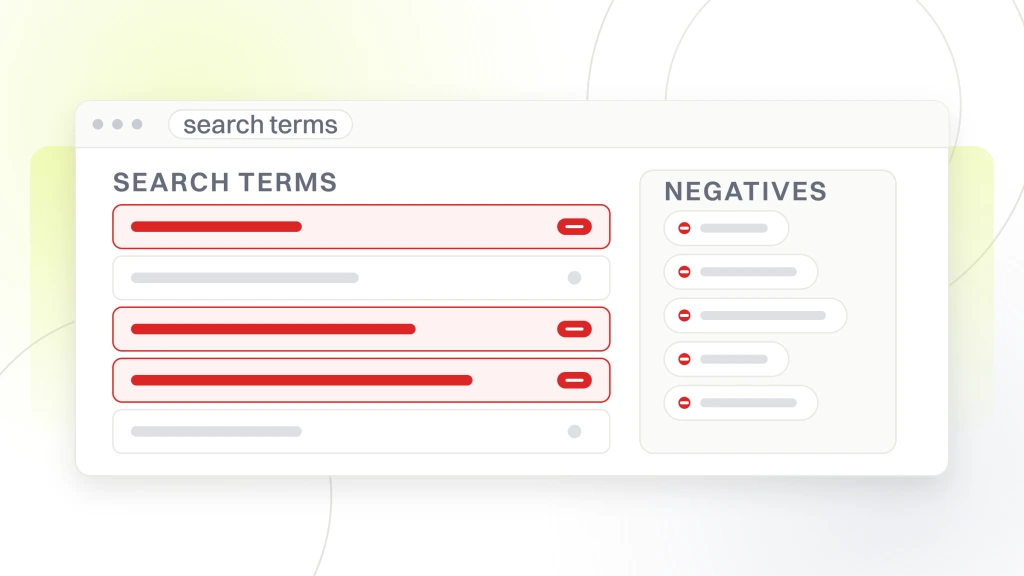
Still, PPC for chiropractors isn’t free money. About half of new chiropractic accounts we audit are burning 30 to 60% of budget on broad-match junk (searches for “chiropractor jobs,” “chiropractic school,” “free adjustment”). The fix is straightforward, but you need to actually run it.
Chiropractor PPC ads that pass Google review and convert
Google enforces strict rules on healthcare advertising. Ads that promise a cure, use fear-based pain imagery, or make unverifiable outcome claims get suspended fast. Read Google’s healthcare advertising policies before you write a single ad, then anchor every headline to a verifiable service or offer.
Headline templates that consistently convert
Winning ads follow a service + differentiator + call-to-action pattern. Below are four RSA (responsive search ad) headline slots that have held up across dozens of clinic accounts.
- Slot 1 (service + city). “Chiropractor in {LOCATION(City)}” or “Back Pain Chiropractor Near You.”
- Slot 2 (differentiator). “Same-Day Appointments,” “Accepts BCBS & Aetna,” or “20 Years Serving {City}.”
- Slot 3 (offer). “$49 First Visit & Exam” or “Free 15-Min Consultation.” Digits pull more clicks than words.
- Slot 4 (CTA). “Book Online in 60 Seconds” or “Call Now to Book Today.”
Rotate 8 to 12 headlines per RSA so Google can find its own winners. Never write two nearly identical headlines, and pin your strongest brand or offer headline to position 1.
Ad extensions that add real estate on the SERP
Extensions grow your ad’s footprint 30 to 60% and typically raise click-through rate by 10 to 20%. Turn on all six that fit a chiropractic clinic.
- Call extension. Phone number visible on mobile. Track calls as conversions.
- Location extension. Pulls address + map from your linked Google Business Profile.
- Sitelinks. 4 to 6 links to “New Patient Offer,” “Book Online,” “Meet the Doctor,” “Services.”
- Callouts. 6 to 10 short trust badges. “Same-Day Appointments,” “HSA/FSA Accepted,” “Licensed 2005.”
- Structured snippets. Service list (Adjustments, Sciatica Relief, Prenatal Care, Auto Injury).
- Lead-form extension. Only if you can respond within 5 minutes; otherwise it hurts you.
Turn on all 6 healthcare-safe ad extensions before you raise a single bid. Extensions raise CTR 10 to 20% at zero extra cost.
Landing pages that convert clicks to booked appointments
Ninety percent of the ROI in PPC for chiropractors lives on the landing page, not the ad. Sending clicks to a homepage is the single most common mistake, and it typically cuts conversion rate 40 to 70% versus a dedicated page. Build one landing page per service (back pain, sciatica, auto injury, prenatal, pediatric) and match the ad’s promise word for word.
Every landing page needs the same eight elements above the fold. Service-specific H1, one-sentence value promise, real photo of the doctor or clinic (not stock), booking widget or phone number, trust badges (years in practice, licensure, insurance logos), 3 social-proof stats (patients served, average rating, review count), and a first-visit offer. Cut everything else. Skimmers convert.
Page speed on landing pages matters for both conversion and cost
Google’s Quality Score punishes slow landing pages with higher cost per click. A page that loads in 2 seconds versus 5 seconds pays 15 to 30% less per click for the same keyword. Test every page in PageSpeed Insights before launch. Aim for a mobile score of 85 or higher.
Compress hero images to under 150 KB, defer offscreen video, and cut third-party scripts (chat widgets, heatmaps, analytics duplicates) that add 500 ms or more to load time. Most WordPress chiropractic templates ship with 8 to 12 unused plugins slowing every page. Audit and remove them.
Booking widget above the fold that captures the moment
The visitor who clicked a paid ad has 60 seconds of intent before they leave. An embedded booking widget (Jane, ChiroTouch, Weave, Genbook) captures that moment. Practices that switch from “call us” to embedded online booking typically see conversion rate double, from 4-6% to 8-12%.
Show real appointment slots for today and tomorrow. Empty calendars kill trust. If your first opening is 4 days out, offer a callback form instead, and make sure someone calls back inside 15 minutes.
Conversion tracking that closes the chiropractic ROI loop
You can’t optimize what you can’t measure. About 60% of clinic accounts we audit have broken or missing conversion tracking, so every campaign decision is a guess. Fix this before you raise budget. Follow the Google Ads conversion tracking documentation to set up tags correctly.
Track 4 conversion actions on every PPC for chiropractors account, and assign each a value your billing data supports.
- Booked appointment (primary). Fires when a patient completes the online booking flow. Value $150 to $400 depending on average first-visit revenue.
- Phone call over 60 seconds. Uses Google’s call-tracking number. Calls under 60 seconds are usually wrong numbers or hang-ups.
- Contact form submission. Value $50 to $100 based on your form-to-booking rate.
- Directions click on GMB (secondary). Weak signal, don’t optimize for it, but track for cross-channel picture.
Verify each tag fires exactly once per action using Google Tag Assistant. Duplicate fires inflate conversion counts 30 to 200% and make good campaigns look great and bad campaigns look fine. Both mistakes cost money.
Chiropractor PPC campaigns and Google Ads marketing for chiropractors structure
Tight campaign architecture separates paid search that pays from paid search that drains. Run 3 campaigns from day 1, split by intent tier, not by clinical service.
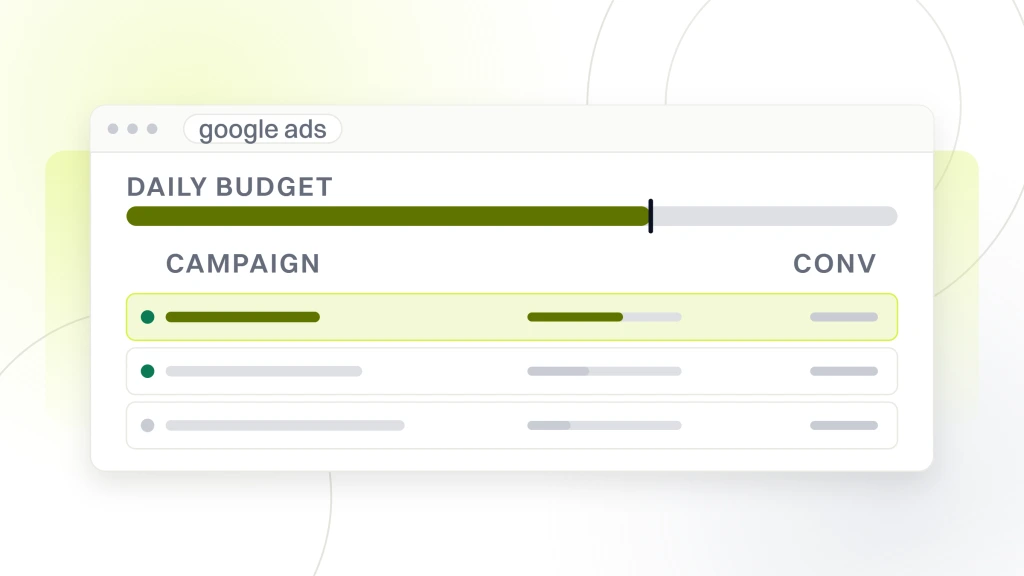
- Campaign 1, high intent search. Exact and phrase match on “chiropractor {city},” “back pain doctor,” “sciatica treatment.” This runs 60% of budget.
- Campaign 2, condition search. Exact and phrase on symptom terms (“pinched nerve,” “herniated disc,” “stiff neck”). 25% of budget.
- Campaign 3, brand and competitor defense. Your own brand plus competitor names in your city. 15% of budget, high ROI.
Skip Performance Max on a small account. It hides where budget went and rarely beats a well-run search campaign for a local health service. Start there once Google Ads marketing for chiropractors exceeds $5,000 per month in the account.
Run 3 campaigns split by intent tier, not service. High-intent search takes 60% of budget, conditions 25%, brand defense 15%.
Geo-targeting that respects the service radius
Chiropractic patients rarely drive more than 15 minutes. Target a 5, 10, or 15-mile radius around each clinic address, not a whole metro. In dense cities, tighten to 5 miles or the ad shows to people who will never come. In rural areas open the radius to 25 miles and add adjacent towns by name.
Add these locations as negatives if you’re in a metro market. Airports (search intent is travel, not care), hospitals (patients already have providers), universities in summer (transient population). Small negative-location work saves 5 to 12% of wasted spend.
Day-parting that concentrates budget when patients book
Chiropractic bookings cluster in three windows. 6 to 9 a.m. weekday (before work), 11 a.m. to 1 p.m. (lunch break search), and 6 to 9 p.m. weekday (after work). Weekend mornings spike Saturday but drop Sunday.
Push bids 20 to 30% higher in those three windows and cut them 30 to 50% between 1 a.m. and 5 a.m. That single edit typically drops overall cost per booked patient 10 to 18% in the first 30 days.
Chiropractor PPC agency versus in-house
Under $2,000 per month in ad spend, hire a freelancer or do it yourself with our chiropractor PPC setup guide. Above that, a specialist agency pays for itself through better bid management, better ad testing, and better landing-page work. The right agency should cut cost per booked patient 20 to 40% inside 90 days.
Agency selection criteria that avoid mismatches
Not every PPC agency understands medical practice marketing. Ask five questions on the first call.
- How many chiropractic accounts do you currently manage? Fewer than 3 and you’re paying for their learning curve.
- What’s your reporting cadence? Weekly at minimum, monthly reviews mandatory.
- Who owns the Google Ads account? You should. If they refuse to give admin access, that’s a red flag.
- What’s your contract length? Six months is standard. Anything over 12 protects them, not you.
- Can you name 3 chiropractic clients I can call? A yes here separates operators from vendors.
Redefine Web offers chiropractor PPC services that answer every one with a specific yes. If the agency you’re considering can’t, keep interviewing.
Reporting cadence that keeps the agency honest
A good agency reports on outcomes, not activity. Clicks, impressions, and CTR are activity metrics; booked patients, cost per booked patient, and lifetime value are outcomes. Any agency that leads with activity is hiding weak results.
Ask for a monthly one-pager that shows spend, booked patients from Ads, cost per booked patient, and month-over-month change. If they can’t produce it, they don’t know their numbers, and neither do you.
If your PPC report leads with impressions or CTR, fire the agency. Real reports lead with booked patients and cost per booked patient.
Pain Cure Clinic transfer notes for PPC alongside SEO
Pain Cure Clinic is our clearest case study on how paid search and SEO stack. Over 12 months of combined work, appointments grew 205% (from 40 per month to 122), organic traffic climbed 289%, and review volume rose 162% at a 4.9-star average. PPC carried week 1 through week 8, and SEO caught up in months 4 to 6. That handoff is the point.
Budget split for chiropractor PPC services and SEO over 12 months
The Pain Cure split moved as SEO kicked in. Months 1 to 3 ran 70% PPC and 30% SEO to book patients immediately. Months 4 to 8 shifted to 55% PPC and 45% SEO. Months 9 to 12 landed at 40% PPC and 60% SEO once organic rankings held.
That gliding split keeps PPC as your lever for surges (a slow month, a new service launch, a competitor closing), and SEO becomes the compounding baseline. Cut PPC to zero and appointments dropped 30 to 45% inside 30 days on every account we’ve tested it on. Don’t cut it.
Cross-channel tracking that attributes correctly
The single biggest attribution mistake is scoring the last click. A patient sees your paid ad, reads a blog, searches your brand, then books. Last-click gives 100% credit to the brand search and starves PPC. Use Google Ads’ built-in data attribution model and a 30-day lookback window at minimum.
Ask new patients a single question at intake. “How did you find us?” Log answers in your practice management system. Cross-check those answers against Google Ads data monthly. Match is rarely above 70%, and the gap is where your real optimization lives.
Start PPC for chiropractors this week
The bottom line on PPC for chiropractors, it works when you treat it as a system, not a switch. Tight campaign structure, one landing page per service, honest conversion tracking, day-parting to match how patients actually search, and a monthly report that leads with booked patients. Skip any one and your cost per patient doubles.
Redefine Web builds and runs PPC for chiropractors on the exact structure above, and you can see our chiropractor PPC services page. Same model that took Pain Cure Clinic from 40 monthly patients to 122. If you’d rather see the wider growth picture (SEO, GMB, reviews), start with our Chiropractor marketing services overview. Either way, the first week’s booked patients pay for the month.
One last note before you launch. PPC for chiropractors rewards patience inside the first 30 days. Google’s algorithm learns from the first few hundred clicks, and premature edits (pausing keywords on day 3, cutting bids on day 5) reset that learning. Set a rule, no structural changes for the first 14 days, then review with a monthly reporting cadence from there.
The clinics that win with paid search are the ones that respect that learning window, keep tracking clean, and pair every ad in their PPC for chiropractors setup to a purpose-built landing page. Do those 3 things and the channel compounds. Skip them and it drains. The choice between compounding and draining is that simple, and it lives inside those 3 core disciplines you just walked through in this guide.