Redefine Web

Website Audit Built to Show Every Fix Your Site Needs

A written website audit that names every technical, on-page, content, and speed issue holding your site back, ranked by revenue impact. You get a written report, a prioritized fix list, and a 30-minute walkthrough call.

$999+
per month · published
24
HOUR WRITTEN REPORT TURNAROUND
FREE
COST OF YOUR WEBSITE AUDIT
52 ITEMS AVG FIRST AUDIT · WRITTEN + RANKED
WEBSITE AUDIT REPORT
START HERE

Get your free website audit.

This field is for validation purposes and should be left unchanged.
Name(Required)

Free. Written report in 24 hours, yours to keep.

Trustpilot4.7/5★★★★★
Clutch5.0/5★★★★★
Google5.0/5★★★★★
DesignRush4.9/5★★★★★
GoodFirms5.0/5★★★★★
F6S5/5★★★★★
4.9 WEIGHTED AVERAGE · VERIFIED BY SITES WHO PAID US

Three ways your site is losing revenue and no tool has told you

If any of these looks familiar, the free website audit names the fix and what it's worth before you spend a dollar.
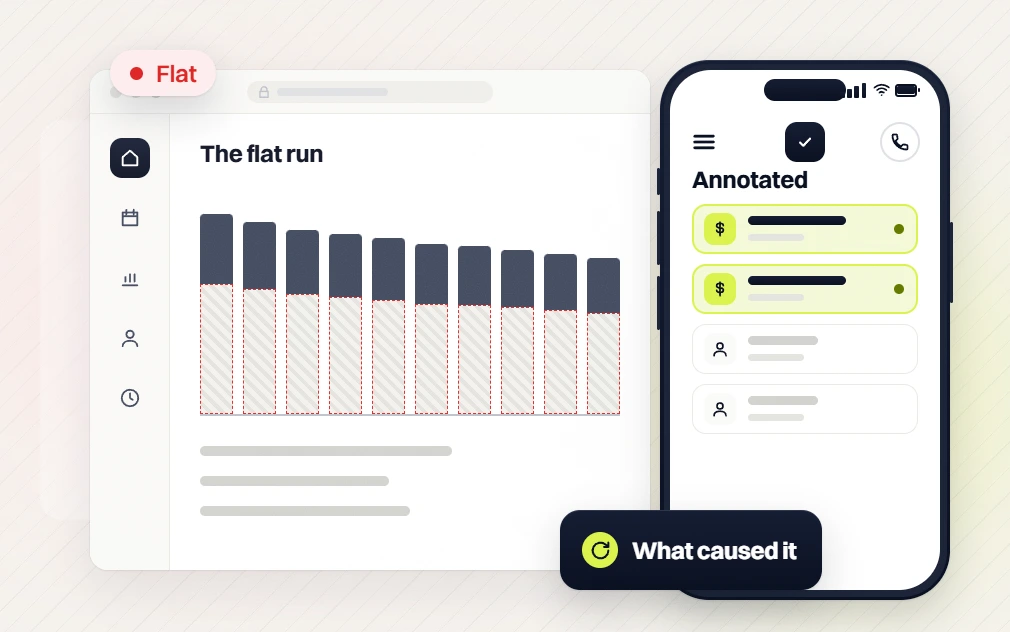
Website audit The flat run bar chart flagged flat beside a phone Annotated list, what caused it
PROBLEM 01 · TRAFFIC STALLED

Your organic traffic peaked and no dashboard explains it

The site used to grow every quarter. Now the graph is flat and no chart says why. A full website audit maps the exact page groups that lost rank, ties each drop to a Google update, a speed regression, or a broken canonical, and hands you the fix list in writing. Not a chart. A plan you can act on.

✓FLAT ORGANIC 6+ MONTHS
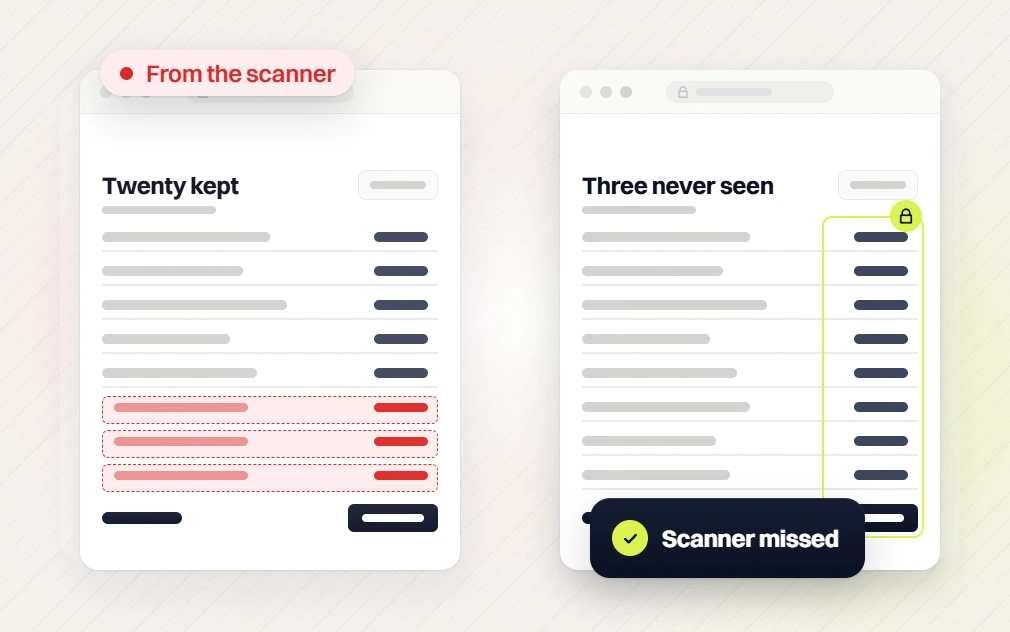
Website audit Twenty kept table flagged from the scanner beside a locked Three never seen table
PROBLEM 02 · TOOL NOISE

Free scanners flag 200 warnings that never move a booking

SEOptimer, Screaming Frog, and Lighthouse surface the same list every time. 200 pages with thin meta, 40 slow images, 15 broken links. You fix them and nothing moves. A human-reviewed website audit filters the tool noise, keeps the 20 items that actually shift rankings and bookings, and shows the buyer-intent gaps no crawler sees.

✓TOOL WARNINGS IGNORED
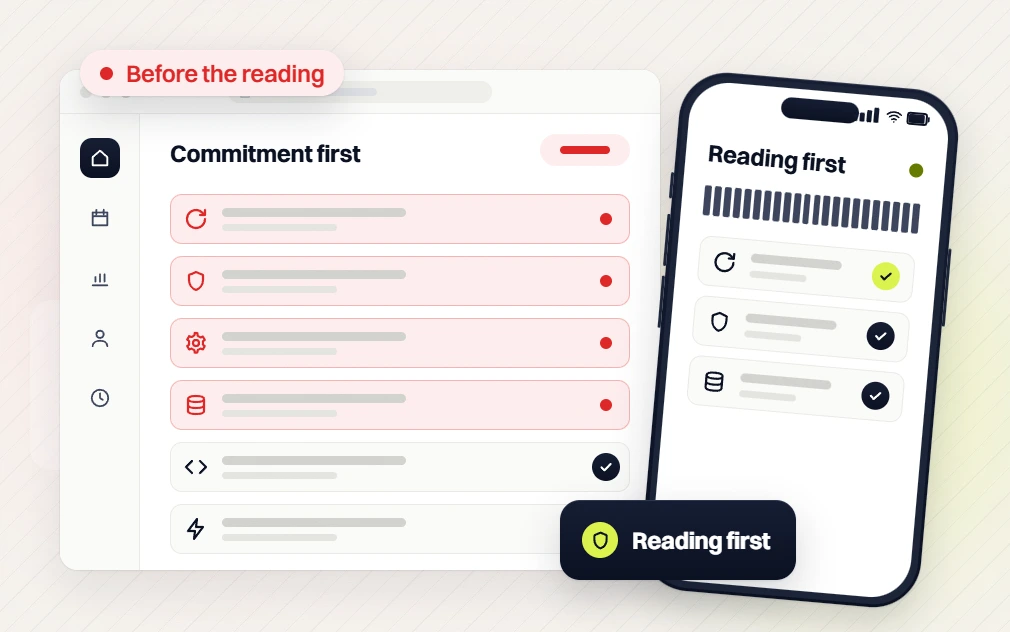
Website audit Commitment first list flagged before the reading beside a phone Reading first view
PROBLEM 03 · AGENCY UPSELL

Agencies pitch a retainer before they even open the site

Ask three agencies for a scope. Two will pitch you a $2,000 retainer before they read a single page. You end up paying for guesses. A free written website audit turns that around. You get a written diagnosis, a ranked fix list, and full permission to hand it to any developer you want.

✓RETAINER PITCH BEFORE DIAGNOSIS

Three outcomes every website audit report delivers

Three numbers we sign against on every website build. Each one is a launch criterion, not a hope.
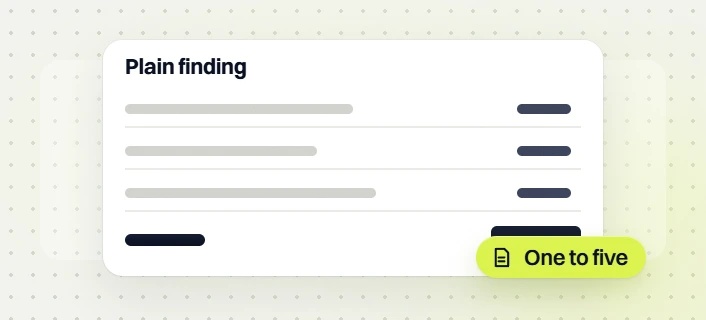
Website audit Plain finding card with three rows and a one to five tag

A ranked fix list you can hand to any developer

Every finding written in plain English, ranked 1 to 5 by revenue impact, with the exact page, tag, or query it hits. You leave with a fix list your in-house team or agency can start on Monday morning.
Website audit search results with the top result highlighted and rising, all green

Ranking and speed changes you can check yourself

Every finding lands with the page or query it hits, a fix path, and the rank or speed signal it should move. Your team applies them in that order and watches the change in Search Console.
Website audit one report and three people rows moving to a checked list, three open paths

A written report you own forever

The PDF is yours the day it lands. Hand it to any developer, in-house team, or new agency. No proposal gate, no upsell wall, no expiring access to the report.

Four stages, 24 hours, one written sign-off

Fixed scope, written sign-offs, dates on the calendar. Every website audit follows the same four stages so you know what lands on which day. Nothing slips past the promised delivery date.

HOUR 1

Discovery and access

You send your URL, your revenue targets, and the competitors you want compared. You share Search Console, GA4, and any tools you use, read-only. We confirm what the website audit will and will not cover in writing.

✓SIGN-OFF: SCOPE + ACCESS
HOURS 7-10

Technical and speed scan

Full crawl scored against Core Web Vitals, indexation, schema, and canonicals. Every technical and speed blocker logged with a fix path and expected rank impact.

✓TECH + SPEED LOGGED
HOURS 10-17

Content, on-page, and mobile review

Every money page checked for intent match, header depth, mobile layout, internal linking, and buyer questions your content misses. Content gaps mapped to the search queries you should be winning on desktop and phones.

✓CONTENT MAP DRAFTED
HOURS 17-24

Written report and walkthrough call

Findings drafted into a written PDF, ranked by revenue impact, with the exact page or query behind each fix. The report is yours to keep, and an optional 30-minute walkthrough call takes your team through the top 20 and agrees the first three fixes.

✓REPORT SIGNED + SENT

What you actually get in the website audit report

Four workstreams. Every line item listed here lands in the written report. No hidden phase-two column, no retainer upsell buried at the back.
Website audit Issue, page, fix checklist with five checked rows and a red ring, expected movement
HOURS 7-10

Technical website audit that names every crawl blocker

The technical section of the website audit checks every signal Google reads before it ranks a page. Crawl, indexation, schema, canonicals, and log-file patterns. Each finding maps to the page it hits and the rank movement expected after the fix goes live.
PHASE DURATION
CRAWL + INDEX AUDITED
SIGN-OFF
SCHEMA GAPS LISTED
✓GATE · CANONICALS CHECKED
// DELIVERABLES
✓
Full site crawl and indexation reportevery page checked for crawlability, index status, and duplicate content, with a fix path per issue found.
✓
Schema and structured data checkFAQ, Article, LocalBusiness, and Product schema audited for coverage, syntax, and rich-result eligibility.
✓
Canonical and hreflang rulescanonical tags, hreflang setup, and pagination rules checked for signal conflicts Google reads badly.
✓
XML sitemap and robots.txt reviewsitemap freshness, priority tags, and robots directives verified against actual crawl behavior on your live site.
✓
Redirect chain and 404 auditevery 4xx, 5xx, redirect chain, and orphan page mapped with the exact fix path per issue.
✓
JavaScript rendering reviewclient-side rendered pages checked for indexation risk, render-blocking scripts, and hydration timing issues.
Website audit Your blocks board with one highlighted card, ladder out of order
HOURS 10-17

On-page audit that finds intent gaps and header failures

Every money page in the website audit gets a template-level and page-level review. Header structure, keyword targeting, intent match, internal linking, and buyer-question coverage. The on-page section is where most sites recover 20% to 40% of lost traffic in the first 90 days.
PHASE DURATION
INTENT MATCH SCORED
SIGN-OFF
HEADERS REVIEWED
✓GATE · FIXES RANKED
// DELIVERABLES
✓
Search intent match per money pageeach money page scored against the actual SERP intent for its target query, gap flagged in writing.
✓
Header and content structure reviewH1, H2, H3 order reviewed for topic coverage, keyword placement, and readability across 20 top pages.
✓
Title tag and meta description auditevery title and description scored on click patterns, length rules, and focus keyword placement.
✓
Internal linking reviewlink equity map showing where authority pools, where it drains away, and which money pages need more inbound links.
✓
Image and media optimizationalt text, file names, format, and lazy-load rules audited for accessibility and rank signals.
✓
Featured snippet targetingtop 20 target queries checked for snippet win potential, best format recommended per query.
Website audit Your column table with five rows and upward arrows, where the holes are
HOURS 10-17

Content audit that maps every gap versus your top rivals

The content section of the website audit compares your topical coverage against the top 5 ranking rivals for each money term. Missing pages, thin pages, outdated pages, and cannibalization all logged with a rebuild path per page.
PHASE DURATION
TOPICAL GAPS MAPPED
SIGN-OFF
CANNIBALIZATION FIXED
✓GATE · REWRITE QUEUE READY
// DELIVERABLES
✓
Topical coverage gap analysisevery keyword cluster your rivals cover but you do not, ranked by search volume and buyer intent.
✓
Thin content listpages under 500 words that target money queries, with rewrite word count and outline per page listed.
✓
Cannibalization reportpages fighting each other for the same query, with a consolidation and redirect plan you can hand off.
✓
Outdated content refresh queuetop 20 organic pages older than 18 months flagged for update priority and new angle.
✓
Buyer question coveragePAA and buyer-intent questions your money pages do not answer, mapped to the sections that should carry them.
✓
New content queue with volume dataranked list of pages you should build next, each with target query, search volume, and rank projection.
Website audit Mobile tab with a checked The cause ring and two score rings beside a phone page
HOURS 7-17

Speed and mobile audit that scores every Core Web signal

The speed and mobile section of the website audit runs Lighthouse and CrUX field data against your top 5 rivals on every template. LCP, CLS, INP, and TTFB scored with the exact fix path and the plugin, image, or script pattern behind each red score.
PHASE DURATION
CORE WEB VITALS SCORED
SIGN-OFF
MOBILE UX AUDITED
✓GATE · FIX PATH LOGGED
// DELIVERABLES
✓
Core Web Vitals score per templateLCP, CLS, INP, and TTFB measured on 20 sample pages against your top 5 rivals with a template-level fix path.
✓
Mobile UX and render audittap targets, layout shift, viewport rules, and mobile-first indexing signals reviewed on live devices.
✓
Image weight and format auditevery hero image checked for WebP or AVIF format, size, and fetchpriority to keep LCP under 2.5 seconds.
✓
Render-blocking script listevery render-blocking CSS and JS resource named with the plugin, theme, or third-party script behind it.
✓
CDN and caching reviewCloudflare, CloudFront, or host-level cache rules audited for cache-hit ratio and stale content risk.
✓
Third-party script inventoryevery pixel, chat widget, and analytics script mapped to its cost in load time and INP.
Website audit Transport, plugins, roles chart beside a phone inbox, into the report
HOURS 17-24

A written report you keep

The reporting section of the website audit turns every finding from the four workstreams into a written PDF ranked by revenue impact, plus a 30-minute walkthrough call with your team.

PHASE DURATION
FINDINGS RANKED
SIGN-OFF
WRITTEN PDF
✓GATE · 30-MINUTE WALKTHROUGH
// DELIVERABLES
✓
Written PDF reportevery finding written up with the page, the fix, and the expected rank impact scored 1 to 5.
✓
Prioritized fix roadmaptop 20 fixes ranked by revenue impact and time-to-implement so your team knows where to start Monday.
✓
30-minute walkthrough calllive call with the auditor to ask questions, agree the top 3 fixes, and plan the rollout together.
Get your website audit and have the written report inside 24 hours
  • FIXED SCOPE
  • 52 ITEMS AVG
  • WRITTEN REPORT YOU KEEP
Start Your Website Audit No card needed. No sales call required.
Case studies See all case studies

Real sites, real website audit fixes, real ranking gains

Each one includes where the client started, what we changed and what happened.
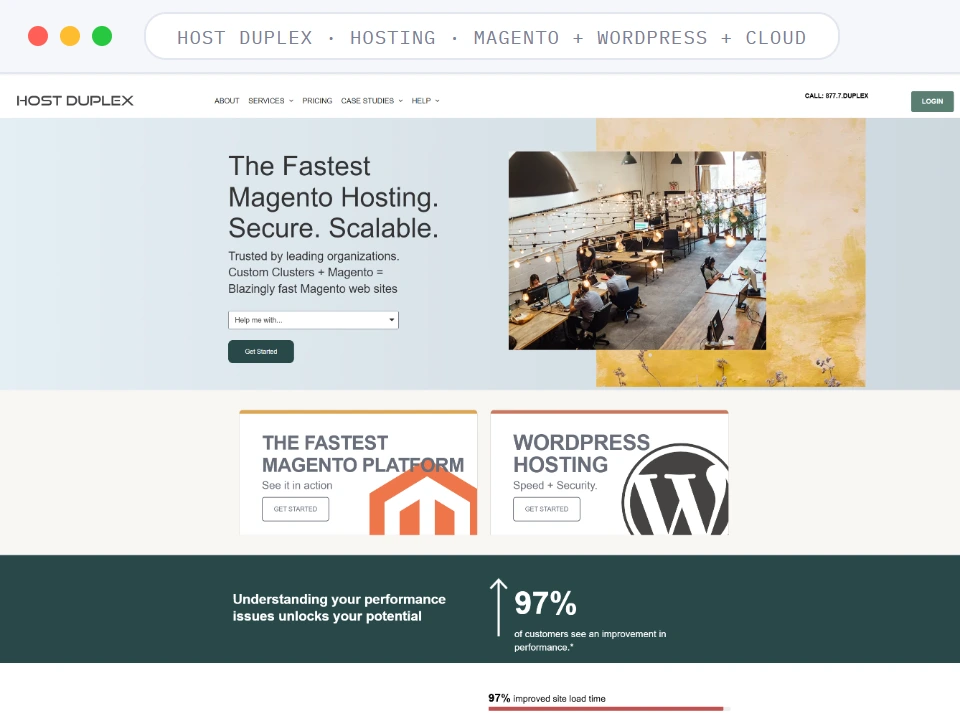
Homepage of Host Duplex, a Hosting · Magento + WordPress + Cloud business, shown in a browser window
Hosting · Magento + WordPress + Cloud

Cut Host Duplex page load to sub-second with a clean rebuild.

Host Duplex sells high-performance hosting, yet its own website took 8+ seconds to load. We rebuilt it on a lightweight WordPress theme and swapped plugins for custom code. Chat and tracking stayed, without slowing the site. Pages now load in under a second, with 65% fewer server requests and about 5K more organic visits.

Read the Host Duplex case study →
-85%
Page load
-65%
Server requests
+5K
Organic visits
Homepage of iSmile Dental Spa, a Dental · Carmichael, CA business, shown in a browser window
Dental · Carmichael, CA

Drove 900% patient growth at iSmile Dental Spa with SEO, PPC and video marketing.

iSmile Dental Spa had a strong local name but an old, insecure website. Online channels brought in 1 to 2 new patients a month. We rebuilt the site on HTTPS, added treatment pages, cleaned up local listings and launched Google Ads and video. Within 6 months it ranked on page one for 75 keywords. It now sees 12 to 14 new patients a month.

Read the iSmile Dental Spa case study →
+900%
Patient growth
+800%
Organic traffic
+500%
Marketing ROI
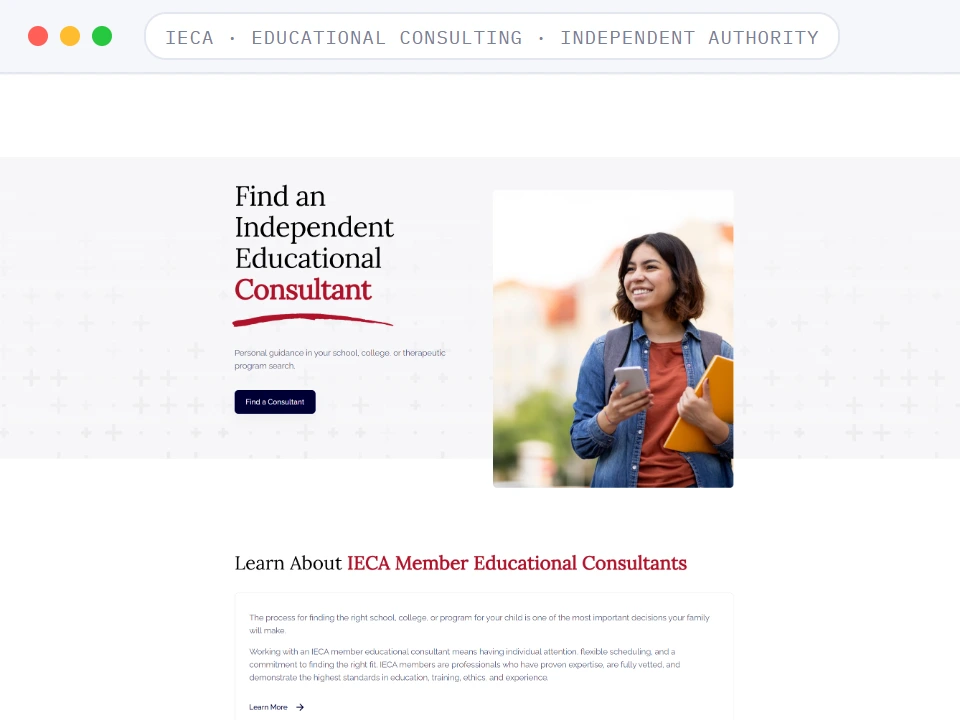
Homepage of IECA, a Educational Consulting · Independent Authority business, shown in a browser window
Educational Consulting · Independent Authority

Grew IECA to 50K+ monthly visits and 18% more leads.

IECA, the leading authority in ethical educational consulting since 1976, had an outdated site. Its consultant directory was hard to use and not secure. We built a secure, mobile-friendly site with a new consultant directory, SEO content and PPC campaigns. Within 6 months it drew 50K+ monthly organic visits, leads rose 18% and 750+ keywords ranked on page one.

Read the IECA case study →
750+
First-page keywords
50K+
Monthly visits
18%
Leads

CLIENT WORDS

Demos doubled in a quarter after the funnel rewrite. Nothing about the traffic changed. The pipeline math finally works.
Myles Scolnick
Head of Growth, QuoteWell
Verified via NPS survey
2x booked demos 41s lead response time
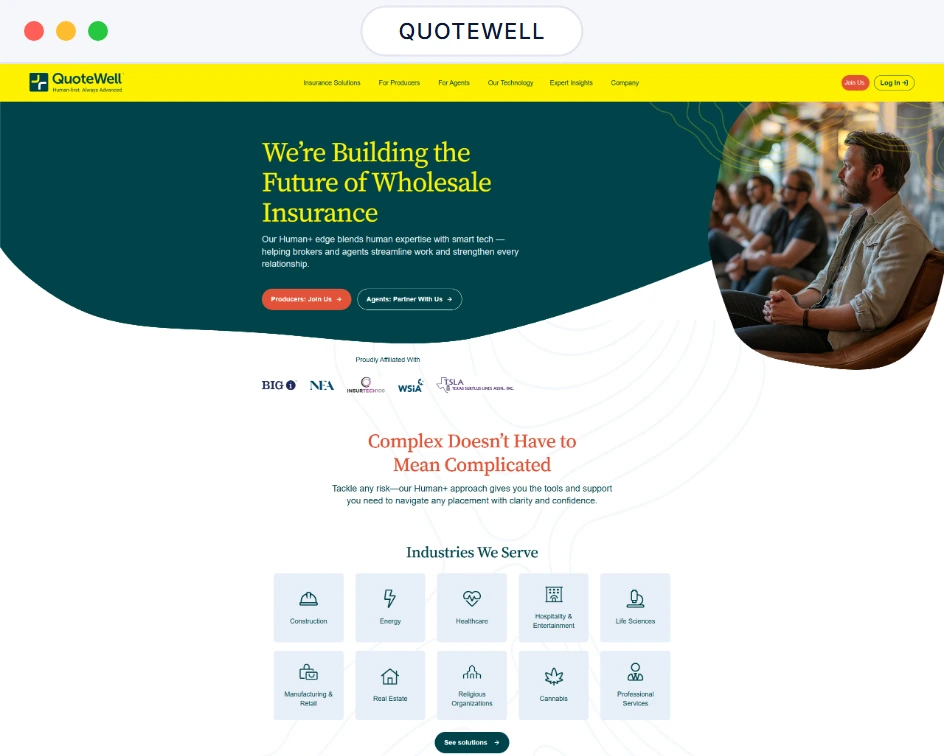
QuoteWell Insurance website homepage in a browser window, a wholesale insurance hero above the industries it serves
1 / 10

Selected clients we've run full marketing programs for

  • Armanino
  • BSH
  • Delicate Dental
  • Government Legal Department
  • Hightop Health
  • LifeStance Health
  • Marmalade
  • Montegra Capital Resources
  • Noelle Collins Dental Clinic
  • Oxford Capital
  • Paquin & Carroll Insurance
  • PCO Bookkeepers & M&A Specialists
  • Peaceful Mind Psychology
  • Peak Accounting Solutions
  • Pelvic Rehabilitation Medicine
  • RiverSaaS Capital
  • Rosenbaum Personal Injury Lawyers
  • Smile Design Dentistry
  • Stanhope Capital Group
  • Stella Maris
  • Tilghman Builders
  • Toyota
  • Uptime
  • VP Dental & Medical Supplies
  • Wilentz Attorneys at Law

See what a higher converting site is worth

Move the sliders to your numbers. A redesign earns its cost from the visitors already landing on the site, before it wins a single new one.

Added revenue per month
/mo

What a 20% improvement on your current conversion rate adds, at today's traffic. Traffic is held flat on purpose.

Free · Written findings · Yours to keep

Common questions on the website audit process

Straight answers on pricing, timelines, deliverables, and what lands in the written report. If your question is not here, book the scoping call.

A website audit is a full technical, on-page, content, and speed review of a site against current Google ranking signals and buyer behavior. The point is to find every issue holding rankings and conversions back, name the exact page or query it hits, and hand you a prioritized fix list your team can act on. A good website audit runs four workstreams. Technical health such as crawl, indexation, and Core Web Vitals. On-page factors such as intent match, headers, and internal linking. Content coverage versus your top rivals in the SERP. Page speed and mobile UX on real devices. The deliverable is a written report ranked by revenue impact, not a chart in a scanner tool. The audit itself does not fix anything on its own. What it does is give your team, developer, or agency the roadmap they need to move rankings inside 90 days after the fixes go live. It also shows the wins your rivals are already stacking that you have not started on yet. Google Search Central publishes the official baseline for reference: developers.google.com/search.

A complete website audit includes four workstreams and a written report at the end. First, technical health: full crawl, indexation, Core Web Vitals scored against top rivals, schema check, canonical and hreflang rules, plus XML sitemap and robots.txt review. Second, on-page: search intent match per money page, header structure, title and description review, internal linking map, and image optimization work. Third, content: topical coverage gap versus your top 5 rivals, thin content list, cannibalization report, outdated content refresh queue, and new content roadmap. Fourth, speed and mobile: LCP, CLS, INP, and TTFB scored on 20 sample pages, render-blocking scripts named, image weight audited, and CDN cache rules checked. Every finding in the website audit lands on a page or query, not a chart. See Web.dev for Core Web Vitals reference numbers and thresholds: web.dev/vitals.

To audit a website for SEO, work through five repeatable stages any team can run over a focused week. Stage one, run a full crawl with Screaming Frog and export every issue found: 4xx, 5xx, redirect chains, duplicate titles, thin pages, missing schema. Stage two, pull Search Console data for the last 90 days and note coverage errors, Core Web Vitals status, top gaining queries, and top losing queries. Stage three, pick your 10 money pages and score each against the actual top-10 SERP for its target query: intent match, header coverage, word count, internal links, and buyer questions answered. Stage four, run PageSpeed Insights on 20 templates and log LCP, CLS, INP scores plus the render-blocking scripts behind each red result. Stage five, write it all up ranked by revenue impact with a fix path per finding. That is the exact website audit process our team runs, condensed for solo use. The same five stages work for any site, any vertical, any CMS you run.

You audit your own site by working through those same five stages over a focused weekend or work week. Start with a full crawl using the Screaming Frog free tier for up to 500 URLs, which covers most small sites end to end. Pull Search Console coverage, performance, and Core Web Vitals data for the last 90 days. Pick your 10 top money pages and grade each against the actual top-10 SERP result for its target query. Run PageSpeed Insights on desktop and mobile for every template. Check backlinks in Ahrefs Webmaster Tools or the free tier of Semrush. Then write up findings ranked by revenue impact and time to fix. What you gain from a self-run website audit is a working knowledge of what your site does well and what it does not. What you lose is the trained eye that catches intent-match errors and the paid tool data that scores link quality. For sites over $10,000 monthly organic revenue, a human-run audit usually moves rankings inside 90 days once the fixes go live.

Yes, DIY is often the right first step for sites under $10,000 monthly organic revenue. The tools you need are free or near-free: Google Search Console, Screaming Frog free tier for up to 500 URLs, PageSpeed Insights, and the Rich Results Test. Block a weekend, take the five stages in order, and write findings ranked by expected rank impact and time to fix. What you will miss on a DIY website audit is competitor benchmarking, backlink quality scoring, and intent match analysis, since those need paid tools or a trained eye to do well. If organic revenue has stalled and you have already tried DIY twice with no ranking movement, that is when it pays to hand the audit to a trained eye. The written report gives you a plan you can act on for 6 to 12 months of steady work. For any site earning over $50,000 monthly from organic search, DIY audits are usually a false economy.

Website audit pricing across the industry runs from $499 for a small-site review to $2,500 or more for enterprise and multi-brand engagements. The Redefine Web website audit is free. You get all four workstreams, technical, on-page, content, and speed, plus the written report and the 30-minute walkthrough call, with no monthly commitment attached. What moves the number other vendors quote is site size, template count, and whether a human reads the pages or a scanner does. Free scanner reports from tool vendors are cheap in dollars and expensive in wasted work: 200 warnings and no ranking movement afterward. Ask any vendor for a sample report before you pay a cent. If the sample looks like a screenshot dump with no rank scoring, walk away and try someone else.

Yes, you can audit a website for free using a stack of Google-published and open-source tools. Google Search Console is the best free source because it shows the actual queries, impressions, clicks, and Core Web Vitals your site sees from Google. Screaming Frog SEO Spider offers a free tier that crawls up to 500 URLs, which covers most small sites end to end. PageSpeed Insights gives you a full speed and Core Web Vitals score for any URL. The Rich Results Test checks schema and structured data for eligibility on any money page. Lighthouse in Chrome DevTools runs a page-level SEO check on headers, alt text, mobile UX, and accessibility signals. Combined, those five tools cover about 60% of what a full website audit does. What free tools miss is the human interpretation layer: intent match analysis, competitor gap mapping, and the ranked fix list that ties findings to expected rank movement. PageSpeed Insights docs land at pagespeed.web.dev.

The top 5 SEO audit tools split into two camps: crawler-first platforms and rank-first platforms, each with a role in a full website audit workflow. Screaming Frog SEO Spider is the industry standard for crawl and technical work. It handles up to 500 URLs free and unlimited on the paid tier at $259 per year. Ahrefs Site Audit runs automated weekly crawls with backlink data attached, priced at $199 per month and up. Semrush Site Audit does the same with wider keyword data, priced at $139 per month and up. Sitebulb sits between the two on the crawl side, priced at $35 per month. Google Search Console remains the only source of first-party Google data on your site and is free forever. No single tool covers every workstream in a full audit, which is why serious teams pay for two or three plus one seat of Search Console. Software gives you the data. A human interpreter turns the data into a ranked fix list you can act on.

ChatGPT can help with parts of a website audit but cannot run a full audit on its own. It handles copy review well: pasting a page into ChatGPT and asking for header structure feedback, intent match scoring, or PAA question coverage returns useful notes in seconds. It also drafts meta titles, meta descriptions, and FAQ answers to a decent baseline. What ChatGPT cannot do is crawl your site, pull live Search Console data, score Core Web Vitals from field data, or score backlink quality. Those tasks need real tools plugged into your property. ChatGPT also cannot see the SERP for your target queries in real time without a paid plugin or Bing browsing turned on, which limits its ability to score intent match against live results. A workable pattern is to run the crawl and data pulls in real tools, then paste the outputs into ChatGPT for interpretation and prioritization. A full website audit still needs a human plus tools, not a chatbot alone.

Yes, most site owners can run their own SEO audit with a weekend of focused work and free tools. Start in Search Console: pull coverage errors, Core Web Vitals status, and the top 20 gaining and losing queries in the last 90 days. Move to Screaming Frog free tier for a full crawl and log every 4xx, 5xx, redirect chain, duplicate title, and thin page. Run PageSpeed Insights on 10 templates and grade LCP, CLS, and INP on desktop and mobile. Check your money pages against the actual SERP for each target query and score intent match. Finish with a link check in Ahrefs Webmaster Tools for a free view of your referring domains. Write it all up ranked by revenue impact. Where a DIY website audit falls short is intent match analysis, competitor gap mapping, and backlink quality scoring, since those need paid tools or trained eyes. For sites over $50,000 monthly organic revenue, hire the audit out and spend the weekend on the business.

To analyze a competitor website for a website audit, run three passes in parallel: technical, content, and link. On the technical pass, use the free Chrome extension Web Vitals plus PageSpeed Insights to score their homepage and top templates against yours on LCP, CLS, and INP. Check their schema in the Rich Results Test to see which structured data types they cover. On the content pass, pull their top 20 organic pages from Ahrefs or Semrush and note word count, header structure, PAA coverage, and internal linking pattern per page. Match each of their top pages to yours and log the gap in coverage. On the link pass, pull their referring domains and compare to yours: total refdomains, quality tier ratio, topical relevance, and anchor text mix. Then map their strengths to your weaknesses. A serious competitor benchmark inside a website audit covers 5 rivals, not 1, so you see the full pattern of what winning pages do in your niche. WCAG accessibility guidelines land at w3.org/WAI/wcag.

A security audit of a website checks HTTPS setup, WordPress core version, plugin exposure, admin hardening, backup posture, and known vulnerability risk. Start with an HTTPS scan using SSL Labs to grade your cert chain, TLS version, and HSTS setup. Pull your WordPress core version and plugin list and check each entry against WPScan's CVE database for known vulnerabilities. Review user roles and remove any admin account no longer active on the site. Turn on two-factor auth for every admin. Confirm daily backups are running to off-site storage and can be restored on demand. Check for exposed staging environments, open .git folders, and default admin URLs still active on the live site. Website security work costs $500 to $5,000 depending on site size and CMS. Do it once a year or after any incident, whichever comes first.

The 4 Ps of competitor analysis inside a website audit are Product, Positioning, Pages, and Presence. Product covers what your rivals sell and how they package it: pricing tiers, service scopes, guarantee terms, and included deliverables. Positioning covers the angle their homepage and top service pages lead with: outcome-first, brand-first, or price-first. Pages covers the shape of their winning content: which templates rank, how those pages are structured, and which PAA questions they answer that yours do not. Presence covers link and citation signals: total refdomains, quality tier ratio, brand mention volume across the web, and how they show up in Google Business Profile and directory listings. A serious 4Ps sweep inside a website audit runs against 5 rivals in your niche, ranked by SERP overlap for your money queries. The output is a scorecard that shows exactly where you win, where you lose, and where the 90-day fix effort will move the most revenue. Ranking gains follow from real gap work, not adjective swaps on your homepage copy.