Dental PPC Services to Book New Patients Fast
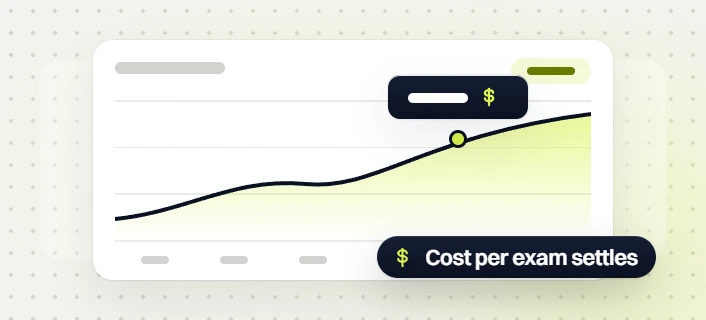
Dental PPC on Google Ads, Local Service Ads, and Meta, measured in booked appointments. We publish the ad copy, build the landing pages, and tie every ad spend back to your PMS. Flat monthly fee. Avg $84 cost per booked patient.
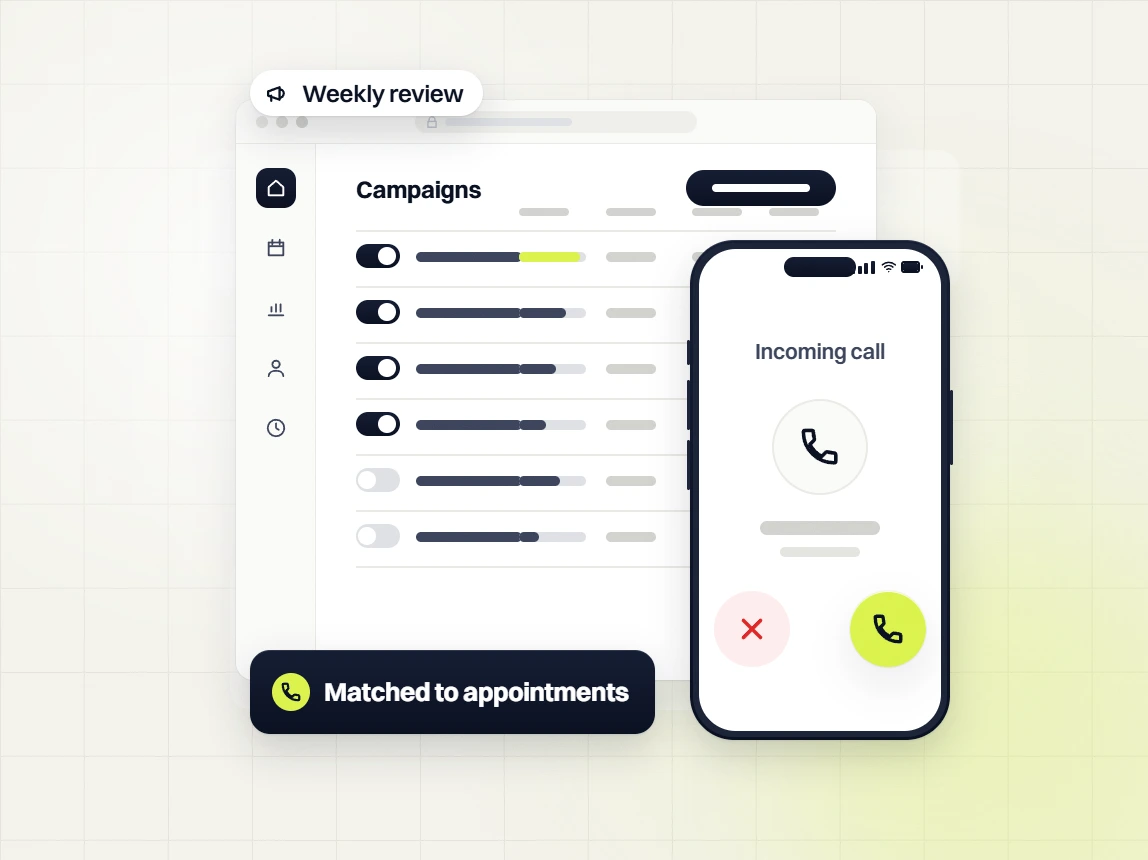
Three ways your PPC is losing patients
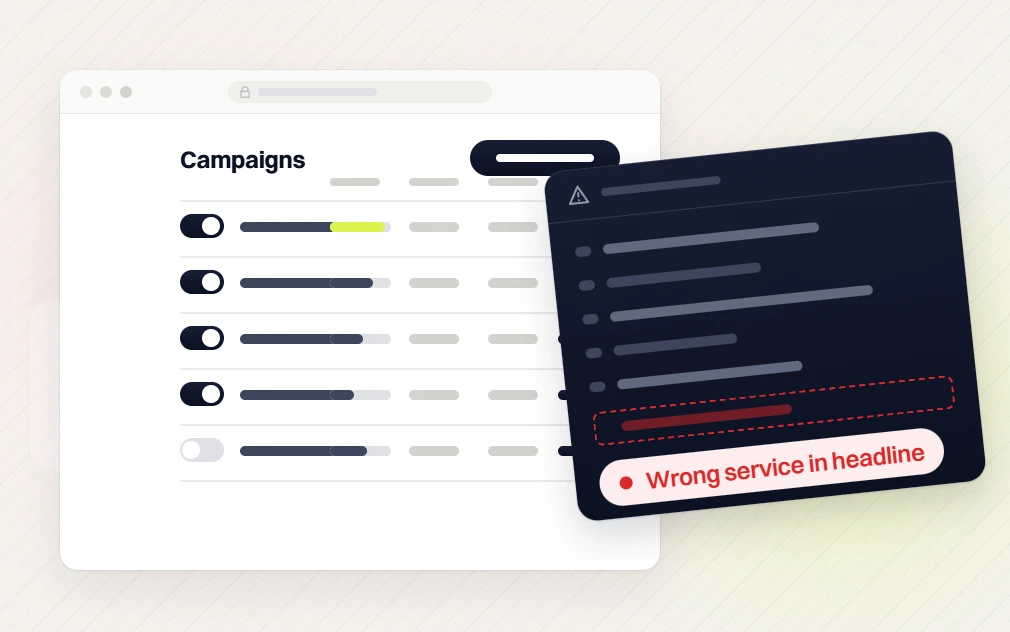
Google Ads spends 37% of budget on ZIPs outside your service area
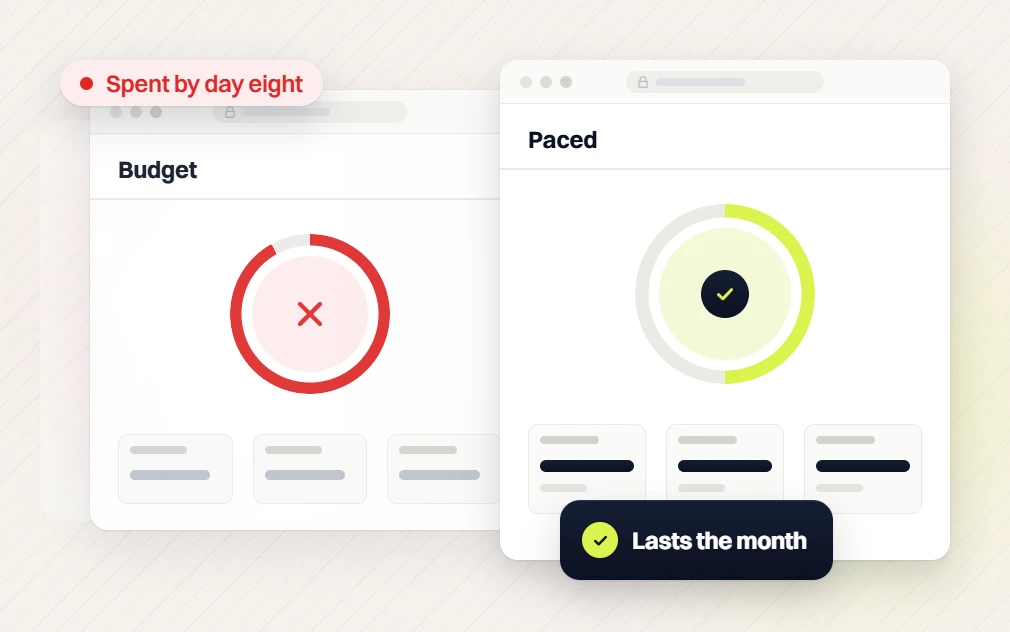
At a $6K/mo spend that torches $2,220/mo on ZIPs your front desk cannot serve. Broad-match, missing ZIP exclusions, and default Smart Bidding chase clicks anywhere the algorithm finds. The fix is ZIP-level bid exclusions built from your patient roster, not from Google defaults.
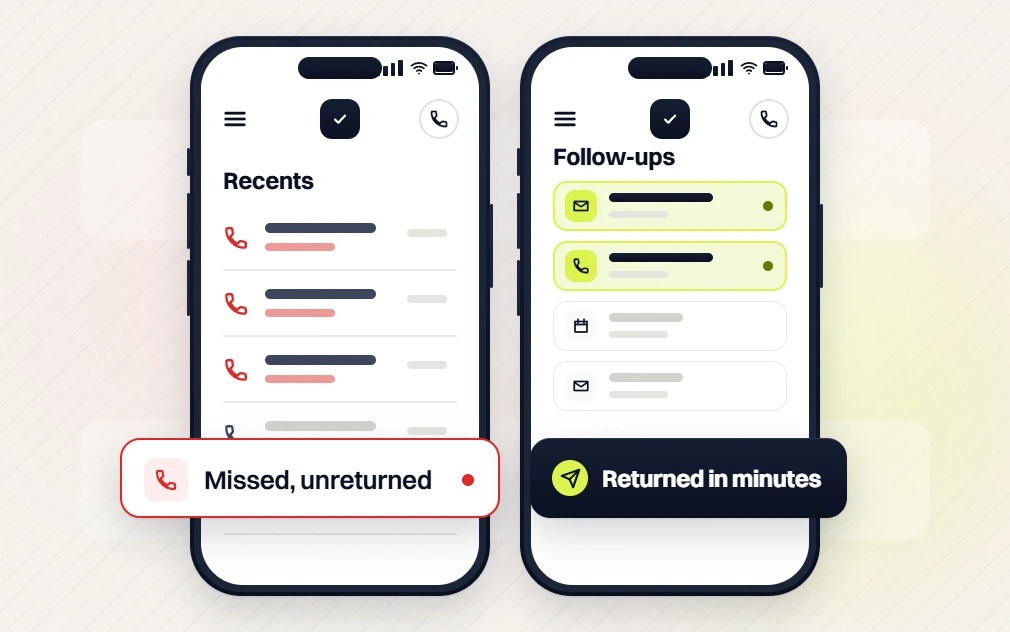
Dentrix and Eaglesoft never send booked appointments back to Google Ads
Zero signals go from PMS back to the ad platform, so Smart Bidding chases form fills and click-to-phone events instead of real patients. The fix is Enhanced Conversions plus Meta CAPI, wired to Dentrix, Open Dental, Eaglesoft, or Curve so bidding trains on booked patients.
Insurance keywords bid you into a price war with corporate DSOs
Broad match on "dentist that takes Delta Dental" hits $25 to $30 CPCs against corporate DSOs with deeper budgets. Every click costs 4x a treatment query. The fix is money-keyword campaigns per procedure with procedure-specific copy, so implants and aligners drive spend, not insurance shoppers.
What every dental PPC retainer delivers
Tight structure, aggressive negatives, and conversion-tuned landing pages drop cost per booked appointment inside 30 days. Median $84 CPA across 30+ practices.
Every Google Ads and LSA click lands on a page with online booking, insurance pre-qualification, and a CallRail-tracked phone. No dead-end forms.
Not a monthly PDF. A weekly note covers what launched, what moved on booked patients, and what tests run next week. One owner, one dental account.
Four stages, every step ends in a sign-off
Fixed scope, fixed timeline, fixed outcomes. Nothing moves to the next stage until your leadership signs off on the gate deliverable.
Audit that exposes wasted spend + broken tracking
Full campaign audit surfacing wasted spend, missing negatives, misconfigured conversions, and untracked call events. Median finding on new dental accounts: 42% wasted spend and 247 missing negatives. Written up in a 20-page report.
Campaigns rebuilt around procedure profitability
Implants get a higher target CPA than cleanings since the LTV is 10x. SKAG-lite structure with match-type discipline, LSA layered where you qualify, negative keyword sculpt to strip waste before it starts.
First booked appointment inside 14 days
Landing pages built per campaign with booking flow, insurance pre-qual, and CallRail dynamic numbers. Every ad tracked through to a PMS-verified booked appointment. Miss the 14-day mark, your first month is free.
Optimize weekly, scale against real revenue
Ad copy A/B tests, bid strategy tuning, and landing page conversion iteration run weekly. Average client CPA drops 50% from launch to week eight. Meta and Display layered as retargeting once search demand is captured.
What you actually get from our dental PPC services
Five workstreams, every item listed. Nothing lives in a proposal appendix.
Audit that exposes wasted spend + broken tracking
Full campaign audit surfacing wasted spend, missing negatives, misconfigured conversions, and untracked call and booking events. Median finding on new dental accounts is 42% wasted spend and 247 missing negatives. Signed off before we touch structure.
every search term with spend reviewed; non-dental, brand-competitor, and irrelevant queries surfaced for negative-keyword sculpt.
phone clicks (wrong), form fills (better), or booked appointments (right). Fixed at the root before any bid change.
landing page conversion rate benchmarked against dental industry avg. Every ad group mapped to its landing page with a CVR score.
owner + practice manager review and sign off before we rebuild. No changes without a written go-ahead.
top DSOs and specialist practices in your ZIPs pulled from Auction Insights and priced against your bid ceiling.
last 90 days of bookings mapped by source so the audit report starts with a real cost per patient number.
Campaigns rebuilt around procedure profitability
Implants get a higher target CPA than cleanings since the LTV is 10x. SKAG-lite structure with match-type discipline, LSA layered where you qualify, and negative keyword sculpt to strip waste before it starts.
implants, aligners, cleanings, emergency, whitening; each is its own campaign with its own CPA target based on procedure LTV.
247 negatives added on average in the first pass. Prevents budget drain from non-dental, competitor, or irrelevant queries.
exact + phrase for high-intent, broad only on tightly scoped clusters. Every match type has a written rationale, not a default.
Google Local Services Ads layered where your practice qualifies. Booking action + verified badge on GBP for extra trust.
exclusions built from your patient roster, not Google defaults; stop paying for clicks in ZIPs your front desk cannot serve.
target CPA aligned to LTV per procedure, seeded with PMS conversions so bidding trains on booked patients, not form fills.
First booked appointment inside 14 days, guaranteed
Landing pages built per campaign with booking flow, insurance pre-qual, and CallRail dynamic numbers. Every ad tracked through to a PMS-verified booked appointment. Miss the 14-day first-booked mark, your first month is free.
every campaign gets its own landing page built around one procedure. No shared homepage traffic diluting patient intent.
conversion is booked-appointment, not click-to-phone. Tracked from ad to landing page to booking flow to PMS entry.
every ad and every landing page gets a unique tracked number. Every call attributed to the campaign that drove it.
miss the 14-day first-booked-appointment mark, your first month is free. Applied to 30+ dental practices to date.
patients answer carrier + plan on the landing page before booking, so the desk gets qualified appointments only.
landing pages under 2.1s on 4G mobile so Google Ads quality score cuts CPCs 20 to 40% out of the gate.
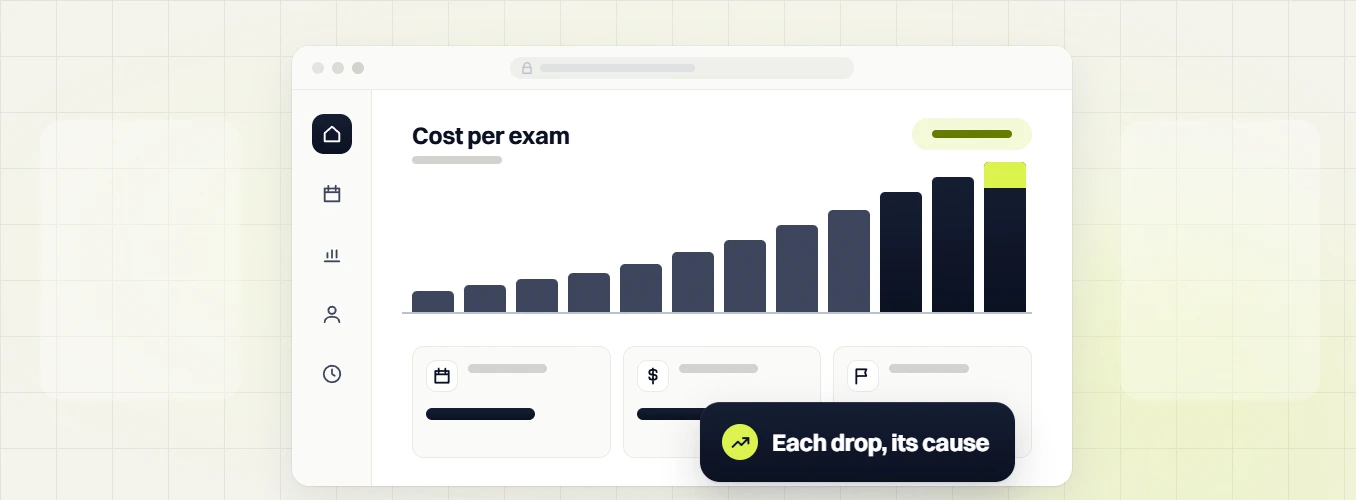
Cost per booked patient drops week over week
Ad copy A/B tests, bid strategy tuning, landing page conversion iteration, and negative keyword sculpt run weekly. Average client CPA drops 50% from launch to week eight. Every optimization is tied back to the PMS-verified booked-appointment number.
every Monday: what changed last week, what impact it had on CPA and booked patients, what changes are being tested this week.
headline and description testing at ad-group level. Winners promoted, losers killed. No copy left running longer than 4 weeks without a test.
manual to target CPA to target ROAS progression as data compounds. Bid caps + budget shifts between procedure campaigns based on booked-patient MRR.
landing page conversion rate benchmark tracked weekly. Copy, form, and hero test cycles run in-house without waiting on external design.
search-term report reviewed weekly; 15 to 30 new negatives added on average to protect budget from drift as auctions shift.
landing page + ad relevance + expected CTR monitored per keyword; poor scores fixed at the source, not papered over with higher bids.
Scale spend against real PMS-verified revenue
Once CPA is stable, we scale ad spend into the ceiling. Meta and Display layered as retargeting and awareness. Every scaling decision tied to booked-patient MRR and your production capacity, not vanity spend targets.
ad spend scaled against your production capacity and booked-patient throughput. No spending past the chairs you can actually fill.
once search demand is captured, Meta + Display layer built as retargeting for visitors and lookalike for booked patients.
every 30 days: ad spend, booked patients, cost per booked patient, production value from paid, return on ad spend, and next-month plan.
every 90 days we present ROI and book of tests to leadership. Budget shifts and strategy tweaks signed off in the meeting.
multi-office groups get one pool per office with attribution per location, so DSOs see which practice each dollar bought.
implants and aligners scaled first since a $200 CPA still returns 20x on a $3,500 case; cleanings scaled to fill hygiene gaps.
Four PPC tiers for every stage of growth
Pick the tier that matches your practice size. Move up or down anytime with 30 days notice, no setup fees. Hover any feature name for a plain-English explanation.
Single-location testing paid ads, or recovering from a bad agency.
Growing brands scaling beyond one campaign: PMax, search, Meta.
Two to ten locations, paid ads across service areas and lines.
Enterprise or 11+ locations. Systematic paid rollouts, multi-market.
Every PPC feature, tier by tier
HOVER FOR DETAILPlatforms and ad spend +
Campaigns + landing pages +
Reporting + analytics +
Ad channels + creative +
Compliance + enterprise +
Team + service level +
Real practices, real numbers
Common dental PPC questions, answered
From real quote calls. Anything else, ask on the call and get an answer in the first 5 minutes.
What is PPC in dentistry?
+
PPC in dentistry is paid search advertising where your practice bids on Google, Bing, or Meta for terms like “dentist near me,” “dental implants,” or “emergency dentist,” and pays only when a patient clicks. In dentistry the median click costs $8 to $15 in most metros, and $25 to $30 for insurance keywords like “dentist that takes Delta Dental.” Done right, dental PPC services book new patients inside 14 days of launch. Done wrong, they burn $2K a month on ZIPs outside your service area with nothing to show at chairside. Our audit reads your last 90 days of spend, calls out the waste with a written finding, and rebuilds the account around procedure-first campaigns so every dollar chases a booked appointment tied to your PMS. Learn more about how Google Ads cost-per-click works before you write the next check to a dental PPC agency. On our roster, no dental account launches without a written finding on the last 90 days first. On our dental PPC services roster, no account launches without a written finding on the last 90 days first.
How much do PPC ads cost?
+
Most single-location US dental practices spend $2,500 to $6,000 a month on Google Ads once past the learning phase. Group practices and DSOs run $8K to $40K per location per month. That range moves with metro CPCs, insurance mix, and target procedures. Implants and clear aligners push higher, since a single booked case is worth $3K to $8K, so a $150 CPA still returns 20x on the media. Cleanings and exams justify a lower budget, since case value sits at $250 to $450 on the first visit. Our dental Google Ads audit reads your last 90 days of PMS bookings and quotes an ad-spend range calibrated to your production capacity and case mix. We do not spend past the chairs your front desk can fill, and dental PPC management fees stay flat at $499 to $3,500 a month with zero markup on media, so scaling ad spend never raises the retainer. That is why our dental PPC services retainer stays flat, not indexed to media spend. That is why our dental PPC services retainer stays flat, not indexed to media spend.
What is PPC management?
+
Dental PPC management is the weekly work of running paid search accounts for a dental practice. It covers keyword and negative-keyword sculpt, ad copy A/B tests, bid strategy tuning, landing page conversion iteration, competitor bid tracking through Auction Insights, and reporting cost per booked new patient back to the practice. A dental PPC management retainer at Redefine Web runs $499 to $3,500 a month, flat, with no percent-of-spend markup or hidden setup fee. Every account gets a written weekly note from the media buyer, PMS attribution wired to Dentrix, Open Dental, Eaglesoft, or Curve, and a 14-day first-booked-patient guarantee in the contract. Read the Google Ads Help Center for how the ad platform structures bidding, then compare it to what you actually get on a dental PPC agency retainer, line by line, before you sign anything. Dental PPC services and dental PPC management describe the same weekly work under two brand labels. Dental PPC services and dental PPC management describe the same weekly work under two brand labels.
What does a PPC agency do?
+
A dental PPC agency runs your Google Ads, Local Service Ads, and Meta accounts for a monthly fee, then reports what those channels booked. The scope covers account audit, campaign build, procedure-first structure with dedicated landing pages, offline conversion setup back to your PMS, weekly bid and copy optimization, competitor Auction Insights review, and monthly performance reporting tied to booked patients rather than clicks. Redefine Web keeps every workstream in-house, so the media buyer running your dental Google Ads is the same person writing the ad copy, building the landing pages, and reading your Dentrix export every Friday morning. Retainer sits at $499 to $3,500 a month depending on ad spend and office count, and you own the ad account, the landing pages, and the CallRail data outright. No lock into a proprietary tech stack, no percent-of-spend markup, and the 14-day first-booked-patient commitment is written into month one of the contract. That is the shape of the retainer in practice. That is the shape of Redefine Web dental PPC services in practice.
Is $20 a day good for Google Ads?
+
$20 a day is $600 a month, which is the lowest bound where dental Google Ads can produce a booked patient without Smart Bidding starving on data. At $600 a month you get 40 to 75 clicks on general dentistry keywords in most metros, which is enough to book one to three new patients if the landing page converts at 5% or better. Below that, Smart Bidding cannot train on enough conversions to tune target CPA, so results stay noisy from week to week. Foundation-tier dental PPC management at Redefine Web starts at $499 a month plus a recommended $1,500 to $3,000 in ad spend, since $20 a day is too thin for procedure-specific campaigns like implants or aligners. If you want a real answer for your ZIP code and case mix, the audit reads your Google Ads Manager account and quotes a spend floor calibrated to production capacity, not a guess. Foundation-tier pricing stays honest about the ad-spend floor at every quote. Foundation-tier dental PPC services stay honest about the spend floor at every quote.
Which agency specializes in PPC?
+
Dental PPC agencies fall in three brackets. Freelancers and small shops charge $300 to $700 a month, usually flat, often without PMS attribution or LSA management. Specialist dental PPC agencies charge $800 to $2,500 a month, either flat or 15% of ad spend, with treatment-specific landing pages and CallRail. Large multi-service agencies push $3,000 to $8,000 a month and often lock you into 12-month contracts with slow account access. Redefine Web is a specialist dental PPC agency running paid accounts for 30+ US practices, at $499 to $3,500 a month, flat retainer, 30-day out after the initial term, PMS attribution included. The 15%-of-ad-spend model punishes practices that scale, since the fee doubles when you double spend even though the work does not. Flat retainer is the honest structure, and every dental PPC services retainer includes Google Ads, LSA, and Meta scope, so you never pay a per-channel add-on. Every quote for dental PPC services from Redefine Web comes with a media-spend recommendation grounded in your account history. Every quote for dental PPC services from Redefine Web comes with a media-spend recommendation grounded in your account history.
How much do dental PPC services cost per month?
+
Redefine Web dental PPC services run on a flat monthly retainer, never a percent of ad spend. Four tiers. Foundation at $499/mo suits single-location practices testing paid for the first time, with recommended ad spend $1.5K to $3K per month. Growth at $999/mo scales single-location practices with Meta retargeting and per-treatment campaigns, ad spend $3K to $8K per month. Authority at $1,999/mo covers 2 to 10 location groups with per-office attribution and weekly optimization cadence, ad spend $8K to $25K per month. Enterprise from $3,500/mo suits DSOs, specialist groups, and 10+ locations with production-capacity budgeting per site. Every tier includes ad copy, landing pages, LSA management, PMS attribution, weekly written notes, and the 14-day guarantee. Ad spend is billed separately at zero markup, so the invoice you sign is the invoice you pay. Retainer scales with office count and channel mix, not with your ad budget, which keeps incentives aligned with your booked-patient number and case value.
How fast does dental PPC produce booked patients?
+
First booked new patient inside 14 days of launch is our commitment across all 30+ dental practices under active dental PPC management. Google Search and Local Service Ads produce faster than Meta, since search intent is already hot on Search from day one. LSA can produce a booked call in 48 hours once Google verifies your practice through a Google Business Profile license check. Meta retargeting kicks in 21 to 30 days out once the pixel has enough audience to warm up on lookalikes. Full campaign maturity, where Smart Bidding has enough conversion signal to hit target CPA, takes 45 to 60 days across the account. Median timeline across our dental book: booked patient one by day 8, CPA stabilized by day 42, 50% CPA drop by week eight against baseline. If the 14-day mark slips, your first month of dental PPC management is free, in writing. Every dental PPC services retainer at Redefine Web carries the same 14-day language, no matter which tier. Every dental PPC services retainer at Redefine Web carries the same 14-day language, no matter which tier.
Do you manage dental Local Service Ads (LSA) too?
+
Yes. Dental LSA management is part of every Redefine Web dental PPC retainer, not an upsell or an add-on channel. LSA runs at the very top of Google above the paid search ads and charges per call, not per click, usually $18 to $45 per booked call for general dentistry across US metros. The “Google Screened” badge on your LSA listing builds trust with older patients who filter results by badge before choosing. We handle license verification, background check submission, review sync from your Google Business Profile, and the weekly dispute-bad-charges workflow that most practices never run, which alone recovers 8 to 15% of monthly LSA spend on average. LSA is layered on top of Google Ads, not instead of it, so the two channels feed each other. LSA books high-intent calls at low cost, and Google Ads scales beyond LSA impression share limits, with both channels reporting booked patients back to your Dentrix or Open Dental record.
Do you build dental PPC landing pages or send traffic to our website?
+
We build dedicated dental PPC landing pages per treatment, per location, and per campaign. Sending Google Ads traffic to your homepage cuts conversion rate in half. The homepage is built for brand browsing, not for booking a specific procedure appointment. Every landing page follows the same pattern. Above the fold: procedure name, price signal, three trust points, click-to-call button. Body: procedure detail, financing options, three patient reviews specific to that treatment, insurance list, and before-after gallery. Footer: booking form wired straight to your PMS with instant confirmation. Landing pages load under 2.1s on 4G mobile so Google Ads quality score cuts CPCs 20 to 40% out of the gate, per Core Web Vitals targets. Every page includes CallRail dynamic numbers, insurance pre-qualification UX, and Meta CAPI wiring for retargeting. Pages are yours to keep after the retainer ends, no proprietary lock-in, no separate landing page fee. Every account gets a dedicated per-treatment landing page for the campaigns that spend real money. Redefine Web dental PPC services always ship with a dedicated per-treatment landing page for the campaigns that spend real money.
How do you track booked dental appointments from PPC clicks?
+
We connect Google Ads and Meta to your PMS through Enhanced Conversions for Google and Conversions API (CAPI) for Meta on the server side. Every booked patient in Dentrix, Open Dental, Eaglesoft, Curve, or Denticon fires back to the ad platform with the source campaign, keyword, and ad that drove it. Smart Bidding then trains on real booked patients, not form fills or click-to-phone events that never became appointments. Setup uses a hashed-email match key that stays HIPAA-safe, so no PHI leaves your system at any point in the flow. Reporting shows CPA per campaign against actual PMS bookings, not against click-to-phone events. The Friday weekly note ties every campaign line item to a booked-patient number pulled directly from your PMS export. That is what dental PPC agency reporting should be, but almost never is on other retainers. Cost per booked new patient replaces cost per lead on every board deck.
Do you run dental Google Ads for procedures like implants and aligners?
+
Yes, and per-procedure campaigns almost always beat blended “dentist near me” campaigns on ROAS. Dental implants earn median $3,500 to $8,000 per case, so a $200 to $450 cost per booked consult still hits 15x to 25x ROAS on the media. Clear aligners (Invisalign, ClearCorrect) run $180 to $320 per booked consult on our accounts. Same-day crowns, veneers, All-on-4, sedation dentistry, and pediatric each get a dedicated campaign, landing page, and ad copy that names the procedure and price signal in the H1. Money-keyword campaigns get higher target CPAs than general-dentistry campaigns since case value is 10x. Insurance-search campaigns (e.g. “dentist that takes Delta Dental”) stay in a separate campaign with lower bid ceilings, since click cost is $25 to $30 and case value is closer to $300 than $5,000 on first visit. Bid strategy per campaign is tuned to procedure LTV, not blended account CPA, so implants scale faster than cleanings. We split money-keyword and insurance-keyword campaigns on every account. Redefine Web dental PPC services split money-keyword and insurance-keyword campaigns on every account.
What is the contract length for dental PPC management?
+
Redefine Web dental PPC management runs on a 6-month initial term. That length matches the time it takes for Google Ads Smart Bidding to fully mature on a dental account and for Meta retargeting audiences to build past the noise floor. After month six, the retainer rolls over with 30-day written notice on either side. There is no auto-renew clause, no cancellation fee, and no data ransom on the accounts. You own the Google Ads account, the Meta Business Manager, the LSA listing, the landing pages, and the CallRail number history from day one. If you leave, we hand over the account credentials and a written offboarding note that covers what campaigns are running, what tests are mid-flight, and what to watch on CPA over the next 30 days. The 14-day first-booked-patient guarantee stays in force for the first month of the term. That contract structure keeps the accounts we manage past year three on average.