Ecommerce marketing retainer plans that move orders every month
One retainer that runs Shopify SEO, Klaviyo flows, Meta and TikTok ads, Google Shopping, Amazon, and product-page CRO for your DTC brand. Ecommerce marketing plans and packages from $499 per month with quarterly reviews built in, cancel with 30 days notice.
Three numbers every DTC owner can hold us to
Klaviyo flows decay 20% every 90 days without new segments
Email should carry 25% to 40% of DTC revenue. Most brands sit at 12% because welcome, browse abandon, and winback flows go stale. We rebuild segments every 60 days and A/B test every subject line and offer against orders placed.
Meta CAPI and Enhanced Conversions miss 43% of orders without server-side tags
Browser pixels lose 43% of Shopify orders after iOS 14. Server-side Meta CAPI, Google Enhanced Conversions, and TikTok Events API recover 35% to 50% of the modeled orders and hand your buyer back to the ad platforms.
Merchant Center drops 18% of SKUs on GTIN, image, or shipping errors nobody audits
Google Shopping revenue underperforms silently when 18% of your feed is disapproved. We audit the Merchant Center feed weekly, fix GTIN, image, and shipping errors, and route product-rating stars from Yotpo or Judge.me back into Shopping.
Three outcomes every ecommerce retainer delivers
Meta, Google Shopping, TikTok Shop, and Amazon run from one ecommerce marketing retainer with server-side CAPI tagging on every order placed today.
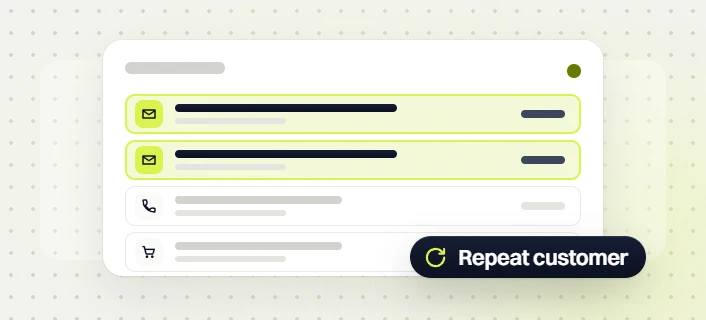
Welcome, browse abandon, cart, post-purchase, winback, and replenishment flows built and A/B tested each month. SMS carries 28% to 42% of orders.
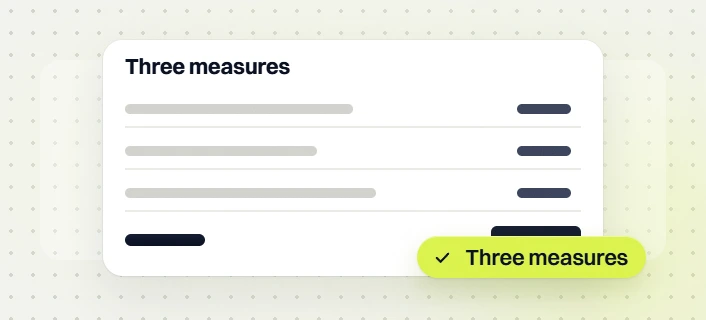
Stop paying five vendors and reading five conflicting spreadsheets. One DTC lead runs the roadmap and reports on orders, AOV, and CAC to LTV monthly.
Four stages, every step signed off
Fixed scope, fixed cadence, fixed accountability. Nothing moves to the next stage until your leadership signs off.
Full brand audit + Shopify Plus baseline
Store, ad accounts, review flow, and email flows audited against orders placed. Written 30-page report with the top 3 revenue-moving fixes signed off by owner + ops lead before we spend a dollar of your ad budget.
12-month roadmap tied to hero SKU profitability
Quarterly roadmap sized against your highest-margin SKUs. Category expansion layered as base load, not headline focus. Every quarter has a written revenue projection so you know what should hit the order table.
Every channel run by one named DTC lead
Google Shopping, Meta, TikTok Shop, Klaviyo, review flow, PDP CRO, and Amazon all executed by a single accountable DTC lead. No handoffs between agencies, no cross-team blame, one number to call when something breaks.
Quarterly scale reviews tied to real revenue
Weekly test cycles tied to Shopify-verified orders placed. Quarterly review with owner + ops lead showing what orders drove, what revenue closed, and what next-quarter budget should be. Scale decisions grounded in Shopify, not agency spend targets.
Five phases, thirty deliverables, one accountable DTC lead
Every tab lists what runs, what gets tested, and how we measure the outcome against orders placed in Shopify.
Week 1 audit + Shopify Plus baseline
Store, ad accounts, review flow, and email flows audited against orders placed. Written 30-page report with the top three revenue-moving fixes signed off by owner and ops lead before we spend a dollar of your ad budget.
Meta, Google Shopping, TikTok, SEO, Klaviyo, and review flow all scored against real order revenue impact.
Shopify Plus, Klaviyo, Recharge, and Yotpo data pulled as day-one baseline for every KPI we report.
Every finding, every fix, every revenue projection in writing. Owner plus ops lead both sign off before work runs.
What we run first is signed off, not sprung on you. Prioritized by dollar impact and fix-time.
Server-side tagging audited on Meta, Google, and TikTok. Match rates measured before we build campaigns.
Every channel, every UTM, every Klaviyo trigger checked against Shopify order table for full-funnel visibility.
12-month roadmap tied to hero SKU profitability
Weeks two and three. 12-month quarterly roadmap sized against your highest-margin SKUs. Category expansion layered as base load, not headline focus. Every quarter has a written revenue projection tied to real capacity.
Q1 through Q4 planned by campaign, PDP cluster, and content piece. Every quarter has explicit sign-off gate.
Highest-margin SKUs first. Category expansion layered as base load, not headline focus each quarter.
Q1, Q2, Q3, and Q4 targets sized against real market data and your fulfillment capacity.
How much moves to Ads, SEO, content, and Klaviyo each month. Adjusted quarterly based on what performs.
Which flows get built, tested, and rewritten each quarter. Sequenced by revenue impact per subscriber.
Recharge or Skio subscription mechanics scoped for consumables. Loyalty on Yotpo or Smile scoped for durables.
Every channel run by one named DTC lead
Ongoing from month 1. Google Shopping, Meta, TikTok Shop, Klaviyo, review flow, PDP CRO, and Amazon all executed by a single accountable DTC lead. No handoffs between agencies, no cross-team blame, one number to call.

Every paid channel run by the same DTC lead. Attribution built once, not fought over between vendors.
Welcome, browse abandon, cart, post-purchase, winback, and VIP flows built, tested, and reworked monthly.
Above-fold image order, review placement, sticky ATC, and shipping-threshold copy tested against AOV.
Weekly audit of GTINs, images, shipping, and product ratings so Shopping revenue does not silently drop.
Marketplace listings, PPC, and inventory coordinated with owned DTC so channels do not cannibalize each other.
Monthly editorial calendar tied to keyword priority and PDP conversion power on Shopify.
Weekly testing tied to Shopify-verified orders
Every week. Cross-channel testing tied to Shopify-verified orders placed. Ad copy, PDP CVR, keyword targeting, review request timing, and retention cadence measured against the number that pays your bills.
Every order placed tagged to the click, keyword, or Klaviyo trigger that drove it, matched to Shopify.
What we tested last week, what won, what went live this week, and what the order table said about it.
A/B tests on hero image, review block, sticky ATC, and shipping threshold measured against AOV, not clicks.
If SEO compounds faster than Meta this quarter, budget moves. Every shift signed off in the monthly report.
Meta, TikTok, and Google Shopping creative refreshed on a set cadence tied to CTR and post-click AOV.
Yotpo or Judge.me post-purchase timing tuned to grow review velocity per SKU per month above 4 per 100 orders.
Quarterly scale reviews tied to closed revenue
Every 90 days. Quarterly review with owner and ops lead showing what orders drove, what closed revenue looks like, what next-quarter budget should be. Scale decisions grounded in Shopify and capacity, not agency spend targets.
This quarter: orders by channel, new-customer revenue, blended CAC, cost per order. All Shopify-verified.
Ad spend and content velocity sized against your fulfillment capacity so growth does not outrun the warehouse.
Explicit sign-off on next-quarter allocation across channels. No surprise invoices, no hidden shifts.
12-month rolling report on revenue growth, CAC trend, and LTV trend. Owner-first metrics only, no vanity.
Recharge or Skio cohort curves reviewed against CM3 so subscription stays profitable at scale.
Amazon, TikTok Shop, or wholesale scoped only when unit economics on owned DTC can hold the load.
Four retainer tiers for every stage of growth
Pick the tier that matches your practice stage. Move up or down anytime with 30 days notice. Ad spend billed separately at pass-through, never through us.
Solo practices, one growth program, not five vendors.
Solo or two-provider, adding paid + monthly recall on Foundation.
Two to four providers, high-ticket cases. Adds Meta + nurture.
Multi-location or premium groups. Per-location run, rollup reports.
Every retainer feature, tier by tier
HOVER ANY FEATURE FOR A PLAIN-ENGLISH EXPLANATIONContent +
SEO +
Paid media +
Reviews + reputation +
Reporting + strategy +
DTC brands running the retainer
Common retainer questions
Answers to what DTC owners ask before they sign the retainer.
What is a retainer in digital marketing?
+
A retainer in digital marketing is a fixed monthly fee that buys a defined scope of work across paid ads, SEO, email, and CRO, with the same team every month. An ecommerce marketing retainer trades one-off projects for a rolling roadmap, so playbooks compound instead of restarting from scratch every quarter. You get named owners for paid, email, and PDP, weekly work-in-progress notes, and a monthly review call tied to Shopify orders, not clicks or impressions. Retainers cover strategy, execution, and reporting across Shopify, Klaviyo, Meta, Google Shopping, and TikTok Shop. The initial term runs 6 months so paid tests, Klaviyo flows, and SEO can compound. Deliverables, KPIs, revision cycles, and sign-off gates are named upfront in the scope document. Buyers get one point of contact, not five vendor spreadsheets to reconcile every Friday. Cancellation notice runs 30 days after the initial term completes. See Shopify marketing docs for how the platform surfaces retainer work in your admin.
Is retainer the same as salary?
+
No, a retainer is not the same as salary. A salary pays one in-house employee full-time with benefits, payroll tax, PTO, workers comp, laptop, and software licenses baked in on top of base pay. A DTC marketing retainer pays an agency team, usually 3 to 6 specialists across paid, SEO, email, PDP, and analytics, for a defined monthly scope of work with no headcount overhead. Salaries for a mid-level DTC marketer run around $6,500 to $12,500 a month loaded once benefits and tools land on the budget line. Retainers start at $499 a month for a solo Shopify brand and scale to $3,500 and up for multi-brand teams. Retainers flex up or down every 90 days at quarterly reviews. Salaries do not. If your brand needs Meta plus Google Shopping plus Klaviyo plus PDP work, a retainer buys the full specialist team for less than one loaded salary, with zero ramp time and zero hiring risk on your side.
What is a 3 month retainer?
+
A 3 month retainer is a short-term contract used mostly for pilot phases or seasonal pushes like Black Friday, Cyber Monday, and holiday runs. It buys 90 days of defined scope, and it typically covers the audit, first roadmap, and initial testing cycle, not the compound-growth phase where orders scale. Our DTC marketing retainer runs a 6-month initial term because paid ads, SEO, and Klaviyo flows need 60 to 90 days of iteration before results stabilize on the Shopify order table. A 3-month window covers the audit and first tests, but rarely holds enough runtime for scale decisions on Meta, Google Shopping, or TikTok Shop. Brands that need a 3-month structure usually book a 90-day sprint at a fixed fee, then move to the standard retainer once results land in the order table. Sprint scope, deliverables, and metrics get named in the same written way as the retainer. No mystery fees, no rolling scope creep, no surprise invoices, no rotating team.
What is the monthly retainer cost?
+
Monthly retainer cost depends on channel scope, brand stage, revenue band, and tool coverage across the DTC stack. Our ecommerce marketing retainer sits at four flat tiers with no percentage of ad spend markup layered on top. Foundation runs $499 a month for a solo Shopify brand with Klaviyo and one paid channel active. Growth runs $999 a month for Meta and Google Shopping plus Klaviyo and Attentive on the retention side. Scale runs $1,999 a month and adds TikTok Shop, Amazon, or subscription mechanics on Recharge. Enterprise starts at $3,500 a month for multi-brand or brands over $500K monthly Shopify revenue. Most DTC brands at $30K to $250K monthly revenue land on Growth or Scale. Ad spend on Meta, Google Shopping, and TikTok bills separately, direct to your card, so scaling budget does not raise the fee. Every tier includes a monthly review call, a written test log, and quarterly roadmap sign-off from owner and ops lead.
What is DTC in marketing?
+
DTC in marketing means direct-to-consumer, a business model where a brand sells its products directly to shoppers through its own store instead of through wholesalers, big-box retailers, or third-party marketplaces. DTC brands own the storefront (usually Shopify or Shopify Plus), the customer data, and the retention playbook built on Klaviyo, Recharge, and Yotpo. A DTC marketing retainer runs the paid, email, SEO, and PDP work that turns product-market fit into repeat revenue for the brand. DTC unit economics rely on repeat purchase from existing customers, so roughly 40% of retainer work sits in retention, not acquisition. Common DTC categories include beauty, apparel, home, food and beverage, pet, and wellness. Brands typically shift to DTC to keep more margin, own the customer file, and control the shopping experience without a retailer clipping every SKU on every order. The DTC playbook lives or dies on Klaviyo, Meta, and PDP conversion rate every month.
How much does a marketing retainer cost?
+
A marketing retainer cost ranges from around $500 a month for a solo brand up to $10,000 plus a month for enterprise scope across multiple channels and multiple brands. The band depends on channels, ad spend size, tool coverage, and reporting cadence agreed at kickoff with owner and ops. Our Shopify marketing retainer runs flat at four tiers so you know the fee up front every month. Foundation is $499 a month, Growth is $999 a month, Scale is $1,999 a month, and Enterprise starts from $3,500 a month for the largest brands. Ad spend on Meta, Google Shopping, and TikTok bills separately, direct to your card, so cash flow stays predictable. There is no percentage-of-spend markup, so scaling ad budget does not raise our fee at any tier of the retainer. Most DTC brands at $30K to $250K monthly revenue land on Growth or Scale. Reporting cadence stays weekly for tests and monthly for revenue calls. See Klaviyo developer docs for the retention stack most retainers wire in during month one.
Do consultants charge a retainer fee?
+
Yes, most consultants and agencies charge a retainer fee, and for ecommerce work it is usually the cleaner model than project pricing month over month. A retainer fee locks the same team on your brand every month, so playbooks compound and reporting stays consistent quarter over quarter. Project pricing forces a re-quote on every new campaign and often carries hidden onboarding costs each round of new work. Consultants typically charge $150 to $400 an hour, which puts a light 10-hour week at $6,000 to $16,000 a month billed to the brand. A DTC marketing retainer trades billable-hour anxiety for a fixed monthly fee, a defined scope, and a written roadmap signed off by owner and ops. You know what you get, what it costs, and when to expect it in your inbox each month. Cancellation notice runs 30 days once the initial 6-month term completes, so no long-term lock beyond the initial term is required.
How to create a monthly marketing plan?
+
A monthly marketing plan starts with 3 numbers: last month orders by channel, last month CAC by channel, and this month total ad and content budget. Every ecommerce monthly marketing plan we build reads the same way in the same order. First, pull Shopify orders by channel and campaign directly from the order table. Second, plot CAC and new-customer revenue against target contribution margin per SKU. Third, set 2 or 3 tests per channel for the month, each named with hypothesis, budget, and success metric. Fourth, set the Klaviyo flow work and SMS split for the month across Attentive or Postscript. Fifth, set the PDP and cart CRO tests scoped against AOV impact. Sixth, agree the report format, cadence, and sign-off gate with owner and ops. Every month is a written plan, not a status meeting. Owner-first metrics only, no vanity click counts or impression numbers. Plans get signed off in writing before spend starts and reviewed line-by-line on the monthly call.
What is a marketing agency retainer?
+
A marketing agency retainer is a monthly agreement where a brand pays a fixed fee for a defined scope of agency work, typically running a 6-month initial term with 30-day cancellation notice after the term completes. A Shopify marketing retainer trades project pricing for a rolling monthly cadence, so the team can iterate paid ads, Klaviyo flows, PDP tests, and SEO without re-quoting every campaign or waiting on new approvals. The retainer includes strategy, execution, reporting, and a monthly review call with the account lead who owns your file. Deliverables are named upfront in the scope document, KPIs are agreed at kickoff, and revision cycles are named per work type. Agency retainers keep the team dedicated to your account, so your paid lead, email lead, and PDP lead do not rotate between brands week to week. Retainer fees stay flat regardless of ad spend, so scaling budget does not scale the invoice or trigger a re-quote.
How much does Shopify take from a $20 sale?
+
Shopify takes roughly $0.90 to $1.50 from a $20 sale on Shopify Payments at the Basic plan, and $0.65 to $1.05 at the Advanced plan tier once the fee schedule applies. The exact number depends on your plan (Basic, Grow, Advanced, or Shopify Plus), your payment processor, and whether the card is domestic or international on the transaction. On Basic, Shopify Payments charges roughly 2.9% plus $0.30 per transaction, so a $20 sale nets around $19.12 to the brand after processing fees clear the account. On a third-party gateway like Stripe or Braintree, add a 0.5% to 2% Shopify surcharge on top of the gateway rate. Currency conversion adds another 1.5% on international orders where the buyer pays in a foreign currency. Chargebacks bill separately at $15 each per case. Retainer reporting always uses Shopify order table net revenue, not gross, so CAC and margin math stay accurate month over month across every channel. See Google Merchant Center docs for how these fees factor into Shopping profit calculations.
What Klaviyo flows does the retainer build first?
+
The retainer builds 6 core Klaviyo flows in the first 30 days on any Shopify brand. Welcome runs 3 to 5 emails with a first-purchase incentive tuned to product margin. Browse abandon runs on a 24-hour trigger window with product context on every touch. Cart abandon runs a 3-touch, category-adjusted discount ladder tuned to AOV band. Post-purchase covers thank-you, product education, review request, and replenish or subscribe on Recharge or Skio. Winback runs across 60, 90, and 120 day dormancy windows with fresh subject copy each rotation. VIP covers the top 10% of customers by revenue and 12-month lifetime spend. Email and SMS should carry 25% to 40% of DTC revenue on a healthy stack. Below 15%, the flow stack is under-built and the retainer prioritizes rebuild in month one. Every flow gets a subject line A/B test each month and a monthly report on open rate, click rate, and orders attributed. Attentive or Postscript SMS layers on top for cart, VIP, and back-in-stock, all measured against Shopify orders.
How does the retainer handle attribution after iOS 14?
+
The retainer stacks 3 layers of attribution after iOS 14 so no channel gets under-credited on the Shopify order table. First, server-side tagging with Shopify pixel plus Meta CAPI plus Google Enhanced Conversions recovers 35% to 50% of the modeled orders browser pixels drop after ATT. Second, geo-holdout tests on Meta and TikTok every 60 days measure real incremental revenue, not correlated conversions inside the ad platform. Third, a monthly view of ad spend versus new-customer revenue in Shopify catches the coarse signal quarterly for owner review. Reported ROAS in Meta is the noisiest layer, so we never optimize on it alone or as the primary metric. Reporting always ties back to Shopify order table numbers: new-customer revenue, blended CAC, contribution margin, and repeat purchase rate every month. Every retainer report shows attribution at all 3 layers so decisions stay honest. See Core Web Vitals for the storefront speed baseline that keeps CAPI events firing cleanly on Shopify.