Fashion Website Maintenance That Keeps Every Drop Fast and Selling
Managed maintenance and hosting for apparel brands, Shopify Plus stores, and WooCommerce fashion sites from $199/mo. Drop-day CDN pre-warm, Klaviyo and Loop Returns integration checks, size-guide QA, weekly patching, and a 99.99% written uptime SLA on Enterprise plans.
Three ways your maintenance vendor is losing you drop-day sales
Drop-day traffic pushes hero LCP from 1.9s to 4.8s in minutes
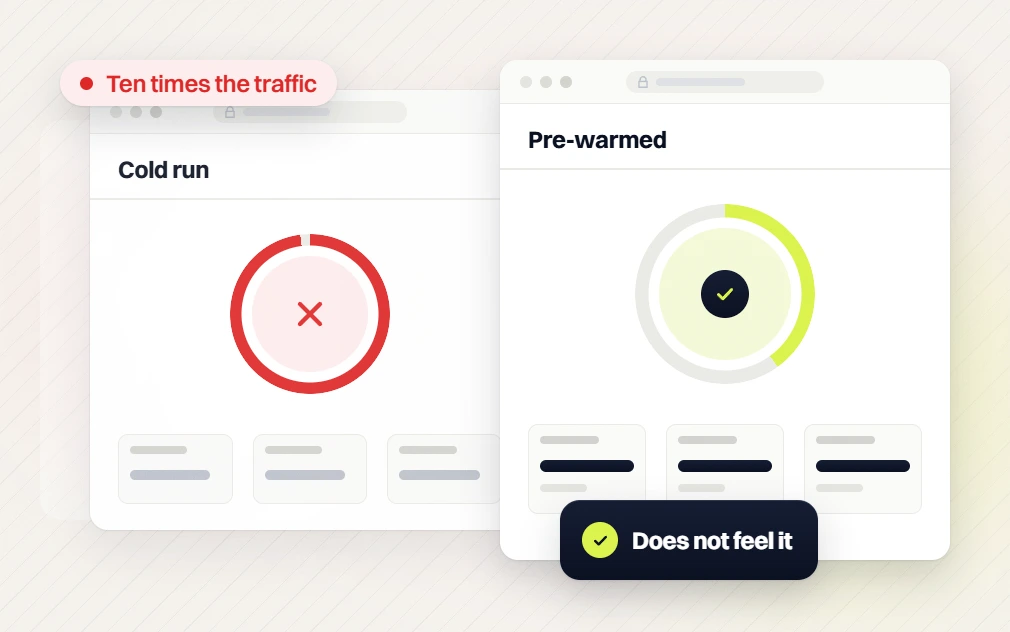
Ten-times normal traffic hits the PLP in the first 90 seconds of a collection drop. Hero LCP climbs from 1.9s to 4.8s, first-hour GMV burns $18K before the CDN catches up, and mobile shoppers bounce to Instagram tabs they already had open.
Sold-out variant URLs stay indexed and returns run at 32% or worse
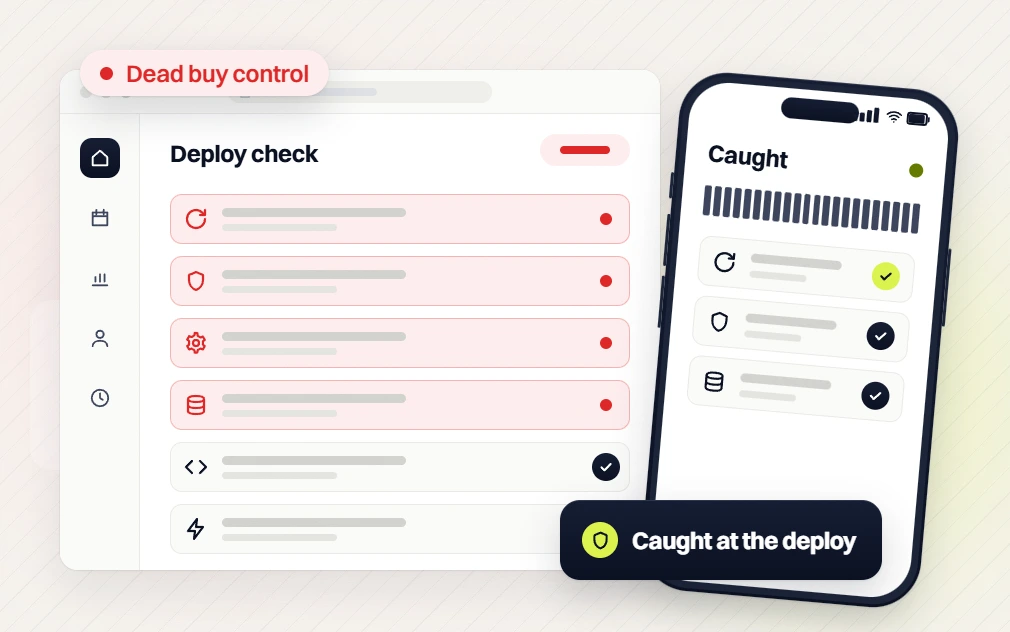
Post-deploy checks miss the size-guide swap on new PDPs, so last-season fit copy runs on this-season SKUs. Sold-out variant URLs stay indexed in Google, buyers land on dead pages, and return rate spikes to 32% across the collection.
Every Shopify deploy desyncs Klaviyo segments and Meta CAPI reads 25% low
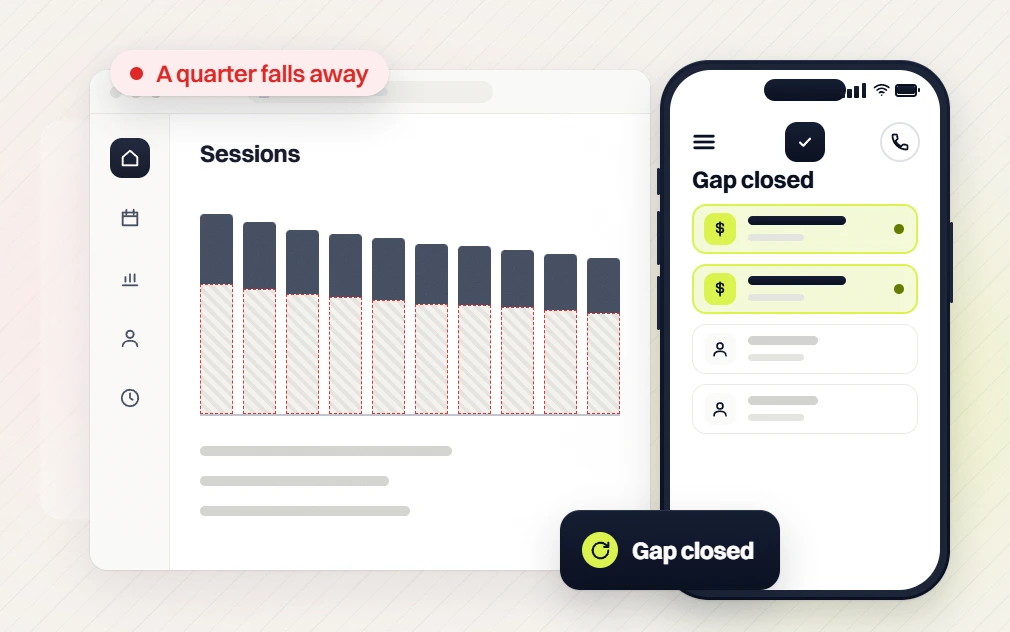
Every theme push overwrites Klaviyo and Attentive segment logic. Flows fire on the wrong audience, CAPI drops 25% of the purchase events, and Meta bids blind on paid social for 2 to 3 weeks before anyone catches the drop in dashboard revenue.
Three outcomes every fashion maintenance retainer produces
Real humans on call. If your storefront goes down, we know before your shoppers do. 99.99% uptime SLA on Premium and above with automatic service credits if we miss the number on any drop week or paid media flight.
Web application firewall, daily malware scans with auto-quarantine, weekly patching, quarterly PCI SAQ prep, and Consent Mode v2 validation built into every apparel and fashion maintenance plan.
Performance tune-ups, image and CDN optimization, plus dedicated content edit hours every month. 2 hours on Essential, 5 hours on Premium, up to 10 hours on Enterprise. PDP swaps, size-guide updates, and collection-drop pages included.
Four stages. Every step ends in a sign-off
Onboarding gets you access, credentials, and a full baseline scan on day one. From there, infrastructure, monitoring, and monthly reporting run without your input until you need something changed for a drop, a paid flight, or a season swap.
Access, credentials, and baseline scan
Shopify collaborator access, hosting, DNS, WordPress admin, and API keys logged with rotation schedule. Off-site backup taken and restored on staging to prove it works. Full baseline security, speed, and accessibility scan documented in writing.
Managed hosting, CDN, and WAF
Managed Shopify Plus or LiteSpeed hosting for WooCommerce. Cloudflare CDN with edge cache tuned for lookbook photography and hero video. WAF blocking bot and brute-force traffic before it reaches the origin. 99.99% written SLA with service credits.
Patches tested on staging first
Core, plugin, theme, and app updates tested on staging before they touch production. Klaviyo, Loop Returns, Recharge, and Yotpo hooks regression-tested on every deploy. Rollback path automated and under 5 minutes if a patch breaks checkout or PDP.
Uptime, malware, and speed watched
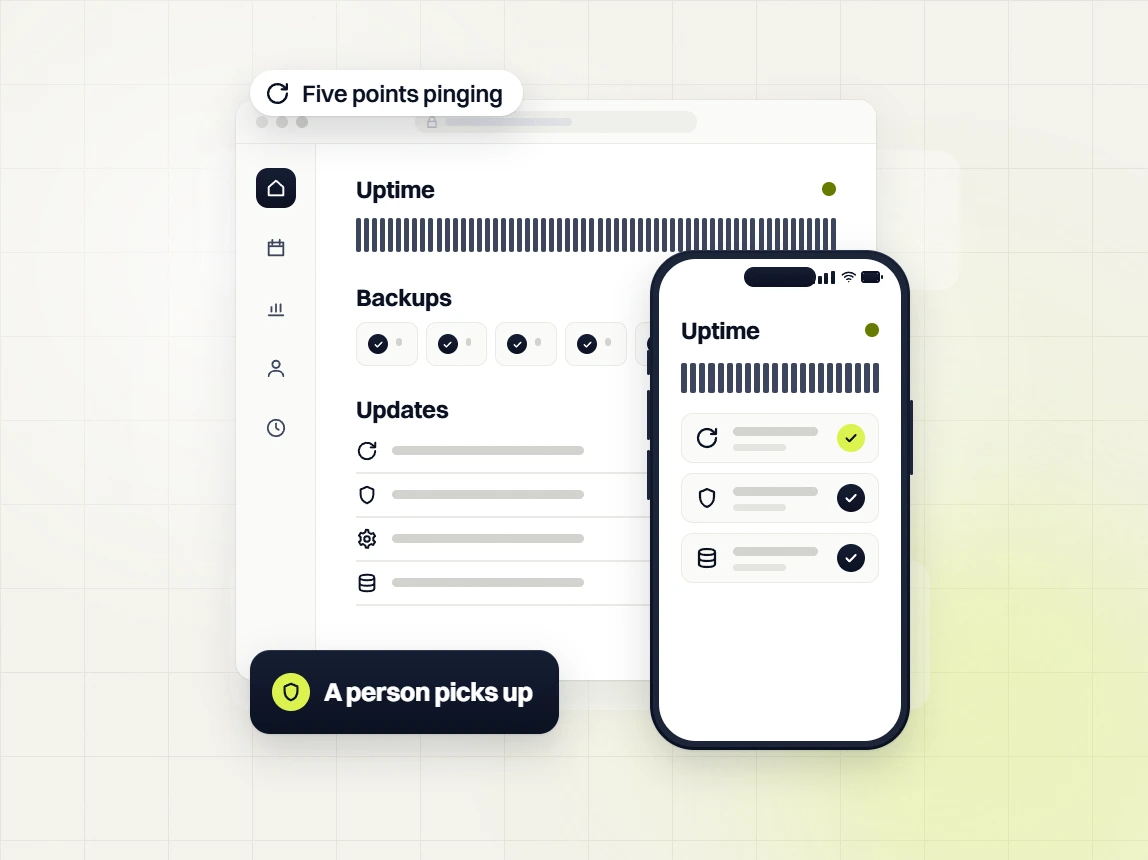
5 global POPs pinging your storefront, forms, and checkout webhook every 60 seconds. Malware scan every 24 hours with auto-quarantine. Named engineer paged inside 30 minutes if anything trips, drop-day incidents escalated sev-1 by default.
What you actually get from our fashion website maintenance
Five phases, every item listed. Fixed scope, defined deliverable per phase, written sign-off on the calendar for every drop and season swap.
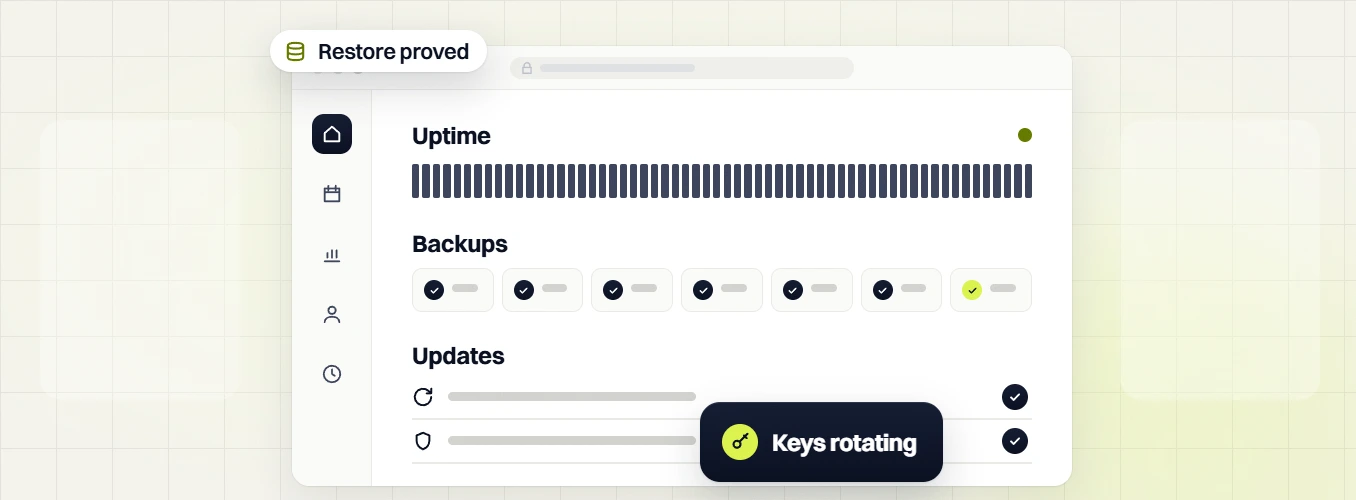
Access, baseline scan, and first backup on day one
Day one covers Shopify collaborator access, WordPress admin, DNS, credentials, and a full baseline security, speed, and accessibility scan documented in writing. First off-site backup taken and restored on staging to prove it works before we touch anything on the storefront.
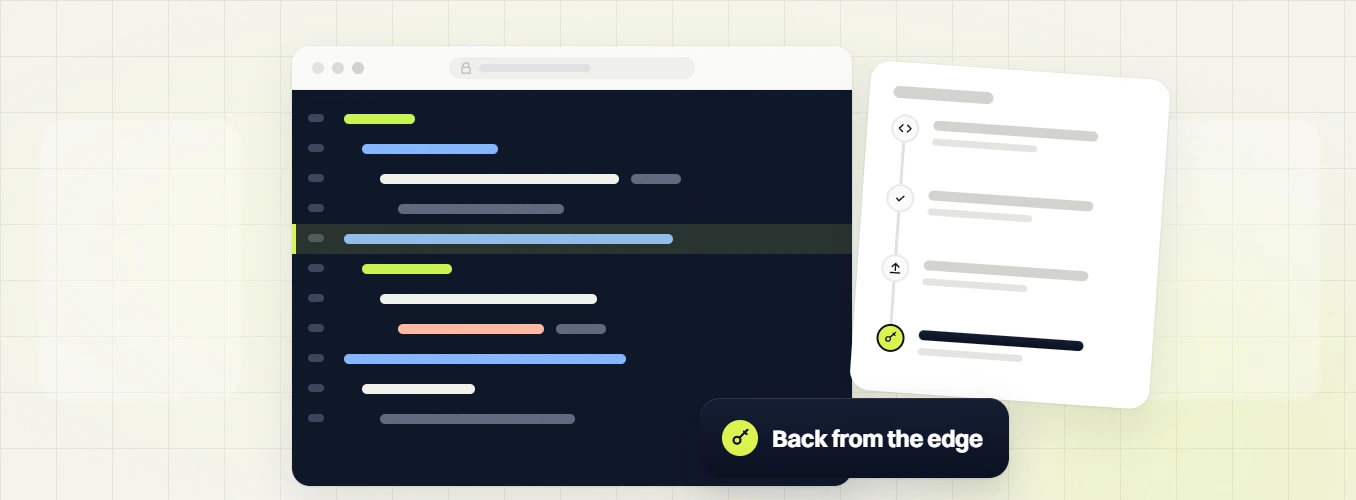
Shopify collaborator, hosting, DNS, WordPress admin, Klaviyo, and Loop Returns API keys logged with a rotation schedule.
Nightly encrypted backup running before end of day one. First backup restored on staging to prove it works.
Security posture, Core Web Vitals baseline, theme and app health, disk usage, size-guide and accessibility gaps. All captured before we touch anything.
Emergency numbers, ticket process, 30-minute-response coverage. Founder and ops lead both have it before day one closes.
Every Shopify or WooCommerce app catalogued with version, license, dependency, and business owner. Klaviyo and Loop mapped.
Payment gateway posture, cookie consent banner state, Consent Mode v2 wiring on GA4 and Meta CAPI captured in writing.
Managed hosting, CDN, and edge cache on your production domain
Managed Shopify Plus or LiteSpeed hosting for WooCommerce fashion sites. Cloudflare CDN with edge cache tuned for high-resolution lookbook photography so a shopper gets HTML from a nearby POP, not from a single origin. WAF blocking bot and brute-force traffic before it reaches your storefront.
Isolated resources with proper caching, PHP tuning, and object-cache sized for your drop-week traffic pattern.
Cloudflare plus CDN so a shopper gets lookbook imagery from a POP nearby, not from a single origin server.
Bot traffic, brute-force login attempts, and known-bad IP ranges blocked at the edge. No traffic tax on your origin.
Auto-renewed SSL plus HSTS. Mixed content flagged and fixed. Search Console and Google Ads never break because of a cert expiry.
Theme deploys via Shopify CLI or GitHub integration with a versioned rollback path on every push. No cowboy pushes.
Origin sized for drop-day and BFCM peak, not average traffic. Pre-drop load test at 10x normal peak documented in writing.
Weekly core, plugin, and app patches tested before production
Every week, core, plugin, theme, and app patches tested on staging before they touch production. If a patch breaks checkout or a PDP, rollback in under 5 minutes. Small content edits, size-guide swaps, and collection landing tweaks covered inside the maintenance hours.
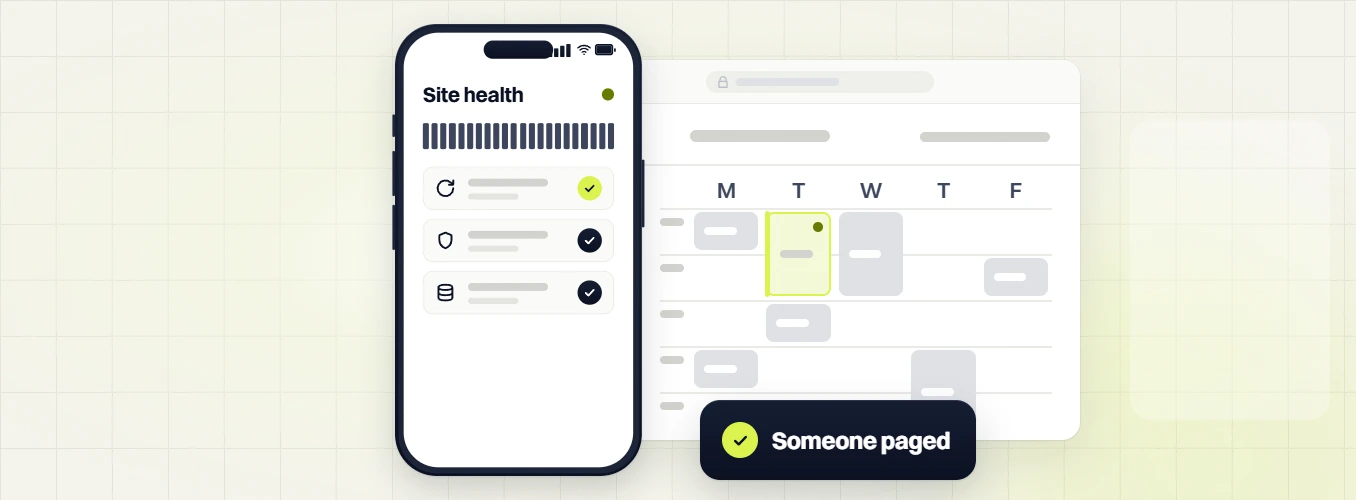
Patched to current stable weekly. Never behind by more than one minor release on WooCommerce fashion setups.
Every third-party plugin update tested on staging with real cart and checkout submissions before production.
Every theme deploy runs the Klaviyo, Loop Returns, Recharge, and Yotpo hook regression suite before going live.
PDP copy tweaks, hero image swaps, size-guide additions, redirect adds, promo bar edits. All covered inside the plan.
Weekly feed diff, disapproval alerts, and same-day GTIN, price, or image fixes so Shopping never pauses on you.
Every deploy has an automated rollback path. Failed patches revert without a support ticket war room on drop day.
Uptime, speed, and malware watched every 60 seconds
24/7 coverage on your storefront. Uptime pings every 60 seconds from 5 global POPs. Malware scan every 24 hours with automatic quarantine. Speed check hourly. If anything trips, a named engineer is paged and on the incident inside 30 minutes.
5 global POPs (US, EU, APAC) pinging your storefront, forms, and checkout webhook. False-positive filtering built in.
Full-site scan against known malware signatures and Shopify or WordPress IOCs. Auto-quarantine and founder notified same-hour.
Core Web Vitals and full-page load tracked hourly on PLPs, PDPs, and checkout. Regressions surface before CrUX field data.
On-call engineer paged if anything trips. Real human, not a chatbot. Drop nights and BFCM carry the same coverage.
Payment gateway and consent banner posture reviewed every 90 days. Written snapshot in the monthly report.
Synthetic iPhone SE and Pixel checkout tests running on schedule so mobile CVR regressions surface fast.
One monthly report tied to real fashion metrics
Every month, one clear report showing uptime, average PLP and PDP page load, patches applied, edit tickets closed, drop-day incidents, and any regressions with root cause and fix. Sent to founder and ops lead, no chase.
Monthly uptime against 99.99% SLA. Credit auto-issued if we miss on a drop or paid flight.
Real-user data from Chrome UX Report. Not lab scores. What your shoppers actually experience on their phones.
What we patched, what we edited, what stayed the same. Full audit trail in case anything comes up on a season swap.
Zero incidents most months. When something does happen, root cause and fix documented in writing, sent inside 48 hours.
Weekly feed diff summary, disapprovals fixed same-day, and current Shopping impression coverage per hero SKU.
From September onward, monthly BFCM readiness checklist showing load-test pass, war-room rota, and rollback plan.
Four maintenance tiers for every stage of growth
Pick the tier that matches your practice size. Move up or down anytime with 30 days notice. No setup fees. Hover any feature name for a plain-English explanation.
Established practices with stable traffic and no active paid spend.
Practices running active SEO or paid spend that need real protection.
High-spend practices where every PageSpeed point is a CPA point.
Enterprise or 5+ locations. White-label or regulated workloads.
Every maintenance feature, tier by tier
HOVER FOR DETAILUptime + security +
Content maintenance +
Performance + tech +
SEO + local +
Reporting + analytics +
Compliance + enterprise +
Team + service level +
Real fashion brands, real numbers
Asked by apparel founders, answered
From real quote calls with DTC apparel and Shopify Plus fashion founders. Anything else, ask on the strategy call and get an answer in the first 5 minutes.
How much does it cost to pay someone to maintain a website?
+
Fashion website maintenance at Redefine Web runs $199/mo on Essential, $299/mo on Premium, and $499/mo on Enterprise. Multi-brand fashion houses and Shopify Plus operators run on Custom quotes. Hosting is bundled into every tier, so you are not stacking a separate host bill on top.
Essential fits established apparel brands with steady traffic and no active paid spend. Premium fits growing DTC brands running Meta and Pinterest paid social that need same-day edits. Enterprise fits Shopify Plus and multi-brand fashion houses where every PageSpeed point moves conversion. All plans run on a 6-month term. You own the storefront, the domain, and every export file.
Vendors quoting a flat $99/mo on fashion sites usually skip the drop-week work: no Klaviyo QA, no size-guide checks, no CAPI health, no BFCM readiness sprint. A DTC operation running paid social and monthly drops will feel that gap by month three, when the first broken CAPI event goes 3 weeks without a fix.
What is included in a fashion website maintenance plan?
+
Every fashion website maintenance plan includes uptime monitoring at 60-second intervals, SSL renewal, Shopify theme updates or WordPress core plus plugin patching, daily off-site backups, malware scanning, and content edit hours. Higher tiers add a WAF, subscription and returns platform audits on Loop, Happy Returns, and Recharge, quarterly performance tune-ups, and SLA-backed incident response.
Content edit hours run 2 hours a month on Essential, 5 hours on Premium with same-day turnaround, and 10 hours on Enterprise. Every plan covers Klaviyo integration monitoring, Meta CAPI health checks, Loop or Happy Returns integration monitoring, and collection-drop support sprints.
Season-swap prep, hero video refreshes, and lookbook photography uploads are covered inside the plan hours. Merchant Center feed diff, disapproval fixes, and Consent Mode v2 wiring on GA4 and Meta stay on the schedule year-round. Every ticket lands with a plain deliverable and a written completion note in the monthly report.
Is fashion website hosting bundled with the maintenance plan?
+
Yes, fashion website hosting is included in every tier. WooCommerce and headless WordPress fashion sites run on LiteSpeed with CDN routing through Quic.Cloud, image optimization tuned for lookbook photography, and Core Web Vitals monitoring. Shopify Plus sites stay on Shopify hosting, and we cover theme performance, app conflict resolution, and CDN configuration on top.
Hosting includes free staging environments, daily encrypted off-site backups with 30-day retention, and free SSL renewal. If you move off our stack later, you keep full ownership of the code, data, and export files. No lock-out. No transfer fee.
Origin sizing runs against drop-day peak, not average traffic. Pre-drop load tests at 10x normal peak are documented in writing and re-run before every major collection push. Cloudflare CDN plus edge cache tuned per PLP and PDP keep hero photography loading from a POP near the shopper, not from a single origin server.
How is fashion WordPress maintenance different from a generic care plan?
+
Fashion WordPress maintenance covers the returns, sizing, and paid-ads work that generic WordPress care plans skip. Klaviyo flow health checks, Loop or Happy Returns integration, fit finder monitoring, Yotpo review widget health, Meta CAPI, Pinterest catalog sync, and monthly collection drops are all included.
A generic care plan patches core and moves on. Fashion websites break in specific places (size selector, fit finder, returns portal, product variant URLs) that a generalist will not check until an order fails or a return floods in. We check them on a weekly cadence and after every deploy.
The gap shows up on drop weeks. A generic care vendor will not know that a sold-out variant URL should 301, that a size guide swap needs QA on 4 device widths, or that a Klaviyo segment breaks the second a theme is pushed without a hook rebuild. We build the checks for those cases into the retainer scope.
What happens if the fashion store goes down during a collection drop?
+
Uptime monitoring at 60-second intervals alerts our on-call engineers before shoppers notice. Premium tier holds a 14-minute average incident response window. Enterprise carries a 2-hour SLA on critical incidents backed by service credits. Custom plans include a 1-hour SLA. Every incident gets a written post-incident report the next business day.
Downtime during a collection drop, a Meta or TikTok Shop flight, or a paid Pinterest push triggers priority escalation on every tier. Every minute down burns ad spend and pushes bounced buyers to competitor storefronts. Drop-day incidents are treated as sev-1 by default.
Rollback paths run under 5 minutes on any deploy. If a patch takes checkout offline, revert lands before a support ticket war room can form. That gap between detection and fix is what a proper fashion maintenance retainer pays for, and it is the single line item that separates a real fashion retainer from a generic care plan.
Do fashion maintenance plans include collection drops and content edits?
+
Yes. Monthly collection drops and content edits are included on every fashion website maintenance tier. Essential covers 2 hours of edits and 1 collection drop per month. Premium includes 5 hours and 3 drops with same-day turnaround. Enterprise includes 10 hours and up to 6 drops per month. Custom is scoped per operation.
Collection drops include building the collection landing page, wiring product variants and inventory, adding lookbook photography, configuring size and color selectors, and setting up the Klaviyo drop sequence. Waitlist capture, countdown timers, and back-in-stock notifications wire in standard on Premium and above.
Season swap prep runs on a fixed calendar so your team never chases a drop date. Hero video and PDP swaps land on staging first, review link goes to founder and ops lead, sign-off before it hits production. Every drop closes with a post-launch checklist covering feed refresh, Klaviyo flow health, and sold-out variant redirects.
Do you monitor Klaviyo, Loop Returns, and Meta CAPI on fashion sites?
+
Yes. Klaviyo, Attentive, Loop Returns, Happy Returns, Recharge, Yotpo, Meta CAPI, TikTok Events API, Pinterest Conversions API, and Google Enhanced Conversions monitoring are all included in every plan. We watch the API connection, the data flow, and the event fire rate. When Klaviyo, Loop, or Meta pushes a breaking change 4 to 8 times a year, we patch it before it kills conversion tracking or the returns UX.
Broken CAPI is invisible to most fashion operators for 2 to 3 weeks. In that window, Meta bids blind and paid CAC climbs 20 to 40% silently. We surface the drop the same day it happens.
The check runs on every theme push, every app update, and on a weekly schedule when no deploy is running. Reports land in the monthly recap with event fire rate, drop-off percent, and any fixes shipped. Named engineer on the ticket, not a rotating pool.
Are fashion website care plans ADA accessibility aware?
+
Yes. Fashion website care plans include ADA accessibility monitoring on every tier. Premium and above include an annual WCAG 2.1 AA audit covering keyboard navigation, screen reader compatibility, color contrast, form label accuracy, and alt text on all product images.
ADA lawsuits against fashion DTC brands have climbed sharply since 2022. Most target the size selector, the fit finder, and the returns UX. We fix the flagged items inside the maintenance hours, not as a separate charge. If your operation has been served an ADA complaint, we can prioritize the audit inside the first 30 days of onboarding.
Automated checks run monthly against axe-core rules on PLPs, PDPs, cart, and checkout. Manual QA runs on lookbook pages and any interactive fit finder. Findings land in the monthly report with severity and remediation timeline. Every fix ships with a re-test note so you can prove the item cleared.
Do you prep fashion sites for BFCM and holiday traffic?
+
Yes. Holiday and BFCM preparation sprints are included on every fashion website maintenance plan. Prep starts October 1 and runs through Cyber Monday. It covers Shopify Plus and WooCommerce hosting stress testing at 3x to 10x normal traffic depending on tier, promo landing page builds, cart-abandonment flow tuning, Klaviyo BFCM sequence QA, inventory sync verification across DTC and any wholesale, TikTok Shop, or Amazon channel, and 24/7 on-call coverage from Black Friday through Cyber Monday.
Most fashion brands see BFCM revenue climb 25% to 50% year over year with dedicated prep, because the site holds up and the cart works during peak.
Load tests run against real drop traffic patterns pulled from your prior BFCM. War room rota, comms plan, and rollback path documented and signed off by mid-October so nothing gets improvised at 2 a.m. on Black Friday.
Can you take over a fashion website you did not build?
+
Yes. About 40% of our fashion website maintenance customers are on sites we did not originally build. Onboarding starts with a full audit so we know the baseline before we take over. The audit covers hosting, security posture, plugin or app health, subscription platform integration state, Klaviyo flow health, returns platform integration, Core Web Vitals, and any known bugs.
Shopify migration usually takes 3 to 7 business days once app access clears. WordPress migration takes 5 to 10 business days. If the storefront is on a proprietary fashion platform, we scope a rebuild first before moving to the retainer.
The audit report is yours to keep whether you sign or not. It doubles as a work order for the incumbent vendor if you decide to stay. Full transparency on what needs fixing and what the risk timeline looks like. No lock-in on the audit itself.
How long does website maintenance take?
+
Routine fashion site maintenance runs in the background without downtime. Weekly patch cycles take 20 to 40 minutes per site and land on staging first, so shoppers see zero interruption. Larger jobs like a Shopify Plus theme rebuild or a WordPress core upgrade run inside a scheduled 15-minute maintenance window at low-traffic hours, usually 2 to 5 a.m. in your primary market timezone.
Drop-day and BFCM readiness sprints run over 2 to 4 weeks depending on scope. Emergency fixes on checkout, size selector, or CAPI break inside 30 minutes of alert on Premium and above. Content edits, size-guide swaps, and PDP updates turn around inside 24 hours on Premium tier, 48 hours on Essential.
Onboarding takes 3 to 5 business days from access grant to first baseline scan. From there, most weeks are silent: reports land, patches ship, uptime stays at 99.99%. You feel the retainer on drop days and BFCM weeks, not on random Wednesdays.
How much should I pay for website maintenance?
+
Plain-English pricing on fashion website maintenance runs $199/mo Essential, $299/mo Premium, $499/mo Enterprise. Multi-brand fashion houses and high-volume Shopify Plus operators sit on Custom quotes. Every tier includes hosting, so you are not stacking a separate host bill on top of the maintenance fee.
The right tier depends on drop cadence, paid media spend, and integration count. Essential fits established apparel brands on 1 to 2 drops per season with no active Meta or Pinterest spend. Premium fits growing DTC brands running paid social that need same-day edits and same-day CAPI QA. Enterprise fits Shopify Plus and multi-brand fashion houses where every PageSpeed point moves conversion and drop-week uptime is revenue.
Watch for vendors quoting $79/mo or $99/mo on fashion. That price point almost never covers Klaviyo QA, CAPI health, size-guide checks, or BFCM prep. Cheap on paper, expensive on a broken drop day. Get the retainer scope in writing before comparing prices.
What is a WordPress care plan?
+
A WordPress care plan is a monthly retainer that covers core updates, plugin patching, security scanning, backups, uptime monitoring, and small edit hours on a WordPress site. Fashion WordPress maintenance goes further, adding WooCommerce checkout QA, size selector regression tests, Klaviyo and Loop Returns integration monitoring, and drop-week readiness on top of the standard care plan scope.
Generic care plans patch core and move on. Fashion care plans check the size-guide swap on new PDPs, the sold-out variant redirect, the fit finder API, the returns portal, and the Yotpo review widget on every deploy. That is the difference between a store that stays open and a store that drops off Google Shopping the week after a theme push.
Every plan lists exactly what is covered so there is no ambiguity when a ticket lands. Included versus billable is spelled out in the retainer document you get on day one. No surprise invoices.