Skip to content
NOW BOOKING NEW ENGAGEMENTS GET A FREE STRATEGY SESSION ↗
RWFOOD AND BEVERAGE WEB DESIGN

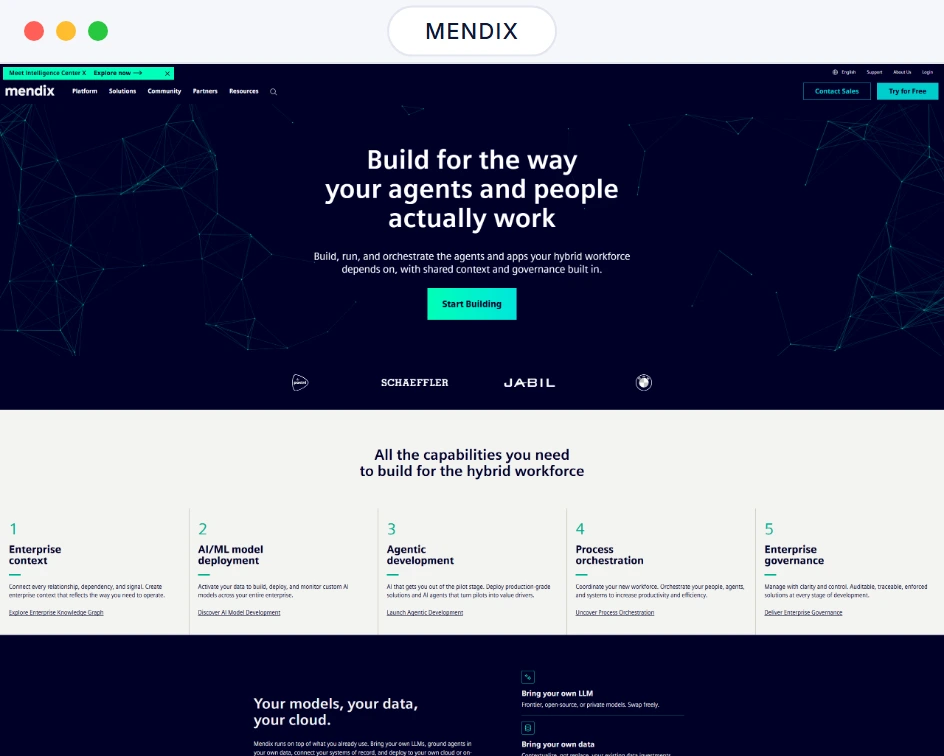
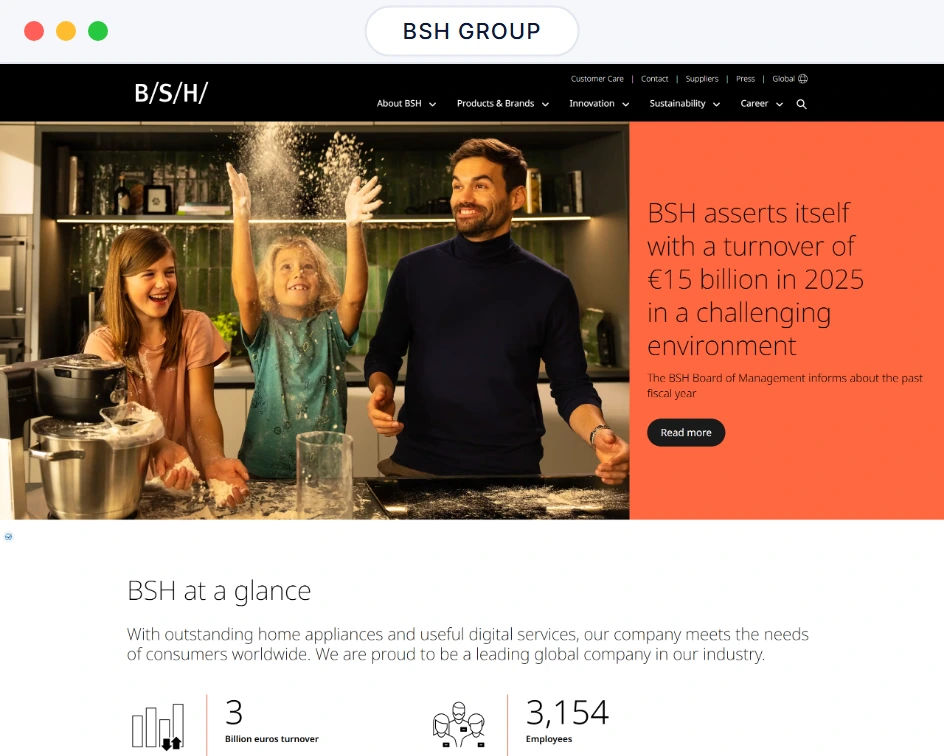
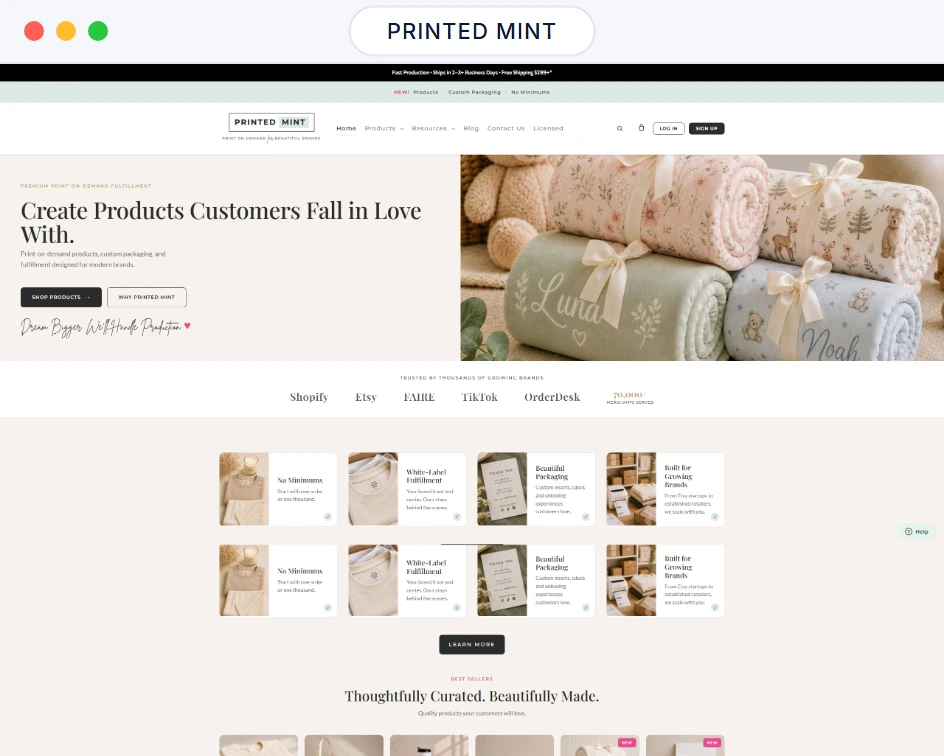
Food and beverage web design that converts first orders

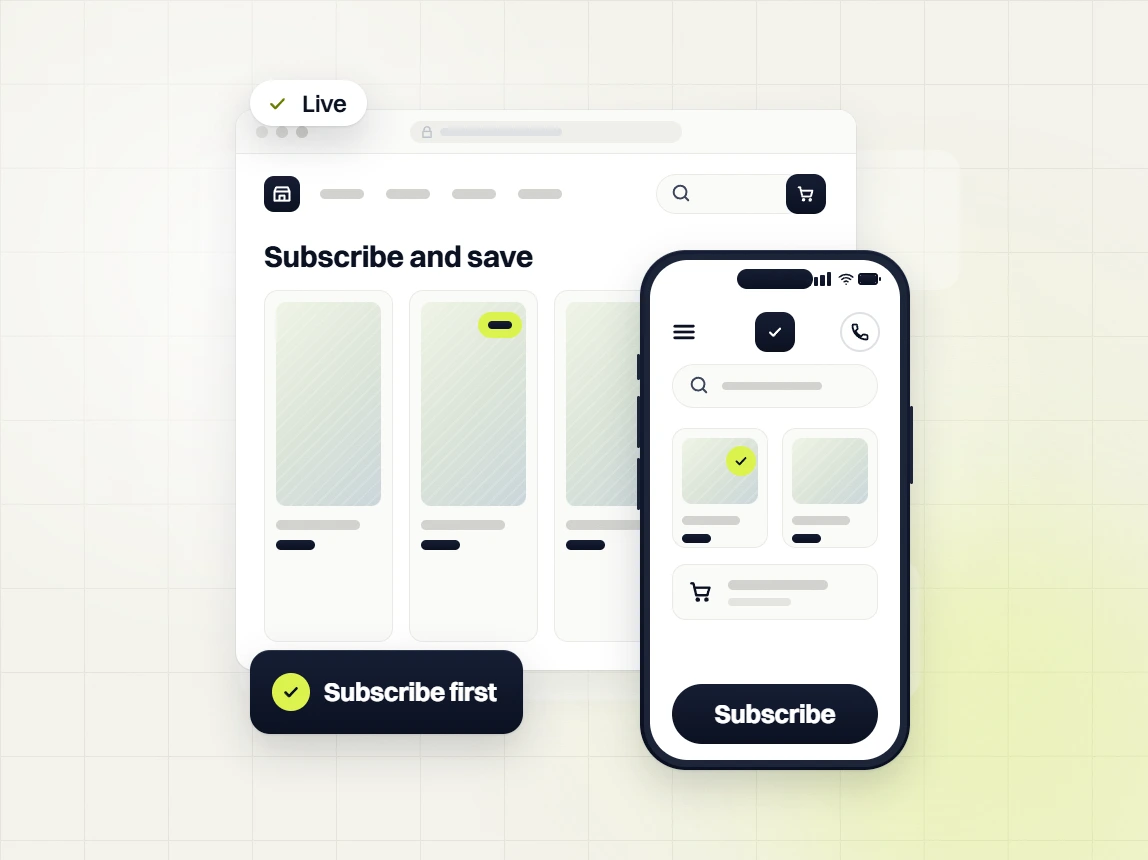
Storefronts for CPG, snack, and beverage brands on WooCommerce or Shopify. Subscribe and save flow, FDA nutrition PDP, allergen callouts, store locator, and Klaviyo wired in. Every site launches at 3.6% average conversion and 95+ mobile PageSpeed.
40+
CPG BRANDS LAUNCHED
3.6%
AVG STOREFRONT CONVERSION
4-8 wks
TO LIVE, IN WRITING
food and beverage web design dashboard tracking booked outcomes and revenue metrics
SUBSCRIBE + SAVE PDP
+42%
PDP CONVERSION · 60 DAYS
Trustpilot 4.7/5 ★★★★★
Clutch 5.0/5 ★★★★★
Google 5.0/5 ★★★★★
DesignRush 4.9/5 ★★★★★
GoodFirms 5.0/5 ★★★★★
F6S 5/5 ★★★★★
4.9 WEIGHTED AVERAGE · VERIFIED BY CPG BRANDS THAT PAID FOR THE WORK
01 THE PROBLEMS

Three ways your current storefront loses CPG orders

food and beverage website design challenge card visualizing a common growth blocker
PROBLEM 01 · AGE GATE

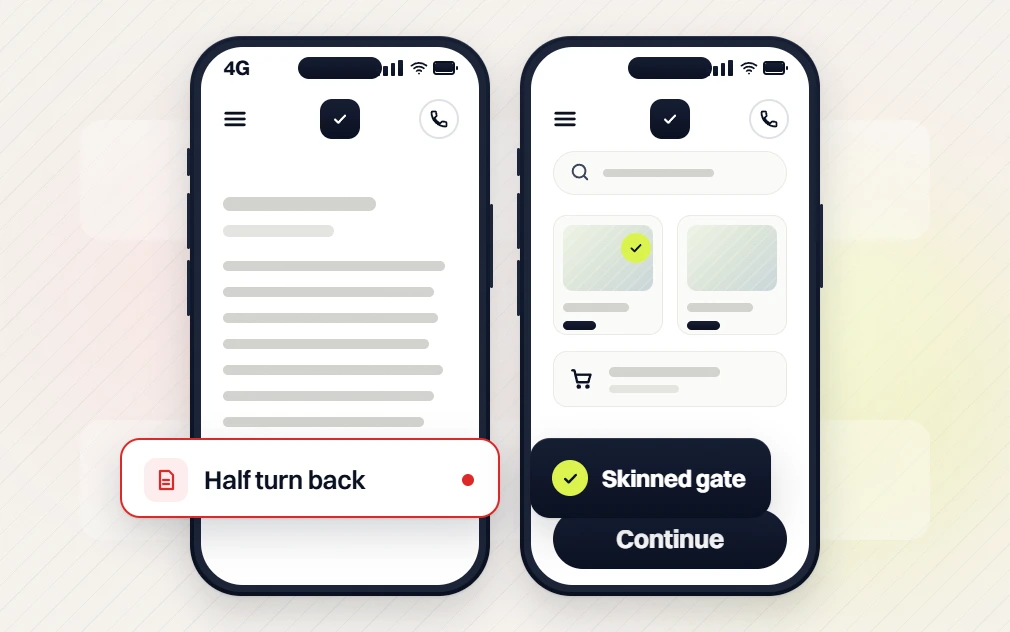
Stock Shopify age gate bounces 47% of first-time visitors

Beer, wine, and spirits brands lose 47% of first-time shoppers at the default Shopify age gate. The pop-up feels legal, not brand. A skinned cookie gate that respects the visit and remembers on return keeps shoppers moving toward the PDP instead of closing the tab.

food and beverage web design agency challenge card visualizing a common growth blocker
PROBLEM 02 · CHECKOUT

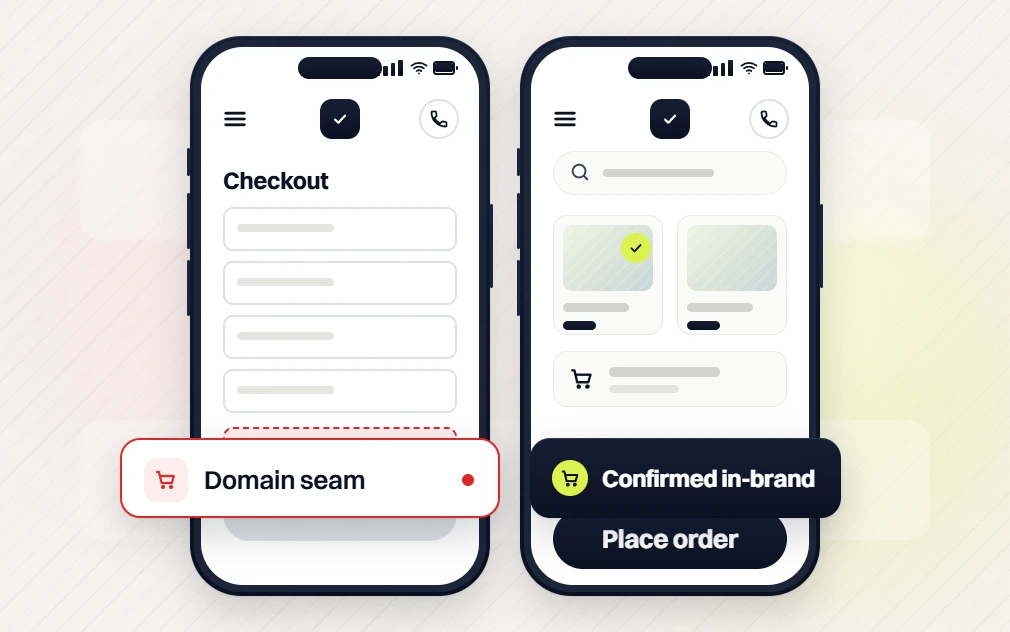
Every off-site hop to Toast or ChowNow drops 18-24% of orders

Restaurant and CPG sites push shoppers off-brand to Toast, Square, or ChowNow in 3 clicks. Every off-site hop drops 18 to 24 percent of order intent. Embed the cart in-brand with Shopify or WooCommerce checkout and shoppers stay through the order confirmation.

CPG web design challenge card visualizing a common growth blocker
PROBLEM 03 · COMPLIANCE

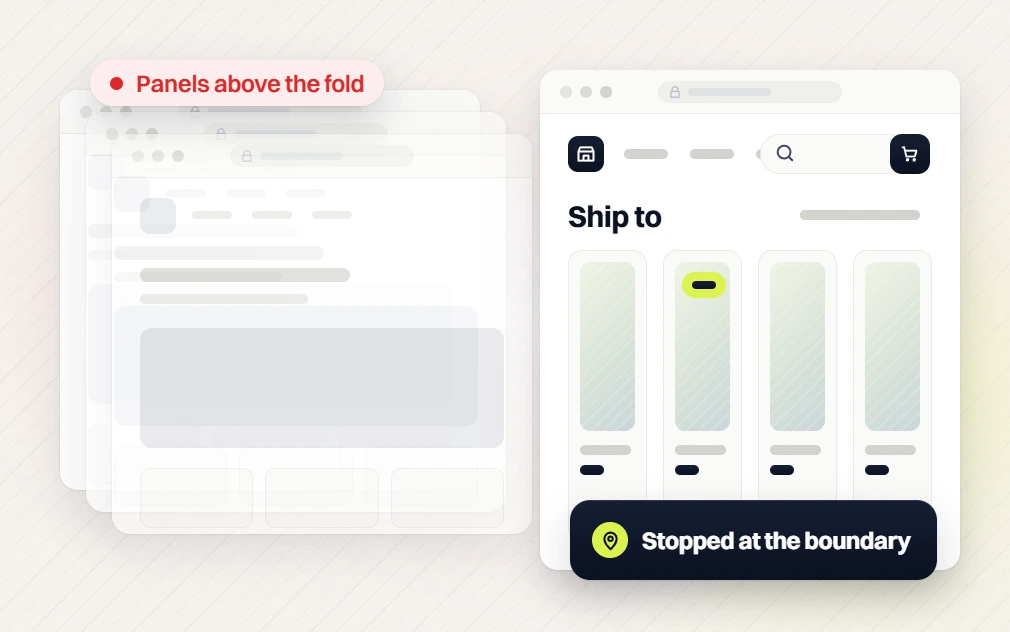
CPG PDPs miss FDA nutrition panels and TTB region locks

Food PDPs skip FDA nutrition panels and allergen callouts, which shoppers now expect above the fold. Alcohol brands enter states without a permit and eat chargebacks. Every site we build lands with the compliance layer wired in before go-live, not bolted on after the first cease and desist.

02 · THREE OUTCOMES

Three outcomes every food and beverage web design engagement produces

Drop an outcome visual
Conversion architecture that moves the number

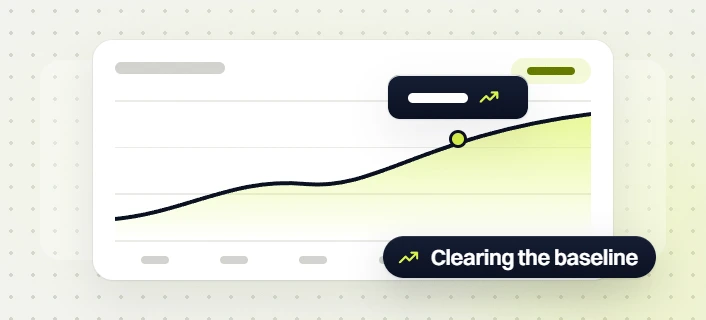
Architecture built to convert, sharper PDP UX, and a tighter checkout flow that beats your current baseline inside 60 days of launch on mobile and desktop.
Drop an outcome visual
SEO-ready launch, not a six-month retrofit build

Product and Recipe schema, nutrition metadata, and buying-intent slugs live on day one. Recipe blog URLs carry forward so organic traffic holds steady.
Drop an outcome visual
Brand ownership at handoff, everything in your name

Your domain, your CMS logins, your Shopify billing, and your Klaviyo and Recharge accounts sit in your name. Walk away with the site whole if you leave.

03 · OUR PROCESS

Four stages. Every step ends in a sign-off

Fixed scope, fixed timeline, fixed outcomes. Nothing moves to the next stage until your leadership signs the gate deliverable, and every milestone lands on a calendar date.

01 WEEKS 1-2

Discovery that earns the brief

A 20 to 30 page brief signed by founder, ops lead, and marketing lead. Brand-owner interview, technical audit of your current storefront, Shopify data mapping, and a benchmark of 5 category peers. Nothing moves until it is locked.

✓ SIGN-OFF: BRIEF + SITEMAP
02 WEEKS 3-6

Design built against your storefront

Mobile-first design system with CPG PDP conversion patterns, subscribe and save flow, and nutrition panel UX baked in from wireframe. Every component engineer-validated the same week it is drawn. You walk away with an editable Figma file your team owns.

✓ SIGN-OFF: FIGMA + TOKENS
03 WEEKS 7-12

Engineering that survives your next Shopify upgrade

Shopify with Liquid and Hydrogen by default. Headless Next.js when the subscription flow demands it. Core Web Vitals treated as an acceptance criterion. Recharge or Skio, Klaviyo, ShipStation, GA4, and Meta CAPI wired in with server-side backup.

✓ SIGN-OFF: STAGING BUILD
04 WEEK 13

Launch and 30 days of post-live watch

Cutover runs off-hours with the whole team on a bridge. Search Console, error logs, Shopify orders, and Core Web Vitals watched daily for 30 days. On day 31 you take the keys and go, or roll into a website maintenance retainer.

✓ SIGN-OFF: LIVE + 30-DAY WATCH
04 · WHAT YOU GET

What you actually get from our CPG web design services

Fixed scope. Fixed timeline. Fixed outcomes. Each phase below has a defined deliverable, a written sign-off, and a date on the calendar.
food and beverage web design deliverable panel visualizing scope of work

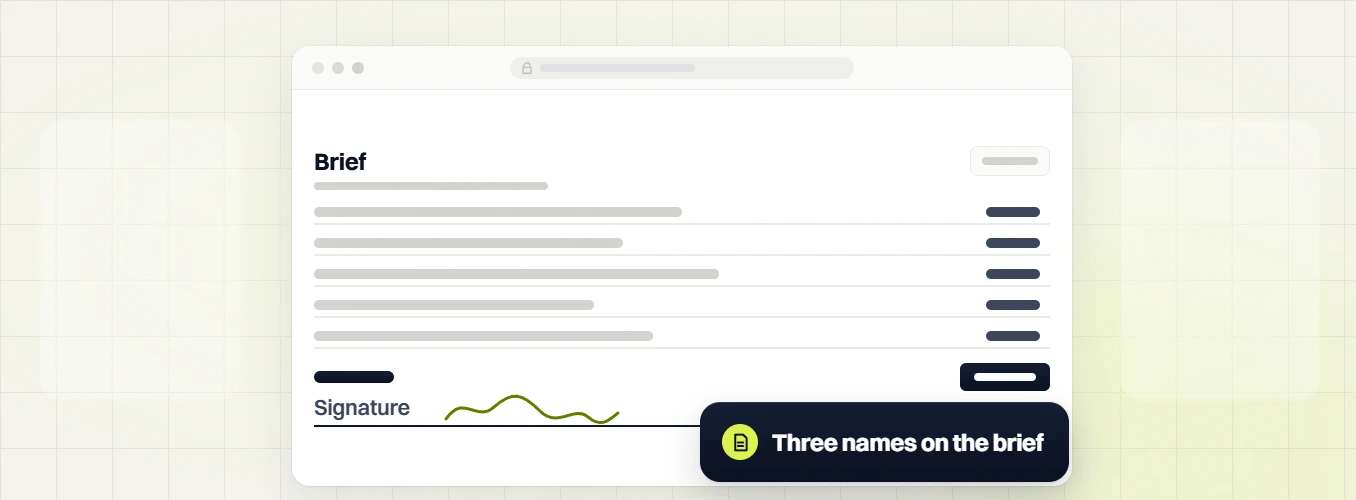
Two weeks. Brief signed by founder, ops, and marketing

Brand-owner interview, technical audit of your current storefront, Shopify plus analytics plus ad accounts, competitor benchmark of five category peers, and Shopify data mapping. The output is a written brief your founder, ops lead, and marketing lead sign off on before we design a pixel or write a line of code.
BRIEF AUDIT SITEMAP
Book a 30-Min Audit
INCLUDED IN EVERY BUILD
Brand-owner interview
One hour with founder plus ops plus marketing leads to lock brand voice, category position, and non-negotiable SKUs.
Storefront tech audit
Core Web Vitals baseline, Shopify theme review, Klaviyo flow map, subscription platform check, and analytics wiring audit.
5-brand category benchmark
Five direct category peers scored on PDP pattern, subscription UX, mobile speed, and Klaviyo capture UX.
Shopify data mapping
Product feed, collection structure, variant logic, and inventory sync mapped to the new architecture before design starts.
Sitemap and IA
Full page inventory with URL structure. Recipe blog carries forward with the same URLs so organic traffic holds through the migration.
Written brief with sign-off
A 20 to 30 page document. Founder, ops lead, and marketing lead sign before anything else moves.
Commitments most CPG agencies refuse to make
98+ mobile Lighthouse, LCP under 1.8s, WCAG AA, a fixed calendar date, and every legacy URL mapped 301 before cutover. In the contract, not the pitch.
Request a Free Audit
05 PRICING

Four web design tiers for every stage of growth

Every line item listed. The quote you get is the invoice you pay. Take any tier as a project fee, or split it into the flat monthly plan.

STARTER
$1,500
OR $250/MO · SINGLE DOCTOR

Fast, credible site converting existing reputation.

THE FOUNDATION:
Custom 8-page website build
Contact form + click-to-call
On-page SEO + Maps setup
Hosting + nightly backups
2 content edits per month
Next-business-day support
Get this quote
MOST PRACTICES
GROWTH
$2,500
OR $400/MO · GROWING PRACTICE

Full booking engine: scheduling, checkout, customer reporting.

EVERYTHING IN STARTER, PLUS:
Live scheduling integration
Landing page per revenue
Objection-handling copy
Missed-call auto text-back
Bookings and leads report
4 edits/mo, same-day
Get this quote
MULTI-LOCATION
$3,500
OR $550/MO · 2–5 LOCATIONS

One brand, every office found, location-level tracking.

EVERYTHING IN GROWTH, PLUS:
Landing page + map/location
Per-location call tracking
Per-location review routing
Team member profile pages
Quarterly review call
6 monthly edits (all sites)
Get this quote
enterprise operator / CUSTOM
$5,000+
CUSTOM SCOPE · 6+ LOCATIONS

Design system the whole group launches on. Ops-team-spec integrations.

EVERYTHING IN MULTI, PLUS:
Shared design system
Custom integrations
Rank-safe migrations
Dedicated account lead
Direct Slack access
SLA-backed ticket support
Scope my build
EVERY TIER: MONTHLY PLAN AVAILABLE · 30-DAY LAUNCH · 90-DAY REBUILD GUARANTEE · YOU OWN SITE, DOMAIN + DATA

Every web design feature, tier by tier

HOVER ANY FEATURE FOR A PLAIN-ENGLISH EXPLANATION
Website + design +
FEATURE STARTER GROWTH MULTI-LOCATION ENTERPRISE OPERATOR / CUSTOM
Pages included 81525CUSTOM
Custom design, no tpl
Landing page per revenue
Team member profile pages
Shared design system
Booking + patients +
FEATURE STARTER GROWTH MULTI-LOCATION ENTERPRISE OPERATOR / CUSTOM
Contact form + click-to-call
Live scheduling integration
Objection-handling copy
Missed-call auto text-back
Review automation PER OFFICEPER OFFICE
SEO + visibility +
FEATURE STARTER GROWTH MULTI-LOCATION ENTERPRISE OPERATOR / CUSTOM
On-page SEO + schema
Google map listing SETUPREBUILDPER OFFICEPER OFFICE
Location pages
Rank-safe migration AT SCALE
Copy from interview
Care + support +
FEATURE STARTER GROWTH MULTI-LOCATION ENTERPRISE OPERATOR / CUSTOM
Hosting, SSL + backups
Content edits per month 246CUSTOM
Support response NEXT DAYSAME DAYSAME DAYSLA
Bookings and leads report
Quarterly review call
Dedicated lead + Slack
06 · FAQ

Common food and beverage web design questions

Straight answers on cost, timeline, platform, subscription flow, PDP pattern, and ADA compliance. Call or email if we missed yours.

STILL DECIDING?
(212) 555-0100
hello@redefineweb.com →

How to design a food website?

+

Start with the shopper decision, not the aesthetic. Every project we run begins with three questions: what does the shopper need to see above the fold to trust the brand, what SKU or subscription flow closes the sale, and what compliance layer keeps the site legal at launch. Practically that means a hero with brand promise plus subscribe-and-save price math, a PDP pattern with FDA nutrition facts, allergen callouts, ingredient list, and honest shipping cost preview by zip code, and a checkout that stays in-brand through the confirmation email. Recipe pages carry Recipe schema so Google surfaces them in the ingredient carousel. Klaviyo lifecycle flows capture the abandon and win back the lapse. Core Web Vitals land in the green on mobile before DNS flips. Follow the FDA food labeling rules for every printed panel and every PDP so the site never trips a warning. Mobile-first design is the default since 70% of grocery buyers browse on phone before they buy.

How much does cafe website design cost?

+

Cafe website design at Redefine Web starts at $1,500 on the Launch tier and scales to $25,000 and up on Enterprise. Launch fits a single-location cafe with a menu page, hours, location map, catering form, and Klaviyo capture. Growth at $3,500 fits a cafe plus a small ecommerce arm selling beans, merch, or subscription coffee with subscribe-and-save wired in through Recharge or Skio. Scale at $7,500 fits multi-location cafes with per-location menus, event pages, and gift-card commerce. Enterprise at $25,000 and up fits chains with 10+ locations, wholesale ordering, and cross-market subscription revenue. Every quote is fixed-price, not a monthly bill. Ongoing website maintenance runs a separate plan starting at $199 per month for backups, security, plugin updates, and content edits. Pay-monthly plans start at $99 per month if you would rather spread the build cost. If your cafe needs a build for retail SKUs on Shopify or WooCommerce, we scope the ecommerce arm into the same fixed quote so you sign once and launch once.

What is the best website builder for restaurants?

+

Shopify and WooCommerce cover most restaurant use cases when the site sells retail SKUs, gift cards, or subscription coffee alongside a menu. For a menu-only restaurant with online ordering, a custom WordPress build or a Shopify storefront paired with Toast or ChowNow embed handles the traffic without pushing shoppers off-brand. We build most projects on Shopify since Recharge, Skio, Stay Ai, and Klaviyo integrate natively in hours, not weeks. WooCommerce fits restaurants with a heavy WordPress content operation (recipe blog, chef bios, events) that would lose too much SEO equity in a platform migration. Headless Next.js on top of Shopify is available on Scale and Enterprise builds where subscription complexity or throughput justifies the added stack. The Shopify help center documents most restaurant edge cases (age-gated menus, per-state alcohol shipping, gift-card variants). Pick the platform the team can operate on day 31 without the agency in the room.

What does CPG mean in design?

+

CPG means consumer packaged goods, and in CPG web design it maps to a specific PDP pattern shoppers now expect. CPG PDPs lead with a hero image and 4 to 8 lifestyle shots, subscribe-and-save price stacked above single-purchase, FDA nutrition facts panel, ingredient list, allergen callouts, honest shipping cost preview by zip, review widget, and a bundle-builder for variety packs or sampler boxes. That layout closes hesitation faster than a generic ecommerce PDP since grocery buyers scan for ingredients and allergens before adding to cart. Design carries the compliance layer too: age gate for beer and wine, TTB region locks for alcohol shipping, and cold-chain shipping preview for perishable SKUs. On Shopify the pattern lives in a custom section that non-designers can edit. On WooCommerce it lives in an ACF-driven template. The point of the CPG PDP is to answer every question a household asks before checkout so the shopper never leaves to search Google mid-flow.

How much does a food and beverage website cost?

+

A CPG storefront build at Redefine Web runs from $1,500 on Launch to $25,000 and up on Enterprise. Every quote is fixed-price, not a monthly bill. Launch is a Shopify storefront for emerging CPG, snack, or beverage brands with one hero collection, an FDA nutrition panel PDP, and Klaviyo capture wired in. Growth at $3,500 adds subscription flow through Recharge or Skio, a store locator for retail syndication, and a full Klaviyo lifecycle rebuild. Scale at $7,500 adds PDP A/B testing, headless Hydrogen where throughput justifies it, and per-region shipping variants for beer, wine, and spirits brands. Enterprise at $25,000+ adds Shopify Plus features (Launchpad, Scripts, B2B), retail syndication content for Whole Foods and Sprouts line reviews, and full GA4 wiring. Ongoing website maintenance is a separate plan starting at $199 per month, so hosting, patching, and content edits stay bundled. For pay-monthly builds without the up-front cost, sites start at $99 per month on smaller plans.

What is included in food and beverage web design services?

+

Every build includes storefront design on Shopify 2.0 or WooCommerce, a CPG PDP pattern with FDA nutrition facts, allergen callouts, and shipping cost preview by zip code, subscription integration through Recharge, Skio, or Stay Ai, Klaviyo capture on hero, exit intent, and post-purchase, a store locator for retail syndication, and Core Web Vitals in the green at launch. Every site lands with review widget integration through Yotpo, Junip, or Okendo, a shipping-zone calculator that surfaces cost before checkout for cold-chain and heavy-package SKUs, and content patterns that let non-designer team members swap flavor callouts, seasonal SKUs, and promo banners without touching code. WCAG 2.1 AA compliance, Product schema, Recipe schema, and server-side GA4 plus Meta CAPI wiring are included on every tier. A written 20 to 30 page brief signed off by founder, ops, and marketing leads before design starts. Deliverables lock in on a calendar date, not a Slack promise. Every domain, API key, and DNS record is documented in the handover packet so your next hire owns it on day 31.

What conversion rate does a food and beverage website hit?

+

Well-built CPG storefronts convert 3% to 5% of qualified traffic into orders on average. Our average across CPG builds is 3.6% across the last 40 storefronts we built. Real numbers depend on price point, subscription structure, and whether cold-chain or heavy-package shipping shows above the fold. Cold-chain beverage brands ($30 to $60 AOV with $15 to $25 shipping) convert lower (2% to 3.5%) since shipping cost transparency scares off browsers early. Snack CPG at $20 to $40 AOV converts higher (4% to 6%). Subscription-first brands consistently rank higher than one-time-purchase brands since the subscribe-and-save discount closes the hesitation for grocery buyers stocking the pantry. We baseline your current numbers on Shopify or Google Analytics before we start, then measure gain against that baseline at day 60 post-launch. If the baseline is missing since you are a new brand with no historical data, we set a 60-day watch window on the Growth tier plan and report weekly on PDP conversion, add-to-cart rate, checkout completion, and subscription attach rate so the numbers stay on the founder dashboard, not buried in a monthly deck.

How long does a CPG website design project take?

+

Timeline runs 3 to 4 weeks on Launch, 4 to 6 weeks on Growth, 6 to 8 weeks on Scale, and 8 to 12 weeks on Enterprise. Every project has a signed timeline before we start, and every milestone (wireframe sign-off, design sign-off, content sign-off, staging review, go-live) carries a calendar date. If a milestone slips since of a client-side delay (product photography, nutrition panel copy, subscription setup), the timeline pauses and restarts at the next handoff. Food and beverage projects usually run longer than beauty projects since FDA nutrition label copy, cold-chain shipping setup, and store locator integration all carry more weight in the design brief. Beer, wine, and spirits builds add another 1 to 2 weeks for TTB region locks and per-state shipping rules. If you need a hard launch date (line review, retail pitch, holiday sales window), we scope backwards from that date and lock every gate in writing so nothing surprises the launch calendar. The founder-signed brief in week 2 defines the go-live day, and every gate points back to it.

Do you build food and beverage websites on Shopify or WooCommerce?

+

Every build launches on Shopify or WooCommerce depending on your team, subscription platform, and international plans. Shopify fits most CPG brands: fastest launch, tight subscription integration through Recharge and Skio, and the tightest Klaviyo integration. Shopify Plus fits brands above $5M or with a wholesale B2B channel. WooCommerce fits brands with a heavy custom stack or an existing WordPress content operation where recipe blog SEO equity would take too long to rebuild on a new platform. Both options launch page-speed optimized, mobile-first, and Core Web Vitals in the green. Headless (Hydrogen, Nacelle) is available on Scale and Enterprise tiers where throughput or subscription complexity justifies the added stack. Our CPG web design brief locks the platform choice on the founder-signed brief in week 2 before design starts, so the decision is not made mid-build. On day 31 you own every login and can operate the platform without our team on the bridge.

Does the agency handle subscription flows for CPG brands?

+

Yes. Subscription flow is included on every build from Growth up. Recharge, Skio, and Stay Ai are all supported natively. Subscription-first PDPs put subscribe-and-save above the single purchase option since subscription customers place 4 to 7 times more revenue over 12 months. Frequency options match the honest consumption cadence of the product (30 days for daily snacks, 60 or 90 days for functional beverages, quarterly for shelf-stable pantry SKUs). Trial box flows, prepaid annual plans, skip-a-month save flows, and cancel-save Klaviyo tie-in all get built. Most food and beverage brands see subscription conversion climb 25% to 45% inside 60 days of the new flow going live. If your brand runs a mixed model with one-time gifting SKUs plus subscription pantry SKUs, we split the PDP pattern so grocery buyers on the pantry side see subscription math first and gift shoppers see single-purchase without friction. Every subscription flow includes a documented cancel path, not a hidden one, so households can pause without an email support ticket.

Do we own the food and beverage website at handoff?

+

Yes. Every build goes live in your brand name with your logins. The Shopify or WooCommerce admin, hosting, GA4 property, Klaviyo account, tracking pixels, and every integration sit in your name at handoff. Redefine Web has agency access only. If you leave, you leave with everything: theme source files, design files, Klaviyo flow exports, Recharge or Skio subscription configuration, and full documentation. 30 to 90 days of post-launch support is included with every build. After that, ongoing website maintenance moves onto a monthly plan starting at $199 per month, or you take it in-house. Your call. The founder-signed brief in week 2 defines the ownership terms in writing before design starts, so there is no surprise on day 31 when the keys move over. Every domain, every API key, every recovery email, and every DNS record is documented in a handover packet you can pass to your next agency or an in-house engineer without a follow-up call. The handover packet includes a 30-minute walkthrough video so a new hire ramps fast.

Do you handle FDA nutrition labels and allergen callouts on PDPs?

+

Yes. Every CPG PDP we build carries an FDA nutrition facts panel, ingredient list, and allergen callouts above the fold on mobile and desktop. Shoppers scan for allergens before adding to cart, and hiding that data below the fold drops PDP conversion 15% to 25%. The nutrition panel matches the printed panel on the physical package so shoppers verify the SKU is right. Allergen callouts (contains milk, tree nuts, wheat, soy) get chip-style badges so grocery buyers with kids or restricted diets read the panel at a glance. The FDA food labeling reference is the source of truth for label format, and we cross-check every panel against it during content sign-off. Recipe pages carry Recipe schema and the same allergen and ingredient metadata so the Google recipe carousel surfaces them cleanly. If your line has kosher, halal, gluten-free, or organic certifications, the badges live on the PDP and in the product feed for Instacart and Amazon.

Do you build TTB-compliant sites for beer, wine, and spirits brands?

+

Yes. Every alcohol build launches with a skinned cookie age gate that remembers on return, TTB per-state region locks for shipping, and per-market SKU visibility so dry states do not see a buy button. The default Shopify age gate bounces 47% of first-time shoppers since the pop-up feels legal, not brand. A skinned gate that respects the visit and remembers on return keeps shoppers moving toward the PDP. Per-state shipping rules are wired at the checkout layer, so a shopper in a restricted state never sees a checkout error mid-flow. Distributor tier restrictions (three-tier system compliance) are surfaced in the shipping calculator before checkout. The compliance layer lands with the brief in week 2, not bolted on after the first cease and desist letter. If you sell across markets with different label rules (California Prop 65, for instance), the PDP surfaces the warning conditionally so the label matches the destination state. Every rule sits in the code, not in a Google Doc.

FREE — 30 MINUTES — NO PITCH

Book a free growth audit.

Walk away with three fixes you can ship the same week — whether or not you hire us.

24-HOUR RESPONSE 300+ AUDITS RUN ZERO OBLIGATION