Home services web design that turns clicks into booked jobs
Sites for HVAC, plumbing, roofing, and electrical shops. Single-truck operators up to regional multi-brand groups. Every build launches with ServiceTitan, Housecall Pro, or Jobber wired in, sticky click-to-call across every viewport, financing calculator on hero, and a 30-day timeline you can plan around. Fast pages score 95+ on mobile and book 7.2% of visitors on average.
Three ways your current site loses booked jobs
Mobile visitors bounce before the phone number loads
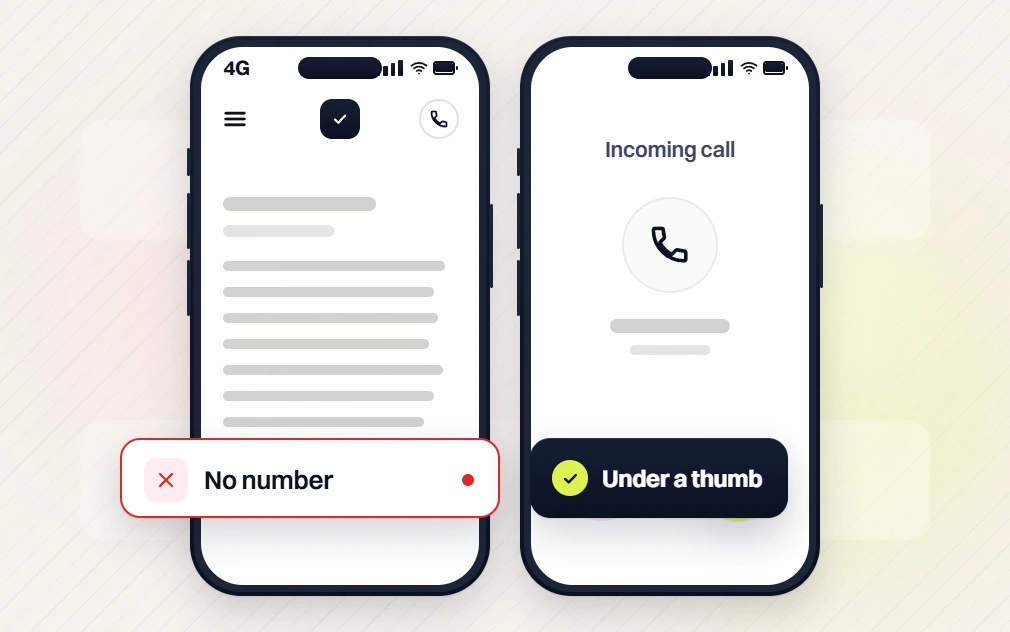
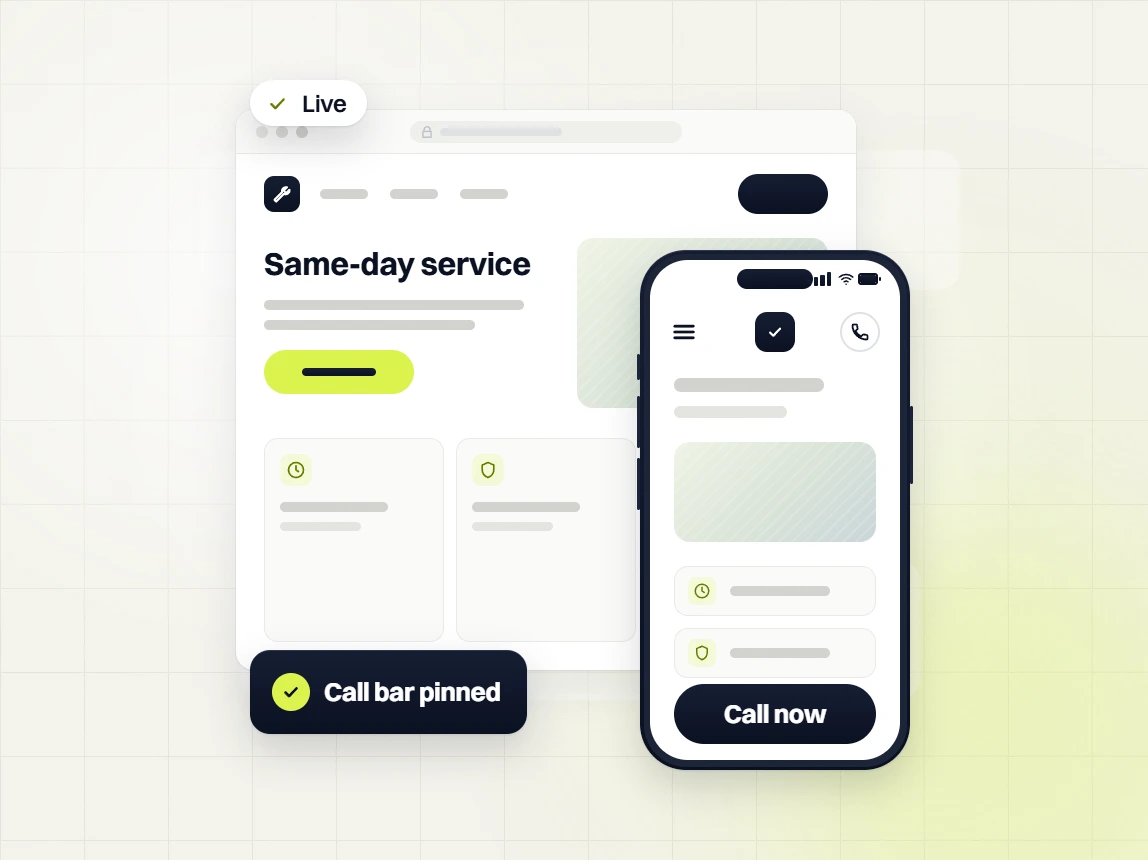
Homeowners with a burst pipe or a dead furnace open your site on a phone. When the number is buried below a slow hero image, 62% tap back to Google. A sticky click-to-call bar pinned to the top of every viewport, on every page, keeps the number one thumb-tap away and books the emergency call.
Every off-site jump to a booking form drops 20-30% of leads
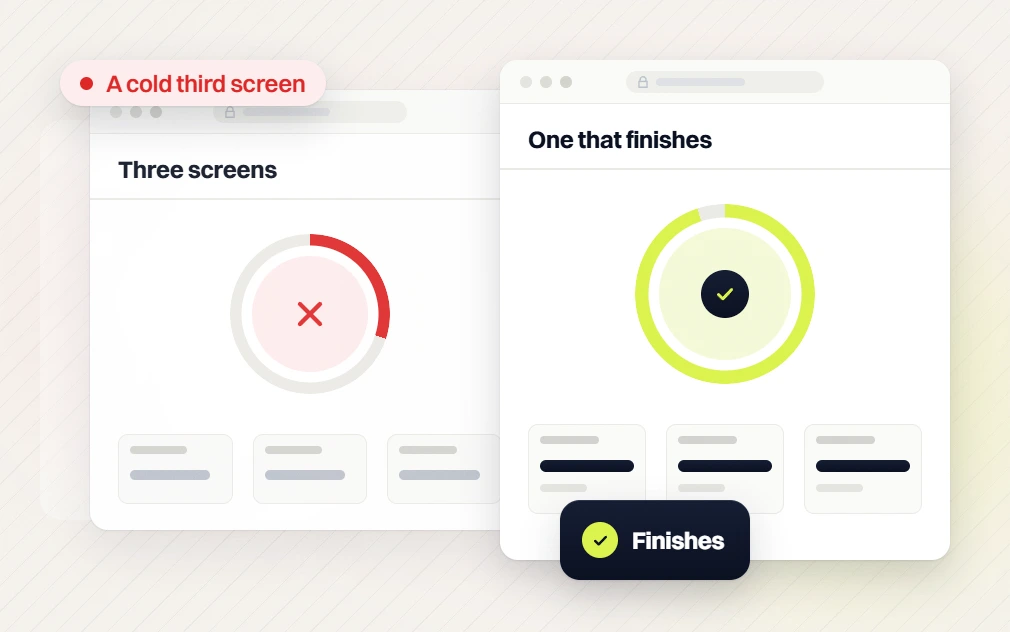
Home service sites push customers off-brand to a ServiceTitan or Housecall Pro portal in 3 clicks. Every off-site hop drops 20 to 30 percent of booking intent. Embed the booking widget in-brand with the dispatch calendar surfaced above the fold and homeowners finish the request through the confirmation screen.
Sites miss license numbers, service area maps, and financing options
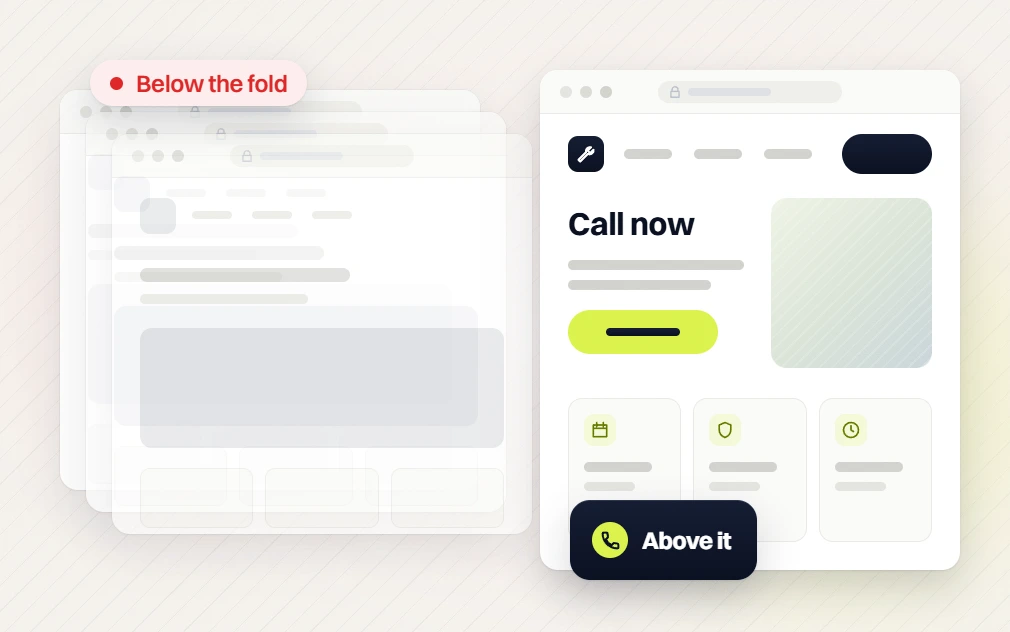
Homeowners now expect license numbers, insured status, service area maps, and financing options above the fold. Sites that hide license numbers in the footer read as unlicensed. Every site we build lands with the trust layer wired in before go-live: state license, Google Guaranteed badge, service area map, and a financing calculator on the hero.
Three outcomes every web design build produces
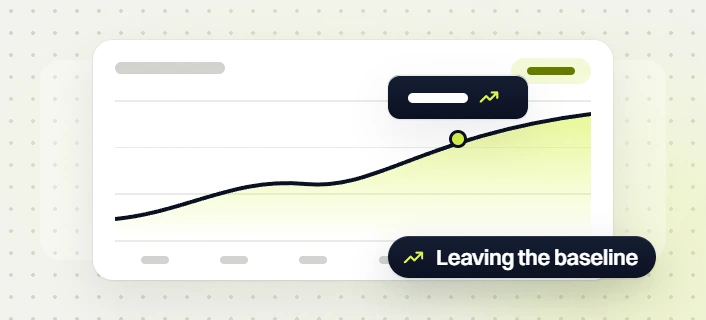
Sticky click-to-call, financing calculator, and a shortened booking form put more booked jobs on the board within 60 days of go-live. Baselines locked.
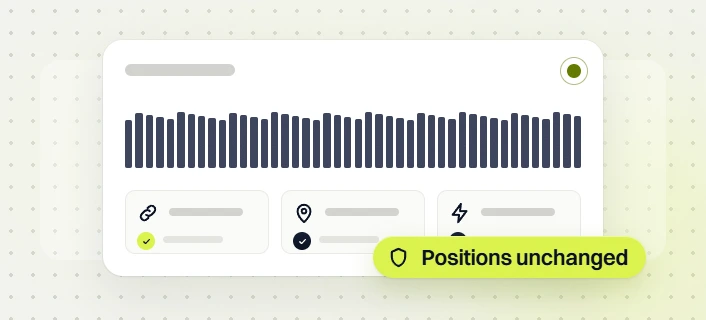
Every page ships with Local Business schema, license metadata, and buyer-intent slugs. Service area pages carry forward so map pack rankings hold.
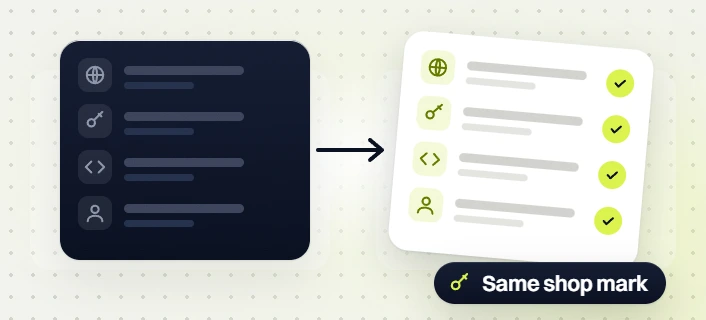
Your domain, your CMS logins, your team trained on the platform. WordPress admin and ServiceTitan or Housecall Pro billed to your card at go-live.
Four stages. Every step ends in a sign-off
Fixed scope, fixed timeline, fixed outcomes. Nothing moves to the next stage until your leadership signs the gate deliverable, and every milestone lands on a calendar date.
Discovery that earns the brief
A 20 to 30 page brief signed by owner, ops lead, and dispatch lead. Owner interview, technical audit of your current site, service area mapping, dispatch platform review, and a benchmark of 5 local competitors. Nothing moves until it is locked.
Design built for the emergency search
Mobile-first design system with sticky click-to-call, service area map, financing calculator, and booking widget baked in from wireframe. Every component engineer-validated the same week it is drawn. You walk away with an editable Figma file your team owns.
Engineering that survives your next platform swap
WordPress on LiteSpeed by default. Headless Next.js when the multi-brand roster demands it. Core Web Vitals treated as an acceptance criterion. ServiceTitan, Housecall Pro, or Jobber wired to the booking widget, GA4, Google Business Profile, and Local Service Ads (LSA) plugged in with server-side backup.
Launch and 30 days of post-live watch
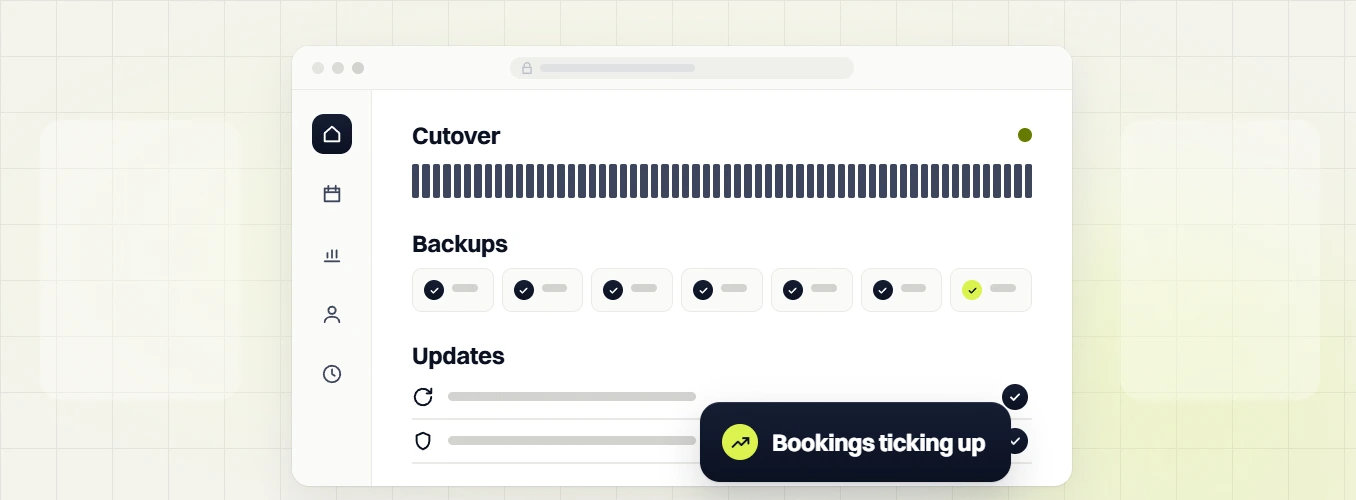
Cutover runs off-hours with the whole team on a bridge. Search Console, error logs, dispatch bookings, and Core Web Vitals watched daily for 30 days. On day 31 you take the keys and go, or roll into a website maintenance retainer.
What you actually get from every HVAC and plumber build
Fixed scope. Fixed timeline. Fixed outcomes. Each phase below has a defined deliverable, a written sign-off, and a date on the calendar.
One week. Brief signed by owner, ops, and dispatch
Owner interview, technical audit of your current site, ServiceTitan or Housecall Pro plus analytics plus ad accounts, competitor benchmark of five local peers, and dispatch data mapping. The output is a written brief your owner, ops lead, and dispatch lead sign off on before we design a pixel or write a line of code.
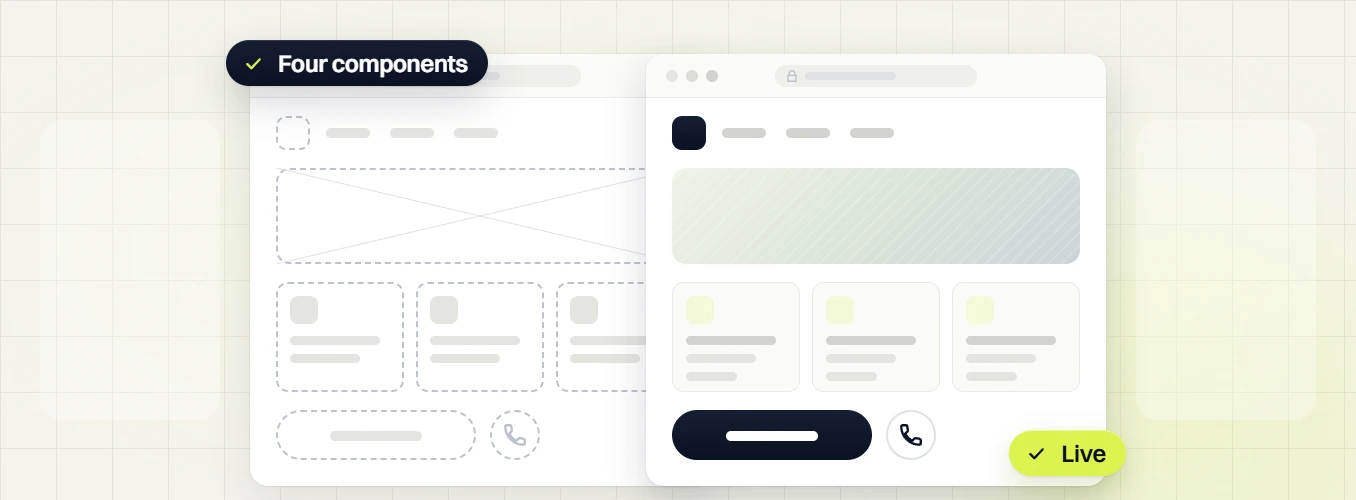
One hour with owner plus ops plus dispatch leads to lock brand voice, service area position, and non-negotiable service categories.
Core Web Vitals baseline, WordPress theme review, Google Business Profile audit, dispatch platform check, and analytics wiring audit.
Five direct local competitors scored on booking flow, financing UX, mobile speed, and Local Service Ads placement.
Service categories, service area boundaries, technician routing, and booking window logic mapped to the new site before design starts.
Full page inventory with URL structure. Service area pages carry forward with the same URLs so local map pack rankings hold through the migration.
A 20 to 30 page document. Owner, ops lead, and dispatch lead sign before anything else moves.
Weeks 2 to 3. Mobile-first home services design system
Mobile-first design system with click-to-call, service area map, and financing calculator baked in from the wireframe stage. Every component validated by the engineer in the same week it is drawn. You get a Figma file your team owns, not a slide deck you cannot edit.
Emergency request path, standard job request path, and estimate request path all surface from the hero. Real dispatch availability shown above the fold.
One thumb-tap away on every viewport, on every page. Phone number swaps by time-of-day when after-hours routing kicks in.
GreenSky, Synchrony, or Wisetack calculator wired above the fold. Homeowner types the job total, sees the monthly payment, taps to book.
Interactive zip-code check that answers "do you service my address?" in one tap. Reduces dead-end calls dispatch cannot honor.
Full component library, design tokens, and page templates handed over. Your team can swap seasonal promos and new-service pages without touching code.
State license number, insured status, and Google Guaranteed badge wired into hero and footer. Ranks stronger for local trust queries.
Week 4. Core Web Vitals as acceptance criterion
WordPress with a custom theme by default. Headless with Next.js when a multi-brand roster or franchise network demands it. LiteSpeed or edge CDN, Core Web Vitals as an acceptance criterion (not a wish), WCAG 2.1 AA verified before launch. Nothing goes live without hitting the numbers.
Default stack for most home services shops. Fastest launch, tight ServiceTitan or Housecall Pro integration, the tightest GA4 wiring.
For regional multi-brand groups or franchise networks with a shared parent brand. Same speed and Core Web Vitals bar across every location.
Available on Scale and Enterprise tiers where roster size or booking throughput justifies the added stack.
LCP under 1.8s, CLS under 0.05, INP under 200ms on mobile. Verified in Lighthouse and CrUX before DNS goes live.
Axe DevTools scan, manual audit, NVDA and VoiceOver screen-reader passes before go-live. ADA drift covered by maintenance plan.
Local Business schema on the home page, Service schema on every service page, and license number metadata wired into Google Business Profile.
Week 3 to 4. Every tool wired with a documented abstraction layer
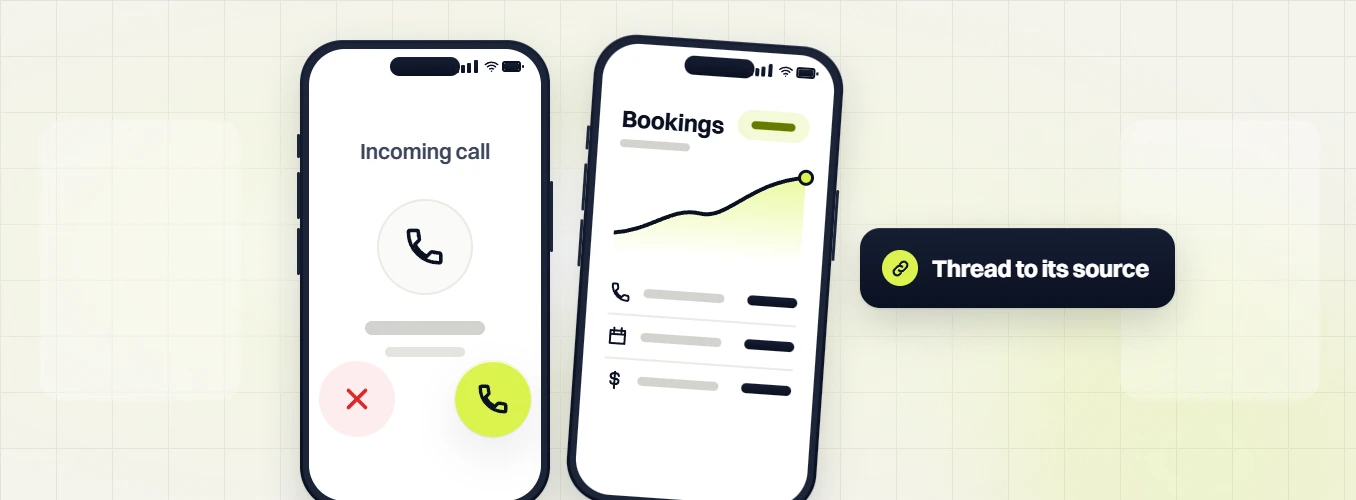
ServiceTitan, Housecall Pro, or Jobber integration. GA4, Google Business Profile, Local Service Ads (LSA), review platform, financing partner. Forms and phone calls route into the dispatch record with campaign-source tagging. Built with documented abstraction layers so the next platform swap is days, not months.
Dispatch platform wired to the booking widget with real availability, technician skill routing, and job type mapping. Same for Jobber on smaller shops.
Google Guaranteed badge, LSA phone tracking, and call-recording review flow wired to Google Business Profile. Bookings show up as LSA-attributed.
GreenSky, Synchrony, or Wisetack financing calculator on hero, on every service page, and in the estimate follow-up email. Homeowner sees the monthly payment before the call.
NiceJob, Podium, or Birdeye widget on service pages with review request texts after job completion and syndication to Google Business Profile.
Hours, services, service area, and photos synced from the site to Google Business Profile via API. Same content pool, no drift.
CallRail or CallTrackingMetrics wired to GA4 with campaign-source tagging on every call. Attribution survives iOS 17 and cookie loss.
Week 4. Cutover, 301 map, and 30-day watch
Production DNS cutover, 301 map from the old site, uptime plus Core Web Vitals monitoring live, and a 30 to 90 day post-launch support window. Your team keeps the design files, the CMS logins, and the repo. Walk away with the site whole if you ever leave.
Whole team on a bridge for cutover. Search Console, error logs, dispatch bookings watched hourly for the first 24 hours after DNS flip.
Every legacy URL mapped before cutover. Service area pages, service pages, and blog carry over. Zero 404s on organic winners.
Core Web Vitals, dispatch bookings, GA4 conversions, and error logs reviewed every business day for 30 days after DNS goes live.
Pingdom, Better Uptime, or your tool of choice wired to Slack or SMS with hourly check across the booking flow.
30 days on Launch, 60 days on Growth, 90 days on Scale and Enterprise. All bugs, all booking widget tweaks, all service page swaps included.
Design files, CMS logins, WordPress admin, ServiceTitan or Housecall Pro, GA4, and repo all in your name at handoff. Agency access removed on day 91.
Four web design tiers for every stage of growth
Every line item listed. The quote you get is the invoice you pay. Take any tier as a project fee, or split it into the flat monthly plan.
Fast, credible site converting existing reputation.
Full booking engine: scheduling, checkout, customer reporting.
One brand, every office found, location-level tracking.
Design system the whole group launches on. Ops-team-spec integrations.
Every web design feature, tier by tier
HOVER ANY FEATURE FOR A PLAIN-ENGLISH EXPLANATIONWebsite + design +
Booking + patients +
SEO + visibility +
Care + support +
Real shops, real numbers
Common home services web design questions
Straight answers on cost, timeline, dispatch integration, LSA, financing, ADA compliance, and ownership at handoff. Call or email if we missed yours.
How much does a home services website cost?
+
Home services web design at Redefine Web runs from $1,500 on Launch to $25,000 and up on Enterprise, all fixed-price, not monthly. Launch fits a single-truck HVAC, plumbing, roofing, or electrical shop with one service area page, sticky click-to-call, and a booking widget wired in. Growth adds a financing calculator through GreenSky or Wisetack, ServiceTitan or Housecall Pro sync, and dispatch-attributed call tracking. Scale layers in per-service landing pages, headless Next.js where the roster justifies it, and Local Service Ads wiring. Enterprise covers franchise multi-brand rosters, custom dispatch API work, and full GA4 attribution. Every quote lands in writing before you sign, with milestones tied to calendar dates. Ongoing site maintenance is a separate plan starting at $199 a month, and pay-monthly build plans start at $99 a month if you would rather spread the cost. Custom builds above the Enterprise tier start at $18,000 and are quoted after a 30-minute scoping call. Financing partners let you spread the build cost across 12 to 36 months if that fits cash flow better.
How much does a HVAC website cost?
+
An HVAC website from Redefine Web starts at $1,500 on Launch and runs up to $25,000 and above on Enterprise, quoted flat, not monthly. Launch fits a single-truck HVAC shop with one service area page, a sticky click-to-call bar, and a booking widget on the hero. Growth at $6,000 to $12,000 adds a financing calculator, ServiceTitan or Housecall Pro integration, and after-hours phone routing that keeps emergency furnace calls moving through the pipeline. Scale at $12,000 to $25,000 fits regional HVAC groups with per-city landing pages, real dispatch availability on the hero, and Google Guaranteed and LSA wiring in the same sprint. Enterprise fits franchise HVAC rosters with 5-plus locations, custom dispatch API work, and full attribution reporting across every location. Every quote is fixed price with a written timeline and a calendar-dated milestone plan. Ongoing HVAC website maintenance sits on a separate plan starting at $199 a month, and you keep full ownership of the domain, hosting, CMS, and every integration at handoff on day 91.
How to optimize a HVAC website?
+
Optimize an HVAC website by moving the phone number to a sticky click-to-call bar on every viewport, wiring the booking widget to real ServiceTitan or Housecall Pro availability, and landing every page under 1.8s LCP on mobile per Core Web Vitals. Homeowners with a dead furnace tap the first shop with a visible number, so buried phone numbers cost 60% of emergency calls before the site even loads. Add a financing calculator on the hero. GreenSky, Synchrony, or Wisetack all wire in. Homeowners who see a monthly payment book at twice the rate of homeowners who see a job total. Set up per-city service area pages with a zip-code check, run license and Google Guaranteed badges above the fold, and post schema-marked reviews from NiceJob or Podium. Wire up per-service landing pages for emergency, tune-up, install, and repair keywords, and run 301 redirects from every old URL. Tie every call and form submission to a dispatch-attributed campaign source so budget lands where the booked jobs come from.
What is included in home services web design services?
+
Every build includes site design on WordPress or headless Next.js, a booking flow with sticky click-to-call and a financing calculator above the fold, ServiceTitan, Housecall Pro, or Jobber integration, review widget hooks through NiceJob, Podium, or Birdeye, a service area map with zip-code check, and Core Web Vitals in the green at launch. Every site lands with license number metadata wired into Google Business Profile, a Google Guaranteed badge on hero and footer, per-service landing pages built around buyer-intent search terms, ADA and WCAG 2.1 AA compliance, and a documented handoff of hosting, CMS logins, and Figma files. Non-designer team members can swap seasonal promos, add technician bios, and stand up new service pages without touching code. Nothing is templated, and nothing gets reused across shops. Every asset library sits in your brand voice, your color system, and your typography from day one, and the 30-day post-launch watch window covers every bug fix, booking widget tweak, and content edit at no added cost.
What conversion rate does a home services website hit?
+
Well-built home services sites book 6% to 10% of qualified visitors on average. Our average across the last 80 shops we launched is 7.2%. Real numbers depend on service category, financing visibility, and whether the phone number stays sticky on mobile. Emergency HVAC and plumber jobs book higher, 8% to 11%, because homeowners with a dead furnace or a burst pipe call the first shop with a visible number and skip everything below the fold. Roofing sites book lower, 4% to 7%, because the sales cycle runs 3 to 8 weeks after the first form-fill. Sites that surface financing on the hero book higher than sites that hide it, because the monthly payment closes the hesitation gap fast. We baseline your current conversion numbers, average job value, and current booking cadence before we start, so the 60-day, 90-day, and 12-month reports show real gain against your own history, not against an industry average someone made up. Reporting hits your inbox every 30 days.
How long does a home services website design project take?
+
Timeline runs 3 to 4 weeks on Launch, 4 to 6 weeks on Growth, 6 to 8 weeks on Scale, and 8 to 12 weeks on Enterprise. Every project starts with a signed timeline, and every milestone (wireframe sign-off, design sign-off, content sign-off, staging review, go-live) carries a calendar date agreed by both sides. If a milestone slips because of a client-side delay (technician photos, license number copy, dispatch platform setup), the timeline pauses and restarts at the next handoff, so you never pay for waiting. Contractor and plumber projects usually run tighter than beauty or CPG projects because the copy volume is smaller and the booking flow is the same across every service page. Emergency, standard, and estimate booking paths all get wired in the same sprint. Cutover happens off-hours with the whole team on a bridge, and Search Console plus dispatch bookings are watched hourly for the first 24 hours after DNS goes live, then daily for the next 30 days.
Do you build home services websites on WordPress or headless Next.js?
+
Every build launches on WordPress or headless Next.js depending on your team, dispatch platform, and multi-brand plans. WordPress fits most home services shops. Fastest launch, tight ServiceTitan or Housecall Pro integration, and the tightest GA4 wiring across the vertical. WordPress multi-site fits regional groups above $5M or with a franchise B2B channel that needs shared parent styling. Headless Next.js fits shops with a heavy custom stack or an existing multi-brand roster, and is available on Scale and Enterprise tiers where the roster size justifies the added complexity. Both options launch page-speed optimized, mobile-first, and Core Web Vitals in the green. Reference: ServiceTitan integration playbook. Every project comes with a written stack recommendation and 3 architecture options before you sign, so your dispatch team and marketing team see the trade-offs before code goes on paper. Bring in your own developer for a second-opinion review at any point during the project without pausing the timeline.
Does the agency handle dispatch and booking integration?
+
Yes. Dispatch and booking integration is included on every build from Growth up. ServiceTitan, Housecall Pro, and Jobber are all supported natively. Real availability shows above the fold, because homeowners who see a visible dispatch window book 4 to 7 times more often than those who see a plain contact form. Emergency job paths, standard job paths, and estimate request paths each get separate booking flows with their own conversion tags. Time-of-day phone number routing, after-hours voicemail escalation, and technician skill routing all get built in the same sprint. Most home services shops see booking conversion climb 25% to 45% inside 60 days of the new flow going live. Contractor teams with more complex multi-trade dispatch get a custom mapping layer so estimator and technician roles route to the right calendar without duplicate bookings or missed windows. Handoff includes dispatch admin training, a written runbook, and a 30-day daily error log review before we step off the account.
Do we own the home services website at handoff?
+
Yes. Every build goes live in your brand name with your logins. WordPress admin, hosting, GA4 property, ServiceTitan or Housecall Pro account, Google Business Profile, tracking pixels, and every integration sit in your name at handoff. Redefine Web keeps agency access only, and drops it entirely on day 91 unless you renew a maintenance plan. If you leave, you leave with everything: theme source files, design files, dispatch platform exports, Figma library, and full documentation of every integration point and API key. 30 to 90 days of post-launch support is included with every build, then ongoing site maintenance moves onto a monthly plan starting at $199 a month, or you take it in-house. Your call. Contractor and plumber shops sometimes bring maintenance in-house on day 91, then call us back for a redesign 24 months later. That works too, and prior source files transfer at no cost. Every asset is exported in editable format so a new agency can pick up on day one.
Is the site ADA and WCAG 2.1 AA compliant?
+
Yes. Every home services site launches WCAG 2.1 AA compliant, verified with an Axe DevTools scan, a manual audit, and NVDA plus VoiceOver screen-reader passes before DNS flips over to the new site. Color contrast, keyboard navigation, focus states, ARIA labels on the booking widget, alt text on every image, and captioned technician videos all get checked. Sites that miss ADA compliance get demand letters from law firms scraping accessibility gaps, particularly in California, New York, and Florida, and each letter can cost $10,000 to $75,000 to settle. Post-launch, ADA drift is covered by the ongoing maintenance plan. Any new page a non-designer publishes runs through the same accessibility checklist and gets flagged in the CMS if a color contrast score or missing alt text hits the review queue. Plumber and HVAC shops with multi-city rosters get the same standard across every location page, and quarterly ADA audits are scheduled by default on Scale and Enterprise plans.
Do you set up Local Service Ads and Google Guaranteed?
+
Yes. Local Service Ads and Google Guaranteed wiring is included on every build from Growth up. That covers license and insurance verification through the LSA portal, badge placement on hero and footer, LSA phone tracking with call recording, review flow syncing to Google Business Profile, and dispatch-attributed lead reporting so booked LSA calls show up in your GA4 conversions with the right source tag. Roofing, HVAC, and plumber shops usually see LSA leads book at 15% to 30% of qualified calls once the badge is live and the review count crosses 25. Contractor teams in trades with heavy price-shopping (roofing, remodeling) benefit from a financing calculator paired with LSA. On Launch tier, LSA setup is a paid add-on at $500. Ongoing LSA management sits inside the monthly maintenance plans starting at $199 a month, which covers portal review, spend pacing, monthly reporting, and disputed-lead credit filing with Google so you never pay for a lead that never called.
What tools and integrations do you support?
+
ServiceTitan, Housecall Pro, and Jobber for dispatch. GreenSky, Synchrony, and Wisetack for financing. NiceJob, Podium, and Birdeye for review capture and syndication. CallRail and CallTrackingMetrics for call attribution across every campaign source. Google Business Profile and Google Guaranteed for local trust. GA4 with campaign-source tagging on every call and form. Zapier or native webhooks to your CRM. Every integration is built with a documented abstraction layer so the next platform swap is days, not months. Plumber shops rolling from Jobber to ServiceTitan usually complete the swap in one sprint because the booking widget stays pointed at the same interface. Contractor teams with a custom CRM get a mapped integration guide before we start, so your dispatch admin knows what fields flow where and how retries handle timeouts. Every tool sits in your account, in your name, so leaving Redefine Web never means losing customer data, dispatch history, or historical reporting. Tool logins hand over on day 91 alongside the source files.