Skip to content
NOW BOOKING NEW ENGAGEMENTS GET A FREE STRATEGY SESSION ↗
RWMANUFACTURING MARKETING RETAINER

Manufacturing marketing retainer plans that turn spec sheets into signed POs

One monthly retainer covering catalog SEO, ThomasNet and GlobalSpec profiles, LinkedIn ABM, engineer-content pipeline, and RFQ-to-PO reporting. Priced from $499/mo. Quarterly scale reviews. 30-day notice to cancel.

35+
manufacturers on active retainer
87%
retention past month 12
$499
Foundation tier entry
manufacturing marketing retainer dashboard tracking booked outcomes and revenue metrics
CRM-VERIFIED RFQs
87%
retainer accounts past month 12
Trustpilot 4.7/5 ★★★★★
Clutch 5.0/5 ★★★★★
Google 5.0/5 ★★★★★
DesignRush 4.9/5 ★★★★★
GoodFirms 5.0/5 ★★★★★
F6S 5/5 ★★★★★
35+ manufacturers on active retainer. 87% retention past month 12.
WHY MANUFACTURING PIPELINES STALL

Three signals your industrial pipeline is leaving RFQs on the table

manufacturing marketing retainer challenge card visualizing a common growth blocker
CATALOG SEO GAP

Buyers cannot find your part numbers

Engineers search by part number, SKU family, and spec. If your catalog pages are behind a distributor portal or hidden from Google, procurement buys from the competitor whose CAD file loads on page one. A CAD-hosted, PIM-synced catalog with clean schema puts you back in the shortlist.

industrial marketing retainer challenge card visualizing a common growth blocker
RFQ ATTRIBUTION

You have 300 quote requests, 40 signed POs, and no idea which channel closed

Long industrial cycles (6-18 months) mean the click that opened the RFQ rarely gets credit for the PO. Without HubSpot or Salesforce firing back to marketing, the ThomasNet listing looks weak and the LinkedIn ABM budget gets cut. A closed-loop CRM feed shows what actually funded the quarter.

manufacturer monthly marketing plans challenge card visualizing a common growth blocker
DIRECTORY DRIFT

ThomasNet, GlobalSpec, and MFG.com profiles are out of date

Every industrial directory pulls buyer intent from spec, cert, and capability fields. Missing ISO 9001, AS9100, or ITAR flags drops you off filtered searches. Stale product photos and expired capabilities cost you 30-40% of directory reach. A quarterly sweep keeps every profile ranking on the categories you sell.

WHAT A MANUFACTURING RETAINER PRODUCES

Three outcomes every manufacturing retainer produces

industrial marketing retainer outcome showing tracked performance improvement
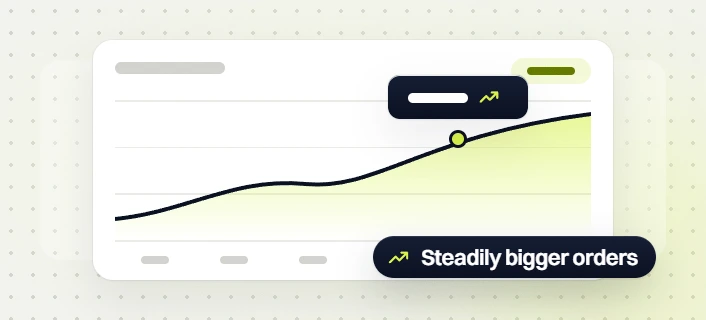
A named RFQ pipeline you can hold the team to

Every retainer account gets a live CRM view showing quote requests by source, sample requests, and signed POs. See which channel funded the quarter.
manufacturer monthly marketing plans outcome showing tracked performance improvement
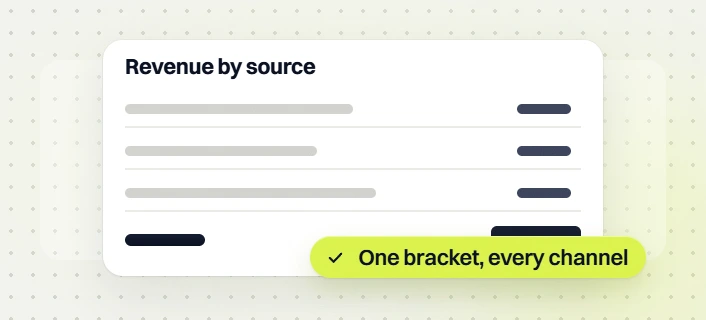
Higher PO revenue per account, not just more RFQs

We track average PO size and account expansion, not raw quote count. The goal is repeat OEM orders and multi-SKU wins across a 6 to 18 month cycle.
B2B manufacturing retainer outcome showing tracked performance improvement
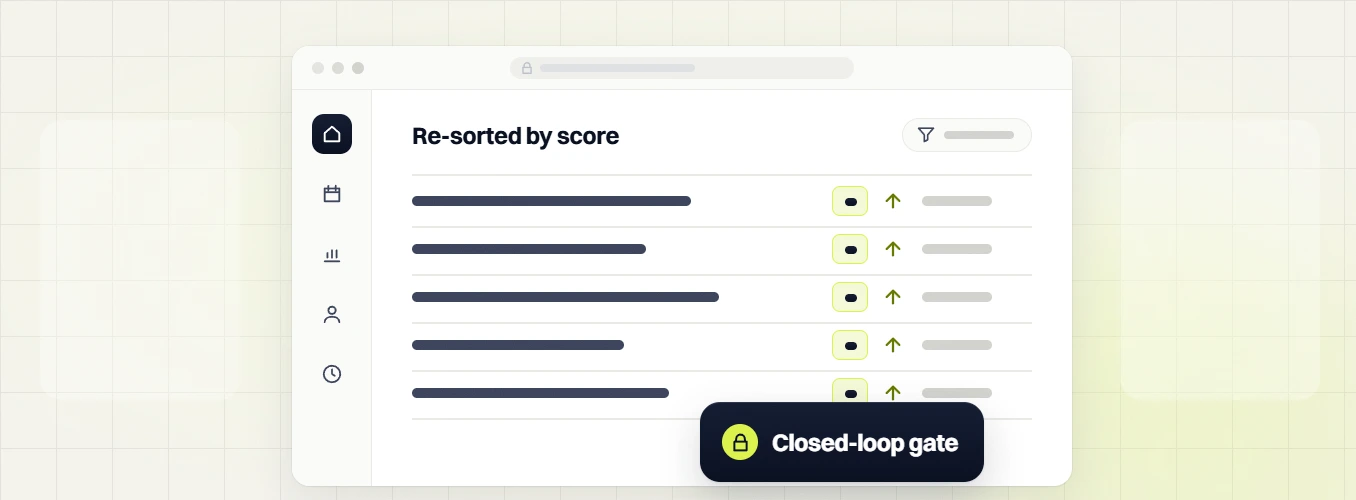
One senior industrial lead and one monthly review

Your industrial marketing retainer lead runs every channel, joins the weekly sales meeting, and opens each monthly report with PO revenue by source.

HOW THE MANUFACTURING RETAINER RUNS

Four stages. Every step ends in a sign-off

You approve at each gate. No surprise scope, no black-box work.

01 WEEK 1

Industrial audit and CRM baseline

We pull your catalog data, ThomasNet and GlobalSpec profiles, CAD library, and RFQ history from HubSpot or Salesforce. You get a written gap map showing catalog coverage, directory reach, and closed-loop reporting holes.

Signed audit deck
02 WEEKS 2-3

12-month roadmap tied to PO revenue

Every channel gets a target: catalog SEO by SKU family, LinkedIn ABM by named-account list, engineer content by buyer persona, RFQ nurture by product line. Roadmap ranked by expected PO impact, not by tactic novelty.

Signed roadmap
03 MONTH 1+

Every channel under one industrial lead

One senior lead owns catalog SEO, directory management, LinkedIn ABM, engineer-content pipeline, and RFQ reporting. You get weekly Slack updates, monthly PO-revenue reports, and joined-up execution across every buyer touchpoint.

Monthly numbers review
04 EVERY 90 DAYS

Quarterly scale review

We look at PO revenue by source, account expansion, and cost per RFQ across the last 90 days. If a channel is underperforming, we cut it and reallocate. If a channel is compounding, we double the investment. You sign off before we move.

Signed scale plan
WHAT YOU GET INSIDE THE RETAINER

Every deliverable inside your manufacturing marketing retainer

Named deliverables, not vague retainer hours. Every item has an owner, a cadence, and a KPI.
manufacturing marketing retainer deliverable panel visualizing scope of work

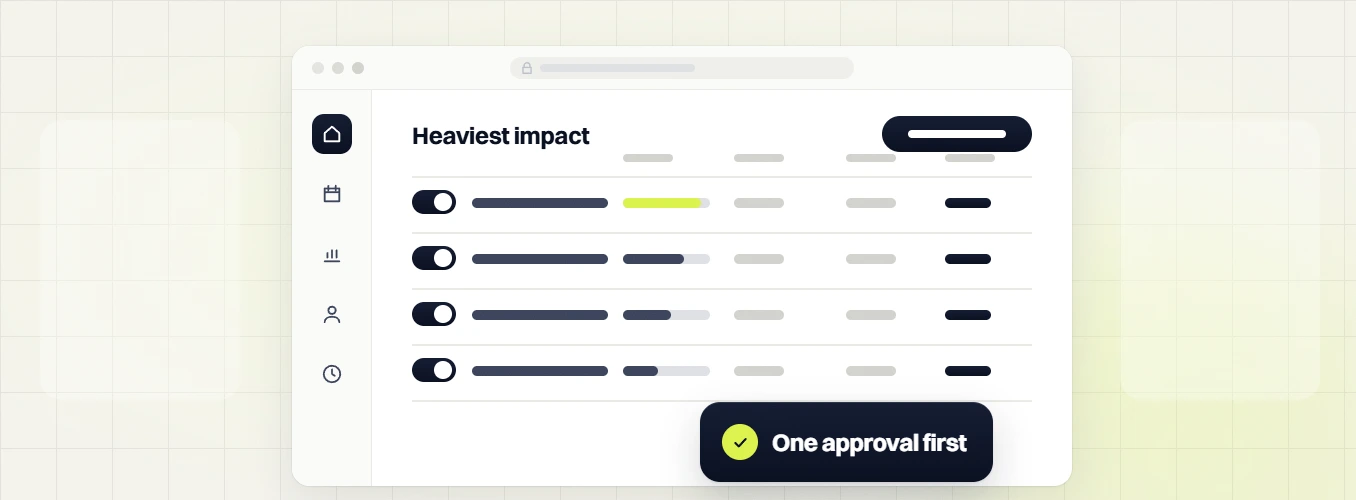
Industrial audit and CRM setup

The first 30 days map your catalog, directories, CRM, and buyer path so every channel we run is tied to a real RFQ or PO signal.
Catalog + PIM audit ThomasNet + GlobalSpec baseline CRM closed-loop setup
Book a 30-Min Audit
INCLUDED IN EVERY BUILD
Catalog and PIM data audit
Every SKU family reviewed for search coverage, missing spec fields, and CAD file access. Feeds a prioritized fix list ranked by RFQ potential per part number.
ThomasNet and GlobalSpec profile review
Full profile audit across ThomasNet, GlobalSpec, MFG.com, and MacRAE'S. Missing certs, expired capabilities, stale photos, and category gaps flagged for the first quarterly sweep.
HubSpot or Salesforce closed-loop setup
RFQ form fields wired to your CRM, deal stages mapped to industrial cycle, marketing source captured on every quote. Reporting view built to show PO revenue by channel.
Named-account ABM list build
Target-account list built with your sales team by SIC code, revenue band, and buying-committee role. LinkedIn Sales Navigator lists exported for engineer, procurement, and plant manager personas.
Cert and compliance visibility check
ISO 9001, AS9100, ITAR, EAR, RoHS, and REACH flags verified on every buyer-facing page and directory profile. Missing badges added to catalog and hero pages first.
Competitor SERP and directory read
Top three competitors read for catalog depth, directory rank, and engineer-content library. Gap map delivered as your first 90-day priority list.
Get a written manufacturing retainer audit by next business day
One senior industrial lead reads your catalog, directories, and CRM before the call.
Request a Free Audit
05 RETAINER TIERS

Four retainer tiers for every stage of growth

Pick the tier that matches your practice stage. Move up or down anytime with 30 days notice. Ad spend billed separately at pass-through, never through us.

FOUNDATION
$499
PER MONTH · SOLO PRACTICES

Solo practices, one growth program, not five vendors.

THE FOUNDATION:
2 blog posts per month
Monthly on-page SEO patches
Google Business Profile mgmt
Automated SMS review requests
Monthly performance report
One dedicated account lead
6-mo term, ad pass-through
Start with Foundation
MOST PRACTICES
GROWTH
$999
PER MONTH · GROWING PRACTICES

Solo or two-provider, adding paid + monthly recall on Foundation.

EVERYTHING IN FOUNDATION, PLUS:
Google Ads to $3k/mo
Landing CRO tests, monthly
Citations + link building
Reactivation email, monthly
Review response management
Monthly 45-min strategy call
Start with Growth
SCALE
$1,999
PER MONTH · HIGH-TICKET + COSMETIC

Two to four providers, high-ticket cases. Adds Meta + nurture.

EVERYTHING IN GROWTH, PLUS:
Meta Ads to $2k monthly spend
Landing A/B tests, bi-weekly
4 blogs + 1 svc page/mo
Customer nurture sequences
Bi-weekly report + call
Landing CRO, bi-weekly
Start with Scale
ENTERPRISE
from $3,500
PER MONTH · DSOs + MULTI-LOCATION

Multi-location or premium groups. Per-location run, rollup reports.

EVERYTHING IN SCALE, PLUS:
Per-location ads + profile
Regional rollup dashboard
Programmatic service-line SEO
Dedicated lead + weekly report
Custom cap, no ceiling
Quarterly executive review
Request a proposal
EVERY TIER: 6-MONTH INITIAL TERM · 30-DAY ROLLING AFTER · YOU OWN AD ACCOUNTS + WEBSITE + GBP FROM DAY 1

Every retainer feature, tier by tier

HOVER ANY FEATURE FOR A PLAIN-ENGLISH EXPLANATION
Content +
FEATURE FOUNDATION GROWTH SCALE ENTERPRISE
Blog posts per month 2246+
Service pages 1/mo2+/mo
Nurture emails MonthlySequencesCustom
SEO +
FEATURE FOUNDATION GROWTH SCALE ENTERPRISE
On-page SEO patches
Google Business Profile mgmt Per location
Citations + link build
Programmatic service-line SEO
Paid media +
FEATURE FOUNDATION GROWTH SCALE ENTERPRISE
Google Ads management Up to $3kUp to $6kUnlimited
Meta Ads management Up to $2kUnlimited
Landing page CRO tests MonthlyBi-weeklyWeekly
Reviews + reputation +
FEATURE FOUNDATION GROWTH SCALE ENTERPRISE
Automated review requests
Review response management
Reporting + strategy +
FEATURE FOUNDATION GROWTH SCALE ENTERPRISE
Reporting cadence MonthlyMonthlyBi-weeklyWeekly
Strategy calls 45 min/mo45 min bi-wkDedicated
Dedicated account lead
INDUSTRIAL RETAINER QUESTIONS

Common manufacturing retainer questions

Straight answers on scope, pricing, reporting, and how the retainer fits an industrial sales cycle.

PREFER TO TALK?
+1 (855) 999 9131
hello@redefineweb.com →

How much does a marketing retainer cost?

+

A monthly retainer at Redefine Web starts at $499/mo Foundation, $999/mo Growth, $1,999/mo Authority, and from $3,500/mo Enterprise. Tier choice depends on how many SKU families you sell, how many named accounts your sales team targets, and whether you run one plant or many. Ad spend is billed separately and paid direct to LinkedIn Campaign Manager, Google Ads, or your industrial directory. Every tier includes catalog SEO, ThomasNet and GlobalSpec management, RFQ reporting inside your CRM, and one senior industrial lead who joins your sales call and reads the RFQ log before every review. Contract length is month-to-month after an initial 90-day discovery and roadmap window, with 30-day notice to cancel. Buyers and procurement teams see PO revenue by source inside HubSpot or Salesforce so the tier you pay for maps to signed PO revenue, not vanity impressions or click volume. Foundation is intended for shops under $5M revenue with a tight SKU list; Growth for multi-plant OEMs pushing new categories; Authority for named-account ABM at scale; Enterprise for export markets and distributor networks. Every tier lands the same weekly Slack updates and quarterly scale review with the industrial marketing retainer lead.

How much should a manufacturing company spend on marketing?

+

Most manufacturers land between 2% and 5% of annual revenue on marketing, with growth-stage OEMs closer to 5% and mature contract shops around 2%. Retainer scope drives the split: catalog SEO, ThomasNet or GlobalSpec management, and RFQ tracking sit in the base retainer, with ad spend for LinkedIn ABM and Google Ads on part-number queries is billed separately. A Foundation tier at $499/mo suits shops under $5M revenue with a tight SKU list; Growth at $999/mo covers multi-plant OEMs pushing new categories; Authority at $1,999/mo runs full ABM with named-account lists; Enterprise from $3,500/mo scales export markets and distributor networks. Engineers, procurement teams, and plant managers each need separate creative, and multi-persona ABM lifts the ceiling. If your last industrial marketing retainer produced RFQs but no signed POs, cost per RFQ, not spend share, is the number to fix first. Every tier reports PO revenue by source, not just RFQ count, so procurement teams and CFOs see marketing spend tied to signed revenue over a trailing 6, 12, and 18 month window. That reporting cadence keeps the 2%-5% share defensible at the next quarterly board review.

What does retainer mean in business?

+

A retainer means you pay a fixed monthly fee for a named scope of ongoing work, delivered by the same team every month. In an industrial retainer scope, that covers catalog SEO on SKU-family and part-number pages, ThomasNet, GlobalSpec, and MFG.com profile management, LinkedIn ABM for engineers and procurement teams, engineer-first content publishing, RFQ nurture inside your CRM, and monthly PO revenue reporting. The retainer trades project unpredictability for compounding output: catalog rankings, directory authority, and named-account pipeline all build month over month. Buyers get a senior industrial lead who owns every channel, joins the sales meeting, and reads the RFQ log before reporting. Contracts run month-to-month after a 90-day discovery and roadmap window, with 30-day notice to cancel. You keep every asset built inside the retainer: catalog schema, ABM lists, engineer content library, and CRM reporting views. Nothing gets held hostage. The scope on this manufacturing marketing retainer is written by named deliverable, not by vague retainer hours, so procurement teams see exactly which SKU families, directories, and named accounts land which hours each month before the check clears.

What is B2B in manufacturing?

+

B2B in manufacturing means you sell parts, assemblies, or capacity to other businesses, not to consumers. Buyers are OEM design engineers specifying components, procurement teams issuing quote requests, and plant managers approving capital purchases. The sales cycle runs 6 to 18 months from first RFQ to signed PO, and revenue lives in repeat orders, multi-SKU wins, and long-term OEM contracts. A B2B manufacturing retainer wires catalog SEO, ThomasNet and GlobalSpec presence, LinkedIn ABM, and engineer content around that cycle, then reports PO revenue by source inside HubSpot or Salesforce. Certifications matter more than in B2C: ISO 9001, AS9100, ITAR, and RoHS badges from ISO and material specs from ASTM filter you into or out of shortlists before the first engineer call. The retainer keeps every buyer touchpoint aligned with those signals. Every industrial marketing retainer deliverable, from part-number pages to LinkedIn creative, gets published with those buyer signals in mind. Engineers, procurement teams, and plant managers see consistent capability, cert, and material data across catalog, directory, ABM, and engineer-content touchpoints.

How to create a monthly marketing plan?

+

A monthly manufacturing marketing plan starts with the pipeline, not the tactic. Pull last month RFQs by source, signed POs by channel, and named-account engagement from your CRM. Rank the top five SKU families by PO revenue, then decide which get catalog SEO refreshes, LinkedIn ABM waves, engineer content, and directory profile updates. Set one KPI per channel: RFQ count for catalog SEO, meetings booked for LinkedIn ABM, category rank for ThomasNet, sample requests for engineer content. Assign one owner per KPI, set weekly check-ins, and log every test in a shared library. Report monthly with PO revenue by source over trailing 6, 12, and 18 months so the industrial sales cycle noise does not hide the pipeline funding the year. Buyers and procurement teams should see the same dashboard sales sees. A manufacturing marketing retainer runs this cadence for you every month, without the plan slipping when a plant crisis pulls your VP away.

How long before an industrial marketing retainer produces RFQs?

+

Fresh RFQs from part-number SEO usually show in months 3 to 5, when part-number pages and SKU-family hubs finish indexing and directory profiles finish their first refresh. LinkedIn ABM produces first meetings in weeks 4 to 8, first RFQs in months 2 to 4. Google Ads on high-intent part-number queries fires faster, often first RFQs in weeks 2 to 3. Signed POs from those RFQs then follow the 6 to 18 month industrial sales cycle. Foundation tier at $499/mo runs on organic catalog SEO and directory scope only, so the RFQ curve starts slower but compounds harder. Growth tier layers LinkedIn ABM and Google Ads on top, pulling first RFQs into weeks 3 to 6. Monthly reports track RFQ count by source, sample requests, and PO revenue by trailing window so engineers and buyers see where the pipeline is thick and where it is thin. Cadence stays the same across every tier: weekly Slack updates, monthly PO-revenue reports, quarterly scale reviews with your industrial marketing retainer lead in the room. Buyers, engineers, and procurement teams see the same numbers on the same day every month.

What is the contract length and how do I cancel the retainer?

+

Every manufacturing marketing retainer opens with a 90-day discovery, roadmap, and initial-execution window. After day 90, the retainer runs month-to-month with 30-day written notice to cancel. There is no auto-renewing annual lock-in. If you cancel, you keep every asset built inside the retainer: catalog page schema, downloadable CAD library structure, ABM named-account lists, engineer-content library, RFQ nurture sequences inside HubSpot or Salesforce, and every reporting view. Access to LinkedIn Campaign Manager, Google Ads, and ThomasNet or GlobalSpec dashboards stays under your billing the entire time. Nothing gets held behind an agency login. Cancellation triggers a 30-day handoff window where your senior industrial lead documents every open workflow, exports every asset library, and briefs your in-house team or your next partner. Buyers, engineers, and procurement teams see continuity even if the retainer moves. Handoff after cancellation runs inside the 30-day notice window: your senior industrial lead documents every open workflow, briefs your in-house team or your next partner, and exports asset libraries. Buyers, engineers, and procurement teams see continuity across catalog, ABM, and RFQ workflows.

What KPIs does the manufacturing marketing retainer report every month?

+

Monthly reports open with PO revenue by source over trailing 6, 12, and 18 months so the industrial sales cycle noise does not hide the pipeline funding the year. Next comes RFQ count by SKU family, sample requests, CAD downloads, and named-account engagement from LinkedIn ABM. Directory category rank on ThomasNet, GlobalSpec, and MFG.com follows, tracked against the top three category competitors. Catalog SEO reports show impressions, clicks, and part-number query rank pulled from Google Search Console. LinkedIn ABM reports show accounts engaged, meetings booked, and RFQs opened by the ABM list versus the broader retainer. Google Ads reports show cost per RFQ, not cost per click. Click cost is a poor proxy for signed PO revenue. Buyers, engineers, and procurement teams see the same dashboard sales sees. Every number ties back to a channel spend line, so retainer ROI is visible every month, not implied. Every KPI ties back to a channel spend line so retainer ROI is visible every month, not implied. Weekly Slack updates flag anything drifting before the monthly report reaches your CFO, so procurement teams never learn about a slippage from a spreadsheet after the fact.

Who owns the catalog SEO, ABM lists, and CRM setup if we cancel?

+

You own every asset built inside the manufacturing marketing retainer. Catalog page schema, SKU-family hub structure, CAD library gating, PIM sync mappings, and part-number keyword clusters stay in your CMS and PIM. LinkedIn ABM named-account lists, LinkedIn Sales Navigator saved searches, and Campaign Manager campaigns stay under your billing account. Google Ads campaigns, ad copy libraries, and RFQ conversion setups stay in your Google Ads account. HubSpot or Salesforce workflows, deal-stage mappings, marketing source fields, and reporting views built during closed-loop setup stay inside your CRM. ThomasNet, GlobalSpec, MFG.com, and MacRAE profile logins and content stay with your team. Engineer-content library, application notes, material guides, and spec-sheet deep dives stay on your CMS with source files handed over. Nothing lives inside an agency-only tool. If you cancel, the 30-day handoff window includes a documented asset inventory, workflow map, and briefing session for your next team. Every asset ownership handoff is documented as part of the 30-day cancellation window, so procurement teams see exactly what returns to your team the day the retainer ends.

Do you handle ThomasNet, GlobalSpec, and industrial directory profiles?

+

Yes. Every retainer tier includes monthly ThomasNet, GlobalSpec, MFG.com, and MacRAE profile management. Scope covers new capability writeups, updated cert badges pulled from ISO registrations, refreshed product photos, category expansion, and sponsored placement management for tiers that fund it. Directory category rank is tracked weekly against the top three category competitors and reported monthly so buyers and procurement teams see where you gained ground and where a profile refresh is due. Missing ISO 9001, AS9100, ITAR, or RoHS flags drop you off filtered searches, so cert visibility gets checked every quarter alongside ASTM material-spec accuracy on every listing. Slippage triggers a same-week profile refresh; category leadership triggers a capability-expansion push. Foundation tier at $499/mo covers baseline profile hygiene; Growth and up add sponsored placement management and category expansion campaigns. Every tier ships weekly ranking snapshots and monthly written recap so buyers, engineers, and procurement teams see directory momentum without waiting for a quarterly review. New certifications, new SKU categories, and new plant capabilities land inside every profile the same week they clear your quality team.

What ad spend do I need to make the retainer work?

+

For Growth tier at $999/mo and up, plan on $1,500 to $3,500/mo in ad spend split across LinkedIn ABM and Google Ads on high-intent part-number and application queries. Authority tier accounts often push $5,000 to $10,000/mo when named-account lists expand or new SKU categories launch. Foundation tier at $499/mo runs on organic catalog SEO and directory scope only, with no paid media required. Enterprise from $3,500/mo scales spend to match export markets and distributor networks. Ad spend is billed direct to LinkedIn Campaign Manager and Google Ads, not through the retainer, so you see every impression, click, and RFQ inside your own platform account. Cost per RFQ, not cost per click, is the reporting metric. Engineers and procurement teams do not respond to display retargeting the way ecommerce buyers do, so the mix skews toward LinkedIn Sponsored Content, InMail sequences, and Google Ads on part-number queries. Engineers and procurement teams read part-number pages and cert badges before hero copy, so ad copy stays factual and spec-first. Every ad variant gets logged in the shared test library so winners scale across similar SKU families and account lists inside the manufacturer monthly marketing plans cadence.

What CRM and ERP systems does the retainer integrate with?

+

CRM: HubSpot and Salesforce are core. Marketing automation runs inside HubSpot Marketing Hub, Marketo, or Pardot when your stack already uses them. ERP: SAP, NetSuite, Epicor, Infor, Sage, and IQMS for PO revenue feeds when closed-loop reporting requires ERP-side data. Directory: ThomasNet, GlobalSpec, MFG.com, and MacRAE dashboards. Ads: LinkedIn Campaign Manager, LinkedIn Sales Navigator, Google Ads, and Google Merchant when catalog data flows to Shopping. Analytics: Google Search Console and GA4. PIM: Salsify, Akeneo, and inRiver for catalog data sync. Closed-loop reporting depends on your CRM firing marketing source back on every quote, sample, and signed PO. That wiring gets set up in the Discovery week during onboarding so month 2 reports already show PO revenue by channel. Buyers, engineers, and procurement teams see the same source-of-truth dashboard sales sees. Every integration gets set up during Discovery so month 2 reports already show PO revenue by channel across your industrial marketing retainer scope. If your team runs custom ERP tables or a homegrown PIM, the wiring plan gets added to the audit deck for sign-off before the roadmap opens.

FREE — 30 MINUTES — NO PITCH

Book a free growth audit.

Walk away with three fixes you can ship the same week — whether or not you hire us.

24-HOUR RESPONSE 300+ AUDITS RUN ZERO OBLIGATION