Med Spa Web Design Services That Book More Consults
Med spa web design that turns Botox, filler, and CoolSculpting searchers into booked consults. Boulevard, Zenoti, or Vagaro wired into the header. One page per treatment with real before-and-after photos. Injector bios that build patient trust. Launch in 30 days at 98 PageSpeed on mobile.
Three ways med spa sites lose bookings before consults start
Boulevard and Zenoti iframes break the mobile booking flow on iPhone
Boulevard, Zenoti, and Aesthetic Record iframes resize badly on iPhone Safari. Around 38 percent of mobile consult attempts die at the date picker or credit-card capture. Patients who wanted a Botox consult tap away and never come back. Native front-end booking that calls the platform API in the background fixes the drop.
Before-and-after galleries without consent chain trip Meta ad review
Around 73 percent of med spa sites we audit have no consent chain on the before-and-after gallery. Meta flags the ad account for 5 to 14 days on aesthetics photo audits, and the paid channel goes dark right when consult volume needs it. Every gallery image must link to a stored signed release inside the CMS.
Hero video and gallery weight push LCP past 4 seconds on mobile
Hero video plus a heavy before-and-after grid pushes mobile LCP to 4.1 seconds on real devices. Google demotes the site in the local pack and consult volume drops 22 to 40 percent year over year. Compressed WebP, edge CDN, and LCP under 1.8s at launch keep the map-pack rank alive.
Three outcomes every med spa website build delivers
A booking-first layout, consult-fee UX, and a short path from search result to booked slot move the number that puts revenue on the board inside 60 days.
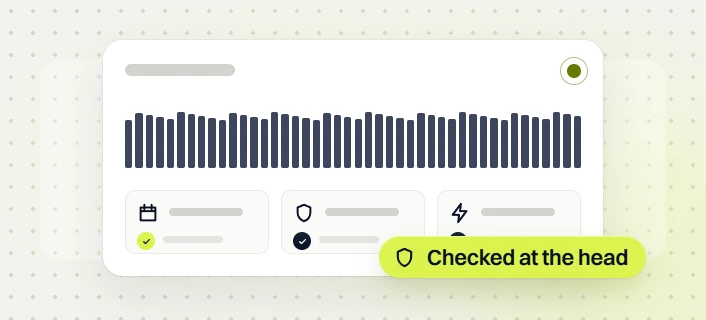
LocalBusiness plus MedicalProcedure schema on treatment pages, Physician schema on injector bios, and intent-first URL slugs go live on day one, not day 180.
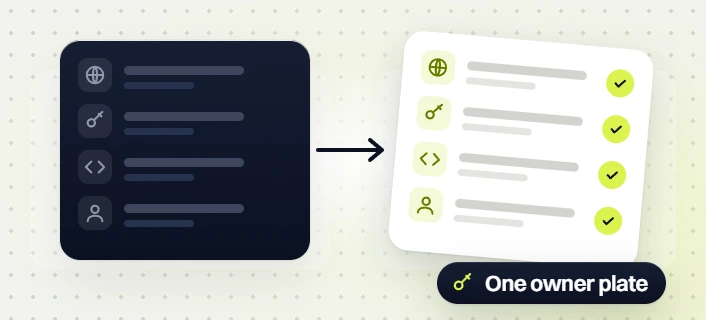
Domain, CMS logins, Boulevard, Zenoti, Vagaro, Search Console, GA4, Meta Business, and Google Business Profile all stay in your name. No vendor lock.
Four stages. Every step ends in a sign-off
Fixed scope, written sign-offs, dates on the calendar. Nothing moves to the next stage until the deliverable is approved by your medical director. Your calendar does not slip.
Discovery that earns the brief
A 20 to 30 page brief signed off by owner, medical director, and marketing lead. Owner interviews, technical audit of your current site plus Boulevard or Zenoti plus analytics plus Meta ad accounts, competitor benchmark of 5 med spa peers, and booking data mapping. Nothing moves until it is locked.
Design built for your med spa patient, not a portfolio reel
Mobile-first design system with aesthetics conversion patterns baked in from wireframe stage. Every component engineer-validated the same week it is drawn. You walk away with an editable Figma file your team owns, not a slide deck you cannot edit.
Engineering that survives your next Boulevard upgrade
WordPress with custom PHP or Next.js by default. LiteSpeed and edge CDN, Core Web Vitals treated as an acceptance criterion, WCAG 2.1 AA verified before launch. Boulevard, Zenoti, Vagaro, or Aesthetic Record wired behind documented abstraction layers. GA4, Meta CAPI, and Google Ads pixels wire with server-side backup.
Launch, then daily monitoring live from day one
Production DNS cutover runs off-hours with the whole team on a bridge. Search Console, error logs, Boulevard bookings, and Core Web Vitals watched daily for 30 days post-launch. On day 31 you take the keys and go, or roll into a care plan at $199 to $499 per month.
What you actually get from our medical spa website design
Five workstreams, every item listed. Nothing lives in a proposal appendix or a phase-two column.
Design that fits how med spa patients pick a provider
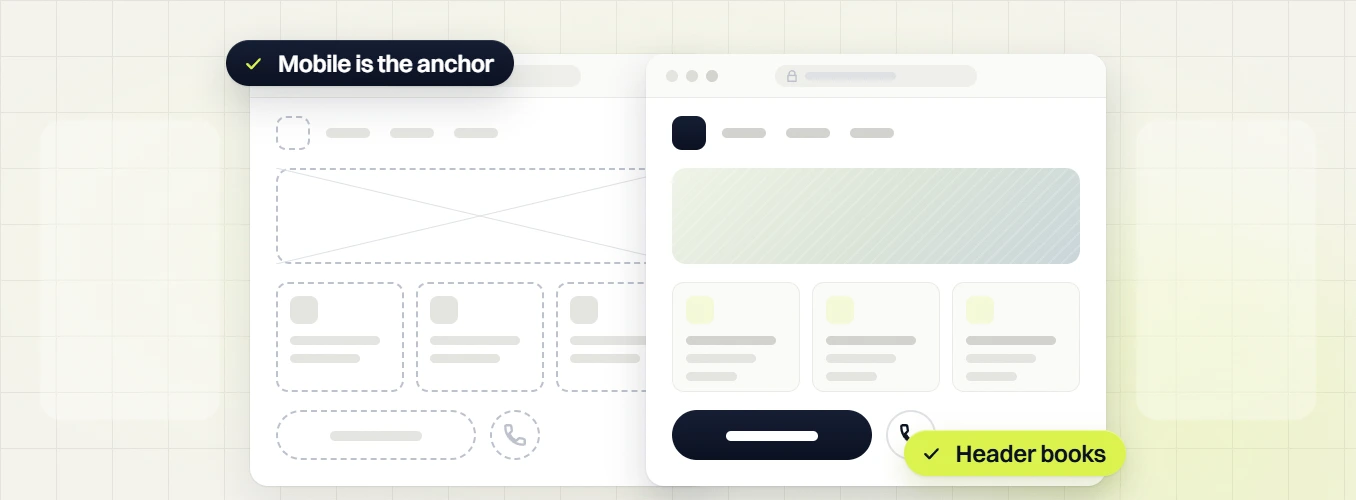
Every med spa site opens on a mobile screen with a patient comparing three injectors on Instagram and Google. Design starts at 375px, not at a desktop grid. Conversion patterns get built into wireframes, not bolted on at the end. You get a Figma file your team owns from day one and a component library any future developer can pick up without a rewrite.
built at 375px, then scaled up. Not the reverse. Every layout survives a thumb-only consult flow on iOS Safari.
buttons, forms, cards, sticky booking bar, treatment pages, injector bio templates. Yours after handoff.
booking-first hero, one-thumb consult intake, transparent treatment pricing above the fold, sticky click-to-book in the header.
your injectors, treatment rooms, before-and-after photography. Stock aesthetics photos flag Google duplicate filter and read as inauthentic.
WCAG 2.1 AA colors, focus states, and keyboard flow validated at design, not caught at QA.
every field a marketing lead or injector will edit lives in the Figma file, not in a Google Doc appendix.
WordPress or Next.js built to survive Boulevard upgrades
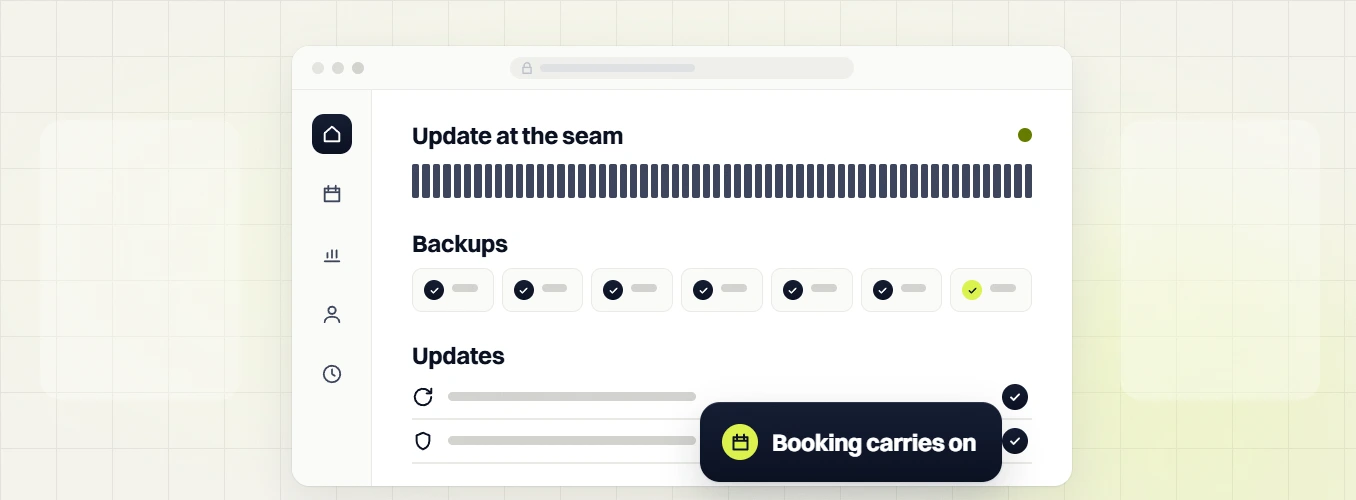
Med spa sites live inside a stack that changes every 6 months. Boulevard pushes API updates, Zenoti rewrites its widget, LiteSpeed rolls a cache change. We pick technology and patterns that absorb those upgrades without breaking the consult booking flow. Core Web Vitals green, WCAG 2.1 AA verified, LCP under 1.8s on a real Pixel over LTE.
the theme is written for your med spa, not stitched from a page builder that drops 40 plugins.
multi-location aesthetics groups, headless CMS setups, and marketing sites needing edge rendering.
LCP under 1.8s, CLS under 0.05, INP under 200ms on the acceptance test. Not a hope.
intake and consult forms route through servers we manage; email sends via Paubox, LuxSci, or MailHippo. Signed BAA on request.
native booking UI that calls the platform API in the background so mobile does not crash on iframe.
wired without duplicated events, with server-side capture where the pixel breaks first.
A consult booking flow that fits on one thumb
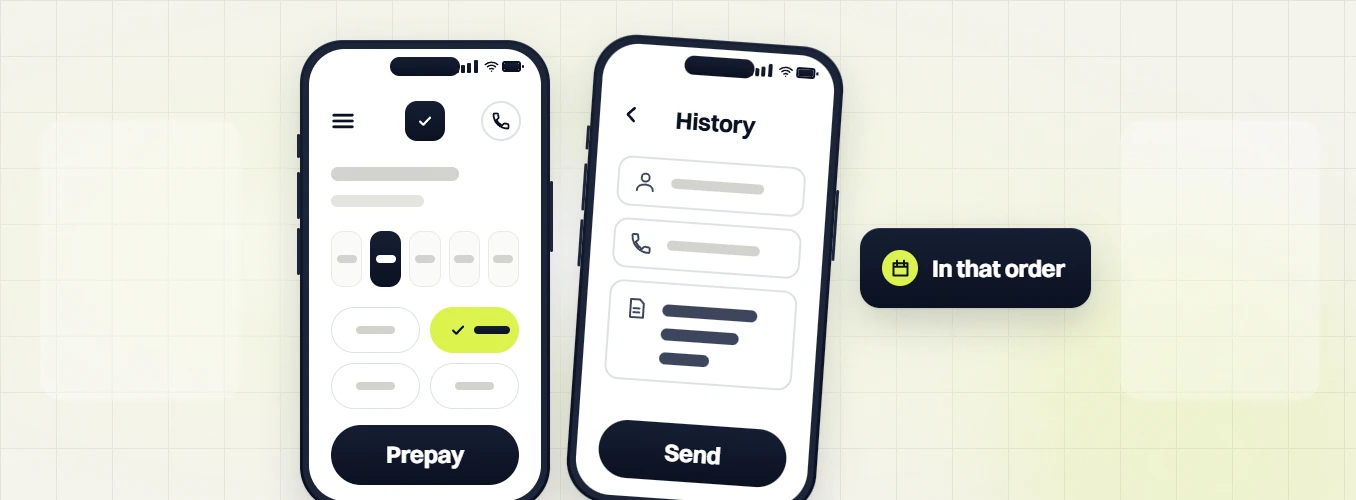
The consult booking flow is the reason the site exists. Everything else supports it. We build a native front-end UI that calls Boulevard, Zenoti, Vagaro, or Aesthetic Record in the background, avoiding the mobile iframe crash that drops around half of stock widget bookings. Consult intake splits into two steps: book first, medical history after. Consult-fee prepayment locks in high-intent patients and cuts no-shows 30 to 45 percent.
calls Boulevard, Zenoti, or Aesthetic Record in the background so no iframe, no crash, no lost sessions on iOS Safari.
book the consult first, medical history after. Cuts intake abandonment in half in most builds.
Botox per unit, filler per syringe, CoolSculpting packages. Around 61 percent of patients bounce when pricing is gated.
one-click dial from every scroll position. Older aesthetics patients still call before they book online.
injector, credentials, treatment specialty surface first paint. Repeats in the sticky footer.
one treatment, one CTA per paid campaign. 4.1x consult rate over homepage traffic on paid clicks.
Every treatment page ready to rank at launch
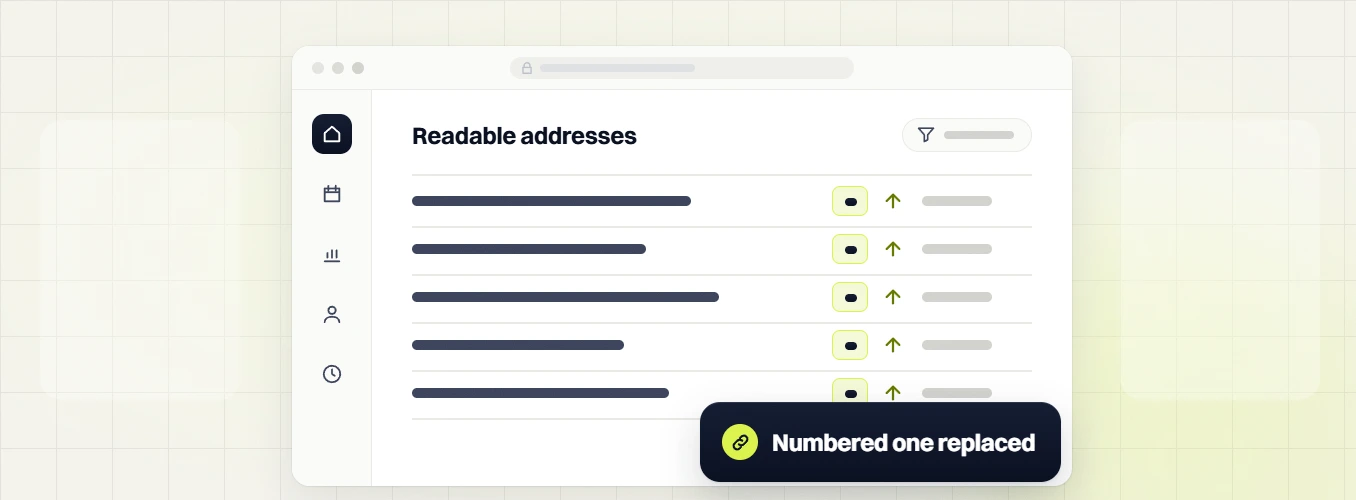
Med spa sites lose 6 months of ranking when SEO is bolted on after launch. We build search intent into the URL slugs, put LocalBusiness plus MedicalProcedure schema on treatment pages, and write a page per treatment (Botox, filler, CoolSculpting, HydraFacial, laser hair removal, chemical peel) at launch. Injector bios run 600+ words with credentials, board certifications, and technique training so E-E-A-T scores start earning trust from day one.
Botox, dermal filler, CoolSculpting, HydraFacial, laser hair removal, chemical peel, microneedling, Sculptra. 1,500+ words each.
validated with Google Rich Results Test on every page before publish. Author schema on injector bios.
credentials, board certifications, technique training, review date. YMYL E-E-A-T floor covered.
Google reviews structured for map-pack stars and answer-box eligibility on "Botox near me" queries.
/botox-nyc/ not /treatments/treatment-3/. Ranks on the query, not a category ID.
primary specialty category (med spa), 3 secondaries, treatment list, and Q&A seeded from front-desk logs.
A launch that does not vanish rankings
The DNS cutover is where most med spa site rebuilds lose organic traffic. We map every ranking URL from the old site, stage the redirects, run a pre-launch crawl comparison, and flip DNS on a Tuesday morning so Search Console has the full week to reindex. Post-launch monitoring runs daily for 14 days: 404s, impression drops, Boulevard bookings, and Core Web Vitals field data all watched.
every URL, every ranking, every internal link inventoried before a single redirect is written.
old-to-new mapping approved by your team before staging goes to production. No orphaned redirects.
crawler runs against staging with the old sitemap to catch every miss before DNS.
not Friday, not Monday. Tuesday gives Search Console the week to reindex before weekend traffic.
404s, impression drops, Boulevard bookings, and CWV field data monitored for 14 days post-launch.
you take the keys on day 31 or roll into a care plan at $199 to $499 per month.
Four web design tiers for every stage of growth
Every line item listed. The quote you get is the invoice you pay. Take any tier as a project fee, or split it into the flat monthly plan.
Fast, credible site converting existing reputation.
Full booking engine: scheduling, checkout, customer reporting.
One brand, every office found, location-level tracking.
Design system the whole group launches on. Ops-team-spec integrations.
Every web design feature, tier by tier
HOVER ANY FEATURE FOR A PLAIN-ENGLISH EXPLANATIONWebsite + design +
Booking + patients +
SEO + visibility +
Care + support +
Real med spas, real numbers
Common med spa web design questions
Straight answers on cost, timeline, Boulevard integration, HIPAA, and what actually gets built. If your question is not here, book the audit call.
How much does med spa web design cost?
+
Med spa web design at Redefine Web runs $1,500 to $25,000+ per project as a one-time fixed fee. Launch is $1,500 for a solo injector or single-location med spa with 5 to 8 pages, Boulevard or Vagaro booking integration, and one page per core treatment. Growth is $3,500 for med spas adding 5 to 10 treatment pages plus injector bios and a consent-tracked before-and-after gallery. Scale is $7,500 for multi-location aesthetics groups with per-location scheduling, per-location Google Business Profile schema, and per-location review widgets. Enterprise starts at $25,000 for franchise systems and DSO-style aesthetics operators. Every tier is fixed-price, quoted after a 30-minute discovery call, and paid in two milestones (50 percent at kickoff, 50 percent at launch). Change requests inside scope stay inside the flat fee. Anything net-new goes on a written scope amendment before work starts. Ongoing care plans run $199 to $499 per month and are billed separately. See AmSpa on med spa website compliance for the regulatory baseline every quoted price covers.
How long does it take to design and launch a med spa website?
+
Launch tier med spa sites go live in 30 days. Growth tier projects go live in 6 to 8 weeks. Scale tier builds go live in 8 to 12 weeks. Enterprise builds run 12 to 20 weeks depending on integration count and per-location page volume. Week 1 covers kickoff, brand review, sitemap approval, and treatment-page mapping (Botox, filler, CoolSculpting, HydraFacial, chemical peel). Weeks 2 to 3 cover wireframes at 375px mobile and desktop, plus content audit against the old site. Weeks 4 to 5 cover design in Figma with two rounds of feedback from the owner and medical director. Weeks 6 to 7 cover the WordPress build with Boulevard, Zenoti, or Vagaro booking integration wired against documented abstraction layers. Week 8 covers content load, gallery build with consent linking, WCAG 2.1 AA audit, PageSpeed pass at 98+ mobile, staging QA on real iPhones and Pixels, and off-hours DNS cutover with the team on a bridge. Slow content delivery from the practice is the top delay cause on every med spa website project.
Does a med spa website need to be HIPAA compliant?
+
Yes. Med spas fall under HIPAA as healthcare providers because injectors document patient consultations, treatment history, and medical intake. Any contact form, consult request, or intake form that collects health information routes through servers under a signed BAA with encrypted-at-rest storage. Email confirmations send via HIPAA-compliant SMTP (Postmark HIPAA, Paubox, Hushmail). Tracking pixels and ad platform conversions exclude PHI fields, and consent for pixel firing gets logged separately. Every before-and-after image on the gallery links to a stored signed photo release, which is separately required by Meta ad policy for aesthetics advertising. A signed BAA is available on Growth tier and above. A med spa website that skips these controls exposes the practice to civil penalties and Meta ad account suspension for 5 to 14 days on the first audit failure. Regular staff training on release capture, PHI-free lead forms, and pixel scope reviews rounds out the compliance program. Cross-reference the FDA cosmetics guidance for the regulated-device claims (Botox, CoolSculpting, laser) that also touch treatment-page copy compliance.
Does the site integrate with Boulevard, Zenoti, Vagaro, or Aesthetic Record?
+
Yes. Standard integrations at Redefine Web include Boulevard, Zenoti, Vagaro, Aesthetic Record, Mindbody, Symplast, PatientNow, Nextech, and Mangomint. Launch tier ships with 1 embedded booking widget for new consult booking. Growth adds 2-way sync with the booking platform plus HIPAA-aware form routing. Scale adds custom API endpoints, per-location scheduler routing, and consult-fee qualification pre-fill. A patient booking through the site lands directly on the injector calendar in Boulevard or Zenoti, and staff does not re-enter data. Consult-fee prepayment at booking drops no-show rates 30 to 45 percent versus free-consult models. The build also includes fallback flows for when the booking API is down: patients see a scheduled callback form and staff sees a queue in WordPress admin. Every integration ships with documentation your future developer can pick up without a call to us. Cherry, CareCredit, and Alle Rewards plug in as parallel payment and loyalty options for patients who prefer installment plans or manufacturer point-earning at checkout.
How do you handle before-and-after gallery photos and patient consent?
+
Every before-and-after image on a Redefine Web med spa site links to a stored consent record inside the CMS: patient name, treatment, date, signed release, marketing use grant. Staff upload a photo, tag it to the consent record, and the gallery renders it with the signed release available for audit in one click. Meta ad review requires this chain of custody for aesthetics advertising, and 73 percent of med spa sites we audit fail the audit because the gallery is a dumb image folder with no consent tracking. The workflow is built into the WordPress admin so staff never hunts for a signed release when Meta requests it. Consent tracking also gates the front-end display: if a release lapses or a patient withdraws consent, the image auto-hides in less than five minutes. Consent forms follow the templates published by dermatologic surgery associations so language holds up under both HIPAA and ad-platform review. Bulk import of an existing signed-release library into the new gallery is standard scope on Growth tier and above.
Should treatment pricing be shown on the med spa website?
+
Yes. Around 61 percent of med spa patients bounce when pricing is gated behind a form or a phone call. Every treatment page on a Redefine Web med spa site ships with a pricing block: ranges by unit (Botox per unit, filler per syringe), package pricing (3-treatment CoolSculpting course), and membership discount side by side. Transparent pricing wins the click on “how much does Botox cost near me” and “CoolSculpting cost” searches, which drive the majority of high-intent local traffic. Ranges beat exact prices because pricing legitimately varies by area, product tier, and injector seniority. Patients booking after seeing pricing convert at nearly 3x the rate of blind bookings and cancel 40 percent less because expectations match reality. Pricing blocks are editable from WordPress admin so front-desk staff can adjust ranges seasonally without emailing the agency. Every price on the page also feeds structured data (Offer schema) so Google can surface pricing in the SERP and rich results. Financing partners like Cherry and CareCredit render alongside cash prices for patients on installment plans.
What booking conversion rate should a new med spa website deliver?
+
Med spa sites from Redefine Web averages 6.1 percent booking conversion at launch, meaning 6.1 booked consults per 100 qualified visitors. Aesthetics sites without conversion-focused design typically run 1.8 to 3.0 percent. What drives the number up: real before-and-after photography on every treatment page (not stock), injector headshots with credentials and board certifications, booking widget above the fold, embedded Instagram feed showing recent work, Google review widget, same-week appointment availability, and consult-fee prepayment for high-intent lock-in. What kills conversion: stock photos, buried booking widgets, slow mobile load, no injector information, and free-consult offers that produce no-shows. Core Web Vitals also drive it: a site passing green (LCP under 1.8s on real mobile) converts 22 to 40 percent higher than one failing. Post-launch A/B tests on the booking widget copy, consult-fee amount, and hero photo typically add another 15 to 25 percent inside 90 days. See the Core Web Vitals reference for the thresholds every build clears at launch.
Can you migrate an existing med spa site without losing SEO rankings?
+
Yes. Med spa redesigns and migrations make up about 55 percent of the agency work at Redefine Web. The standard migration protocol preserves organic rankings through URL mapping, 301 redirects, canonical management, and pre-launch crawl comparison. Step 1: full crawl of the existing med spa site to inventory every ranking URL and its target keyword. Step 2: build the URL redirect map with exact-path plus wildcard-path pairs. Step 3: preserve H1s, title tags, and meta descriptions on high-ranking treatment pages verbatim so ranking signals do not reset. Step 4: pre-launch staging crawl comparison against the live site to catch any missed redirect. Step 5: 90 days of post-launch monitoring with weekly ranking reports and daily 404 checks. Typical result is zero organic traffic loss in the migration window, and many med spas see a 15 to 35 percent traffic gain within 90 days because the new site loads faster, passes Core Web Vitals green, and ships schema the old site was missing. Booking conversion usually climbs another 20 to 40 percent from the design and speed gains alone.
Do you build membership signup and recurring billing into the site?
+
Yes. Med spa membership programs (Alle Rewards, Aspire Galderma, in-house monthly injectable plans) convert 3x higher than one-time consult bookings and drop patient acquisition cost 40 to 60 percent over 12 months. Every Growth tier and above ships with a native membership signup flow: patient picks a tier, pays via 2-step Stripe or the Boulevard membership module, and lands on the injector calendar in one session. Recurring billing runs through Stripe Subscriptions or the booking platform built-in membership engine with dunning management, card-updater support, and failed-payment retry. Membership signup analytics feed directly into the practice CRM so injectors see lifetime value per member, churn rate, and upgrade triggers. Automated retention emails go out at day 30, day 90, and day 300 to catch churn signals early. Cherry and CareCredit financing plug in as parallel payment options for patients who prefer installment plans over monthly membership. Member-only pricing renders inline on treatment pages once a patient signs in, which lifts repeat visit rate 25 to 40 percent.
Does the med spa website support multi-location or franchise groups?
+
Yes. Multi-location work is standard scope on Scale tier and up. Enterprise-tier medical spa website design at Redefine Web includes per-location URL architecture, per-location landing pages, per-location Google Business Profile schema, per-location analytics, and unified brand across every location. City-level and neighborhood-level pages route a Beverly Hills patient search to Beverly Hills, not Santa Monica. Per-location scheduler routing sends bookings to the correct injector calendar in Boulevard or Zenoti. Per-location review widgets pull Google reviews per location. Franchise and DSO-style aesthetics groups typically run on Enterprise tier with custom middleware, single sign-on for franchisee staff editors, and per-state medical spa board compliance reviews. Content editors at each location can update injector bios, pricing, and treatment menus without touching pages managed by corporate. Central marketing keeps brand guardrails via SCF field validation and role-based publish gates. Rollout runs one location at a time on Scale tier or in parallel waves of three on Enterprise, with a corporate template used to seed each new location page.
How to create a med spa website?
+
Creating a med spa website that actually books consults follows a specific playbook. Start with the treatment map: list every service (Botox, filler, CoolSculpting, HydraFacial, laser hair removal, chemical peels, microneedling) and assign one page per treatment. Next lock the tech stack. WordPress with a custom theme or Next.js gives you the control needed for HIPAA-safe forms, Boulevard or Zenoti booking, and Core Web Vitals green. Then design mobile-first at 375px because 78 percent of med spa searches happen on a phone. Add injector bios with board certifications, headshots, and technique training so E-E-A-T signals earn Google trust from day one. Build the before-and-after gallery with a consent tracker that ties every image to a signed release. Wire booking directly to your platform API rather than embedding the stock iframe widget so the mobile UX does not crash on iPhone Safari. Launch with LocalBusiness and MedicalProcedure schema on every treatment page. Redefine Web builds all of the above end to end in 30 to 60 days depending on tier.
What is the best software for med spa?
+
The best software for a med spa depends on scale and specialty mix. Boulevard leads for single-location injector-first practices because of its native consult-fee prepayment, mobile-first booking UI, and clean API for site integration. Zenoti wins for multi-location aesthetics groups thanks to per-location scheduling and franchise features. Aesthetic Record fits practices heavy on charting and photo consent tracking, with built-in before-and-after workflow. Vagaro suits budget-conscious solo injectors adding light aesthetics to a wellness offering. Mindbody remains the default for spa-plus-med hybrids that still run massage and facials alongside injectables. On the marketing side, Alle Rewards and Aspire Galderma sit inside the Allergan and Galderma manufacturer ecosystems so patients earn points on injectables. On the payments side, Cherry and CareCredit cover installment financing. Every med spa site build at Redefine Web integrates with the platform you choose, using documented abstraction layers so future platform swaps do not force a full site rebuild. Migration playbooks exist for the top 6 platforms.