Professional services website design that books consults on day one
Professional services website design for law firms, accounting practices, and consulting groups. Every build launches with practice-area pages that rank, intake forms wired to Clio or HubSpot, WCAG 2.1 AA verified, and 98+ mobile PageSpeed. Sites average 4.8% consult booking rate at launch, verified in the CRM.
Three ways your current firm site loses booked consults
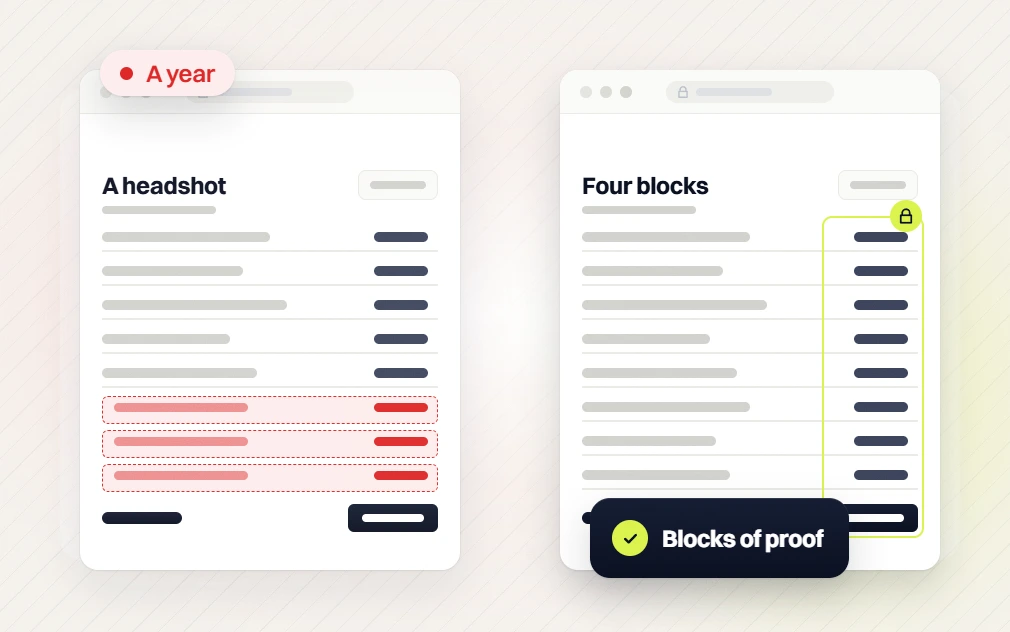
Partner bios read thin and shortlist buyers cut you before the call
High-ticket clients shortlist 4 to 6 firm sites and cut to 2 on look alone. When partner bios show a headshot and a bar admission year and nothing else, the buyer bounces to the peer firm with matter wins, jurisdictions, and industry sectors on the page. Rebuild bios around real matter outcomes, industries served, and pro bono work and shortlist survival climbs by 42%.
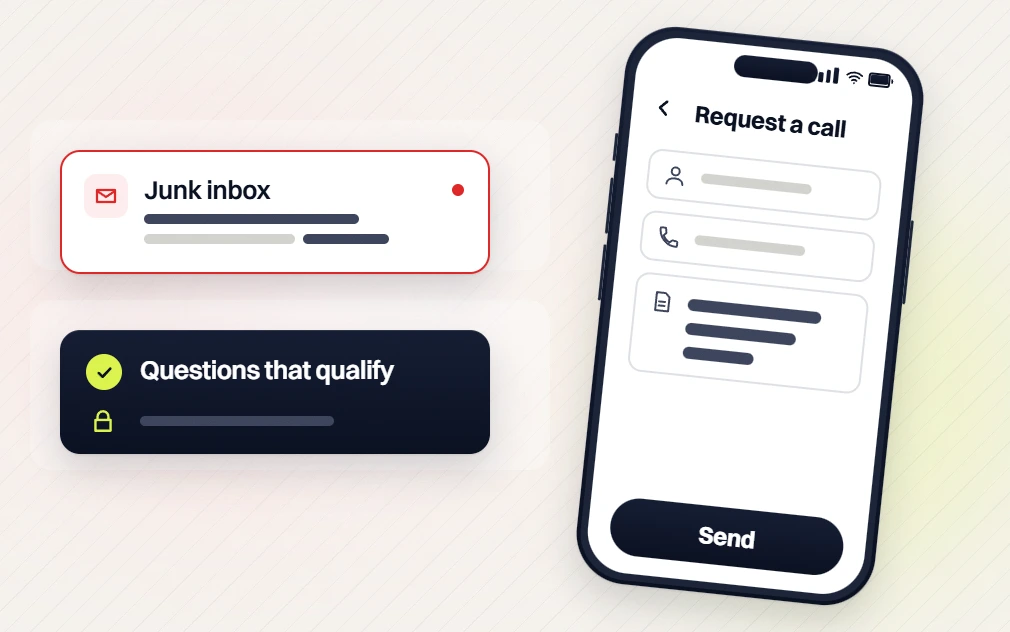
Contact form dumps junk into the assistant inbox, 60% garbage
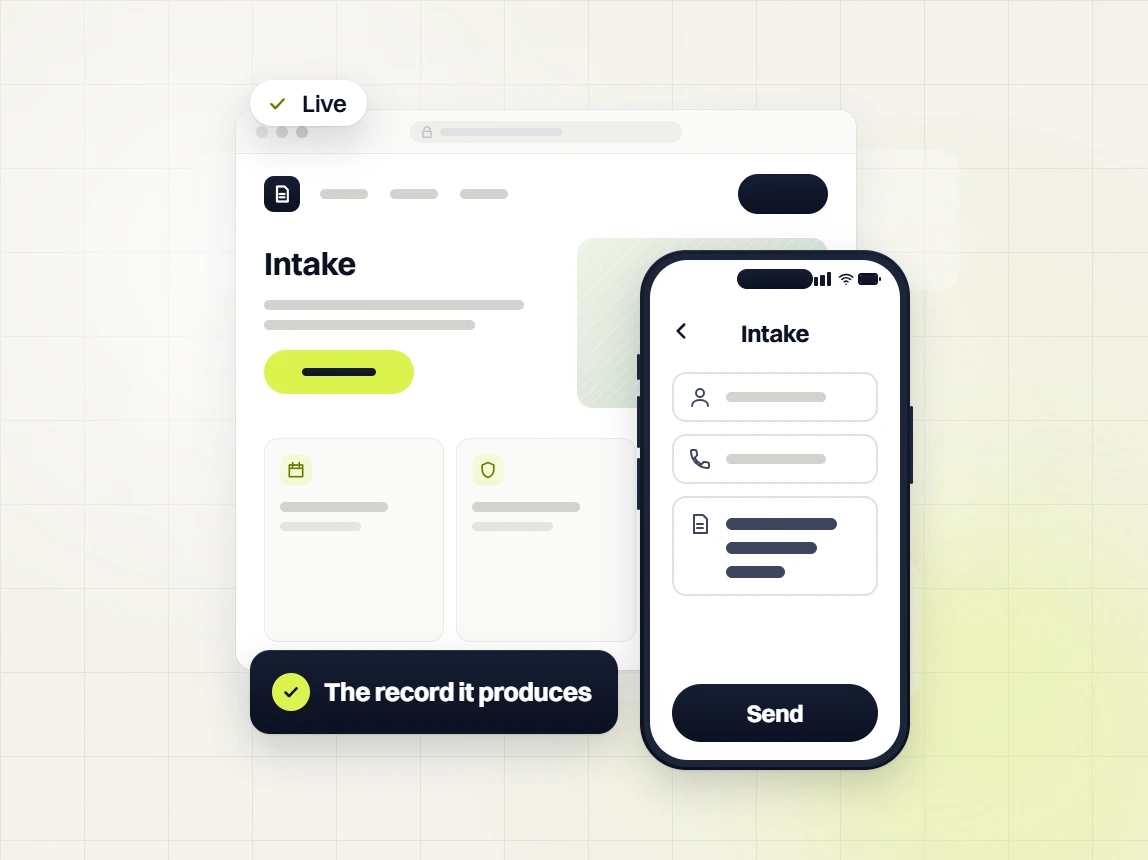
A plain contact form pulls 60% junk (spam, tire kickers, wrong-jurisdiction filings) into the intake assistant inbox. Rebuild it as a qualified intake flow with conflict-check questions, jurisdiction match, matter type, and Calendly booking wired to Clio or HubSpot from day one. Junk drops under 15% and qualified consult rate lands at 4.8% on average.
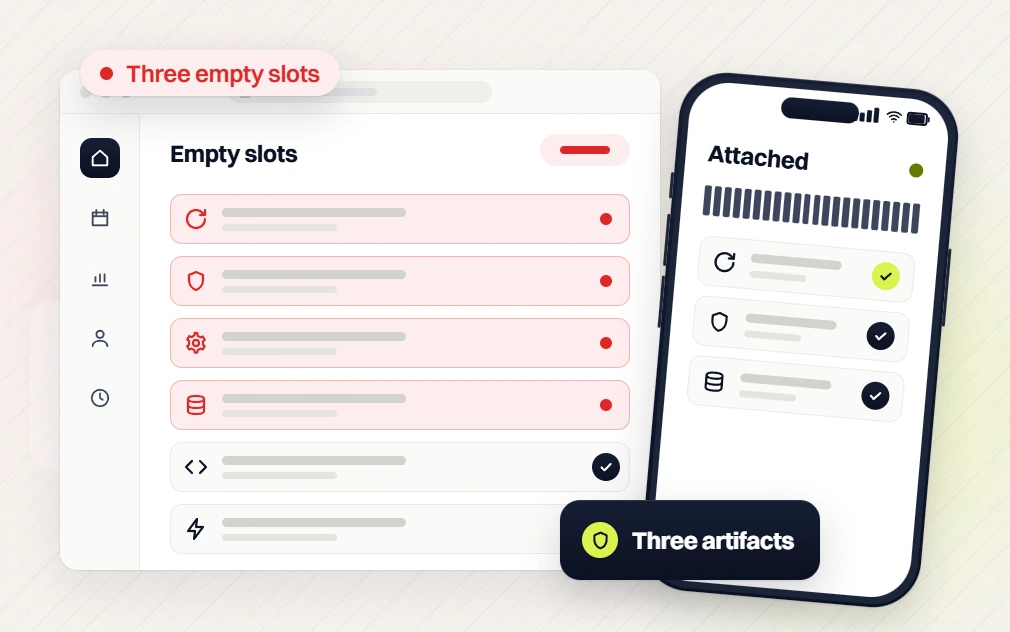
Enterprise procurement asks for WCAG, ABA 7.1, and DPA in writing
GC teams and enterprise procurement ask for WCAG 2.1 AA proof, ABA Model Rule 7.1 review, and a signed DPA before you land on the shortlist. Miss any of the three and the firm site fails the vendor form. Every build goes live with an accessibility audit, bar-advertising review, and DPA template ready to sign so the firm passes procurement on the first pass.
Three outcomes every professional services web build produces
A firm site built to convert. Qualified intake above the fold, matter-proof bios, and a shorter booking path move the number that puts revenue in the CRM.

Every page ships with LegalService or Organization schema, targeted metadata, and buying-intent slugs. Practice areas carry keyword-mapped URLs from day one.

Your name on the domain, your logins on the CMS, your team trained. Clio, HubSpot, and Figma sit under your firm. Walk away whole if you ever leave.
Four stages, every step ends in a sign-off
Fixed scope, fixed timeline, fixed outcomes. Nothing moves to the next stage until your managing partner signs the gate deliverable, and every milestone lands on a calendar date.
Discovery that earns the brief
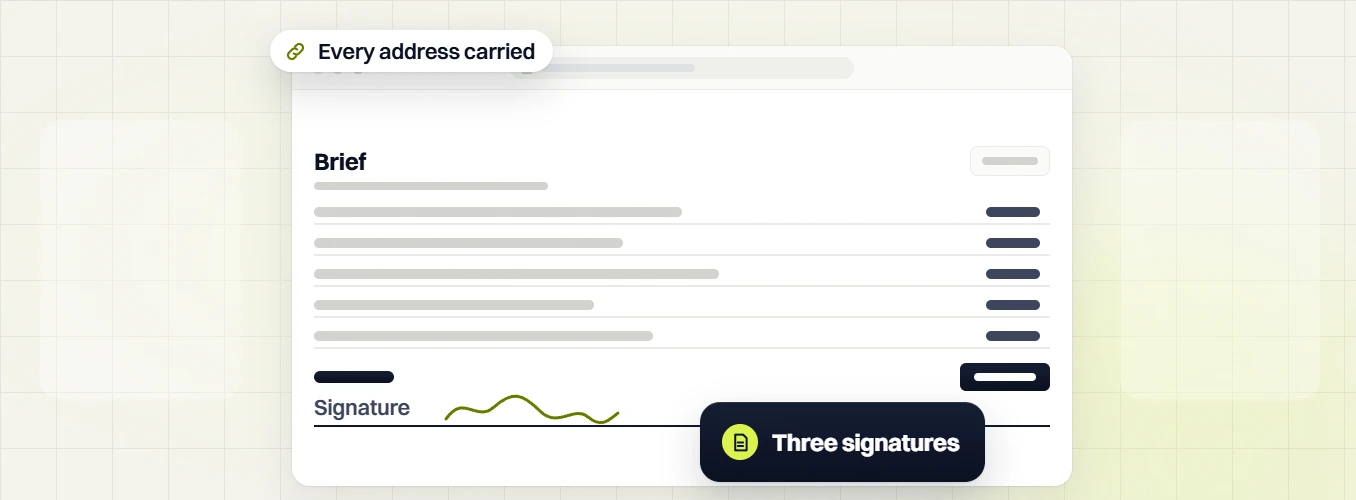
A 20 to 30 page brief signed by managing partner, ops lead, and marketing lead. Partner interviews, technical audit of your current site plus HubSpot plus ad accounts, competitor benchmark against 5 peer firms, and CRM integration mapping to Clio or Salesforce. Nothing moves until it is locked.
Design built for your ideal client, not a Dribbble reel
Mobile-first design system with practice-area pages and qualified intake flow baked in from wireframe stage. Every component engineer-validated the same week it is drawn. You walk away with an editable Figma file your team owns.
Engineering plus integrations that survive your next HubSpot upgrade
WordPress with custom PHP blocks by default. Headless Next.js when the CRM or matter-management stack demands it. Core Web Vitals treated as an acceptance criterion. HubSpot, Salesforce, Clio, or Lawmatics on the intake side. GA4, CallRail, and review platforms wired in with server-side backup.
Launch and 30 days of daily monitoring
Cutover runs off-hours with the whole team on a bridge. Search Console, error logs, CRM submissions, and Core Web Vitals watched daily for 30 days. On day 31 you take the keys and go, or roll into a website maintenance retainer.
What you actually get from our professional services web design services
Fixed scope. Fixed timeline. Fixed outcomes. Each phase below has a defined deliverable, a written sign-off, and a date on the calendar.
Two weeks. Brief signed by managing partner, ops, marketing
Partner interview, technical audit of your current site, HubSpot + analytics + ad accounts, competitor benchmark of 5 peer firms, and CRM data mapping. The output is a written brief your managing partner, ops lead, and marketing lead sign off on before we design a pixel or write a line of code.
Three to four working sessions with managing partner, ops lead, and marketing lead. How prospects currently discover you and why they convert or bounce.
Current site, HubSpot or Salesforce, ad accounts, analytics, intake form posture, pixel setup, and performance baseline against Core Web Vitals.
Side-by-side comparison of 5 peer firms on mobile intake path, practice-area coverage, matter proof surface, and organic visibility for buying-intent queries.
Matter type taxonomy, intake field rules, conflict-check questions, and Clio or HubSpot pipeline mapping locked to the new site before design starts.
Full page inventory with URL structure. Buying-intent slugs (personal-injury-attorney, tax-planning-cpa) carry forward so organic rankings hold through the migration.
A 20 to 30 page document. Managing partner, ops lead, and marketing lead sign before anything else moves.
Weeks 3 to 6. Mobile-first firm design system
Mobile-first design system with practice-area pages, matter-proof bio pattern, and qualified intake flow baked in from the wireframe stage. Every component validated by the engineer in the same week it is drawn. You get a Figma file your team owns, not a slide deck you cannot edit.
Each practice area gets a dedicated page with matter outcomes, jurisdictions served, fee structure notes, and a booking CTA above the fold. Templates cover 6 to 20 practice areas.
Bios structured around industries served, bar admissions, publications, and pro bono work. Client testimonials and case results surface next to the CV. Not a headshot and a paragraph.
Conflict-check questions, jurisdiction match, matter type, and Calendly booking on one screen. Junk drops under 15% and consult rate lands at 4.8%.
Bar association badges, CFP or CPA credentials, SuperLawyers listings, and client testimonials surfaced above the fold on every conversion page.
Full component library, design tokens, and page templates handed over. Your team can add new practice areas or partner bios without touching code.
Client testimonials with matter type and jurisdiction tags surfaced on practice-area pages. Star ratings visible in organic SERPs.
Weeks 7 to 12. Core Web Vitals as acceptance criterion
WordPress with custom PHP blocks by default. Headless Next.js when the CRM or matter-management stack demands it. LiteSpeed or edge CDN, Core Web Vitals as an acceptance criterion (not a wish), WCAG 2.1 AA verified before launch. Nothing goes live without hitting the numbers.
Default stack for most firm sites. Fastest launch, tight Clio and HubSpot integration, and the tightest GA4 wiring.
For firms with deep content marketing, multi-office rollouts, or existing Node infrastructure. Same speed and Core Web Vitals bar as WordPress.
Available on Scale and Enterprise tiers when office count or practice-area depth justifies the added stack.
LCP under 1.8s, CLS under 0.05, INP under 200ms on mobile. Verified in Lighthouse and CrUX before DNS goes live.
Axe DevTools scan, manual audit, NVDA and VoiceOver screen-reader passes before go-live. ADA drift covered by maintenance plan.
LegalService or Attorney schema on practice-area pages, Organization schema on the home page, and Review schema across the site. Star ratings visible in organic SERPs.
Weeks 8 to 10. Every tool wired with a documented layer
HubSpot, Salesforce, Clio, or Lawmatics integrations. GA4, CallRail, Meta CAPI, and Google Ads pixels wired with server-side backup. Calendly booking piped to the CRM with campaign-source tagging. Built with documented abstraction layers so the next platform swap is days, not months.
Intake form wired to Clio or MyCase with conflict-check flags, jurisdiction match, and matter type. Filevine and PracticePanther supported as swap options.
Welcome, nurture, matter-open, engagement-letter, and post-close flows wired to CRM data with campaign-source tagging.
CallRail dynamic number insertion by traffic source. Call recordings piped to the CRM with keyword scoring so paid channels attribute booked consults back to the click.
Calendly or Chili Piper on the booking page with round-robin routing to partners. Confirmation and reminder emails firing from HubSpot with the firm brand.
Client testimonials from Avvo, Martindale-Hubbell, and Google piped to practice-area pages. Star ratings visible in organic SERPs.
GA4 conversion events, Meta CAPI, and Google Ads pixels wired with server-side backup. iOS-17-aware attribution survives cookie loss.
Week 13. Cutover, 301 map, and 30-day watch
Production DNS cutover, 301 map from the old site, uptime plus Core Web Vitals monitoring live, and a 30 to 90 day post-launch support window. Your team keeps the design files, the CMS logins, and the repo. Walk away with the site whole if you ever leave.
Whole team on a bridge for cutover. Search Console, error logs, and CRM submissions watched hourly for the first 24 hours after DNS flip.
Every legacy URL mapped before cutover. Personal-injury-attorney, tax-planning-cpa, wealth-management-services all carry over. Zero 404s on organic winners.
Core Web Vitals, CRM intake, GA4 conversions, and error logs reviewed every business day for 30 days after DNS goes live.
Pingdom, Better Uptime, or your tool of choice wired to Slack or SMS with hourly checks across the intake and booking flows.
30 days on Launch, 60 days on Growth, 90 days on Scale and Enterprise. All bugs, all intake tweaks, all practice-area swaps included.
Design files, CMS logins, Clio, HubSpot, CallRail, GA4, and repo all in your name at handoff. Agency access removed on day 91.
Four web design tiers for every stage of growth
Every line item listed. The quote you get is the invoice you pay. Take any tier as a project fee, or split it into the flat monthly plan.
Fast, credible site converting existing reputation.
Full booking engine: scheduling, checkout, customer reporting.
One brand, every office found, location-level tracking.
Design system the whole group launches on. Ops-team-spec integrations.
Every web design feature, tier by tier
HOVER ANY FEATURE FOR A PLAIN-ENGLISH EXPLANATIONWebsite + design +
Booking + patients +
SEO + visibility +
Care + support +
Real professional services firms, real numbers
Common professional services web design questions
Straight answers on cost, timeline, platform, CRM integration, WCAG compliance, and practice-area SEO. Call or email if we missed yours.
How much does it cost to have a website professionally designed?
+
Professional services website design at Redefine Web starts at $1,500 on Launch and runs up to $25,000 and up on Enterprise. Every project is a fixed-price quote, not a monthly bill on your firm books. Launch is a WordPress starter build for solo practices and small firms with 5 to 8 pages, a qualified intake form, and Calendly booking wired to your partner calendar. Growth adds practice-area pages, matter-proof partner bios, and HubSpot or Clio integration on the CRM side. Scale adds multi-office architecture, unlimited practice areas, and A/B testing on the intake flow. Enterprise adds SOC 2, SSO, a white-label client portal, and SLA-backed uptime. Ongoing website maintenance is a separate plan starting at $199/mo and moves up or down with 30 days notice. Compare tiers against average HubSpot-benchmarked firm site costs before you shortlist a vendor. Fixed price beats hourly on a firm rebuild every time because scope creep dies at kickoff sign-off.
Is web design a professional service?
+
Yes. Web design is a professional service the same way accounting or legal counsel is a professional service. You hire a firm with a signed engagement, a scope of work, deliverables, milestones, and a documented handoff. A professional services website design engagement carries the same contract mechanics as a tax audit or a matter opening. Scope, price, timeline, and rights all land in writing before work starts. The vendor carries insurance (E&O and cyber), signs a DPA where required, and warranties defects for a fixed post-launch window. Buyers evaluating firms use the same shortlist mechanics they use for any pro-serve vendor: matter outcomes, references, and a fixed-price bid. The good vendors publish tiered pricing, name the platforms they build on, and pin the launch date on paper. The bad ones quote hourly, refuse to name a platform, and drift on timelines every rebuild. Read reviews, ask for the last 3 launch dates, and pick from the shortlist that ships.
What is the 3 second rule in website design?
+
The 3-second rule says a visitor forms a judgment about a website inside 3 seconds of arrival. On a firm site, that judgment is trust, expertise, and whether the visitor landed in the right place for the matter. Professional services website design is built around that window. Above-the-fold copy names the practice areas, jurisdictions, or industries served in plain language. The partner photo, the client-logo strip, and the intake CTA sit inside the first viewport on every device. Core Web Vitals matter here: an LCP over 2.5s eats the 3-second window before your copy even loads on mobile. Read Google’s Search documentation for the technical baseline on LCP, CLS, and INP scoring on Lighthouse for the mobile lane. Every build we hand off hits 98+ mobile Lighthouse so the site is readable inside the 3-second window on a 4G connection in a courthouse hallway or on the train home. Speed carries the copy on mobile, always.
Can I pay someone to design a website for me?
+
Yes. Paying a firm to build your website is the norm for professional services. DIY builders (Wix, Squarespace) work for the smallest solo practices under 5 pages of scope. Every firm above that hires a vendor and signs a contract with fixed scope on paper. What you pay for: strategy, matter-proof partner bios, practice-area page architecture, CRM integration, WCAG 2.1 AA compliance, and a launch date on paper. Redefine Web quotes fixed-price at $1,500 to $25,000 and up, never hourly. Contracts run 6 months on average from kickoff to 30-day post-launch watch. You keep the CMS logins, the design files, and the code repo on day 31 of the handoff. If you leave, you leave with everything on file the day you go. The alternative (in-house build) runs 3x the price and 2x the timeline for firms without a dedicated marketing engineer. Cheaper offshore vendors skip WCAG, ABA review, and CRM integration and cost more in rework by month 6.
How to create a law firm website?
+
A law firm website starts with practice-area architecture, not a homepage design. Map the practice areas first (personal injury, immigration, tax, wealth management), assign a slug to each, then design the page pattern around matter proof and jurisdictions served. Wire intake to Clio or HubSpot from day one so paid channels attribute booked consults back to the click on the ad or organic result page. Add ABA Model Rule 7.1 review, state-bar disclaimers per jurisdiction, and prior-results disclosures where required by the state bar. WCAG 2.1 AA is non-negotiable for enterprise procurement and a growing share of intake buyers on the shortlist. Build on WordPress with custom PHP blocks by default. Add server-side analytics and CallRail for offline conversion tracking on the call side. Follow American Bar Association advertising guidance before you write practice-area copy on the site. Launch, then measure visitor-to-consult conversion for 60 days and iterate on the pages that convert lowest against the baseline number.
How much does a law firm website cost?
+
A law firm website runs $1,500 to $25,000 and up depending on practice-area count, matter-management integration, and multi-office architecture on the CMS side. Solo practices with 3 to 5 practice areas land at Launch ($1,500 to $5,000) with a WordPress starter build, qualified intake, and Calendly booking wired to the partner calendar. Mid-size firms with 6 to 12 practice areas and Clio integration land at Growth ($5,000 to $15,000) with matter-proof bios and HubSpot on the marketing side. Multi-office firms with more than 12 practice areas and multiple CRM stacks land at Scale ($15,000 to $25,000) with A/B testing and content migration on the SOW at kickoff. Firms needing SOC 2, SSO, or client-portal work go Enterprise ($25,000 and up) with SLA-backed uptime and a signed DPA on file. Every project is a fixed-price quote signed at kickoff, not an hourly bill that drifts through month 4. Ongoing website maintenance runs $199/mo to $499/mo separately as a plan. The pricing tier breakdown mirrors the pricing block on this page.
What makes a good law firm website?
+
A good law firm website ranks for buying-intent queries, converts visitors to booked consults, and passes enterprise procurement in weeks 3 to 4 of the buying cycle. Ranking means practice-area pages built around slugs like personal-injury-attorney and tax-planning-cpa, with LegalService schema and internal linking from blog content and city pages. Converting means qualified intake above the fold, matter-proof partner bios (matter outcomes, jurisdictions, industry sectors), and Calendly booking wired to Clio or HubSpot with campaign-source tagging on every submit. Passing procurement means WCAG 2.1 AA, ABA Model Rule 7.1 review, and a signed DPA before shortlist decisions land with the GC team. Bad firm sites bury bios below the fold, run a plain contact form, skip schema, and fail vendor forms in weeks 3 to 4 of the buying cycle every time. Good firm sites average 4.8% visitor-to-consult inside 60 days of launch, verified in the CRM, versus a 1.8% baseline from HubSpot legal marketing benchmark data. Speed, schema, and matter proof drive the number.
How do you price your web design services?
+
We price professional services web design at fixed quotes tied to scope, never hourly on the bill. Launch ($1,500 to $5,000) covers 5 to 8 pages, qualified intake, Calendly booking, and post-launch analytics wired to GA4 on the reporting side. Growth ($5,000 to $15,000) adds practice-area pages, matter-proof bios, and Clio or HubSpot integration on the CRM side of the site. Scale ($15,000 to $25,000) adds multi-office architecture, A/B testing, and content migration from your legacy site or CMS. Enterprise ($25,000 and up) adds SOC 2, SSO, client-portal work, and SLA-backed uptime for firms with procurement requirements on the DPA line. Every quote lists deliverables, milestones, sign-off owners, and a launch date on paper at kickoff. You sign a fixed number at kickoff. No rolling hourly bills, no scope creep line items, no surprise change orders in month 4. Change orders land in a separate line quote you approve before work starts. The pricing block on this page shows the tier grid.
Is $1500 a good price for a website?
+
Yes, $1,500 is a fair Launch-tier price for a solo practice or small firm site with 5 to 8 pages, qualified intake, Calendly booking, and post-launch analytics wired to GA4 on the reporting side. Below $1,500 you get a template drop that skips WCAG, skips CRM integration, and skips buying-intent SEO on practice-area URLs and slugs. Above $5,000 you get a Growth-tier build with practice-area pages, matter-proof bios, and HubSpot or Clio integration wired to the intake flow. Firms with 6 or more practice areas or a multi-office footprint outgrow the Launch tier inside 6 months of post-launch operations on the CRM side. If you need multi-office architecture, A/B testing, or client-portal work, plan for $15,000 to $25,000 and up on the Scale or Enterprise tier. The $1,500 number holds for solo practices where the site is a lead form with a partner bio above the fold. Every other firm size lands higher on the tier grid based on scope, not brand alone.
How long does a professional services web design project take?
+
Four to six weeks for a WordPress starter build with 5 to 8 pages, 8 to 12 weeks for a full firm rebuild with practice-area pages, Clio integration, and content migration from your legacy site, and 14 to 20 weeks for headless Next.js builds with multi-office architecture or matter-management stack integration on the CRM lane. The date on the SOW is the date you launch, not a rolling window that drifts by 4 weeks every review cycle on the firm side. Discovery runs weeks 1 to 2, design weeks 3 to 6, build weeks 7 to 12, QA and content weeks 12 to 13, then DNS flip on the calendar date signed at kickoff on paper. Every milestone (wireframe sign-off, design sign-off, staging review, go-live) carries a calendar date and a named sign-off owner on the firm side. If your firm needs SOC 2 or SSO on Enterprise, add 4 to 6 weeks for the security audit lane and DPA review. Otherwise the launch date holds firm on paper.
Do you handle WCAG 2.1 AA and bar advertising compliance?
+
Yes on both. Every build carries Axe DevTools scans, manual keyboard audit, and NVDA plus VoiceOver testing so WCAG 2.1 AA is verified before launch on staging. A written accessibility statement is included for firm counsel to keep on file for procurement teams and vendor forms. Bar advertising review covers ABA Model Rule 7.1 (no misleading claims), state-bar disclaimers by jurisdiction, and prior-results disclosures where jurisdictions require them on the footer. Firms in California, Texas, Florida, and New York are the top four we cover, and every state-bar-specific footer requirement gets flagged in discovery and priced into the fixed quote. Accountants and consultants get the equivalent review: AICPA advertising rules, PCAOB independence disclosures, and state-CPA-board footer requirements where applicable to the firm license. Read the AICPA advertising guidance if your firm holds a CPA license on the practice side. Every professional services website design engagement carries the same compliance lane by default at kickoff.
Do you integrate Clio, HubSpot, or Salesforce with the firm site?
+
Yes. Clio and HubSpot are our default stack for law firms and consulting groups on the intake side. Intake form data writes into Clio or HubSpot on submit with campaign-source tagging so paid channels attribute booked consults back to the click on the ad or organic result page. Salesforce is supported for firms already running it as the CRM of record on the enterprise side. MyCase, PracticePanther, Filevine, and Lawmatics are supported swap options on the matter-management side without a rebuild of the intake flow. For accounting firms, Karbon, TaxDome, and Jetpack Workflow are the equivalent slots on the practice-management side. Calendly or Chili Piper handles booking round-robin routing to partners with jurisdiction and matter-type filtering built in from day one of the build. Every integration carries a documented abstraction layer so the next platform swap is days, not months. Consulting firms on Monday.com or Notion get equivalent CRM-side pipes wired the same week the site launches on the calendar.
Do we own the firm website at handoff?
+
Yes. Every build goes live in your firm name with your logins on the CMS side. The WordPress admin, hosting, GA4 property, Clio, HubSpot, CallRail, and every pixel key sit in your name at handoff on day 31 of post-launch watch. GitHub or Bitbucket repo under your firm from day one of kickoff on the SOW. Redefine Web has agency access only, revoked on request from the ops lead. If you leave, you leave with everything: theme source files, design files, code repo, and full documentation on the CMS side of the handoff. 30 to 90 days of post-launch support is included with every build so your team runs the site with the training wheels on for the first quarter. After that, ongoing website maintenance moves onto a monthly plan starting at $199/mo, or your in-house team takes it. Your call. Firm ownership at handoff is written into the contract at kickoff, not a promise made in the pitch. Every login, every key, every file transfers on the calendar date.