
Technical SEO Audit Built for Crawl, Index, and CWV Fixes
A technical SEO audit that reads your log files, crawl budget, index coverage, Core Web Vitals per template, schema stack, and JavaScript render parity. You get a written report, a top 20 fix list ranked by revenue, and a 30-minute walkthrough in 24 hours.
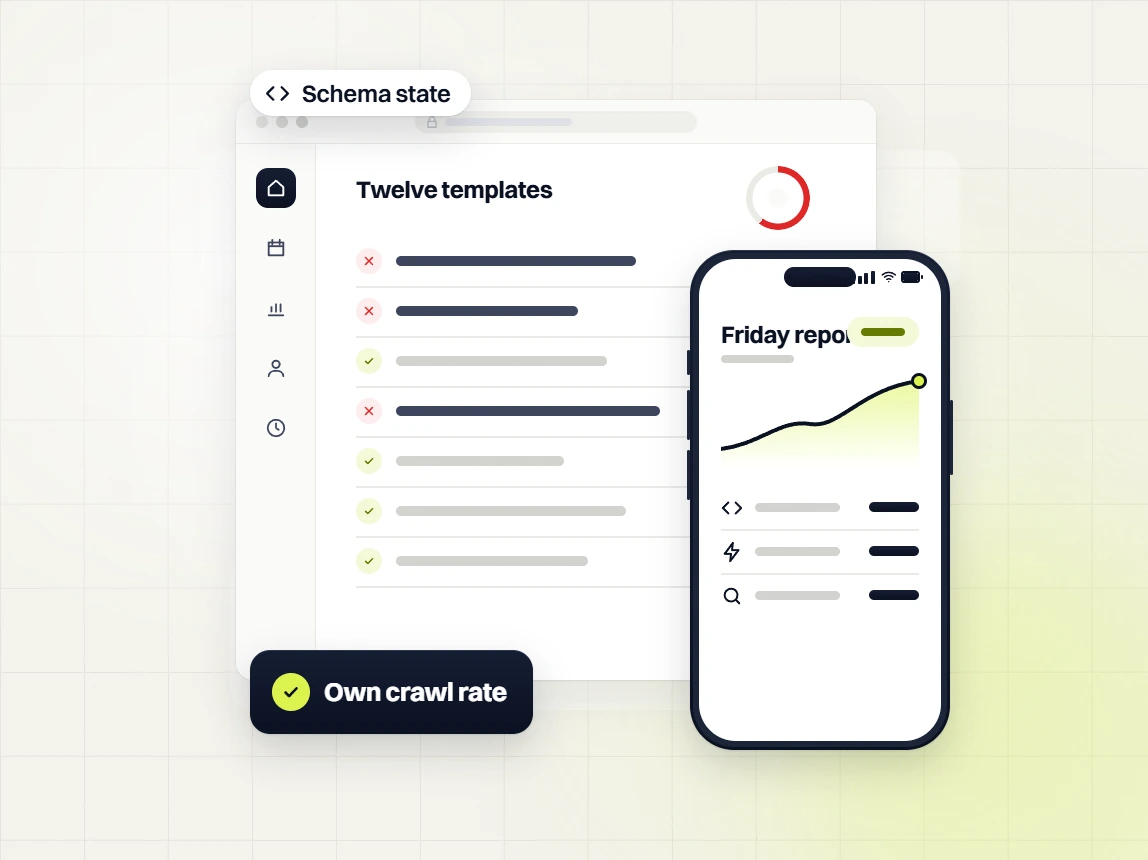
Three ways your rankings sit stuck at the code layer
If any of these looks familiar, the free SEO audit names the fix and what it's worth before you spend a dollar.
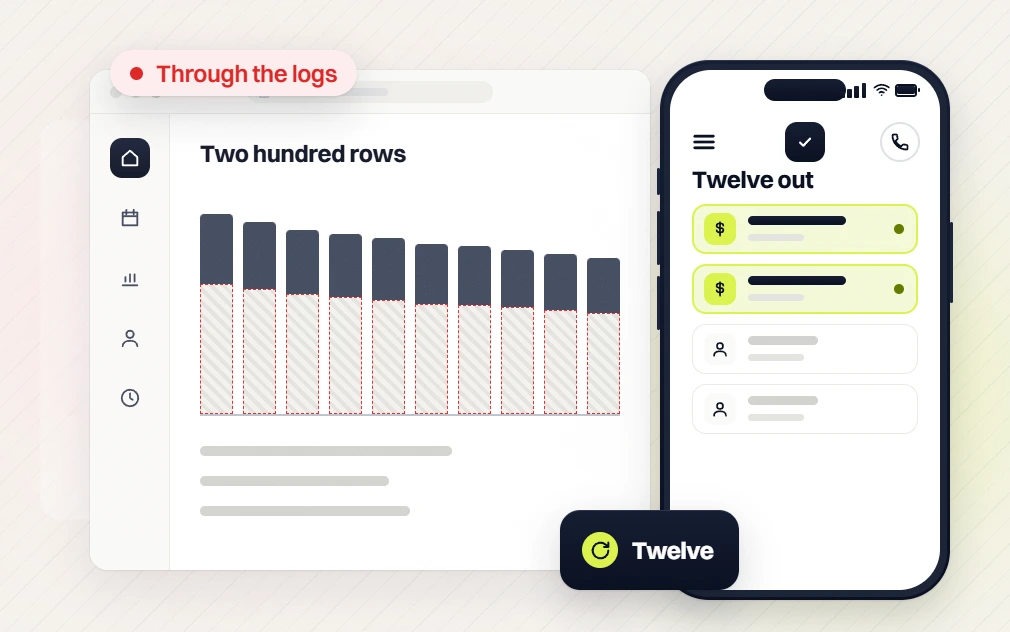
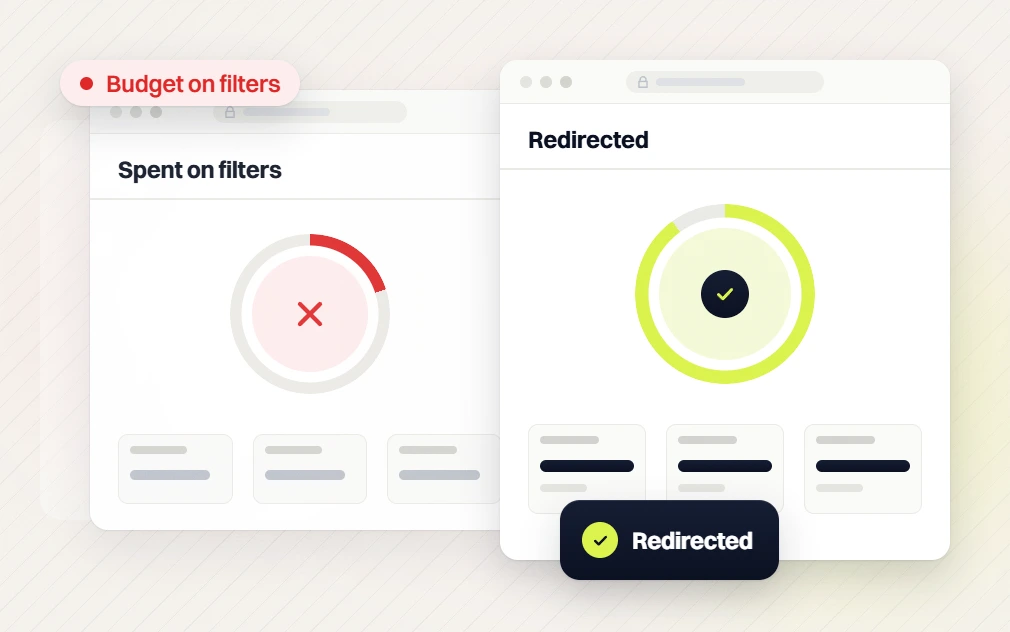
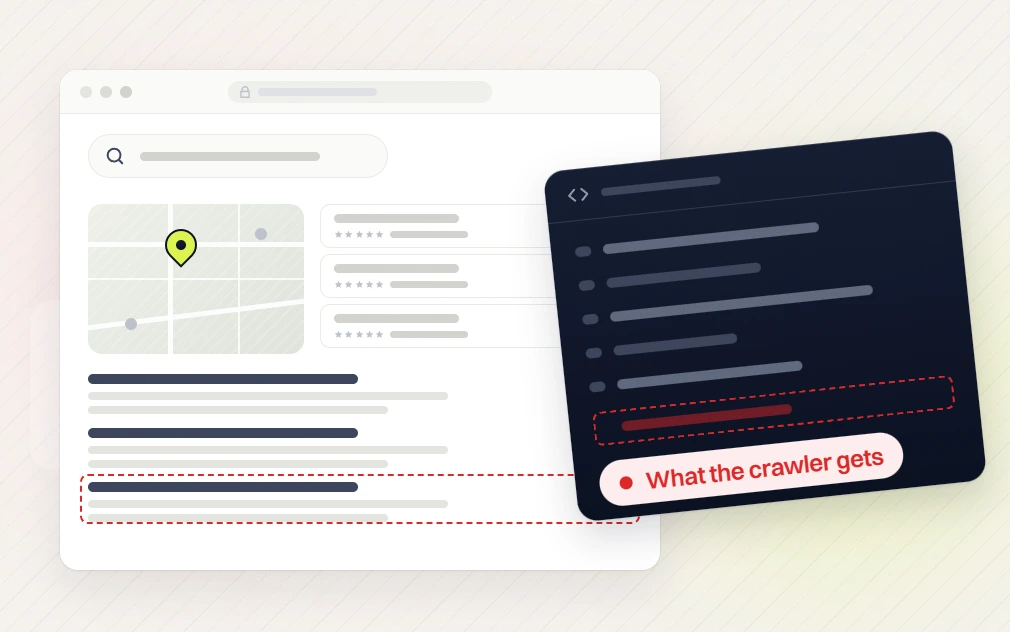
Three outcomes every technical SEO audit report delivers
Three outcomes we sign against on every technical SEO audit. Each one is a deliverable, not a hope.
A named blocker list your dev team can act on Monday
Every finding written in plain language, ranked by revenue impact, tied to the exact URL, template, or render path. You leave with a fix list any developer can start in 24 hours.
A per-template Core Web Vitals report with real field data
LCP, INP, CLS, and TTFB measured with Lighthouse plus CrUX field data on every template. You see which template is dragging the site down and the top 3 fixes for each one.

A log-file crawl-waste map you keep, forever
A PDF with the log-file breakdown, crawl-waste ratio, and index-bloat report is yours the day it lands. Hand it to any developer, in-house team, or new agency.
Seven stages, 24 hours, one written sign-off
Fixed scope, written sign-offs, dates on the calendar. Every technical SEO audit follows the same seven stages so you know what lands on which day. Nothing slips.
Discovery and access
A 30-minute call to lock scope, revenue targets, and top rivals. You share Search Console, GA4, server logs, and CDN access. We confirm what the technical SEO audit will and will not cover in writing.
Log-file analysis
Raw server logs parsed for 30 days of Googlebot hits. Crawl-waste ratio per URL pattern, index-bloat candidates, and orphan pages logged with a fix path per pattern.
Crawl and index audit
Full crawl versus Search Console coverage report. Canonicals, hreflang, redirect chains, and robots directives checked against actual index state. Every conflict logged.
Core Web Vitals per template
LCP, INP, CLS, and TTFB measured with Lighthouse and CrUX field data on every template. Top 3 fixes per template listed with expected score gain.
JavaScript render audit
Raw HTML compared to rendered DOM on every client-rendered template. Content, links, and schema Googlebot misses are listed with an SSR or hydration fix path per stack.
Schema and structured data check
Schema coverage checked on every template that could carry it, with the top 20 revenue URLs run through the Google Rich Result Test. Errors, warnings, and eligibility state logged.
Written report and walkthrough
The PDF lands with every finding ranked by revenue impact and the top 20 fixes highlighted. A 30-minute walkthrough call hands the report to your dev team.
What you actually get from our technical SEO audit
Five workstreams. Every line item listed here lands in the written report. No hidden phase-two column, no retainer wall.
Crawl and index audit that names every wasted budget URL
The crawl and index section of the technical SEO audit checks how Googlebot moves through the site and what actually makes it into the index. Every conflict logged with a fix path and expected impact on template crawl rate.
Log-file forensics that show Googlebot behavior page by page
Raw server logs are the only source of truth for how Googlebot really uses your crawl budget. The log-file section of the technical SEO audit parses 30 days of hits, maps every URL pattern to bot behavior, and shows where budget goes to waste.
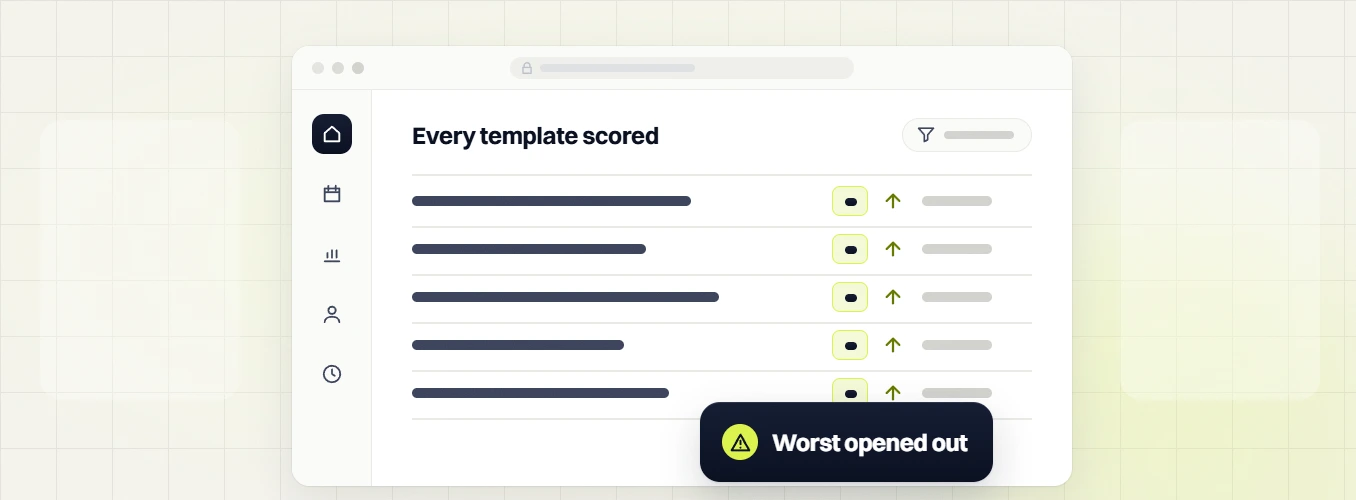
Core Web Vitals scored on every template, not one sample page
A per-template Core Web Vitals report is the difference between a real technical SEO audit and a PageSpeed screenshot. Every template scored with Lighthouse plus CrUX field data. Top 3 fixes per template listed with the expected score gain.
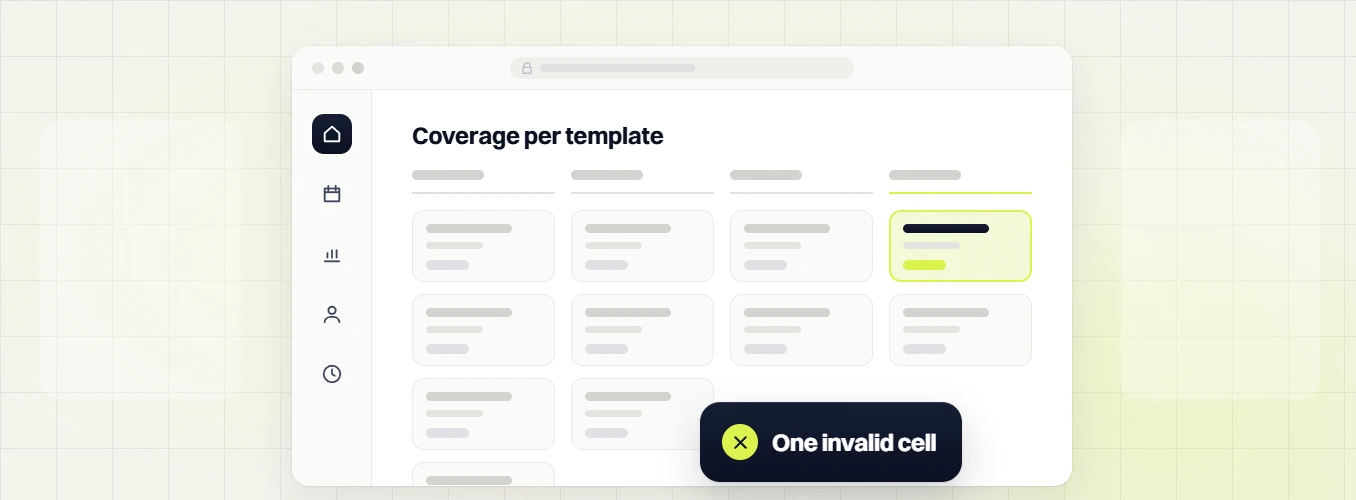
Schema coverage checked on every template that could earn rich results
The schema section of the technical SEO audit reviews every structured data type Google reads. Coverage per template, syntax validation, and rich-result eligibility all logged with a fix path and expected SERP feature gain.

JavaScript render audit plus the written report
The final section of the technical SEO audit closes the JavaScript render gap and hands you the deliverable. Raw HTML versus rendered DOM diff on every template, plus a PDF ranked by revenue impact and a 30-minute walkthrough call.
- FIXED SCOPE
- LOG + CRAWL + CWV
- WRITTEN REPORT YOU KEEP
Real sites, real technical SEO audit fixes, real ranking gains
Each one includes where the client started, what we changed and what happened.



CLIENT WORDS
The team split our national spend by store catchment. Every location got its own landing page and creative. Booked eye exams up 47% inside two quarters with the same media budget.

The paid team ran an audit that found $18K/mo in wasted spend on brand terms we were already ranking for. Fixed inside two weeks.
Enterprise demo requests up 3.2x. First operator we have worked with who cared about the CRM number, not the ad account.

They cut wasted spend on non-buyer keywords and moved the budget to product-page campaigns. Blended ROAS climbed 40% in the first quarter.

Client retainers doubled without adding a single account manager. They rebuilt our funnel and the reporting dashboard sold itself on demo calls.

Vendor and buyer leads went from unpredictable to a monthly forecast we could staff against. First agency that treated the CRM as the scoreboard, not the ad account.

Site, ads, and follow-up under one contract. Partner inquiries doubled without adding headcount.

Sign-ups tripled without adding ad spend. They rebuilt the checkout, fixed the pricing page, and the numbers moved every week.
Demos doubled in a quarter after the funnel rewrite. Nothing about the traffic changed. The pipeline math finally works.

Catalog ads at 5.8x where our old agency plateaued at 2x. Weekly notes tell us exactly what changed and what is next.


























Common questions on the technical SEO audit process
Straight answers on log-file work, CWV per template, JS rendering, schema coverage, and what you get in the written report. If your question is not here, book the scoping call.