
The average Shopify or WooCommerce store fails 32 of the 45 items on a real ecommerce SEO checklist inside the first year of trading. Most of the gaps are technical setup jobs that take four to six hours to fix and pay back inside 90 days through better crawl budget, cleaner category indexation, and higher click-through on product pages. This ecommerce SEO checklist walks through the technical, on-page, and content items in the exact order a growth-focused catalog should run them, with the pricing bands, the platform-specific traps, and a real RAFZ Cirkulära Interiörer case study that shows what the compound looks like on a rebuilt WooCommerce store.
You’re probably reading this ecommerce SEO checklist since your organic traffic went flat, category pages dropped out of the index after the last Google update, or a competitor half your size is outranking you on branded product terms. The fix isn’t a bigger plugin bundle or another Shopify app. It’s a checklist run through cleanly, in order, with a technical audit first, on-page rewrites second, product schema third, and monthly link outreach layered on top. Below you’ll find the exact ecommerce SEO checklist items, the retainer tiers that fit each store revenue band, and the tactical order clients like RAFZ used to cut load time from 15 seconds to 2 and grow conversions 28% on a rebuilt WooCommerce store.
Technical audit items on the ecommerce SEO checklist
The technical block of the ecommerce SEO checklist runs 15 items and is the highest-ROI work on any Shopify or WooCommerce store past 500 SKUs. Fix XML sitemap coverage, canonical tags, robots.txt directives, response codes, and parameter handling in Google Search Console first. See our roundup of the best SEO tools for ecommerce stores for the free and paid crawlers we run before every audit. Then move to Core Web Vitals, structured data validation, hreflang for international stores, and duplicate content patterns from filter URLs. Each item takes two to eight hours and the full sweep runs 40 to 80 hours on a mid-size catalog.
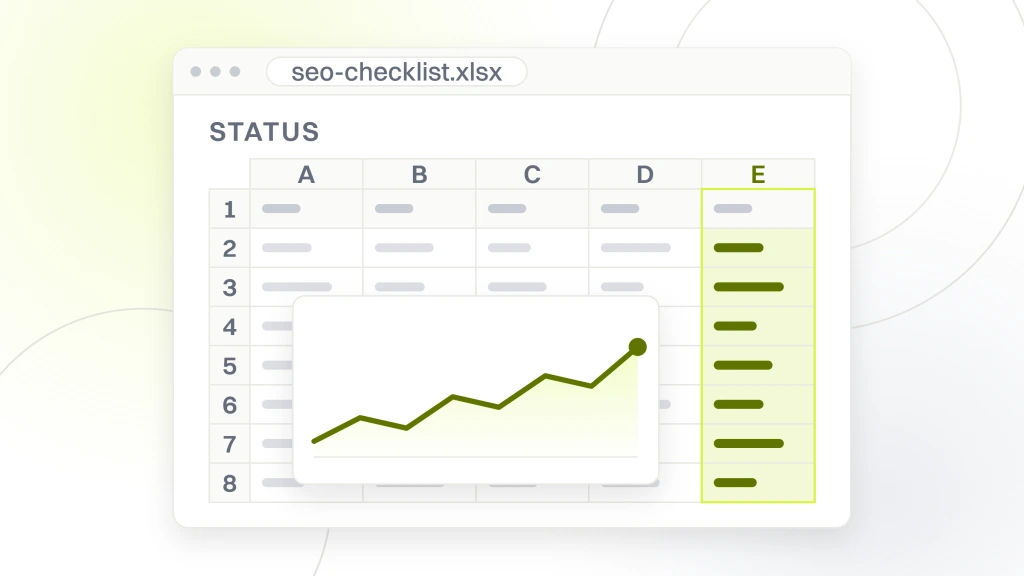
The XML sitemap check surfaces 15 to 40% of the noise on most Shopify and WooCommerce catalogs. Product variations, out-of-stock items, tag pages, and thank-you URLs get pushed into the sitemap by default and eat crawl budget on pages Google shouldn’t index. Trim the sitemap to canonical product URLs plus category pages plus the blog. On WooCommerce, the Rank Math or Yoast plugin gives you the exclusion controls. On Shopify, the built-in sitemap includes everything, so you’ll add a robots.txt block for the noise URLs. Reference on the technical patterns lives at Google Search Central’s product structured data reference.
Response codes on category pages are where most stores lose the technical audit. A 301 redirect chain three hops deep costs 40 to 60% of the link equity from external backlinks. A 302 temporary redirect on a permanently moved product signals Google to keep the old URL, splitting the ranking signals. Run Screaming Frog on the full store, filter for non-200 responses, and fix redirect chains before touching the on-page block. This one pass alone often recovers 10 to 20% of lost organic traffic on stores that migrated platforms in the past 18 months.
On-page ecommerce SEO checklist for category pages
The on-page block runs 12 items on category pages and is where the compound revenue growth actually shows up. Rewrite the title tag with the primary category keyword and a real benefit. Rewrite the H1 to match search intent. Add a 500 to 900 word intro block above the product grid with genuine buying advice, size comparisons, and internal links to four to eight related category or blog pages. Add breadcrumb navigation with schema markup on every level.
The category page copy is where most Shopify and WooCommerce sites lose to competitors. A 40-word category intro that reads like the store owner wrote it in 15 minutes cannot compete with a rival whose category page has 700 words of genuine buying advice from a category specialist. Invest four to eight hours per category page on the rewrite. On a 60-category site, that’s 240 to 480 hours of writing spread across three to six months at the Traffic tier retainer. Pair this with a working Search Engine Optimization Services partner who’s rewritten category pages on 20 plus ecommerce catalogs.
The FAQ block below the product grid is the item most audits skip. Six to 10 questions from real buyer searches on Answer The Public or Also Asked, with 70 to 140 word answers, add 15 to 30% to the category page’s ranking surface area and let it show up in featured snippet slots for long-tail terms. Wire the FAQPage JSON-LD schema block right below the visible accordion so Google can render the accordion in the SERP. Skip the plugin-generated JSON. Write the schema by hand or through the theme so the question text stays verbatim between the accordion and the schema block.
Product page items on the ecommerce SEO checklist
The product page block runs 10 items and captures long-tail buyer intent that category pages don’t reach. A category page ranks for “linen dining chair.” A product page ranks for “RAFZ Delilah linen dining chair in oat.” The long-tail volume per page is smaller, yet the intent is transactional, and 300 well-optimized product pages account for 20 to 40% of the store’s total organic revenue. See our related ecommerce SEO checklist launch and ongoing hygiene guide for how paid, SEO, email, and retention fit under one retainer.
The product page checklist items run eight fields. Unique title tag with brand, model, and category noun. Meta description with a real benefit or offer. 250 to 700 words of unique product description in the store’s voice, not the manufacturer boilerplate that runs on 400 other retailers. Product schema with offer, aggregate rating, and review sub-types. At least three review snippets rendered server-side, not lazy-loaded JavaScript. A related-products block linking to complementary items. Breadcrumb navigation with schema. And image alt text describing visible attributes of the product.
The manufacturer-boilerplate check fails on 8 in 10 Shopify and WooCommerce stores. Copy the same description onto 400 SKUs and Google treats every one of them as duplicate content, so the category page pulls the organic traffic and the product pages get maybe 5% of the total organic pie. Rewrite unique descriptions on the top 100 revenue SKUs first, then work outward through the second 100 by month four. This pass alone adds 15 to 30% to organic revenue inside four months on a mid-size catalog and is the single highest-ROI on-page item on the whole list.
RAFZ Cirkulära Interiörer case study on the ecommerce SEO checklist
RAFZ Cirkulära Interiörer is a Swedish sustainable furniture brand whose site rebuild engagement mirrors the compounding pattern the checklist drives on growth-focused WooCommerce catalogs. The program cut fully loaded page load from 15 seconds to 2 seconds, drove a 28% conversion rate gain on the rebuilt store, and reduced server requests by 82% by ripping out plugin bloat and rolling out a custom lightweight theme paired with a place2place API feed for automatic product listings.
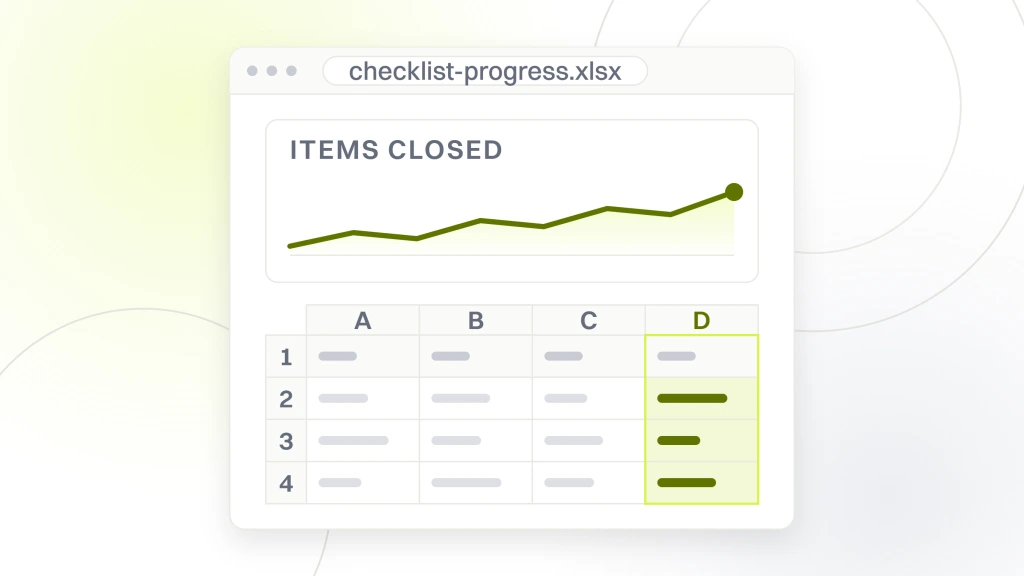
The RAFZ engagement started with the full technical audit block of the checklist. It surfaced plugin-heavy overhead across the checkout flow, JavaScript-rendered product variations Google was indexing incorrectly, and a homepage that failed to showcase products or inspire shoppers. The first months went into rebuilding the WooCommerce store on efficient custom code instead of stacked plugins, restructuring the categories into intent-mapped hubs for browsers versus buyers, and adding the repaint customization feature that aligned with the brand’s sustainability mission. By the post-launch curve, conversion rate was up 28%, page load dropped from 15 seconds to 2, and server load fell 82%.
The takeaway for a growth-focused DTC store owner reading this guide. The compound is real but takes 12 to 36 months on organic terms to fully materialize even when the tech rebuild lands in month 3. Month one delivers a technical audit and 3 to 4 category page rewrites. Month six delivers visible ranking movement on 15 to 25 category terms. Month twelve delivers 20 to 40% organic revenue growth over the pre-engagement baseline. Year three onwards delivers the compound the RAFZ conversion and load numbers show on the store side. If your current SEO agency has been on the account for 18 months without matching this cadence, the retainer is not doing the work on the checklist items that actually pay back.
Shopify versus WooCommerce items on the ecommerce SEO checklist
Shopify and WooCommerce need different runs of the same checklist. Our Shopify versus WooCommerce SEO comparison covers the platform-level tradeoffs in depth. Shopify has a fixed URL structure with /collections/ and /products/ prefixes you can’t edit, so the run skips the URL restructure item and adds a canonical tag audit for the automatic /products/ URL variants Shopify generates when a product sits inside multiple collections. WooCommerce gives full URL control but ships with 15 to 25 default settings that break crawl budget, so the run starts with permalink structure, /product-category/ pagination, and variation URL handling.
On Shopify, the top five items are the theme’s Liquid template audit for structured data output, the collection page copy rewrite, the product page description rewrite, the blog category structure setup, and the app bloat audit. Shopify apps typically add 60 to 400 kilobytes of JavaScript per install, and 8 in 10 stores run apps whose payoff doesn’t cover the Core Web Vitals cost. Trim the app list to essentials, then move to on-page rewrites.
On WooCommerce, the top five items are the permalink structure fix from /?p=123 to /product/name/, the /product-category/ pagination canonicalization, the variation URL indexation control, the plugin bloat audit, and the Yoast versus Rank Math setup for product schema. WooCommerce’s flexibility becomes a footgun when 12 plugins are pulling from the wp_options table on every page load. Reference material on link building patterns lives at Ahrefs’ link building coverage. The same platform tradeoff logic shows up on the strategy side too. The ecommerce SEO strategies that drive organic revenue guide covers the deeper take.
Ecommerce SEO checklist pricing and retainer bands
Checklist runs at the retainer level land in four bands by store revenue. Visibility at $999 per month covers technical audit maintenance, monthly reporting, and two to three category page rewrites for stores under $250K annual revenue. Traffic at $1,499 per month adds six to eight category page rewrites and two to three DR 40 plus backlinks per month for stores at $250K to $1M. Scale at $2,499 per month runs 10 to 15 category rewrites, product page rewrites on top revenue SKUs, and four to six backlinks per month for stores at $1M to $5M annual revenue.
Enterprise starts at $4,500 per month for catalogs past $5M in revenue, past 5,000 SKUs, or with international requirements spanning multiple currencies and languages. The Enterprise band delivers the full 45-item checklist quarterly, plus monthly category rewrites at scale, product page rewrites on the top 300 revenue SKUs per year, and six to 10 DR 40 plus backlinks per month with two to three DR 60 plus placements per quarter.
The retainer split worth writing into the contract. 40% technical and on-page rewrites, 30% content and category page work, 20% link building and PR outreach, and 10% reporting and account management. Any agency whose reporting and management fraction runs above 20% is not doing the work you’re paying for. Ask for the hours split on the intro call. If more than 40% of the hours go to reporting, strategy calls, and account management, the retainer is not doing the work the store needs.
Link building layered on the ecommerce SEO checklist
Link building sits on top of the technical and on-page blocks, not underneath them. Build backlinks to category pages and blog cluster pieces on a store whose category page copy is 40 words and whose product pages carry manufacturer boilerplate, and the backlinks pull ranking signals to pages that can’t hold them. Fix the on-page first, then layer the link building through months 4 through 12.
The volume worth targeting on a $2,499 retainer is three to six placements per month at domain rating 40 or higher. Below DR 40, the backlinks help topical relevance but move the domain rating needle slowly. Above DR 60, the placements pull real ranking value and compound quickly on the category pages they link to. The mix worth writing into the contract. Two to three DR 40 plus placements per month minimum, one to two DR 60 plus placements per quarter, and one to two tier-1 press placements per year for stores past $2M annual revenue.
The tactic that stopped working. Paid guest posts on link farms. Google’s spam updates through 2024 and 2025 devalued 70% of the guest post placements agencies were selling at $180 to $400 apiece. The tactics that still work on the link building block. Original data reports, product review outreach to niche editors, and HARO-style responses to real reporter queries through Connectively or Featured. Reference material on GA4 for ecommerce tracking lives at Google’s GA4 ecommerce coverage.
Ecommerce SEO checklist red flags in every proposal
The red flags on any ecommerce SEO retainer proposal cluster around three patterns. Guarantees. Plugin-first thinking. And no dev capacity. Any agency who guarantees a first-page ranking on a competitive category term is either lying or planning to game the metric with branded search volume tricks Google catches inside six months. Walk away from the guarantee.
The plugin-first red flag looks like a proposal whose first-month deliverables are “install Yoast” and “configure Rank Math schema.” These are two-hour tasks. If they show up as month-one milestones, the proposal is padded. The real month-one work is a 40 to 80 hour technical audit, a category structure review, and three to five category page rewrites. Anything less is a plugin install with a retainer attached.
- Guaranteed first-page rankings on competitive category terms
- Month-one deliverables that are two-hour plugin installs
- No named account lead or developer capacity in the team roster
- Retainer with no hours breakdown by technical, content, and link work
- Case studies with ranking screenshots but no revenue or ROAS numbers
- Reporting cadence more frequent than the actual delivery cadence
- Monthly link package priced separately with no domain rating targets
- Termination clause longer than 30 days notice with penalty language
Wrapping the ecommerce SEO checklist run
A checklist that grows organic revenue past 30% of total store revenue runs on the same repeatable pattern. Fix the technical layer first, including permalinks, canonicals, and variation URLs. Rewrite category pages second, eight to 20 per month once the technical is clean. Rewrite the top revenue product pages third. Then compound with content clusters and DR 40 plus backlinks on a monthly rhythm through months 6 to 18.
If you take one thing from this ecommerce SEO checklist, take the hours split on a real retainer and run it against your current agency’s monthly invoice. If more than 40% of the hours go to reporting, strategy calls, and account management, the retainer is not doing the work. When you’re ready to talk through an ecommerce SEO checklist paired with paid, email, and CRO on one account, our Ecommerce Marketing Agency for DTC and Shopify Brands team walks through the shape in a 30-minute call. For the SEO retainer layer that pairs with the marketing program, our Ecommerce SEO Services practice runs the same pattern on WooCommerce and Shopify catalogs.