The best seo tools for ecommerce split across five stack layers most direct-to-consumer teams run in production. Keyword research tools that show which product and category queries carry real search volume. Technical crawlers that surface broken URLs, duplicate content, and schema errors across the catalog. Rank tracking platforms that measure position against competitors day by day. On-page analyzers that grade individual product pages against the search results winners. Analytics tools that tie organic sessions to real revenue. Picking the wrong tool at any layer costs a DTC store 4 to 12 hours per week in wasted analysis time and 15 to 30 percent of the ranking gains a properly stacked team would produce in the same twelve months.
This guide covers the working tool stack for ecommerce SEO the way our team assembles the best seo tools for ecommerce for growing DTC stores on Shopify or WooCommerce and BigCommerce. Free tools that produce 60 to 80 percent of the value most stores need. Paid tools that add the extra 20 percent for stores past the $2M annual revenue mark. Plus the switching cost math that tells merchants when to upgrade from Google Search Console to Ahrefs, when to add Screaming Frog, and when to skip Semrush entirely. If you want the paid version of this workflow done for you, our ecommerce SEO services retainer covers both the tools and the analyst time.
Why the Best SEO Tools for Ecommerce Are Stack Layers, Not Single Picks
Merchants ask which single tool is best. It is the wrong question. A DTC store needs five layers running together. The best seo tools for ecommerce sit at different layers, and one tool cannot cover all five well, and paying for a suite that pretends to do so wastes 40 to 60 percent of the subscription cost on modules the team never opens. Ahrefs is strong at keyword research and backlinks. Screaming Frog is strong at technical crawls. Google Search Console is strong at query-level data direct from Google. No single platform matches the depth of a purpose-built tool at every layer.
A Shopify store selling home goods with 400 SKUs and $1.2M annual revenue runs a different stack than a BigCommerce catalog with 8,000 SKUs and $12M annual revenue. The 400-SKU store gets away with Search Console plus Rank Math plus one paid keyword tool. The 8,000-SKU store needs Screaming Frog scheduled weekly, Sitebulb for the deep crawl, Ahrefs for competitor gap analysis, and AccuRanker for geo-specific rank monitoring. The stack composition follows the catalog, not the merchant preference.
Every stack layer answers a specific question. Keyword tools answer what to write about. Technical crawlers answer what is broken. Rank trackers answer whether the work moved the needle. On-page tools answer why a specific page loses to a competitor. Analytics answers whether ranking produced revenue. Skip a layer and the team makes decisions on incomplete data, which is how a store spends six months rewriting product descriptions that were already ranking fine while ignoring a duplicate-content issue on category pages that was suppressing the entire catalog.
Best SEO Tools for Ecommerce Keyword Research Picks
The best seo tools for ecommerce keyword research layer is where most product and category page decisions start. Google Keyword Planner is free but only shows meaningful volume once an ad account has spent real money on Google Ads. For a store still figuring out which product terms have demand, the free option is Google Search Console query data on any existing traffic plus Answer the Public for buyer question ideas. Both cover the top of the funnel at zero cost.
Ahrefs Lite at $99 per month covers most competitor keyword research a $500K to $2M store needs. The Site Explorer module shows which product terms a competitor ranks for, which pages get the traffic, and where the gaps sit against your own catalog. Ahrefs also produces the Keywords Explorer data on search volume, keyword difficulty, and click-through rate that Google Keyword Planner hides behind an ad-spend paywall. For a store trying to prioritize which 40 product pages to rewrite first, Ahrefs pays back inside the first quarter.
Semrush covers a similar keyword research surface with a stronger domain-comparison workflow. Merchants who split-test both usually pick one and drop the other inside 60 days because 60 to 70 percent of the data overlaps. Running both under $5M revenue rarely pays back. Above $5M revenue and with a dedicated SEO analyst, running both starts to matter because the keyword coverage gaps between the two tools become large enough to affect campaign decisions. The Google Search Central starter guide covers keyword intent at a foundational level for teams building the workflow from scratch.
Technical Crawlers in the Best SEO Tools for Ecommerce Stack
The best seo tools for ecommerce technical crawlers walk the site the way Googlebot does and flag every URL that returns a 404, 500, or 301 chain longer than one hop. They also flag duplicate title tags, missing meta descriptions, missing alt text, broken canonical tags, and thin content across the catalog. For an ecommerce store with a filter-and-facet URL pattern, technical crawlers routinely surface 3,000 to 40,000 near-duplicate URLs the team did not know existed.
Screaming Frog free tier crawls up to 500 URLs, which covers small catalog stores under 200 SKUs. The paid license at $259 per year opens unlimited crawl scope and adds JavaScript rendering, custom extraction, and scheduled crawls. Sitebulb starts at $17 per month and produces a more visual audit report with priority scoring that helps a merchant without a technical background know what to fix first. Both tools cover the same core crawl surface. Screaming Frog is the industry standard for analyst-driven work. Sitebulb wins on merchant-friendly output.
The accessibility audits, hreflang checks for international stores, and JavaScript rendering all sit inside the paid crawlers. For a Shopify store on the default Dawn theme with a single language and a modest catalog, the free stack of Search Console plus Rank Math plus Screaming Frog free tier catches 80 to 90 percent of the technical issues. Everything above that catalog size or complexity starts to need the paid tier.
Best SEO Tools for Ecommerce Rank Tracking Picks
Rank tracking in the best seo tools for ecommerce stack is the layer that measures position over time across the target keyword set. Google Search Console shows position averaged across all impressions per query, which is enough for stores under 500 SKUs tracking 50 to 200 target keywords. The average position number lags reality by a few days and does not show ranking across specific geo locations, but it costs zero dollars and integrates with every SEO tool downstream.
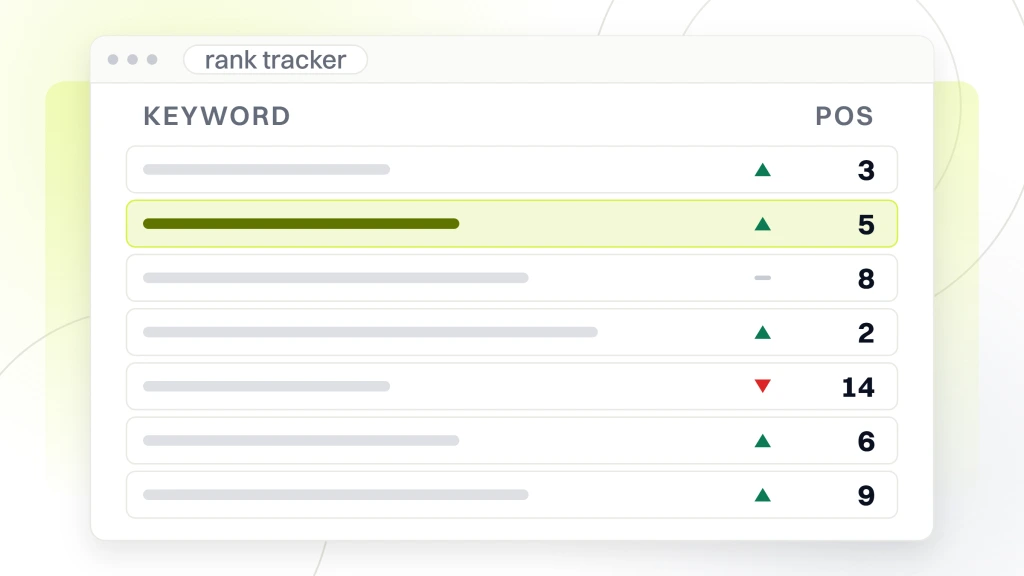
AccuRanker starts at $129 per month and adds daily rank tracking across geo-specific locations, mobile versus desktop, and competitor comparison. For DTC stores selling in multiple countries or metro markets, geo-specific rank tracking is the feature Search Console cannot replicate. AccuRanker also produces the ranking-change alerts that let SEO teams catch algorithm updates within 24 hours of impact rather than waiting weeks for the Search Console impression data to shift.
Ahrefs and Semrush both include rank tracking modules in their paid tiers as part of the base subscription. For stores already running one of those platforms, the rank tracking module usually covers 70 to 85 percent of the AccuRanker feature set without any incremental cost per tracked keyword. AccuRanker only pays back on top of Ahrefs or Semrush for stores tracking 500 or more keywords across 5 or more geo locations at a rate that would push the built-in tracker past its ceiling. Below that scale, the built-in rank tracker in Ahrefs or Semrush handles the job cleanly.
Best SEO Tools for Ecommerce On-Page Analysis Picks
The best seo tools for ecommerce on-page analysis tools grade individual product and category pages against the search results winners on the target query. The tools measure title tag length, meta description length, heading structure, internal linking, image alt text, keyword density, schema validity, and Core Web Vitals. Rank Math free tier produces roughly 80 percent of the on-page analysis value most stores need. Yoast SEO Premium runs $118.80 per year and adds redirect management plus optimization for up to five keyphrases per page, while WooCommerce integration is sold separately as Yoast WooCommerce SEO.
Surfer starts at $89 per month and adds a content-editor mode that grades a product description in real time against the top 10 search competitors on the target query. That real-time grading is the feature merchants actually use when writing new product descriptions or refreshing existing ones. The Surfer SERP analyzer also shows the average word count, heading structure, and keyword density the top-ranking competitors are using, which produces a specific rewrite brief instead of a generic content best-practice document.
A home goods DTC store our team advised ran Surfer alongside Ahrefs on every published article for six months. The workflow shifted the paid-organic revenue split 22 percentage points toward organic over 12 months as every new article went live with a specific competitor-matched brief instead of a generic outline. The product page optimization guide walks through the on-page workflow at the individual URL level.
Best SEO Tools for Ecommerce Analytics Attribution Picks
Analytics tools in the best seo tools for ecommerce stack tie organic sessions to real revenue. Google Analytics 4 is the free default every store runs. GA4 handles session-level tracking, ecommerce revenue attribution, and channel grouping across organic, paid, direct, referral, and email. For stores under $2M annual revenue, GA4 covers 90 percent of the analytics need at zero cost. The setup takes 4 to 8 hours of focused work through Google Tag Manager once and produces clean data across all downstream reporting.
Fathom Analytics starts at $14 per month and Plausible starts at $9 per month. Both are privacy-first alternatives that produce cleaner session data without the GA4 sampling complexity. Merchants who care about EU privacy compliance often run Fathom or Plausible alongside GA4 to get both the clean session data and the deeper ecommerce attribution GA4 provides. Neither replaces GA4 for ecommerce revenue attribution because the free tier feature parity does not match the GA4 built-in ecommerce module.
The Shopify built-in analytics dashboard covers the basics for stores on that platform. WooCommerce Analytics does the same for WooCommerce. Both platforms report session-to-revenue data but neither shows the SEO-specific breakout of organic sessions to organic revenue that GA4 does with proper channel grouping setup at the source or medium level. Stores serious about SEO always add GA4 on top of the platform analytics dashboard for the channel attribution the platform dashboards do not surface at any subscription tier.
Best SEO Tools for Ecommerce Stack Pricing by Store Size
The stack pricing scales with store revenue and catalog size. Every legitimate stack starts with free tools and adds paid tools only when the incremental value clears the cost. The pricing table below shows the working stack across four store-size tiers.
| Store tier | Free tools | Paid additions | Monthly cost | Coverage |
|---|---|---|---|---|
| Under $500K revenue, under 200 SKUs | Search Console, GA4, Screaming Frog free | Rank Math free | $0 | 70 percent |
| $500K to $2M revenue | Same free stack | Ahrefs Lite $99, Rank Math Pro $59 | $104 | 85 percent |
| $2M to $10M revenue | Same free stack | Ahrefs Standard $199, Screaming Frog $22, Surfer $89, AccuRanker $129 | $439 | 95 percent |
| $10M plus revenue | Same free stack | Ahrefs Advanced, Semrush Guru, Sitebulb, AccuRanker, Surfer, Fathom | $1,200 to $2,400 | 99 percent |
| Enterprise 5,000 plus SKUs | Same free stack | Ahrefs Enterprise plus custom crawl infrastructure | $3,000 plus | 100 percent |
The pricing above assumes annual billing where available, which saves roughly 20 percent versus monthly billing on every tool that offers both options. Stores that pay monthly on every tool overspend by 20 percent for zero incremental value. Every stack tier assumes an experienced analyst is running the tools on a monthly cadence rather than just paying subscriptions and hoping the platform dashboards produce ranking movement on their own. Our ecommerce SEO retainer tiers start at $999 per month for visibility, $1,499 for traffic, $2,499 for scale, and from $4,500 per month for enterprise catalogs that need the full analyst layer on top of the tool spend. Stores that budget for tools without also budgeting for analyst time produce a $500 monthly tool bill and zero ranking movement across the twelve months following the purchase.
Free Ecommerce SEO Tools That Cover the Basics
Free tools inside the best seo tools for ecommerce stack cover roughly 70 percent of the SEO work a store under $500K annual revenue needs. The full free stack runs eight tools total. Search Console for query and page-level data. GA4 for analytics attribution. Screaming Frog free tier for technical crawls under 500 URLs. Rank Math free for the on-page SEO plugin work. PageSpeed Insights for Core Web Vitals. Rich Results Test for schema validation. Google Trends for seasonality analysis. Answer the Public for buyer question ideas.
The free stack does not have the competitor keyword research Ahrefs or Semrush provide. It does not have the recurring scheduled crawls Sitebulb provides. It does not have the competitor-matched content briefs Surfer provides. What the free stack does have is complete coverage of the store own data (queries, sessions, revenue, technical errors, schema) which is what most stores under $500K actually need to grow organic revenue 30 to 60 percent in the first year.
Merchants who add paid tools before the free stack is fully mastered usually get uneven results. The paid tools produce more data than the team knows how to act on, and the free tools go under-used because the team assumes the paid tools already cover the same ground. Master the free stack first. Add paid tools only when specific gaps become bottlenecks on the roadmap. That sequencing produces cleaner return on the tool spend and cleaner analyst time on the outputs.
Common Mistakes Teams Make Picking the Best SEO Tools for Ecommerce
Every ecommerce store audit turns up the same best seo tools for ecommerce stack mistakes list of tool stack mistakes. Fixing the list takes 2 to 4 hours and produces cleaner data across every downstream SEO decision. The mistakes are boring, which is why they persist across stores that never review the stack.
- Paying monthly instead of annually. Costs 20 percent more for identical features.
- Adding paid tools before mastering free ones. Buys data the team cannot act on.
- Running both Ahrefs and Semrush under $5M revenue. Pays twice for 60 percent overlapping data.
- Skipping Google Search Console setup. Forfeits the highest-signal free data source.
- Using Rank Math and Yoast together. Creates conflicting schema. Pick one.
- Ignoring Core Web Vitals reporting. Forfeits 3 to 8 positions on affected URLs.
- No documented owner per tool. Tools go unused when the champion leaves.
- Treating rank tracking as the primary KPI. Revenue attribution matters more.
Merchants who fix the list above and then ignore it for another six months end up back at the same mistakes because tool-stack drift compounds when nobody owns the audit. Put a quarterly stack review on the calendar. It takes 30 minutes and prevents most of the mistakes from reappearing.
Monthly Cadence for the Best SEO Tools for Ecommerce Stack
The stack only produces value when an analyst runs it on a predictable monthly cadence. The tools generate data. The cadence turns the data into ranking and revenue movement. Skipping the cadence turns a $439 monthly tool spend into a $439 monthly expense with zero output.
The monthly checklist runs six items across all five stack layers. Pull Search Console query data for the top 30 revenue URLs. Run a Screaming Frog crawl on the full site. Check rank tracking for the top 100 keywords and note any position changes over 5 spots. Grade the top 3 recently published URLs through Surfer against the search competitors. Pull GA4 organic-to-revenue attribution for the last 30 days. Review Core Web Vitals across the top 20 URLs and flag any that dropped into the yellow or red.
The category-level workflow that pairs with the product-page cadence sits inside the category page SEO best practices guide. The launch-checklist version sits inside the ecommerce SEO checklist.
Best SEO Tools for Ecommerce Case Studies from Real DTC Wins
Three case studies show the stack producing real revenue at three very different store profiles. Each one ran a version of the tool stack described above paired with an analyst layer running the monthly cadence.
RAFZ Cirkulära Interiörer
RAFZ Cirkulära Interiörer, a Swedish sustainable interiors brand, needed a bilingual ecommerce presence covering Swedish and English audiences. The engagement paired Ahrefs for keyword research across both languages with Screaming Frog scheduled crawls for the hreflang audit and AccuRanker for geo-specific rank tracking across Sweden and the wider Nordic market. The bilingual site launched with clean hreflang tagging and structured data validation across every product URL. The stack produced enough clarity for the team to prioritize category rewrites in the correct language first, which drove organic traffic from both markets rather than defaulting to the English-language pages.
Boogie Board
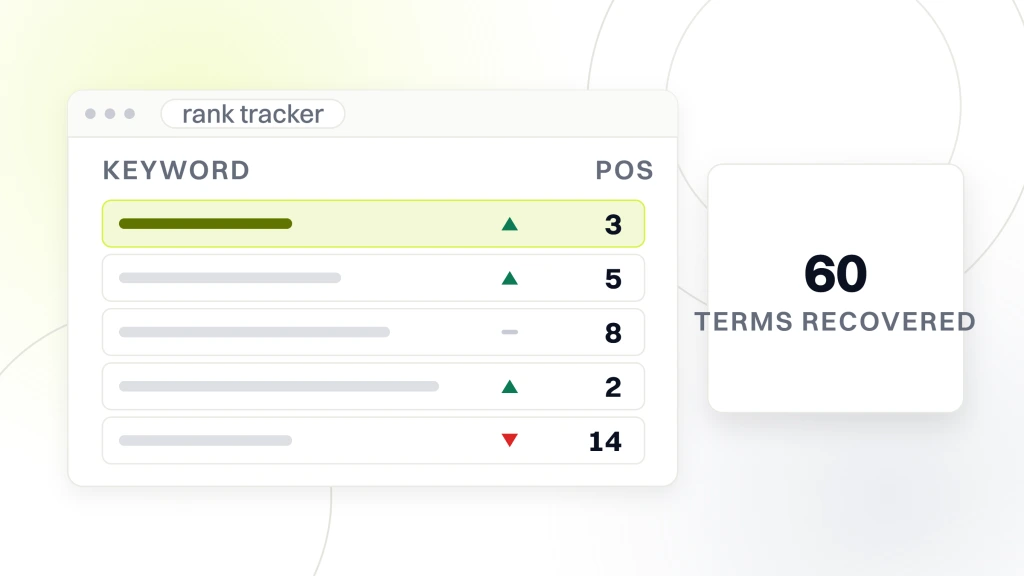
Boogie Board, the writing-tablet consumer electronics brand, needed a rebuild covering PPC, SEO, email, and a full commerce redesign for D2C sales. The SEO layer of that engagement ran Ahrefs for competitor gap analysis, Screaming Frog for the catalog audit, Surfer for the product description rewrites, and GA4 with proper channel grouping for organic-to-revenue attribution. The tool stack surfaced 340 near-duplicate product URLs that were splitting ranking signals across the catalog. Consolidating those into canonical variants recovered rankings on 60 of the top revenue product terms within 90 days of the fix, which is the kind of outcome a merchant running only Search Console rarely surfaces because the duplicate pattern only shows up in a full crawl.
Abigail Ahern
Abigail Ahern, the London-based interior designer and homewares brand, needed a full ecommerce and content platform on a WordPress and WooCommerce stack. The SEO tool stack for that engagement ran Rank Math Pro for the WooCommerce integration, Screaming Frog for the technical audit across the full catalog and blog, Ahrefs for the content gap analysis against the top interior design competitors, and GA4 for revenue attribution across the blog-to-product path. The content gap analysis alone surfaced 40 topic areas the brand had authority to rank for but had never published content on, which shaped the editorial calendar for the following 12 months and produced measurable organic traffic gains against a competitive UK homewares search field.
What to Do This Week to Build the Best SEO Tools for Ecommerce Stack
Pick three actions from the list below and finish them by Friday. A merchant who spends one focused afternoon setting up the free stack usually has clean data flowing across every layer inside a week because most of the tools are configuration, not implementation, and the platform integrations are already documented.
The starting state on most DTC stores looks the same. Google Search Console partially set up but never opened. GA4 running default configuration with no channel grouping. Rank Math or Yoast installed but never audited across the catalog. No Screaming Frog installed anywhere. Zero rank tracking outside the Search Console averaged position. No documented owner for any of the tools. Every one of these inputs moves from broken to functional inside a week of focused setup work by a single owner working through the free-tool checklist.
- Verify Google Search Console setup and confirm data is flowing across all product URLs.
- Verify GA4 setup and confirm channel grouping labels organic sessions correctly.
- Install Screaming Frog free tier and run one full-site crawl to baseline technical health.
- Install Rank Math free or Yoast SEO Free and audit on-page elements across the top 50 URLs.
- Baseline PageSpeed Insights scores on the top 20 URLs and document any in the yellow or red.
- Set up Rich Results Test spot-checks on 5 random product URLs to catch schema errors.
- Document each tool owner, login, and monthly cadence responsibility in a shared doc.
Where the Best SEO Tools for Ecommerce Stack Fits the Full Plan
The tool stack sits inside a broader ecommerce SEO plan alongside product page rewrites, category page work, technical health projects, backlink development, and content marketing. The tools generate the data. The plan turns the data into ranking and revenue movement. Every workstream on the plan uses one or more tools from the stack, which means tool coverage gaps turn into workstream execution gaps whether the merchant notices immediately or not.
Stores that budget for tools without the analyst time to run them produce a $500 monthly tool bill with zero ranking movement. Stores that budget for both the tools and the analyst time compound organic revenue every quarter because the tools surface the specific work the analyst then executes. Related reading. The best ecommerce platform for SEO guide covers which platform to choose before the tool stack even matters, and the technical SEO for ecommerce guide covers the architecture the crawlers are trying to audit.
Best seo tools for ecommerce is not a shopping-list question, it is a stack-composition question. Get the free stack running clean. Add paid tools only when specific gaps become bottlenecks. Run the monthly cadence every month without exception. That is the whole plan. Merchants who follow the plan produce 30 to 60 percent organic revenue growth in year one on stores that entered the year with unrun tools and no monthly cadence. Next Monday is when the plan starts.