
Home services SEO is the discipline of ranking a plumber, HVAC contractor, roofer, electrician, or pest control business in the Google map pack and local organic results so the phone rings without paying Google Ads for every click. The work covers Google Business Profile optimization, citation cleanup across 40 to 60 local directories, review generation flow, service-plus-city page architecture, and technical page speed on mobile. Nothing exotic. Weekly discipline on the same seven levers, every account, every quarter.
You want proof this works. Berks Plumbing tripled Google Business Profile impressions in 90 days and grew organic users 75% inside 18 months after we cleaned 43 citation inconsistencies and added five location pages. Gwinnett Area Plumbers pulled 141 qualified organic-and-paid leads in four months at 14.6% conversion. Tilghman Builders scaled organic traffic 784% across nine years on the same disciplined SEO playbook. Read the sections below and you will know exactly what to audit before you sign a home services SEO scope.
Why home services SEO is a local search discipline
Every home services search is local. Nobody in Cleveland searches for a Denver plumber. The map pack drives 40 to 55% of new customer discovery on trade queries. Local organic below the map drives another 20 to 30%. Home services SEO is local search with a service-line overlay, and every decision bends toward the map pack.
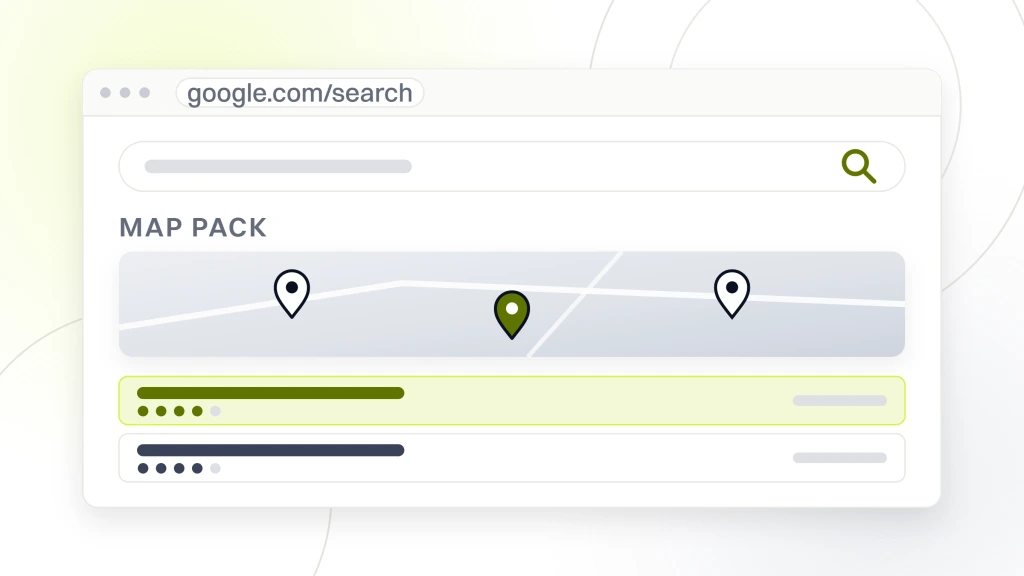
The map pack is the primary battleground
The Google map pack shows three business listings above the standard organic results on local queries like “plumber near me” or “emergency HVAC repair.” Ranking in the top three drives 60 to 75% of clicks on those queries. Ranking four to ten drives 5 to 10%. Everything below ten drives roughly zero. The gap between position three and position four is worth 40 to 60 leads per month for a mid-size home services business inside a metro market. Map pack ranking factors compound over quarters when the account maintains GBP hygiene, review velocity, and citation consistency.
Local organic below the map still matters
Local organic below the map pack captures the researcher segment. That is the visitor comparing three plumbers before calling, the client checking reviews on the top-ranked shop, and the informational searcher looking up how much a water heater replacement costs. Local organic feeds the map pack over time since the same domain signals boost both. Neglect local organic and the map pack ceiling drops even with clean GBP hygiene.
Home services SEO is one lane of a wider search opportunity. For the wider take on how SEO stays relevant against AI answers and shifting SERPs, see our guide to manufacturing SEO strategy, which walks through the same durability arguments from a B2B angle.
Google Business Profile inside home services SEO
Google Business Profile is the single biggest lever in home services SEO. Optimizing GBP moves the map pack faster than any other single change. The work covers primary and secondary category selection, service catalog completion, photo uploads every quarter with geotags on the file, review response cadence, Q and A management, and post publishing every two weeks minimum.
Primary and secondary categories
Primary category selection is the biggest single decision on a home services GBP. Choose Plumber, not Plumbing Contractor, for a residential emergency-focused shop. Choose HVAC Contractor, not Heating Contractor, if the business covers both heating and cooling. Get the primary wrong and the profile loses 30 to 50% of eligible impressions. Secondary categories add up to nine additional relevance signals. Every home services business we audit is under-using secondary categories by four to seven slots.
Review generation flow
Review velocity is a top-three ranking factor for the map pack. A working home services SEO program pulls 8 to 15 reviews per month for a two-truck shop and 25 to 60 for a multi-location operation. The mechanics are simple. The technician sends an SMS with a Google review link 30 minutes after job completion. Response rate on that pattern runs 30 to 50%, versus 5 to 8% on an email sent 24 hours later. Skip the automation and the review count stalls inside a quarter.
GBP posts, photos, and Q and A
Every profile publishes a GBP post every two weeks at minimum. Every quarter the account uploads 10 to 20 new geotagged photos taken from real jobs. Q and A gets seeded with the seven questions clients ask most, answered by the owner, so a stranger cannot post the first answer and hijack the profile. Skip any of these three and Google reads the profile as stale within one to two quarters.
Local citations and directory management for home services SEO
Local citations are business listings on third-party directories. Yelp, Angi, HomeAdvisor, Nextdoor, BBB, YellowPages, Bing Places, Apple Business Connect, and 40 to 60 more depending on vertical. Citation consistency, meaning name, address, and phone matching across every listing, is a ranking signal for the map pack. Every home services SEO engagement starts with a citation audit and cleanup pass, and a mismatched phone number on Yelp versus GBP versus your website costs 15 to 25% of eligible map pack impressions across a quarter.
Which directories actually matter
- Google Business Profile. The primary map pack driver. Non-optional.
- Yelp. Still drives referral traffic in home services, especially plumbing and HVAC.
- Angi (formerly Angie’s List). Paid leads plus general visibility.
- HomeAdvisor. Paid lead marketplace plus citation weight.
- Nextdoor. Neighborhood referrals, strong in residential trades.
- Bing Places. 10 to 15% of US search share, non-optional.
- Apple Business Connect. iOS map results, a growing category.
- BBB, YellowPages, Manta, MerchantCircle. Citation weight only, no serious referral traffic.
Citation cleanup process
Citation cleanup runs on BrightLocal, Whitespark, or Yext depending on scope. The process pulls every existing listing, flags NAP mismatches, closes duplicate profiles, and updates outdated listings to match the current business record. A typical home services citation cleanup finds 20 to 60 inconsistencies on a first audit. Berks Plumbing had 43. Cleanup takes 4 to 8 weeks and moves map pack impressions 20 to 40% inside 90 days across our accounts. That is a boring, one-time fix that pays back every quarter for the life of the account.
Service-plus-city page architecture for home services SEO
Service-plus-city pages are the workhorses of home services SEO. Every ranking home services business runs one page per service line and city combination in the primary service area. A two-truck plumber covering four cities with six service lines needs 24 service-plus-city pages plus one location hub page per city. Skip this architecture and the site never ranks on long-tail queries like “sewer line replacement Reading PA” or “AC install Alpharetta.”
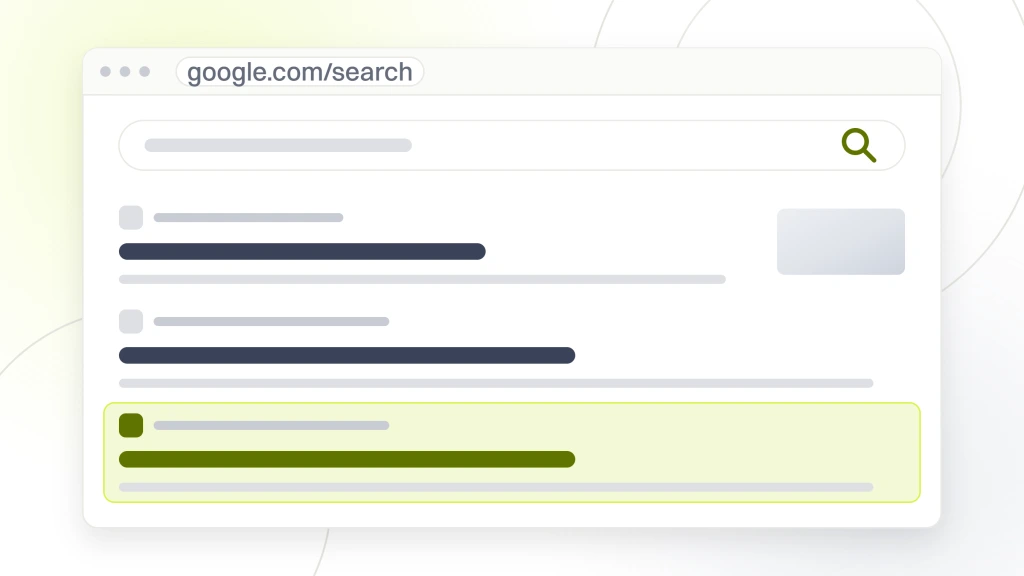
How each service-plus-city page should read
Each service-plus-city page opens with a headline that names the service, the city, and one timeframe. The next paragraph answers the three questions the caller asks on the phone. Below that, add symptoms and use cases for that service, three reviews from clients in that city by first name, a service area map, an FAQ with six city-specific questions, and a booking form. Total length runs 700 to 1,200 words. Every page carries local schema markup, meaning LocalBusiness plus Service. For a full breakdown of the discipline, our search engine optimization services page walks through the audit format we run on every new home services account.
Avoiding the doorway page trap
Google Search Quality Rater guidelines penalize doorway pages. Those are near-duplicate pages built only to rank for local variations without any real differentiation. The fix is genuine local content. Each service-plus-city page names specific neighborhoods, references real clients by first name and city with permission, notes the local dispatch response times, and links to a nearby landmark for orientation. Same service, different city, different content in the paragraphs that describe the local reality on the ground.
How much home services SEO costs per month
Home services SEO retainer pricing runs $999 to $4,500-plus per month depending on service line count, city coverage, and existing content depth. Below $999 per month, the scope is usually GBP-only and leaves most long-tail ranking opportunity on the table.
Pricing scales with the number of service-city combinations you want to rank, not the total pages on the site or the age of the domain. A brand new plumber covering three cities with six service lines needs the same retainer as a 20-year-old plumber covering the same footprint, and the ranking targets drive the workload more than the domain history does.
Retainer tiers for home services SEO
| Business size | Retainer | Scope | Timeline to visible results |
|---|---|---|---|
| Solo operator, 1 city | $999/mo | GBP plus citations plus 6 service pages | 60 to 90 days |
| Two-truck, 2 to 3 cities | $1,499/mo | GBP plus citations plus 12 to 18 service-city pages plus blog | 90 to 120 days |
| Multi-location, 4 to 8 cities | $2,499/mo | Full local search plus content plus link building | 120 to 180 days |
| Franchise or multi-brand | Starts at $4,500/mo | Multi-location templating plus corporate hub plus city hubs | 180 to 270 days |
What each retainer tier includes
Every tier covers weekly GBP posts, monthly citation audits, monthly review response, quarterly technical SEO audits, and monthly reporting. Higher tiers add content production, link building outreach, and city-specific PR. Skip the weekly cadence and the map pack drifts, review velocity drops, and competitors take the top three positions inside two quarters. Ad spend, when the account runs paid alongside organic, is billed separately from the SEO retainer.
Berks Plumbing case study for home services SEO
Berks Plumbing came to us with a Google Business Profile that had not been updated since 2019, 43 citation inconsistencies across 60 directories, and a single-page website with zero service-plus-city architecture. Map pack impressions ran flat at 800 per month. Organic clicks stayed under 200. The account was invisible on 80% of relevant local queries.
We cleaned citation inconsistencies across BrightLocal, added five location pages plus eight service pages, wired review generation into the technician SMS flow, and rebuilt the GBP with primary category, nine secondary categories, and weekly posts. Map pack impressions tripled inside 90 days. Organic users rose 75% inside 18 months. Ad conversions climbed 99% and the paid landing pages inherited the local relevance signals from the organic architecture. Weekly discipline on the same seven levers.
The three biggest SEO changes on the account
The first change was citation cleanup. We fixed 43 inconsistencies in six weeks. The second was service-plus-city pages, going from zero to full coverage in eight weeks. The third was the review generation flow. The technician SMS trigger produced 12 to 18 new reviews per month, versus the previous 1 to 2. Three changes, 90-day compounding, and the map pack tripled. According to Google Maps blog guidance, review velocity plus completeness of the profile are the top signals for map pack visibility.
Technical SEO inside a home services SEO retainer
Technical SEO on a home services site is basic work, and you cannot skip it. The three checks that matter. Mobile page speed with LCP under 2.5 seconds. Local schema markup on every service page, meaning LocalBusiness plus Service plus AggregateRating. Clean crawl paths with no orphan pages. Miss any of the three and the organic ceiling drops 20 to 40%, even with clean GBP hygiene.
Mobile page speed for home services SEO
Mobile page speed under 2.5 seconds on LCP is a Google ranking signal in 2026 and it compounds with local relevance signals. The three page-speed killers on home services sites. Uncompressed hero images over 500 KB. Page builders like Elementor or WPBakery with 600 to 900 KB of unused CSS. Slow shared hosting that spikes to 4-second server response under peak load. Fixing all three moves LCP from 6 seconds to 1.8 seconds inside two weeks. According to the Google web.dev LCP guide, LCP under 2.5 seconds is the mobile bar for pages that convert and rank.
Local schema markup
Local schema markup tells Google the business name, address, phone, hours, service area, and services offered in a machine-readable format. Every home services site runs LocalBusiness plus Service schema on every page, and AggregateRating on the homepage and service pages. Home services accounts that go live with no schema lose 15 to 25% of eligible SERP visibility. RankMath and Yoast SEO both auto-generate the basic markup. Custom Service schema per page needs a manual JSON-LD block or the RankMath Pro schema builder. Ongoing schema hygiene rolls into our monthly website maintenance packages so the markup stays valid through WordPress core and plugin updates.
Link building for home services SEO
Link building on home services accounts is slower than any other channel and compounds hardest over 12-month horizons. The three link types that move rankings. Local newspaper mentions. Chamber of commerce listings with a dofollow link. Industry directory placements. Skip generic link-buying and cold outreach at scale. Home services is a small-radius vertical where local relevance signals outweigh raw domain authority, and a single dofollow link from the local Rotary or the county trade association carries more ranking weight than 15 generic guest posts on unrelated blogs.
Local newspaper and PR
Local newspapers publish community stories about home services businesses. Charity events. Storm response. Veteran hires. Community sponsorships. Every one of these earns a dofollow link with local relevance signals baked in. Cost varies by agency and by the ambition of the pitch. Two to four local placements per year plus the incidental coverage from community events move the needle on organic rankings over 6 to 12 months.
Chamber of commerce and trade associations
Chamber of commerce membership costs $300 to $800 per year and delivers a dofollow link from a locally-relevant domain. Trade associations like PHCC, ACCA, and NARI charge $400 to $1,200 per year and offer directory listings with dofollow links. Every legitimate home services business runs one chamber membership plus at least one trade association listing. The dofollow link is a bonus on top of the referral traffic and the credibility signal these listings send to local prospects.
Content strategy for home services SEO
Content strategy on home services accounts is not decorative. It is the practice of writing informational content that answers the questions your phone actually gets. “Why is my water heater leaking.” “How much does a new roof cost.” “When should I replace my HVAC.” Every post feeds the map pack, and Google reads domain topical relevance and the local geographic signal together on ranking decisions.
The three post types that rank for home services
Post type one. Cost guides. “How much does a water heater installation cost in Cincinnati” ranks and converts, and it answers the price question the caller asks first. Post type two. Symptom guides. “Signs your HVAC compressor is failing” ranks on informational queries and captures visitors early in the decision cycle. Post type three. Seasonal timing guides. “When should you schedule furnace maintenance in Ohio” ranks in September through November for HVAC accounts and drives 20 to 40% of Q4 organic traffic.
Content cadence and word count
Content cadence on a working home services SEO retainer is 2 to 4 posts per month at 1,500 to 2,800 words each. Cost per post runs $350 to $900 depending on writer seniority and topic difficulty. Skip the sub-800-word thin posts. Google’s helpful content update penalizes thin content on YMYL-adjacent verticals like plumbing (water damage risk) and HVAC (carbon monoxide risk). Every post gets a byline from the owner or a certified technician, an author schema block, and at least one internal link to the relevant service-plus-city page.
More home services SEO case studies
Gwinnett Area Plumbers combined home services SEO with paid ads and pulled 141 qualified leads in four months. The organic side of that program produced 40% of the total lead volume by month four. Service-segmented pages plus review flow plus GBP hygiene produced compounding gains inside the first 90 days with no add to the paid budget beyond the initial account restructure.
D and F Plumbing on omni-channel organic
D and F Plumbing ran a five-year omni-channel program in Portland that included home services SEO alongside PPC, Meta Ads, OTT streaming, and a full rebrand as the Plumbers in Plaid. Organic contributed 35 to 45% of call volume across the five-year window. Call-volume growth hit 149% annually. Site conversion rate held at 12.3% on tracked calls. The organic work compounded the paid results, and branded search volume kept climbing as the rebrand took hold in the local market.
Tilghman Builders on nine-year organic compounding
Tilghman Builders, a family-owned home renovation company, scaled organic traffic 784% over nine years with Redefine Web as the digital marketing partner. Annual revenue grew from $1.5M to $6.8M, a 353% jump on the same footprint, and marketing-qualified leads climbed 637% across the same window. The program ran on a rebrand, an inbound content strategy publishing 8 to 12 posts per month, ongoing technical SEO, and a HubSpot integration that logged every organic lead to the pipeline. Nine years of compounding on a disciplined home services SEO playbook.
Passion Built on a single SEO-first site
Passion Built, a Sydney bathroom and home-renovation specialist, replaced two underperforming websites with a single SEO-driven build. Inside a year the account secured 300-plus keyword rankings and converted 10% of new visitors, and the program produced $60,000-plus in bookings from organic traffic alone. Consolidating to one site cut duplicate-content drag and let the domain build topical relevance faster than the split-domain setup allowed.
Red flags in home services SEO proposals
Every home services SEO proposal reads well on its own. Line two proposals side by side and the differences show up in the specifics one of them leaves out. The red flags below catch the shallow ones before you sign, and each red flag saves $500 to $2,000 per month in retainer fees for a scope that would have flopped.
- Retainer under $999 per month with a promise of full local search plus content. That budget covers 3 to 4 hours per month at senior rates.
- No mention of citation cleanup or GBP category audit in the first 30 days. Both are day-one work on any real scope.
- Vague scope on service-plus-city page architecture. Ask for the exact page count in writing.
- Link building priced separately from the retainer with no monthly link target. A number, or it does not exist.
- No monthly reporting sample. If they cannot show a real report format, they are not sending them.
- Guaranteed number-one rankings inside 30 days. Nobody guarantees rankings, period.
- Content included with a per-post cost under $250. That produces sub-800-word thin content that hurts rankings.
Green flags in a real home services SEO proposal
Green flags. A written scope naming citation cleanup, GBP audit, service-plus-city page architecture with page count, monthly content cadence at word count, review generation flow, and quarterly technical audits. A sample monthly report showing map pack rankings across a keyword set. Case studies with real home services accounts and real time horizons. One SEO vendor we replaced promised page-one Google rankings inside 14 days on the strength of a proprietary AI algorithm. The proprietary algorithm was submitting the site to 500 blog comment spam lists and hoping Google would not notice. Google noticed.
Make home services SEO work for your shop
Seven levers run every week. Google Business Profile hygiene. Citation cleanup. Review velocity. Service-plus-city page architecture. Mobile technical SEO. Local link building. Topical content that answers real client questions. Home services accounts routinely see map pack impressions triple inside 90 days and organic clicks double inside six months when the same account gets disciplined weekly management.
If your business ranks below position three on your primary near-me query in your home city, a professional home services SEO retainer pays for itself inside three months on organic call volume alone. Ask three vendors for line-item scopes with page counts, citation targets, and monthly content deliverables. Look for the green flags above. Redefine Web offers a fixed-scope program inside our home services SEO retainer, plus the full stack at our home services marketing hub. Book a call and we will walk you through the last three home services SEO turnarounds we ran, line by line, with citation counts, page counts, ranking changes, and the exact scope each client bought.