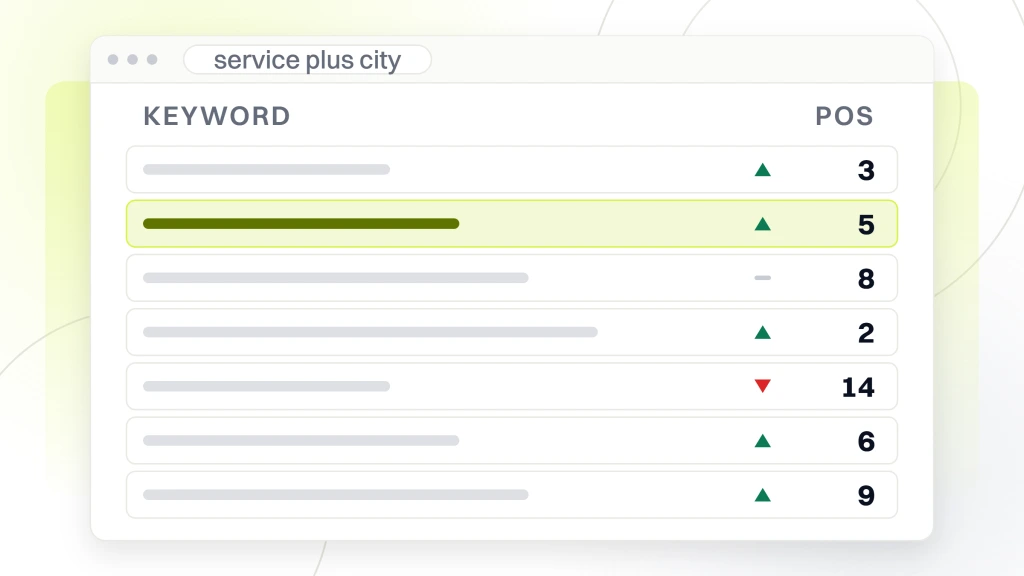
Beauty salon SEO is the local search work that fills your appointment book from Google search and Google Maps. Rank in the map pack for your primary service plus city query and you capture 60 to 80% of the local walk in and booked call volume. Rank on page two and you get 5 to 10%. That gap is worth thousands in monthly revenue for a single location and tens of thousands for a chain. Every salon that skips local search work subsidizes the salons doing it.
This guide covers the playbook Redefine Web runs with single location salons, multi location chains, hair and color specialists, nail salons, lash and brow studios, and full service spa salons. Inside, the ranking factors, the GBP setup checklist, the on page work, the review cadence, the citation and backlink stack, a weight table, a named data point, and the shortlist filter for hiring a beauty SEO company.
Beauty Salon SEO Ranks on Three Signals the Map Pack Weighs
Beauty salon SEO ranks in the map pack on three signals Google weights heavily. Proximity to the searcher decides which salons qualify on a given query. Relevance to the service query decides which qualified salons show up first, tied to the salon category, service list, and content on the profile plus site. Prominence decides the final order, tied to review count, review velocity, review sentiment, backlink authority, and brand mentions in the local area.
The three signals interact. A salon 0.4 miles from the searcher with 47 reviews and a partial service list loses to a salon 1.2 miles away with 380 reviews, a full service list, and the city keyword in the business description. Proximity matters, but it does not beat prominence past 1.5 to 2 miles in dense metros. In suburban and rural markets the radius stretches to 5 to 10 miles since the alternatives thin out and Google widens the map pack accordingly.
The retainer has to move all three signals or ranking stays flat. Optimize only the GBP without building reviews and prominence stalls. Build reviews without the on page and citation work and relevance stays weak. Redefine Web runs all three tracks in parallel every month on every salon SEO retainer. Read the beauty and skincare marketing hub for the full retainer scope.
Google Business Profile Setup for Beauty Salon SEO
Google Business Profile setup for a beauty salon runs on a checklist most salons complete only 30 to 40% of on the first pass. The primary category has to match the service focus. A salon that lives on hair color picks Hair Salon as the primary category, not the generic Beauty Salon. Secondary categories then cover service depth. Nail salons, lash extension studios, and brow studios each get a distinct primary category that carries ranking weight for the specific query.
The GBP profile needs 12 to 20 photos updated monthly, not one photo shoot at launch. Real branch photos, not stock. Real client transformations with consent. Real interior and exterior shots. Google reads photo upload velocity as a prominence signal, so salons that upload 8 to 12 photos a month outrank salons that dropped 40 photos at launch and stopped. Cadence matters as much as count.
The GBP service list has to cover every service you offer with a specific name and a price range if you post transparent pricing. Leave it blank or fill only 3 to 5 entries and you lose relevance for the 30 to 60 service queries your menu could rank for. A full service list takes 90 to 180 minutes to build and pushes 20 to 40% more query volume through the profile inside 60 days. See the Google Business Profile category guide for the current category list.
Review Cadence Drives Beauty Salon SEO Prominence
Review generation cadence is the single biggest lever on the prominence signal. Salons that pull 8 to 15 new reviews a month outrank salons with the same total review count at lower velocity. Google reads velocity as a signal of active business health, and stale review profiles lose ground to competitors with fresh flow. Hit 100 reviews and stop and ranking slips inside 90 to 120 days.
The review generation stack has three layers. Post service review requests by text or email inside 2 hours of the appointment. QR code stickers at the checkout counter and station chair that link straight to the review form. And a monthly push to the customer list segmented by service type. The 2 hour window pulls the highest response rate since the memory of the service is fresh and the emotion of the transformation is peak. Wait 24 to 72 hours and response rate drops 40 to 60%.
Review response is part of the prominence signal Google reads. Salons that reply to 80 to 100% of reviews inside 24 hours outrank salons that reply to 20 to 40%. Responses have to read human, not templated. Copy paste replies count against the profile since Google reads the pattern as low effort engagement.
On Page Beauty Salon SEO for Local Ranking
On page work runs on a location specific page structure that ranks for primary service plus city queries. A single location salon needs a homepage tuned for the primary service plus city query, a service page per major service tuned for the service plus city query, a location page with NAP and schema, an about and team page with staff bios and specialties, and 20 to 40 content pages covering service education and local topics.
A multi location beauty salon chain needs a location page per branch tied to the branch NAP, team, service menu, reviews, and booking widget. A single service page with a location switcher does not rank for the city specific queries the branch traffic depends on. Chain sites that skip per branch depth lose 60 to 80% of local search traffic to competitors with the right architecture.
Schema markup on the location and service pages runs LocalBusiness or the specific subtype like HairSalon, BeautySalon, or NailSalon. The schema markup carries the NAP, the opening hours, the service list, the price range, and the review aggregate rating. Google reads schema markup at the crawl level and uses the data to power rich result placement in local search. Salons with schema done right get rich result treatments that salons without schema never see. See the beauty SEO company page for the retainer scope reference.
Citations and Local Backlinks for Beauty Salon SEO
Citation building runs on 30 to 60 accurate NAP citations across the top local business directories. Yelp, Yellow Pages, Bing Places, Apple Maps, Foursquare, Facebook Business, and category directories like StyleSeat, Vagaro, and Booksy all carry citation weight. Every citation has to match the GBP NAP character for character. Inconsistent NAP drags the prominence signal and creates ranking drift that gets harder to fix every quarter it sits.
Local backlinks matter more than most beauty salons realize. A backlink from a local news site, a neighborhood blog, a wedding vendor list, or a fashion week coverage page carries 3 to 5 times the weight of a generic directory link. The base stack for a salon runs 15 to 30 local backlinks built through community sponsorships, local press outreach, wedding vendor partnerships, and neighborhood event coverage. That work compounds over 12 to 24 months and does not move ranking in the first quarter.
Category specific backlinks from beauty industry publications, professional association pages, and stylist certification sites carry weight beyond the domain authority number alone. A backlink from Behind the Chair, American Salon, or Modern Salon carries category relevance that pushes ranking for the specific service queries. The outreach work to earn these links takes 4 to 8 hours per placement but delivers ranking movement measurable within 60 to 90 days.
Content Strategy That Compounds Beauty Salon SEO
Content strategy that compounds runs on three layers. Service education covers 20 to 40 content pieces answering the questions customers search before booking. Transformation content covers 10 to 20 pieces documenting real client transformations with before and after imagery and stylist commentary. Local topic content covers 8 to 15 pieces tying the salon to the city, neighborhood, or event calendar.
Service education content ranks for informational queries customers search 60 to 90 days before booking. Balayage versus highlights, explained. How long a keratin treatment lasts. What to expect at a first lash extension appointment. Every piece needs the service name plus city in the meta title, a photo of the real service from the salon, and a CTA to book that service. Generic beauty content that could sit on any salon site does not rank for the specific salon plus city query.
The transformation content ranks for the visual search and long tail query pattern. Before and after imagery gets indexed in Google Image search and Google Discover, both of which drive traffic to the site independent of the map pack. Real transformation content carries the credibility signal too for the customer researching the salon before booking. A salon with 30 transformation posts holds a browsing customer 3 to 5 times longer than a salon with a stock photo gallery.
Beauty Salon SEO Ranking Factor Weight Table
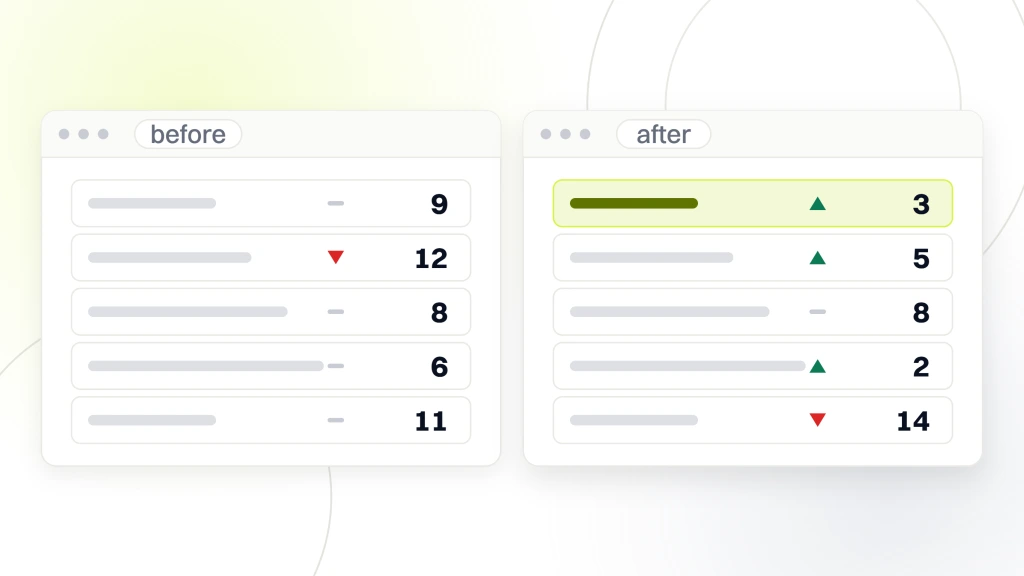
The table below sorts the top ranking signals by approximate weight, based on current industry research and Redefine Web observation across 20 plus salon retainers. Use it to audit your current retainer and check whether the hours match the weight. Any retainer heavy on low weight signals and light on high weight signals is misallocated. Weights are directional, not exact percentages, since Google does not publish them and the numbers shift with algorithm updates.
| Ranking factor | Weight tier | Work required per month | Time to ranking movement |
|---|---|---|---|
| Google Business Profile completeness | High | 2 to 4 hours photo and content updates | 30 to 60 days |
| Review count and velocity | High | Ongoing 8 to 15 new reviews per month | 60 to 120 days |
| On page location and service pages | High | Content plus schema updates monthly | 60 to 120 days |
| Local backlinks quality and category relevance | Medium high | 2 to 4 backlinks earned per month | 90 to 180 days |
| Citation consistency across directories | Medium | Monthly audit plus quarterly cleanup | 30 to 90 days |
| Content depth on service education | Medium | 4 to 8 pieces per month | 90 to 180 days |
Use the table to audit and rebalance. Any retainer spending 60% of hours on low weight signals loses ground to competitors doing the high weight work. Heavy on citations, light on review cadence, and ranking sits flat. Heavy on content, light on GBP completeness, and the site ranks yet the map pack stalls. The three high weight signals need active monthly work, not a launch push followed by six months of coasting. Read the beauty marketing retainer plans for the Redefine Web retainer scope math.
Multi Location Beauty Salon SEO Across Three or More Branches
Local search work across three or more branches carries operational complexity single location salons never face. Every branch needs a separate GBP profile with the right primary category, branch specific NAP, branch specific photos, and a branch specific review flow. The parent Google account that owns the profiles has to sit with the salon owner, not the marketing agency, so the profiles stay with the business if the agency changes.
A multi location chain needs a location page per branch tied to the branch NAP, team, service menu, reviews, and booking widget. The homepage and top level service pages carry the brand identity and the service category depth. The location pages carry the local intent traffic and the map pack ranking per branch. Skip that architecture and traffic flows to the competitor who did the work.
Corporate review cadence has to route to the branch level. Chains that push reviews to a single corporate platform without branch specific GBP routing watch ranking stall across every branch. Redefine Web routes reviews to the branch level on every multi location salon SEO retainer. Setup runs 8 to 20 hours and pays back through consistent branch level review velocity month over month.
Red Flags on a Beauty Salon SEO Agency Shortlist
Red flags on a beauty salon SEO agency shortlist repeat across salon shapes. Any agency that promises page one rankings inside 30 days is either running black hat tactics that will trigger a Google penalty or lying about how long local SEO takes to compound. Real ranking movement takes 60 to 180 days depending on query competitiveness and current baseline. Any agency that hides which queries they target is not doing keyword research, they are running a template.
An agency that owns the GBP profile in their own Google account is holding the salon hostage. End the retainer and the salon loses the profile and often the review history that took months or years to build. Any setup that does not put the GBP in the salon owner’s account fails the red flag test at the proposal stage. Ask the question before signing. Watch how the answer lands.
The other red flag is any agency that skips review generation cadence in the retainer scope. Reviews are the highest weight signal on the prominence axis. Run only the on page and citation work and the retainer is incomplete, it will not move ranking on the queries that book appointments. The salon owner who fires their SEO agency for weak results is often the same owner whose retainer never sent a review request text to a single customer.
Beauty Salon SEO Proof From a Premium D2C Brand
A premium beauty and skincare D2C brand in Mumbai came in with a weak organic footprint, a paid media stack that had plateaued at 2× ROAS, and no topic cluster covering the product question searches customers ran before buying. The engagement rebuilt the SEO layer around problem led topic clusters, added structured product schema, and layered segmented paid plus micro influencer work behind the SEO stack.
Organic traffic grew 220% inside 12 months as the topic clusters and problem led content captured the product question intent. Monthly online sales scaled 3.5× through the combined effect of SEO plus paid plus influencer plus email. The segmented paid plus micro influencer combination returned 5.2× on ad spend inside the first 90 days. The shape a beauty salon SEO or D2C beauty program should want. Not a single lever pull, a full multi channel program with the SEO layer carrying the compounding weight.
The same pattern shows up on the Abigail Ahern engagement. Ecommerce revenue grew 179% through restructured SEO plus paid media, paid search ROAS climbed to 1,588%, and paid social hit 3,000% ROAS through retargeting and prospecting. Beauty salon SEO plays the same compounding hand at the local level. GBP plus review velocity plus on page plus content plus backlinks all running together for 12 to 24 months.
Pick the Right Beauty Salon SEO Partner for Your Brand
The right beauty salon seo partner for your brand depends on the salon shape, the location count, and the current baseline ranking. A single location salon needs a partner strong on GBP optimization, review generation cadence, and on page location work at the $999 or $1,499 per month tier. A multi location chain needs a partner strong on multi location GBP management with a named local SEO lead per region at $2,499 per month. A luxury clinic needs a partner strong on high competition metro market ranking with a proven case study in a top 10 metro at from $4,500 per month.
Three moves this week to move from shortlist to signed partner. First, audit your current GBP profile completeness against the checklist and score the completion rate. Second, ask three prospective partners to walk their client GBP dashboard on a screen share and confirm review velocity and photo upload cadence show up in the reporting. Third, ask each partner what specific queries they are targeting for the salon and confirm the queries match the primary service plus city intent.
Where Redefine Web fits on that filter. Beauty salons single or multi location, hair and color specialist studios, nail and lash studios, and luxury aesthetics clinics all sit in scope. See the med spa marketing agency hub for the adjacent clinic playbook.
Beauty salon SEO that fills the appointment book runs on three signals. GBP completeness plus review cadence plus on page location and service page depth. Every high weight signal takes active monthly work. Citations and content compound over 6 to 18 months. Our premium D2C beauty engagement scaled monthly sales 3.5× on this exact shape. Your salon can turn local search into a booked appointment channel every month.