
Professional SEO services Houston firms buy usually split into two buyer camps. One camp wants map-pack visibility across Downtown, the Galleria, the Energy Corridor, and the Texas Medical Center. The other camp wants deep-content authority on high-intent terms like Houston employment attorney or Houston oil-and-gas consulting. Both camps need the same underlying work. Professional SEO services Houston law, accounting, energy, and healthcare practices grow with cover technical SEO, on-page rewrites, citation health across the top 40 Houston directories, Spanish-language duplication for Medical Center and East End queries, review generation, backlink outreach into Texas legal and business publications, and reporting tied to booked consults on the intake sheet.
This piece is a buyer guide, not a sales page. It walks through Houston-specific ranking factors, the commercial districts where competition is thickest, the retainer scopes that actually move rankings in this metro, hurricane and humidity seasonality on service demand, and a named organic growth pattern that took a defense practice from 573 to 4,500 annual organic users. Bring current Search Console data and the intake sheet.
Cost benchmarks for professional SEO services Houston firms should expect
Houston-specific pricing sits slightly above the national average. Metro density, oil-sector competition, and Medical Center content depth all demand more monthly output than a Tulsa or Nashville retainer. A boutique solo practice in a single Houston district pays $999 to $1,600 per month for a working retainer. A multi-district firm with three to five service lines pays $1,999 to $3,000 per month. A large firm running enterprise SEO across the ten commercial districts and multiple practice groups pays from $3,500 per month.
Anything under $999 per month for Houston SEO usually means no real content production and no Houston-specific outreach. The retainer runs a citation audit, one Google Business Profile post, and a report on impressions with no attribution work. That is $200 of value at a $500 to $800 price tag. Firms buying at that price point routinely switch agencies inside 6 months because the math never lines up on booked consults.
Our own SEO retainer bands line up with the market at $999 for Visibility, $1,499 for Traffic, $2,499 for Scale, and from $4,500 for Enterprise. Match the tier to the goal, not the goal to the tier. A solo Houston firm does not need Enterprise. A ten-district legal group does not grow on the entry tier.
| Scope | Monthly cost | Content per month | Local coverage | Time to compounding |
|---|---|---|---|---|
| Solo Houston practice, single district | $999 to $1,600 | 2 blog posts, 2 page updates | 1 district, 1 GBP | 10 to 14 weeks |
| Multi-district firm, 3 to 5 service lines | $1,999 to $3,000 | 4 posts, 4 page updates | 3 to 5 districts | 10 to 14 weeks |
| Enterprise Houston firm, all districts | from $3,500 | 6 to 8 posts, 6 page updates | All 10 districts | 12 to 20 weeks |
Compared to Google Ads on the same terms, these retainers pay back cleaner over 12 months. Houston employment attorney clears at $28 to $65 per click on Google Ads. Houston tax attorney runs $22 to $58. Oil-and-gas consulting can climb past $40 for the most competitive phrase clusters. An organic click on the same query costs zero after month 12. A $1,999 retainer producing 20 to 30 organic clicks per day works out to $2 to $4 per click blended, dropping to under $1 by month 24 as the compounding curve steepens.
Content production tuned to Houston professional services buyers
Content inside a Houston SEO retainer reads different from generic SEO content because the audience is educated, skeptical, and often reading during a stressful moment. A Houston executive searching Houston employment attorney at 11pm on a Sunday is not looking for keyword-stuffed introductions. They want a page that reads like it was written by someone who has stood in Harris County courtrooms and knows the practical difference between filing a claim under Chapter 21 of the Texas Labor Code versus federal Title VII.
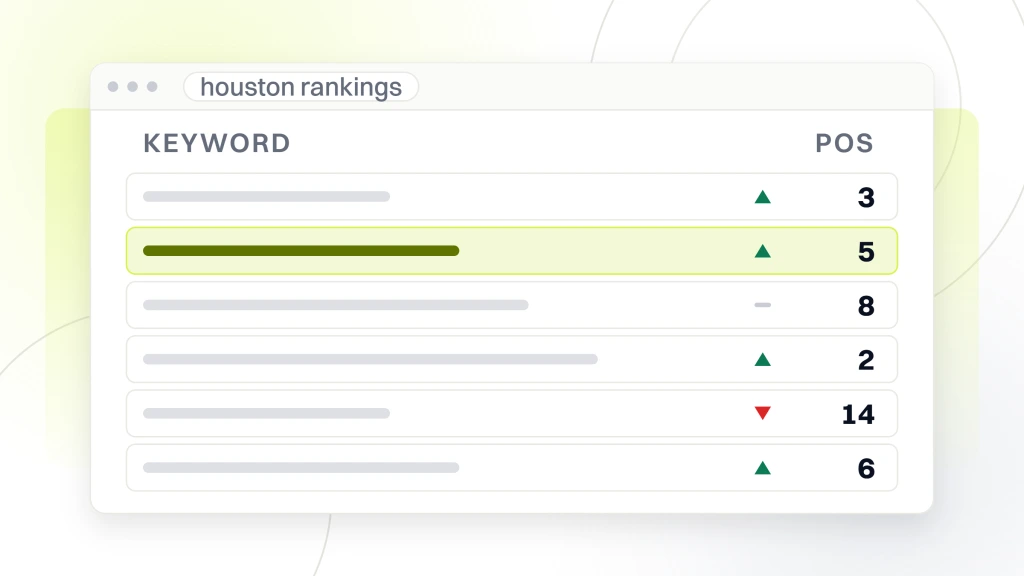
Every post begins with keyword and search intent, then the writer studies the top three ranking pages in Houston for the target term, notes the subtopics they cover, adds one subtopic they miss, then writes the answer-first structure that AI Overviews and featured snippets extract cleanly. WordStream’s team confirmed the pattern in their local SEO guide where they note that structured, question-driven content compounds faster than opinion pieces.
Service-page rewrites carry direct revenue weight because they sit closest to the buying decision. A rewritten Houston service page with three named client scenarios, honest fee ranges, courthouse familiarity signals for legal work, and a clear next-step CTA converts organic traffic at 3x the rate of a bare-bones service page. Two service-page rewrites per month across 12 months produces 24 rewritten pages, enough to cover every practice line most Houston boutique firms deliver.
Spanish-language content is the piece most Houston agencies skip. Roughly 45% of Medical Center and East End searches for legal, medical, and home-services categories carry Spanish intent. A mirrored /es/ tree with real translation (not Google Translate) recovers 12 to 22% of search volume competitors ignore. Two hours of translator time per new page, added to the standard content brief, is the entire add. The compounding gain over 12 months is on par with adding a second English-only writer.
Case study production is the third content type that gets under-invested in Houston SEO plans. Every 4 to 6 weeks the retainer produces a written case study with a named client (with permission), real numbers, and a specific service outcome. A well-written case study pulls 40 to 60 organic visits per month once indexed and ranks for the client name plus vertical query. That kind of asset compounds indefinitely at zero variable cost.
A named growth pattern from 573 to 4,500 annual organic users
One of the strongest organic growth patterns we have delivered came from a specialized defense practice in a competitor-dense legal market where the top firms were spending five to ten times the retainer budget on paid search. The practice had quality blog posts and a mobile-ready site. Low domain authority resulted in limited qualified traffic despite the content investment already made. Total annual organic users on the site stood at 573 at the start of the engagement.
The plan reallocated budget away from generic SEO tactics and toward domain authority and local visibility. Guest blog posting on DA 60+ sites. Targeted outreach link building with an 8% success rate on DA 50+ sites. Visual SEO assets like infographics that earned organic backlinks from legal news outlets. Directory submissions and Google Business Profile optimization for the metro. Twelve months in the practice hit 4,500 new annual organic users, an increase of 681% year-over-year. Phone-call inquiries tripled inside the same window, and the firm hired additional attorneys to meet the new demand.
The pattern translates cleanly to professional SEO services Houston firms. Reallocate spend from broad SEO tactics toward high-authority local link acquisition, technical baseline cleanup, and the Google Business Profile as the primary map-pack engine. Content stays consistent at two long-form pieces per month tuned to the specific vertical language. Reporting ties every ranking movement back to booked consults on the intake sheet, not to vanity metrics like impressions or bounce rate.
The Houston-specific translation looks like this. Instead of generic legal directories, the plan targets Houston Bar Association listings, Harris County Bar directories, Texas Lawyer publication mentions, and the Houston Business Journal legal section. Instead of generic local backlinks, the outreach hits Texas legal news sites, University of Houston Law Center alumni pages, and Houston-focused business publications. For energy-sector clients, add Rice University energy research citations, Greater Houston Partnership member coverage, and Houston Chronicle business-desk mentions. The tactics scale. The metro-specific inputs change.
Our home-services work shows the same compounding curve in a different vertical. Ad conversions grew 99% over a 12-month window on one plumbing account, and a paid campaign in the same category produced 141 qualified leads inside a 4-month sprint. Same principle at play. Reallocate spend toward the channels the market actually rewards, then track booked calls, not clicks.
In-house Houston SEO versus hiring an outside team
The build-or-buy question comes up on every Houston SEO intro call. In-house SEO with one detail-oriented marketing lead at 15 to 20 hours per week can match agency results at 40 to 55% of the cost through month 12. The math holds if the lead stays with it. Most in-house Houston SEO plans stall at month 4 when the marketing lead gets pulled onto a rebrand, a new office opening, or a partner-driven launch that eats the SEO time.
The signal that in-house is working. The weekly checklist gets done every week for three months running. Google Business Profile post on Monday. Citation cleanup on Tuesday. Blog post drafted Wednesday, published Thursday. Houston-specific backlink outreach email Friday. Repeat 50 weeks. If any two of those five slots slip more than once a month, the plan is not producing the compounding curve and the outsourced retainer conversation is due.
The bundle economics work out cleaner too for a Houston boutique. An outside Houston SEO team already owns the content tooling, the BrightLocal citation platform, the backlink outreach system with pre-warmed Texas media contacts, and the reporting stack tied to CallRail attribution. Building that in-house from scratch runs $350 to $550 per month in tool subscriptions plus 6 to 8 weeks of setup time. That fixed cost eats the margin on any retainer differential under $1,400.
The inflection point where outside help pays back cleanly. The firm is booking 15 or more new consults per month from all channels, adding a second Houston office or a suburban location, or launching a new practice group. Any of those three moments doubles the SEO workload immediately. In-house leads managing existing rankings cannot absorb a new district-launch content plan on top of existing responsibilities without dropping something. That is the moment the outside retainer becomes a margin-positive decision, not a cost.
How to evaluate a Houston SEO agency during the intro call
Ask five direct questions on every intro call for Houston SEO work and the pattern separates competent from cosmetic agencies inside 15 minutes. The five cover case studies, reporting, Google Business Profile handling, deliverable volume, and exit terms.
Each question maps to a red-flag pattern. Vague answers on any of the five usually indicate an agency running a generic playbook without Houston-specific experience or accountability.
Competent agencies show up with named Houston case studies, deliverable schedules, and honest 12-week ranking timelines. Cosmetic agencies show up with generic pitch decks, vague promises, and rank guarantees that violate Google’s webmaster guidelines. Google’s spam policies documentation is explicit that no ranking is guaranteed. Walk away from any pitch deck that promises specific positions on specific dates for specific keywords.
Ask for three named case studies with the client name and the specific ranking improvements over 12 months. If the agency answers NDA on all three, that is a red flag. Every mature agency has at least one client who agreed to be a named reference. Ask for that reference’s phone number and call them for 10 minutes before signing. Ten minutes with a real reference customer beats 60 minutes with the agency’s account executive on any measure that matters.
Ask what monthly reporting is tied to. If the answer is impressions, sessions, and bounce rate, keep interviewing. Those are diagnostic metrics, not decision inputs. A working monthly report shows map-pack position for the flagship Houston district and service query, booked consults attributed to organic via call tracking, and cost per booked consult from organic. Everything else is context. Ask for a sample report from a real client with names redacted before signing anything.
Reporting cadence that keeps a Houston SEO retainer honest
The monthly review meeting runs 45 to 60 minutes on the first Tuesday. Partner-in-charge or founder, marketing lead, and SEO contact review the three summary numbers and one page from Search Console. Decisions come out of the meeting. Next month’s topic. Review-request script tweak. One citation to correct across the Houston directory set. One new district page to launch. Small consistent decisions compound over 12 months into ranking positions that pay for themselves for years after.
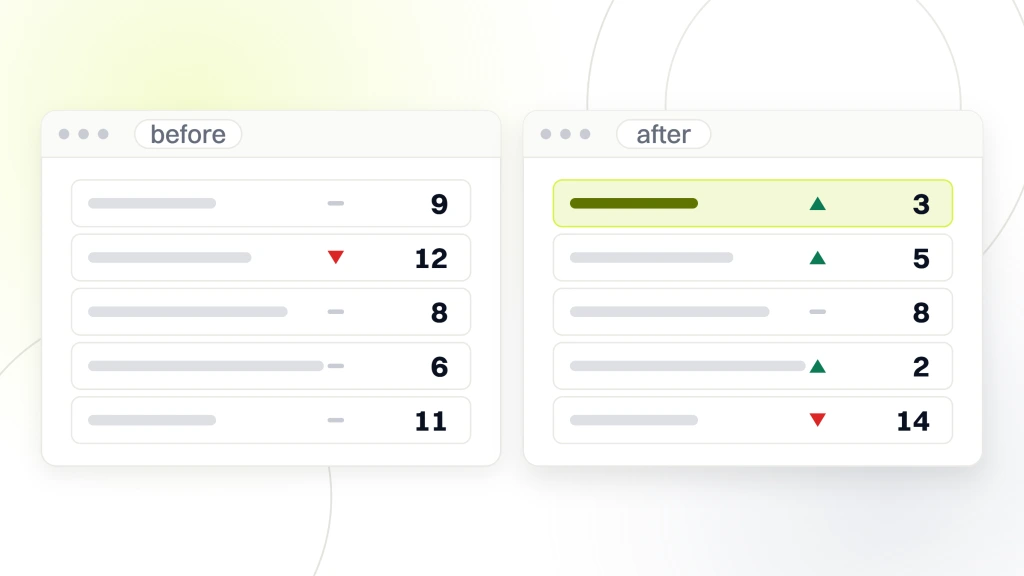
The three summary numbers stay the same every month. Map-pack position for the flagship Houston district plus service query. Booked consults attributed to organic search via call tracking. Cost per booked consult from organic (retainer cost divided by organic booked count that month). Track those three and the story of whether the retainer is producing results or not becomes obvious inside four months. Firms that skip these three numbers usually stop reading reports entirely by month 6.
The one Search Console page shows top-ranking queries by clicks and impressions over the last 30 days versus the prior 30 days. A working retainer moves the queries up steadily. A stalling retainer shows the same queries in the same positions month after month. That signal shows up before booked consults drop, which gives the firm time to correct course before the phone stops ringing. Watching this page every month is worth more than reading a 40-page report every quarter.
The quarterly review layers in technical audit results, Houston-specific backlink additions over the last 90 days, review count trends across all district locations, and citation health across the top 40 Houston directories. That report runs 45 minutes on the second Tuesday of the first month in each quarter. It replaces the monthly meeting for that specific month. Full year at 12 monthly meetings plus four quarterly reviews equals 16 touchpoints, which is the minimum a working Houston SEO relationship needs to stay honest.
Seasonality gets its own line item on the June and January reports. Hurricane season peaks between June and November, and search demand for roofers, restoration contractors, plumbers, and HVAC repair spikes 3 to 5x in the 72 hours around any named storm. Retainer plans should front-load a 30-day content push before June 1 covering storm-prep, insurance-claim guidance, and same-day service pages. January and August each carry their own spike patterns tied to school year, oil-sector budget cycles, and Medical Center hiring windows.
Common mistakes Houston firms make with their SEO retainer
Switching agencies inside the first 6 months is the biggest mistake Houston firms make. SEO compounds on a 12-week to 12-month curve. Firms that switch at month 4 because rankings did not move restart the compounding clock and burn another 90 days on onboarding, tool migration, and Google Business Profile transfer. Pick the right agency once, stick with it through month 12, and the compounding math works. Firms that swap agencies every 8 months earn zero compounding across three years.
The second common mistake is strategy churn from the top. A partner reads a couple of SEO articles over the weekend and arrives Monday convinced the whole Houston plan needs a pivot, even though the same partner signed off on that plan 60 days ago. The right response from the marketing lead is to take the input, log it, and quietly continue the 12-month plan. Firms that swap strategy every quarter chase zero compounding. Firms that pick a plan and stick with it earn 40 to 60% of consults from organic by month 12.
The third mistake is buying on price alone. A $600 monthly retainer produces $600 of work. That covers a citation audit, a Google Business Profile post, and not much else. Houston SEO firms need start at $999 per month for a solo practice and scale from there. Below that price the math does not support the deliverable list Houston competitor density requires to rank.
The fourth mistake is skipping call tracking. Without a dedicated organic-search phone number that logs calls as organic in the tracking dashboard, the firm has no honest way to know which channel booked the last 30 consults. Every monthly report becomes a guess. Install CallRail on day one at $45 per month and get 20x that value back in attribution clarity across every channel running. Missing this one tool means missing the whole feedback loop that makes the retainer accountable.
The fifth mistake is ignoring the Spanish-language opportunity. Houston is 44% Hispanic by population, and the Medical Center, East End, and Gulfton neighborhoods drive real search volume in Spanish across every professional services category. Firms that publish English-only leave 12 to 22% of qualified traffic on the table permanently. The fix is not translation software. It is a bilingual writer or an external Spanish content contractor at $80 to $150 per page.
What professional SEO services Houston retainers do not include
What professional SEO services Houston retainers do not include. Paid ad management, full site rebuilds, email production, social content, CRO landing pages, and on-demand sales copywriting. Scope discipline on day one prevents the awkward month-four conversation about why SEO did not fix the intake team response time.
Not included in a standard SEO retainer. Paid ad management (that is a separate PPC scope). Full website rebuilds (that is web design). Email marketing production. Social media content. CRO landing-page rebuilds. On-demand copywriting for sales collateral. A retainer that quietly absorbs all of those without adjusting scope stops delivering the SEO work that was paid for, and rankings stall inside 90 days.
If a Houston firm needs SEO plus PPC plus web maintenance under one contract, the honest structure is a bundled marketing retainer covering all three. Our Professional Services Marketing Retainer starts at $1,499 per month for solo practices and scales with the number of channels the firm wants running. The bundle is cheaper than three separate retainers and the reporting rolls up cleanly to one Tuesday-morning meeting.
Also not included in standard SEO. Rank guarantees. No agency can honestly guarantee page-one rankings on a specific date for a specific keyword in Houston. Google’s algorithm updates 4,000 times per year across the top ranking systems. Any agency selling a guarantee is either buying the rank with tactics that get penalized within 90 days or lying about attribution. Walk away from any pitch deck that includes the word guarantee attached to a ranking position.
What professional SEO services Houston firms are worth after 12 months
A 12-month Houston SEO engagement worth the retainer produces four outputs. Thirty or more ranked pages across commercial and district queries. Forty to 60% of consults from organic. Three to five times lower cost per consult than Google Ads. A compounding traffic curve for years after.
The compounding math is where a Houston retainer pays back over the following 24 months. A blog post that ranks position 2 for a commercial Houston keyword generates 40 to 80 organic visits per month indefinitely at no ongoing cost. Multiply that across 24 blog posts and 24 rewritten service or district pages produced over 12 months, and the compounding curve delivers 2,000 to 3,500 organic visits per month by month 15, all at zero variable cost.
Paid search on the same intent captures the same volume for $35,000 to $70,000 per month in ad spend forever. The retainer costs $24,000 to $42,000 across the 12-month build at the mid or upper tier. The break-even against paid search lands between month 10 and month 16 depending on the vertical. After break-even every organic click is free until the firm stops publishing content and updating the Google Business Profile.
Ecommerce-side numbers back up the compounding pattern. On one retail account we ran, cost per sale settled around $31 across an annual curve once organic traction kicked in. Same principle. Cost per acquisition drops toward the marginal cost of content once rankings compound.
The final answer to what these retainers are worth in year one. The retainer that pays itself back inside 12 to 16 months and then compounds for years is the retainer that produces steady deliverables against a fixed monthly scope. The retainer that costs $600 and produces $250 of value is worth negative money because it consumes the partner-in-charge’s attention with no offsetting return. Pick the right scope. Skip the bargain-basement pitches. Interview three agencies. Sign with the one who shows named case studies and a real Tuesday-morning report format.
Next steps when hiring professional SEO services Houston firms grow with
Pick three actions this week. First, run the current firm site through a free technical SEO audit tool (Ahrefs, Semrush, or Google Search Console) and print the top 10 issues on one page. Second, count Google reviews from the last 90 days across every Houston office location and every partner profile. Third, list every keyword the site currently ranks top-20 for and cross-reference against the actual practice lines the firm sells.
Those three inputs are the baseline every Houston SEO agency interview should reference. Show up on the interview call with the printouts. Ask the agency to reference them in their proposal. That single step separates agencies who wrote a real Houston-specific proposal from agencies who copy-pasted the same generic pitch deck to 40 firms this quarter. Real work starts with real numbers, not a template.
The search engine optimization services team at Redefine Web reads the current Houston firm site, Google Business Profile, and Search Console dashboard. Retainer tiers land at $999 for Visibility, $1,499 for Traffic, $2,499 for Scale, and from $4,500 for Enterprise, and the audit is separate from any tier commitment. The output is a specific 90-day plan handed back within 48 hours of the call. The audit and plan cost nothing. The decision to hire or not comes after reading the plan. Firms that book the audit are typically 60 to 90 days closer to organic-search compounding than firms that spend the same 60 days interviewing agencies without a plan document in hand.