Food and Beverage Website Maintenance Built for CPG Growth
Food and beverage website maintenance for CPG brands, DTC beverage stores, snack labels, and QSR sites from $199/mo. TTB label sync, age-gate QA on every deploy, Toast, Square, and Clover POS webhooks watched, Klaviyo and Recharge health checks, weekly patching, and a 99.99% written uptime SLA on Enterprise plans.
Three ways your maintenance vendor puts your food and beverage sales at risk
TTB label copy drifts out of sync and puts your alcohol license at risk
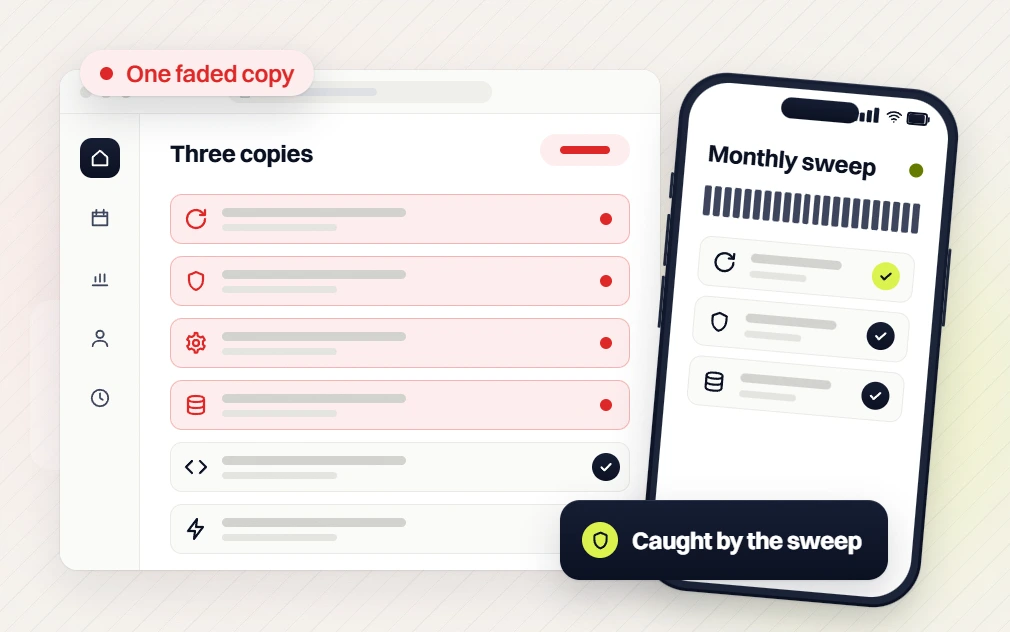
Every new beer, wine, or spirits SKU needs the government warning verbatim on the PDP, in the checkout email, and inside the age-gate. A single missed TTB warning triggers fines from $500/day per label up to $500K in caps, and a repeat miss puts the federal basic permit under review. Most generic care plans never audit the label copy.
The age-gate breaks on iOS after every Shopify or WordPress patch
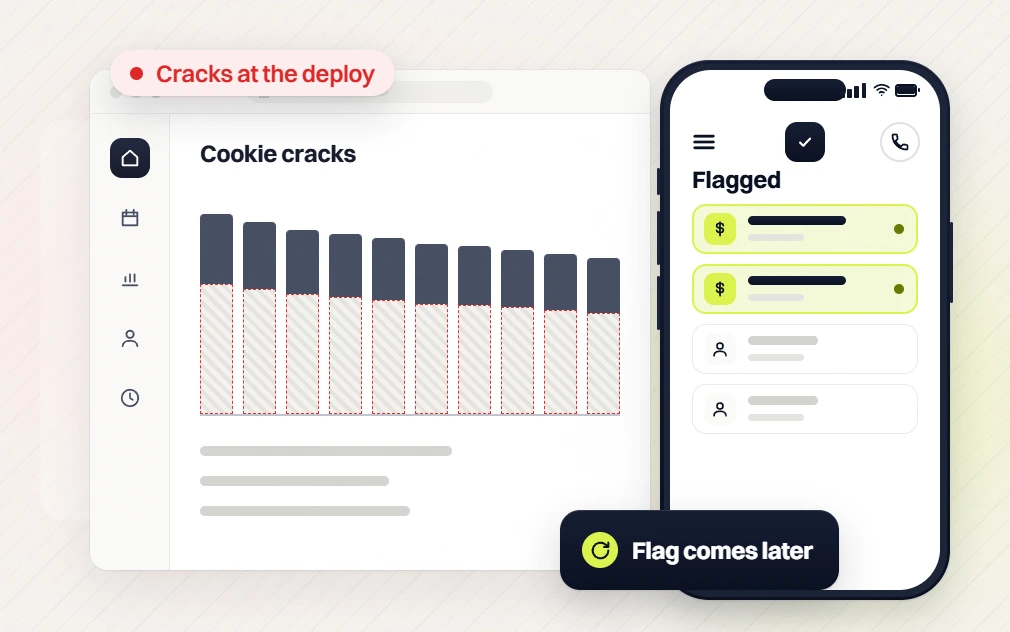
A Safari update, a theme push, or a plugin patch quietly kills the age-gate cookie on iPhone. Households under 21 slide past the gate, adult shoppers get bounced back to the gate every visit, and paid Meta traffic for a beverage brand starts refunding as underage clicks. Nobody catches it until an ad account gets flagged.
Menu and product prices drift from Toast, Square, or Clover in-store
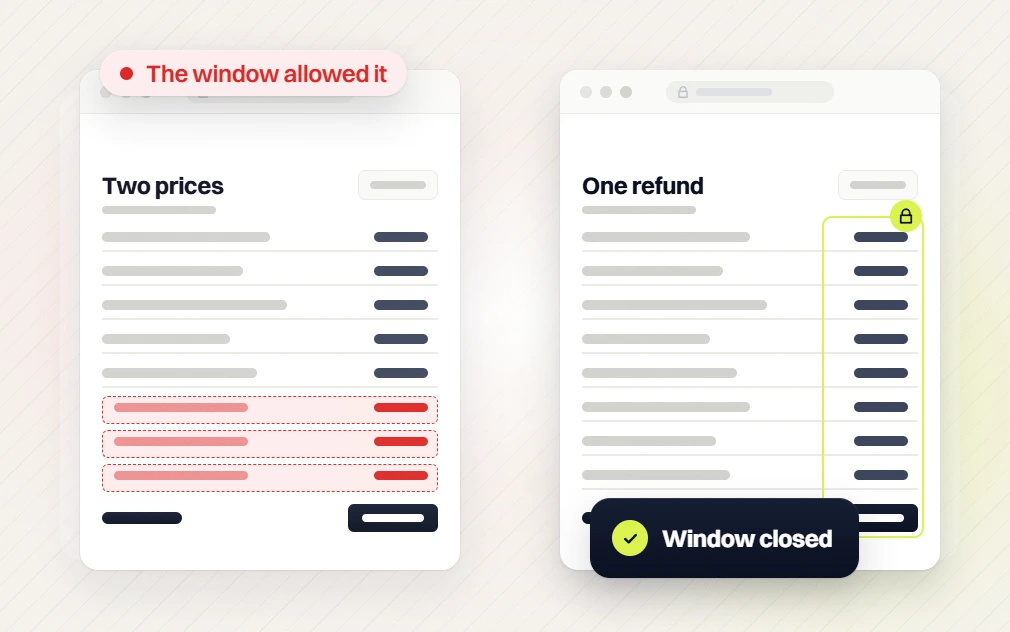
A generic care plan lets Toast and Square sync menus on a 6-hour poll. Guests see $14 online, $16 in-store, and sold-out items still take orders through the storefront. QSR and hospitality operators end up refunding the delta or comping the visit. Every drift chews margin and puts the online review score at risk.
Three outcomes every food and beverage maintenance retainer produces
Real humans on call. If your storefront drops, we know before shoppers do. Service credits auto-issue on any missed launch week or paid ad flight.
Web application firewall, daily malware scans with auto-quarantine, weekly patching, quarterly PCI SAQ prep, TTB label sync, Consent Mode v2 validation.
Performance tune-ups, image and CDN work, plus edit hours every month. 2 hours on Starter, 5 on Premium, up to 10 on Enterprise. SKU launches included.
Four stages. Every step ends in a sign-off
Onboarding gets you access, credentials, and a full baseline scan on day one. From there, infrastructure, monitoring, and monthly reporting run without your input until you need something changed for a launch, a paid flight, or a menu swap.
Access, credentials, and baseline scan
Shopify collaborator access, hosting, DNS, WordPress admin, Toast or Square API keys, and Klaviyo credentials logged with rotation schedule. Off-site backup taken and restored on staging to prove it works. Full baseline security, speed, and accessibility scan documented in writing.
Managed hosting, CDN, and WAF
Managed Shopify Plus or LiteSpeed hosting for WooCommerce. Cloudflare CDN with edge cache tuned for hero product photography and recipe video. WAF blocking bot and brute-force traffic before it reaches the origin. 99.99% written SLA with service credits.
Patches tested on staging first
Core, plugin, theme, and app updates tested on staging before they touch production. Klaviyo, Recharge, Skio, Yotpo, and Toast or Square webhooks regression-tested on every deploy. Rollback path automated and under 5 minutes if a patch breaks checkout or the age-gate.
Uptime, malware, and POS sync watched
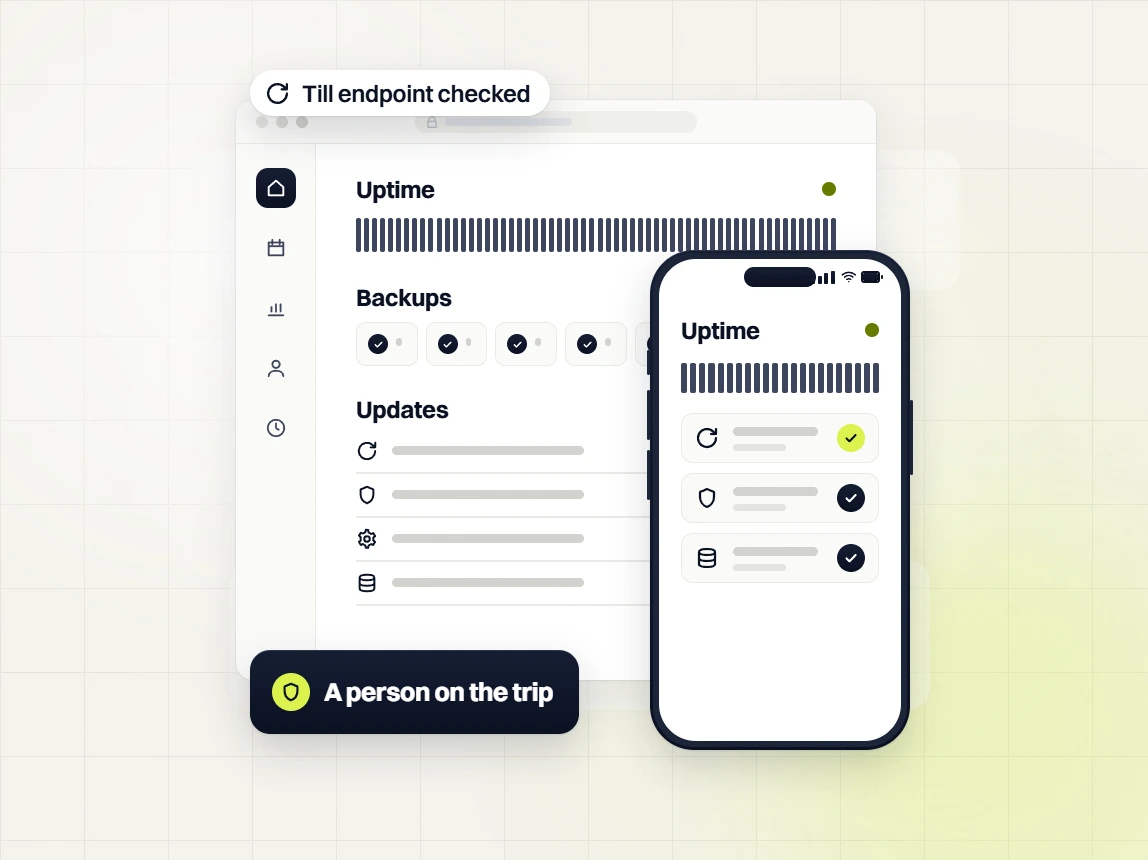
5 global POPs pinging your storefront, forms, POS webhooks, and checkout every 60 seconds. Malware scan every 24 hours with auto-quarantine. Named engineer paged inside 30 minutes if anything trips, launch-week incidents escalated sev-1 by default.
What you actually get from our food and beverage website maintenance
Five phases, every item listed. Fixed scope, defined deliverable per phase, written sign-off on the calendar for every SKU launch and menu swap.
Access, baseline scan, and first backup on day one
Day one covers Shopify collaborator access, WordPress admin, DNS, credentials for Toast or Square, and a full baseline security, speed, and accessibility scan documented in writing. First off-site backup taken and restored on staging to prove it works before we touch anything on the storefront.
Shopify collaborator, hosting, DNS, WordPress admin, Klaviyo, Recharge, and Toast or Square API keys logged with a rotation schedule.
Nightly encrypted backup running before end of day one. First backup restored on staging to prove it works.
Security posture, Core Web Vitals baseline, theme and app health, allergen and nutrition panel review, disk usage, and accessibility gaps. All captured before we touch anything.
Emergency numbers, ticket process, 30-minute-response coverage. Founder and ops lead both have it before day one closes.
Every Shopify or WooCommerce app catalogued with version, license, dependency, and business owner. Klaviyo, Recharge, and Skio mapped.
Payment gateway posture, cookie consent banner state, Consent Mode v2 wiring on GA4 and Meta CAPI captured in writing.
Managed hosting, CDN, and edge cache on your production domain
Managed Shopify Plus or LiteSpeed hosting for WooCommerce food and beverage sites. Cloudflare CDN with edge cache tuned for hero product photography and recipe video so a shopper gets HTML from a nearby POP, not from a single origin. WAF blocking bot and brute-force traffic before it reaches your storefront.
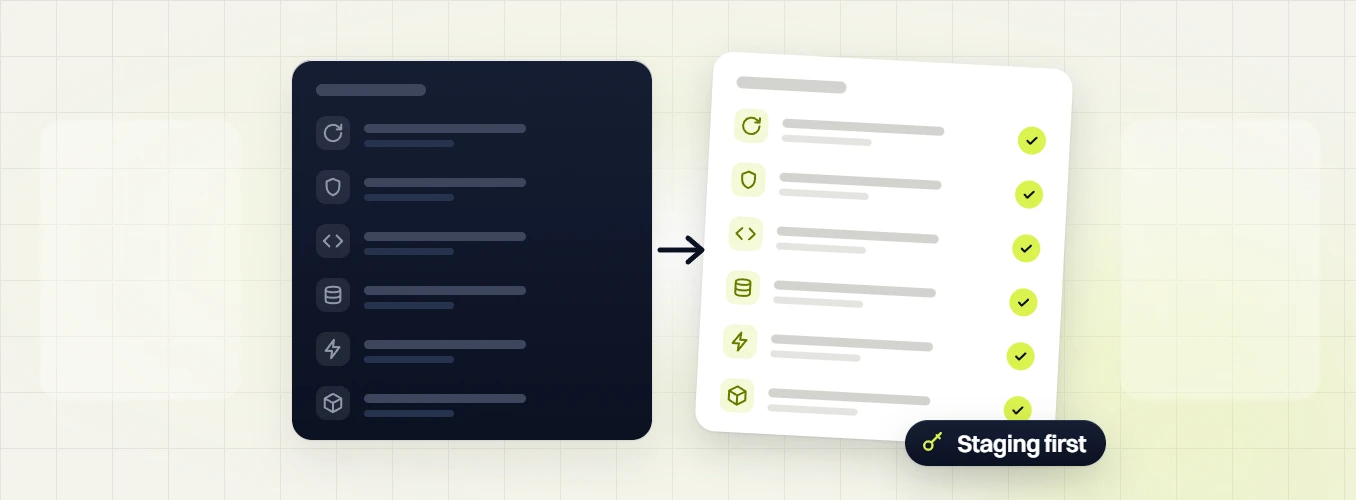
Isolated resources with proper caching, PHP tuning, and object-cache sized for your launch-week and BFCM traffic pattern.
Cloudflare plus CDN so a shopper gets product photography and recipe video from a POP nearby, not from a single origin server.
Bot traffic, brute-force login attempts, and known-bad IP ranges blocked at the edge. No traffic tax on your origin.
Auto-renewed SSL plus HSTS. Mixed content flagged and fixed. Search Console and Google Ads never break because of a cert expiry.
Theme deploys via Shopify CLI or GitHub integration with a versioned rollback path on every push. No cowboy pushes.
Alcohol age-gate cookie and Toast, Square, or Clover POS webhooks watched with 60-second ping and same-hour fix if either drifts.
Weekly core, plugin, and app patches tested before production
Every week, core, plugin, theme, and app patches tested on staging before they touch production. If a patch breaks checkout, the age-gate, or a PDP, rollback in under 5 minutes. Small content edits, nutrition panel swaps, and monthly SKU landing pages covered inside the maintenance hours.
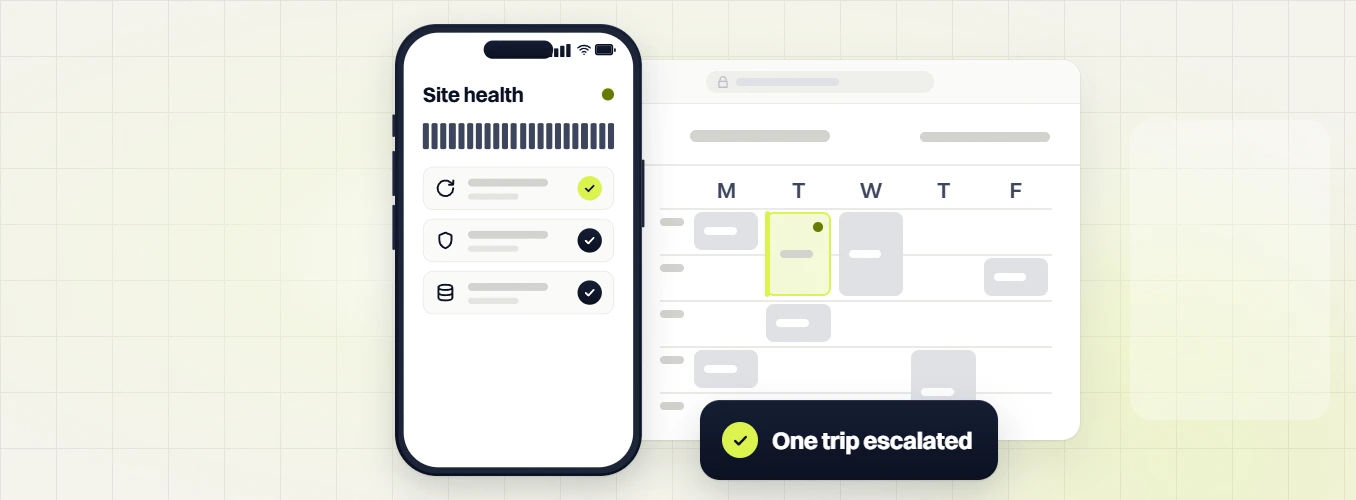
Patched to current stable weekly. Never behind by more than one minor release on WooCommerce food and beverage setups.
Every third-party plugin update tested on staging with real cart and checkout submissions before production.
Every theme deploy runs the Klaviyo, Recharge, Skio, Yotpo, and Toast or Square webhook regression suite before going live.
PDP copy tweaks, hero image swaps, nutrition panel additions, allergen callouts, redirect adds, and promo bar edits. All covered inside the plan.
Weekly feed diff, disapproval alerts, and same-day GTIN, price, or image fixes so Shopping never pauses on you.
Every deploy has an automated rollback path. Failed patches revert without a support ticket war room on launch day.
Uptime, speed, and malware watched every 60 seconds
24/7 coverage on your storefront. Uptime pings every 60 seconds from 5 global POPs. Malware scan every 24 hours with automatic quarantine. Speed check hourly. If anything trips, a named engineer is paged and on the incident inside 30 minutes.
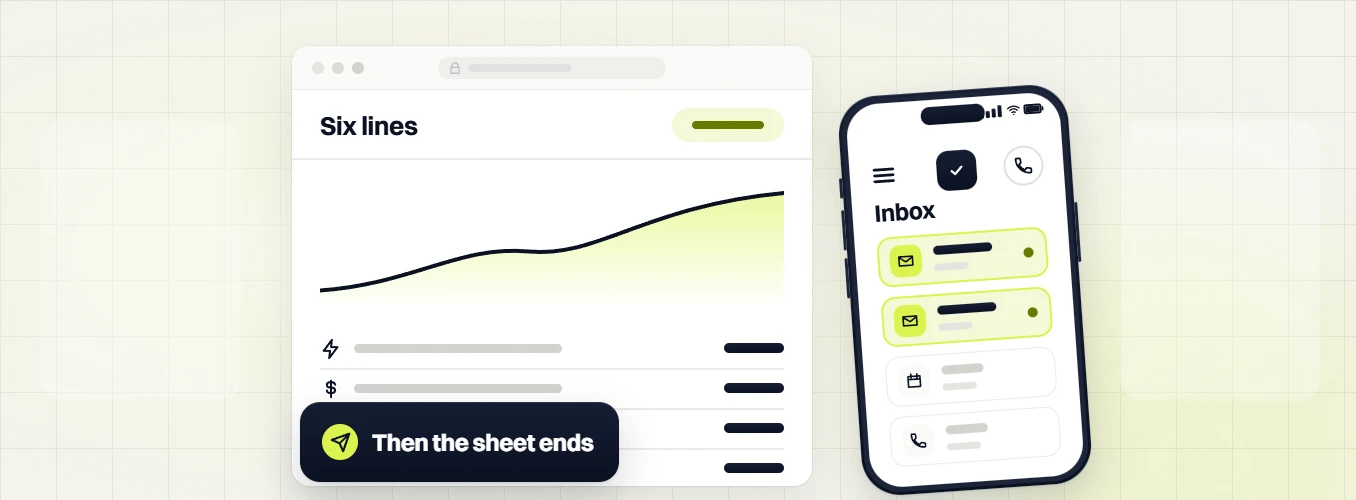
5 global POPs (US, EU, APAC) pinging your storefront, forms, checkout webhook, and POS sync endpoint. False-positive filtering built in.
Full-site scan against known malware signatures and Shopify or WordPress IOCs. Auto-quarantine and founder notified same-hour.
Core Web Vitals and full-page load tracked hourly on PDPs, category pages, and checkout. Regressions surface before CrUX field data.
On-call engineer paged if anything trips. Real human, not a chatbot. Launch nights and BFCM carry the same coverage.
Payment gateway, age-gate cookie, and consent banner posture reviewed every 90 days. Written snapshot in the monthly report.
Synthetic iPhone SE and Pixel checkout tests running on schedule so mobile CVR regressions surface fast.
One monthly report tied to real food and beverage metrics
Every month, one clear report showing uptime, average PDP and category page load, patches applied, edit tickets closed, launch-day incidents, and any regressions with root cause and fix. Sent to founder and ops lead, no chase.
Monthly uptime against 99.99% SLA. Credit auto-issued if we miss on a launch or paid flight.
Real-user data from Chrome UX Report. Not lab scores. What your shoppers actually experience on their phones.
What we patched, what we edited, what stayed the same. Full audit trail in case anything comes up on a season swap.
Zero incidents most months. When something does happen, root cause and fix documented in writing, sent inside 48 hours.
Weekly feed diff summary, disapprovals fixed same-day, and current Shopping impression coverage per hero SKU.
From September onward, monthly BFCM readiness checklist showing load-test pass, war-room rota, and rollback plan.
Four maintenance tiers for every stage of growth
Pick the tier that matches your practice size. Move up or down anytime with 30 days notice. No setup fees. Hover any feature name for a plain-English explanation.
Established practices with stable traffic and no active paid spend.
Practices running active SEO or paid spend that need real protection.
High-spend practices where every PageSpeed point is a CPA point.
Enterprise or 5+ locations. White-label or regulated workloads.
Every maintenance feature, tier by tier
HOVER FOR DETAILUptime + security +
Content maintenance +
Performance + tech +
SEO + local +
Reporting + analytics +
Compliance + enterprise +
Team + service level +
Real food and beverage brands, real numbers
Asked by CPG founders, answered
From real quote calls with CPG and DTC beverage founders. Anything else, ask on the strategy call and get an answer in the first 5 minutes.
How long are websites under maintenance?
+
Websites under active maintenance stay live 24/7. Downtime windows only happen during planned deploys, and even then our food and beverage website maintenance runs a rolling patch on staging first so shoppers never see a maintenance screen. Planned deploys run under 5 minutes on Shopify Plus and under 15 minutes on WooCommerce, always outside peak DTC hours. Age-gate cookies, POS webhooks, and Klaviyo events are all regression-tested before the deploy touches production, so grocery buyers and households never see a broken checkout.
If a patch breaks checkout, the age-gate, or a POS webhook, the rollback path is automated and fires in under 5 minutes. Real downtime, in a typical month, is measured in seconds, not hours. Our uptime SLA is 99.99% on Premium and above, backed by service credits if we miss it during a launch week or a paid media flight. Learn how uptime maps to Core Web Vitals and shopper trust before you pick a plan.
What is maintenance in the food industry?
+
In the food industry, maintenance covers two very different jobs. Plant maintenance means physical equipment upkeep on the production floor, governed by FDA and USDA rules. Website maintenance, our world, means keeping the digital storefront live, safe, fast, and selling for every shopper who lands on it, from the first PDP view to the checkout confirmation.
Website maintenance for a CPG or DTC beverage brand covers uptime monitoring, security patches, PCI compliance work, allergen and nutrition panel accuracy, TTB label sync for alcohol, age-gate QA on every deploy, POS webhook health on Toast, Square, and Clover, plus Klaviyo, Recharge, and Meta CAPI health checks. That is the shape our food and beverage website maintenance retainer covers every month. Generic web care plans skip the food-and-beverage-specific work and only catch breakage after a return floods in, a paid ad account gets flagged, or the ops lead spots a POS drift on the store floor.
What is the basic website maintenance?
+
Basic website maintenance covers 5 core jobs: uptime monitoring, SSL renewal, security patches, off-site backups, and small content edits. Our Starter tier at $199/mo covers all 5, plus a monthly site-health report so you know what changed and what stayed the same across the month. Uptime pings run every 60 seconds from 5 global POPs, and grocery buyers on the storefront see 99.99% availability.
Higher tiers layer on the food-and-beverage-specific work: TTB label sync for alcohol brands, Toast, Square, and Clover POS webhook checks, Klaviyo and Recharge flow health, Meta CAPI event fire rate, age-gate QA on every deploy, allergen and nutrition panel updates, PCI SAQ prep, and ADA fixes flagged during monitoring. Content edit hours scale from 2 to 10 per month, and every SKU launch runs on the same clock as the maintenance work. Every plan includes bundled hosting on Shopify or LiteSpeed with edge cache, so you are not stacking a separate host bill on top.
How difficult is it to maintain a website?
+
Maintaining a food and beverage website is harder than most founders expect, because the failure modes are hidden. A theme patch quietly kills the age-gate cookie on iOS. A plugin update breaks the Klaviyo signup event. Meta pushes a CAPI change 4 to 8 times a year and paid CAC climbs 20 to 40% silently while the site looks fine to a shopper.
The difficulty is not the individual task. It is the discipline: weekly patch cadence on staging first, POS webhook regression tests on every deploy, TTB label sync audit every month, Merchant Center feed diff every week, and 60-second uptime pings from 5 global points. Most CPG teams do not have the bandwidth to run that discipline in-house. That is what a maintenance retainer covers. Every fix runs against a documented playbook, every incident lands in a written report the next business day, and grocery buyers never see a broken storefront during a promo.
How much should I pay for website maintenance?
+
For a CPG or DTC food and beverage brand, you should expect to pay $199 to $499 per month for a real managed maintenance plan. Our Starter tier is $199/mo, Premium is $299/mo, and Enterprise is $499/mo. Multi-brand houses and national beverage rollups run on custom quotes. All plans run on a 6-month term, and you own the storefront, the code, and every export file.
Below $150/mo you are usually buying a WordPress security plugin and a backup script, not a service. Above $999/mo, unless you are Shopify Plus with multi-store rollups, you are paying for overhead the plan does not need. What matters more than the price is the scope: TTB label sync, age-gate QA, POS webhook checks, Klaviyo and Recharge health, content edit hours, and a real uptime SLA with service credits when we miss it. Hosting bundled in avoids a second bill from Shopify or a WooCommerce host on top.
How much does it cost to hire someone to maintain a website?
+
Hiring an in-house developer to maintain a food and beverage website runs $75,000 to $130,000 per year in the US once you add benefits, tooling, and taxes on top of the base salary. A retainer with a specialist specialist maintenance agency runs $199 to $499 per month, or $2,400 to $6,000 per year. The math favors a retainer for almost every CPG and DTC brand under $30M in DTC revenue.
With a retainer, you get a team, not a single point of failure. You get 30-minute human response, 60-second uptime pings from 5 global POPs, weekly patching, monthly SKU launch capacity, TTB label sync, POS webhook regression tests, and a written monthly report your ops lead can read in 90 seconds. If someone quits or takes vacation, coverage does not stop. Every hire also carries onboarding drag, PTO gaps, and a single failure point when they leave. If you scale past $30M DTC, we still run the retainer alongside your in-house team as a specialist care plan for the food-and-beverage-specific work.
What is a website maintenance plan?
+
A website maintenance plan is a monthly retainer that keeps your storefront live, secure, fast, and compliant for every shopper who visits. It usually covers 6 things: uptime monitoring, security patches, off-site backups, SSL renewal, small content edits, and a monthly report. Our food and beverage website maintenance plans layer on the vertical-specific work a generic plan skips, so grocery buyers and households get a working storefront every visit.
The vertical-specific layer includes TTB label sync for alcohol brands, age-gate QA on every deploy, Toast, Square, and Clover POS webhook checks every 60 seconds, Klaviyo and Recharge flow health monitoring, Meta CAPI event fire rate, allergen and nutrition panel accuracy, PCI SAQ prep, Merchant Center feed hygiene, and ADA monitoring. Plans start at $199/mo. You own the storefront, the code, and every export file. On a 6-month term with 30-day notice, you can cancel anytime after month 6 and take your full data export with you.
What is a WordPress care plan?
+
A WordPress care plan is a monthly service that patches, backs up, monitors, and edits a WordPress site so the owner does not have to. Our food and beverage WordPress maintenance goes further than a generic care plan by covering the CPG and DTC breakage patterns a generalist misses.
Every plan patches WordPress core, plugins, and themes weekly on staging before production. Every plan runs daily off-site backups with 30-day retention, daily malware scans with auto-quarantine, and SSL monitoring. Higher tiers add a WAF, Klaviyo and Recharge integration monitoring, WooCommerce checkout regression tests on every deploy, TTB label sync for alcohol brands, allergen and nutrition panel updates, Merchant Center feed hygiene, and ADA fixes. Hosting is bundled on LiteSpeed with edge cache tuned for hero product photography and recipe video. See the plan comparison for the tier-by-tier scope, or ask on a call and we send the sheet inside the first 5 minutes so grocery buyers get the answer fast.
Do you support Toast, Square, and Clover POS webhook health for CPG and QSR sites?
+
Yes. Toast, Square, Clover, and Lightspeed POS webhook health is monitored on every maintenance plan. Uptime pings every 60 seconds hit the POS sync endpoint alongside the storefront, forms, and checkout. If a webhook drifts, a named engineer is paged inside 30 minutes and the fix goes in the same hour.
Why it matters: a generic care plan lets Toast and Square poll on a 6-hour cadence. Guests see one price online and a different price in-store. Sold-out items still take orders through the storefront. QSR and hospitality operators end up refunding the delta or comping the visit. Toast and Square vendors also push firmware and API changes on their own clock, and we sync ours to theirs. Every drift chews margin and puts the online review score at risk. We keep the webhook loop tight, log every sync event in the monthly report, and route alerts to your ops lead the same hour. If a POS vendor pushes a breaking change, we catch it before your team does.
What platform is best for restaurant websites?
+
For most restaurant, QSR, and hospitality operators, Shopify or WooCommerce is the best platform, paired with Toast, Square, or Clover on the POS side. Shopify wins on speed to launch and payment gateway coverage. WooCommerce wins on subscription flexibility and custom PDP work. For multi-location brands, a headless setup on Next.js with Shopify Plus is the current best pattern for speed and SEO together.
Our food and beverage website hosting bundle covers all three. WooCommerce runs on LiteSpeed with CDN routing through Quic.Cloud. Shopify Plus sites stay on Shopify hosting, and we cover theme performance, app conflict resolution, and CDN configuration. Headless sites run on Vercel or Netlify with Shopify Plus as the commerce backend. Every setup includes free staging, daily off-site backups with 30-day retention, and monitored POS webhooks. See Shopify Help Center for the platform overview, then ask on the call which pattern fits your ops best.
Do you handle TTB label sync and age-gate QA on alcohol brand websites?
+
Yes. TTB label sync and age-gate QA are the two most under-covered jobs on generic care plans, and both are core to our website maintenance work for alcohol brands. Every new beer, wine, or spirits SKU needs the government warning verbatim on the PDP, in the checkout email, and inside the age-gate. A single missed TTB warning triggers fines from $500/day per label up to $500K in caps, and a repeat miss puts the federal basic permit under review.
Our TTB label sync audit runs every month, and any drift is fixed inside the maintenance hours. Age-gate QA runs on every theme patch, plugin update, and Shopify app update, because a Safari or iOS change quietly kills the age-gate cookie and lets underage households slide past. Paid Meta traffic then refunds as underage clicks and the ad account gets flagged. We catch it before that happens. See USDA and FDA guidance for the underlying rules.
How do you monitor Klaviyo, Recharge, and Meta CAPI on subscription CPG sites?
+
Klaviyo, Attentive, Recharge, Skio, Stay Ai, Yotpo, Meta CAPI, TikTok Events API, TikTok Shop, and Google Enhanced Conversions monitoring are all included in every maintenance plan. We watch the API connection, the data flow, and the event fire rate on a daily loop, then log any drift in the monthly report so nothing hides from the founder or the ops lead.
Why it matters: Klaviyo, Recharge, and Meta push breaking changes 4 to 8 times a year. Broken Meta CAPI is invisible to most CPG operators for 2 to 3 weeks, and in that window Meta bids blind. Paid CAC climbs 20 to 40% silently while nobody notices. We surface the drop the same day it happens and patch it before the paid team files a support ticket. Every deploy also runs the Klaviyo, Recharge, Skio, and Yotpo regression suite on staging before production. Every event fire and every breaking change caught lands in the monthly report.