Food and beverage marketing retainer that moves cases off shelves
One retainer that runs Klaviyo flows, Meta and TikTok ads with TTB and FDA claim pre-clearance, Amazon and Instacart advertising, and retail sell-through work for your CPG brand. Food and beverage marketing plans from $499 per month with quarterly reviews built in, cancel with 30 days notice.
Three numbers every CPG founder can hold us to
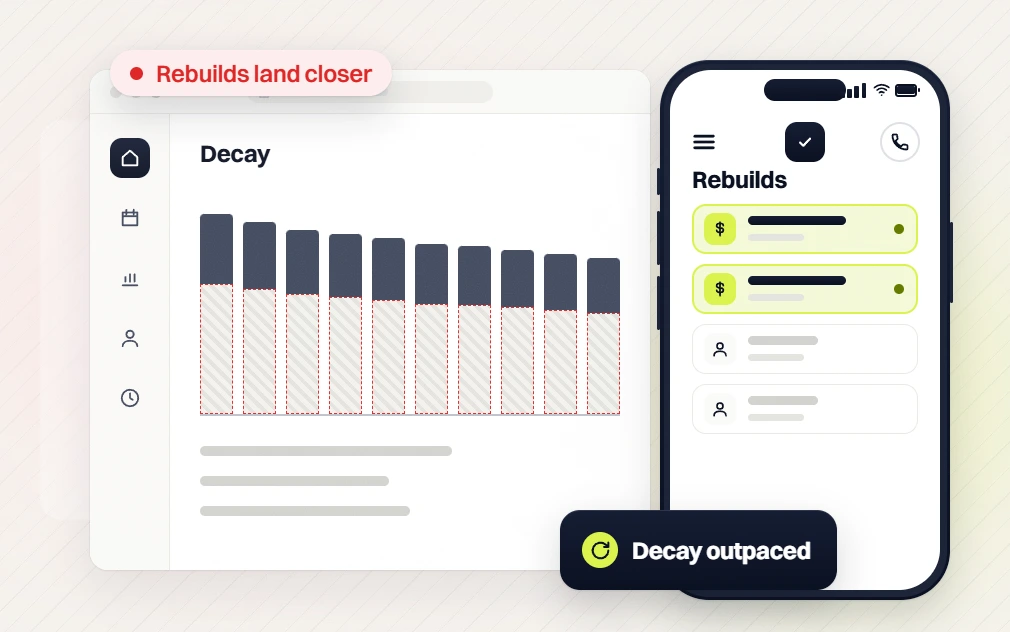
Klaviyo flows decay 20% every 90 days without new segments
Email should carry 25% to 40% of DTC revenue. Most CPG brands sit at 12% because welcome, browse abandon, and replenishment flows go stale. We rebuild segments every 60 days and A/B test every subject line and offer against orders placed in Shopify.
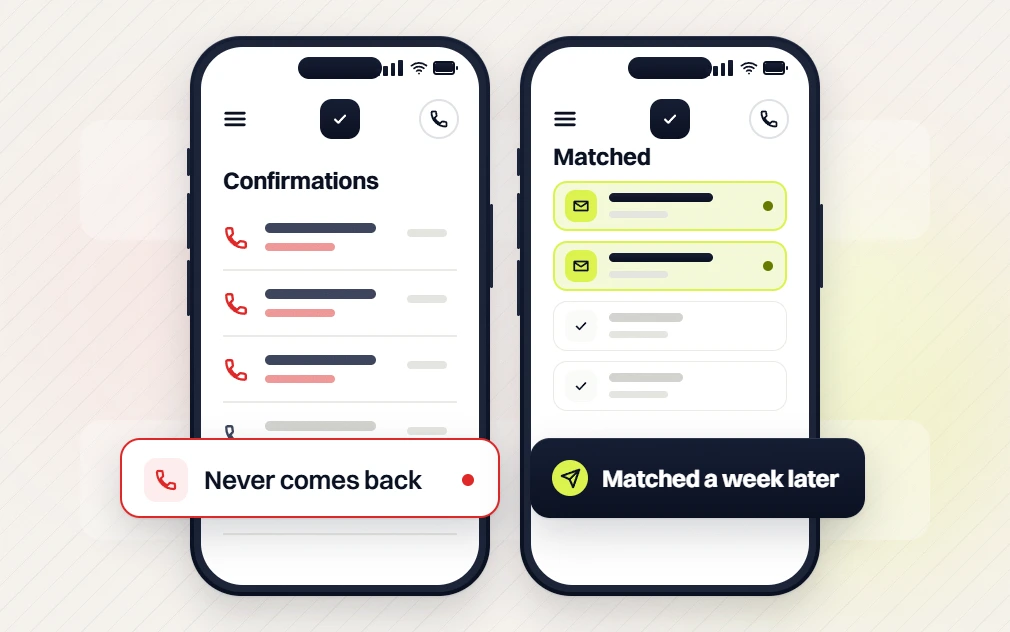
ReserveBar and Drizly clicks vanish from Meta reporting after the handoff
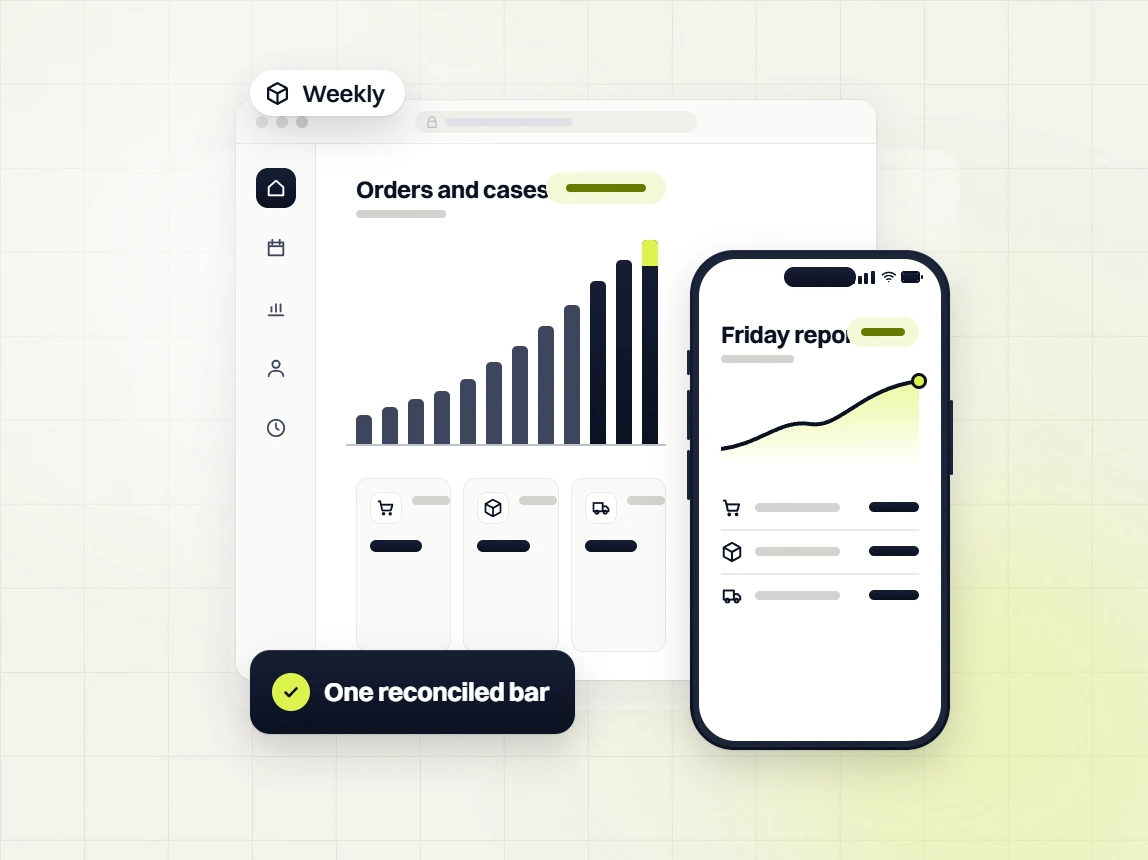
Meta pixel fires on the click, then the shopper lands on a retailer domain, and the order confirmation never reaches Meta CAPI. Standard reporting undercounts real revenue by 20% to 40% for beverage and alcohol brands. We reconcile weekly retailer exports back to Meta and Google click IDs.
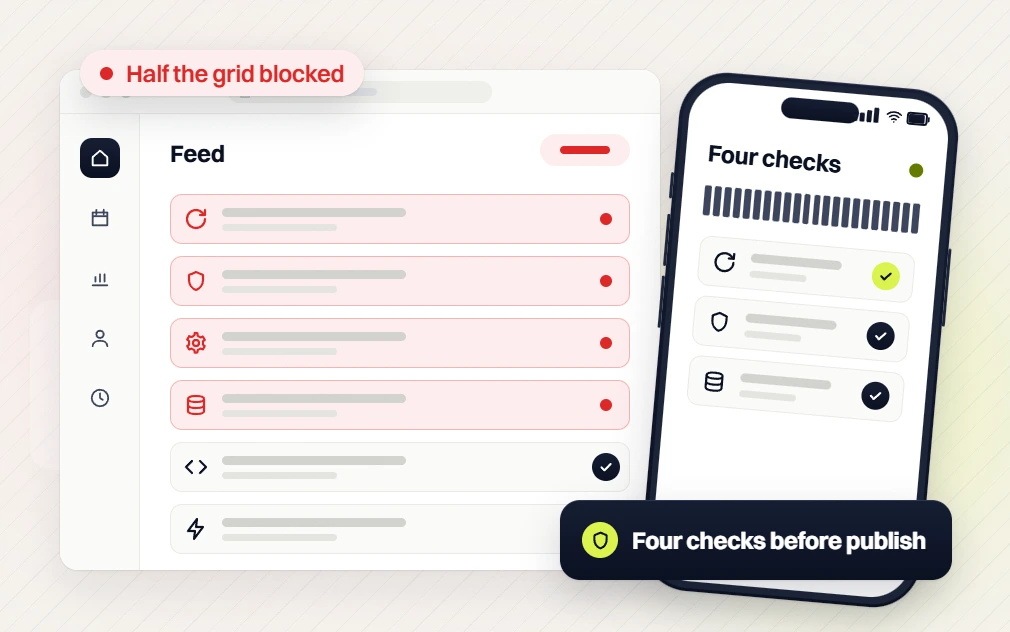
TTB and FDA claim rules kill 47% of alcohol and functional ads on first upload
Meta and TikTok reject roughly 47% of alcohol creative on first upload. Every rejected ad costs 10 to 14 days of velocity. We screen every creative for TTB Cola numbers, state carve-outs, age-gate placement, and FDA-compliant claim language before publish.
Three outcomes every food beverage marketing retainer produces
Instacart Ads, retailer landing pages, and shelf-talker QR flows report into one dashboard. IRI or Nielsen scan trends sit next to trade spend by door.
Klaviyo welcome, replenishment, and swap-suggestion flows tuned by SKU reorder cadence. Retainer customers move DTC repeat from 12% to 22% inside 90 days.
You stop paying five vendors and getting five conflicting spreadsheets. Your CPG lead owns the roadmap, pushes work live, and reports what actually moved.
Four stages, every step signed off
Fixed scope, fixed cadence, fixed accountability. Nothing moves to the next stage until your leadership signs off.
Full brand audit and Shopify baseline
Store, ad accounts, review flow, and email flows audited against orders placed. Written 30-page report with the top 3 revenue-moving fixes signed off by founder plus ops lead before we spend a dollar of your ad budget.
12-month roadmap tied to hero SKU profitability
Quarterly roadmap sized against your highest-margin SKUs. Subscription and replenishment layered as base load, not headline focus. Every quarter has a written revenue projection so you know what should hit the storefront and the shelf.
Every channel run by one named CPG lead
Google Ads, Meta, TikTok, Amazon, Instacart, Klaviyo, review flow, PDP CRO, and retail-support content all executed by a single accountable CPG lead. No handoffs between agencies, no cross-team blame, one number to call when something breaks.
Quarterly scale reviews tied to real revenue
Weekly test cycles tied to Shopify-verified orders and IRI or Nielsen scan data. Quarterly review with founder plus ops lead showing what orders drove, what revenue closed, and what next-quarter budget should be. Scale decisions grounded in Shopify and fulfillment capacity, not agency spend targets.
Five phases, thirty deliverables, one accountable CPG lead
Every tab lists what runs, what gets tested, and how we measure the outcome against orders placed in Shopify and cases moved off the shelf.
Week 1 audit and Shopify baseline
Store, ad accounts, review flow, and email flows audited against orders placed and shelf velocity. Written 30-page report with the top three revenue-moving fixes signed off by founder and ops lead before we spend a dollar of your ad budget.
Meta, Google Shopping, TikTok, Amazon, Instacart, Klaviyo, and review flow scored against real order revenue and shelf velocity.
Shopify, Klaviyo, Recharge, Yotpo, and Amazon Seller Central data pulled as day-one baseline for every KPI we report.
Every finding, every fix, every revenue projection in writing. Founder and ops lead both sign off before work runs.
What we run first is signed off, not sprung on you. Prioritized by dollar impact and fix-time.
Every live claim on PDP, ad copy, and label reviewed for TTB, FDA, and Meta or TikTok policy compliance before publish.
Every ReserveBar, Drizly, Instacart, and Amazon Fresh handoff mapped so revenue does not vanish after the click.
12-month roadmap tied to hero SKU profitability
Weeks two and three. 12-month quarterly roadmap sized against your highest-margin SKUs. Subscription and replenishment layered as base load, not headline focus. Every quarter has a written revenue projection tied to real fulfillment capacity.
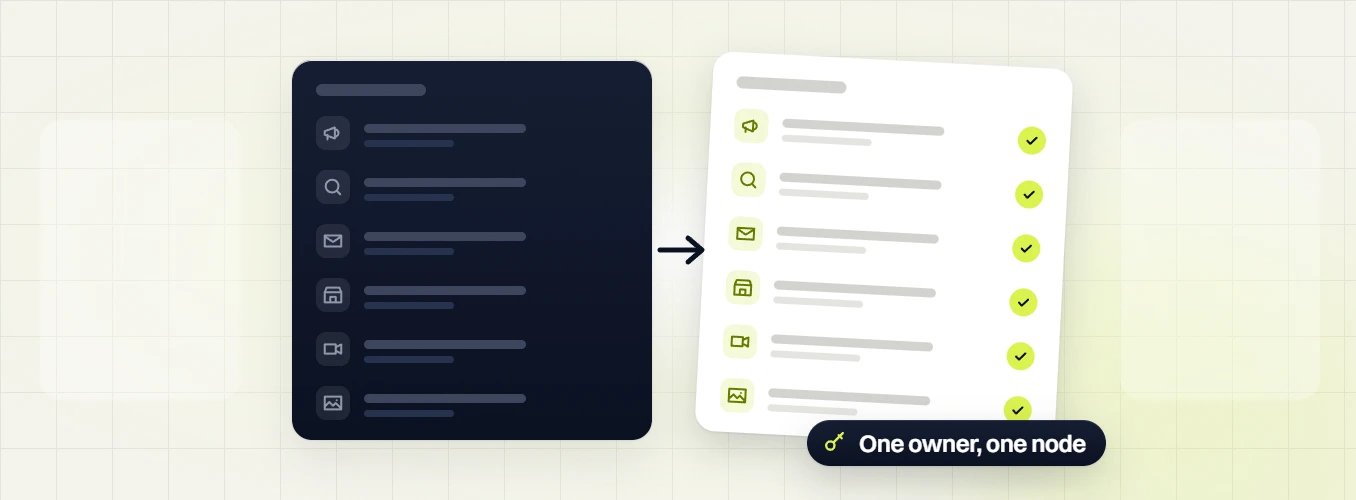
Q1 through Q4 planned by campaign, PDP cluster, Amazon listing, and Instacart placement. Every quarter has explicit sign-off gate.
Highest-margin SKUs first. Subscription and replenishment SKUs layered as base load, not headline focus each quarter.
Q1, Q2, Q3, and Q4 targets sized against real IRI or Nielsen data and your fulfillment capacity.
How much moves to Ads, Instacart, Amazon, Klaviyo, and content each month. Adjusted quarterly based on what performs.
Which flows get built, tested, and rewritten each quarter. Sequenced by revenue impact per subscriber and per SKU.
Recharge, Skio, or Stay Ai subscription mechanics scoped for consumables. Loyalty on Yotpo or Smile scoped for durables.
Every channel run by one named CPG lead
Ongoing from month 1. Google Ads, Meta, TikTok, Amazon, Instacart, Klaviyo, review flow, PDP CRO, and retail-support content all executed by a single accountable CPG lead. No handoffs between agencies, no cross-team blame.
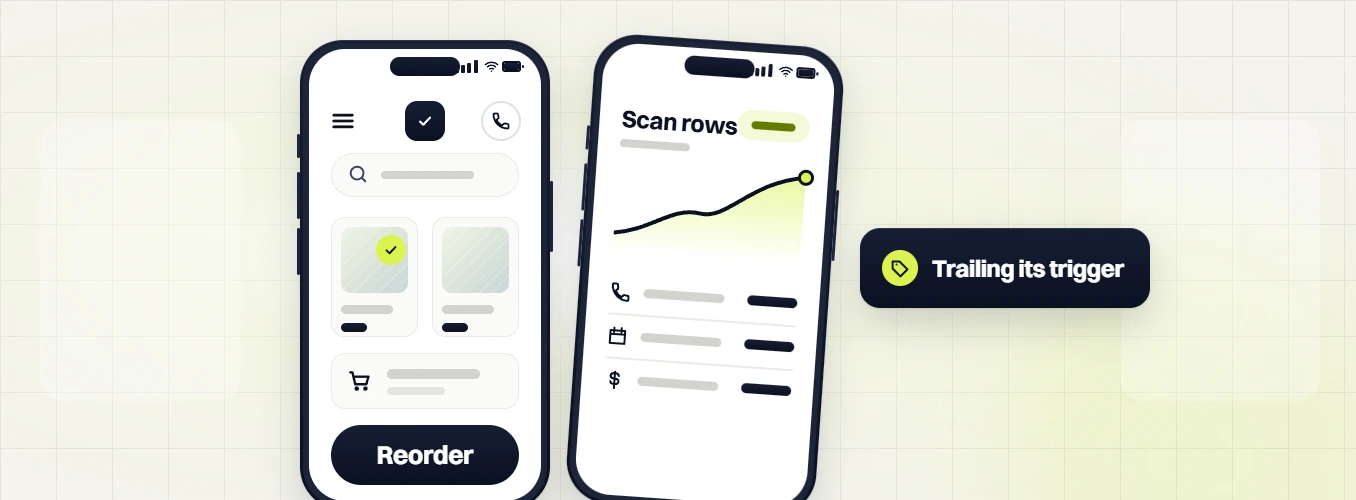
Every paid channel run by the same CPG lead. Attribution built once, not fought over between vendors or platforms.
Welcome, browse abandon, cart, post-purchase, replenishment, and VIP flows built, tested, and reworked monthly.
Above-fold image order, review placement, sticky ATC, cold-chain messaging, and shipping-threshold copy tested against AOV.
Sponsored Products, Sponsored Brands, and Instacart placements coordinated with owned DTC so channels do not cannibalize each other.
ReserveBar, Drizly, Amazon Fresh, and Instacart handoff pages built with clean UTM tagging and reconciled weekly.
Every ad, PDP block, and Klaviyo email reviewed for TTB, FDA claim, and platform policy compliance before publish.
Weekly testing tied to Shopify orders and shelf velocity
Every week. Cross-channel testing tied to Shopify-verified orders and IRI or Nielsen scan data. Ad copy, PDP CVR, Amazon listing content, review request timing, and retention cadence measured against the number that pays your bills.
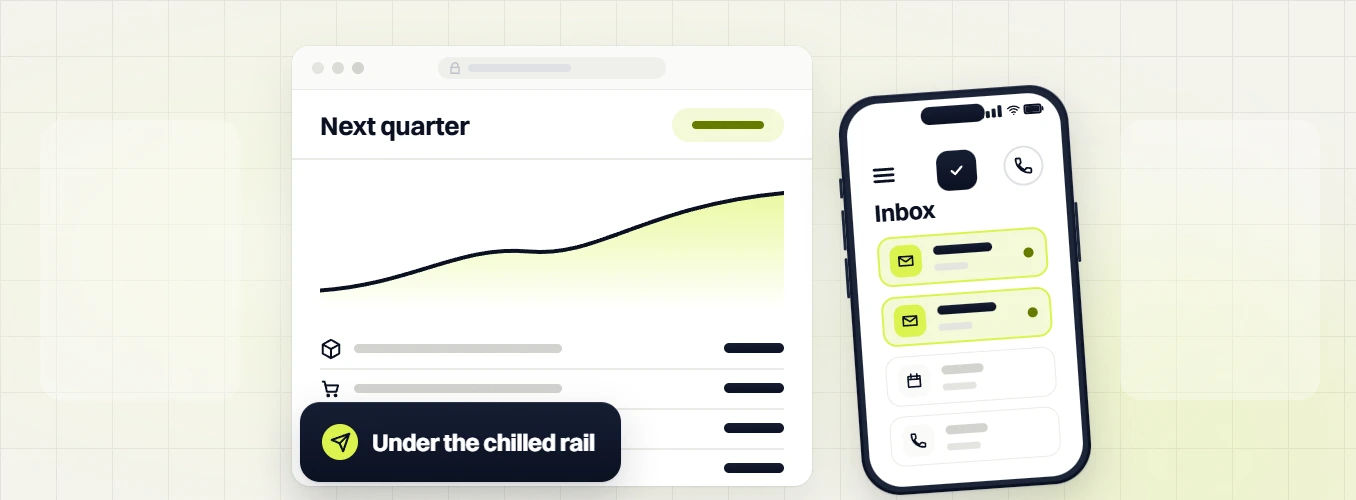
Every order placed tagged to the click, keyword, or Klaviyo trigger that drove it, matched to Shopify and retailer feeds.
What we tested last week, what won, what went live this week, and what the order table and scan data said about it.
A/B tests on hero image, review block, sticky ATC, cold-chain copy, and shipping threshold measured against AOV, not clicks.
If Instacart compounds faster than Meta this quarter, budget moves. Every shift signed off in the monthly report.
Meta, TikTok, and Amazon creative refreshed on a set cadence tied to CTR, ROAS, and post-click AOV.
Yotpo or Judge.me post-purchase timing tuned to push review velocity per SKU above 4 per 100 orders each month.
Quarterly scale reviews tied to closed revenue
Every 90 days. Quarterly review with founder and ops lead showing what orders drove, what closed revenue looks like, what next-quarter budget should be. Scale decisions grounded in Shopify and fulfillment capacity, not agency spend targets.
This quarter: orders by channel, new-customer revenue, blended CAC, cost per order. All Shopify-verified and shelf-reconciled.
Ad spend and content velocity sized against your 3PL and cold-chain capacity so growth does not outrun fulfillment.
Explicit sign-off on next-quarter allocation across channels. No surprise invoices, no hidden shifts.
12-month rolling report on revenue growth, CAC trend, repeat rate, and LTV trend. Founder-first metrics only, no vanity.
Recharge, Skio, or Stay Ai cohort curves reviewed against CM3 so subscription stays profitable at scale.
Whole Foods, Sprouts, Kroger, or Total Wine scoped only when unit economics on owned DTC can hold the load.
Four retainer tiers for every stage of growth
Pick the tier that matches your practice stage. Move up or down anytime with 30 days notice. Ad spend billed separately at pass-through, never through us.
Solo practices, one growth program, not five vendors.
Solo or two-provider, adding paid + monthly recall on Foundation.
Two to four providers, high-ticket cases. Adds Meta + nurture.
Multi-location or premium groups. Per-location run, rollup reports.
Every retainer feature, tier by tier
HOVER ANY FEATURE FOR A PLAIN-ENGLISH EXPLANATIONContent +
SEO +
Paid media +
Reviews + reputation +
Reporting + strategy +
CPG brands running the retainer
Common retainer questions
Answers to what CPG founders ask before they sign the retainer.
How much does a marketing retainer cost?
+
Our food beverage marketing retainer runs 99/mo Foundation, 99/mo Growth, ,999/mo Scale, and from ,500/mo Enterprise. Foundation fits pre-launch or sub-5K/mo DTC brands with Klaviyo and one paid channel like Meta or Google. Growth fits 5K to 50K/mo brands running Meta, TikTok, and Amazon Sponsored Products, with weekly Klaviyo flow tests and monthly PDP CRO. Scale fits 50K to 00K/mo brands with retail placement, Instacart Ads, monthly PDP CRO, and quarterly hero-SKU relaunch. Enterprise fits 00K+/mo brands with Amazon Fresh, KrogerNet media, or alcohol distribution across 5+ states, with TTB pre-clearance built in. Ad spend bills separately, direct to your card, no percentage-of-spend markup that punishes you for scaling. Every tier runs from the same Shopify baseline pulled in week 1, so numbers stay honest across every channel and every retailer feed. Move up or down tiers anytime with 30 days written notice. Every quarterly plan gets founder plus ops-lead sign-off before it runs.
What is a marketing retainer?
+
A marketing retainer is a fixed monthly fee that buys you a defined scope of ongoing work from an outside team. Instead of billing per hour or per project, you pay one flat rate and the team runs the same set of channels every month. Our food beverage marketing retainer covers Shopify, Klaviyo, Meta, TikTok, Amazon, and Instacart for your CPG brand. You get the same CPG lead every month, so playbooks compound instead of restarting after every project. The retainer runs a 6-month initial term with a written 90-day roadmap. Deliverables, tests, and target metrics are named in week 1. You approve every quarterly plan in writing before it runs. After the initial term, the retainer rolls month-to-month with 30 days written notice. Ad spend bills separately, so scaling your budget does not raise our fee. Every asset stays yours: ad accounts, Shopify theme, Klaviyo templates, and Recharge subscription mechanics.
What is a retainer in advertising?
+
In advertising, a retainer is a monthly agreement where an agency runs your paid media and adjacent work for a flat fee. It differs from project pricing (one-off deliverable) and percentage-of-spend (agency fee scales with ad budget, which creates bad incentives around always-spending-more). Our CPG marketing retainer covers Meta, TikTok, Amazon Sponsored Products, Instacart Ads, and Google Shopping under one flat monthly number. Ad spend bills separately, direct to your card. Reporting hits every Monday with what ran, what tested, what won, and what the Shopify order table said about it. Retainer buyers get quarterly geo-holdout tests on Meta and TikTok, so channel mix reflects real incremental revenue, not last-click reporting from platform dashboards that overcount by 20% to 40%. Scaling your ad budget does not raise our fee. Move up or down tiers anytime with 30 days written notice. Every asset (ad accounts, Klaviyo, Shopify theme, Recharge subscription mechanics) stays yours on day one. Cancel means clean handoff, no clawback clause on any deliverable.
What is a CPG marketing agency?
+
A CPG marketing agency runs paid, email, retention, retail media, and PDP CRO for consumer packaged goods brands sold on Shopify, Amazon, Instacart, and in physical retail. Generalist agencies miss the shape of CPG revenue: 60% to 70% comes from repeat orders, retail scan data lags real orders by 6 to 10 weeks, and platform policy (TTB, FDA claim rules) blocks 40% of ads on first upload. A CPG marketing retainer agency reconciles Meta, Google, Amazon, and Instacart clicks against Shopify order tables and IRI or Nielsen scan feeds every week. Read FDA food labeling rules for the claim-language boundary we screen every ad against. We also handle Klaviyo flow rebuilds every 60 days, Recharge or Skio subscription mechanics, and TTB pre-clearance on alcohol creative. The team you work with knows CPG unit economics: CAC:LTV, blended MER, contribution margin after fulfillment, and subscription retention on Recharge or Skio.
What is a brand retainer?
+
A brand retainer is a monthly agreement between a brand and an outside team for ongoing creative, marketing, or growth work. For CPG, a brand retainer usually covers brand voice, packaging updates, PDP copy, Meta and TikTok creative rotation, and Klaviyo email templates. Our CPG retainer wraps brand work into growth work under one fee, so the same CPG lead who writes the ad creative also owns the KPI it moves. Tier scope: Foundation 99/mo covers PDP copy and Klaviyo templates. Growth 99/mo adds Meta and TikTok creative rotation, plus Amazon A+ starter kit. Scale ,999/mo adds Amazon A+ full build, Instacart storefront work, and one hero-SKU relaunch per quarter. Enterprise from ,500/mo covers full-brand refresh including packaging updates, retail merchandising kits, and TTB pre-clearance for alcohol. Every quarterly plan gets founder plus ops-lead sign-off before it runs. Ad spend bills separately, direct to your card, no percentage-of-spend markup that punishes you for scaling.
What\'s a retainer brand deal?
+
A retainer brand deal is a longer-term agreement (usually 6 or 12 months) where a brand pays a flat monthly fee for a defined scope of work from an agency or freelancer. It differs from a one-off project because scope compounds over time and the team learns your data. Our food beverage marketing retainer runs a 6-month initial term. Deliverables are named in writing in week 1: Klaviyo flows, Meta and TikTok ads, Amazon Sponsored Products, Instacart Ads, PDP CRO tests, and monthly reporting against Shopify order table. After the 6-month term, the retainer rolls month-to-month with 30 days written notice. Every quarterly plan gets founder plus ops-lead sign-off before it runs. No auto-renewal traps, no percentage-of-spend markup, and every asset (ad accounts, Shopify theme, Klaviyo templates, Recharge subscription mechanics) stays yours on day one. If revenue projections miss for two consecutive quarters, we drop a tier or write a credit at our discretion, no negotiation required from your side.
Is retainer the same as salary?
+
No. A retainer is a fixed monthly fee paid to an outside firm or contractor for a scoped set of deliverables. A salary is what a full-time employee receives, plus benefits, payroll tax, and equity. For CPG founders comparing a CPG marketing retainer vs an in-house growth hire, the math usually lands: one senior in-house growth lead runs 80K to 40K total comp before benefits and tools. Our Growth-tier retainer runs 99/mo, or 1,988/yr, and covers 6 channels plus reporting under one accountable CPG lead. The in-house route wins when your brand hits 0M+ in DTC revenue, wants full institutional knowledge in-house, and can staff a 4-person growth team. The retainer wins when you want compounding CPG playbooks without carrying the payroll or the vendor stack. You can move up or down tiers anytime with 30 days written notice. Ad spend bills direct to your card, no markup, so scaling budget never raises our fee.
How does the CPG marketing retainer handle Recharge subscription CM3?
+
CM3 is contribution margin after subscription discount, shipping, and payment fees. It decides whether subscription is profitable for your CPG brand at scale. Most consumable brands run 15% to 20% CM3 per subscription order once you back out the 10% or 15% Subscribe and Save discount, cold-chain shipping, and fulfillment. The food beverage marketing retainer covers subscription page copy, portal upgrade, downgrade, and skip logic, cancel-flow winback offers, and the post-purchase flow that converts one-time buyers into subscribers on Recharge, Skio, or Stay Ai. Meta CAPI and Google Enhanced Conversions get server-side events for subscription revenue in the first 30 days, so channels credit subscription starts to the right acquisition source. We also test bundle logic, replenishment cadence (30, 45, 60 day), and prepaid-pack pricing quarterly. Subscription retention past month 3 is the KPI we report weekly, because month 3 is where 40% of first-order subscribers drop if the flow is not fixed. Every subscription test signs off with founder before it runs.
Does the CPG marketing retainer include Shopify PDP and cart CRO?
+
Yes. CRO scope covers PDP layout, above-fold image order, review placement, sticky ATC on mobile, cold-chain arrival messaging, shipping-threshold copy, cart drawer vs cart page decision, and checkout micro-copy. Free-shipping threshold testing is one of the biggest AOV moves on CPG. Raising a 0 threshold to 5 usually pushes AOV up 8% to 15% if your product mix supports it. Perishable brands land on .95 flat-rate shipping under 0 AOV and free above, absorbed into unit economics. We push tests live on Shopify Scripts, Rebuy, or native theme edits, whichever runs cleaner on your setup. Every test reports against Shopify order-table AOV and cart CVR, not platform-side clicks. Test velocity: one A/B test live every 10 to 14 days on Scale tier, weekly on Enterprise. Winners land as clean commits to your theme so your ownership stays intact. Failed tests get rolled back within 24 hours. Written test notes go out every Monday.
How is Redefine Web different from other food and beverage marketing agencies?
+
Three real differences. First, one named CPG lead owns paid, email, Amazon, Instacart, and retail-support on your account, not a rotating pod that hands you off between account managers. Second, every KPI reports against Shopify order table numbers and shelf velocity like new-customer revenue, blended CAC, contribution margin, and repeat rate, not platform-side ROAS that undercounts by 20% to 40% on retailer handoffs. Third, the food beverage marketing retainer is flat at 99, 99, ,999, or from ,500 a month with no percentage-of-spend markup, so scaling your ad budget does not raise our fee. Every asset stays yours on cancel: ad accounts, Shopify theme, Klaviyo templates, and Recharge or Klaviyo API integrations. We are fully remote, so onboarding runs on Slack, Loom, and one weekly video call, not on-site trips. Every quarterly plan gets founder plus ops-lead sign-off before it runs, and every test signs off before it goes live.
How long is the initial term on the CPG marketing retainer?
+
The retainer runs a 6-month initial term. That window is long enough to build a Klaviyo baseline, get Meta and TikTok pixels seasoned, and run one full retail replenishment cycle. Shorter terms rarely produce compounding results because CPG buying cycles are 8 to 14 weeks per SKU on average. After the initial 6 months, the retainer rolls month-to-month with 30 days written notice. There is no auto-renewal trap. Every quarter you get a written revenue projection tied to hero-SKU profitability, and you sign off on the plan before it runs. If revenue projections miss for two consecutive quarters, we drop a tier or write a credit at our discretion, no negotiation required from your side. Ownership of ad accounts, Shopify code, Klaviyo templates, and Recharge subscription mechanics stays yours on day one, so cancel means clean handoff. Written 90-day playbook, monthly reports, and 6 months of test notes get emailed to founder plus ops lead within 5 business days of cancel.
What CPG tools does the food and beverage marketing retainer cover?
+
Every retainer covers the same core stack. Shopify or Shopify Plus for storefront, Klaviyo for email, Attentive or Postscript for SMS, Recharge or Skio for subscription, Yotpo or Smile for reviews and loyalty, Rebuy for cart, and Loop for returns. Paid media covers Meta, TikTok, Google Ads (Shopping plus Performance Max), Amazon Sponsored Products, and Instacart Ads. Attribution stack: Shopify pixel, Meta CAPI, Google Enhanced Conversions, and weekly retailer order reconciliation from ReserveBar, Drizly, Amazon Fresh, and Instacart. Retail data: IRI or Nielsen scan feeds, plus USDA and category-level ERP feeds where relevant. Higher tiers add A+ content on Amazon, Instacart storefronts, and paid influencer coordination on TikTok. If you use a niche tool like Chord, Nosto, or Okendo, we add it to onboarding, no upcharge. Every tool integration signs off with founder before it goes live, and every access grant runs at user level, not credentials handoff.
What KPIs does the CPG marketing retainer report every month?
+
Every retainer reports the numbers that actually pay the bills, not platform vanity metrics. Core KPI set: new-customer revenue, blended MER (marketing efficiency ratio), blended CAC, contribution margin after ad and fulfillment, DTC repeat purchase rate at 30, 60, and 90 days, subscription retention on Recharge or Skio, average order value on Shopify, and net revenue from Amazon, Instacart, and each retailer feed. Reported weekly on a Monday email plus a shared dashboard, and reviewed live on a monthly video call with founder and ops lead. Alcohol brands add TTB rejection rate and click-through-to-order rate on ReserveBar and Drizly. Snack and functional brands add Amazon repeat purchase rate and Instacart share-of-category. Every KPI ties back to Shopify order-table numbers, so nothing gets counted twice across platforms. We also report test-in-flight, tests won last week, tests pushed live this week, and forward test plan for the next 2 weeks. Every KPI has a target, a current number, and a delta versus the last quarter.
How does onboarding work on the CPG marketing retainer?
+
Onboarding runs 5 business days from signed contract to live work on the CPG retainer. Day 1 you get a shared Slack channel, a written access checklist, and a Loom walkthrough of the roadmap template. Day 2 we pull baseline data from Shopify, Klaviyo, Recharge, Meta, Google Ads, Amazon Seller Central, and Instacart. Day 3 we run a 60-minute kickoff call with founder and ops lead. Day 4 we write the top 3 revenue-moving fixes into a 30-page audit document. Day 5 you sign off on scope, and work runs. Every asset stays in your accounts (ad accounts, Klaviyo, Shopify, Recharge), and we get user-level access on our accounts, not credentials handoff. We are fully remote, so onboarding runs on Slack, Loom, and one weekly video call. No on-site trips, no travel fees, no dead-time on flights. First monthly report lands 30 days after go-live, tied to Shopify order-table numbers.
What happens to my ad accounts and Klaviyo templates if I cancel the retainer?
+
Every asset stays yours on day one of the food beverage marketing retainer. Ad accounts on Meta Business Manager, Google Ads, TikTok, Amazon Seller Central, Instacart, ReserveBar, and Drizly stay under your ownership, and we get user-level access with named roles. On cancel, we simply hand back the account access, and every campaign, audience, and lookalike keeps running until you turn it off. Klaviyo flows, templates, segments, and A/B test history stay in your Klaviyo account. Shopify theme code we write lands as clean commits to your repo or theme, and PDP copy, Recharge subscription mechanics, and Yotpo review widgets stay live on your storefront. Written 90-day playbook, monthly reports, and the last 6 months of test notes get emailed to founder plus ops lead within 5 business days. There is no clawback clause on any deliverable, and no auto-renewal charge. Cancel with 30 days written notice after the 6-month initial term rolls to month-to-month.