Skip to content
NOW BOOKING NEW ENGAGEMENTS GET A FREE STRATEGY SESSION ↗
RWHEALTHCARE WEB DESIGN · BOOK MORE PATIENTS

Healthcare Website Design Services to Book More Patients

Healthcare website design built for how patients decide care. HIPAA-aware forms, WCAG 2.1 AA accessibility, and scheduler integration wired straight into Epic, Athenahealth, or Zocdoc. Builds start at $1,500 and go live in 4 to 8 weeks.

50+
HEALTHCARE PRACTICES WE RUN PROGRAMS FOR
3.1x
AVG PATIENT ACQUISITION GROWTH YEAR ONE
$32
MEDIAN COST PER BOOKED PATIENT
healthcare website design services dashboard tracking booked outcomes and revenue metrics
BUILT TO BOOK
4-8 WK
FIXED-PRICE BUILD · LAUNCH TIER
Trustpilot 4.7/5 ★★★★★
Clutch 5.0/5 ★★★★★
Google 5.0/5 ★★★★★
DesignRush 4.9/5 ★★★★★
GoodFirms 5.0/5 ★★★★★
F6S 5/5 ★★★★★
4.9 WEIGHTED AVERAGE · VERIFIED BY MEDICAL PRACTICES THAT PAID FOR THE WORK
01 THE PROBLEMS

Three ways healthcare sites lose bookings before patients start

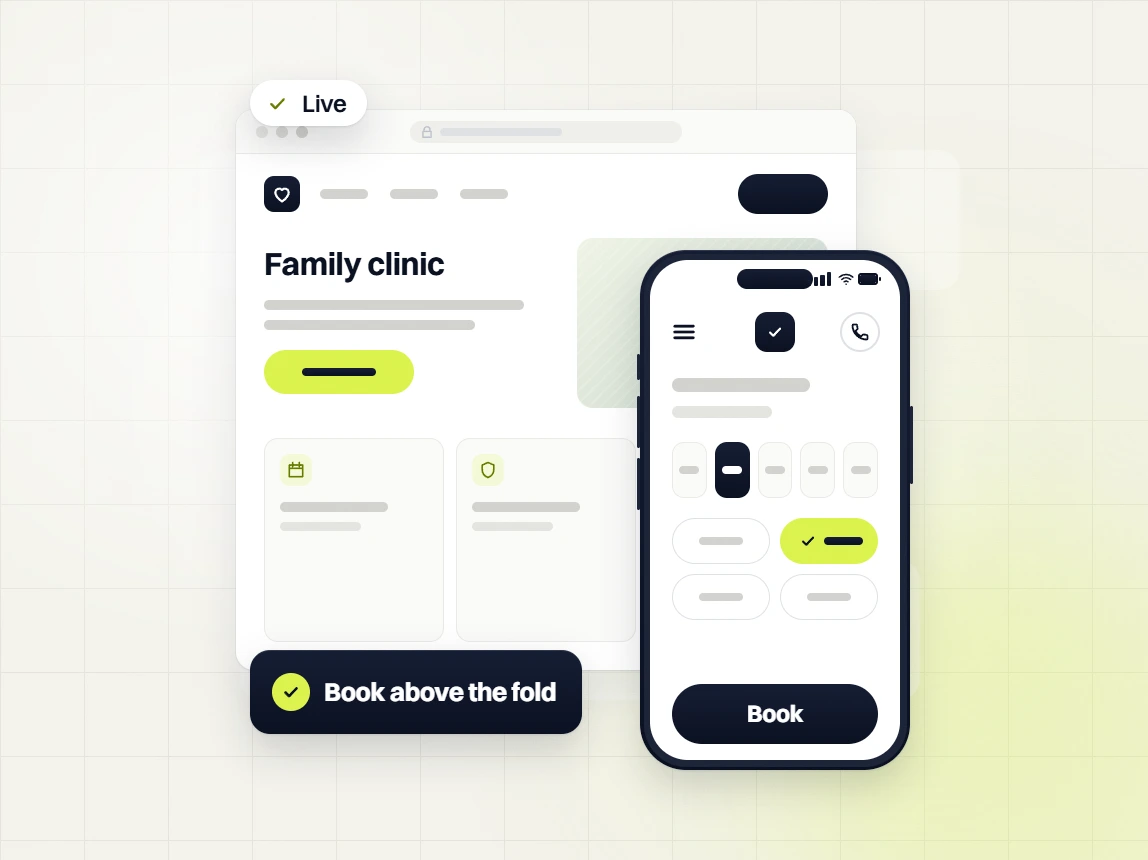
healthcare website design services challenge card visualizing a common growth blocker
PROBLEM 01 · HIPAA FORMS

Default WordPress mail routes patient data through unencrypted SMTP

Contact and intake forms on most healthcare sites hand PHI to plain wp_mail(). No BAA on transport, no encryption at rest, no audit log.

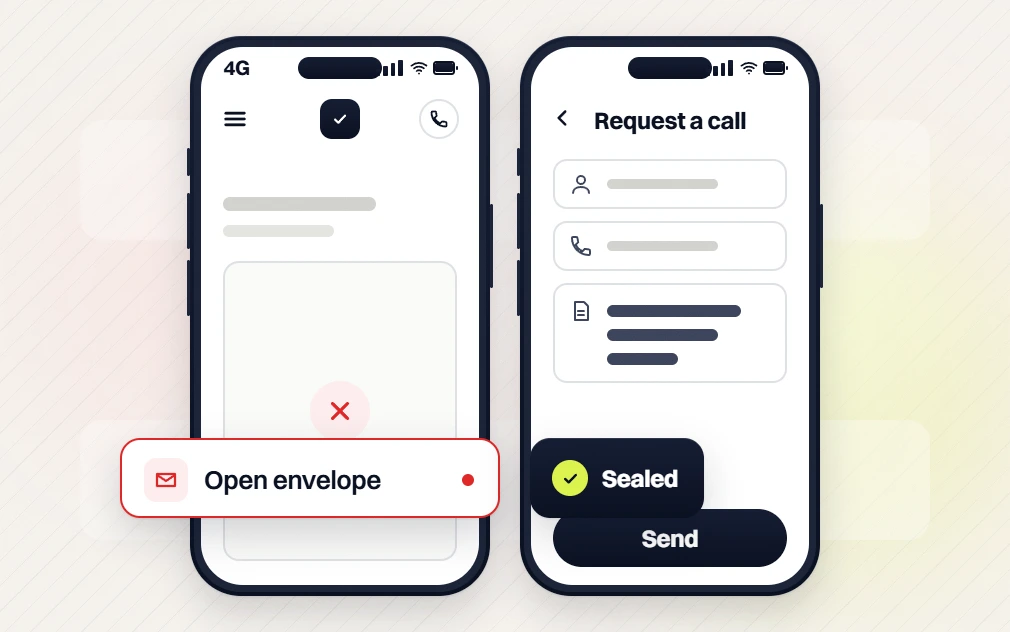
healthcare website design challenge card visualizing a common growth blocker
PROBLEM 02 · PORTAL SYNC

Contact forms dump to email instead of writing to Epic or Athenahealth

Email-based forms lose 30 to 40 percent of bookings vs a native Epic, Athena, Cerner, or Zocdoc widget that writes to the patient record.

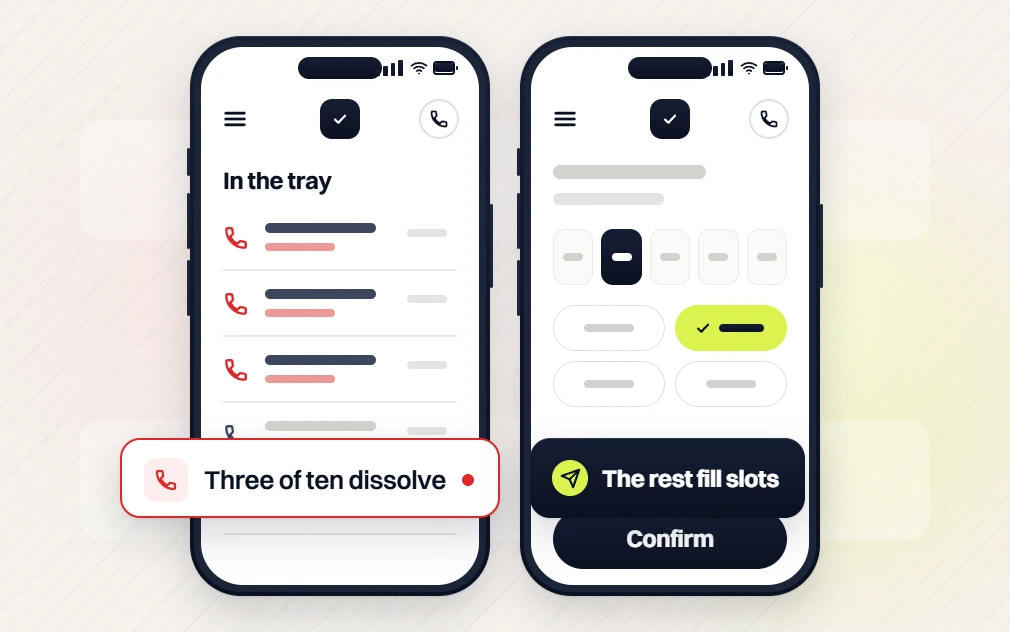
healthcare web design agency challenge card visualizing a common growth blocker
PROBLEM 03 · WCAG + YMYL

Medical sites without WCAG 2.1 AA lose ADA cases and YMYL ranking

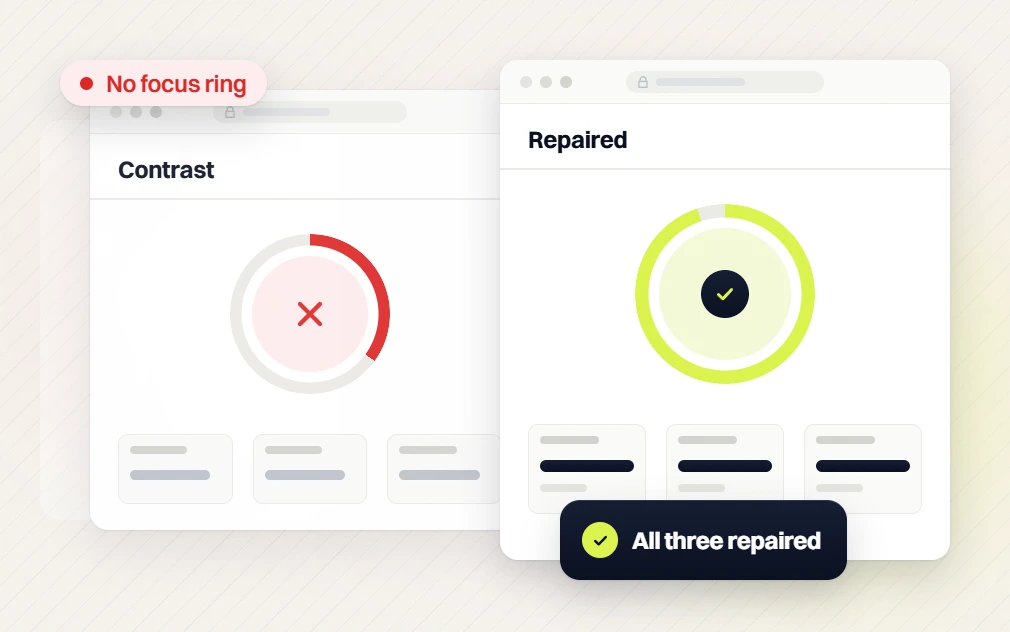
Medical practice websites without WCAG 2.1 AA face weekly ADA demand letters and get outranked by peers on YMYL health queries.

02 THE OUTCOMES

Three outcomes every healthcare web design build delivers

healthcare website design outcome showing tracked performance improvement
Higher visitor to booked appointment conversion rate

A booking-first layout, qualifying form fields, and a three-click path from search to booked slot move the number that puts revenue on the board.

healthcare web design agency outcome showing tracked performance improvement
Local healthcare SEO baked into the build at launch

Every page ships with Physician and MedicalWebPage schema, condition-mapped metadata, and search intent written into the URL slug. No SEO retrofit.
healthcare website design company outcome showing tracked performance improvement
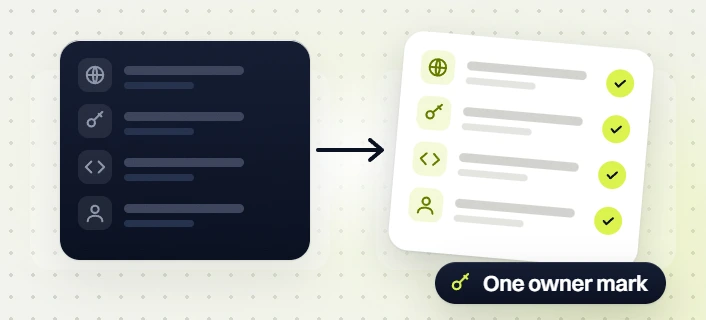
Full ownership of your healthcare website at handoff

Your name on the domain. Your logins on the CMS. Search Console, GA4, Tag Manager, and GBP all stay in your accounts. No hostage keys, no lock-in fees.

03 · OUR PROCESS

Four stages. Every step ends in a sign-off

Fixed scope, written sign-offs, dates on the calendar. Nothing moves to the next stage until the deliverable is approved. Your calendar does not slip.

01 WEEKS 1-2

Discovery that earns the brief

A 20 to 30 page brief signed off by owner, ops lead, and marketing lead. Leadership interviews, technical audit of your current site plus Epic plus analytics plus ad accounts, competitor benchmark of 5 healthcare peers, and full EMR data mapping. Nothing moves until it is locked.

✓ SIGN-OFF: BRIEF
02 WEEKS 3-6

Design built for your patient, not a Dribbble reel

Mobile-first design system with healthcare conversion patterns baked in from wireframe stage. Every component engineer-validated the same week it is drawn. You walk away with an editable Figma file your team owns, not a slide deck you cannot edit.

✓ SIGN-OFF: DESIGN
03 WEEKS 7-12

Engineering + integrations that survive your next Epic upgrade

WordPress with custom PHP or Next.js by default. LiteSpeed and edge CDN, Core Web Vitals treated as an acceptance criterion, WCAG 2.1 AA verified before launch. Epic, Athenahealth, and DrChrono all wired in behind documented abstraction layers. GA4, Meta CAPI, and Google Ads pixels wire with server-side backup.

✓ SIGN-OFF: STAGING
04 WEEK 13 + 30 DAYS

Launch, then daily monitoring live from day one

Production DNS cutover runs off-hours with the whole team on a bridge. Search Console, error logs, EMR bookings, and Core Web Vitals watched daily for 30 days post-launch. On day 31 you take the keys and go, or roll into a maintenance retainer at $199 to $499 per month.

✓ HANDOFF
04 DELIVERABLES

What you actually get from our healthcare web design services

Five workstreams, every item listed. Nothing lives in a proposal appendix or a phase-two column.
healthcare website design services deliverable panel visualizing scope of work

Design that fits how patients decide care

Every healthcare site opens on a mobile screen with a patient who is worried, in pain, or comparing providers. Design starts at 375px, not at a desktop grid. Conversion patterns get built into wireframes, not bolted on at the end. You get a Figma file your team owns from day one and a component library any future developer can pick up without a rewrite.
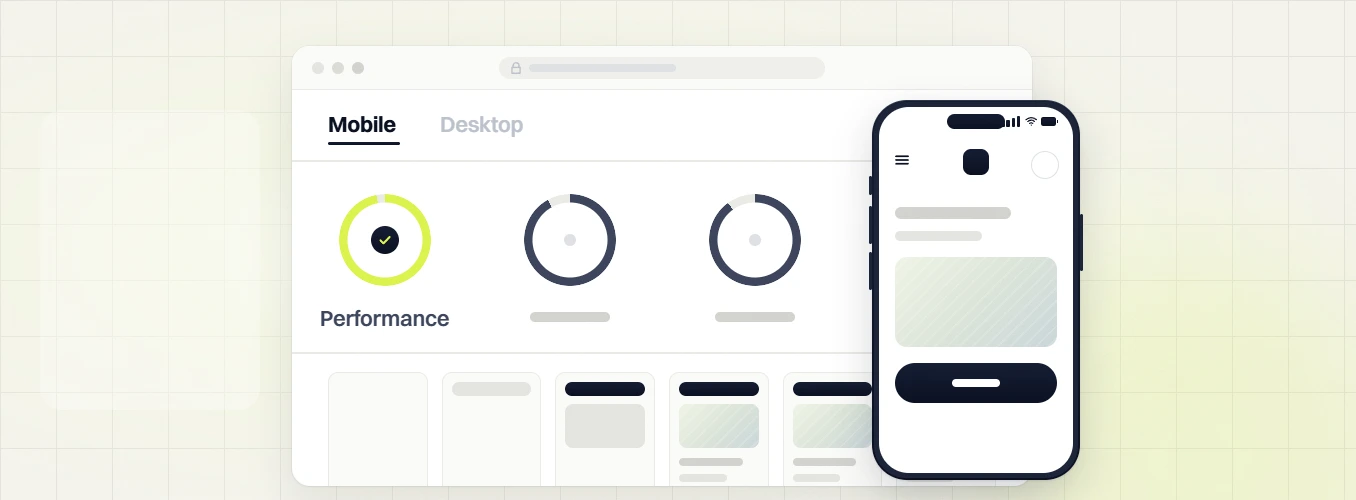
✓ MOBILE-FIRST AT 375PX ✓ FIGMA + LIBRARY YOURS ✓ ENGINEER-VALIDATED
Book a 30-Min Audit
INCLUDED IN EVERY BUILD
Mobile-first design system
built at 375px, then scaled up. Not the reverse. Every layout survives a thumb-only booking flow on iOS Safari.
Component library in Figma
buttons, forms, cards, sticky headers, service pages, provider bio templates. Yours after handoff.
Healthcare conversion patterns
booking-first hero, one-thumb intake, insurance clarity above the fold, click-to-call sticky in the header.
Real photography shot list
your providers, exam rooms, staff. Stock medical photos flag Google's duplicate-content filter and read as inauthentic.
Accessible from wireframe
WCAG 2.1 AA colors, focus states, and keyboard flow validated at design, not caught at QA.
Content model in the file
every field a marketing lead or clinician will edit lives in the Figma file, not in a Google Doc appendix.
Book a 30-minute healthcare web design audit. Written recap next business day
NO SALES CALL REQUIRED · 3 CONVERSION FIXES YOURS TO KEEP
Request a Free Audit
05 PRICING

Four web design tiers for every stage of growth

Every line item listed. The quote you get is the invoice you pay. Take any tier as a project fee, or split it into the flat monthly plan.

STARTER
$1,500
OR $250/MO · SINGLE DOCTOR

Fast, credible site converting existing reputation.

THE FOUNDATION:
Custom 8-page website build
Contact form + click-to-call
On-page SEO + Maps setup
Hosting + nightly backups
2 content edits per month
Next-business-day support
Get this quote
MOST PRACTICES
GROWTH
$2,500
OR $400/MO · GROWING PRACTICE

Full booking engine: scheduling, checkout, customer reporting.

EVERYTHING IN STARTER, PLUS:
Live scheduling integration
Landing page per revenue
Objection-handling copy
Missed-call auto text-back
Bookings and leads report
4 edits/mo, same-day
Get this quote
MULTI-LOCATION
$3,500
OR $550/MO · 2–5 LOCATIONS

One brand, every office found, location-level tracking.

EVERYTHING IN GROWTH, PLUS:
Landing page + map/location
Per-location call tracking
Per-location review routing
Team member profile pages
Quarterly review call
6 monthly edits (all sites)
Get this quote
enterprise operator / CUSTOM
$5,000+
CUSTOM SCOPE · 6+ LOCATIONS

Design system the whole group launches on. Ops-team-spec integrations.

EVERYTHING IN MULTI, PLUS:
Shared design system
Custom integrations
Rank-safe migrations
Dedicated account lead
Direct Slack access
SLA-backed ticket support
Scope my build
EVERY TIER: MONTHLY PLAN AVAILABLE · 30-DAY LAUNCH · 90-DAY REBUILD GUARANTEE · YOU OWN SITE, DOMAIN + DATA

Every web design feature, tier by tier

HOVER ANY FEATURE FOR A PLAIN-ENGLISH EXPLANATION
Website + design +
FEATURE STARTER GROWTH MULTI-LOCATION ENTERPRISE OPERATOR / CUSTOM
Pages included 81525CUSTOM
Custom design, no tpl
Landing page per revenue
Team member profile pages
Shared design system
Booking + patients +
FEATURE STARTER GROWTH MULTI-LOCATION ENTERPRISE OPERATOR / CUSTOM
Contact form + click-to-call
Live scheduling integration
Objection-handling copy
Missed-call auto text-back
Review automation PER OFFICEPER OFFICE
SEO + visibility +
FEATURE STARTER GROWTH MULTI-LOCATION ENTERPRISE OPERATOR / CUSTOM
On-page SEO + schema
Google map listing SETUPREBUILDPER OFFICEPER OFFICE
Location pages
Rank-safe migration AT SCALE
Copy from interview
Care + support +
FEATURE STARTER GROWTH MULTI-LOCATION ENTERPRISE OPERATOR / CUSTOM
Hosting, SSL + backups
Content edits per month 246CUSTOM
Support response NEXT DAYSAME DAYSAME DAYSLA
Bookings and leads report
Quarterly review call
Dedicated lead + Slack
THE 12-MONTH MATH

See what a $400/mo dental site could book back.

Slide in your practice numbers. Assumes a 32% relative conversion improvement, below the median gain on our dental rebuilds.

MONTHLY SITE VISITORS 2,000https://redefineweb.com/mo
AVERAGE PATIENT VALUE $1,200
CURRENT CONVERSION RATE 2%
EXTRA REVENUE · PER MONTH
$0/mo
Extra patients booked $0/mo
Projected over 12 months $0/mo
Get my $400/mo quote →
Directional estimate, not a promise. Your quote comes with the real math for your practice.
HEALTHCARE WEB DESIGN FAQ

Common healthcare web design questions

Straight answers on cost, timeline, EHR integrations, HIPAA, and what actually gets built. If your question is not here, book the audit call.

PREFER TO TALK?
+1 (855) 999 9131
[email protected]

How much does a healthcare website cost?

+

Healthcare website design services at Redefine Web run $1,500 to $25,000+ per project as a one-time fixed fee. Launch tier at $1,500 fits a solo provider or single-location practice with a Figma template swap, a booking widget, and WCAG 2.1 AA verification. Growth tier at $6,500 covers a custom design, HIPAA-aware forms, and Epic or Athenahealth widget wiring. Scale tier at $12,500 adds multi-location templates, provider bio schema, and a 20-page condition library at launch. Enterprise builds from $18,000+ cover hospital groups with EHR, PMS, and marketing stack integration wired to a single source of truth. Every tier includes the deliverables list, an editable Figma file, a signed BAA where the data path needs one, and a written handoff. Ongoing maintenance runs $199 to $499 per month if you want us on the retainer. Ad spend and third-party licenses (Paubox, LuxSci, MailHippo, LiteSpeed) are billed at cost with your accounts, not marked up. See HIPAA Journal for context on medical website spending and vendor compliance baselines.

How much do web design agencies charge?

+

Web design agencies charge $1,500 to $75,000+ for a healthcare website depending on scope, custom code volume, and integration depth. Solo-owner practices with a template swap and booking widget sit at $1,500 to $6,500. Multi-location groups with custom design, HIPAA forms, WCAG 2.1 AA audit, and EHR wiring sit at $12,500 to $25,000. Hospital groups and enterprise health systems with PMS integration, provider directories, and a 40+ page condition library land at $30,000 to $75,000+. Any agency quoting below $1,500 is running a template kit with no custom design, no HIPAA review, no EHR integration, and no post-launch monitoring. Any agency quoting above $75,000 for a mid-sized practice is padding scope with services you can buy separately for less. At Redefine Web, healthcare website design services run $1,500 to $25,000+ with the tier, deliverables list, and timeline written into the contract before you sign. No hidden retainer, no month-two upcharges, no surprise add-ons. Pricing structure is public on the pricing block above and matches the version we quote you in the sales call.

How much does it cost to pay someone to design a website?

+

The cost to pay someone to design a healthcare website runs $1,500 to $25,000+ at Redefine Web, depending on tier and integration scope. A freelance designer charges $500 to $5,000 but skips HIPAA form handling, WCAG 2.1 AA verification, EHR integration, provider schema, and post-launch monitoring. A medical-focused agency charges $8,000 to $50,000+ and delivers the compliance layer, integrations, signed BAAs where the data path needs one, and a full deliverables list. For a practice booking new patients through the site, the agency price wins on 60-day payback because the freelance build tends to fail one of three gates: HIPAA transport, ADA accessibility, or mobile Core Web Vitals. You are paying for the deliverables list and the compliance chain, not just visual design. Ask any candidate for their last three healthcare builds, ADA audit reports, EHR integration references, and a signed BAA template before you sign. Freelance is fine for an informational brochure site. It is not fine for a booking-driven medical practice website. See CDC health information system guidance for baseline expectations.

What is the best website builder for medical practices?

+

The best website builder for medical practices is a custom WordPress build or Next.js frontend, not a drag-and-drop consumer builder. WordPress with custom PHP handles HIPAA-aware form routing, Epic and Athenahealth widget wiring, WCAG 2.1 AA compliance, and Physician plus MedicalWebPage schema without plugin bloat. Next.js fits multi-location groups and hospital systems that need edge rendering, headless CMS, and a marketing site that decouples from the EHR frontend. Consumer builders like Wix, Squarespace, and GoDaddy cannot pass a HIPAA audit because their form pipelines lack a signed BAA and their hosting has no PHI encryption at rest. WordPress.com hosted plans also lack a BAA and are not compliant for PHI intake. If a practice is under $1M in annual revenue with a single location, a Launch-tier custom WordPress build at $1,500 works. If the practice is multi-location, specialty group, or hospital-scale, headless Next.js on managed hosting under a BAA fits better. Neither path is a builder in the DIY sense. Both need engineering, HIPAA review, and a WCAG audit at launch.

What are the 7 C's of web design?

+

The 7 C’s of web design are context, content, community, customization, communication, connection, and commerce. For healthcare website design services, context sets the specialty, patient demographic, insurance mix, and referral pattern of the practice. Content covers provider bios, condition pages, and treatment libraries written to E-E-A-T standards with clinician byline and review date. Community wraps patient reviews, GBP posts, and referral partner listings for map-pack signal. Customization means the site fits your EHR, PMS, and marketing stack, not a generic template. Communication covers the booking flow, click-to-call sticky header, and intake form UX tuned for mobile abandonment. Connection is the schema wiring that makes Physician, MedicalWebPage, and LocalBusiness data machine-readable for Google. Commerce is the booking pipeline, patient payment portal, and merchandise if a practice sells supplements or aftercare kits. Every healthcare build at Redefine Web audits the 7 C’s at brief signoff before design starts. See Google medical condition structured data docs for schema references.

How long does a healthcare website take to build?

+

Launch and Growth tier healthcare websites go live in 4 to 8 weeks. Scale builds run 8 to 12 weeks. Enterprise builds run 12 to 16 weeks with a phased rollout across specialty locations. Week 1 is the brief signoff and stakeholder interviews. Weeks 2 to 6 cover design, wireframes, and clinician review of every provider bio and condition page. Weeks 6 to 10 are engineering, EHR wiring, HIPAA form routing, WCAG 2.1 AA validation, and Core Web Vitals tuning. Week 10 or later runs the staging QA, 301 redirect map signoff, and DNS cutover on a Tuesday morning so Search Console has the full week to reindex before weekend traffic. Post-launch monitoring runs daily for 30 days on 404s, impression drops, EHR bookings, and Core Web Vitals field data. Timeline slips only when brief signoff drags past week 1 or when EHR API access from your vendor stalls. We hold weekly signoff meetings with your ops lead to keep the launch date on the wall. The contract writes the launch window into a specific business week, not a vague quarter.

Do medical websites need a Business Associate Agreement (BAA)?

+

Yes, if any third-party vendor touches protected health information. Every vendor in the PHI data path needs a signed BAA under HIPAA rules: your hosting provider, form processor, email vendor, appointment reminder tool, and any analytics tool that captures form fields. At Redefine Web, we route form data through servers under our BAA, send transactional email through Paubox or LuxSci, and strip PHI from analytics events before they reach GA4. Vendors that refuse a BAA (Wix, Squarespace, GoDaddy shared hosting, WordPress.com hosted plans, most consumer email tools) sit outside the compliant path and cannot be used for intake, booking, or provider-patient communication. Your legal team gets copies of every executed BAA before launch, filed in a shared drive folder that survives staff turnover. If your practice is a covered entity under 45 CFR 160.103, the BAA chain is not optional. Missing a BAA on any vendor in the data path is what OCR investigators look for first in an audit or a complaint response.

Does healthcare web design integrate with Epic, Athenahealth, or Cerner?

+

Yes. Healthcare website design services at Redefine Web integrate with your EHR, patient portal, and CRM. Supported systems: Epic MyChart, Athenahealth Communicator, Cerner PowerChart, DrChrono, eClinicalWorks, NextGen Healthcare, and Zocdoc. Integration runs at three depths depending on what your EHR vendor allows. Widget embed is the fastest and cheapest, drops an iframe from the EHR vendor onto your booking pages, works out of the box but crashes on iOS Safari roughly 12% of the time. Native API is faster on mobile because it renders your own UI and calls the EHR in the background so no iframe, no crash, no lost sessions on iOS Safari. Server-side sync writes booking data both ways so patient records stay clean and the CRM does not drift. Your data path is documented and diagrammed in the deliverables. Integration adds 2 to 4 weeks to the build depending on your EHR vendor and API access speed. Vendor onboarding calls are on us. We hold the call with your EHR account manager the first week of the project.

Do healthcare websites need WCAG 2.1 AA accessibility?

+

Yes. Healthcare providers are covered entities under Title III of the ADA, and medical practice websites without WCAG 2.1 AA face demand letters, DOJ complaints, and lawsuits. Since the 2024 DOJ rule update, plaintiff firms send around 4,000 ADA web accessibility demand letters per month, and medical practices are a targeted vertical because of the direct patient-provider relationship and the public-accommodation status. Every Redefine Web healthcare build ships with a WCAG 2.1 AA audit report at handoff: color contrast 4.5:1 or better on body text and 3:1 on large text, keyboard navigation on every interactive element, screen reader labels on every form field, focus states on every button and link, alt text on every clinical image, and a public accessibility statement page linked in the footer. We validate with axe-core, manual VoiceOver on iOS, JAWS on Windows, and NVDA on the desktop. The audit report goes to your legal team before launch. Post-launch, WCAG regression scans run monthly on the maintenance retainer. Accessibility is a launch gate, not a phase-two backlog item.

How do you optimize a healthcare website for local SEO?

+

Local healthcare SEO turns on four signals. One, Google Business Profile with a primary specialty category, 3 relevant secondaries, service list, and Q&A seeded from your front-desk call log. Two, LocalBusiness plus Physician plus MedicalWebPage schema on every page validated with the Rich Results Test before publish. Three, NAP consistency (name, address, phone) across GBP, Yelp, Healthgrades, Zocdoc, WebMD Care, Vitals, and every insurance directory that lists you. Four, condition and specialty pages that mirror how patients search: “primary care doctor near me”, “pediatric dentist in Brooklyn”, “urgent care open now”. Every page ships with URL slug intent, meta title, meta description, H1, and internal links wired for the target query. Provider bios run 600+ words with credentials, board certifications, technique training, and hospital affiliations for E-E-A-T strength. Reviews structured data on every specialty page for map-pack star display and answer-box eligibility. We report on 25 specialty keywords monthly with position tracking, click volume, and impression share by specialty and location so the ROI conversation is grounded in numbers.

What mobile speed target does a healthcare website need to hit?

+

Healthcare website design services at Redefine Web target LCP under 1.8 seconds, CLS under 0.05, INP under 200 milliseconds on a real Pixel 6 over LTE. That is the Core Web Vitals green threshold with a 30% safety margin because patient traffic skews mobile, and mobile speed decides whether the visit converts. Every build ships with LiteSpeed hosting, a Cloudflare or Bunny CDN edge, image lazy-load, deferred JavaScript, WebP with AVIF fallback, and a lightweight custom theme with no page-builder bloat. We test on WebPageTest with the Moto G Power emulator and BrowserStack with real iOS Safari on iPhone 11 and older to cover the slow-device tail. Field data from the Chrome UX Report gets watched daily for 30 days post-launch and monthly on the maintenance retainer. Speed regression triggers a rollback and a code review. Slow sites lose 53% of mobile patients before the page paints, and mobile is 60 to 75% of medical practice traffic. Speed is not a nice-to-have, it is a booking-flow requirement.

Who owns the healthcare website after launch?

+

You own the healthcare website in full. Domain, hosting account, code repository, design files, analytics accounts, GBP, and Search Console all live in your name from day one. Redefine Web works under your logins, not ours, and any account we create for the build gets transferred to your admin before handoff. The Figma file, GitHub repository, WordPress or Next.js codebase, and content database export are yours at launch. If we part ways, the site continues to run without us. No proprietary page builder, no hostage keys, no monthly platform fee that opens the code. Your team gets 2 hours of training on the WordPress or Next.js admin, a written runbook for common edits (adding providers, condition pages, blog posts, insurance carrier updates), and a video walkthrough of the deliverables. Optional maintenance retainer at $199 to $499 per month if you want us on call for updates, security patches, WCAG regression scans, and Core Web Vitals monitoring. Cancel anytime after month 6, keep every file and account.

FREE — 30 MINUTES — NO PITCH

Book a free growth audit.

Walk away with three fixes you can ship the same week — whether or not you hire us.

24-HOUR RESPONSE 300+ AUDITS RUN ZERO OBLIGATION