Manufacturing PPC Services That Lower Cost Per RFQ
Manufacturing PPC services on Google Search, LinkedIn, and Thomasnet placements for industrial OEMs, fabricators, and multi-plant operators. Server-side tracking wires every click through to the qualified RFQ in your ERP. Cost per RFQ drops 40% inside the first quarter.
Three ways your manufacturing PPC is losing qualified RFQs
Signed contracts land 60 to 180 days after the click, so Google drops the campaign that produced them
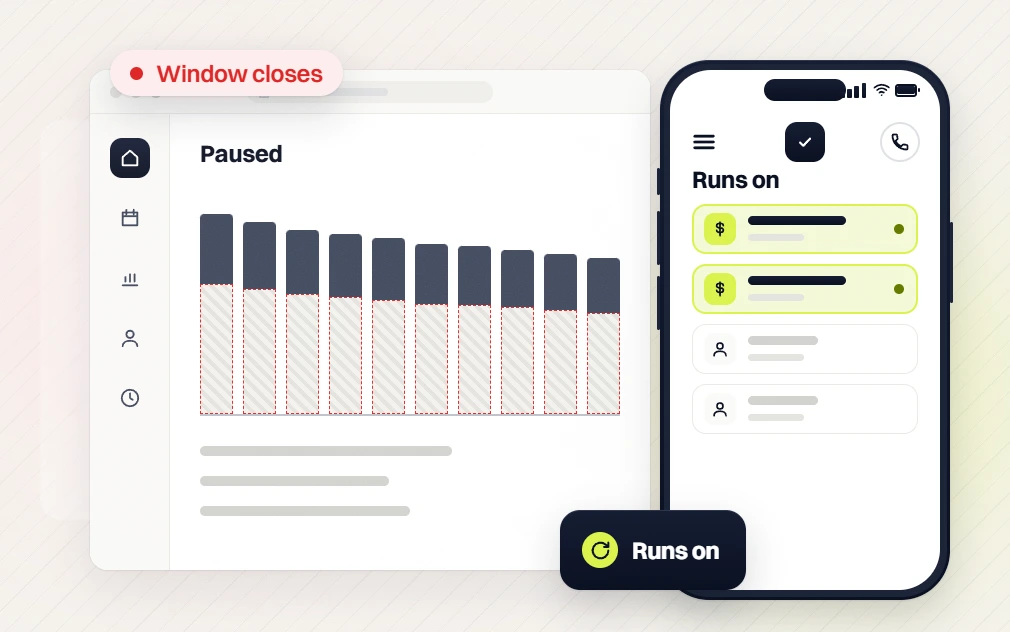
Manufacturing sales cycles beat the Google 30 to 90 day conversion window. Without offline conversion feeds from HubSpot or Salesforce back into Google and LinkedIn, the algorithm optimizes on form fills, not signed RFQs. Half your best campaigns get paused for looking dead when they are actually cooking pipeline.
LinkedIn Sponsored Content burns 47% of spend on job titles that never sign the PO
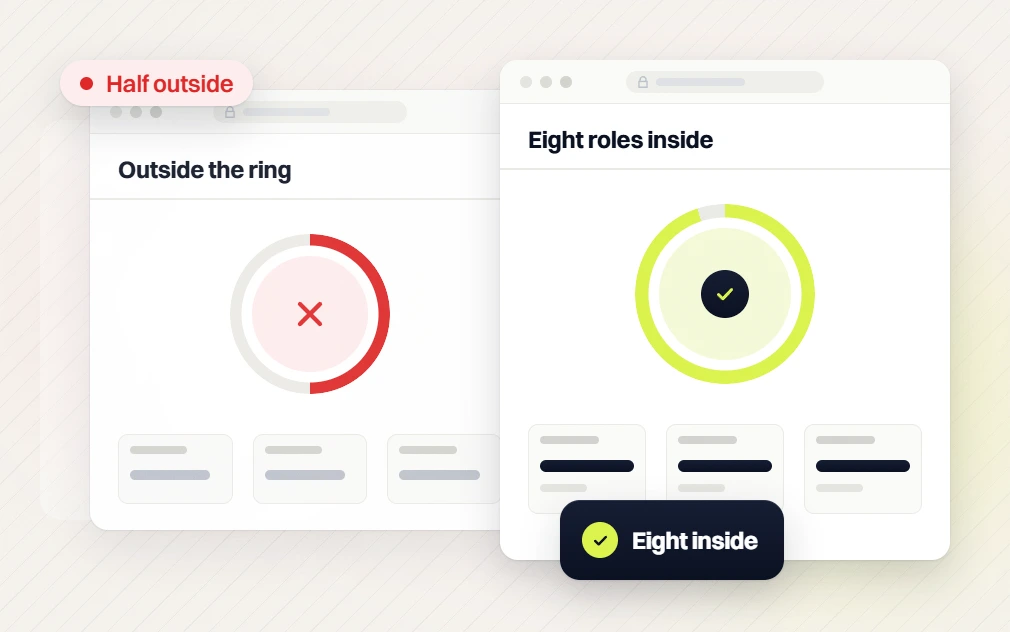
Broad-match LinkedIn job title targeting hits engineers and hobbyists who never touch the buying committee. Without ICP-locked audiences filtered by title, seniority, function, and company size, spend flows to eyeballs that will not close. Real buying committees run 6 to 10 people per RFQ, and half of them never fill a form.
Ungated PDF spec sheets let Performance Max bid on visitors who already have the data
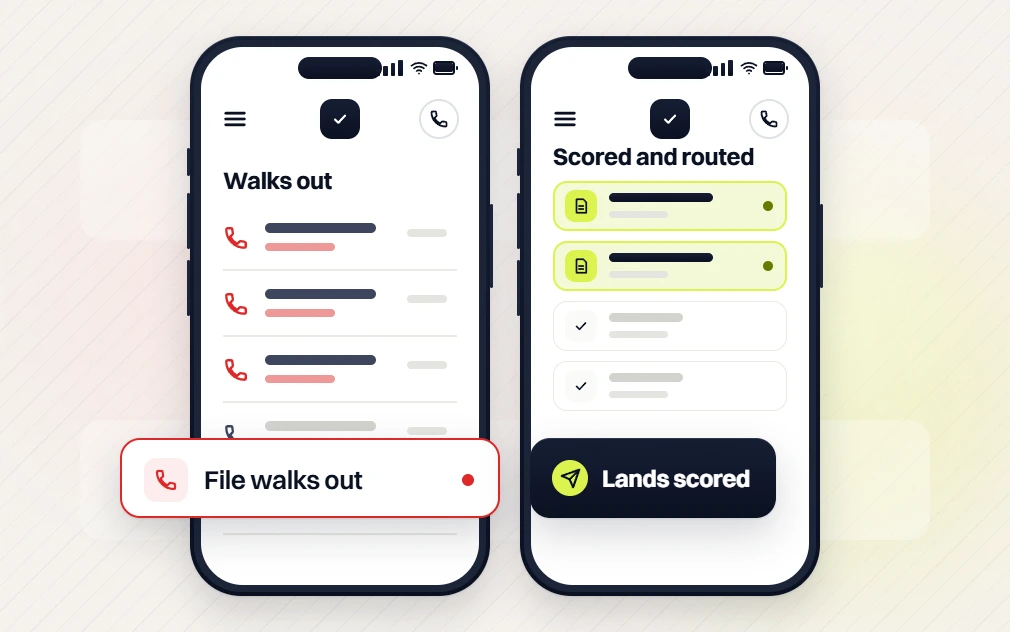
Every ungated CAD file and PDF spec sheet is a visitor who leaves with the tech they came for and never RFQs. On a $10,000 monthly spend account, that is $1,415 of daily attribution loss the algorithm reads as a bounce. Gated forms turn spec downloads into CRM leads scored and routed to sales.
What every manufacturing PPC retainer delivers
Tight campaign builds, negative keyword sculpt, and CRO landing pages drop cost per RFQ inside 30 days. Median across 20+ manufacturing accounts sits at $140.
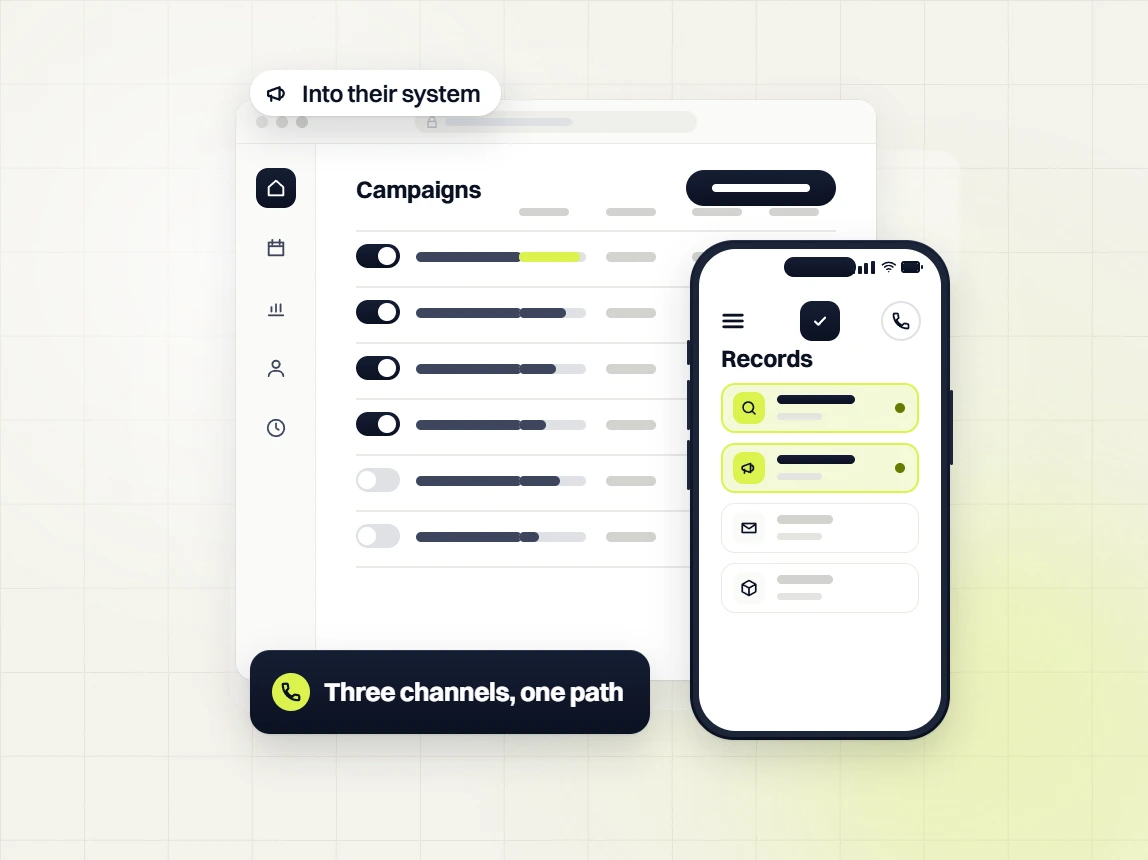
Google Search, LinkedIn, Meta retargeting, and Thomasnet clicks land on pages tracked from first touch through to a HubSpot or Salesforce deal stage.
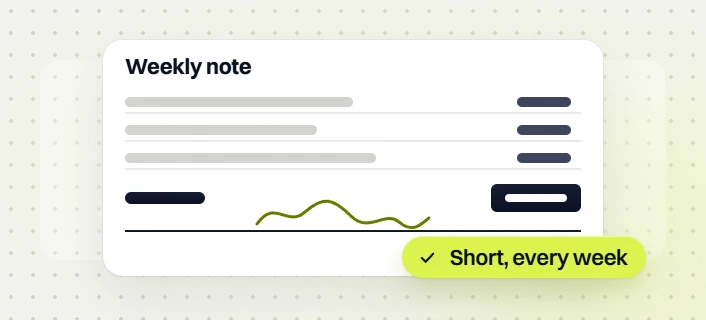
Not a monthly PDF. A weekly note from the industrial media buyer running your account covering what launched, what moved on RFQs, and what is next up.
Four stages, every step ends in a sign-off
Fixed scope, fixed timeline, fixed outcomes. Nothing moves to the next stage until your operations lead or VP marketing signs off on the gate deliverable.
Audit that exposes wasted spend and broken tracking
Full campaign audit exposing wasted spend, missing negatives, misconfigured conversions, and untracked RFQ events. Median finding on new manufacturing accounts is 42% wasted spend and 247 missing negatives. Signed off in a 20-page report before we touch structure.
Campaigns rebuilt around manufacturing intent
Higher-margin capabilities get a higher target cost per RFQ than commodity work. SKAG-lite structure with match-type discipline, Performance Max layered where you qualify, and negative keyword sculpt to strip hobbyist and student traffic before it starts.
First qualified RFQ inside 14 days, guaranteed
Landing pages built per campaign with conversion flow, gated spec sheets, and trust badges. Every ad tracked through to a CRM-verified RFQ. Miss the 14-day first-RFQ mark on any manufacturing account, your first month is free.
Optimize weekly, then scale to plant capacity
Ad copy A/B tests, bid strategy tuning, and landing page iteration drop cost per RFQ 50% from launch to week 8. Once cost per RFQ is stable, we scale spend against your plant capacity. Meta and display layer as retargeting. Every decision tied to CRM-verified RFQs, not vanity clicks.
What you actually get from our manufacturing PPC services
Five workstreams, every item listed. Nothing lives in a proposal appendix.
Audit that exposes wasted spend and broken tracking
Full campaign audit surfacing wasted spend, missing negatives, misconfigured conversions, and untracked RFQ form events. Median finding on new manufacturing accounts is 42% wasted spend and 247 missing negatives. Signed off before we touch structure.
every search term with spend reviewed; off-industry, brand-competitor, and hobbyist queries surfaced for negative-keyword sculpt.
are conversions counting clicks (wrong), form fills (better), or CRM-verified RFQ (right)? Fixed at the root before any bid change.
RFQ page conversion rate benchmarked against manufacturing category avg. Every ad group mapped to its landing page with a CVR score.
operations lead and VP marketing review and sign off before we rebuild. No changes without a written go-ahead on scope.
top OEMs, fabricators, and distributors in your capability set pulled from Auction Insights and priced against your target cost per RFQ.
last 90 days of RFQs mapped by source so the audit report starts with a real blended cost per RFQ and closed-won revenue number.
Campaigns rebuilt around manufacturing intent
Higher-margin capabilities get a higher target cost per RFQ than commodity work. SKAG-lite structure with match-type discipline, Performance Max layered where your feed qualifies, and negative keyword sculpt to strip hobbyist and student traffic before it starts.
part number, capability, and application queries grouped by margin tier, not lumped into one generic manufacturing campaign.
247+ negatives added across account: hobbyist DIY, student, job seeker, competitor brand, and out-of-region searches killed before they cost you.
PMax runs on top of Search with brand campaigns pulled out of the shopping bucket to prevent budget cannibalization on RFQ intent.
design engineer, quality manager, VP operations, purchasing lead titles targeted at target-size accounts in target industries. No broad-match waste.
capability-specific pages with gated spec sheet, RFQ form, and case study proof. Not sent to a generic homepage.
Enhanced Conversions, Conversions API, and LinkedIn Insight Tag installed. CallRail on every phone number for dynamic number insertion.
First qualified RFQ inside 14 days, guaranteed
Landing pages go live per campaign with gated spec sheet, trust badges, and RFQ form. Every ad tracked through to a CRM-verified RFQ. Miss the 14-day first-RFQ mark on any manufacturing account, your first month is free.
gated spec sheet above the fold, RFQ form and phone action, ISO/AS9100/ITAR trust bar, and matching case study proof for that capability.
guaranteed in writing. Miss the mark, first month is free. Google Search hits earliest because part-number intent is highest.
Enhanced Conversions plus HubSpot or Salesforce deal-stage push back into Google Ads API and LinkedIn Insight Tag.
4 to 6 LinkedIn Sponsored Content variants tested every month in structured splits. Google RSA variants rotated weekly.
capability listing, certifications (ISO 9001, AS9100, ITAR), current contact info, and paid category placement built out on Scale and Enterprise accounts.
spend, RFQs, sales-qualified opportunities, signed contracts, cost per RFQ, cost per signed contract, split by network and campaign. Shared with your team on day 1.
Cost per RFQ drops week over week
Ad copy and creative A/B tests, bid strategy tuning, landing page CVR iteration, and negative keyword sculpt run weekly. Average manufacturing account cost per RFQ drops 50% from launch to week eight. Every optimization ties back to the CRM-verified qualified RFQ number.
ad copy, RSA variants, LinkedIn creative, and landing page hero variants tested in structured splits every week. Winners scaled, losers killed.
target cost per RFQ and target ROAS bidding tuned monthly against real closed-won data pushed from HubSpot or Salesforce.
RFQ form fields, gated spec sheet copy, trust bar, and CTA phrasing iterated weekly to drive RFQ conversion rate up.
what launched, what moved on qualified RFQs, and what is next. Delivered by your lead industrial media buyer, not a client success rep.
30 minutes on video with your team. Screen-share on the account, not a slide deck. Decisions on next week spend get made on the call.
first-touch, last-touch, and linear attribution rolled to a single dashboard. Deal-stage progressions tagged back to the original campaign.
Scale spend against plant capacity, not vanity clicks
Once cost per RFQ is stable, we scale ad spend against your plant and quote-team capacity. Meta retargeting, display, and Thomasnet trade placements layered as awareness. Every scaling decision tied to signed contract revenue and quote-team bandwidth, not raw spend targets.
ad spend scaled against quote-team throughput. Once RFQs per week exceed capacity, we throttle rather than overflow.
warm audiences who downloaded a spec sheet but did not RFQ get Meta retargeting to keep brand visible during the 60-180 day cycle.
baseline for every Scale and Enterprise account. Complete capability listings and paid category placement drive steady RFQ volume.
Thomas Publishing, IndustryWeek, EE Times, Design World placements where your buyers actually research. Attribution tracked via branded search lift.
LinkedIn Sponsored Content aimed at named target-account committees. Sales-lead nurture in HubSpot or Salesforce built off ABM lists.
Four PPC tiers for every stage of growth
Pick the tier that matches your practice size. Move up or down anytime with 30 days notice, no setup fees. Hover any feature name for a plain-English explanation.
Single-location testing paid ads, or recovering from a bad agency.
Growing brands scaling beyond one campaign: PMax, search, Meta.
Two to ten locations, paid ads across service areas and lines.
Enterprise or 11+ locations. Systematic paid rollouts, multi-market.
Every PPC feature, tier by tier
HOVER FOR DETAILPlatforms and ad spend +
Campaigns + landing pages +
Reporting + analytics +
Ad channels + creative +
Compliance + enterprise +
Team + service level +
Real manufacturers, real RFQ numbers
See what a $400/mo dental site could book back.
Slide in your practice numbers. Assumes a 32% relative conversion improvement, below the median gain on our dental rebuilds.
Common manufacturing PPC questions, answered
From real quote calls with OEMs and fabricators. Anything else, ask on the call and get an answer in the first 5 minutes.
How much do manufacturing PPC services cost per month?
+
Manufacturing PPC services at Redefine Web run $499, $999, $1,999, or from $3,500 per month across four flat-fee tiers, plus ad spend billed directly by Google, LinkedIn, Meta, and Thomasnet. Ad spend and management fee stay separate on every tier. The $499 Launch tier fits small shops running $2,000 to $6,000 in monthly ad spend on Google Search. The $999 Growth tier adds LinkedIn Sponsored Content and 5 landing pages for shops running $6,000 to $20,000. The $1,999 Scale tier runs Google, LinkedIn, Meta retargeting, and Thomasnet in coordinated campaigns for mid-market OEMs running $20,000 to $80,000. Enterprise starts at $3,500 for manufacturers running $80,000 or more per month across ABM target accounts. Every tier is flat-fee, not percent-of-spend, so scaling ad budget does not spike your invoice. Contracts run 6 months on Launch and Growth, 12 months on Scale and Enterprise to cover the 60 to 180 day industrial sales cycle. Ownership of every account, landing page, tracking pixel, and CRM integration transfers to you on day one, not at contract end. Cancellation moves the account back into your MCC clean.
What is a healthy ad spend for manufacturing PPC campaigns?
+
Healthy manufacturing PPC ad spend depends on average contract value, sales cycle length, and target RFQ volume. Small custom shops run $2,000 to $6,000 per month. Growing mid-market manufacturers run $6,000 to $20,000. Larger operations with distributor networks run $20,000 to $80,000. Enterprise manufacturers with national or global reach run $80,000 or more. Custom fabrication and engineered-to-order shops can absorb $500 to $2,500 per qualified RFQ because average contract value covers it easily. Commodity industrial products need cost per RFQ under $150 to stay viable. High-consideration capital equipment can support $1,000 or more per RFQ because signed contracts run six or seven figures. We start every account with a target cost per RFQ pulled from your CRM data, then reverse-engineer the spend against your quote-team capacity. Underspending starves the algorithm; overspending inflates cost per RFQ before you have data to fix it. Underspending starves the algorithm on match-type learning, which drags cost per RFQ upward. Overspending burns budget before the account has enough conversion data to fix wasted queries.
How do I advertise a manufacturing company on Google and LinkedIn?
+
Effective manufacturing PPC services combine channels. Advertise a manufacturing company by running Google Search on part-number, application, and capability queries where industrial buyers already type in intent. Then layer LinkedIn Sponsored Content on the exact job titles that approve suppliers: design engineer, quality manager, VP operations, purchasing lead. Google Search hits first because intent is highest on queries like “CNC machining aerospace tolerances” or “food-grade polyurethane rollers.” LinkedIn covers the accounts that already Googled you but never converted. It reaches the other 5 to 9 committee members who quietly influence the PO. Meta retargeting keeps the brand visible to warm audiences during the 60 to 180 day cycle. Thomasnet paid placements cover the buyers who still start supplier searches inside industrial directories. Trade publication placement on IndustryWeek, EE Times, or Design World reaches procurement teams that read those outlets. Each channel is scored on qualified RFQs, not clicks, so spend follows what actually produces pipeline. Every channel gets scored on qualified RFQs delivered to your CRM, not clicks or impressions, so spend follows what actually produces RFQs from procurement teams and specifying engineers.
What makes manufacturing PPC different from other B2B PPC?
+
Manufacturing PPC works on 60 to 180-day sales cycles, buying committees of 6 to 10 people, and RFQ math where 1 signed contract can be worth $50,000 to $2 million. Generic B2B PPC playbooks that measure success on form-fill CPA break the second a manufacturer runs them. Three structural differences drive the whole playbook. First, RFQ-to-signed-contract lag forces offline conversion feeds from HubSpot or Salesforce back into Google and LinkedIn so the algorithm learns from real revenue, not form fills. Second, buying committees force LinkedIn Sponsored Content on multiple job titles per account: design engineers, quality managers, procurement, VP operations. Third, spec sheet and CAD download intent forces gated content into the CRM so warm-but-quiet visitors get scored and routed to sales instead of read as bounces. Fourth, part-number and capability queries need exact match discipline and heavy negative sculpt so hobbyist and student traffic never enters the account. Fifth, buying committee dynamics force sequenced ABM creative so the first touch does not have to close the deal alone, matching how engineers and procurement teams actually evaluate suppliers.
What is a typical cost per RFQ for manufacturing PPC?
+
Typical cost per qualified RFQ for manufacturers on Redefine Web accounts runs $75 to $500 on Google Search, $200 to $800 on LinkedIn Sponsored Content, and $50 to $200 on Meta retargeting. Cost per signed contract runs 5 to 10x the cost per RFQ depending on your RFQ-to-quote and quote-to-close rate. Custom fabrication and specialty engineered products can support $500 to $2,500 per RFQ and still hit healthy contract payback because average contract value covers it. Commodity industrial products need cost per RFQ under $150 or margins collapse. High-consideration capital equipment can support $1,000 or more per RFQ because signed contracts run six or seven figures. Cost per RFQ is unstable in the first 45 to 60 days while the algorithm learns from offline conversion feeds. Stable cost per RFQ hits by day 90 on every account under manufacturing PPC management with a functioning CRM feed. Cost per RFQ is unstable in the first 45 to 60 days while the algorithm learns from offline conversion feeds. Stable cost per RFQ hits by day 90 on every account with a functioning CRM feed and clean negative keyword list.
How fast does manufacturing PPC produce tracked RFQs?
+
Manufacturing PPC produces the first tracked RFQs within 14 to 21 days of campaign activation, guaranteed. Google Search hits earliest because intent is highest on part-number and application queries. LinkedIn Sponsored Content follows in week 3 or 4 once ICP audiences build. Meta retargeting produces RFQs in week 4 or 5 once cookie pools are large enough to run efficiently. Thomasnet paid placement produces steady RFQ volume once the supplier profile is optimized with certifications, capability listings, and current contact information. Stable cost per RFQ takes 45 to 90 days. Month 1 is when Google Enhanced Conversions and offline conversion upload are still learning from your CRM data. Signed contract revenue lags RFQs by 60 to 180 days depending on procurement cycle, which gets modeled into the pipeline plan on week 1. Miss the 14-day first-RFQ mark on any manufacturing account, your first month is free. Miss the 14-day first-RFQ mark on any manufacturing account, your first month is free. Every account runs the same activation SLA regardless of tier or ad-spend size.
Do you build manufacturing PPC landing pages or run ads to our website?
+
Every manufacturing PPC retainer includes dedicated landing pages, not links to your homepage. Launch includes 1 dedicated landing page. Growth includes 5. Scale includes a full landing page system with variants for capability, application, and target industry. Enterprise includes unlimited landing pages plus dynamic variants for ABM target accounts. Sending cold Google or LinkedIn traffic to a generic manufacturing homepage converts at 0.8% to 1.5% on RFQ. Sending the same traffic to a dedicated application landing page with matching creative, an above-the-fold gated spec sheet, and a case study for that industry converts at 3% to 8%. Landing pages are built on your existing stack (WordPress, HubSpot CMS, custom) so your team owns and can edit every page after handoff. Load speed hits Google Core Web Vitals green on every page. Design uses your brand system, not agency templates, so paid traffic never lands on a page that feels off-brand from the ad. Every landing page loads under 2 seconds on 3G to protect procurement teams researching on plant-floor networks. Every form fires a real-time HubSpot or Salesforce deal record on submit, not a nightly batch.
How do you track manufacturing contract revenue from PPC clicks?
+
Every manufacturing PPC account gets server-side tracking and offline conversion feeds from your CRM or ERP. A unified dashboard traces every RFQ and signed contract back to the exact campaign, keyword, and creative that produced it. The stack: Google Enhanced Conversions, Conversions API for Meta, LinkedIn Insight Tag with offline conversion upload, and CallRail for phone tracking. Attribution runs multi-touch so prospecting awareness gets credit even when the deal closes on a later retargeting touch. Deal-stage progressions inside HubSpot or Salesforce get tagged back to the original RFQ campaign, so pipeline math is honest, not just RFQ-count math. When a deal closes 90 days after the click, the revenue flows back into Google Ads and LinkedIn so the algorithms optimize on real signed contracts, not form fills. Every dashboard is read-only for the demand-gen team and sales leadership, pulled through Looker Studio from every ad platform and the CRM. Every attribution number in the dashboard traces back to a signed contract in HubSpot or Salesforce, not a form-fill estimate. Sales leadership sees the same pipeline number the media buyer sees.
Do you manage LinkedIn Ads for engineering and procurement targeting?
+
Yes. LinkedIn Ads are core to every manufacturing PPC retainer at Growth tier and above. LinkedIn covers Sponsored Content, Sponsored Messaging, Conversation Ads, and Lead Gen Forms targeted at ICP job titles: design engineers, quality managers, procurement leads, plant managers, VP operations at target-size companies in target industries. LinkedIn works best for manufacturers with higher-consideration products and average contract values above $10,000. Above that threshold, LinkedIn produces consistent qualified RFQs at $200 to $600 per RFQ depending on industry and target ICP. Every Growth account gets 4 to 6 new creative variants per month tested in structured splits. ABM lists sync from HubSpot or Salesforce so target accounts get prioritized bid modifiers. Retargeting layers over top-of-funnel Sponsored Content so committee members who engaged with an application whitepaper get pulled into a case study or capability video the next week. Sponsored Messaging and Conversation Ads run on warm audiences only, never cold, so cost per qualified reply stays sane. Lead Gen Forms sync straight into HubSpot with UTM and account context for sales handoff.
Do you handle Thomasnet placements and trade publication advertising?
+
Yes. Thomasnet paid placements are baseline for every Scale and Enterprise manufacturing PPC account. Trade publication advertising is included where buyers still research inside those trade sites: Thomas Publishing, IndustryWeek, EE Times, Design World, and category-specific outlets. Thomasnet drives steady RFQ volume for manufacturers with well-optimized supplier profiles. Optimization includes complete capability listings, certifications (ISO 9001, AS9100, ITAR), current contact information, and paid category placement. Trade publication placement runs on flat-rate sponsorships and feature article placement, chosen where the audience overlaps target ICP. Attribution is harder than Google Ads because trade sites drop tracking, so we measure branded search growth and direct traffic spikes tied to publication run dates alongside CRM-reported RFQs from those channels. The dashboard shows Thomasnet RFQs and trade-publication-attributed RFQs side by side with Google and LinkedIn so budget allocation stays evidence-based. Every trade placement is chosen where audience data confirms overlap with your ICP list, not because a rep offered a spec deal. Underperforming placements get cut inside 90 days without penalty.
How long is the manufacturing PPC contract, and who owns the ad accounts if we cancel?
+
Manufacturing PPC contracts run 6 months on Launch and Growth, 12 months on Scale and Enterprise. You own every ad account, landing page, tracking pixel, and CRM integration from day one. Google Ads, LinkedIn Campaign Manager, Meta Business, and Thomasnet accounts are built inside your MCC or business manager, not ours. On cancel, we hand off the accounts clean, with a written SOP for whoever runs it next and a 30-day support window for questions from the internal team taking over. Landing pages sit on your CMS with the source files and design system documented. Server-side tracking runs through your Google Tag Manager container. The offline conversion feed from HubSpot or Salesforce back into Google Ads uses your Google conversion API setup, so nothing breaks on transition. Contract length matches manufacturing sales cycles, not agency retainer math. Signed contract revenue lags RFQ volume by 60 to 180 days, so shorter contracts leave attribution incomplete.
What KPIs get reported on manufacturing PPC accounts, and how often?
+
Every manufacturing PPC account gets a live dashboard tracking qualified RFQs, cost per RFQ, RFQ-to-quote rate, quote-to-signed-contract rate, pipeline dollars, and signed contract revenue attributed to each campaign, keyword, and creative. Vanity metrics (impressions, CTR, form fills) sit in the background, not the headline. Weekly you get a written note from your industrial media buyer covering what launched, what moved on RFQs, what is next, and what is blocked. Monthly there is a 30-minute strategy call with your buyer and the RFQ funnel numbers pulled directly from HubSpot or Salesforce, plus a look at LinkedIn account-level engagement for target ABM lists. Quarterly there is a signed contract revenue review against the year-one pipeline plan with a next-quarter budget recommendation. Dashboards run on Looker Studio pulling from Google Ads, LinkedIn, Meta, Thomasnet, and your CRM through the offline conversion feed. Access is read-only for the whole demand-gen team and sales leadership.
What does onboarding look like, and how fast do the manufacturing PPC campaigns go live?
+
Onboarding runs 10 to 14 business days from signed contract to live campaigns. Week 1 covers account access (Google Ads MCC invite, LinkedIn Campaign Manager, Meta Business, Thomasnet, GTM, GA4, HubSpot or Salesforce), ICP interview with sales and product engineering, capability offer audit, and competitor teardown across the top 5 industrial competitors on paid search. Week 2 covers keyword research on part-number, application, and capability queries, negative keyword pull from historic data, LinkedIn ICP audience build on procurement titles and target-account lists, landing page copy and design, offline conversion feed setup between the CRM and Google, and campaign structure sign-off with your marketing lead. Live on day 11 to 14. First qualified RFQ tracked within 14 to 21 days of activation per the guarantee. If any of your certifications (ISO 9001, AS9100, ITAR) are missing from ThomasNet or your homepage, week 1 flags the gap and week 2 fixes it so paid traffic lands on a credible page. Kickoff call happens the day after signed contract, not the following Monday.