Manufacturing Website Maintenance Built to Keep RFQs Flowing
Manufacturing website maintenance and hosting for industrial OEMs, fabricators, contract manufacturers, and multi-plant operators from $199/mo. RFQ form uptime watched, SAP and NetSuite catalog imports monitored, ISO 9001 and AS9100 certification pages audited, spec sheet and CAD file edits included, weekly patching on staging first, and a 99.99% written uptime SLA on Enterprise plans.
Three ways your maintenance vendor puts your manufacturing RFQs at risk
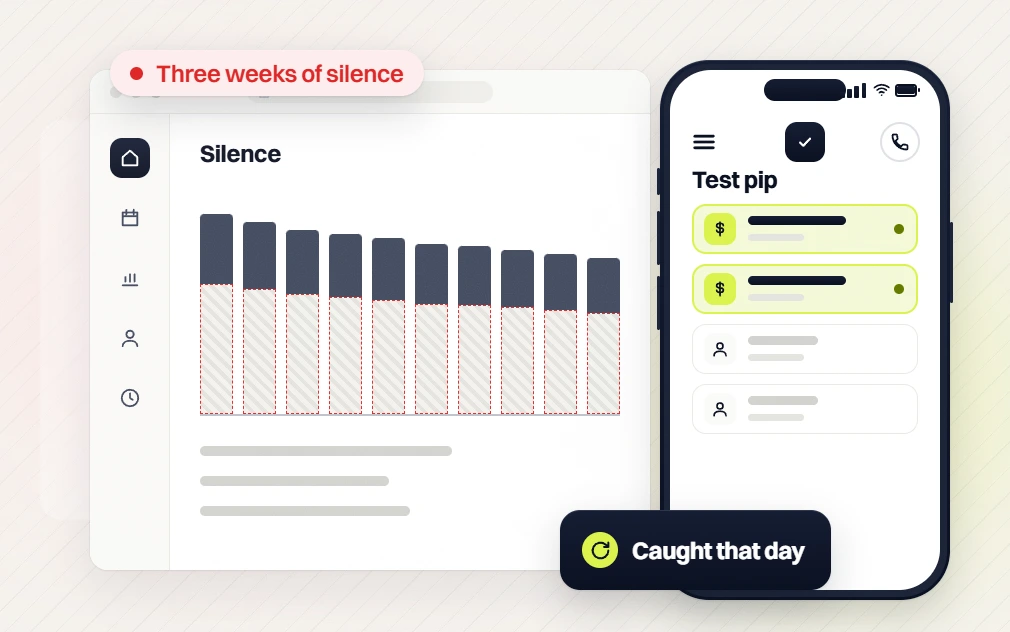
Gravity Forms and reCAPTCHA break after a plugin update and 22 RFQs vanish before sales notices
A Gravity Forms or Contact Form 7 update quietly breaks the reCAPTCHA token on the RFQ page. Buyers and engineers looking to spec a part hit submit, get nothing, and email the fabricator across town. Owners find out 22 quote requests walked away over 3 weeks at $9,400 average job value before anyone flagged the drop. A generic care plan patched the plugin and closed the ticket.
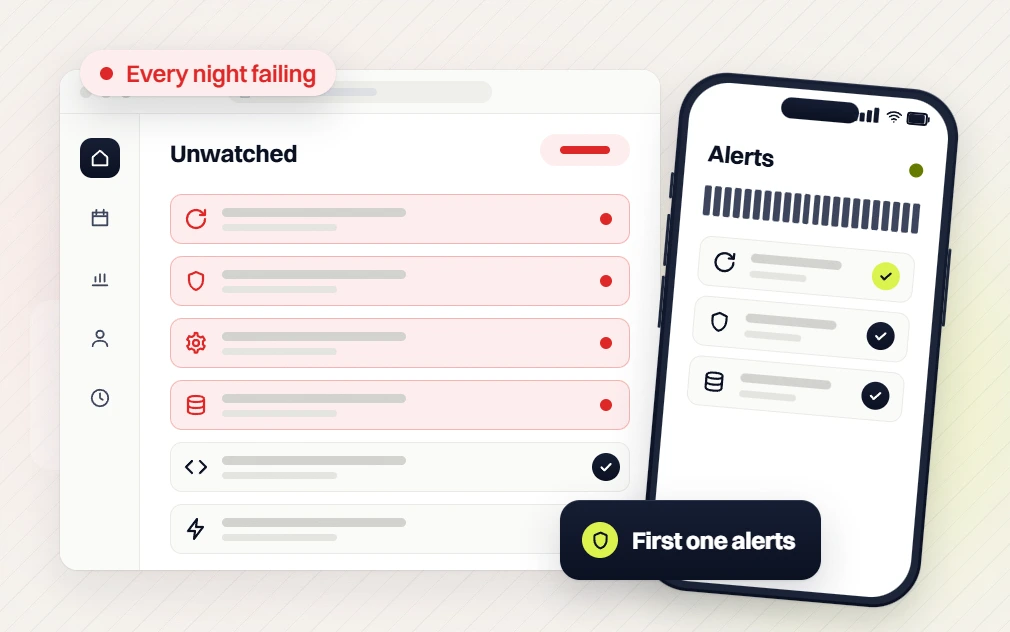
SAP and NetSuite catalog imports fail silently and the site shows discontinued SKUs for weeks
The nightly SAP or NetSuite catalog CSV import fails on a schema change. Engineers request quotes on discontinued part numbers, procurement drops the RFQ once they learn the SKU is dead, and the site sits stale for 6 weeks while nobody watches the import log. A vendor patching plugins does not watch the ERP webhook, and the missed intake is silent.
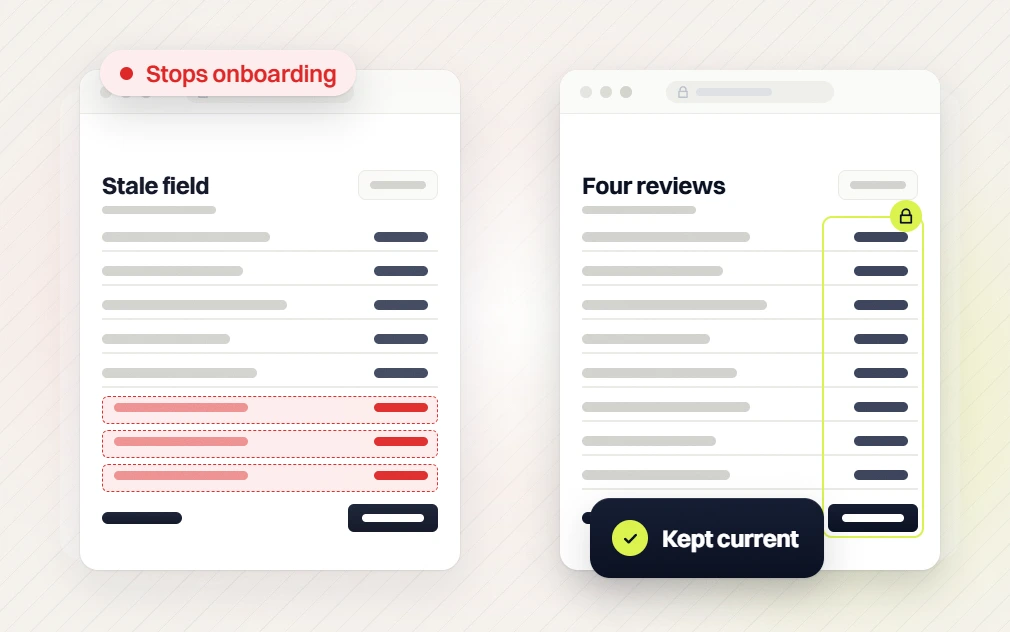
ISO 9001, AS9100, and IATF 16949 pages show expired certification dates during a Tier 1 audit
AS9100 renewed in March. The certification page on the marketing site still shows the expired 2024 date. A Tier 1 aerospace buyer runs supplier due diligence, flags the outdated cert, and pauses the vendor onboarding for 90 days. Every quarterly recert needs a real human on the calendar, not a note in a shared drive nobody opens.
Three outcomes every manufacturing maintenance retainer produces
On-call engineers know before buyers or distributors do. 99.99% written SLA on Enterprise, with service credits if we miss it on a trade show week.
WAF, daily malware scans, weekly patching, WCAG 2.1 AA checks, ITAR-aware access controls, and consent validation on every manufacturing maintenance plan.

CAD file uploads (STEP, IGES, DWG, DXF), capability page updates, cert renewals, and distributor announcements. 2 hours Essential, 5 Premium, 10 Enterprise.
Four stages. Every step ends in a sign-off
Onboarding gets you access, credentials, and a full baseline scan on day one. From there, infrastructure, monitoring, and monthly reporting run without your input until you need something changed for a new SKU family, a spec sheet revision, or a fresh ISO recert.
Access, credentials, and baseline scan
Hosting, DNS, WordPress admin, SAP or NetSuite integration keys, HubSpot or Salesforce CRM credentials, catalog CMS logins, and ThomasNet or IndustryNet portal access logged with rotation schedule. Off-site backup taken and restored on staging to prove it works. Full baseline security, speed, and accessibility scan documented in writing.
Managed hosting, CDN, and WAF
Managed LiteSpeed hosting for WordPress manufacturing sites. Cloudflare CDN with edge cache tuned for large PDF spec sheets, CAD downloads, and product photography. WAF blocking bot and brute-force traffic before it reaches the origin. 99.99% written SLA with service credits.
Patches tested on staging first
Core, plugin, and theme updates tested on staging before they touch production. SAP, NetSuite, Epicor, Microsoft Dynamics, HubSpot, Salesforce, RFQ form, and product configurator integrations regression-tested on every deploy. Rollback path automated and under 5 minutes if a patch breaks the RFQ flow or catalog import.
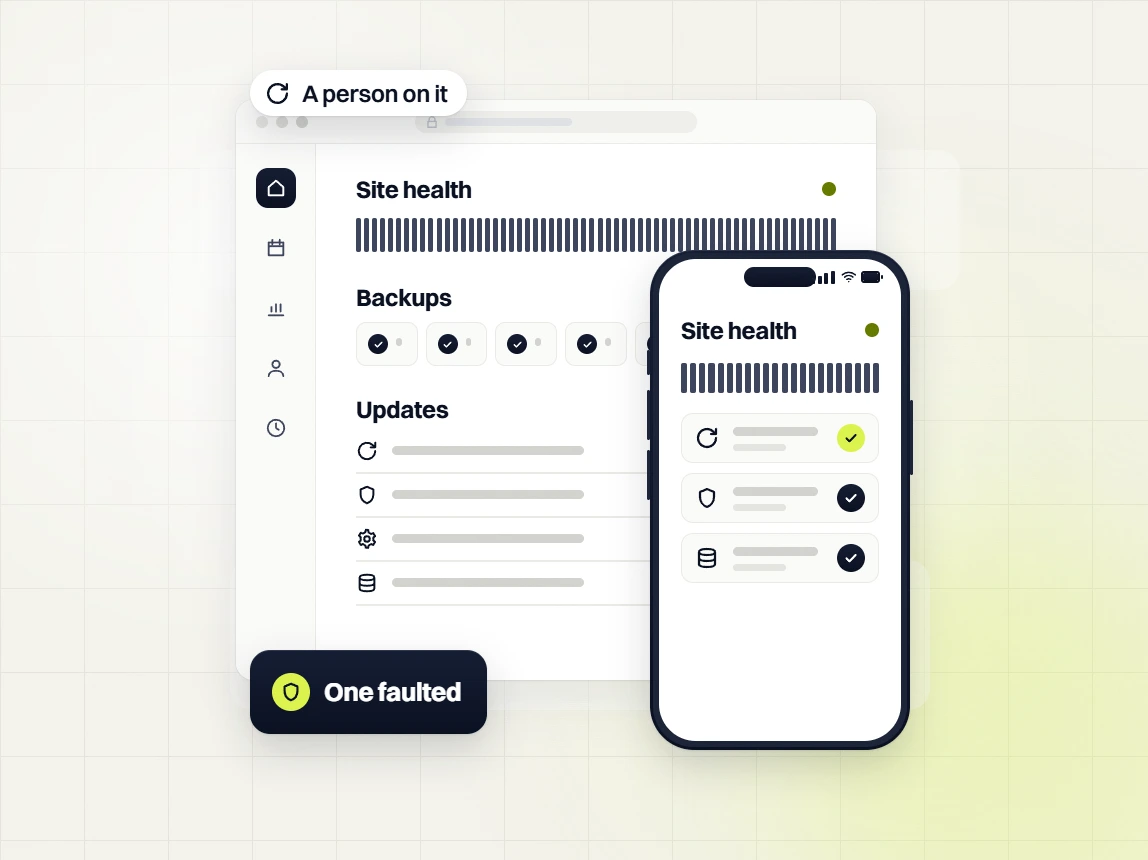
Uptime, malware, and RFQ form watched
5 global POPs pinging your site, RFQ forms, ERP catalog webhook, and buyer login every 60 seconds. Malware scan every 24 hours with auto-quarantine. Named engineer paged inside 30 minutes if anything trips, trade-show weeks and paid ThomasNet flights carry sev-1 escalation by default.
What you actually get from our manufacturing website maintenance
Five phases, every item listed. Fixed scope, defined deliverable per phase, written sign-off on the calendar for every spec sheet revision, catalog refresh, and cert page audit.
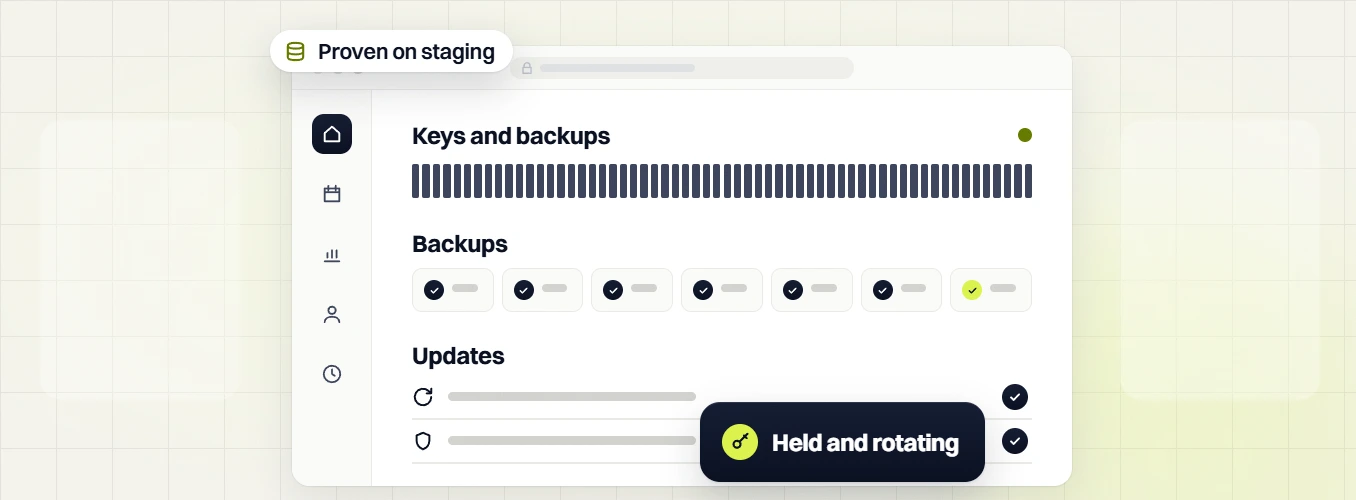
Access, baseline scan, and first backup on day one
Day one covers WordPress admin, DNS, hosting credentials, SAP or NetSuite integration keys, HubSpot or Salesforce CRM logins, catalog CMS access, ThomasNet portal owner rights, and a full baseline security, speed, and accessibility scan documented in writing. First off-site backup taken and restored on staging to prove it works before we touch anything on the live site.
WordPress admin, hosting, DNS, SAP or NetSuite, HubSpot, Salesforce, catalog CMS, ThomasNet, and analytics owner access logged with a rotation schedule.
Nightly encrypted backup running before end of day one. First backup restored on staging to prove it works.
Security posture, Core Web Vitals baseline, plugin and theme health, catalog import log review, disk usage, and WCAG 2.1 AA gaps. All captured before we touch anything.
Emergency numbers, ticket process, 30-minute response coverage. Owner and ops lead both have it before day one closes.
Every WordPress plugin catalogued with version, license, dependency, and business owner. SAP, NetSuite, Epicor, Microsoft Dynamics, HubSpot, Salesforce, and catalog CMS mapped.
WCAG 2.1 AA posture, Cookiebot or OneTrust consent banner state, Consent Mode v2 wiring on GA4 and Google Ads captured in writing.
Managed hosting, CDN, and edge cache on your production domain
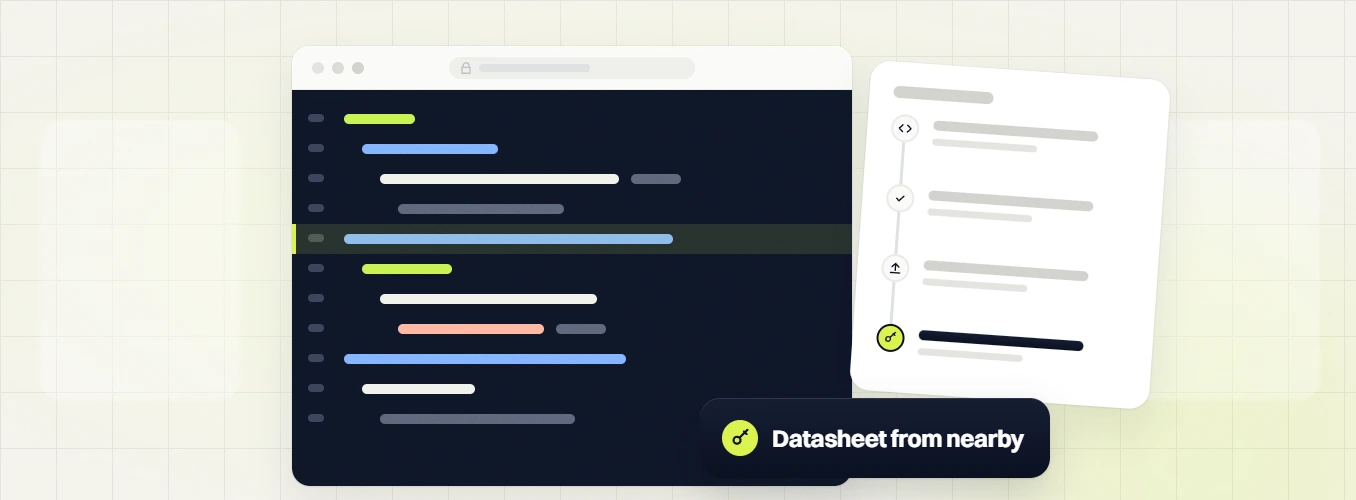
Managed LiteSpeed hosting for WordPress manufacturing sites. Cloudflare CDN with edge cache tuned for large PDF spec sheets, CAD downloads, and product photography so a buyer in Germany or Mexico gets the datasheet from a nearby POP, not from a single US origin. WAF blocking bot and brute-force traffic before it reaches your site.
Isolated resources with proper caching, PHP tuning, and object-cache sized for your catalog page load and RFQ form spike pattern.
Cloudflare plus Quic.Cloud CDN so an engineer in Munich or Monterrey gets the PDF spec sheet from a POP nearby, not from a single origin server.
Bot traffic, brute-force login attempts on the buyer portal, and known-bad IP ranges blocked at the edge. No traffic tax on your origin.
Auto-renewed SSL plus HSTS. Mixed content flagged and fixed. Search Console and Google Ads never break because of a cert expiry.
Theme deploys via Git integration with a versioned rollback path on every push. No cowboy pushes to a live catalog the day before a big trade show.
RFQ form, product configurator, and SAP or NetSuite catalog webhook watched with 60-second ping and same-hour fix if either drifts.
Weekly core, plugin, and integration patches tested before production
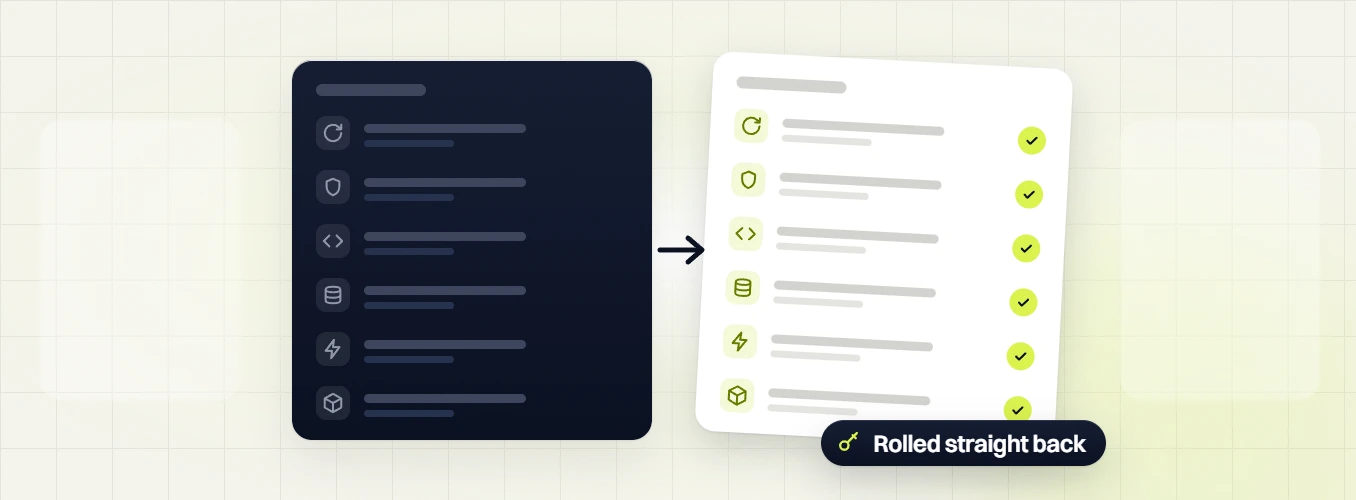
Every week, core, plugin, and theme patches tested on staging before they touch production. If a patch breaks the RFQ form, catalog import, or product configurator, rollback in under 5 minutes. Small spec sheet edits, capability page updates, and CAD file uploads covered inside the maintenance hours.
Patched to current stable weekly. Never behind by more than one minor release on manufacturing WordPress setups.
Every third-party plugin update tested on staging with real RFQ form submissions and catalog CSV imports before production.
Every theme deploy runs the SAP, NetSuite, Epicor, Microsoft Dynamics, HubSpot, Salesforce, and product configurator regression suite before going live.
Spec sheet revisions, CAD file uploads, capability page tweaks, cert page date bumps, distributor announcements, and redirect adds. All covered inside the plan.
Quarterly ISO 9001, AS9100, and IATF 16949 page date audit so Tier 1 auditors never flag an expired cert during supplier due diligence.
Every deploy has an automated rollback path. Failed patches revert without a support ticket war room on a trade show week.
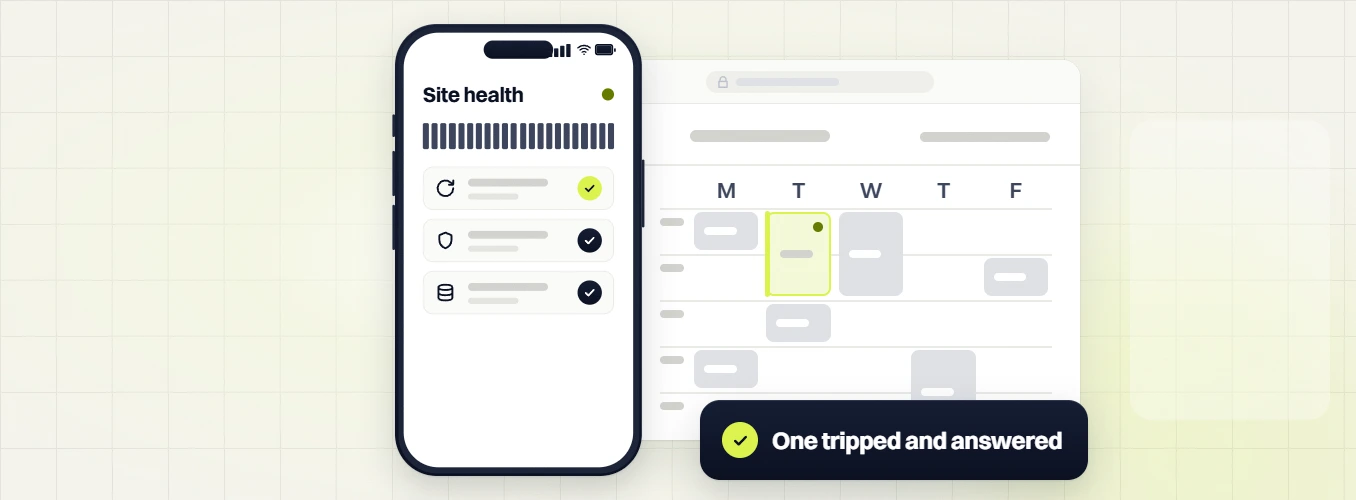
Uptime, speed, and malware watched every 60 seconds
24/7 coverage on your site. Uptime pings every 60 seconds from 5 global POPs. Malware scan every 24 hours with automatic quarantine. Speed check hourly. If anything trips, a named engineer is paged and on the incident inside 30 minutes.
5 global POPs (US East, US West, EU, APAC, LATAM) pinging your site, RFQ forms, ERP catalog webhook, and buyer portal login. False-positive filtering built in.
Full-site scan against known malware signatures and WordPress IOCs. Auto-quarantine and owner notified same-hour.
Core Web Vitals and full-page load tracked hourly on capability pages, part number pages, and the RFQ form. Regressions surface before CrUX field data.
On-call engineer paged if anything trips. Real human, not a chatbot. IMTS, FABTECH, and paid ThomasNet feature weeks carry the same coverage.
WCAG 2.1 AA posture, ITAR gating where required, and consent banner posture reviewed every 90 days. Written snapshot in the monthly report.
Synthetic iPhone SE and Pixel RFQ form submissions running on schedule so mobile RFQ regressions surface fast.
One monthly report tied to real manufacturing metrics
Every month, one clear report showing uptime, average catalog page and RFQ form load, patches applied, edit tickets closed, trade-show week incidents, and any regressions with root cause and fix. Sent to owner and ops lead, no chase.
Monthly uptime against 99.99% SLA. Credit auto-issued if we miss during an IMTS week or paid ThomasNet flight.
Real-user data from Chrome UX Report. Not lab scores. What your buyers and engineers actually experience on their laptops and phones.
What we patched, what we edited, what stayed the same. Full audit trail in case anything comes up on a cert renewal or supplier audit.
Zero incidents most months. When something does happen, root cause and fix documented in writing, sent inside 48 hours.
Weekly RFQ form submission volume, catalog import success rate, and part number page performance summary per SKU family.
Ahead of IMTS, FABTECH, and quarterly ISO cert renewals, monthly readiness checklist showing load-test pass, on-call rota, and rollback plan.
Four maintenance tiers for every stage of growth
Pick the tier that matches your practice size. Move up or down anytime with 30 days notice. No setup fees. Hover any feature name for a plain-English explanation.
Established practices with stable traffic and no active paid spend.
Practices running active SEO or paid spend that need real protection.
High-spend practices where every PageSpeed point is a CPA point.
Enterprise or 5+ locations. White-label or regulated workloads.
Every maintenance feature, tier by tier
HOVER FOR DETAILUptime + security +
Content maintenance +
Performance + tech +
SEO + local +
Reporting + analytics +
Compliance + enterprise +
Team + service level +
Real manufacturers, real numbers
Asked by manufacturing owners, answered
From real quote calls with OEMs, fabricators, contract manufacturers, and multi-plant operators. Anything else, ask on the strategy call and get an answer in the first 5 minutes.
How much does it cost to hire someone to maintain a website?
+
Manufacturing website maintenance from a specialist vendor runs $199/mo on Essential, $299/mo on Premium, and $499/mo on Enterprise at Redefine Web. Multi-facility manufacturers and holding companies run on Custom quotes scoped per operation. Hosting is bundled into every tier, so buyers, engineers, and procurement teams are not stacking a separate host bill on top.
Generic care plans start around $50 to $100 a month and stop at basic core patching. A manufacturing-specialist plan covers RFQ form watch, SAP or NetSuite catalog import health, product configurator upkeep, ISO 9001 and AS9100 certification page audits, and CAD file uploads. That extra coverage stops a stale spec sheet or a broken RFQ form from burning a Tier 1 supplier onboarding. Every plan runs on a 6-month term with a straightforward month-two rollover if the fit holds. You keep full ownership of the site, code, and part number list at all times. No auto-renew tricks and no forced multi-year commit.
What does manufacturing maintenance mean?
+
In this context, manufacturing website maintenance means the ongoing work to keep an industrial manufacturer’s marketing site running as a real quote-intake channel. That includes RFQ form monitoring, SAP or NetSuite catalog import health checks, product configurator upkeep, ISO 9001 and AS9100 certification page audits, CAD file uploads (STEP, IGES, DWG, DXF), and CMS security patching on a weekly cadence.
It is different from plant-floor equipment maintenance. This work sits on the digital side: the WordPress admin, the hosting stack, the CDN, and the ERP or CRM integrations that feed catalog data to buyers and procurement teams. When done right, an ISO 9001 renewal never surfaces a Tier 1 audit flag because the cert page shows the wrong date, and an SAP schema change never burns 22 RFQs in silence. Weekly patching runs on staging first, deploys to production with automated rollback in under 5 minutes. The result is a manufacturing marketing site that stays a real quote-intake channel every business day.
What kind of maintenance does a website need?
+
A manufacturing marketing site needs six recurring tasks: uptime monitoring at 60-second intervals, weekly WordPress core and plugin patches tested on staging first, daily off-site backups with quarterly restore drills, malware scans with auto-quarantine, monthly Core Web Vitals checks against real Chrome UX Report data, and quarterly WCAG 2.1 AA audits covering the RFQ form and buyer login.
Industrial sites need three extras on top of that: RFQ form test submissions on a daily cadence, ERP catalog import log review (SAP, NetSuite, Epicor, Microsoft Dynamics), and ISO 9001, AS9100, and IATF 16949 certification page date audits every 90 days. Miss any of those three and a stale spec sheet, a dead SKU, or an expired cert flag can quietly push procurement teams to the fabricator across town. See Google Search Central for baseline site health signals we track monthly. Buyers and engineers get a fast, consistent RFQ path across desktop and mobile. That is documented in the master services agreement and reviewed on renewal.
What is the going rate for website maintenance?
+
Generic small-business website maintenance runs $50 to $200 a month and covers plugin patching, a basic malware scan, and one shared backup. Industry-specialist plans, including manufacturing website maintenance, run $200 to $2,000 a month depending on integration coverage, SLA tier, and included content edit hours. Custom enterprise retainers for multi-facility operators or ITAR-controlled manufacturers can run above that when a named engineer, 15-minute SLA, and monthly incident review are on the plan.
Redefine Web plans start at $199/mo on Essential, $299/mo on Premium, and $499/mo on Enterprise. Multi-plant operators and holding companies get a Custom quote. Every plan includes hosting, so procurement teams are not stacking a separate host bill. Every plan also runs on a 6-month term, then rolls month-to-month, and buyers keep full ownership of the code, catalog data, and part number list on cancellation. No hidden fees on ERP or CRM integration upkeep once the retainer is signed. Every manufacturing site owner gets a copy of the monthly report by email.
What are the 4 types of web hosting?
+
The four common web hosting types are shared hosting (multiple sites on one server, cheapest, slowest), VPS hosting (virtualized slice of a server, more resources), dedicated hosting (a whole server for one site), and cloud or managed hosting (auto-scaling, tuned for a specific stack like WordPress or Next.js).
Manufacturing marketing sites almost always run on managed WordPress hosting on a LiteSpeed or Nginx stack, with a CDN in front for large PDF spec sheets and CAD downloads. Shared hosting kills the RFQ flow the first time a bot swarm hits the login page. Dedicated hosting is overkill for a single-facility catalog. Every Redefine Web manufacturing maintenance plan bundles managed LiteSpeed hosting plus Cloudflare CDN and WAF into the retainer, with US-only data centers where ITAR requires it. See Google Search Central for host performance baselines every buyer should confirm before signing. The hosting stack is documented in every monthly report so the ops lead can verify it independently.
How much does it cost to have someone host your website?
+
Standalone managed WordPress hosting from a name-brand host runs $30 to $300 a month depending on traffic, resources, and support tier. A dedicated server for a single-site manufacturer runs $150 to $600 a month. Enterprise-grade cloud hosting with 99.99% SLA, WAF, and dedicated engineers runs $500 to $3,000 a month or more when named-engineer coverage is part of the deal.
Redefine Web bundles hosting into the manufacturing website maintenance retainer, so buyers are not paying twice. Essential at $199/mo covers a single-facility WordPress catalog. Premium at $299/mo covers ERP or CRM integration health and same-week edits. Enterprise at $499/mo covers multi-facility operators with 99.99% SLA and automatic service credits when we miss. Custom plans scope to ITAR, AS9100, IATF 16949, or multi-plant operator needs. See HubSpot Support for CRM integration prerequisites. Buyers see the price on the pricing page, not after a lengthy discovery call and a ,500 audit fee. The engineering team notes each patch, edit, and incident in a shared log.
What is the best company to host your website?
+
The best host depends on the site type. For a manufacturing marketing site running WordPress with SAP, NetSuite, or HubSpot integrations, RFQ forms, product configurators, and CAD downloads, a managed WordPress specialist beats a generic shared host on every dimension that matters: uptime SLA, RFQ form watch, edge caching for PDF spec sheets, and rollback speed on a failed patch.
Redefine Web runs manufacturing sites on managed LiteSpeed with Cloudflare CDN, WAF, and Quic.Cloud edge routing. That stack was picked because it caches large PDF datasheets and CAD file directories at the edge so a buyer in Munich or Monterrey gets the same page load as one in Cleveland. For ITAR-controlled catalogs, US-only data centers are on every plan. For non-ITAR sites, the global POP network drops trans-Atlantic PDF load times by 40 to 60% versus a single US origin. Buyers and engineers notice the speed difference on their first visit. Reference calls with two existing manufacturing clients are available on request during the sales cycle.
Can I host my own website without paying?
+
Yes, technically. A manufacturer can self-host on a spare in-plant server or a free-tier cloud VM. That is almost never the right call for a marketing site that runs a public RFQ form, an ERP-fed catalog, and CAD file downloads. In-plant IT is already fully loaded on ERP, MES, and PLM systems and does not have spare cycles for public-facing site work.
Self-hosting a public marketing site means the in-plant team owns SSL renewal, WordPress patching, WAF tuning, uptime monitoring, DDoS response, and RFQ form watch on top of their day job. A single missed reCAPTCHA update can burn 22 RFQs before anyone notices, and the fix takes a full afternoon of triage that nobody has time for. Managed hosting inside a manufacturing maintenance plan takes those tasks off the plant IT queue and puts them on a dedicated web engineer, so buyers and procurement teams reach the RFQ page every time. Managed hosting also cuts insurance premiums for cyber liability policies at some carriers.
Is WordPress outdated in 2026?
+
No. WordPress still runs about 43% of the public web in 2026, and it is the dominant CMS for manufacturing marketing sites because the plugin catalog, block editor, and headless-Next.js hybrid options fit RFQ forms, product configurators, ERP-fed catalogs, and ISO cert display pages without a full custom rebuild.
What is outdated is a WordPress site that has not been patched in 18 months, running on a shared host with a $99 lifetime theme and 32 abandoned plugins. That kind of site is a security incident waiting to happen and it drags Core Web Vitals into the red. A properly maintained WordPress catalog on managed LiteSpeed, patched weekly on staging, and monitored for RFQ form health is a fast, ranked, and secure asset for the manufacturing site owner. See Google Search Central for current best-practice signals we track on every plan. Ranking on manufacturing-specific keywords still favors WordPress sites with clean structured data and healthy Core Web Vitals.
Why are people moving away from WordPress?
+
Some small teams move off WordPress toward Webflow, Framer, or a headless Next.js stack when their marketing site is a brochure with three pages and no forms. For manufacturing marketing sites running a real RFQ pipeline, SAP or NetSuite catalog feeds, product configurators, and ISO cert pages, WordPress remains the fit because the plugin and integration ecosystem is deeper than any competitor. Nothing else covers the industrial-specific tooling well.
Most manufacturers who leave WordPress do so because their prior vendor never maintained the site properly. Plugin conflicts, unpatched core, bloated themes, and unmonitored ERP webhooks stack up over 3 to 5 years and the whole thing feels broken. The fix is a specialist manufacturing maintenance plan, not a full platform migration that costs 6 figures and buys 18 months of vendor lock-in on a new stack. Most owners see the wins in the first 60 days on a specialist plan. Buyers rarely need to leave WordPress. They need to leave the vendor who neglected the site for three years.
How to set WordPress to maintenance?
+
To put a WordPress site into maintenance mode, install a plugin like WP Maintenance Mode or LightStart. The plugin shows a temporary landing page to public visitors while allowing logged-in admins to work on the site. A second option is to add a .maintenance file to the WordPress root with a die() message and a 60-second lockout window, which is the built-in method core uses during updates.
For a manufacturing site with a live RFQ form, public catalog, and ERP webhook, we recommend against manual maintenance mode. Every minute the site shows a maintenance banner is a minute buyers and engineers hit the fabricator across town. On managed Redefine Web hosting, patches run on a staging clone, the RFQ form and catalog webhook get regression-tested, and the deploy to production takes under 5 minutes with an automated rollback path if anything breaks. Zero visitor-facing downtime, no maintenance banner, no lost RFQs. Owner and ops lead get an email confirming the deploy landed clean before end of business.
How long does WordPress maintenance take?
+
For a manufacturing WordPress site with 100 to 500 pages, weekly maintenance runs about 2 to 4 hours: core plus plugin patches on staging, RFQ form and catalog webhook regression tests, a Core Web Vitals check, a malware scan review, and an off-site backup verification. Monthly maintenance adds 3 to 6 hours for a full security audit, ISO cert page date review, and a written report sent to owner and ops lead.
On a Redefine Web manufacturing maintenance retainer, buyers and procurement teams do not track those hours. The plan covers the recurring work plus content edit hours (2 on Essential, 5 on Premium, 10 on Enterprise) for spec sheet swaps, CAD uploads, capability page updates, and distributor announcements. Everything is documented in one monthly report so the ops lead reads it in 90 seconds. Emergency incidents outside the recurring window carry a 30-minute response on Premium, 15-minute on Enterprise. Buyers who add ad campaigns or a rebrand mid-year can flex hours forward, no change order overhead.
Do you monitor SAP, NetSuite, Epicor, and Microsoft Dynamics ERP integrations?
+
Yes. SAP, NetSuite, Microsoft Dynamics, Epicor, HubSpot, Salesforce, product configurators, and CPQ tools like DealHub and PandaDoc are all monitored on every manufacturing website maintenance plan. We watch the API connection, the catalog import log, and the RFQ webhook submission rate. When an ERP vendor pushes a breaking change 4 to 8 times a year, we patch it before it kills catalog freshness or the quote flow. Same-day fix on Premium and Enterprise.
A broken SAP catalog import is invisible to most owners for 2 to 3 weeks. In that window, engineers request quotes on discontinued SKUs, procurement teams kill the RFQ once they learn the part is dead, and dozens of qualified quotes walk away silently. We surface the drop the same day it happens and open a ticket with the SAP or NetSuite side inside the hour so buyers never see a stale catalog for longer than a business day. Reports also cover distributor portal login volume and buyer session depth on capability pages.
What happens to the site during a trade show week like IMTS or FABTECH?
+
Trade show weeks are treated as sev-1 by default. IMTS, FABTECH, WESTEC, and paid ThomasNet feature weeks carry priority escalation on every manufacturing maintenance plan. Uptime monitoring at 60-second intervals alerts on-call engineers before buyers and distributors notice, and every plan includes a pre-show readiness checklist covering load-test pass, on-call rota, rollback plan, and CDN cache warm-up.
Enterprise plans carry a 15-minute SLA on critical incidents with automatic service credits if we miss the number. Every trade show week gets a post-event summary: total uptime against SLA, RFQ form submission volume, catalog page load, and any incidents with root cause and fix. Buyers and procurement teams who see the booth traffic spike also see the RFQ intake spike, without a broken form burning the lead. Same-day content edits are covered on Premium and Enterprise for booth-driven spec sheet requests. The IMTS and FABTECH readiness checklist is shared 3 weeks ahead of the show for owner review.