Pet Products Website Maintenance Built to Keep Orders Placed
Managed maintenance and hosting for DTC pet brands on Shopify and WooCommerce from $199/mo. Recharge and Skio subscribe-and-save webhook checks, Klaviyo flow health, Amazon and Chewy retailer feed sync, review flywheel monitored on every deploy, weekly patching, and a 99.99% written uptime SLA on Enterprise plans.
Three ways your maintenance vendor puts your pet brand orders at risk
Recharge and Skio subscribe-and-save webhooks fail after a Shopify push and nobody flags it
Shopify pushes theme and API updates on its own schedule. A Recharge or Skio subscribe-and-save widget quietly stops firing after a platform patch. Pet parents adding a monthly food or treat subscription hit the button, get a checkout error, and buy from Chewy instead. Founders find out 30 to 60 subscriptions a month at $45 average order value walked away before anyone noticed.
Amazon and Chewy retailer feeds break and your PDPs show stale prices and out-of-stock badges
Amazon Seller Central, Chewy Vendor Portal, and Petco feeds rely on scheduled syncs and API tokens that rotate. When a token expires or a SKU field changes, your PDPs render a $19.99 price while retailer pages read $24.99, or the wrong allergen callout goes live on Amazon. Pet parents comparing prices bounce, and Buy Box eligibility drops. A generic care plan never diffs the feed.
National Dog Day and Christmas landing pages run last year offer for months
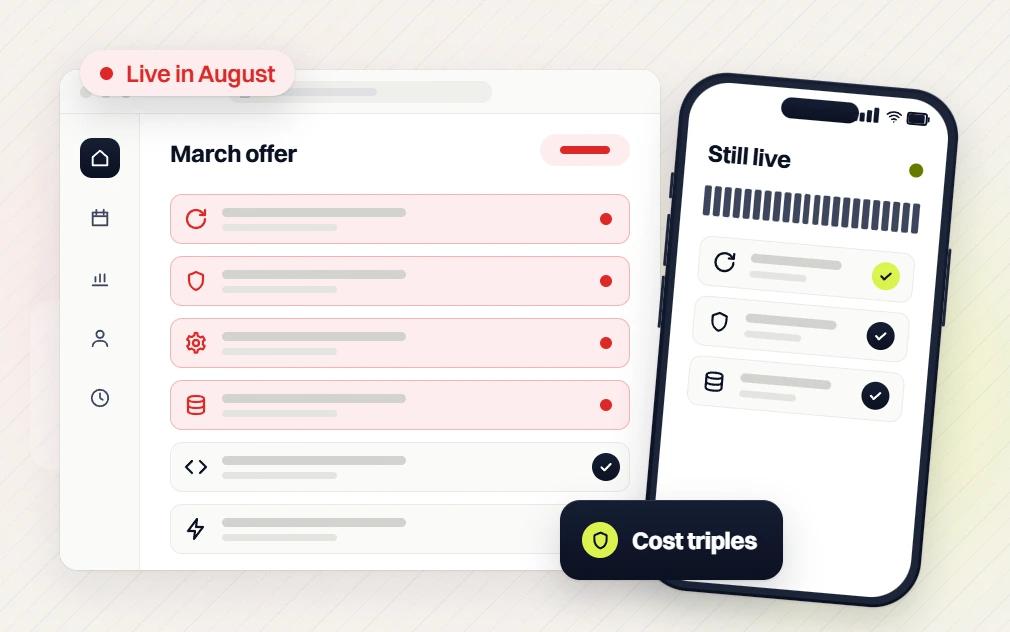
A generic care plan lets August still show the March $10 off starter box offer. Meta and Google Ads Quality Score tanks because the landing page offer contradicts the ad copy. Cost per order jumps from $28 to over $90 while nobody rotates the landing page. Every season swap needs a real human on the calendar, not a note in a spreadsheet.
Three outcomes every pet products maintenance retainer produces
Real humans on call. If your Shopify or WooCommerce store goes down, we know before pet parents do. 99.99% SLA plus service credits on peak days.
WAF, daily malware scans with auto-quarantine, weekly patches, WCAG 2.1 AA monitoring, USDA and FDA labeling checks, plus Consent Mode v2 on GA4.
Performance tune-ups, image and CDN work, plus dedicated pet brand edit hours every month. 2 hours on Essential, 5 on Premium, and 10 on Enterprise.
Four stages. Every step ends in a sign-off
Onboarding gets you access, credentials, and a full baseline scan on day one. From there, infrastructure, monitoring, and monthly reporting run without your input until you need something changed for a seasonal offer, a new SKU launch, or an allergen callout update.
Access, credentials, and baseline scan
Hosting, DNS, Shopify or WordPress admin, Recharge and Skio API keys, Klaviyo credentials, Amazon Seller Central and Chewy Vendor Portal access, Yotpo or Junip tokens logged with rotation schedule. Off-site backup taken and restored on staging to prove it works. Full baseline security, speed, and accessibility scan documented in writing.
Managed hosting, CDN, and WAF
Managed LiteSpeed hosting for WooCommerce pet brands or Shopify Plus stack review. Cloudflare CDN with edge cache tuned for PDP hero photos, ingredient panels, and product video. WAF blocking bot and brute-force checkout attempts before they reach the origin. 99.99% written SLA with service credits.
Patches tested on staging first
Core, plugin, and theme updates tested on staging before they touch production. Recharge, Skio, Klaviyo, Yotpo, Amazon feed, and Chewy feed integrations regression-tested on every deploy. Rollback path automated and under 5 minutes if a patch breaks the subscribe-and-save button or add-to-cart tracking.
Uptime, malware, and checkout watched
5 global POPs pinging your store, checkout, subscribe-and-save widget, and add-to-cart tracking every 60 seconds. Malware scan every 24 hours with auto-quarantine. Named engineer paged inside 30 minutes if anything trips, Black Friday and National Dog Day incidents escalated sev-1 by default.
What you actually get from our pet products website maintenance
Five phases, every item listed. Fixed scope, defined deliverable per phase, written sign-off on the calendar for every seasonal offer swap and PDP update.
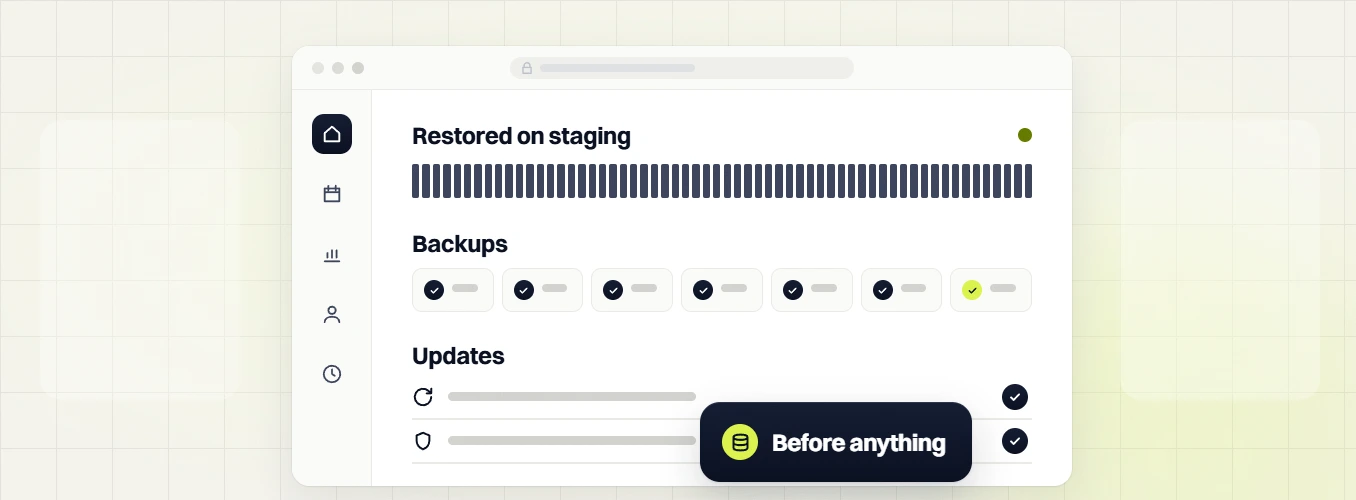
Access, baseline scan, and first backup on day one
Day one covers Shopify or WordPress admin, DNS, hosting credentials, Recharge and Skio API keys, Klaviyo logins, Amazon Seller Central and Chewy Vendor Portal access, Yotpo or Junip tokens, and a full baseline security, speed, and accessibility scan documented in writing. First off-site backup taken and restored on staging to prove it works before we touch anything on the live store.
Shopify or WordPress admin, hosting, DNS, Recharge, Skio, Klaviyo, Amazon Seller Central, Chewy Vendor Portal, and Yotpo account keys logged with a rotation schedule.
Nightly encrypted backup running before end of day one. First backup restored on staging to prove it works.
Security posture, Core Web Vitals baseline, plugin and theme health, product and review schema review, disk usage, and WCAG 2.1 AA gaps. All captured before we touch anything.
Emergency numbers, ticket process, 30-minute response coverage. Founder and marketing lead both have it before day one closes.
Every Shopify app or WordPress plugin catalogued with version, license, dependency, and business owner. Recharge, Skio, Klaviyo, Yotpo, Amazon, Chewy feeds mapped.
WCAG 2.1 AA posture, cookie consent banner state, Consent Mode v2 wiring on GA4 and Meta Ads captured in writing.
Managed hosting, CDN, and edge cache on your production domain
Managed LiteSpeed hosting for WooCommerce pet brands or Shopify Plus stack review. Cloudflare CDN with edge cache tuned for PDP hero photos and product video so a pet parent gets HTML from a nearby POP, not from a single origin. WAF blocking bot and brute-force checkout attempts before they reach your store.
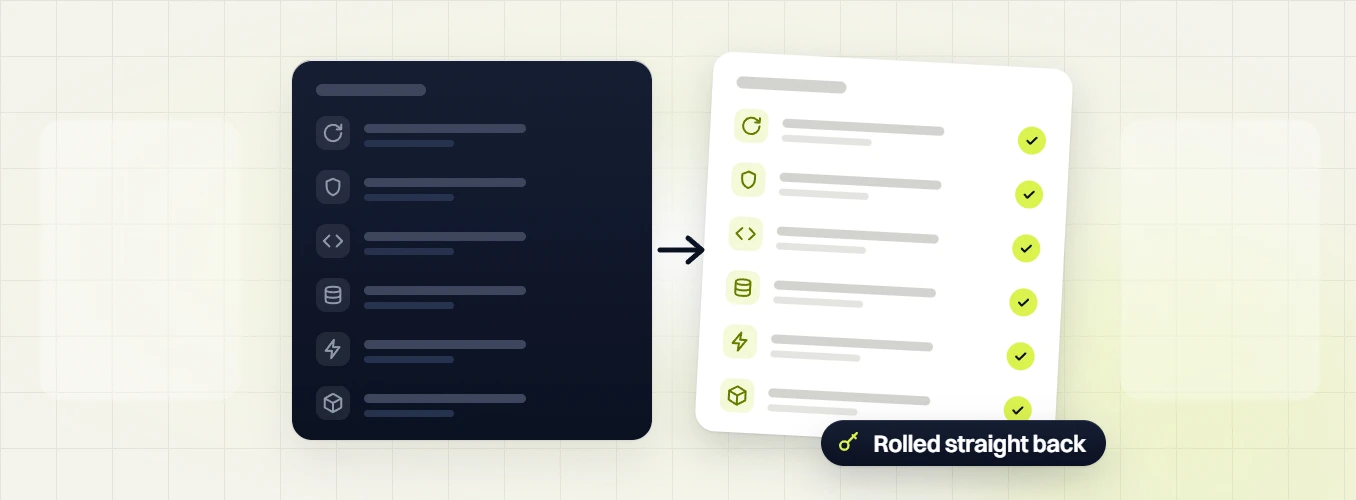
Isolated resources with proper caching, PHP tuning, and object-cache sized for your Black Friday, Christmas, and National Dog Day traffic pattern.
Cloudflare plus CDN so a pet parent gets PDP hero photos and product video from a POP nearby, not from a single origin server.
Bot traffic, brute-force login attempts, checkout scraping, and known-bad IP ranges blocked at the edge. No traffic tax on your origin.
Auto-renewed SSL plus HSTS. Mixed content flagged and fixed. Search Console and Meta Ads never break because of a cert expiry.
Theme deploys via Git integration with a versioned rollback path on every push. No cowboy pushes to a live store the day before Black Friday.
Recharge, Skio subscribe-and-save widgets and Amazon and Chewy retailer feeds watched with 60-second ping and same-hour fix if any drift.
Weekly core, plugin, and integration patches tested before production
Every week, core, plugin, and theme patches tested on staging before they touch production. If a patch breaks the subscribe-and-save button, add-to-cart tracking, or a PDP, rollback in under 5 minutes. Small content edits, seasonal offer swaps, allergen callout updates, and before/after grooming gallery adds covered inside the maintenance hours.
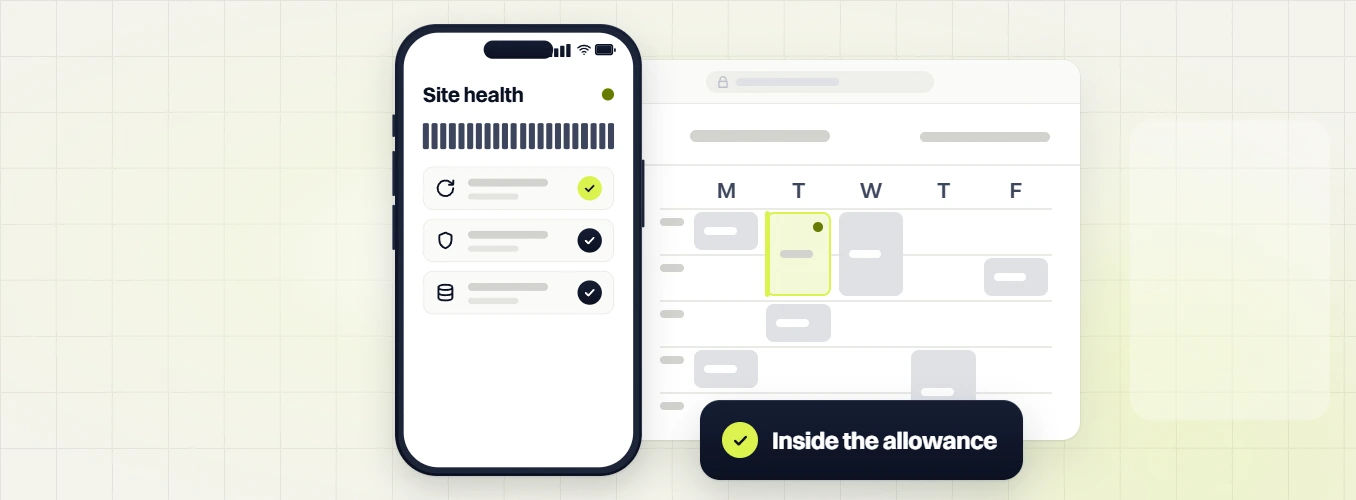
Patched to current stable weekly. Never behind by more than one minor release on pet brand WooCommerce or Shopify setups.
Every third-party app or plugin update tested on staging with real checkout and subscribe-and-save submissions before production.
Every theme deploy runs the Recharge, Skio, Klaviyo, Yotpo, Amazon feed, and Chewy feed regression suite before going live.
PDP copy tweaks, hero image swaps, seasonal offer rotation, allergen and ingredient callout revisions, before/after grooming gallery adds, redirect adds, and promo bar edits. All covered inside the plan.
Weekly Amazon and Chewy feed diff, price and inventory drift alerts, Buy Box eligibility check, and same-day fixes so retailer presence never pauses on you.
Every deploy has an automated rollback path. Failed patches revert without a support ticket war room on a Black Friday night.
Uptime, speed, and malware watched every 60 seconds
24/7 coverage on your store. Uptime pings every 60 seconds from 5 global POPs. Malware scan every 24 hours with automatic quarantine. Speed check hourly. If anything trips, a named engineer is paged and on the incident inside 30 minutes.
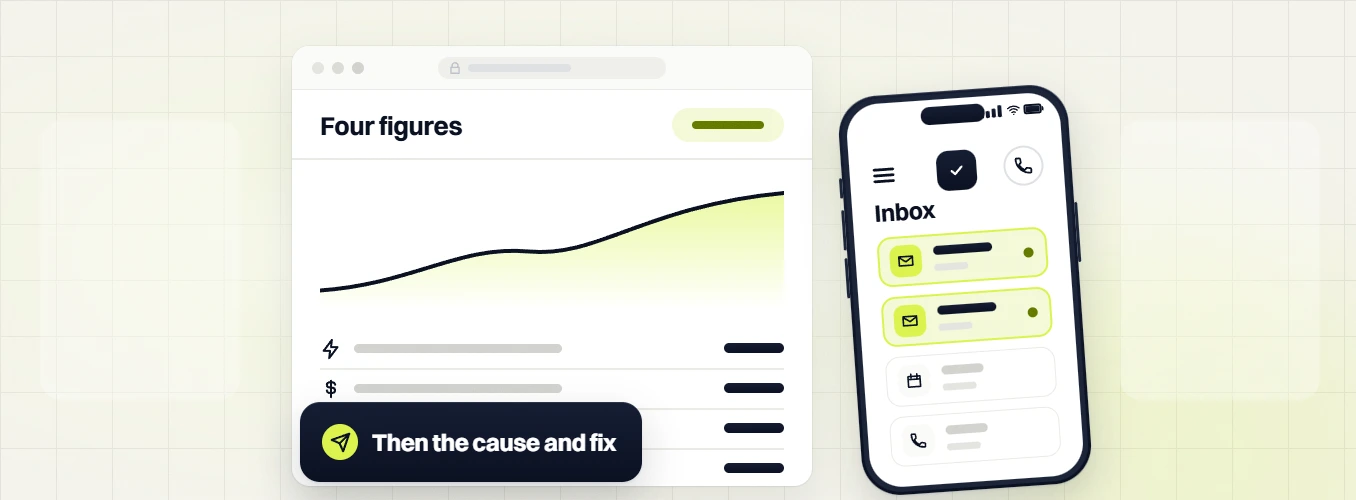
5 global POPs (US East, US West, EU, APAC, LATAM) pinging your store, checkout, subscribe-and-save widget, and add-to-cart tracking. False-positive filtering built in.
Full-store scan against known malware signatures and WooCommerce IOCs. Auto-quarantine and founder notified same-hour.
Core Web Vitals and full-page load tracked hourly on PDPs, collection pages, and checkout. Regressions surface before CrUX field data.
On-call engineer paged if anything trips. Real human, not a chatbot. Black Friday, Christmas, and National Dog Day nights carry the same coverage.
WCAG 2.1 AA posture, product and review schema, and consent banner posture reviewed every 90 days. Written snapshot in the monthly report.
Synthetic iPhone SE and Pixel checkout tests running on schedule so mobile conversion regressions surface fast.
One monthly report tied to real pet brand metrics
Every month, one clear report showing uptime, average PDP and checkout load, patches applied, edit tickets closed, peak-sales incidents, and any regressions with root cause and fix. Sent to founder and marketing lead, no chase.
Monthly uptime against 99.99% SLA. Credit auto-issued if we miss during Black Friday or a paid flight.
Real-user data from Chrome UX Report. Not lab scores. What your pet parents actually experience on their phones.
What we patched, what we edited, what stayed the same. Full audit trail in case anything comes up on a seasonal swap.
Zero incidents most months. When something does happen, root cause and fix documented in writing, sent inside 48 hours.
Weekly Amazon and Chewy feed summary, Yotpo or Junip review volume by product, and current Buy Box eligibility per SKU.
Ahead of Black Friday, Christmas, and National Dog Day, monthly readiness checklist showing load-test pass, on-call rota, and rollback plan.
Four maintenance tiers for every stage of growth
Pick the tier that matches your practice size. Move up or down anytime with 30 days notice. No setup fees. Hover any feature name for a plain-English explanation.
Established practices with stable traffic and no active paid spend.
Practices running active SEO or paid spend that need real protection.
High-spend practices where every PageSpeed point is a CPA point.
Enterprise or 5+ locations. White-label or regulated workloads.
Every maintenance feature, tier by tier
HOVER FOR DETAILUptime + security +
Content maintenance +
Performance + tech +
SEO + local +
Reporting + analytics +
Compliance + enterprise +
Team + service level +
Real pet brands, real numbers
Asked by pet brand founders, answered
From real quote calls with DTC pet brand founders and marketing leads. Anything else, ask on the strategy call and get an answer in the first 5 minutes.
How much does it cost to maintain an ecommerce website?
+
Pet products website maintenance at Redefine Web runs $199/mo on Essential, $299/mo on Premium, and $499/mo on Enterprise. Multi-brand and multi-store pet operations get Custom quotes. Hosting sits inside every tier, so you are not paying a separate host bill on top, and there is no upsell for staging environments or off-site backups either.
A typical DTC pet brand on Shopify or WooCommerce runs between $199 and $499 a month once you factor in weekly patches, subscribe-and-save health checks, Amazon and Chewy feed monitoring, and content edit hours. Cheaper generic care plans exist, but they skip the pet-specific work: Recharge webhook checks, Yotpo review sync, allergen callouts, USDA and FDA label reviews, and seasonal offer swaps. That vertical work costs you subscribers when it breaks, so it belongs inside the retainer, not as a change order on the third Wednesday of every month at 30 to 60 dollars a ticket. Every plan runs on a 6-month term, then rolls month to month by default.
How much should I pay for website maintenance?
+
Most DTC pet brands should budget $199 to $499 a month for pet products maintenance if they run Shopify, Shopify Plus, or WooCommerce. Under $199 usually buys a shared-hosting plan and quarterly patching, which is the pattern that leaves subscribe-and-save widgets and Amazon feeds broken for weeks at a time before anyone catches it on a Chewy price complaint.
Higher spend buys same-day content edits, faster incident response, and pet-specific integration monitoring on Recharge, Skio, Klaviyo, Yotpo, and Chewy Vendor Portal. Enterprise-tier retainers at $499/mo carry a 99.99% written uptime SLA with service credits during Black Friday, National Dog Day, and Christmas peak days. Read Shopify’s online store guidance for the minimum operational checklist every plan should cover. If a retainer skips any of those items, the price is not the number you should compare against. A cheap plan that leaves the subscribe-and-save widget broken is more expensive than a $499/mo plan that catches it same-day. Compare on scope, then compare on price.
How much does it cost to hire someone to maintain a website?
+
Hiring an agency retainer to maintain a pet products website costs $199 to $499 a month at Redefine Web, or roughly $100 to $500 an hour a la carte through freelancers on Upwork. Full-time in-house maintenance (a mid-level developer plus hosting) runs $6,000 to $10,000 a month once you add taxes and benefits, without any pet-specific integration coverage baked in yet.
The retainer model wins for most DTC pet brands with 500 to 20,000 orders a month because it spreads the cost of a named on-call engineer across a whole book of pet clients. A single freelancer cannot pull a same-day fix on Black Friday if they are asleep or juggling other builds, and an in-house hire cannot cover overnight peak-sales incidents alone. Named-engineer coverage inside a $299/mo Premium plan is the base most pet brand founders end up choosing after one bad seasonal outage on a Recharge widget or Chewy feed. Cost per lost subscription is the number to watch, not cost per plan.
How much does it cost to maintain a website?
+
A pet products website costs $199 to $499 a month to maintain properly at Redefine Web, once you count hosting, patching, backups, subscribe-and-save monitoring, retailer feed sync, and content edit hours. Very small pet brands with under 100 orders a month can run on a $50 shared host plus a solo developer, but every pet brand at 500 orders a month or higher outgrows that model fast, especially once Amazon Seller Central and Chewy Vendor Portal are live.
The reason the number sits at $199 to $499 is the pet-specific integration surface: Recharge, Skio, Klaviyo, Yotpo, Junip, Amazon Seller Central, Chewy Vendor Portal, and the review widget all break in slightly different ways on their own release schedules. Monitoring them on a weekly cadence and fixing them same-day is what the retainer buys, along with a WCAG 2.1 AA monitoring loop and Consent Mode v2 wiring across GA4 and Meta. That combined coverage is the reason pet brand retainers cluster in the $199 to $499 band on Shopify.
Do websites need monthly maintenance?
+
Yes. Every ecommerce website needs monthly maintenance, and pet brand stores need it on a tighter cadence than most because subscribe-and-save integrations, retailer feeds, and review widgets break more often than a generic Shopify store. Monthly patches close security holes in Shopify apps and WooCommerce plugins before a bot finds them, and monthly seasonal offer swaps keep Meta and Google Ads Quality Score intact against the landing page.
Skipping monthly work usually shows up as one of three failures: a subscribe-and-save widget that silently stops firing, an Amazon feed that drifts on price or allergen callout, or a Black Friday landing page still running a March offer four months later. Any one of those quietly costs 30 to 60 subscriptions a month at $45 average order value. Reference the AAFCO consumer guide when you rotate feeding-guide copy or ingredient panel language on your PDPs. Monthly patches, monthly swaps, and monthly reports are the base cadence, and every pet products website maintenance plan we run holds that rhythm.
Why is a website so costly to maintain?
+
A pet products website is costly to maintain because the integration surface is wider than a plain Shopify shop. Recharge or Skio subscribe-and-save, Klaviyo flows, Yotpo or Junip reviews, Amazon Seller Central, Chewy Vendor Portal, GA4 with Consent Mode v2, and product schema all sit on top of the base Shopify or WooCommerce install, and each one breaks on its own release schedule 4 to 8 times a year.
Every Shopify or WooCommerce push cycle can knock one of those integrations out. Catching the breakage on the day it happens keeps the retainer at $199 to $499 a month, because the fix is a 30-minute patch on staging and a 5-minute deploy to production. Catching it in week three, after ad spend already burned and pet parents already bounced to Chewy for the same brand, is what makes maintenance feel expensive on the founder side. Same-day fixes are the cost floor, not the premium tier.
What does website maintenance consist of?
+
Pet ecommerce maintenance at Redefine Web consists of managed hosting, weekly core and app patches tested on staging, daily off-site backups, uptime monitoring every 60 seconds, malware scanning with auto-quarantine, WAF and DDoS shielding, SSL renewal, and named-engineer response inside 30 minutes during peak sales windows.
On top of the technical baseline, every plan covers pet-specific work: Recharge and Skio subscribe-and-save webhook checks, Klaviyo flow health, Yotpo or Junip review sync, Amazon and Chewy retailer feed diffs, USDA and FDA labeling and allergen callout updates, WCAG 2.1 AA monitoring, product and review schema validation, and 2 to 10 hours of content edits per month. See the FDA animal and veterinary guidance for label rules we track on your PDPs and retailer feeds every month. Every deploy runs through staging first, and every rollback path is under 5 minutes if a patch breaks the subscribe-and-save button, the checkout tag, or the Klaviyo cart-abandon trigger on the store.
What does website maintenance include?
+
Pet products website maintenance includes uptime monitoring, security patching, off-site backups, malware scanning, hosting, CDN, and monthly content edit hours. On pet brand stores it also includes Recharge or Skio subscribe-and-save webhook checks, Klaviyo flow health, Yotpo or Junip review widget sync, Amazon Seller Central and Chewy Vendor Portal feed diffs, allergen callout updates, and seasonal offer swaps rotated across National Dog Day, Black Friday, Christmas, and Valentine drop windows.
Every plan sends one monthly report showing uptime against SLA, patches applied, edit tickets closed, incidents with root cause and fix, and retailer feed status per SKU. The report goes to founder and marketing lead every 30 days, no chase. Pet brand-specific incidents like a subscribe-and-save widget outage or a Chewy feed drift get an immediate written post-incident report the next business day, with a rollback trace and a prevention step. Every plan also covers Consent Mode v2 wiring on GA4 and Meta Ads.
What is eCommerce maintenance?
+
eCommerce maintenance is the ongoing work of keeping an online store secure, fast, and selling. For a DTC pet brand, pet ecommerce maintenance covers hosting, patches, backups, malware scans, subscribe-and-save widget health, retailer feed sync (Amazon, Chewy, Petco), Klaviyo flow health, product and review schema, WCAG 2.1 AA monitoring, and monthly content edit hours across PDPs and seasonal landing pages.
The difference between generic ecommerce maintenance and pet ecommerce maintenance is the vertical work. A generic care plan patches Shopify or WooCommerce core and moves on. A pet-specific plan also watches the subscribe-and-save button, the ingredient panel on every PDP, and the retailer feed for price and allergen drift on Amazon and Chewy. That vertical work is where 30 to 60 subscriptions a month tend to drop off silently if nobody is watching on the founder side. At $45 average order value, that is real cash flow. Pet ecommerce maintenance closes that gap on a weekly cadence.
How long does maintenance on a website last?
+
Pet products website maintenance is ongoing, not a one-time project. Retainers run on a 6-month term, then roll month to month by default. During that window, weekly patches, daily backups, and 60-second uptime pings run continuously. Content edit hours reset every month and do not roll over, so unused hours in April do not stack onto May’s ticket queue.
Individual maintenance windows (planned deploys, migrations, or major app upgrades) usually last 15 to 90 minutes and run at low-traffic hours after midnight. Emergency incidents like a subscribe-and-save widget outage or a broken Amazon feed sync are resolved inside the SLA window: 30 minutes to first response on every tier, and a 2-hour resolution SLA on Enterprise. You can also read Klaviyo developer docs to see how flow health checks work under the hood. Every incident report includes root cause, fix, and a prevention step so the same failure does not repeat next quarter on the same integration.
What are the 5 C's of e-commerce?
+
The 5 C’s of ecommerce are commerce, content, community, connection, and convenience. On a pet products website they map to specific work Redefine Web maintains every month. Commerce means the subscribe-and-save flow, checkout, and retailer feed are healthy across Shopify or WooCommerce, plus Amazon Seller Central and Chewy Vendor Portal. Content means the PDP copy, allergen callout, ingredient panel, and seasonal offer copy are fresh and accurate against reformulations.
Community means the review widget (Yotpo or Junip) is syncing product reviews back to the PDP, the Klaviyo flows are firing on cart abandon and post-purchase, and social proof is landing on the PDPs above the fold. Connection means Recharge, Skio, Amazon Seller Central, Chewy Vendor Portal, and GA4 with Consent Mode v2 are all live. Convenience means the site loads under 2.5 seconds, checkout works on the iPhone SE, and the site meets WCAG 2.1 AA so every pet parent can buy without friction on any device or screen reader combination.
How long are websites under maintenance?
+
Planned maintenance windows on a pet products website usually last 15 to 90 minutes and run overnight or during the lowest-traffic hour of the week. On Shopify Plus, most patches deploy without a maintenance mode banner at all, because the theme deploy pipeline handles versioning behind the scenes. On WooCommerce, we push through a versioned deploy path with a rollback path under 5 minutes if anything breaks on the subscribe-and-save button or add-to-cart.
Unplanned outages during Black Friday, National Dog Day, or Christmas peak days are the exception, not the rule. Every incident on those days is treated as sev-1 by default, with a 30-minute first response and a 2-hour resolution SLA on Enterprise tier. Every minute down burns Meta and Google Ads spend, so we page a named engineer inside 30 minutes, no auto-attendant, and no ticket queue tax during peak sales windows on your store. The post-incident report lands the next business day with a root cause and a prevention step.
Do pet products website maintenance plans include Recharge and Skio subscription monitoring?
+
Yes. Recharge, Skio, Loop, and Bold subscribe-and-save widgets are monitored on every pet brand maintenance plan. We watch the API connection, the widget render on the PDP, and the checkout conversion rate on subscribe-and-save flows through the full funnel. When Shopify or WooCommerce pushes a breaking change 4 to 8 times a year, we patch the integration on staging before it kills the button on production for pet parents.
A silently broken subscribe-and-save widget is invisible to most founders for 2 to 3 weeks. In that window, pet parents hit the button, get a checkout error, and buy from Chewy or Amazon instead. 30 to 60 subscriptions a month at $45 average order value walk away with no ticket to trace them. Our monitoring surfaces the drop the same day it happens, so cash flow does not shift under the hood while ad spend keeps burning against a broken flow. Recharge webhook health, Skio checkout ping, and Klaviyo flow health all sit inside the retainer at every tier.
Do you handle AAFCO, USDA, and FDA labeling updates on pet product PDPs?
+
Yes. Every pet products website maintenance plan includes AAFCO, USDA, and FDA labeling updates. When you reformulate a treat, change a supplement dosage, or add a novel protein SKU, we update the ingredient panel on the PDP, the retailer feed field for Amazon Seller Central and Chewy Vendor Portal, and the on-site allergen callout in one edit ticket, with no separate change order and no round-trip on Slack.
Guaranteed analysis panels, feeding guides, life-stage tags (puppy, adult, senior), and country-of-origin fields stay in sync across your Shopify or WooCommerce store, retailer channels, and marketplace listings. If FDA guidance shifts on a category like grain-free heart disease, hemp, or CBD, we flag the affected PDPs and rewrite the copy inside the maintenance hours, not as a change order that lands three weeks after the compliance risk went live. Every retailer feed rebuild is diffed before push, so nothing goes live on Amazon or Chewy without a founder-side sign-off.
Do I keep ownership of my pet brand store if I cancel the maintenance plan?
+
Yes. You own the store, the code, the theme, the content, the ad accounts, the review database, and the customer list at every point during and after the retainer. Pet products website maintenance retainers roll on a 6-month term, then month to month. On cancel, we hand over a clean export of the store, a written access checklist for every integration (Recharge, Skio, Klaviyo, Yotpo, Amazon, Chewy), and a 30-day support window at no extra cost.
Nothing about the retainer locks the store to Redefine Web infrastructure. If you move to another host or another agency, the WooCommerce install, Shopify theme, and Klaviyo account move with you cleanly, along with all the review data, PDP copy, and seasonal landing pages. Cancellation notice is 30 days written, and there is no cancel fee or offboarding charge on the last invoice. Every credential rotates back to the founder on day one of the handover, and every backup archive stays with your team.