
B2B PPC Agency Coordinating LinkedIn Google Meta Microsoft
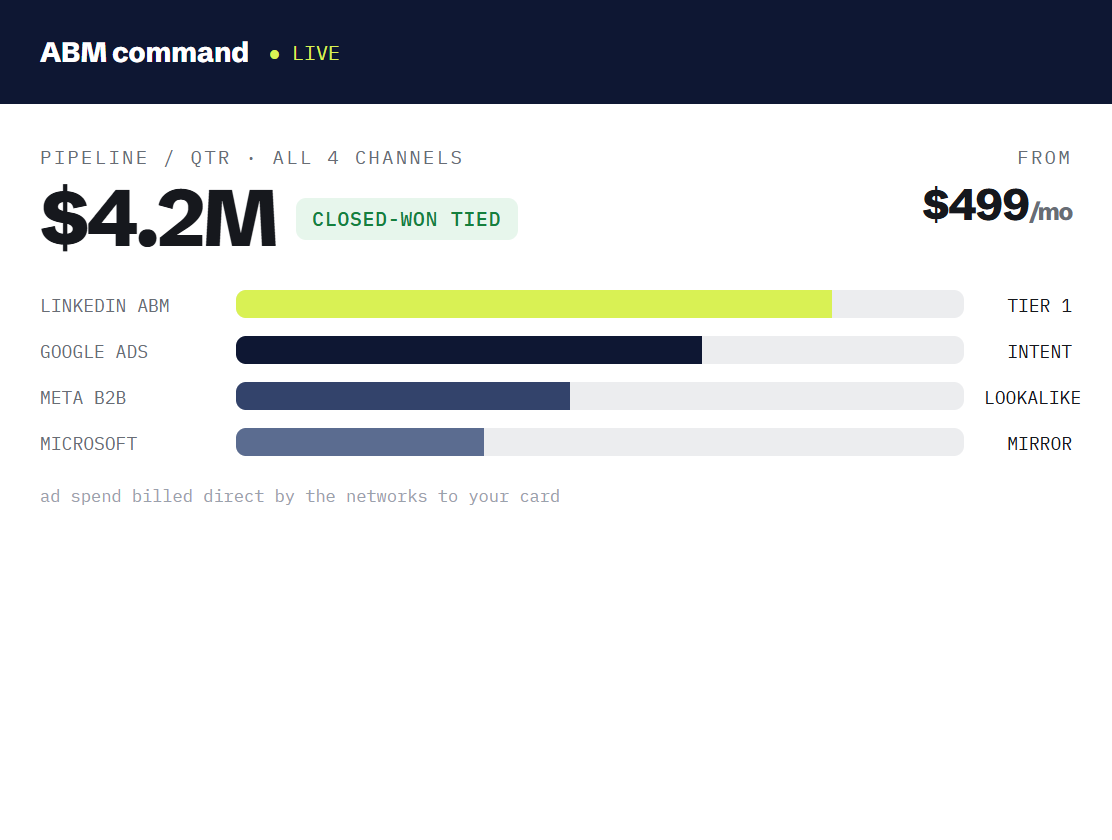
Your ABM program lives across LinkedIn, Google Ads, Meta B2B, and Microsoft Ads with four vendors and four dashboards. Redefine Web is your B2B PPC agency partner running all four platforms under one dedicated media buyer. Tier 1 named accounts, Tier 2 target industries coordinated across every channel. Flat monthly retainer from $499. Ad spend billed direct by the networks to your card.
Three ways an ABM budget burns without one agency running every lane
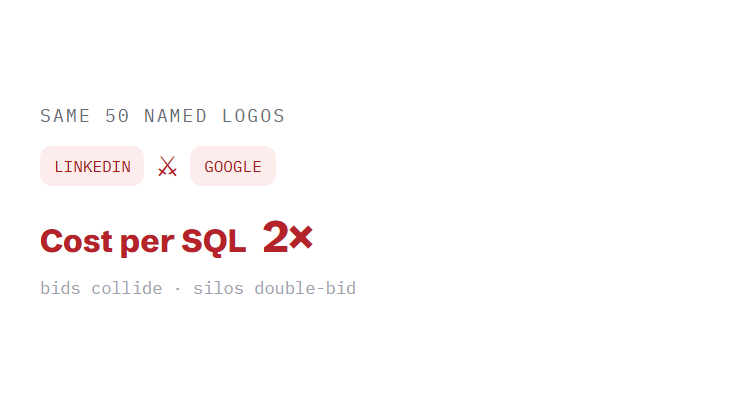
LinkedIn and Google run in silos and double-bid the same Tier 1 accounts
Your ABM target list lives in LinkedIn Campaign Manager. Customer Match sits in Google Ads. Meta B2B runs from a third seat. Nobody owns the coordination. Bids collide on the same 50 named logos, cost per SQL doubles, and credit disappears in last-click attribution. Your Redefine Web B2B PPC agency runs all four platforms under one dedicated media buyer, so Tier 1 named-account bidding stops fighting itself across LinkedIn, Google, Meta, and Microsoft.
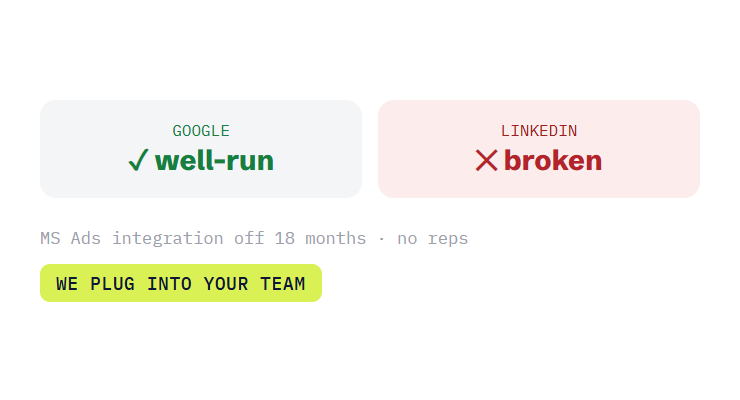
Your in-house team runs Google Ads well and LinkedIn poorly
Google Ads is well-staffed in-house. LinkedIn Sponsored Content, Message Ads, and Insight Tag audiences are broken. Nobody has the reps. Microsoft Ads for LinkedIn integration is turned off. Nobody has looked at it in 18 months. As your B2B PPC agency partner, we plug into your in-house team and run the platforms they can not staff. Reports go into your marketing ops lead, not around them. Weekly Slack updates, monthly QBR with your CMO.
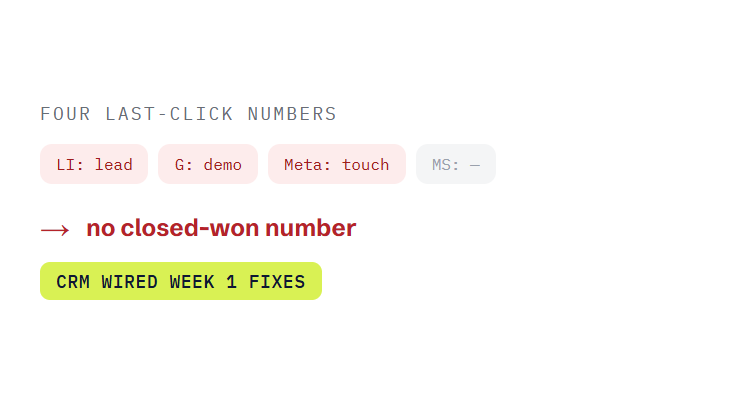
Four platforms report four different last-click numbers and none tie to closed-won
LinkedIn claims the lead. Google claims the demo. Meta claims the retargeting touch. Microsoft goes unreported. Your CFO sees four dashboards and no closed-won number. Your Redefine Web B2B PPC agency retainer wires HubSpot, Salesforce, Pardot, or Marketo into every platform in week 1, so the closed deal traces to the actual touch order across all four channels, not just to whichever platform fired the last click.
Three outcomes every enterprise ABM PPC retainer delivers
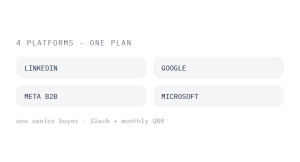
LinkedIn Sponsored Content, Google Ads Search, Meta B2B ads, and Microsoft Ads run under one dedicated media buyer with real-time Slack access and monthly QBR.
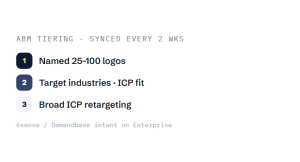
Tier 1 named accounts sync to LinkedIn Matched Audiences, Google Customer Match, Meta Custom Audiences, and Microsoft Ads every 2 weeks. Bid modifiers per tier.
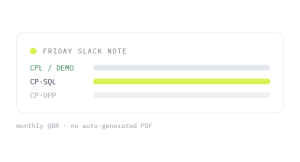
Real-time Slack channel with your dedicated media buyer plus analyst on Enterprise tier. Friday note covers cost per demo, SQL, and closed-won by channel.
Four stages. Agency onboarding to enterprise ABM at scale
Fixed scope, fixed timeline, fixed outcomes. Nothing moves to the next stage until your VP-Marketing or CRO signs the gate deliverable. Named media buyer plus analyst on Enterprise tier.
CRM audit that surfaces broken tracking and wasted spend
HubSpot or Salesforce audited. Lead scoring reviewed. Offline conversion feed configured before campaigns run. Median finding on new accounts is 42 percent wasted spend and 247 missing negatives. Written 20-page audit report signed off by owner plus ops lead before we touch structure.
B2B intent rebuild and competitor conquesting
Buyer intent keywords, competitor conquesting on your top 5 named rivals, RLSA layered on retargeting audiences from your CRM. Priority services carry higher target CPA. SKAG-lite match-type discipline. Performance Max layered only where your feed qualifies. 247-term negative sculpt strips waste before the rebuild goes live.
First CRM-verified paid conversion inside 14 days
Purpose-built landing pages per priority service. Server-side pixels and revenue-based conversion tracking through GA4, Meta CAPI, and your CRM. Miss the 14-day first CRM-verified conversion mark and month 1 is free. Written into the MSA. Applied on 30 plus B2B accounts to date.
ABM at scale on CRM-verified closed-won revenue
ABM audiences activated in Google via Customer Match. Territory expansion mapped against ops capacity. Meta and Display layer in as retargeting and category awareness. Coordinated with LinkedIn budget. Every scaling decision traces back to CRM-verified closed revenue and sales team throughput.
What you get from your B2B PPC agency partner
Fixed scope, fixed timeline, fixed outcomes. Each phase has a written deliverable, a signed gate, and a date on the calendar with your VP-Marketing or CRO plus your in-house marketing ops lead.
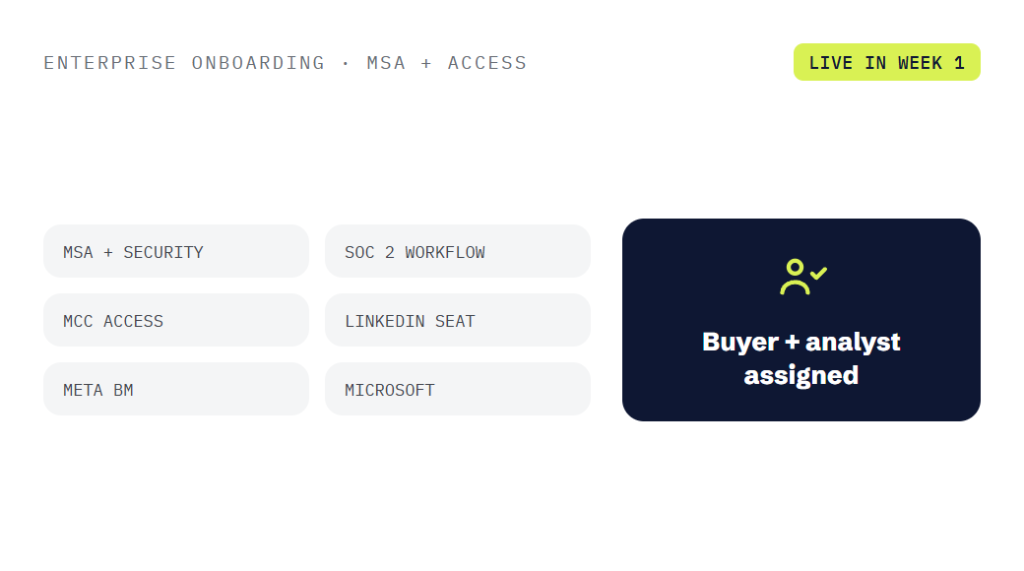
Enterprise agency onboarding with MSA and platform access
Master Service Agreement, security review, SOC 2 workflow, and platform access on your MCC, LinkedIn seat, Meta Business Manager, and Microsoft account. Named media buyer plus analyst assigned. Slack channel with your team live inside week 1.
MSA, SOC 2 documentation, and named contract-level access review paperwork signed before any platform touch. Legal and security cleared in parallel.
you own the Google MCC, LinkedIn Ads seat, Meta Business Manager, and Microsoft Ads account. We take manager access, never account ownership.
dedicated B2B media buyer on all tiers. Analyst added on Enterprise. Names and headshots on your kickoff deck. No rotation, no pooled team.
shared Slack channel with your VP-Marketing, ops lead, and CRO live inside week 1. Real-time access, not a ticket queue.
HubSpot, Salesforce, Pardot, or Marketo mapped to each platform. 6sense or Demandbase intent data reviewed on Enterprise tier.
Tier 1 named accounts, Tier 2 target industries, Tier 3 broad ICP defined with your VP-Marketing in a 90-minute workshop.
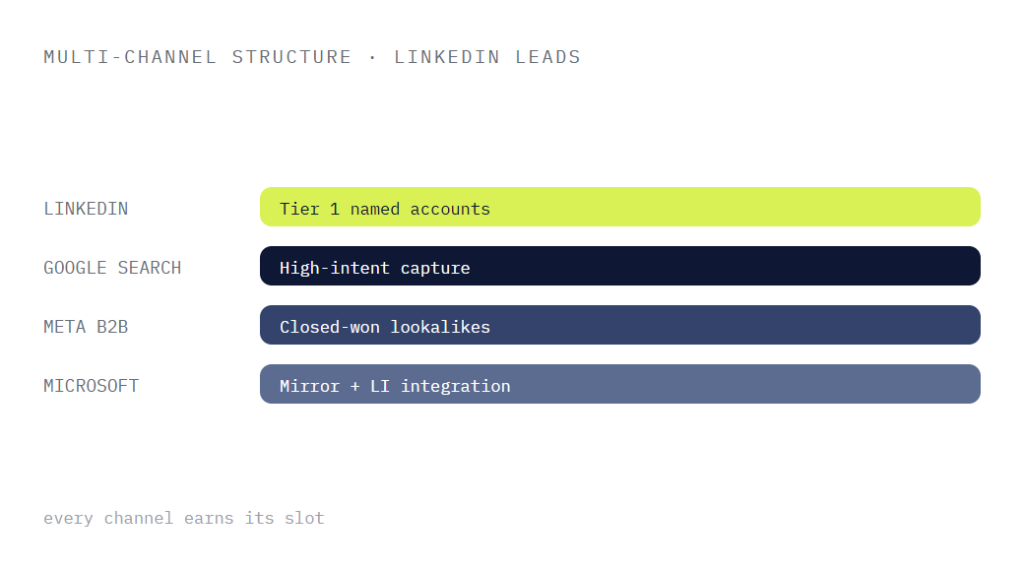
Multi-channel structure with LinkedIn ABM leading and Google following
LinkedIn Sponsored Content and Message Ads carry Tier 1 named accounts. Google Ads Search runs high-intent capture. Meta B2B ads target lookalikes from closed-won. Microsoft Ads mirrors Google plus LinkedIn integration. Every channel earns its slot.
Sponsored Content for Tier 1 named accounts. Message Ads to specific job titles at target logos. Insight Tag conversions wired for retargeting audiences.
high-intent search on category and competitor keywords. PMax layered where the CRM feed and creative library qualify. Enhanced Conversions for Leads live from day one.
Meta B2B retargeting on site visitors and lookalikes from closed-won CRM cohorts. Advantage+ audiences with job title and industry overlays.
Microsoft Ads with the LinkedIn profile targeting integration turned on. Company, industry, and job function overlays applied to every Search campaign.
YouTube video campaigns targeting Tier 1 named accounts via Customer Match. Bumper ads on decision-maker job titles pulled from your CRM.
target-account list synced to LinkedIn Matched Audiences, Google Customer Match, Meta Custom Audiences, and Microsoft every 2 weeks. Bids coordinated per tier per channel.
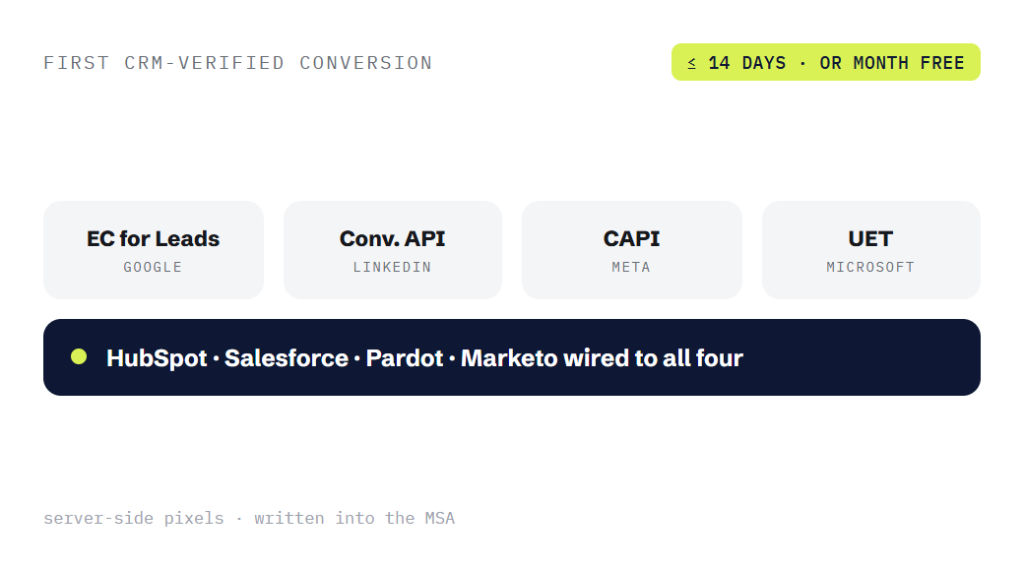
First CRM-verified pipeline conversion inside 14 days
HubSpot, Salesforce, Pardot, or Marketo wired to every platform. Server-side pixels, Enhanced Conversions for Leads on Google, LinkedIn Conversions API, Meta CAPI, and Microsoft UET. Miss the 14-day first CRM-verified conversion mark and month 1 is free. Written into the MSA.
CRM feed wired to Google Ads, LinkedIn Conversions API, Meta CAPI, and Microsoft UET. Pardot, Marketo, 6sense, and Demandbase supported on Enterprise tier.
Google Ads Enhanced Conversions activated on launch with hashed-email match-back. Cross-device attribution survives cookie loss.
LinkedIn Conversions API server-side plus Insight Tag pixel. Company Match audiences built from your CRM refreshed weekly.
Meta Conversions API server-side and Microsoft UET pixels wired. iOS 17 aware from day one. First-party signal preserved across every channel.
miss the 14-day CRM-verified conversion mark, month 1 is free. Applied on 30 plus B2B agency retainers to date.
demo forms route to Chili Piper or Calendly. Round-robin to your AEs. Every booked demo fires a conversion event across all four platforms.
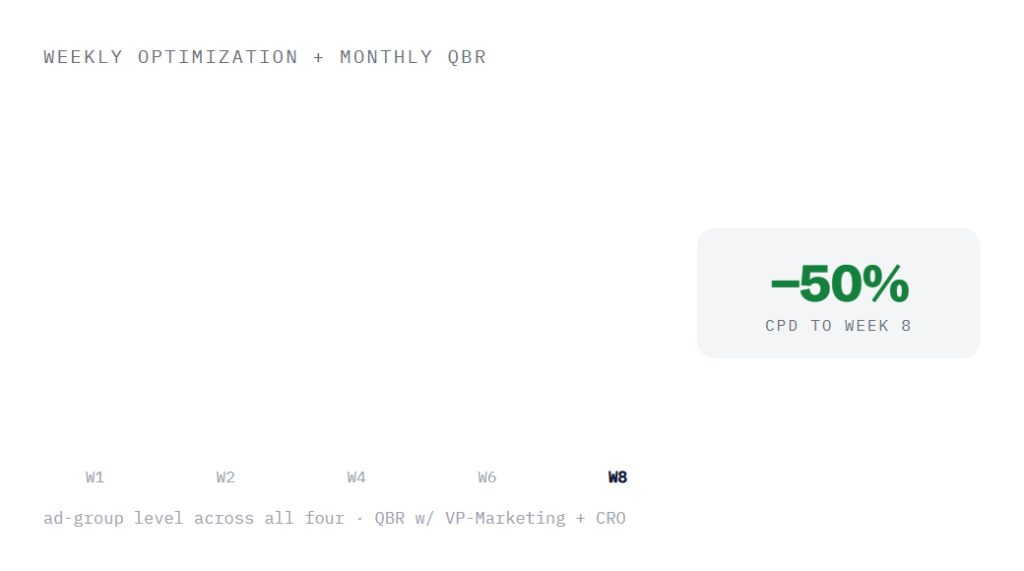
Weekly optimization plus monthly QBR with your VP-Marketing
Weekly optimization at ad-group and campaign level across all four platforms. Monthly QBR with your VP-Marketing and CRO covers pipeline attribution and next-quarter budget. Median cost per demo drops 50 percent from launch to week 8.
every Friday: what changed last week per channel, impact on cost per booked demo and SQL, what is being tested this week.
monthly Quarterly Business Review with your VP-Marketing and CRO. Pipeline attribution, next-month plan, budget shift decisions signed off in the meeting.
headline, creative, and audience testing per platform. LinkedIn Sponsored Content variants, Google RSA assets, Meta creative rotations. Winners promoted weekly.
bid strategy tuned per channel per tier. Tier 1 accounts bid up on LinkedIn and Google Customer Match. Tier 3 broad ICP capped.
weekly SDR pull from your CRM. Junk patterns clustered by keyword, geo, and device. Negatives and audience exclusions updated every Friday across every platform.
shared Slack channel with your dedicated media buyer. Answers inside the business day, not the ticket queue.
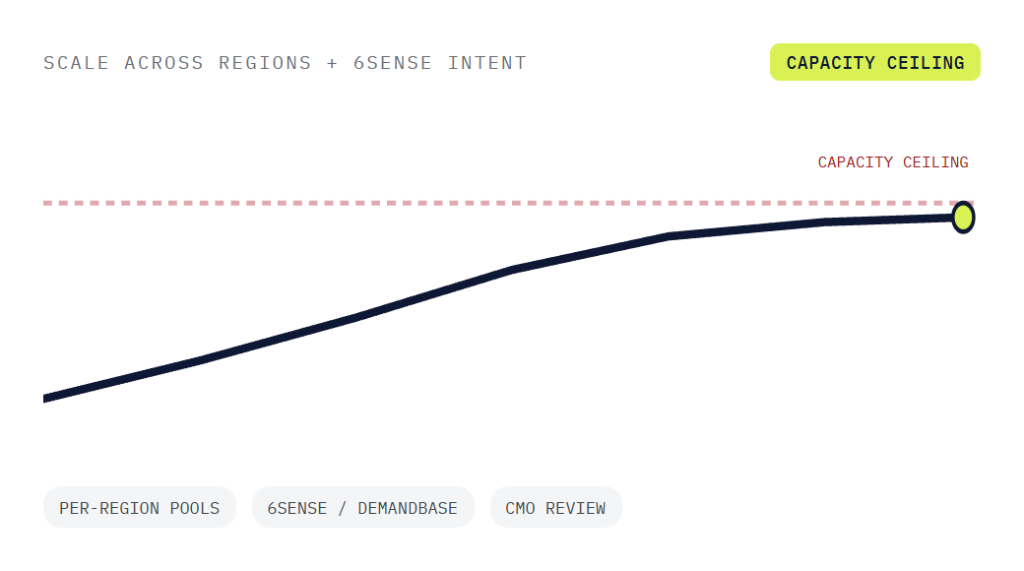
Scale across regions with per-region budget pools and 6sense intent
Once cost per demo is stable, ad spend scales into your capacity ceiling. Per-region budget pools for multi-region B2B accounts. 6sense or Demandbase intent data layered on Tier 1. Quarterly executive review with your CMO on Enterprise tier.
multi-region B2B accounts get separate budget pools per region. Reporting split by region, SDR routing preserved by geo.
intent data piped into Tier 1 named-account bidding. Accounts showing in-market signals get bid modifiers layered on LinkedIn and Google.
every 90 days pipeline attribution and next-quarter plan presented to your CMO and CRO. Budget shifts signed off in the meeting.
SOC 2 aware workflow, SSO on the MCC, named contract-level access reviews, and quarterly security audits on Enterprise tier.
enterprise accounts running multiple brands or product lines get separate MCC pods, per-brand reporting, and cross-brand budget coordination.
monthly report built for board consumption. Ad spend, booked demos, cost per SQL, closed-won revenue, ROAS, next-quarter plan on one page.
Four PPC tiers for every stage of growth
Pick the tier that matches your practice size. Move up or down anytime with 30 days notice, no setup fees. Hover any feature name for a plain-English explanation.
Single-location testing paid ads, or recovering from a bad agency.
Growing brands scaling beyond one campaign: PMax, search, Meta.
Two to ten locations, paid ads across service areas and lines.
Enterprise or 11+ locations. Systematic paid rollouts, multi-market.
Every PPC feature, tier by tier
HOVER FOR DETAILPlatforms and ad spend +
Campaigns + landing pages +
Reporting + analytics +
Ad channels + creative +
Compliance + enterprise +
Team + service level +
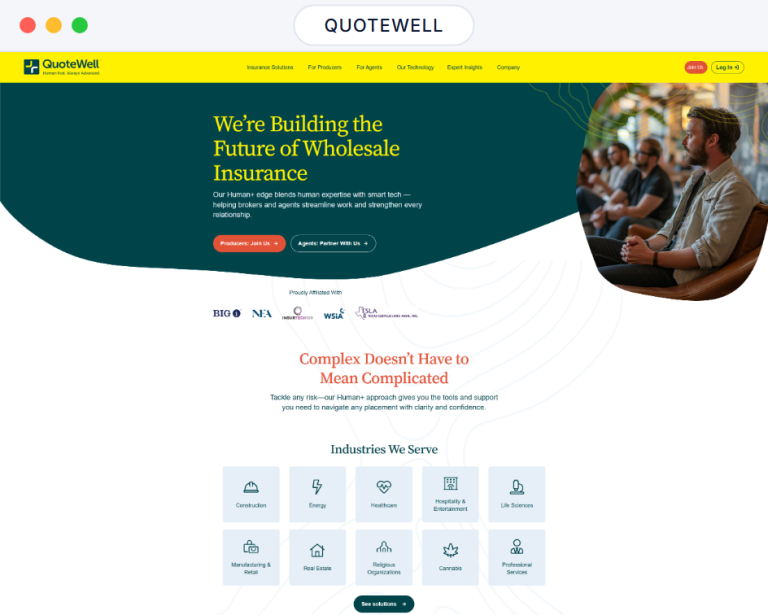
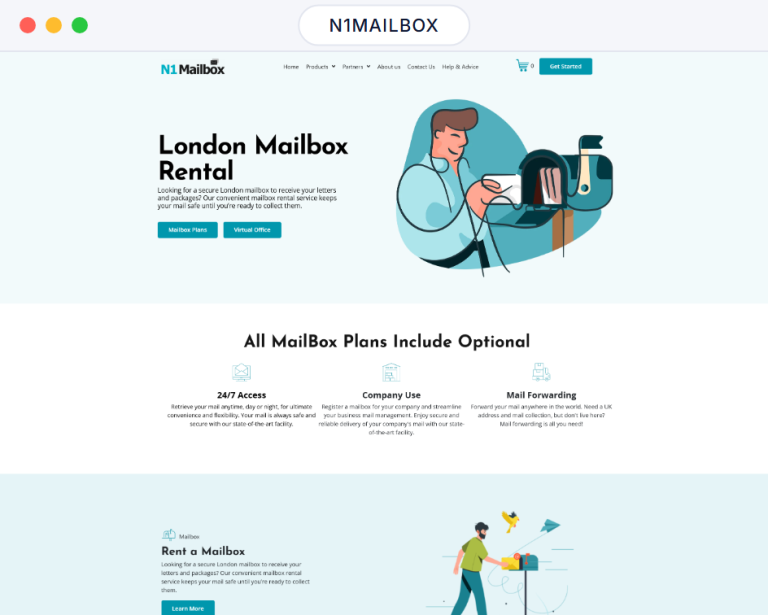
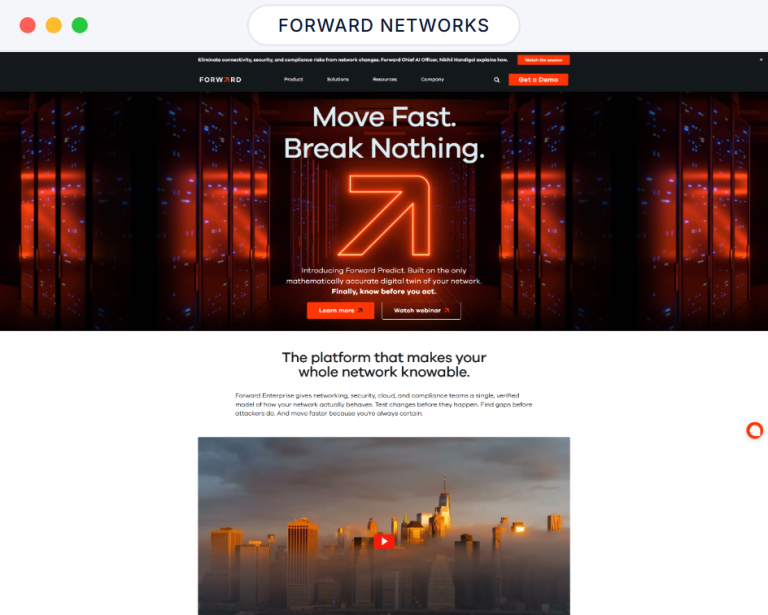
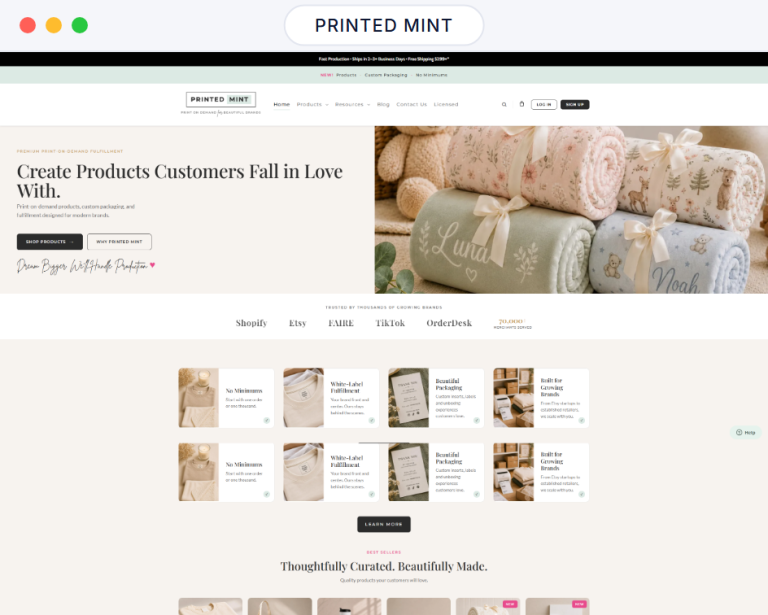
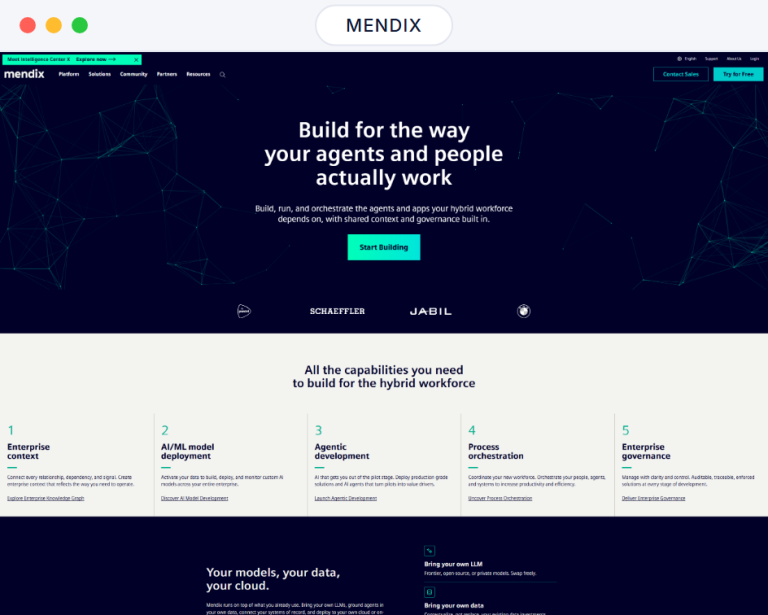
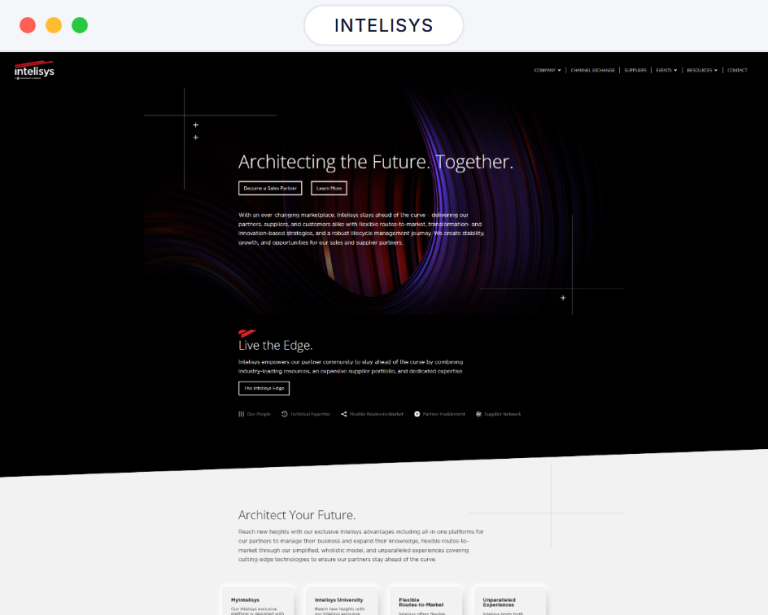
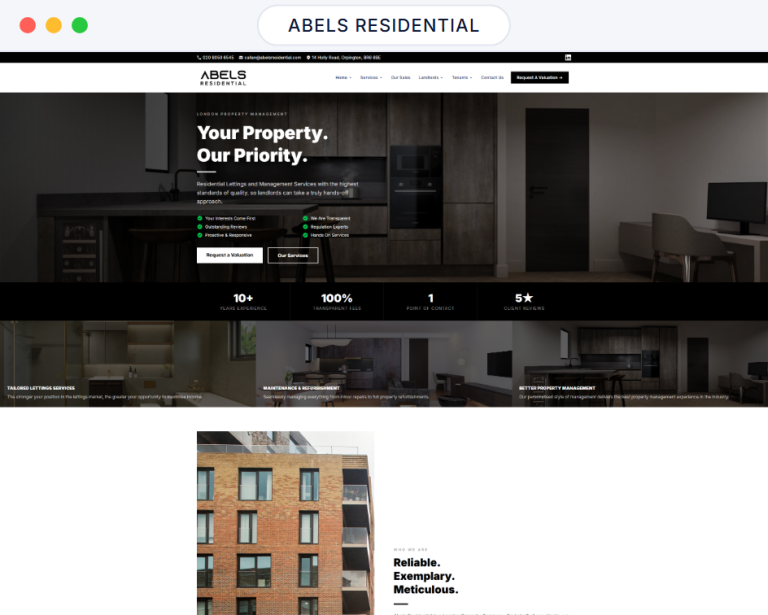
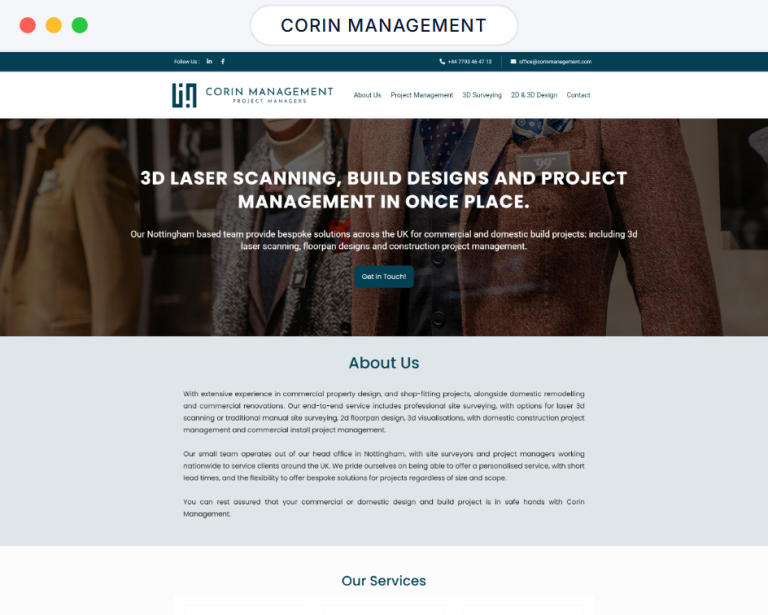
Real B2B accounts, real ABM plans, real booked demos

B2B PPC agency questions answered
Multi-channel pricing, LinkedIn plus Google coordination, ABM tiering, CRM integration, and reporting cadence answers for VP-Marketing and CRO contacts.
What is the average cost of a B2B agency?
+
A B2B PPC agency retainer at Redefine Web runs $499, $999, $1,999, or from $3,500 per month across four flat-fee tiers. Ad spend is billed direct by Google, LinkedIn, Meta, and Microsoft to your card, so you see network cost separate from the agency retainer with no markup. Launch at $499 fits in-house teams that need one platform augmented, typically LinkedIn or Microsoft. Growth at $999 fits two-channel programs running Google plus LinkedIn coordinated. Scale at $1,999 fits the full four-channel ABM stack with weekly optimization. Enterprise from $3,500 fits multi-region accounts with per-region budget pools, SOC 2 workflow, dedicated media buyer plus analyst, quarterly executive review with your CMO, and Google Ads policy compliance across every campaign.
What does a B2B agency do?
+
A B2B PPC agency runs paid media across LinkedIn, Google Ads, Meta, and Microsoft coordinated as one plan against your ABM target-account list. Your Redefine Web team runs Sponsored Content and Message Ads on LinkedIn, Search plus PMax on Google, Advantage+ B2B on Meta, and Search plus LinkedIn overlays on Microsoft. Tier 1 named accounts get concentrated bidding across all four platforms. Tier 2 target industries get category bidding. Tier 3 broad ICP gets retargeting and lookalike expansion. Every platform is wired to HubSpot, Salesforce, Pardot, or Marketo so bidding learns from closed-won revenue, not raw form fills. Weekly optimization plus monthly QBR with your VP-Marketing and CRO. Quarterly executive review on Enterprise tier.
Is paid search still worth it?
+
Paid search is worth it when B2B buyers land on your competitor category pages with high intent to buy inside 30 days. 65 percent of B2B buyers start on Google. Skip paid search and you hand every category-plus-competitor query to the vendor that outbids you. The catch: paid search is not worth it if the account is not wired to closed-won revenue in your CRM. Point Google Ads at raw form fills and PMax burns 60 percent of budget on junk leads. Point it at closed-won revenue through Enhanced Conversions for Leads and pipeline compounds instead. A B2B PPC agency wires HubSpot developer APIs or the Salesforce connector in week 1, so every dollar of paid search traces back to a signed deal, not a form fill. That is when paid search earns its retainer slot.
Which B2B agencies are the best?
+
The best B2B PPC agency for your account is the one that runs LinkedIn, Google, Meta, and Microsoft coordinated as one plan, wires attribution to closed-won revenue in your CRM, and reports on pipeline not impressions. Directive, KlientBoost, WebFX, Single Grain, and Obility all run credible B2B books. Redefine Web positions against that group on three points: flat-fee retainer from $499 with ad spend billed direct by the networks so you see zero markup, one dedicated media buyer named to your account with no rotation, and a 14-day first CRM-verified conversion guarantee written into the MSA. Miss the mark and month 1 is free. Applied on 30 plus B2B retainers to date. Book a call with Redefine Web to compare, or check third-party review lists to shortlist alternatives.
Do B2B PPC agencies run LinkedIn ads?
+
LinkedIn is the primary channel for ABM programs above the Launch tier. LinkedIn Sponsored Content carries Tier 1 named accounts. Message Ads run to specific job titles at target logos with A/B tested creative and copy. Insight Tag conversions get wired for retargeting and lookalike audiences from closed-won cohorts. Company Match audiences refresh from your CRM every 2 weeks. LinkedIn Conversions API server-side sits alongside the Insight Tag pixel so first-party signal survives iOS 17 and cookie loss. If you already run LinkedIn through another partner, your Redefine Web media buyer coordinates budget and reporting with them directly. If you do not, we run LinkedIn under the same retainer at the Growth tier and above with dedicated LinkedIn campaign management included.
Can a B2B PPC agency plug into an in-house team?
+
Yes. Team augmentation is a supported retainer shape. Your in-house team keeps running the platforms they staff well, typically Google Ads. Redefine Web plugs in and runs the platforms your team can not staff, typically LinkedIn, Microsoft, and YouTube ABM overlays. Your dedicated media buyer reports into your marketing ops lead, not around them. Shared Slack channel with your team. Weekly Friday note goes to the ops lead first. Monthly QBR includes both teams. This retainer shape runs at the Launch tier for single-platform augmentation, Growth tier for two-platform, and Scale tier if in-house wants full coordination on three or more channels. Ad spend stays billed direct by the networks to your card so your CFO keeps clean network cost visibility.
How does a B2B PPC agency coordinate LinkedIn and Google Ads?
+
LinkedIn and Google running in separate silos is how ABM budgets get burned twice on the same account. Your retainer syncs your named-account list across Google Customer Match and LinkedIn Matched Audiences every 2 weeks, so bids and creatives coordinate instead of collide. Tier 1 accounts get concentrated bidding on both platforms. Tier 2 gets category bidding on Google and industry targeting on LinkedIn. Tier 3 gets retargeting on Google and lookalike audiences on LinkedIn. Cross-channel budget planning by funnel stage. Retargeting from Google search visits into LinkedIn Sponsored Content feed. Unified attribution so the closed deal gets credited to the actual touch order, not just the last click. Microsoft Ads and Meta B2B ads join the same coordination on Scale tier and above.
What CRM integrations does a B2B PPC agency need?
+
Every retainer wires your CRM to every platform inside week 1. HubSpot uses native integrations across Google, LinkedIn, Meta, and Microsoft. Salesforce uses Enhanced Conversions for Leads on Google, LinkedIn Conversions API, Meta CAPI, and Microsoft UET with the Salesforce connector. Pardot and Marketo sync through the Google Ads API and LinkedIn Marketing Developer Platform. 6sense and Demandbase intent data pipe in on Enterprise tier for Tier 1 named-account bidding. Sync cadence is 4 hours from CRM back to every platform. Stage mapping is done in the onboarding workshop with your ops lead so each CRM stage becomes a discrete conversion action per platform. End result: bidding learns from closed-won revenue across all four channels, not raw form fills on one channel.
What is the reporting cadence with a B2B PPC agency?
+
Weekly Friday note plus monthly QBR plus quarterly executive review. The Friday note covers cost per booked demo, cost per SQL, and cost per closed-won by channel with the pipeline number on the front page. Monthly QBR with your VP-Marketing and CRO covers pipeline attribution, next-month plan, and budget shift decisions signed off in the meeting. Quarterly executive review on Enterprise tier presents to your CMO with board-ready reporting. Real-time Slack access with your dedicated media buyer between cadences. Live dashboard your ops team can pull 24/7. No auto-generated PDF, no ghost slide deck. Impressions and CTR go in the appendix where they belong. Every claim ties back to a HubSpot, Salesforce, Pardot, or Marketo record.
How long is a B2B PPC agency retainer contract?
+
The initial term is 6 months. Anyone selling you a 3-month B2B PPC retainer is either misleading you or planning to blame the platform when the first cohort of demos has not closed yet. B2B sales cycles run 30 to 180 days so paid needs a full quarter to prove itself and a second quarter to compound across multiple channels. How the 6-month retainer breaks down: months 1 to 2 wire CRM attribution across all four platforms, defund junk leads, and stabilize cost per booked demo. Months 3 to 4 settle cost per SQL and let pipeline attribution catch the first cohort of closed deals. Months 5 to 6 land blended customer acquisition cost inside target and scale ABM tiering against real closed-won revenue. After month 6, retainers renew each month against a written CAC target agreed with your CFO.
Does a B2B PPC agency handle ABM programs?
+
ABM is the native shape of a B2B PPC agency retainer above the Launch tier. Tier 1 named accounts of 25 to 100 target logos synced to LinkedIn Matched Audiences, Google Customer Match, Meta Custom Audiences, and Microsoft Ads every 2 weeks. Tier 2 target industries built from your ICP fit score in HubSpot or Salesforce with category targeting on Google Search and industry overlays on LinkedIn. Tier 3 broad ICP retargeting and lookalike expansion. Bid modifiers layered per tier per platform. 6sense or Demandbase intent data piped into Tier 1 bidding on Enterprise tier. Named-account list refresh cadence is every 2 weeks from your CRM. If you already run an ABM platform like Terminus or RollWorks, your dedicated media buyer coordinates budget and audience sync with them directly.
How does a B2B PPC agency measure success?
+
Cost per closed-won revenue is the top number on every report. Cost per opportunity, cost per SQL, and cost per booked demo sit under it. Impressions, CTR, and CPC sit in the appendix. Attribution is CRM-first, not platform-first. HubSpot, Salesforce, Pardot, or Marketo closed-won revenue pulls back to campaign, keyword, and creative through Enhanced Conversions for Leads plus offline conversion imports across all four platforms. Every dollar traces back through the CRM. On Enterprise tier, board-ready monthly reporting includes ad spend, booked demos, cost per SQL, closed-won revenue, ROAS, and next-quarter plan on one page. The 14-day first CRM-verified conversion guarantee is written into the MSA. Miss the mark and month 1 is free. Applied on 30 plus B2B agency retainers to date.