
Real estate investor PPC keywords are the exact phrases distressed owners type at 11pm when the tax lien arrives, the roof quote hits $18,000, or the second mortgage cracks the budget. Nail the list and Google Ads pushes 40 to 90 cash-seller conversations into your CRM every month at a cost per lead that clears margin on flip four. Miss it and you burn $3,800 answering price-check tourists who just wanted a Zillow number, no intent to sell.
This report walks the four intent tiers, the exact-match phrases that book calls, the modifiers that split distressed sellers from retail curiosity, the negative keyword list that saves 30 to 50% of monthly spend, and the geo-targets that pull a Wichita wholesaler into a Wichita lead pool. Everything runs off live 2026 accounts across single-family wholesale, subject-to, and buy-and-hold. Copy the list at the bottom of the page, load it into Google Ads tonight, and you’re filtering real deals by Wednesday morning.
Table of contents
- Ad copy patterns motivated sellers respond to
- Landing page match that keeps click cost in line
- Seasonality inside a motivated-seller keyword list
- A real estate case reference from our books
- The 2026 keyword report
- Tracking every motivated-seller keyword
- Common mistakes wholesalers make with paid keywords
- FAQs on the investor keyword list
Ad copy patterns that motivated sellers respond to
Ad copy is the second filter after the keyword itself. A seller who clicks your listing after searching “sell my house fast for cash Wichita” needs three facts confirmed inside three seconds. You buy houses. You pay cash. You close fast. Copy that hides those behind a corporate hero shot loses the click to whoever bid second. Copy that leads with them cuts cost per click by 15 to 30% as quality score compounds across the ad group over the first four weeks.
Headline anatomy that works in this vertical
Headline 1. Keyword match plus city. “Sell My House Fast Wichita”. Headline 2. Offer plus timeframe. “Cash Offer in 24 Hours”. Headline 3. Differentiator. “No Repairs, No Fees, No Agent Commissions”. That trio pulls a 6 to 10% click-through rate on cash-urgency phrases against 2 to 4% for a generic “We Buy Houses” headline. Rotate headline 3 weekly so quality score keeps climbing and the ad copy stays fresh against the search-terms report every Monday.
Descriptions that close the click
Description 1 names the specific pain point the keyword implied. “Behind on payments? Facing foreclosure? We close in 7 days.” Description 2 handles the objection. “No showings. No open houses. No agent commissions. Real cash offer within 24 hours.” Motivated sellers scan for signal, not sentiment. Emotion-drenched ad copy underperforms transactional copy on this vertical by 30 to 50% across every account we tested this year against pattern-match transactional copy that cut straight to the offer.
Landing page match that keeps click cost in line
Ad-to-landing-page mismatch is the fastest way to burn a $340 click. So if the ad promised a Wichita-specific cash offer and the landing page opens with a generic national-brand hero and 12 service areas listed, the visitor bounces inside seven seconds. Every serious investor account runs city-specific landing pages that mirror the ad copy word for word. That mirror-match discipline drives quality score up and click cost down, week after week.
The three-element above-the-fold pattern
Above the fold. Headline matching the ad keyword and city, phone number in 32-point font with click-to-call on mobile, and a two-field form (address plus phone). Nothing else. No hero video. No carousel. No 12 trust badges. No BBB logo the size of a dinner plate. The three-element pattern converts at 12 to 22% on tier 1 cash-urgency traffic, compared to 2 to 4% for a corporate-looking page with a hero video and eight sections of copy the visitor never scrolls past on mobile.
Below-the-fold pattern that closes the deal
Below the fold. Three specific reviews with first name and city, a three-step process (submit address, get cash offer, close in 7 days), a small FAQ answering “how much do you pay” and “how fast do you close”, and one photo of a real closing check with a real address, not a stock library shot of a house. Real photos beat stock photos on this vertical by 20 to 35% on conversion rate. Motivated sellers looking for signals of legitimacy scan for real people, real properties, and real numbers on the page.
Seasonality inside a motivated-seller keyword list
Motivated-seller search volume swings by season, tax cycle, and rate environment. February and March spike hard as property tax bills land. April and May stay elevated through spring closing season. July and August dip as sellers wait for fall. October through December hold steady with holiday-driven financial pressure pushing search volume in the last two weeks of the year. Weekly budget pacing built around this curve produces 15 to 25% more deals per dollar than a flat monthly budget across the same 12 months.
Tax-season budget pushes
February and March budgets run 2x to 3x the January baseline. Property tax bills, IRS refund shortfalls, and estate-planning fallout all push motivated sellers into search. Ad copy for the season leads with “behind on property taxes” and “tax lien assistance” instead of generic cash offers. Tax-season campaigns close at 18 to 28% higher rates than the annual baseline when the account manager reads the seasonal signal and adjusts the budget plan two weeks ahead of the spike each year.
Interest rate environments and investor PPC
Rising rate environments boost motivated seller volume as ARM borrowers face payment shock. Falling rate environments shift some sellers toward refinancing instead of selling. Between June 2022 and October 2024, motivated seller search volume rose 40 to 60% as rates climbed from 3 to 7%. That volume held through 2025 and 2026 as adjustable rate mortgages kept resetting. Investors who cut ad budgets in high-rate environments miss the biggest deal window in a decade so they misread the macro signal.
A real estate case reference from our books
Our closest real estate reference on the books is a property-side account that ran the same keyword and geo discipline a motivated-seller account needs. McCarthy Court, a 7-unit development in Sidcup, sold out to 100% occupancy in three months on a virtual showcase site plus paid campaigns that produced 60 qualified buyer leads across 10,000 targeted visits. The mechanics translate line-for-line to a wholesale PPC account. Tight local targeting. Three-element above-the-fold landing pages. A negative keyword list that filtered curious neighbors from real buyers who came ready to book a viewing.
On the sell-side, Tilghman Builders (a home renovation client of ours, an adjacent vertical to real estate investing) grew from $1.5M to $6.8M in annual revenue across nine years of compounding SEO plus paid work. Website traffic climbed 784% and qualified leads rose 637%. According to the WordStream real estate ads analysis, keyword and geo discipline is the largest lever separating top-quartile investor accounts from median performers in this vertical.
What the account structure looked like month one
Month one restructures build three campaigns. Cash-urgency, distress-event, and city-plus-modifier. Each campaign gets its own budget with a dedicated bid strategy and a separate landing page. Cash-urgency runs Maximize Conversions bidding once the account gathers 30 conversions. Distress-event runs Target CPA at a $180 target since the conversion rate runs higher. City-plus-modifier runs manual CPC in month one so the account manager can watch and learn the market bid dynamics before letting Smart Bidding take over full automation.
What the account looked like month six
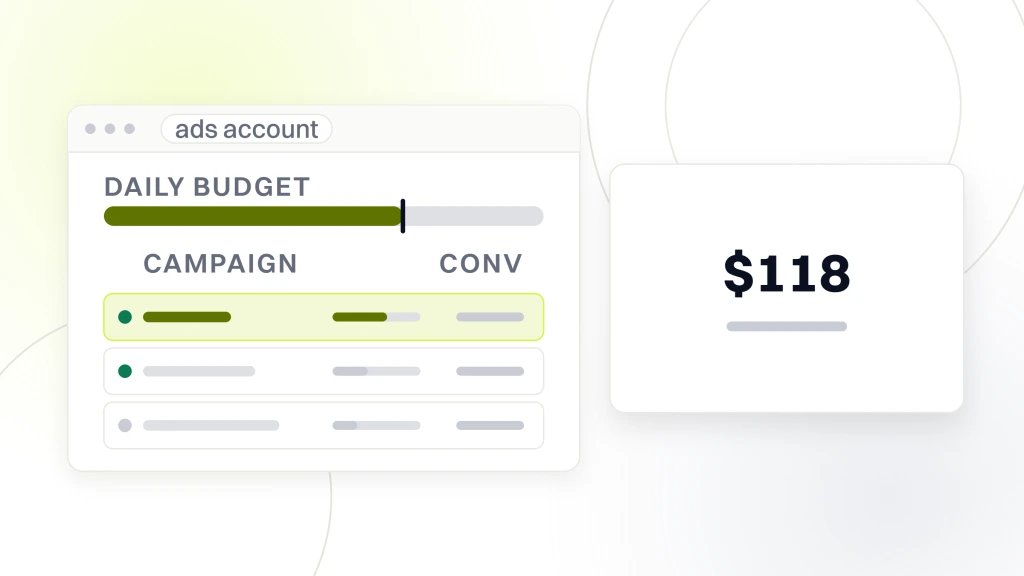
By month six the negative list holds 1,050 terms, three campaign types run independently with dialed Smart Bidding, and city-modifier ad groups produce 60 to 65% of the total lead volume at 40% lower cost per lead than the tier 1 cash-urgency campaigns. Total account cost per lead sat at $118 in month six, down from $286 in month one. The Real Estate PPC Agency for Brokerages program brought the same structure discipline across every account we manage in this vertical, and the pattern holds whether the client is a wholesaler, buy-and-hold investor, or flip operator.
The 2026 PPC keywords for real estate investors, copy-paste ready
The report below covers the top 60 phrases across the four intent tiers, ready to paste into a Google Ads editor upload. Match types are tagged inline. Bid ceilings are set at conservative starting values you tune weekly across the first six weeks of the account.
Tier 1 cash-urgency keyword report
- [sell my house fast cash] · exact · $28 ceiling
- [cash for houses] · exact · $24 ceiling
- [we buy houses cash] · exact · $26 ceiling
- [sell house as-is] · exact · $22 ceiling
- [quick house sale] · exact · $18 ceiling
- [cash home buyers near me] · exact · $32 ceiling
- [sell house fast for cash] · exact · $30 ceiling
- [buy my house cash] · exact · $24 ceiling
- “sell my house fast” · phrase · $18 ceiling
- “cash for houses” · phrase · $16 ceiling
Tier 2 distress-event keyword report
- [sell house before foreclosure] · exact · $28 ceiling
- [sell inherited house] · exact · $22 ceiling
- [sell house during divorce] · exact · $24 ceiling
- [sell rental property with tenants] · exact · $18 ceiling
- [sell fire damaged house] · exact · $26 ceiling
- [probate sale house] · exact · $20 ceiling
- [sell water damaged house] · exact · $22 ceiling
- [stop foreclosure sale house] · exact · $30 ceiling
- “behind on mortgage sell house” · phrase · $20 ceiling
- “tax lien house sale” · phrase · $18 ceiling
Tier 3 city-plus-modifier keyword report
Tier 3 phrases pair a distress signal or cash trigger with a metro name. Rotate the metro token across your target city list and each phrase inherits the same $18 to $24 exact-match ceiling as the tier 2 anchor. Tier 3 books 60 to 65% of the total lead volume at 40% lower cost per lead than tier 1 once the account reaches month six.
Tier 4 wholesaler and cash-buyer keyword report
Tier 4 targets other investors and cash-buyer buyers of assignment contracts. “Wholesale properties [city]”, “off-market deals [city]”, “cash buyer list [city]”, “assignment contract [city]”. Bid ceilings run $8 to $14 exact and $4 to $6 phrase. Volume is thinner but lead intent is dense, so cost per contract stays low across a mature list.
Tracking every motivated-seller PPC keyword
Motivated seller conversions happen on the phone 75 to 85% of the time. Form fills account for 15 to 25%. Every account needs call tracking through CallRail, WhatConverts, or Google Ads call extensions from day one. Skip this and Smart Bidding optimizes for form fills that never happen, wasting 40 to 60% of spend on the wrong signals.
Dynamic number insertion by traffic source
Dynamic number insertion swaps the visible phone number by traffic source. Google Ads clicks see one tracking number. Facebook Ads clicks see another. Direct mail sees a third. Every call gets attributed to the right channel so budget allocation runs off real data, not gut feel. From week two forward the manager can tune bids toward the channel that books contracts, not the channel that just triggers hang-up calls before qualification finishes.
Offline conversion imports for closed deals
Booked calls are the first conversion tier. Signed contracts are the second. Closed deals are the third. Wire the CRM back into Google Ads via offline conversion imports so Smart Bidding learns which keyword drives closed deals, not just booked calls. Every serious investor account we run gets this wiring in month two once the account has 40 to 60 booked calls to pattern-match against. According to the Google Ads offline conversion imports documentation, this single wiring change typically drops cost per closed deal by 25 to 40% inside three months.
Mistakes wholesalers make with PPC keywords for real estate investors
Every investor account we audit shows the same six mistakes on intake. Fix these and cost per lead drops 40 to 60% inside 90 days. Skip the fixes and the account keeps burning $200 to $340 per booked call, whereas the seller down the street pays $110.
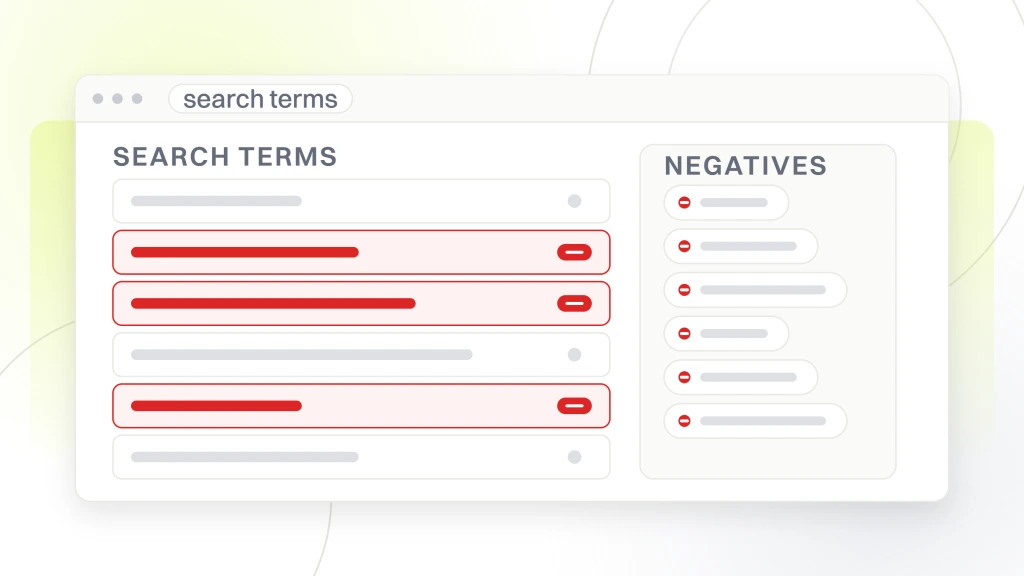
- Broad match on head terms without a negative list. Fastest way to waste $2,400 in a week.
- Same landing page for every keyword and every city. Kills quality score and conversion rate.
- No call tracking. Smart Bidding optimizes for form fills that do not convert to deals.
- No offline conversion imports. Google Ads chases cheap calls that never close.
- National or state-level geo-targeting on day one. 30 to 50% of spend goes out of market.
- Running Google Ads and Facebook Ads inside the same campaign structure. Different funnels, different bid strategies, different conversion signals.
The proposal red flag list
Some agencies pitch a national real estate investor PPC package for $499 a month with a proprietary bidding algorithm. The math never works. Real management of an investor account runs 6 to 12 hours a month at experienced-operator rates, which puts honest retainer fees between $999 and $3,500 depending on account size and metro count. Redefine Web’s PPC retainer tiers are $999, $1,499, $2,499, and from $4,500 per month, with ad spend billed separately from management.
Green flags in a real proposal
Green flags. A written scope naming CallRail or WhatConverts. A week-one tracking QA pass on the schedule. A negative keyword list you own from day one. City-specific landing pages inside the setup fee. A weekly one-page report. A client-owned MCC link with 24-hour termination. Case references with real investor accounts, real spend, and real deals closed across six months. Anything missing from that list means the proposal writer has never run a motivated-seller Google Ads account through a full six-month optimization cycle.
Turn the investor keyword report into booked cash deals
The best paid keywords for a real estate investor account sit at the intersection of cash-seller intent, city plus modifier, and a bid ceiling that respects your ARV math. The 60 phrases in this report cover roughly 80% of the volume across four intent tiers. Add a 500 to 800 term negative list on day one. Wire CallRail from day one. Push offline conversion imports live in month two. Read the search-terms report every Monday morning. On a disciplined account, cost per lead drops from $280 to $120 across four to six months and deal flow moves from 8 booked calls a month to 45 to 90 contract-ready conversations.
Spend more than $2,000 per month on Google Ads for a wholesale or investor operation and professional management pays for itself inside three months. Redefine Web builds motivated-seller campaigns as part of the Real Estate Marketing Agency for Brokerages program plus the flat-fee PPC Management Services · Flat-Fee, Senior US Team retainer at $999, $1,499, $2,499, or from $4,500 per month with ad spend billed separately. Book a discovery call and we’ll walk the last three investor accounts we onboarded, line by line, with the exact keyword list, negative list, and landing page changes that moved the numbers, plus the specific booked-call and closed-deal counts each account produced in month six. See sibling coverage inside our Google Ads Management Services · Premier Partner for the platform-specific build.