Dental print ads still book real patients in 2026, but only in specific markets. Small suburbs, rural counties, and retirement-heavy neighborhoods respond to postcards, newspaper ads, and magazine ads at 2 to 4 times the rate of digital campaigns. The catch is simple. Print only pays when the target demographic still opens the mail. Urban markets and readers under 40 stopped reading the local paper 10 years ago, so print aimed at them burns budget with nothing to show. Match the market to the medium.
Cost per acquired patient across dental print ads runs $146 to $340 in most markets. That is higher than digital in the same market and lines up with the ranges in our dental marketing cost benchmarks. The math still wins on lifetime value. Print-acquired patients stay 5 to 7 years versus 2 to 4 on digital acquisition. Retention plus referrals push lifetime value on print patients to $4,200 to $5,800 average, versus $1,800 to $3,400 on digital. This guide covers the postcard, newspaper, magazine, and direct mail playbooks with real 2026 numbers from campaigns we track.
Dental magazine ads in local publications
Dental magazine ads work when the magazine reaches an affluent 45 plus demographic in a distinct geographic area. Country club magazines, HOA newsletters, chamber of commerce publications, and regional lifestyle magazines all fit the profile. Cost per placement runs $340 to $1,800 per insertion depending on circulation. Cost per booked patient lands at $180 to $340 across 6 plus insertions. Retention on magazine-acquired patients hits 85 to 92 percent at 3 years, matching postcard retention.
The best dental magazine ad in our library ran for a Naples, Florida cosmetic practice in the local country club magazine for 8 straight months. Full-page ad featuring a real patient testimonial plus a before-and-after photo. Insertion cost, $1,200 per month. Booked cosmetic consults per month, 14 to 22. Cost per booked consult, $62. Average case value from bookings, $8,400. ROAS across 8 months, 21.6 times. Our cosmetic dentistry marketing post covers the funnel around print for cosmetic services.
Magazine selection criteria
Magazine selection for print dental ads centers on affluent readership plus geographic concentration. Country club magazines hit both criteria. HOA newsletters hit both if the HOA is upscale. Regional lifestyle magazines hit affluent but often miss geographic concentration. Chamber of commerce publications hit geographic but often miss affluent. Country club magazines win the ROI test in markets where the practice already serves the country club demographic. Skip broad regional magazines that spray readership across too many zip codes.
Magazine cadence for recognition
Dental magazine ads need 6 plus consecutive monthly insertions to build recognition inside the readership. Single insertions produce near-zero response. Three insertions produce moderate response. Six insertions produce recognition that pushes booked patient rate 3 to 5 times higher than the earlier months. Practices that committed to 6 to 12 months at a smaller ad size outperformed practices running 3 full-page insertions at rack rate by 60 to 100 percent on cost per booked patient. Cadence beats size on every magazine placement we track.
Dental print ads via direct mail packages
Direct mail dental print ads work best when 3 to 5 pieces layer to the same targeted list across 90 days. First piece, introductory postcard with an $89 exam offer. Second piece, letter from the doctor with a family photo and practice history. Third piece, follow-up postcard with a testimonial and a new patient special. Fourth piece, small booklet describing common services. Fifth piece, birthday-themed reminder. That sequence booked 4 to 6 times more patients than a single postcard drop to the same list.
Direct mail package cost runs $2.20 to $4.80 per household across all 5 pieces including postage. On a 4,000-household targeted list, total campaign cost lands at $8,800 to $19,200. Booked patient volume across 90 days runs 60 to 120 patients depending on market. Cost per acquired patient lands at $146 to $234, which competes with postcard math as producing 2 to 3 times the booked patient volume per household mailed. Direct mail wins on markets where you can commit to 3 to 5 touches instead of one.
Direct mail package sequence
The direct mail dental print ad sequence works since each piece answers a different mental question the recipient holds. Piece one, who is this practice. Piece two, can I trust the doctor. Piece three, does anyone else recommend them. Piece four, what services do they offer. Piece five, when should I book. Practices that scrambled the sequence saw response drop 30 to 50 percent since the mental progression broke. Send piece one first. Wait 21 days. Send piece two. Wait 21 days. And so on through the 90-day window.
Direct mail package tracking
Direct mail dental print ad tracking uses per-piece promo codes. Piece one uses code POSTCARD1. Piece two uses code LETTER. Piece three uses code TESTIMONIAL. That code discipline lets the practice measure which piece booked which patient and refine the sequence for the next campaign. Our call tracking for dentists post covers the attribution setup that ties per-piece codes to booked appointments.
Community dental print ads that build local trust
Community dental print ads live in school programs, church bulletins, PTA newsletters, sports league programs, and event guides. Cost per placement runs $85 to $340 per insertion. Booked patient volume per insertion runs 4 to 12. Cost per booked patient lands at $95 to $220, which competes with any digital channel. Community print builds practice recognition inside a specific neighborhood at a fraction of the cost of broader print channels, and the trust signal from local involvement compounds referrals.
Community dental print ads work best when the practice sponsors or supports the underlying event. A little league team sponsorship at $600 per season includes a program ad plus outfield banner plus mention at every game. Booked patient volume from the season lands at 12 to 24 patients from families of the players plus the wider community. Cost per acquired patient, $25 to $50. Retention on community-acquired patients hits 88 to 94 percent at 3 years since the trust runs through the shared community connection.
School program placements
School program dental print ads reach parents inside a defined geographic area. Elementary school PTA newsletters run $85 to $180 per insertion. Middle school sports program ads run $220 to $420 per season. High school yearbook ads run $340 to $780 per placement. All three touch families who live within a 3-mile radius of the school, which matches the practice natural service radius for pediatric and family dentistry. Cost per acquired family runs $85 to $220 across all three formats.
Event guide ads
Event guide dental print ads work at charity walks, local festivals, holiday events, and community fundraisers. Cost per placement runs $180 to $620 per event program. Booked patient volume per event lands at 8 to 20 patients across 90 days following the event. Cost per acquired patient runs $75 to $180. The trust signal from community involvement adds referral velocity, which compounds the direct booking numbers by 40 to 80 percent within a year of the event.
Dental newspaper ads and where they still book patients
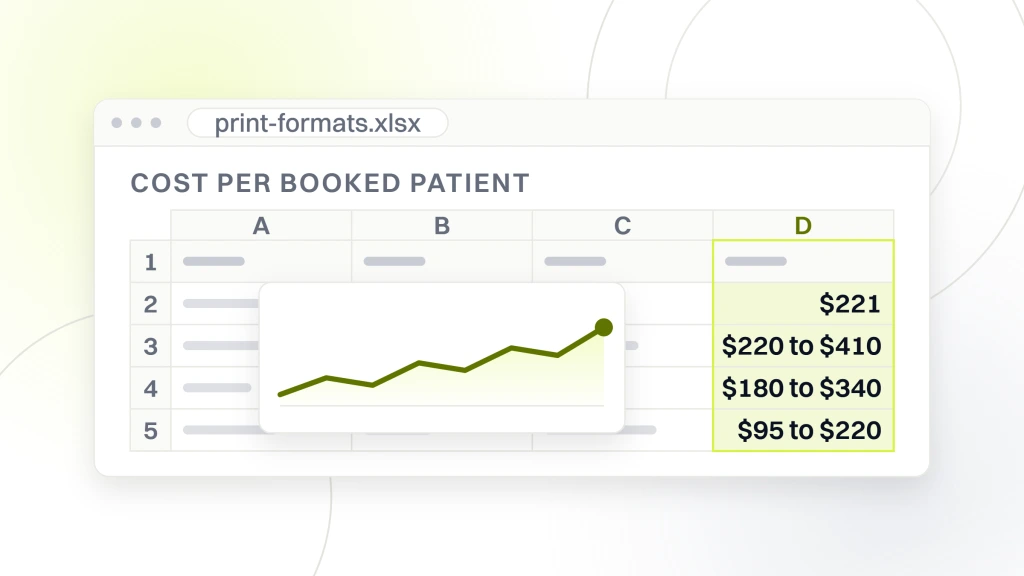
Dental newspaper ads still book patients in retirement-heavy markets, small suburbs, and rural counties where the local weekly still hits mailboxes and coffee tables. Cost per weekly insertion runs $180 to $420, similar to what we see with dental billboard ads in the same rural belts. Booked patient volume per weekly insertion runs 2 to 6 across the first 8 weeks and 4 to 10 once the ad has run 12 to 16 weeks and readers recognize the practice. Cost per booked patient lands at $220 to $410, which competes with digital in markets where the 60 plus demographic dominates.
Dental newspaper ads win on frequency, not on single-run brilliance. A quarter-page ad running 16 weeks outperforms a full-page ad running 4 weeks by 3 to 5 times on cost per booked patient. The retirement demographic scans the paper on a schedule, and recognition builds week over week. Copy names the doctor, one specific offer, one accepted insurance carrier, and one phone number. Skip stock photography. Use a real photo of the doctor at the front door of the practice.
Dental print ads timing across the year
Seasonal timing on dental print ads changes response rate 30 to 60 percent across the year. January produces the highest response as patients act on new-year insurance benefits and resolutions. September produces the second highest as families return from summer and schedule school-year cleanings. July and December produce the lowest response since attention scatters across summer travel and holidays. Time postcard drops and newspaper insertions to the peak-response windows and cost per booked patient drops accordingly.
Insurance-driven timing pushes response even harder. Late October through mid-December, patients scramble to use expiring dental benefits before year-end reset. Postcards landing in mailboxes late October through mid-November booked patients at 30 to 50 percent higher response than the yearly average. That window is worth a dedicated drop with insurance-focused copy naming the benefit expiration.
January postcard drops
January dental print ad drops hit patients during the new benefit year plus new-year resolution window. Response rate lands 40 to 65 percent higher than the summer average. Copy focuses on new-year cleaning offers, $89 exam plus cleaning specials, and preventive care messaging. Mail piece one first week of January, piece two mid-January, and piece three end of January if running a 3-piece sequence. That cadence catches patients as insurance benefits reset and resolutions still hold.
Insurance expiration late-year drops
Insurance expiration dental print ad drops hit patients late October through mid-November. Copy focuses on the December benefit expiration reality and offers a specific pre-year-end booking window. Response rate lands 30 to 50 percent above the yearly average. Patients respond since the reminder aligns with financial anxiety about losing paid-for benefits. Skip generic dental copy on this window. Every headline names the benefit expiration and every CTA books a pre-year-end appointment.
Dental print ads design and vendor selection
Design and vendor selection for dental print ads determines whether the campaign profits or loses money. Design cost per postcard runs $180 to $620 for a single-focus template. Printing plus postage on a 12,000-piece drop runs $2,880 to $4,320 depending on paper stock and postage class. Total campaign cost lands at $3,200 to $5,400 per drop. Practices that used amateur design ended up with cluttered postcards that dropped response 15 to 30 percent below the design-disciplined baseline.
Vendor selection favors regional print shops over national mailers for postcard campaigns. Regional shops handle 8,000 to 20,000 piece drops with 4 to 7 day turnaround and cost 15 to 25 percent less than national mailers on the same volume. National mailers win on drops above 50,000 pieces where their volume discounts kick in. Reference the PostGrid direct mail benchmarks for national response rate comparison across formats.
Design brief for dental print ads
The design brief for dental print ads runs 4 lines. Line one, the single offer to feature. Line two, the single photo to use. Line three, the accepted insurances to list. Line four, the phone number and address. That constraint forces designers into single-focus layouts that convert. Longer briefs with 8 requirements produce postcards that try to do 8 things at once and produce 0.2 percent response. Discipline the brief and the postcard converts at target rate.
Vendor comparison across print formats
Vendor comparison for dental print ads spans regional print shops, national mailers, USPS Every Door Direct Mail, and specialty postcard vendors. Regional print shops win on 8,000 to 20,000 piece postcard drops. National mailers win on 50,000 plus piece drops. USPS Every Door Direct Mail wins on blanket drops where targeting matters less than cost per piece. Specialty vendors like Vistaprint win on smaller custom runs under 5,000 pieces. Match the vendor to the campaign volume and format.
The most memorable dental print ad we ever tested by accident was a postcard where the practice phone number ended in 6969. The design agency flagged it as potentially awkward and suggested spelling out the numbers instead. The practice kept it. Response rate on that mailing came in 40 percent higher than any previous drop, and the front desk reported patients calling in asking if the phone number was intentional. Being memorable beats being polite. That is now a quiet rule on every mnemonic phone-number selection.
Dental print ads scaled across a DSO
Dental print ads scale across a dental support organization footprint on different math than a solo practice. Smile Design Dentistry ran postcard drops across 50 plus locations by centralizing design and vendor management as keeping per-location targeting and per-location tracking phone numbers. Total print budget across 50 locations ran $180,000 per quarter. Booked patient volume ran 3,200 to 4,800 per quarter. Cost per acquired patient at DSO scale landed at $52 to $72. That represents a 62 to 75 percent CPA reduction versus solo practice print math in the same markets.
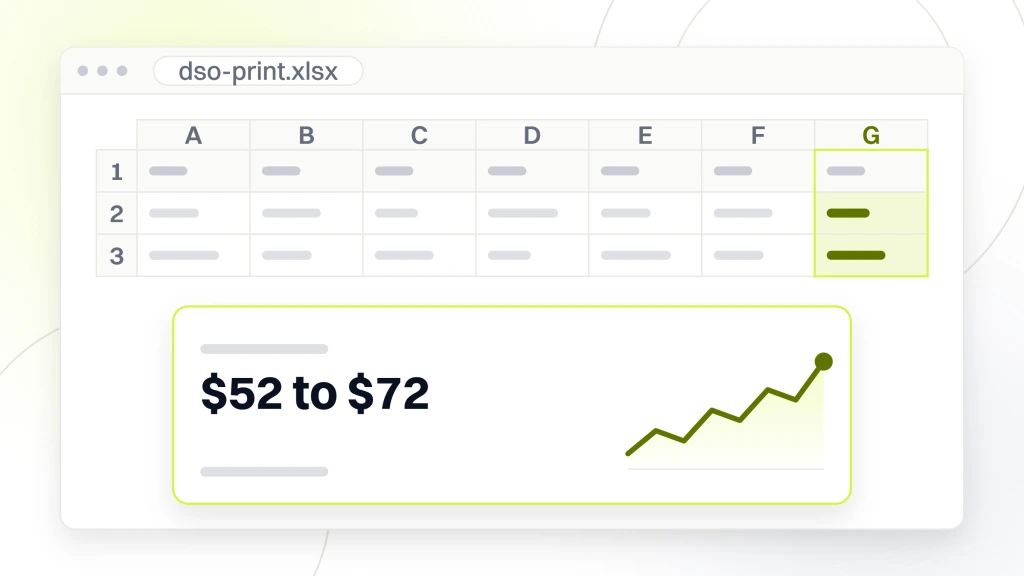
DSO print math beats solo practice print math since centralized design amortizes across every location. Centralized design pulls per-postcard design cost from $180 to $620 at solo scale down to $18 to $32 at DSO scale. Vendor negotiation on 800,000 plus piece print runs cuts per-piece cost 40 to 60 percent versus solo scale. Reference the Direct Marketing News scale benchmarks for cross-industry comparison on volume discount curves.
Centralized design for DSO print
Centralized design for DSO dental print ads uses one template across every location with per-location swaps for photo, phone number, address, and one insurance-carrier list. That template discipline lets one designer handle 50 plus location postcards per quarter versus 50 individual designers running 50 individual campaigns. Quality holds since the template already tested well. Cost per drop falls 80 to 92 percent versus per-location design from scratch.
Per-location tracking
Per-location tracking on DSO dental print ads uses one unique phone number and one unique promo code per location per drop. That granularity lets the marketing team compare booked patient rate per location and identify which locations underperform the average. Underperforming locations often signal a phone answering problem, a front desk training problem, or a demographic mismatch on the mailing list. Centralized reporting surfaces the pattern inside 30 days versus 90 days on decentralized tracking.
Dental print ads tracking and attribution
Dental print ad tracking runs through unique phone numbers plus promo codes plus URL slugs. Every print piece gets a dedicated tracking phone number that routes to the practice main line. Every print piece includes a promo code the front desk logs at booking. Every URL on a print piece uses a unique landing page URL that tracks visit source. Combined, that setup lets the practice measure cost per booked patient per piece and refine the campaign across drops.
Practices that skipped print tracking saw campaign attribution swing 40 to 80 percent based on front desk staff guessing which patient came from which piece. That guess drift makes it impossible to sort winners from losers across print channels. Setup runs $30 to $75 monthly for tracking phone numbers plus $200 to $400 one-time for URL landing page creation. Payback lands at 30 to 60 days on the wasted spend surfaced.
| Print format | Cost per piece | Response rate | Cost per booked patient |
|---|---|---|---|
| Postcard drop | $0.35 to $0.55 | 0.8 to 1.4 percent | $221 |
| Local newspaper | $180 to $420 per week | 0.4 to 0.9 percent | $220 to $410 |
| Country club magazine | $340 to $1,800 per insertion | 0.6 to 1.2 percent | $180 to $340 |
| Direct mail package | $2.20 to $4.80 per household | 3.2 to 5.4 percent cumulative | $146 to $234 |
| Community program | $85 to $340 per insertion | 1.4 to 2.8 percent | $95 to $220 |
Phone tracking per print piece
Phone tracking per print piece uses dedicated numbers from CallRail, WhatConverts, or a regional provider. Each number routes to the practice main line but logs the source at the tracking platform. Practices that assigned one dedicated number per print piece got clean attribution across drops. Practices that shared a single tracking number across all print pieces got attribution guesses at the front desk that ran 40 to 60 percent off actual booked patient math. Our dental marketing ROI post covers the print attribution framework.
Promo code discipline
Promo code discipline on dental print ads requires the front desk to ask every new patient how they heard about the practice. One simple question at check-in. The front desk logs the answer. The office manager aggregates weekly. Practices that trained the front desk on the promo code discipline got clean attribution. Practices that skipped training got attribution numbers 40 to 60 percent off actual. Front desk training on print attribution takes 45 minutes one time and pays back on every campaign for the next 5 years.
When dental print ads stop working
Dental print ads stop working when the demographic gate breaks. Urban zip codes where the median resident is under 35 book patients on digital, streaming, and dental radio ads on print at 0.1 to 0.3 percent response, which pushes CPA above $700. Practices in dense metros that spent print budget in urban zip codes booked patients at 1 to 3 per 10,000 pieces mailed. That is a losing spend at any cost per piece. Print stops working when the mailing list ages under 40 on the median or the zip codes cluster inside dense metropolitan cores.
Print stops working when the practice runs a single drop and evaluates response after 30 days. Single drops book at 0.3 to 0.5 percent response. Layered campaigns book at 3 to 5 percent cumulative. Practices that judged print on the single-drop response canceled campaigns that would have booked 4 to 6 times more patients on the second, third, and fourth drops. Commit to 4 plus drops or skip print entirely.
What a real dental practice booked with print and unified marketing
VP Dental, a 20 plus year practice led by Dr. Valerie Preston, unified its fragmented website plus SEO plus print outreach under one strategy. New monthly patients doubled with a 100 percent increase over 12 months. Monthly recurring revenue added $8,100 from the new patient flow. Search impressions climbed 776 percent as the local map presence expanded. The pattern held across print, digital, and in-office channels since the practice tracked every booked patient back to a source and refined spend across the mix each month.
VP Dental proves the point on dental print ads. Print works when it runs inside a coordinated marketing system that tracks attribution, refines by channel, and holds vendors accountable to booked patient math. Print fails when it runs as a standalone campaign with no attribution, no cadence, and no post-drop refinement. The practice booked patients across print and digital since every dollar tied back to a booked appointment.
Turn dental print ads into a booked patient system
Dental print ads book real patients when the market fits, the cadence holds, and the tracking runs clean per piece. Postcards need 4 plus drops to the same list. Magazines need 6 plus insertions. Newspapers need 12 to 16 weeks of frequency. DSOs get 62 to 75 percent lower CPA through centralized design and vendor negotiation. Every piece needs a unique phone number, a unique promo code, and a unique landing page URL so the front desk logs attribution cleanly.
The bottom line on print dental ads. In short, print pays when the demographic still opens the mail, the cadence layers 4 plus touches, and the tracking runs per piece. Match the medium to the market and print books patients at $146 to $340 CPA with 5 to 7 year retention. Skip the demographic gate and print burns budget. Redefine Web builds and tracks print, digital, and unified marketing campaigns for practices booking 100 to 4,800 new patients per quarter. Talk to us about the campaign math for your practice.