Cosmetic dental marketing is a distinct discipline built around long buying windows, high-touch visual proof, and case values that swing from $800 for basic whitening to $28,000 for a full smile makeover. Practices that pipe cosmetic ads to the same landing page as a $99 exam offer watch cost per booked consult double and case value drop by half in one quarter.
This guide covers the moves that actually work in 2026, layered on top of the wider dental marketing strategies that keep chairs full. The SEO structure that ranks for veneers, whitening, bonding, and smile makeover queries. Paid campaigns that book cosmetic consults instead of tire-kickers. The content stack that turns Instagram scrollers into signed patients. The measurement layer that separates real revenue from vanity metrics. North County Dental Care in Vista, CA grew patient volume 1,000% on a version of this pattern, and the same playbook applies whether a practice adds cosmetic services from scratch or defends share against a competitor with a slicker funnel.
Why cosmetic dental marketing is a separate discipline
Cosmetic shoppers behave nothing like exam shoppers. They browse Instagram at night, save Reels of before-and-after cases, compare veneer costs across three or four practices, and only schedule a consult once they trust the provider’s credentials and visual style. Cosmetic dental marketing has to clear all four checkpoints inside the first minute on the site.
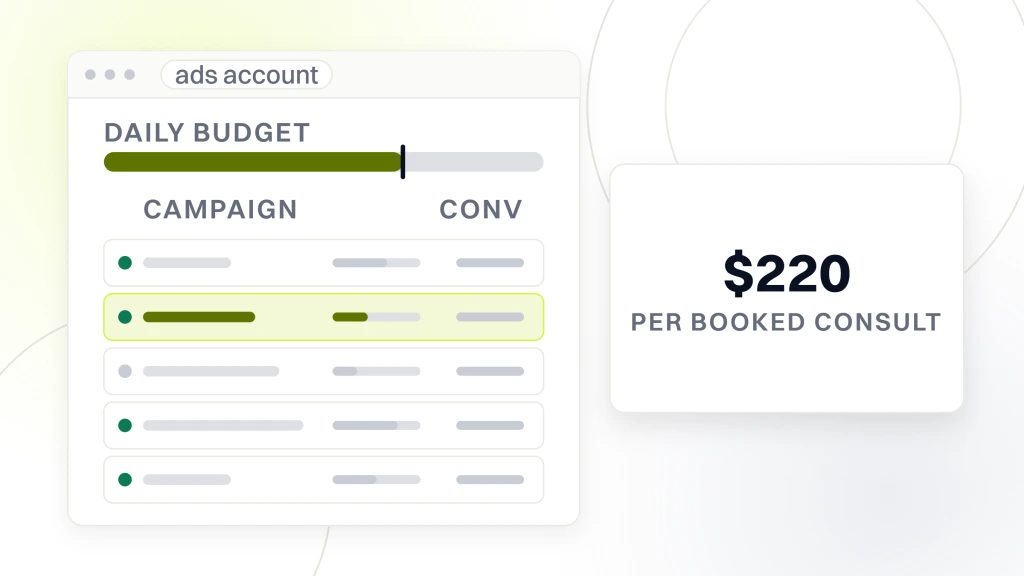
Skip any part of that and the shopper leaves for the practice with better photos. That is why the general dentistry playbook fails on cosmetic cases, and why case values sit dramatically higher when the funnel works. The math is worth restating. A $220 cost per booked cosmetic consult looks steep next to an exam. Set it against a $22,000 smile makeover with a 34% close rate and that same $220 produces $7,480 in expected case value per booked consult.
- Case value differential. Routine exam averages $175. Single porcelain veneer runs $1,200 to $2,500. Full smile makeover $18,000 to $45,000.
- Buying window. 4 to 12 weeks from first search to signed case.
- Research channels. Instagram, TikTok, Reddit, Google Reviews, YouTube.
- Trust triggers. Real before-and-after photos, provider bio with case count, live smile-gallery updates.
- Price transparency. Cost pages that show real ranges outperform gated cost forms by 3 to 5 times.
The shape of the funnel matters too. Cosmetic patients move through a research phase, a comparison phase, and a decision phase that can span 60 days. Practices running only bottom-funnel ads catch the patients who happen to be ready that week and miss the eight or nine still weighing options during the same window. That is the single reason a well-built cosmetic funnel outperforms a bigger ad budget on the same practice by 2x on signed cases.
SEO that drives cosmetic dental marketing
Search still owns the top of the cosmetic funnel. Roughly 68% of cosmetic patients start with a Google query before they load a single practice site, and half of those queries carry a local qualifier. Veneers near me. Teeth whitening in {city}. Smile makeover dentist in {neighborhood}. Content that skips city-level pages loses share to practices that build them out one service area at a time.
A working cosmetic dental marketing SEO program covers a treatment page per service, comparison content between treatment options, cost transparency pages with real numbers, and a city-level page for every core service area. The Google search quality guidelines spell out the trust signals that matter most for treatment content.
- Veneer service page with case count, price ranges, timeline, and provider bio.
- Teeth whitening service page covering in-office, take-home, and combined options with real cost bands.
- Bonding and cosmetic contouring page with before-and-after examples.
- Smile makeover page that walks the reader through a full case timeline.
- Cost pages for each treatment. Real ranges, financing options, insurance realities.
- Comparison pages. Veneers vs bonding, veneers vs Lumineers, whitening options side by side.
- City-level pages for each service area with local content and reviews from that city.
Practices that skip cost transparency see 30% to 50% lower conversion from organic traffic, since cost-curious patients bounce to whoever shows the number. iSmile Dental Spa in Carmichael, CA ranked for 75 page-one keywords in six months on this exact stack and drove +800% organic traffic in the following year.
Google Ads that fit cosmetic dental marketing
Google Ads for cosmetic cases demand tight campaign structure, and the account build follows the same skeleton laid out in our dental Google Ads guide. Broad match on “veneers” burns a $3,000 monthly budget in eight days, most of it on curiosity clicks that never book. The winning structure runs four campaign types side by side, each gated by a different intent signal, plus a Performance Max campaign after 90 days of clean conversion data.
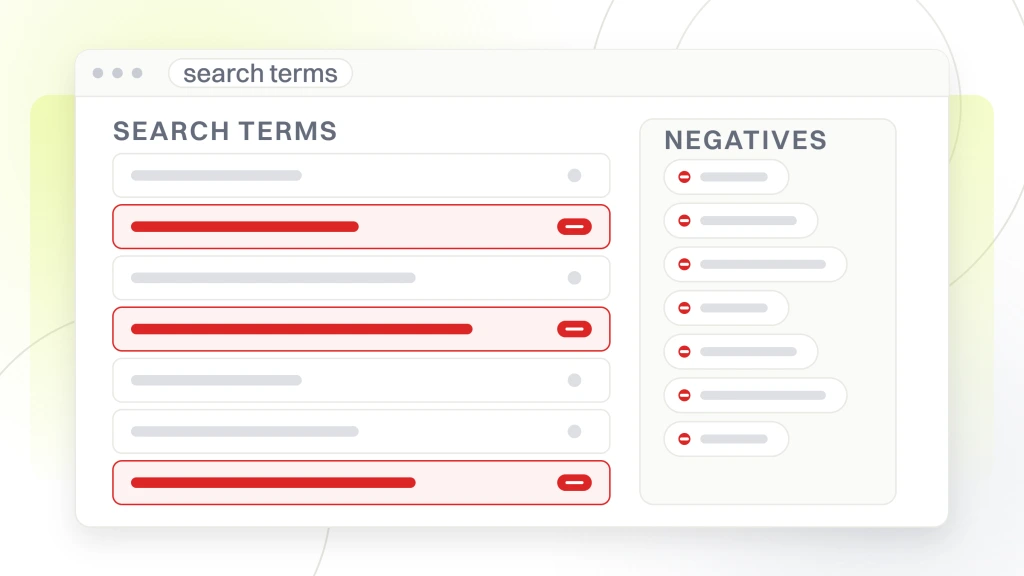
The account structure that works at independent cosmetic practices covers branded terms, treatment-plus-location terms, comparison terms, and provider-tier terms. Each campaign gets its own budget cap, landing page, and conversion goal in Google Ads. Reporting sits at the campaign level, not the ad-group level, so budget shifts stay honest.
- Branded campaign catching “{practice} veneers” and “{practice} whitening” queries. Highest intent, lowest cost per click.
- Local intent campaign. “Veneers in {city}”, “cosmetic dentist near me”, “smile makeover {city}”.
- Treatment intent campaign. “Porcelain veneer cost”, “teeth whitening dentist”, “bonding vs veneer”.
- Comparison intent campaign. “Lumineers vs veneers”, “veneers vs crowns”, “whitening options compared”.
- Call and form conversion tracking tied to booked consult in the practice management system.
Cost per booked cosmetic consult on Google Ads sits between $120 and $340 in most US markets once the campaign structure holds. Practices running one broad campaign against “dental” see cost per consult north of $700 and blame the platform. Structure matters more than budget. The Google Ads campaign structure guide covers the framework in depth. Smile Design Dentistry cut cost per call 30% across 50+ dental offices with this exact segmentation on their multi-location cosmetic dental marketing rollout.
Meta ads for cosmetic dental marketing
Meta is where cosmetic dental marketing pulls dramatically ahead of general dental. Cosmetic patients scroll Instagram at night, save Reels of before-and-after cases, and click into landing pages that show real photos and clear price bands. Cost per booked cosmetic consult on Meta runs $90 to $220 in most US markets when creative and targeting hold. Practices running static ads to a homepage see cost per consult above $500.
The winning creative approach uses short-form video (12 to 24 seconds) showing a real patient case, the provider explaining the treatment plan, and the final result. Static images work as retargeting supports but not as primary creative. Cosmetic patients scroll past static ads in under 1.4 seconds on average, per Meta’s own creative benchmarking. Video creative that shows a real result gets watched 5 to 8 times longer.
Targeting stacks matter too. Interests (cosmetic dentistry, veneers, teeth whitening, Invisalign) plus broad audiences let the algorithm model against booked consults. Lookalike audiences built off booked consults reach healthy scale after 500 to 900 seed events at a $2,000 to $4,500 monthly ad budget. Creative fatigue kicks in around week five, so refresh 3 to 5 new video assets monthly. Practices that leave the same three ads running for three months watch cost per consult climb 40% and the account tank.
Audience layering also drives lift. A lookalike built off booked consults performs 2 to 3x better than a lookalike built off form fills, since form fills carry more noise. Pixel setup that tracks form fill, phone click, and booking confirmation as separate events is worth every setup hour spent on it. Retargeting off saved-post signals on Instagram closes another 8% to 12% of the consideration audience during weeks four through eight of a case decision window.
Content marketing inside cosmetic dental marketing
Content carries a bigger share of the cosmetic funnel than most practices assume. The buying window is 4 to 12 weeks. During that window, patients read comparison articles, watch YouTube reviews, read Google reviews, and save Instagram posts. A practice that publishes 2 to 4 pieces of real cosmetic content per month owns 30% to 60% more of the consideration window than a practice running only ads.
The content stack that works covers three formats. Written treatment guides on the practice site. Short-form video on Instagram and TikTok showing real cases. Long-form YouTube walk-throughs of representative treatment plans. Cross-linking across all three keeps the patient in the funnel across the multi-week decision window. Written content ranks for search. Video content builds trust. Together they move signed cases.
- Cost transparency article. “Veneers cost in {city}. What to expect” with real ranges.
- Treatment comparison article. “Veneers vs bonding vs Lumineers” with pros, cons, timelines.
- Real case walk-through video. 3 to 5 minutes on YouTube showing a full case timeline.
- Instagram Reel. 20 to 30 seconds showing before-and-after with provider voice-over.
- TikTok short. 15 seconds showing case reveal, filmed from the patient perspective.
- Google Business Profile post. Weekly. Real cases, real reviews, real photos.
Content marketing pays back over months, not weeks. The compounding effect kicks in around month four, once the site starts ranking for a portfolio of cosmetic keywords and Instagram content builds a saved-post base that keeps re-surfacing in the algorithm. Practices that quit after month two never see the payoff. The ones that hold the line to month six start seeing organic bookings climb without extra ad spend.
Landing page design for cosmetic dental marketing
The landing page decides whether cosmetic ad spend produces booked consults or bounced sessions. Cosmetic patients arrive with a specific mental checklist. Real photos, real prices, real credentials, real reviews, and one clear next step. The page has 4 to 6 seconds to answer all five before they scroll back to Instagram or the SERP.
- Above-the-fold answer. “Porcelain veneers in {city} from $1,295. Free consult with 3D preview.”
- Before-and-after gallery visible in the first scroll with case-type filters (color, spacing, wear).
- Cost and financing panel that lists monthly payment ranges, not “we offer financing.”
- Provider bio with credentials, cosmetic case count, before-and-after portfolio link.
- Review carousel pulled live from Google reviews with source links.
- Two booking paths. Online widget plus a phone number with call tracking.
- Sticky CTA that follows scroll on mobile without covering content.
Landing pages hitting all seven items book 6% to 11% of ad traffic. Pages missing two or more sit under 2%, which triples cost per consult. Speed matters as much as content. A page rendering in 1.8 seconds on mobile converts 30% higher than the same page at 3.2 seconds, per Google Core Web Vitals data. Speed is not optional on cosmetic campaigns.
Landing pages work harder yet when they match the ad creative one-to-one. A page that promises “veneers from $1,295” in the hero, then shows the same case in the before-and-after gallery, then quotes the same provider in the review carousel, closes 40% higher than a page mixing generic photos with unrelated review content.
Cost benchmarks for cosmetic dental marketing
The table below tracks what we see across active cosmetic dental marketing accounts at Redefine Web. Numbers shift quarter over quarter with auction pressure and creative refresh cycles. The shape holds. Independent practices sit in the middle band. Corporate DSOs land at the low end since creative production budget runs higher. Very small markets sit at the low end too, driven by lower auction pressure.
| Channel mix | Cost per booked consult | Consult-to-case rate | Cost per signed case | Case value average |
|---|---|---|---|---|
| Search only | $180 to $340 | 26% to 32% | $620 to $1,180 | $3,500 to $8,500 |
| Search plus Meta | $140 to $260 | 28% to 36% | $480 to $840 | $4,200 to $12,000 |
| Full stack (SEO + Search + Meta + content) | $110 to $220 | 32% to 40% | $360 to $620 | $5,500 to $18,000 |
| Undermanaged or broad match | $380 to $720 | 16% to 22% | $1,800 to $3,200 | $3,200 to $6,800 |
The full-stack row is where cosmetic dental marketing turns into a compounding program. Case value averages climb since the funnel captures higher-value cases (full smile makeovers) that broad campaigns never reach. Ad spend against signed case value produces 8 to 14x return on ad spend in that band, which no single-channel program can touch.
Photo strategy that sells cosmetic cases
Every strong cosmetic dental marketing program starts with real photography, and most practices under-invest here by an order of magnitude. A stock photo of a model smiling costs $12. A single day of real patient before-and-after shoots costs $1,800 to $3,500 and produces 40 to 90 usable assets that run across ads, landing pages, Reels, and the smile gallery for the next 12 months. The math is not close.
Set up a monthly shoot schedule. One day per month covers 6 to 10 real patient cases with signed consent, DSLR photography, and a short interview video. Store every asset in a tagged library by case type. Veneers. Whitening. Bonding. Full-arch. Invisalign. Ads pull from that library daily. Landing pages pull weekly. The smile gallery updates in real time. Patients who see a case that matches their own book at 2 to 3x the rate of patients shown generic stock.
- Consent workflow. Written HIPAA-compliant release before the shoot, plus a copy of the final asset for the patient to keep.
- Consistent lighting setup. Same ring light, same background, same angle every shoot, so before and after are truly comparable.
- Video snippets. 15-second patient reactions filmed vertical for Reels and horizontal for YouTube.
- Case-type tags. Metadata on every asset so the ad team pulls the right visual in under two minutes.
Practices that skip this and rely on stock spend 30% to 60% more on ads to hit the same booked-consult target. Real photos are the single cheapest lever in the cosmetic dental marketing stack, and the one most consistently ignored by practices that grumble about ad performance.
Attribution in cosmetic dental marketing
Cosmetic patients touch 5 to 9 marketing surfaces before booking a consult. Last-click attribution credits Meta. First-touch attribution credits Google search. Neither model tells the whole story. Practices that cut Meta since “the calls came from Google” watch Google’s cost per consult double the next quarter, once Meta stops warming the audience. Wire the tracking stack the same way our dental marketing attribution guide lays out, so every consult ties back to a source.
The minimum attribution stack for a working cosmetic dental marketing program covers GA4 with UTMs on every campaign, CallRail or a similar call-tracking system, and a source field in the practice management system the front desk fills in reliably. Multi-touch attribution reporting shows the real path, not the last-click illusion. Without that layer, budget shifts get made against the wrong signal quarter after quarter.
Reporting cadence. Weekly ad-spend review by channel. Monthly booked-consult review by source. Quarterly signed-case review with revenue attribution. Anything less and the practice sees only the ad dashboard number, which is the least useful metric for a treatment category with $18,000 to $45,000 case values.
Attribution also feeds back into channel funding decisions. Once a practice sees that a Meta ad first touched the patient and Google search closed the booking, the practice funds both channels instead of cutting one on a false signal. That is where cosmetic marketing budgets stop swinging and start compounding month over month, which is the whole point of a real measurement layer.
Pricing bands for cosmetic dental marketing
What a working cosmetic dental marketing program costs depends on practice size, target case volume, and current channel mix. The retainer covers strategy, creative production, landing page work, campaign management, tracking setup, and monthly reporting on booked cases. Ad spend runs on top of the retainer, direct to Google and Meta. Any agency that folds ad spend into a single retainer number is hiding margin.
Solo practices with 2 to 5 cosmetic cases per month sit at the low end. Growing single-location practices targeting 8 to 15 cases per month sit in the middle band. Multi-location groups and DSOs run at the top. The dental marketing retainer covers the bundled program. Practices that need a specialist channel focus can start with either dental PPC services or dental SEO services as a first-90-days sprint.
Under-funding creative and over-funding ad spend is the most common pricing mistake. A $4,000 monthly Meta budget against a single static ad produces higher cost per consult than a $2,500 budget against three video creatives and a well-built landing page. The creative investment compounds. The ad spend does not.
Total program cost for a healthy cosmetic dental marketing program lands at $5,000 to $12,500 per month all-in (retainer plus ad spend) for a growing single-location practice. That budget produces 10 to 20 signed cosmetic cases per month at case values between $4,500 and $18,000. The revenue math turns positive around month three and becomes strong around month six.
How to choose a cosmetic dental marketing partner
Good discovery calls answer four questions. Does the agency understand cosmetic buyer behavior and case value math. Has it delivered comparable cosmetic programs with real booked case numbers. Does it report on signed cases or stop at leads. What is the setup timeline before spend runs. Vague answers on any of these turn into budget mistakes fast.
Red flags. Guarantees of a specific case count without contingency on provider capacity. A retainer that folds ad spend into one blended number. Zero mention of landing page rework. No named team members on the account. A first-30-days plan that starts with keyword research and skips the creative brief. Compare that against how Redefine Web builds dental marketing programs at the agency hub, and how the PPC management services team handles account setup.
A working cosmetic dental marketing program is measurable from day one. The measurement layer gets built before any ad campaign turns on. Skipping the measurement setup is where 40% of the budget goes missing in the first quarter, and the reason cosmetic programs get cut before they had a chance to prove out. Fix that order and the whole program produces cleaner numbers month over month. VP Dental doubled new monthly patients and added $8,100 in monthly recurring revenue on this exact discipline, unifying web and SEO under one measurement layer.
Ask for the agency’s client dashboard sample before signing. If the dashboard shows only impressions and clicks without a booked-consult line, the agency has not built a working reporting layer, which means the practice will be flying blind on which channel is doing the work. Every good cosmetic program produces a monthly report showing cost per booked consult by channel plus signed case revenue attribution.
Where cosmetic dental marketing goes next
Google AI Overviews now appear on a large share of cosmetic dentistry searches. Practices cited in those AI answers gain a real click-through advantage. The winners share four traits. Structured treatment and comparison pages. Recent reviews with response history. Real before-and-after content with case details. Provider bylines with verifiable cosmetic credentials.
Instagram Reels and TikTok content is becoming a bigger share of the cosmetic funnel too. Practices that show real cases with real patients (with consent) build a saved-post base that keeps re-surfacing in the algorithm. Static-image-only accounts are losing share month over month to video-first practices. The trend is clear across every mid-market analytics snapshot we run.
If cosmetic case volume has flattened over the last two quarters and paid ads feel more expensive month after month, the first move is a two-week audit of the channels above. That audit produces a specific list of fixes ranked by expected revenue impact and a decision on which channels to fund first. Everything else follows from that number. The bottom line. Cosmetic dental marketing rewards operators who build the measurement layer first, then compound photo, content, and paid on top over 6 to 12 months.