Skip to content
NOW BOOKING NEW ENGAGEMENTS GET A FREE STRATEGY SESSION ↗
HOME / BLOG / DIGITAL MARKETING / ELITE LUXURY BEAUTY MARKETING AGENCIES BUILT
DIGITAL MARKETING

Elite Luxury Beauty Marketing Agencies Built to Grow Equity

Luxury beauty marketing agencies operate on different rules than mass beauty agencies. Editorial and PR strategy, creative production standards, ecommerce mechanics that respect luxury pricing, brand health metrics beyond ROAS, plus a Chanel Beauty digital marketing teardown.

Elite Luxury Beauty Marketing Agencies Built to Grow Equity
On this page+
KEY TAKEAWAYS
Luxury beauty marketing agencies protect brand equity while growing revenue at flagship price.
Vet on editor relationships, creative standards, cohort dashboards, and refusal to run discounts.
Retainer tiers run $499 / $999 / $1,999 / from $3,500 per month with ad spend separate.

Luxury beauty marketing agencies work in a category where the wrong partner burns brand equity faster than any campaign can rebuild it. A premium serum priced at $180, a niche fragrance at $340, or a specialist beauty device at $650 cannot survive the discount-driven paid media playbook most mass beauty shops default to. The luxury category rewards restraint, editorial relationships, considered creative, and channel selection matched to the aspirational buyer. The best of these agencies actually understand this and operate very differently from mass beauty shops, and hiring the wrong type produces expensive mistakes that take years to unwind. If you are shortlisting agencies for a prestige beauty brand right now, the vetting questions in this guide will save you a full year of testing the wrong roster.

This guide to luxury beauty marketing agencies walks the capability set premium brands should demand, the channel mix that works for luxury beauty versus mass beauty, the editorial and PR strategy that builds long-term equity, the creative production standards that separate luxury from prestige-adjacent work, the metrics that measure luxury brand health beyond return on ad spend, and a Chanel Beauty digital teardown showing what category-leading luxury beauty marketing looks like at scale. Read straight through in fifteen minutes and you will know how to evaluate agency partners and what deliverables to demand in the first ninety days. For agency retainers, our beauty marketing services page lays out how Redefine Web scopes premium brand engagements.

Luxury Beauty Marketing Agencies Play by Different Rules Than Mass Beauty Shops

These agencies play by rules the mass beauty vertical rarely respects. Mass beauty shops optimize for immediate return on ad spend, run heavy discount promotions, chase influencer volume, and treat every conversion as equivalent. Agencies in this tier optimize for brand equity across quarters, avoid discount promotions almost entirely, curate influencer partnerships instead of chasing reach, and treat first-order and repeat-order conversions as separate business problems with separate creative treatments. The mindset difference shows up in every deliverable, from the ad creative brief to the KPI dashboard the founder sees on Monday morning.
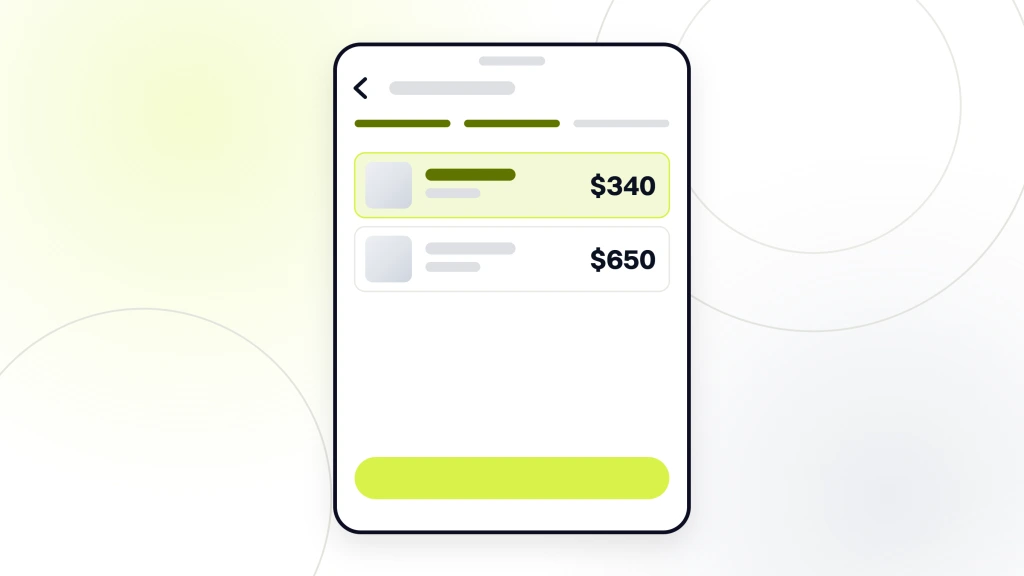
The tactical differences are stark. Mass beauty shops run Meta prospecting at aggressive frequency with discount hooks. Premium beauty partners run considered creative with lower frequency and no discount messaging. Mass beauty shops chase influencer partnerships based on follower count. These agencies curate based on aesthetic alignment, engagement depth, and long-term partnership potential. Mass shops measure last-click return on ad spend. agencies of this type measure branded search growth, direct traffic growth, PR mention volume, and cohort retention. Premium brands hiring mass agencies watch equity erode across quarters as the discount playbook applies pressure the brand should never tolerate. Abigail Ahern, the London luxury home décor label, saw this play out before switching partners and posted a 179% revenue gain plus 3,000% paid-social return on ad spend without a single discount banner in the creative rotation.

The Capability Set to Demand From Luxury Beauty Marketing Agencies

The capability set that matters when vetting a real luxury partner covers five areas, and any shortfall in one predicts trouble within six months. First, editorial and PR relationships with premium beauty publications and named beauty editors, not a generic PR list. Second, luxury creative production capability with in-house or long-standing photography and video partnerships that hit editorial standards straight out of the studio. Third, curated influencer partnership management, meaning relationships with the aspirational beauty tier rather than mass outreach templates. Fourth, brand equity measurement frameworks beyond return on ad spend, including branded search tracking, PR share of voice, and cohort retention analysis. Fifth, ecommerce marketing capability that respects luxury pricing through subscription, membership, and personalized service structures rather than discount-driven promotions.

  • Named editor relationships at Vogue, Harper’s Bazaar, Elle, WWD, and The Cut.
  • In-house or embedded photography that produces campaign-ready imagery weekly.
  • An influencer roster vetted by aesthetic fit, not follower count.
  • Cohort retention dashboards that segment first-order from repeat buyers.
  • Subscription and membership funnels priced against the flagship product.
  • Case studies with named premium clients, not stock logos.

Agencies that carry all five capabilities are rare and typically position as the shortlist rather than generalist shops with a beauty deck. Vetting shortcut. Ask for the last three premium beauty campaigns with named brand, budget range, editorial placements secured, and 12-month brand equity delta. Agencies without that recall history inside thirty seconds are not this kind of shop in any meaningful sense. For deeper client references, read our beauty brand positioning guide.

Channel Mix Skews Toward Editorial and Considered Creative

Channel mix for the agencies worth hiring skews toward channels that support considered creative and editorial positioning. Print and premium digital editorial partnerships such as Vogue, Harper’s Bazaar, Elle, Refinery29, and The Cut carry outsized weight in luxury beauty because they reach the audience willing to spend at luxury price points. Instagram works for luxury beauty when the creative respects the aesthetic and refuses the aggressive scroll-stopper tactics mass beauty relies on. Pinterest carries real weight for beauty discovery among aspirational buyers with saved boards that behave more like considered purchase research than impulse scrolling. TikTok is possible but requires selective creative that will not undermine aspirational positioning. See the Vogue brand overview for the editorial partnership context that shapes premium beauty discovery.

Google Search still matters for luxury beauty, but the queries that move revenue skew informational (best niche perfume for winter, top luxury retinol serum) rather than transactional (cheap serum deal). Partners at this tier build content that ranks for the discovery queries and captures the buyer at the research stage before brand loyalty forms. Paid search stays narrow and defensive on brand terms plus a small set of category terms where the ad respects the premium positioning. See Google’s helpful content guidance for what premium editorial actually needs to include.

Callout. Every discount promotion trains the buyer to wait for the next one. In luxury beauty, that is a permanent price ceiling reduction. Package pricing, gifting mechanics, and loyalty benefits produce the same gain without cheapening the flagship price point.

Editorial and PR Strategy That Builds Long-Term Equity

Editorial and PR strategy is where a serious partner earn or lose their retainer. Premium beauty publications operate on relationship trust that takes years to build. Beauty editors at Vogue, Harper’s Bazaar, and WWD receive dozens of pitches per week and open the ones from PR contacts they already trust to send them relevant, well-briefed products. Agencies without those relationships pitch cold and get ignored. Agencies with the relationships secure product features, editor picks, and gifting placements that move branded search demand for months after publication. The best of the roster book quarterly editor lunches, send curated product previews before the season launches, and treat PR as a slow compounding investment rather than a launch-week burst.

The measurement framework for editorial and PR looks different from paid media. Track PR mention volume, publication tier weighted by domain authority, branded search growth in the two weeks after a placement, and referral traffic quality from the publication. A single Vogue feature that grows branded search 40% for a month is worth more than fifty low-tier blog mentions. Candidates build the measurement dashboards that make this visible to the founder so the retainer stays justified even when a quarter has no paid media wins.

Creative Production Standards Separate Luxury From Prestige-Adjacent Work

Creative production standards are the fastest tell of whether an agency is a real luxury beauty marketing partner. Prestige-adjacent shops produce competent campaign imagery that reads as premium at a glance and cheap on closer inspection. Real these shops produce imagery that survives the editorial standards test, meaning the same photograph could run in Vogue or Harper’s Bazaar without the beauty editor asking for a reshoot. That level of output requires embedded creative talent, not freelance rotation. It requires photographers who understand luxury lighting, stylists who source props at the correct tier, and retouchers who know when to leave skin texture intact.

Video production for luxury beauty operates on similar standards. Motion pieces need to feel like short films or perfume commercials, not product demonstrations. The music library used, the color grading, the pacing of cuts, and the voice-over choice all signal tier. These agencies invest in the post-production time this takes and refuse to release work that reads as cheap. Beauté Aesthetics New York, a Manhattan luxury aesthetics clinic, saw 166% lead growth after moving from generic ad creative to premium-aligned photography and web design that finally matched their in-clinic experience.

Metrics That Measure Luxury Beauty Brand Health Beyond Return on Ad Spend

Metrics matter more than any other conversation with agencies in this tier. Return on ad spend is the dominant metric in mass beauty and the wrong metric in luxury beauty. Luxury pricing produces high average order values that make return on ad spend look excellent at spend levels that are actually building nothing. A $340 fragrance producing a 6x return in month one can still be damaging brand equity if that $340 came from a buyer who will never repeat. The right metrics for luxury beauty are branded search growth quarter over quarter, direct traffic percentage of total sessions, first-order versus repeat-order revenue split, cohort retention at three, six, and twelve months, PR share of voice within the category, and organic Instagram engagement rate weighted by follower quality tier.

The measurement dashboard your agency delivers on Monday should include those seven numbers by default, with month-over-month deltas and 90-day trend lines. If the dashboard shows only return on ad spend and revenue, that is a mass beauty dashboard and the agency does not understand luxury beauty measurement. Boogie Board, an ecommerce brand at the specialist end of hardware, hit $31 cost per conversion at scale by measuring cohort behavior alongside acquisition cost rather than optimizing purely to first-click revenue on a $650K managed budget.

Ecommerce Marketing Mechanics That Sustain Premium Pricing

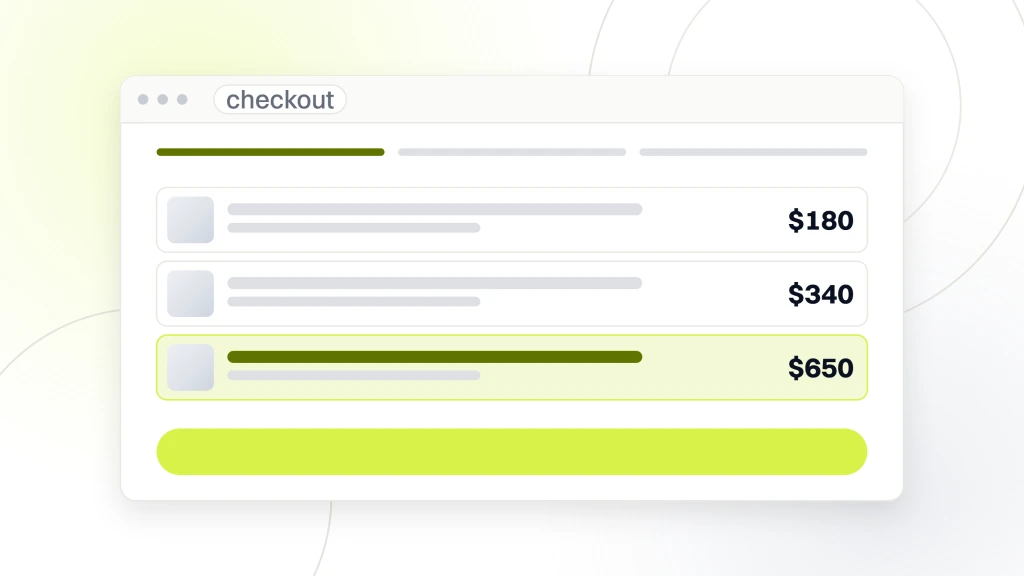
Ecommerce marketing mechanics for premium beauty partners center on structures that grow revenue without cheapening the flagship product price. Subscription programs work well when the product is a consumable that a considered buyer will replenish (skincare, fragrance layering sets, tools with refills). Membership programs work well when the brand can offer exclusive access, early product drops, or personalized service that adds perceived value beyond the product itself. Gifting mechanics such as gift-with-purchase on qualifying orders above a threshold create promotional gain without applying discount pressure to individual product prices. Package pricing that bundles the ritual (cleanser plus serum plus moisturizer as a curated regimen) sells at combined premium without discounting any single component.
  • Subscription for consumables at the flagship price, not a discounted subscribe-and-save.
  • Membership tiers with early access and personalized consultations.
  • Gift-with-purchase mechanics above a qualifying order threshold.
  • Curated regimen bundles sold at combined premium.
  • Personal shopping or virtual consultation as a paid or gated experience.
  • Loyalty benefits weighted toward experiences, not point-based cashback.

Pricing Ranges for Premium Beauty Retainers

Retainer pricing for a real luxury partner varies widely by scope, and the ranges below reflect what serious premium brands should expect to pay for the capability set described earlier. Redefine Web runs SEO and paid media retainers from $499 per month at the entry tier for a single-channel focused engagement, $999 per month for a combined SEO plus paid search program, $1,999 per month for a multi-channel program including paid social plus editorial support, and from $3,500 per month for a full luxury beauty marketing engagement including editorial PR, creative production oversight, and cohort measurement dashboards. Ad spend is billed separately from retainer, and premium beauty brands typically deploy $5,000 to $50,000 in monthly paid media depending on category maturity and inventory constraints.

Retainer TierMonthly FeeBest Fit
Foundation$499/moSingle-channel launch, one product line.
Growth$999/moSEO plus paid search, established catalog.
Authority$1,999/moMulti-channel with paid social plus editorial.
Enterprisefrom $3,500/moFull luxury beauty program with PR oversight.

Case Study Signals to Look For When Vetting Premium Beauty Partners

Case studies are the single best filter for the shortlist. Real luxury work leaves clear fingerprints. Named premium clients rather than blurred logos, revenue growth figures that come with the corresponding brand equity delta (branded search up, direct traffic up), no discount-driven creative in the campaign gallery, and case study copy that names editorial placements secured and PR share of voice movements. Abigail Ahern in London posted 179% revenue growth and 1,588% paid search return on ad spend across a four-year partnership that never introduced a discount hook. Beauté Aesthetics New York posted 166% lead growth, 88% new-user growth, and a 27% conversion rate gain after a luxury-aligned web redesign in twelve months. A Real Estate Luxury Team in Los Angeles doubled users, new users, and pageviews across a decade-long custom rebuild that included IDX integration and content that reads more like editorial than listing pages.

Those four case studies share the pattern that predicts success for premium brands. Named client, real numbers, no discount reliance, and multi-year retention that proves the work compounded rather than spiking early and then flat-lining. Ask any this kind of shop shortlist for three case studies matching that pattern, and the roster shortens quickly. For more Redefine Web references, browse the premium brand marketing archive or the beauty industry hub.

Callout. Named client plus multi-year retention plus no discount hook in the creative gallery. Three signals that predict whether the agencies worth hiring actually understand premium positioning, or whether they are mass beauty shops with a rebrand.

Category Leader Teardown of Luxury Beauty Digital Strategy

Category leader teardowns give the fastest calibration on what partners at this tier should be building toward. Chanel Beauty runs paid search almost entirely defensive on branded terms plus a small set of category terms where the ad creative respects the premium positioning. Organic social skews heavy toward considered campaign imagery with high production value, low posting frequency, and rare use of trend-driven formats. Editorial coverage in Vogue, WWD, and premium regional beauty press stays steady across the year with peaks at product launches. Direct traffic accounts for a disproportionate share of ecommerce sessions because branded demand carries the acquisition load. Discount promotions are almost absent from the digital footprint. The teardown shows what a category leader does. The gap between that and where a premium brand starts is what a serious partner exist to close over 18 to 36 months of retained work.

Applying the teardown to a smaller premium brand means measuring against those benchmarks (branded search share, direct traffic percentage, PR mention cadence) rather than mass beauty benchmarks (return on ad spend, cost per acquisition, click-through rate). Read the Search Engine Land SEO archive for the technical measurement pieces that support that framework.

The Vetting Interview Questions That Filter Premium Beauty Partners Fast

The vetting interview for the best of the roster takes ninety minutes and filters real luxury partners from prestige-adjacent shops within the first thirty. Ask which beauty editors the account lead has met in person in the last twelve months, and expect named answers. Ask which premium beauty publications the agency has secured coverage in this quarter, and expect a link list. Ask how the agency measures brand equity beyond return on ad spend, and expect a dashboard walkthrough including branded search growth, cohort retention, and PR share of voice. Ask which discount mechanics the agency will refuse to run, and expect a firm no on sitewide sales, holiday discount stacking, and welcome-code pop-ups above 10% off flagship products.

Agencies that answer those four questions with named details inside ninety seconds each are candidates. Agencies that pivot to generic capability decks are mass shops using luxury vocabulary. The filter is that fast. To go deeper on retainer scoping and the 90-day plan a real luxury partner will hand you, book a call through the Redefine Web contact page or review the PPC management retainer tiers for what paid media oversight looks like at the enterprise level.


Frequently Asked Questions

What are the 4 Es of luxury marketing?+

The 4 Es of luxury marketing are Emotion, Experience, Exclusivity, and Engagement. The framework replaces the older mass-market 4 P (product, price, place, promotion) because luxury buyers do not respond to promotional pressure the way mass buyers do. Candidates build campaigns that make the buyer feel something (Emotion), deliver a memorable purchase or unboxing moment (Experience), create scarcity through limited access or curated release (Exclusivity), and sustain the relationship through community and personalized touch (Engagement). Every channel choice ladders back to one of the four Es, which is the fastest way to catch a proposed tactic that would work in mass beauty but damage a luxury brand.

How do luxury beauty marketing agencies price their retainers?+

These shops price retainers by scope, not by hours. Redefine Web runs a Foundation tier at $499 per month for single-channel work, a Growth tier at $999 per month for combined SEO plus paid search, an Authority tier at $1,999 per month for multi-channel programs including paid social plus editorial support, and an Enterprise tier from $3,500 per month for full luxury beauty engagements including editorial PR oversight, creative production standards enforcement, and cohort measurement dashboards. Ad spend is separate from retainer. Premium beauty brands typically deploy $5,000 to $50,000 in monthly paid media depending on category maturity, product launch cadence, and inventory position.

How to find luxury beauty marketing agencies in the USA?+

Search luxury beauty trade press first (BeautyMatter, WWD, Business of Fashion) for agencies that appear in editorial coverage of premium brand launches. Ask three premium beauty founders you already know for their agency shortlist and cross-reference the names. Look up the last three years of premium beauty campaigns you admire and trace the credited agency of record. Ignore generic top ten marketing agencies listicles because those rank by affiliate revenue rather than actual luxury beauty work. The the right partner worth hiring in the USA maintain visible client rosters and named editor relationships, and they show up in the same three or four vetting paths repeatedly.

What is a luxury beauty marketing agencies list worth referencing?+

A these agencies list is worth referencing when the source is an editorial publication (BeautyMatter, WWD, Business of Fashion) that named the agencies based on client work rather than paid placement. Ignore vendor-review sites that publish top-agency lists based on affiliate arrangements or self-reported submissions. The reliable agencies in this tier list format shows named clients per agency, campaign case studies, and independent editorial verification. When a list omits client names or replaces them with logo grids of blurred marks, treat it as a marketing asset for the agencies rather than a genuine ranking.

What is luxury beauty marketing agencies reddit consensus?+

Reddit threads on the agencies worth hiring cluster around a small set of repeat recommendations, most of which are named editorial-relationship agencies rather than performance-marketing shops. The consensus is that generalist agencies attempting to service luxury beauty tend to apply mass beauty playbooks that damage brand equity within a few quarters. Reddit users with beauty brand operator experience consistently recommend vetting agencies by asking for the last three premium beauty campaigns with named brand, spend range, editorial placements secured, and 12-month brand equity delta. The recommended vetting path filters out almost every mass beauty shop within the first ninety seconds of a call.

What is luxury beauty marketing agencies near me and does location matter?+

Location matters less than editorial relationships and creative production standards for these agencies. New York, Los Angeles, London, and Paris carry the deepest concentration of beauty editors and premium production talent, so agencies headquartered in those cities often have shorter feedback loops with the beauty press. Redefine Web works remotely with premium beauty brands across regions, and the client roster shows the model works when the agency has established editor relationships and embedded creative talent regardless of headquarters address. Prioritize capability over ZIP code when shortlisting agencies of this type.

How to do luxury beauty marketing agencies vetting inside 90 minutes?+

The ninety-minute vetting call for the right partner covers four question sets in order. First, which beauty editors has the account lead met in person in the last twelve months, with named answers. Second, which premium beauty publications has the agency secured coverage in this quarter, with a link list. Third, how does the agency measure brand equity beyond return on ad spend, with a dashboard walkthrough. Fourth, which discount mechanics will the agency refuse to run on your brand, with a firm no on sitewide sales, holiday discount stacking, and welcome-code pop-ups above 10% off flagship products. Agencies that answer with named details inside ninety seconds each are candidates. Agencies that pivot to generic capability decks are not luxury partners.

How to do luxury beauty marketing agencies onboarding in the first 90 days?+

The first ninety days of this kind of agency work should deliver five outputs. A brand equity baseline dashboard covering branded search volume, direct traffic share, PR mention volume, and cohort retention at three months. An editorial calendar for the next two quarters with named target publications and beauty editor contact status. A creative production audit identifying the three highest-priority reshoots. A paid media audit identifying discount mechanics to unwind and premium creative tests to launch. A subscription or membership funnel design brief priced against the flagship product. If your agency has not delivered those five outputs by day ninety, the engagement is behind schedule and you should escalate.

{“@context”:”https://schema.org”,”@type”:”FAQPage”,”mainEntity”:[{“@type”:”Question”,”name”:”What are the 4 Es of luxury marketing?”,”acceptedAnswer”:{“@type”:”Answer”,”text”:”The 4 Es of luxury marketing are Emotion, Experience, Exclusivity, and Engagement. The framework replaces the older mass-market 4 P because luxury buyers do not respond to promotional pressure. the best of these agencies build campaigns that make the buyer feel something, deliver a memorable purchase moment, create scarcity through limited access, and sustain the relationship through community and personalized touch.”}},{“@type”:”Question”,”name”:”How do partners in this category price their retainers?”,”acceptedAnswer”:{“@type”:”Answer”,”text”:”Retainer pricing runs $499/mo Foundation for single-channel, $999/mo Growth for SEO plus paid search, $1,999/mo Authority for multi-channel including paid social plus editorial, and from $3,500/mo Enterprise for full luxury beauty engagements. Ad spend is separate. Premium beauty brands typically deploy $5,000 to $50,000 monthly in paid media.”}},{“@type”:”Question”,”name”:”How to find the agencies worth hiring in the USA?”,”acceptedAnswer”:{“@type”:”Answer”,”text”:”Search luxury beauty trade press first (BeautyMatter, WWD, Business of Fashion) for agencies that appear in editorial coverage. Ask premium beauty founders for shortlists and cross-reference. Trace credited agencies from campaigns you admire. Ignore generic top-agency listicles that rank by affiliate revenue.”}},{“@type”:”Question”,”name”:”What is a a serious partner list worth referencing?”,”acceptedAnswer”:{“@type”:”Answer”,”text”:”An agency list is worth referencing when the source is editorial (BeautyMatter, WWD, Business of Fashion) and names agencies based on client work rather than paid placement. Reliable lists show named clients per agency, case studies, and independent verification. Treat blurred-logo lists as marketing assets, not rankings.”}},{“@type”:”Question”,”name”:”What is these agencies reddit consensus?”,”acceptedAnswer”:{“@type”:”Answer”,”text”:”Reddit consensus clusters around named editorial-relationship agencies rather than performance-marketing shops. Users recommend vetting by asking for the last three premium beauty campaigns with named brand, spend range, editorial placements, and 12-month brand equity delta.”}},{“@type”:”Question”,”name”:”What is agencies of this type near me and does location matter?”,”acceptedAnswer”:{“@type”:”Answer”,”text”:”Location matters less than editorial relationships and creative standards. New York, Los Angeles, London, and Paris carry the deepest concentration of beauty editors. Redefine Web works remotely with premium beauty brands and prioritizes capability over ZIP code.”}},{“@type”:”Question”,”name”:”How to do luxury beauty marketing agencies vetting inside 90 minutes?”,”acceptedAnswer”:{“@type”:”Answer”,”text”:”The 90-minute vetting call covers four question sets. Which beauty editors has the account lead met. Which premium publications has the agency secured coverage in this quarter. How does the agency measure brand equity beyond return on ad spend. Which discount mechanics will the agency refuse to run. Named details inside ninety seconds are the filter.”}},{“@type”:”Question”,”name”:”How to do the right partner onboarding in the first 90 days?”,”acceptedAnswer”:{“@type”:”Answer”,”text”:”First 90 days deliver five outputs. Brand equity baseline dashboard. Editorial calendar with named target publications. Creative production audit with the three highest-priority reshoots. Paid media audit with discount mechanics to unwind. Subscription or membership funnel design brief.”}}]}

A real luxury partner exist to protect brand equity while growing revenue at a pace the flagship price point can sustain. The vetting questions, capability set, measurement framework, and named case studies in this guide give you a workable filter for the next agency shortlist. To scope a premium beauty retainer with Redefine Web, review our SEO services retainer tiers or reach out through the contact page.

Frequently asked questions

What are the 4 E's of luxury marketing?

The 4 E's are Emotion, Experience, Exclusivity, and Engagement. Emotion is the story a prestige brand tells about heritage, ritual, and identity. Experience is every touchpoint the buyer walks through, from packaging to unboxing to the counter service at Bergdorf Goodman. Exclusivity is the scarcity signal that keeps a $340 fragrance from feeling like a commodity, whether that means limited drops, invite-only launches, or capped distribution. Engagement is the two-way relationship a luxury beauty brand builds with its highest-value buyers through private previews, editorial partnerships, and long-tenure influencer relationships. Elite luxury beauty marketing agencies test every deliverable against these 4 E's before the work ships to the founder.

What separates luxury beauty marketing agencies from mass beauty shops?

Mass beauty shops optimize for immediate return on ad spend, run discount promotions, chase influencer volume, and treat every conversion as equivalent. Elite luxury beauty marketing agencies optimize for brand equity across quarters, avoid discounts almost entirely, curate influencer partnerships instead of chasing reach, and treat first-order and repeat-order conversions as separate business problems with separate creative treatments. The mindset difference shows up in every deliverable, from the ad creative brief to the KPI dashboard the founder sees on Monday morning. If a prospective partner pitches a discount promotion in the first 30 days, that agency is a mass shop wearing a luxury logo, not the real thing.

How much do luxury beauty marketing agencies charge per month?

Retainer ranges track the scope, not the vertical. Foundation work on channel setup, editorial calendar, and reporting sits at $499 to $999 per month. Growth retainers that cover paid social, editorial PR outreach, and creative production land between $1,999 and $3,500 per month. Enterprise programs with premium creative production, dedicated PR, and international coordination start from $3,500 monthly and scale with ad spend and market count. Ad spend is always billed separately from retainer fees. For elite luxury beauty marketing agencies working with global prestige houses, retainers commonly exceed $10,000 per month once creative production and international activation are in scope.

Which channels should a luxury beauty brand prioritize first?

Editorial PR and considered organic social sit at the top of the channel mix for premium beauty. Vogue, Harper's Bazaar, Byrdie, Into The Gloss, and Cultured Magazine placements build the credibility that no paid ad unit can buy. Instagram and TikTok organic content built around ingredient education, ritual demonstration, and licensed derm voices come next. Paid social and paid search sit third, always with considered creative and no discount messaging. Retail marketing partnerships with Sephora, Bluemercury, and Space NK anchor the ecommerce flywheel. Email and SMS handle repeat-buyer retention. A prestige brand that starts on paid social with discount hooks trains its buyers to wait for the next sale.

How do luxury beauty marketing agencies handle influencer partnerships?

Elite luxury beauty marketing agencies curate influencer rosters by aesthetic alignment, engagement depth, and long-term partnership potential, not by follower count. A prestige brand rarely benefits from a one-off post by a 3-million-follower generalist. It benefits from a 12-month partnership with a 45,000-follower licensed dermatologist whose feed already reads editorial. Contracts run 6 to 12 months, include content approval rights, and specify usage licensing for Spark Ads and whitelisting. Payment structures blend fee plus performance where possible. The agency runs quarterly roster reviews and rotates partners who drift off aesthetic. This roster discipline is what separates real luxury beauty marketing agencies from generalist influencer shops chasing reach.

How long before a new luxury beauty agency retainer shows real ROI?

Editorial PR outcomes land in months 2 to 4 as long-lead print and top-tier online placements clear the editorial calendar. Paid social outcomes on considered creative land in months 3 to 6 once the account has enough conversion volume for the algorithm to optimize. Organic social and SEO outcomes land in months 6 to 12. Retail sell-through outcomes track the retailer cadence and often land in months 4 to 9 after in-store activation. Founders should expect no meaningful ROI in month 1 and progressive gains from month 3 forward. Any luxury beauty marketing agency promising month-1 ROI is either padding results with existing pipeline or planning a discount push that will damage equity.

Should a prestige beauty brand ever run discount promotions?

Almost never. Discount promotions train buyers to wait for the next sale, compress margin, and signal to retailers that the brand cannot hold its price point. Prestige beauty brands protect price integrity through gift-with-purchase offers, sample kits, tiered loyalty rewards, and private preview access, none of which reduce the sticker price on the primary SKU. A limited holiday gifting set at a bundled price is acceptable. A 30 percent off site-wide sale is not. If a founder is under pressure to run a discount to hit a quarter number, that pressure is a symptom of undersized editorial and considered creative investment upstream, and the answer is not a sale.

What metrics matter beyond return on ad spend for luxury beauty brands?

Repeat purchase rate at 90 and 180 days, average order value, subscription attach rate, editorial share of voice against category peers, branded search volume trend, and full-price sell-through at retail. Return on ad spend alone rewards short-term discount pushes and penalizes brand-building spend. A prestige brand tracking only ROAS will systematically underinvest in editorial PR, premium creative, and long-tenure influencer relationships that pay off over 12 to 24 months. Elite luxury beauty marketing agencies build a KPI dashboard that surfaces all seven metrics weekly and reports full-price sell-through as the primary business signal, with ROAS as a secondary channel-efficiency signal.

Keep reading

All articles →
Dental Video Marketing Playbook for More Booked Cases
DIGITAL MARKETING
Dental Video Marketing Playbook for More Booked Cases
30 Proven Dental Marketing Tips That Book Patients Weekly
DIGITAL MARKETING
30 Proven Dental Marketing Tips That Book Patients Weekly
Proven Ecommerce Marketing Strategies for DTC Revenue
DIGITAL MARKETING
Proven Ecommerce Marketing Strategies for DTC Revenue
FREE — 30 MINUTES — NO PITCH

Book a free growth audit.

Walk away with three fixes you can ship the same week — whether or not you hire us.

24-HOUR RESPONSE 300+ AUDITS RUN ZERO OBLIGATION