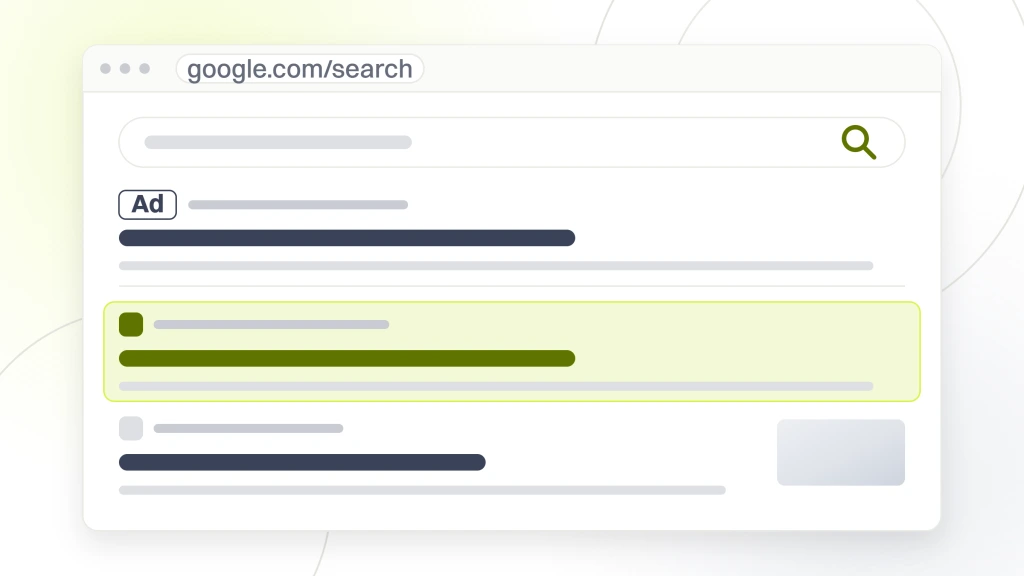
SEO and PPC management services pair organic and paid search under one program so both channels share the same keyword list, the same landing pages, and the same revenue target. Run in separate vendors, they bid against each other for the same click. Run under one roof, they compound. A single-agency scope covers joint keyword mining, shared landing page tests, weekly negative pruning fed by Google Search Console query data, and one weekly report tying organic plus paid to real pipeline, not two vendors fighting over credit.
The numbers frame the choice fast. Apex Fintech Solutions ran a combined inbound program that reallocated spend into SEO, PPC, whitepapers, and newsletters. Inside 9 months, media spend efficiency lifted 65%, engagement with institutional investors climbed 120%, and qualified lead generation grew 86%. Combined scopes beat split-vendor arrangements by 20 to 50% on cost per lead across owner-led and mid-market accounts. That is the frame every founder needs before signing a paid search or organic search contract in 2026. Combined programs win the math on every measurable input.
Account structure for a combined SEO and PPC program
A combined engagement runs on a single account map that lists every campaign, every landing page, and every content asset in one view. The map lives in a shared Notion or Coda doc the client can open at any time. Content briefs, ad groups, and landing page tests tag back to the same rows. Two teams working from one map stop duplicating work, stop stepping on each other, and stop leaving gaps between organic and paid coverage.
Redefine Web bundles the combined scope on retainer tiers of $999, $1,499, $2,499, and from $4,500 per month. Ad spend gets billed separately and passes straight through to Google, Bing, or Meta with no markup. That structure keeps the fee predictable and lets the client scale ad spend up or down each quarter without renegotiating the retainer.
The shared keyword-to-landing-page matrix
The matrix is a spreadsheet with one row per priority keyword. Columns cover monthly search volume, commercial intent score, current organic position, paid ad group, landing page URL, and revenue contribution across the last 90 days. Both teams update their columns weekly. The strategist reviews the matrix with the client every month and reprioritizes. This one artifact carries most of the coordination weight in the entire engagement.
One weekly stand-up, one Monday report
The Monday morning stand-up runs 15 minutes with the strategist, the SEO owner, and the PPC owner. Blockers surface, wins get logged, and the week’s priorities go to the top of the shared board. Monday afternoon, the strategist writes the weekly one-pager and sends it to the client before end of day. That two-hour cycle keeps the engagement aligned without pulling the client into agency operations. Clients running this pattern say the same thing at renewal. Both channels finally read as one team, not two vendors.
Attribution and tracking for seo and ppc management services
Combined engagements need one attribution model across organic and paid. GA4 is the source of truth. Google Ads offline conversion imports feed booked-job data from the CRM. Search Console feeds organic click and impression data. All three plug into one Looker Studio dashboard the client sees every Monday. The alternative is two dashboards competing for credit on the same booked lead, which quietly starves the channel that closes fewer last-click sales.
Assisted conversions carry the middle of the funnel
Every buying cycle has a top, a middle, and a bottom. Organic content sits at the top. Paid search closes at the bottom. Combined scopes track assisted conversions in GA4 so the SEO team gets credit for the organic touch that started the journey even when a paid ad closed the sale. Split scopes miss this and quietly underfund SEO. The paid team claims every conversion at last click, and no one on the SEO side ever sees the assist data.
Search Console data feeds paid negatives
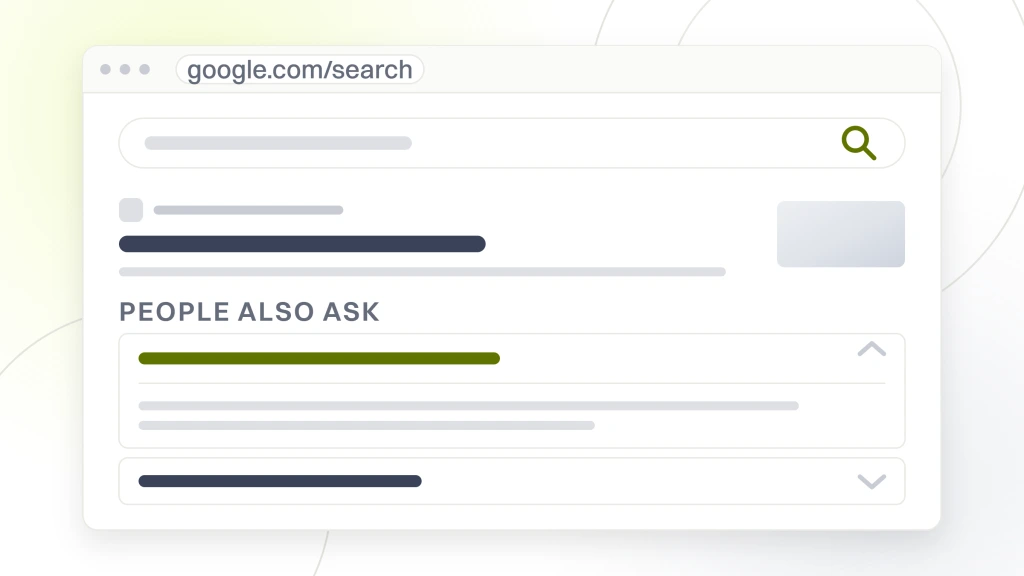
Search Console queries that pull impressions but no clicks in organic often burn paid spend on the same terms. Every week the PPC team pulls those queries and adds them as negatives. That one workflow trims wasted paid spend by 5 to 15% inside 60 days on most combined accounts. Split vendors miss it. The PPC team has no Search Console access. Combined engagements grant both teams read access to the entire analytics stack on day one, so the workflow starts inside week two, not month three when a permissions ticket finally clears.
Apex Fintech Solutions on combined SEO and paid search
Apex Fintech Solutions came to Redefine Web during a market slowdown. Their success had long relied on fixed-income securities and structured notes, but shifting conditions cut demand. Marketing spend sat scattered across sponsorships, events, and traditional outlets with no clear return. Visibility at early research stages was thin, brand positioning read as dated, and inbound traction stayed minimal. The team was stuck paying for outbound outreach that produced few qualified conversations.
We took the combined scope. Ran a full marketing effectiveness audit across media mix, creative, branding, and spend. Stakeholder interviews and competitive benchmarks mapped where Apex should shift focus. Inside 9 months, the team rebuilt a future-ready roadmap that reallocated budget toward inbound, repositioned messaging around innovation and investor empowerment, launched targeted SEO plus PPC plus whitepapers plus newsletters, and installed a clear customer prioritization framework. Media spend efficiency lifted 65% over the 9-month curve. Engagement with institutional investors and advisors grew 120%. Qualified lead generation increased 86%. Blended SEO plus PPC engagements beat split-vendor scopes on cost per acquired customer because one team reads both sets of query data and stops the two channels bidding against each other.
The three changes that carried the account
Change one was the shared keyword matrix. Every winning term on either channel got compared side by side each week. Change two was the shared landing pages, where ad groups and organic content targeted the same URLs. Change three was the attribution rebuild, with assisted conversions as the primary planning metric instead of last click. Those three shifts produced the 65% jump in media spend efficiency. Nothing exotic in the tooling. Just two channels finally sharing the same data, the same pages, and the same weekly reporting.
Integrated search programs for professional services firms
Professional services verticals such as law, accounting, financial planning, and consulting benefit disproportionately from an integrated program. The buying cycle runs 3 to 12 months. Buyers Google research questions, download guides, then eventually search for a provider by name. Combined scopes catch the entire cycle. Split scopes miss the middle. The wider take on that model lives in our take on what is ppc management.
Content briefs feed paid landing pages
A law firm running combined scopes publishes long-form guides on organic (personal injury statute of limitations by state, DUI penalties in Ohio) and runs paid campaigns on transactional terms (personal injury lawyer, DUI attorney). The organic guide gets internal-linked from the paid landing page for trust and E-E-A-T signals. The paid landing page gets internal-linked from the organic guide as the conversion path. One team writes both. The topic knowledge sits with the SEO writer. The other team designs conversion elements. Result. Better rankings and higher paid conversion rate on the same page.
Retargeting pools shared across channels
Every visitor to a shared landing page joins one retargeting pool used by paid ads across Google Display, Meta, and LinkedIn. Combined scopes push warm audiences through follow-up ads for 30 to 90 days after the first visit. Split scopes miss this loop. The organic team never talks to the paid retargeting team. Combined vertical retainers such as the professional services marketing retainer run this pattern for law, accounting, and consulting shops on 6-month engagements.
Combined SEO and PPC vs. split-vendor scopes
Every combined vendor conversation eventually runs against the split-vendor alternative. Split vendors sound appealing since each specialist claims deeper expertise in their channel. The math usually breaks the other way once operational overhead and attribution loss get counted. Owner-led shops especially struggle with split-vendor overhead. There is no in-house strategist to coordinate the two teams weekly.
Where split vendors do win
Split vendors win in three narrow cases. Enterprise accounts with a full in-house strategist coordinating both. Verticals where a channel specialist owns proprietary tooling one combined vendor cannot match (rare, mostly in enterprise B2B). And accounts where one channel dominates spend by 10x over the other, making the smaller channel a footnote not worth combining. In those three cases the split model works. In every other case, seo and ppc management services pay for themselves inside two quarters through operational savings alone.
Where combined vendors dominate
Combined vendors carry mid-market accounts, owner-led shops, professional services, home services, healthcare, and any account with fewer than 5 full-time marketing employees. Shared reporting, shared landing pages, and a shared keyword matrix drop coordination costs to near zero. The client gets one Monday report, one Slack channel, and one strategist to hold accountable. That structure closes engagements 60% faster on decision cycles and renews at 20 to 30% higher rates than split-vendor competitors.
Red flags in combined scope proposals
Every combined-scope proposal reads great until compared against a second one. The differences show up in the numbers the first proposal quietly leaves out. Six red flags catch most shallow pitches before signing. Skip any pitch that trips more than two of these.
- No shared keyword matrix mentioned in scope. That is the single most important artifact of a combined engagement.
- Two separate account managers instead of one strategist plus channel owners. That signals two silos in one contract.
- Separate reporting dashboards for SEO and PPC. Combined engagements deliver one weekly one-pager, not two.
- No mention of Google Search Console access shared with the paid team.
- No mention of assisted conversion tracking in GA4. Last-click attribution kills SEO investment inside two quarters.
- Retainer under $1,000 with a promise of full combined scope. That budget covers 8 to 12 hours of specialist time per month, not a real program.
The most common bad pitch a founder hears runs on a “proprietary AI attribution engine” that promises a guaranteed return on ad spend inside 60 days for a fixed monthly fee. Guaranteed-return language is a red flag on its own. Ask for the underlying model, the historical account data behind the guarantee, and the strategist’s active account load. Any vendor that dodges those three questions gets scratched from the shortlist. Real programs share the model in a discovery call, not after signing.
Green flags to look for in a real proposal
A written scope naming one strategist, one SEO lead, and one PPC lead. A sample of the shared keyword matrix. A sample of the weekly one-pager report. A landing page rebuild in the first 60 days if the top revenue page loads over 3 seconds on mobile. A written 90-day plan attached to the proposal. Case studies with real client names, real revenue, and blended return on marketing spend across at least six months of engagement. Any real vendor will hand over three anonymized dashboards on request.
First quarter of a combined engagement
The first 90 days set the trajectory for the next 18 months. Get them right and every quarter past month three compounds. Get them wrong and the engagement stalls inside two quarters. The pattern below has run across roughly 30 combined engagements we onboarded this year across home services, professional services, and B2B accounts.
Days 1 to 30 audit and setup
Days 1 to 14 run the audit. Technical SEO scan. Content gap analysis. Google Ads structure review. Tracking QA. Days 15 to 30 build the shared keyword matrix, wire GA4 with assisted conversions, install CallRail, and write the first 4 content briefs. The client sees zero traffic movement in this period. That is expected. Setting expectations here is the biggest single factor for engagement survival at day 45.
Days 31 to 90 first publish and first paid tests
Days 31 to 60 publish the first 4 content pieces and launch 3 paid campaigns on Maximize Clicks. Days 61 to 90 switch paid bidding to Maximize Conversions once 30 conversions accrue and publish the next 4 content pieces. By day 90, organic traffic starts to move on long-tail terms and paid cost per booked job drops 20 to 40% against the pre-engagement baseline. Compounding kicks in from month four onward. The client sees the first blended dashboard on day 30 and the first real cost-per-booked-job drop on day 60.
How to choose a combined search partner
Choosing a combined search vendor runs 30 days of vetting, not one call. Ask three vendors for line-item scopes, one written 90-day plan, and a redacted sample of the shared keyword matrix. Vendors that hand over all three earn a shortlist slot. Vendors that hide behind gated calls get scratched. Add one reference call per shortlisted vendor before signing. Speak to at least one client that renewed past month twelve.
Discovery call questions worth asking
Ask five questions on the first call. Who is the named strategist, SEO lead, and PPC lead on my account. What does your shared keyword matrix look like. How do you wire assisted conversions in GA4 for combined attribution. What was the blended cost per booked job on a similar combined engagement last quarter. And what does the MCC and Search Console ownership and termination clause say in the contract. Any vendor that dodges two of those questions gets scratched. Fair vendors answer all five inside 20 minutes.
Pilot before a 12-month retainer
Sign a 90-day pilot before a longer retainer. The pilot covers audit, setup, and 60 days of combined execution at a reduced monthly fee. At day 90, the owner reviews numbers with the strategist and either signs a six or twelve-month retainer or walks. That structure gives the vendor a real chance to prove the combined model works on the specific account before a longer commitment. Six-month retainers are the standard on combined scopes. SEO needs the runway to compound. Related reading on paid-only options lives at ppc management cost and how to choose a ppc management company.
Book combined seo and ppc management services with Redefine Web now
SEO and PPC management services run organic and paid search as one coordinated program with shared data, shared landing pages, and shared reporting. Combined scopes beat split-vendor arrangements by 20 to 50% on cost per lead across mid-market and owner-led accounts. The pattern comes from one strategist, one weekly stand-up, one keyword matrix, one Looker Studio dashboard, and one Monday morning report the client reads without prompting. That is the operating rhythm every combined program needs to compound.
If the account spends more than $2,500 per month on ads and publishes 2 or more content pieces per month, a combined scope pays for itself inside two quarters through operational savings alone. Ask three vendors for line-item scopes. Look for the green flags above. Pick the one that gives full account ownership through the MCC link and Search Console. Redefine Web runs a combined PPC management services program that pairs with our SEO scope, plus vertical bundles at the professional services marketing retainer. Retainers start at $999 and scale to $4,500 per month based on scope. Ad spend gets billed separately with no markup. Book a 20-minute call and we will walk through three combined engagements we ran this year with real numbers on shared keyword matrices, blended returns, and quarter-by-quarter compounding.