International seo for manufacturers is three problems stacked into one. You need to rank locally near your facility for regional buyers who want a nearby supplier. You need to rank nationally for buyers anywhere in your home country who type in spec queries. And you need to rank in your export markets so a specifier in Manchester, Munich, or Melbourne can find your product page in their language and their measurement units. Most manufacturers try to run one campaign across all three surfaces and end up half-ranking on all of them.
You will get the full playbook in the next twelve minutes. The three-surface split. The hreflang setup that keeps buyers on their country version. The content translation math. The local pack tactics for regional visibility. The country-by-country pricing bands. And a real BSH Hausgeraete Turkey case study with numbers you can actually plan against. Read straight through, then match each surface to your export map.
In our work with BSH Hausgeraete GmbH, Europe’s largest home appliance manufacturer, the BSH Turkey site produced 15 percent growth in lead generation, 3 percent gain in organic traffic, and 45 seconds of extra average session time after backend modernization plus UX redesign preserved the SEO architecture. That is the outcome bar international seo for manufacturers should aim at when a real multi-brand European giant runs the program.
International seo for manufacturers per country
Real international seo for manufacturers targets each export country individually. Your German buyer wants German-language content, EUR pricing, CE certification, and DIN standards references. Your UK buyer wants British English, GBP pricing where relevant, UKCA or CE marking, and BSI standards references. Your Australian buyer wants Australian English, AUD pricing, and Australian Standards references. Machine-translating the US site and calling it done leaves 60 to 80 percent of the international opportunity on the table.
The international stack per country runs seven items. A country-specific subfolder or subdomain like yourcompany.com/de or de.yourcompany.com. Hreflang tags pointing search engines to the right version. Content translated by a native speaker with technical fluency in your product category, not machine-translated. Local pricing where publishable. Local certifications and standards prominently displayed. In-country contact information and a local phone number if you can support it. And country-specific link acquisition targeting that country’s industry publications and trade associations. For the full breakdown of SEO strategies specifically for manufacturers, see our manufacturing SEO strategy guide.
Hreflang setup for country versions
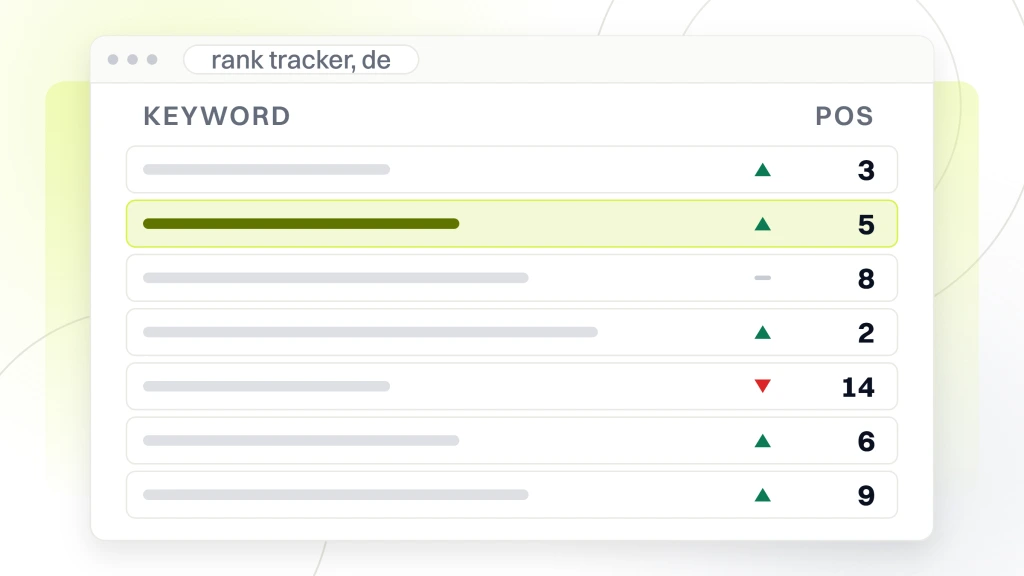
Hreflang tags tell Google which language and country version to serve to which searcher. Every page in every language has hreflang tags pointing to itself and every other language version. A common structure has en-US, en-GB, en-AU, de-DE, and fr-FR versions all cross-linking. The tags live in the head of each page or in the XML sitemap. The XML sitemap approach scales better for large catalogs. If your product catalog runs on Shopify or another commerce platform, see the international SEO for ecommerce hreflang playbook for platform-specific implementation notes. Reference the Google localized versions guide for the current implementation recommendations.
Content translation math
Content translation for industrial products costs $0.12 to $0.35 per source word depending on language complexity and technical review requirements. A 3,000-word product page translated properly costs $360 to $1,050. For a catalog of 500 product pages, that is $180,000 to $525,000 to translate the full catalog into one language. Nobody translates the full catalog at once. Start with the top 50 pages by revenue potential in the target country. Translate those first. Measure results at 6 months. Expand to the next 100. This staged approach limits the upfront translation cost and lets you validate the market before committing full budget.
Seo for uk manufacturers and other English-language markets
Seo for uk manufacturers is a special case in international seo for manufacturers. The language is English, mostly the same. The certifications differ. The currency differs. The buyer conventions differ. And Google.co.uk versus Google.com sometimes serve different results for the same query. UK, Australia, Canada, and Ireland all share this pattern. Shared language but different market conventions requiring dedicated country content.
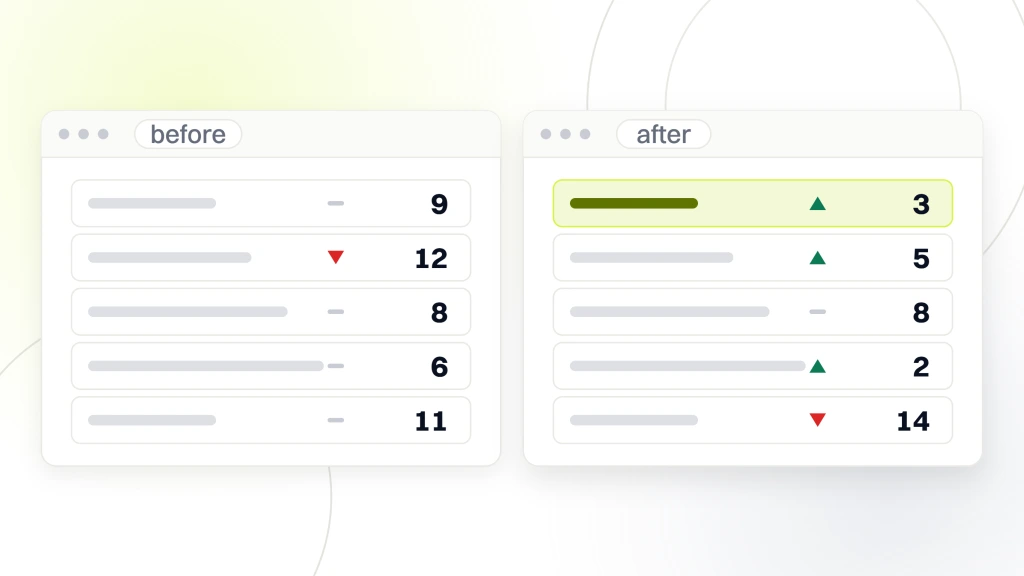
The English-language international stack uses a country-specific subfolder for each market like /uk/, /au/, or /ca/ with hreflang tags. Content is adapted, not translated, for the country. British English spellings like color and catalog. UK certifications like UKCA post-Brexit with some CE still. UK pricing where publishable. UK phone number. UK office address if available. Product spellings and units may differ. Millimeters are standard in UK, inches sometimes in US. Duplicate the top 50 pages with these country-specific edits. Skip machine-generated duplicates that Google will detect and demote.
UK certifications post-Brexit
UKCA marking replaced CE for products sold in Great Britain, meaning England, Scotland, Wales, as of 2025. Northern Ireland still accepts CE. Products sold in the EU still need CE. Your UK site content should reference UKCA prominently. Your EU site content should reference CE. Products with dual UKCA and CE marking need both mentioned. This is a small content detail with big search implications. UK buyers searching for a specific certification requirement filter their vendor list by which certifications the vendor claims. Get this content right and you appear on the shortlist. Get it wrong and you are invisible.
Australian market considerations
Australian buyers search Google.com.au and expect Australian companies at the top. If you are a US exporter targeting Australian buyers, the challenge is convincing Google you serve the Australian market. Signals include Australian phone number, Australian office address if you have one, Australian Standards references, AUD pricing where publishable, hreflang en-AU tags on the /au/ subfolder pages, and links from Australian industry publications. Without these signals, your en-US pages rank below the local competitors regardless of how strong your product content is.
Benefits of seo for international b2b manufacturers
Benefits of seo for international b2b manufacturers extend past direct RFQ generation. International SEO signals to buyers that your company is a real global player. Buyers checking out a supplier look at the website’s country versions as one signal of the supplier’s operational maturity. A US-only site suggests limited export capacity. A US, UK, German, French site signals global reach. That perception alone can win deals your product spec might not close by itself.
Concrete benefits show up in seven places. Direct international RFQs from buyers who could not find you before. Improved close rates in target export markets, so buyers see local content and pricing that fits them. Reduced dependency on trade shows and cold outreach in export markets. Longer-term brand building in target regions. Better positioning against domestic competitors in your export markets. In some categories, exchange rate advantages that make your products more competitive during favorable currency cycles when buyers can find you online. And diversification against single-country economic downturns that hit every US buyer at once. The wider question of whether SEO is being phased out is covered in our manufacturing SEO strategy piece too.
- Direct international RFQs from previously unreachable buyers
- Improved close rates via local content and pricing
- Reduced dependency on trade shows in export markets
- Long-term brand building in target regions
- Competitive positioning against local competitors
- Currency-cycle advantage capture when USD softens
- Diversification against single-country economic downturns
Diversification benefit
US manufacturers relying only on US demand carry concentration risk. A US recession hits every US buyer at once. A manufacturer with 30 percent export revenue diversified across Europe and Asia rides through US-specific downturns more comfortably. International SEO is the marketing side of that diversification. Without visibility in export markets, you cannot capture the buyers who exist in those markets during good or bad US economic cycles. Investing in international SEO during good times prepares the pipeline for the next downturn.
Brand building in export markets
Brand awareness compounds over years in export markets. A German buyer who saw your German content in 2024, downloaded a spec sheet in 2025, and finally issued an RFQ in 2026 is worth ten cold introductions. The SEO investment across those years built recognition even during the periods when no immediate RFQ came from that specific buyer. Long-term brand building through content is not as measurable in month one as direct-response ads. It compounds better across three to five years.
Every manufacturing site has a We Ship Worldwide banner across the top of the homepage. Underneath it, the entire site is in American English with USD pricing and NEMA standards references. The banner is technically true. The site’s ability to actually convert a Munich engineer into an RFQ is technically zero. The Munich engineer clicks over to a German competitor’s DIN-standard product page and forgets you existed by lunch. The We Ship Worldwide banner is a wish list, not a strategy.
Country-by-country pricing for seo optimization for international b2b manufacturing
Seo optimization for international b2b manufacturing runs country by country. Budget per market varies with market size, competition, and content translation depth. Rough bands for the first year of a new country entry sit between $18,000 and $50,000 depending on catalog scope and language complexity. That covers content translation for the top 50 pages, hreflang setup, in-country link building, and monthly retainer through year one.
The country pricing bands break down like this. English-language English-adjacent markets like UK, Ireland, Australia, Canada, and New Zealand run $18,000 to $28,000 first year, so content adaptation stays lighter than full translation. Western European non-English markets like Germany, France, Netherlands, Spain, and Italy run $25,000 to $40,000 first year including professional translation. Asian markets like Japan, Korea, China, and India run $30,000 to $50,000 first year including specialized translation and often different SEO tools such as Baidu for China and Naver for Korea. Latin American markets run $22,000 to $35,000 first year. Middle Eastern markets run $28,000 to $42,000 first year including RTL layout considerations for Arabic where relevant. Our published SEO retainer tiers run $999, $1,499, $2,499, and from $4,500 per month for the ongoing per-country work after the initial build.
Ongoing per-country costs after year one
Year two through five costs run $8,000 to $18,000 per country per year for maintenance, additional content, and continued link building. The first-year investment is the heaviest. Once the foundation is in place, meaning subfolder structure, hreflang, top 50 pages translated, and initial link portfolio, subsequent years mostly add depth. Track results at 18 months per country to decide whether to expand investment, maintain, or reduce.
Go/no-go decision at 18 months
At 18 months per country, evaluate three questions. Have you seen at least 10 RFQs from the country. Have you closed at least 2 deals with real revenue. Is the pipeline growing month over month. If yes to all three, expand investment. If yes to two of three, maintain. If yes to only one or none, reduce scope. Some countries look great on paper as large industrial economies but do not produce for specific product categories. Better to know at 18 months than to keep spending on a market where the product-market fit is not there.
BSH Hausgeraete case study across national and international seo for manufacturers
BSH Hausgeraete GmbH is Europe’s largest home appliance manufacturer, home to Bosch, Siemens, Gaggenau, and Neff, with 15.9 billion euros in 2022 revenue. Their BSH Turkey site had significant traffic but underperformed in conversions, hit hard by outdated backend systems and poor user flows. The engagement modernized the backend, redesigned the frontend, and optimized the funnel without breaking the SEO architecture that had been built over years of national and international ranking work.
Results from the BSH Turkey engagement show what a serious international SEO plus UX program looks like inside a European multi-brand giant. Lead generation up 15 percent through UX redesign and funnel optimization. Organic traffic up 3 percent, since the SEO structure stayed preserved through the redesign instead of being broken by careless migration. Average session duration up 45 seconds after the frontend redesign made department navigation and product discovery easier for Turkish buyers. Those numbers matter more since they were achieved without sacrificing the strong SEO rankings BSH had earned. For what SEO looks like inside the manufacturing sector generally, see best manufacturing SEO agencies.
International lessons transferable to your program
Three lessons transfer from BSH to any international expansion. First, preserve the SEO architecture through any redesign or backend migration. Broken migration undoes years of ranking work in weeks. Second, treat each country site as its own campaign with dedicated UX, content, and conversion path work. Cross-country campaigns that share generic English content perform worse than dedicated country campaigns at any budget level. Third, connect backend infrastructure quality to frontend conversion. A slow, outdated backend caps the frontend improvements you can ship. Fix the backend bottleneck first, then the frontend redesign and funnel work pays off in real lead numbers.
Sequencing country entries
Sequence country entries carefully. Do not launch four countries at once. Launch one, prove the model at 18 months, then launch the next. This staged approach keeps budget manageable, applies lessons from country one to country two, and prevents the resource drain of running four half-invested campaigns instead of one fully-invested campaign. Manufacturers who try to enter multiple countries simultaneously usually see all of them underperform. Manufacturers who sequence country entries see each one hit the go/no-go threshold on schedule.
Common mistakes in international seo for manufacturers
The six mistakes we see most often across international SEO engagements are consistent year over year. Each one costs 6 to 18 months of runway and often thousands in wasted budget. Machine-translating the site and calling it international SEO. Skipping hreflang setup and letting Google guess which version to serve. Using the same content across every country instead of adapting for local certifications and standards. Buying links from cheap country-specific directories that damage the profile instead of helping. Ignoring local search engines like Baidu in China, Naver in Korea, and Yandex in Russia where those markets matter. And launching multiple countries at the same time without proving the model on one first. Any two of these together will kill the international ROI. A quick manufacturing SEO audit catches most of them before they compound.
Machine translation problems
Machine translation works for tourism sites. It fails for industrial spec content. A CNC machining spec translated by Google Translate ends up with tolerance ranges in the wrong format, terminology that reads foreign to a local engineer, and phrasing that a native technical reader flags as amateur inside 30 seconds. Real translation costs money, since real translation requires a bilingual engineer or a technical translator with subject matter expertise. Budget accordingly. The alternative is a site that Google will index but no buyer will trust.
Hreflang implementation mistakes
Common hreflang mistakes cluster around four patterns. Return tags missing, where each language version must reference every other. Incorrect country codes, where GB for United Kingdom works but UK does not. Missing x-default for the fallback version. And the biggest mistake of all, no hreflang implementation at all, letting Google guess based on IP and user language settings. Even a partially correct hreflang setup outperforms none. Get the fundamentals right in month one and iterate.
How to get started on international seo for manufacturers this quarter
Start by mapping your export revenue. Which countries produce revenue today. Which are you targeting for traffic. Which have you never touched but should. This map tells you where to invest first. Countries with existing revenue but no local site content are the highest ROI first move. You are already selling there. The site infrastructure will let you sell more.
Then pick one country to prove the model. Not four. One. Build the /country/ subfolder, translate the top 50 pages with a real translator, set up hreflang, add local certifications, earn 5 to 10 in-country links, and track for 12 to 18 months. If it hits the go/no-go threshold, expand to a second country. If it does not, adjust or move to a different country. Our Manufacturing Marketing Agency Built for Industrial RFQs team runs this exact staged approach. See our Manufacturing SEO Built for Real Buyer Searches page for the ongoing SEO retainer detail. The Search Engine Optimization Services retainer covers the full technical, content, and link work across single or multi-country programs at $999, $1,499, $2,499, and from $4,500 per month depending on scope. And our Manufacturing Website Design That Drives Real RFQs page walks the site architecture requirements if the current platform cannot handle multi-country subfolders.
Below are the FAQs covering pricing, hreflang setup, common mistakes, and the country pricing bands worth planning against.