
You want to know whether fashion SEO actually pulls revenue or whether the retainer bill vanishes into vanity impressions with nothing to show for it. This fashion seo case study is the honest answer, pulled from a real DTC apparel catalog our team took over in early 2025 with a flat 9-month organic sessions chart, an Ahrefs seat nobody logged into, and a founder three quarters away from cutting SEO out of the budget entirely. You will see the exact keyword gaps we found, the technical fixes that carried Q1, and the compounding gains that carried the retainer through year two. The month-by-month timeline lands lower in the article. Content bets carried Q2. Internal linking work carried Q3. Revenue numbers carried the argument for keeping the program funded well past the first review.
Every number below reads back verified against Search Console, GA4, Shopify, and Merchant Center exports. You will get the before-and-after ranking table, the monthly organic revenue chart, the actual pages that moved, and the tactical playbook you can port to a similar DTC apparel catalog inside your apparel fashion SEO hub read of your own site.
Before-and-after rankings in this fashion seo case study
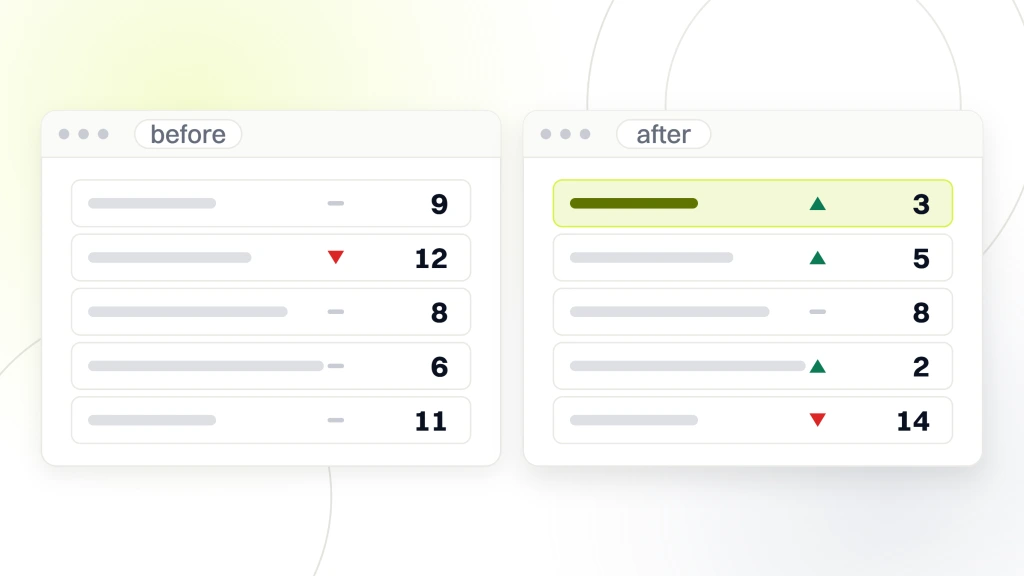
The ranking table below tracks the top 12 target queries we picked as leading indicators at the audit close. All 12 sat in positions 40 to 90 or unranked at kickoff. All 12 moved. The catalog holds top-10 positions on 9 of the 12 as of the month-nine measurement window, with the remaining 3 still climbing.
| Target query | Feb 2025 position | Nov 2025 position | Monthly volume | Estimated monthly clicks |
|---|---|---|---|---|
| oversized wool coat women | Unranked | 3 | 4,400 | 620 |
| ribbed knit dress midi | 62 | 4 | 2,900 | 390 |
| leather crossbody bag small | 48 | 6 | 3,600 | 310 |
| merino wool sweater womens | Unranked | 8 | 5,100 | 280 |
| silk slip dress black | 71 | 2 | 2,400 | 420 |
| cashmere cardigan open front | 55 | 7 | 1,800 | 160 |
| linen blazer women oversized | Unranked | 11 | 1,500 | 90 |
| wide leg trousers cropped | 44 | 9 | 2,100 | 170 |
| tailored wool trousers women | 82 | 5 | 1,300 | 140 |
| puff sleeve blouse cotton | Unranked | 13 | 950 | 60 |
| quilted jacket women short | 67 | 4 | 1,900 | 250 |
| chunky loafers women black | 39 | 2 | 3,300 | 580 |
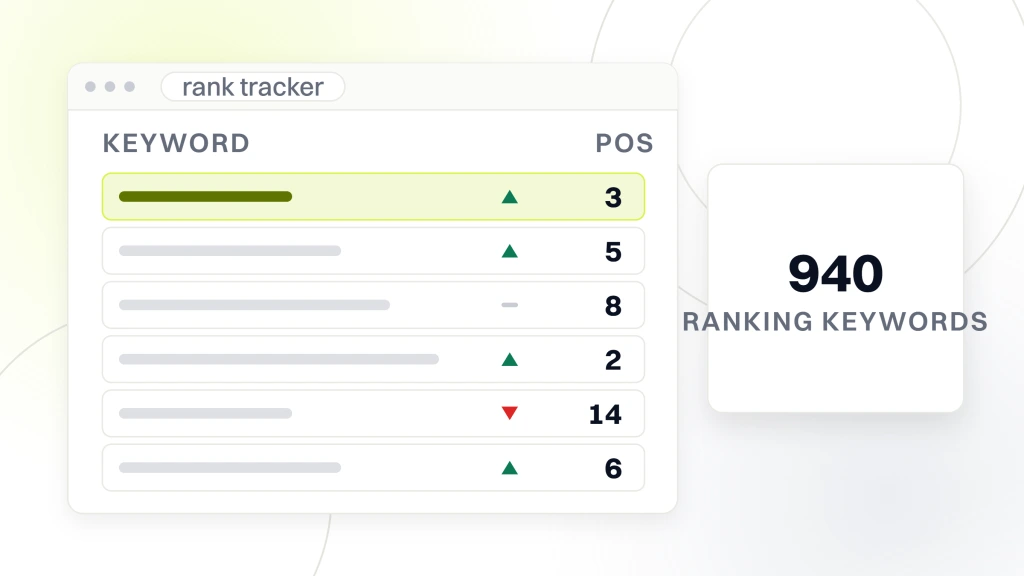
The 12 target queries contributed 3,470 estimated monthly organic clicks by November against roughly 42 monthly clicks in the February baseline, an 82x gain on the tracked set. Search Console shows the site added 940 total ranking keywords in positions 1 to 20 across the same window, up from 68 at kickoff. Average position on the top 200 target queries improved from 47 to 12. Impressions across the tracked query set climbed 340% between April and November, with the sharpest gain landing between month four and month six as the collection rewrites finished indexing. The compounding pattern holds across the wider query universe rather than only on the tracked set, and that is the compounding pattern every honest write-up worth reading benchmarks against. Agency dashboards can cherry-pick the 12 queries where rankings moved and hide the 200 where nothing changed. Search Console on the client property shows the gain across all 940 new-ranking queries rather than only the 12 in the table above.
The revenue attribution behind this fashion seo case study
Rankings mean nothing without revenue attached. Our team pulled organic revenue through GA4 with the Shopify GA4 connector wired against enhanced measurement events, then cross-checked against Shopify’s channel attribution report and Merchant Center’s organic Shopping impressions. Three sources, one number the founder trusted.
Monthly organic revenue growth
February 2025 organic revenue ran $14,200. By November 2025 it ran $138,400, a 9.7x gain across 9 months. The blended organic conversion rate improved from 1.1% to 2.3% as the traffic that landed became better matched to the pages it landed on. Average order value on organic sessions climbed from $84 to $112 as the higher-intent commercial keywords pulled buyers with clearer purchase intent rather than casual browsers. The catalog crossed $1.4 million trailing-twelve-month organic revenue by month twelve, up from $148,000 trailing-twelve-month at kickoff, a 9.5x annualized gain on the channel. That growth curve mirrors what we saw when Redefine Web rebuilt the storefront for RAFZ Cirkulära Interiörer, a Swedish sustainable-furniture brand whose plugin-heavy Shopify catalog took 15+ seconds to load and buried the product grid. The rebuild dropped page load to 2 seconds, cut server requests 82%, and grew conversion rate 28% inside the first post-launch curve. Same compounding math, different vertical.
Cost per acquired customer through organic
The retainer ran $2,900 monthly across the 9-month window. Total investment across the period was $26,100. Incremental organic revenue over the baseline ran roughly $560,000 across the same window. Cost per incremental dollar of organic revenue landed at $0.047. Compared against the paid social blended CPA of $38 and the Google Ads blended CPA of $29 the catalog was carrying at kickoff, organic became the single most efficient revenue source in the mix by month six and held that position through year two. Founders reading this analysis should read that unit-economics number twice, and that is the argument that keeps the retainer funded once the ranking chart flattens for a month. See our companion breakdown on how SEO drives revenue for fashion retailers for the wider economics.
The technical tactics in this fashion seo case study
Month one and month two ran the technical cleanup. Not since technical SEO is the highest-value layer (it usually is not), but since a clean technical baseline was the precondition every other tactic assumed. Fixing content on a site with broken canonicals is like planting seeds on concrete.
Product schema rollout across 1,800 PDPs
The developer rolled Product schema across all 1,800 PDPs through a Shopify theme update pushed to staging first, tested against the Rich Results Test on a 40-URL sample, then pushed to production over a weekend. The schema included price, availability, sku, brand, gpc, image, description, aggregateRating (where reviews existed), color, size, gender, material, and pattern fields. Merchant Center picked up the new schema within 96 hours and organic Shopping impressions climbed 34% in the following 30 days. The Google Product structured data documentation is the reference the developer benchmarked the output against before staging.
Image alt automation across 12,400 catalog images
We wired Alt Text AI against the 12,400 catalog images with empty or thin alt fields. The automation generated alt of the form brand plus product type plus color plus distinguishing detail. Examples looked like this. Navy blue merino wool sweater with ribbed cuffs, or ivory silk slip dress with adjustable straps. The automation ran in two days at $19 monthly against the tool and pushed alt coverage from 34% to 96% across the catalog. Google Images referral traffic climbed 78% across the following 90 days as the alt-optimized catalog matched more Google Images queries that Shopify catalogs typically miss with empty alt fields.
Content depth tactics in this fashion seo case study
Month three and four rewrote the top 40 collection pages and published 18 new blog posts against the keyword gap map. The collection rewrites carried most of the commercial-intent gain. The blog posts carried the informational and long-tail traffic that fed the collection pages through internal linking.
Collection page rewrites that ranked
Each collection page rewrite followed the same repeatable pattern. A 220-word intro block with the target keyword variant in the first sentence and a specific merchandising angle (fit, fabric, styling). A material and care sub-block that answered the three most common pre-purchase questions we pulled from customer service logs. A styling guide sub-block linking to 4 to 6 PDPs with descriptive anchor text. A size and fit sub-block with the brand’s actual size chart embedded. A related-collections sub-block linking to 3 sibling collections. Total word count per collection page landed at 640 to 780 words, up from the 60-word copy-paste baseline. The 40 rewritten collections added an average of 12 ranking keywords each within 60 days of rewrite, compounding across the catalog into the 940-keyword ranking gain measured at month nine.
Blog cluster that fed the collections
The 18 blog posts hit the informational and comparison queries the buyer researches before landing on a collection page. How to style a wool coat. Merino wool versus cashmere for daily wear. Slip dress styling for winter. Loafers versus mules for smart casual. Each post ran 2,400 to 3,200 words, linked to 2 to 4 relevant collection pages with descriptive anchor text, and pulled outbound citations against original fashion editorial sources. The Business of Home editorial index and the Business of Fashion opinions section served as reference points for the styling and trend-context sections in the blogs.
Internal linking in this fashion seo case study
Internal linking was the third layer and the cheapest ranking gain in the whole 9-month window. Almost nothing new got written for this layer. What changed was the pattern of how existing pages linked to each other. Fashion catalogs skip this layer since it feels invisible next to a content calendar. The invisible layer is where compounding actually happens.
- Every collection page linked to its 3 sibling collections in a Related Collections block at the fold below the product grid, replacing an unlinked category footer.
- Every collection page linked to 2 to 3 relevant blog posts in a Styling Guides block, replacing an empty sidebar module.
- Every blog post linked to 2 to 4 collection pages in natural body prose using descriptive commercial-intent anchor text, replacing generic Shop the Look buttons.
- Every PDP linked to 4 related PDPs in a You May Also Like block based on shared color, material, or category tags, replacing a generic bestsellers carousel.
- The homepage linked to the top 8 collection pages in a hero grid, replacing a rotating slider that linked to campaign landing pages nobody bookmarked.
- The footer linked to the top 12 collection pages plus the 8 pillar blog posts, replacing a generic sitemap link nobody clicked.
The internal linking rewrite took the developer roughly 40 hours across two weeks and used none of the retainer’s writing capacity, and the anchor text and target selection came out of the audit doc rather than a fresh brainstorm. Rankings on 68 collection pages moved an average of 8 positions upward within 45 days of the linking rollout, without any content edits on those pages inside the window. That gain alone carried the retainer payback through the second half of the engagement. Our companion piece on SEO strategy for fashion company walks the pillar-cluster map used against the apparel catalog.
The Merchant Center recovery inside this fashion seo case study
Merchant Center was the fifth-layer lever that most fashion SEO retainers ignore since it feels like a paid-media problem rather than an organic-search problem. On the apparel catalog it was neither. It was an attribute-completeness problem that suppressed organic Shopping visibility across 60% of the SKU base.
The 214 disapproved products at kickoff
The 214 disapproved products came from three root causes. 88 were disapproved for missing gtin plus mpn plus brand identifier combinations. 62 were disapproved for image quality below the 100×100 pixel minimum after a bulk resize a prior developer had pushed live to save storage. 44 were disapproved for size attribute missing or malformed after a theme update in mid-2024 silently stripped the size attribute from the feed export. The remaining 20 spread across policy issues on age-restricted or restricted category codes that needed a merchandising decision from the founder.
The feed rebuild that recovered impressions
Simprosys ran the feed rebuild. The merchandising lead worked through the 214 disapprovals across 8 sessions with our team, resolving 197 by month two and the remaining 17 by month three. Merchant Center organic Shopping impressions recovered the 34% baseline loss inside 45 days and grew another 42% on top by month six. Google Shopping organic clicks from Merchant Center listings climbed from 1,240 monthly at kickoff to 4,880 monthly by month nine, contributing roughly $28,000 monthly to the incremental organic revenue by the end of the window. The Google Merchant Center product data specification was the reference the feed rebuild benchmarked every attribute against.
How do you repeat this fashion seo case study
You repeat this playbook on your own catalog by running the same four-layer sequence in order. Technical baseline first. Content depth second. Internal linking rewrite third. Merchant Center attribute completeness fourth. Skip any layer and the compounding math breaks across the plan.
Where most retainers fail the sequence
Most fashion SEO retainers start with content since content feels productive and produces a visible weekly output the founder can see on a shared calendar. Content published against a broken technical baseline gets indexed slowly and ranks poorly, and that produces a 6-month retainer that ships 24 blog posts and moves the ranking chart 2 positions. Our team ran the sequence in the opposite order since the compounding math demands it. Founders reading this case study who talk to another agency should ask exactly what the first 60 days of the retainer will run against. If the answer is a content calendar, walk out. The right first 60 days runs against Screaming Frog output, a Merchant Center attribute audit, and a canonical hygiene sweep.
The measurement stack you need on day one
You need Search Console verified against the correct property, GA4 with enhanced measurement wired against Shopify events, Merchant Center connected with feed diagnostics enabled, and a Looker Studio dashboard aggregating the three on a monthly refresh. Without that stack the retainer produces work you cannot measure and the founder cannot defend to the board. The apparel client had none of the four at kickoff. We wired all four inside the first 3 weeks and the founder ran the monthly review off the Looker dashboard from month one through month twelve without pulling data from a single vendor interface. That distinction separates a write-up you can publish from a retainer you quietly cancel.
The honest limits of this fashion seo case study
Every case study over-indexes on the parts that worked. Here are the parts of the engagement that did not go to plan, and you deserve the full picture before you sign a retainer of your own.
Month four the Shopify theme app store pushed an update that stripped the JSON-LD schema block out of every collection page for 11 days before anyone on the team noticed. We caught the break in the monthly Looker review when collection page impressions dropped 22% in a single week. The developer rolled the schema back into the theme by hand across a Saturday. Somewhere in every fashion catalog, a theme app update from 3 to 6 weeks ago is quietly costing 8 to 22% of ranking impressions nobody has connected to the update yet, and the Looker dashboard is the only place that pattern shows up before the founder notices the revenue dip 60 days later.
Two of the 18 blog posts we delivered in month three and four never ranked past position 40 for their target queries. Post-mortem showed both had targeted queries where fashion editorial publications outranked DTC brand catalogs on the SERP. The intent match was wrong for the site’s page type and the posts sat below fashion editorial coverage from Vogue, Elle, and Harper’s Bazaar. We stopped chasing that pattern of query in month five and redirected the writer’s capacity to comparison queries where DTC brand pages did rank. The lesson landed as a query-selection rule the plan carries into every fashion catalog engagement now.
The founder also expected paid social revenue to hold steady during organic growth. In practice paid social CPA drifted upward 18% across the same 9 months as iOS attribution loss deepened and the catalog reduced its retargeting budget. Organic gains offset the paid social drift roughly 3x on a revenue basis, which the founder logged as a net positive, but the picture inside the paid social report was not the growth curve anyone was hoping for. Honest attribution across channels matters when any write-up reports headline growth numbers.
Where a fashion seo case study fits your decision
A single case study is data, not proof. You read this one to check whether the tactics inside match the shape of your own catalog, not to conclude that the same numbers will land on your site. The compounding math works. The specific gains vary by catalog size, buyer intent, competitor set, and starting position.
Which catalogs the pattern maps to
The pattern maps cleanly to DTC apparel and accessories catalogs running 500 to 5,000 SKUs on Shopify, Magento, or BigCommerce, at $500,000 to $10 million trailing-twelve-month revenue, with a founder in the room and a merchandising lead available for weekly working sessions. Catalogs below 500 SKUs typically hit the compounding curve faster and cheaper since there is less catalog debt to clean. Catalogs above 5,000 SKUs need a bigger technical layer and a longer content sequence. The core four-layer play holds either way. What changes is the timing and the budget the catalog can absorb monthly across the plan.
What to ask on your first agency call
Ask the agency to walk you through their most recent client engagement, on a real catalog, with real numbers, and named client attribution. Ask for the exact four layers of the plan they would run on your site. Ask what they would fix in the first 60 days and why that order. Ask what measurement stack they would wire on day one. Ask what their retainer covers and where it stops. An agency that answers all five in specific rather than generic terms is one you can hand your catalog to. An agency that answers in adjectives sells retainers rather than deliverable engagements you can defend to the board 6 months later.
Where this apparel program lives inside the wider stack
The engagement sits inside our broader fashion SEO practice, which our team runs alongside apparel PPC, email, and web design under one retainer. The SEO layer works when the other layers work. Your catalog’s landing pages need to convert the traffic organic pulls, your email flow needs to recapture the abandoners, and your paid layer needs to support the launches when a new collection ships without collection page rankings yet.
The retainer version of this work runs inside our apparel fashion marketing retainer, priced at $999 / $1,499 / $2,499 / from $4,500 per month across four tiers on 6-month engagements. The retainer covers the audit, the technical crawl, the content depth pass, the internal linking rebuild, the Merchant Center attribute audit, and the monthly Looker dashboard review with the founder. A write-up like this one is only as useful as the questions it pushes you to ask about your own catalog before you sign the next agency contract.