
Google ads management for plumbers sits at $999 to $4,500 monthly on the retainer at Redefine Web, with ad spend billed separately at $3,000 to $22,000 monthly depending on fleet size and metro. Disciplined accounts hold cost per booked job at $38 to $85 for emergency drain and pipe repair, and $120 to $260 for planned repipe or water heater installs. The math only works when the retainer covers separate campaigns for emergency calls, planned installs, commercial bids, and maintenance-plan sign-ups. Local Service Ads pair with standard search on the top four positions, and one retainer manages the shared budget. Below that scope, accounts drop into a single-campaign structure with a static budget and burn 30 to 50% of spend on wrong-intent traffic inside 45 days.
Every number below traces back to real Redefine Web plumbing and HVAC client accounts and rate cards from 18 home-services Google Ads shops we track. If the job-mix math is already familiar, skip straight to the fee table. If not, read the emergency versus planned economics section first, because that is where 80% of plumbing shops price their retainer wrong and lose 60 days of budget on the wrong campaign structure. This guide is written for shop owners, general managers, and marketing directors evaluating a new agency or auditing a current one.
Job mix math behind google ads management for plumbers
Every google ads management for plumbers retainer decision starts with plumbing job value. Emergency drain clears and pipe repairs land at $220 to $580 per ticket. Water heater installs run $1,800 to $4,200. Repipes and sewer line replacements run $4,500 to $16,000. Commercial plumbing bids run $2,500 to $85,000. Maintenance-plan sign-ups run $180 to $420 in annual value and generate three to five service calls over the life of the plan. Match the retainer to the shop’s job mix, because a $999 retainer earning back on 30 drain calls a month runs different math than a $4,500 retainer earning back on two commercial contracts.
Emergency service economics
Emergency plumbing campaigns produce the highest booking rate and the lowest cost per booked job in the account. Cost per click on emergency phrases runs $12 to $38 in most metros, and cost per booked emergency job sits at $38 to $85 depending on how tight the retainer keeps the negative keyword list. Call-to-book conversion runs 62 to 78% because emergency intent is decisive. Berks Plumbing, a residential plumbing client, cut cost per acquisition 67% and grew ad conversions 99% after we split their emergency campaign out from planned service and paired LSA properly. The math works. At $65 cost per booked drain call and a 72% close rate, cost per completed job lands at $90 against a $340 average ticket, a 3.8x return per job.
Repipe and install economics
Repipe and water heater install campaigns sit on longer decision cycles because homeowners get three quotes and the sales process runs 3 to 21 days. Cost per booked quote consult runs $85 to $180, and quote-to-signed-contract conversion runs 28 to 42% because homeowners shop hard on price. Cost per signed install job lands at $240 to $520 against average tickets of $1,800 to $4,200 for water heater work and $4,500 to $16,000 for repipes. Return on ad spend runs 8x for water heaters and 30x+ for repipe work, so both campaigns belong in the account with dedicated landing pages and financing partner integrations for homeowners who need CareCredit or GreenSky.
Google ads management for plumbers fee band by fleet size
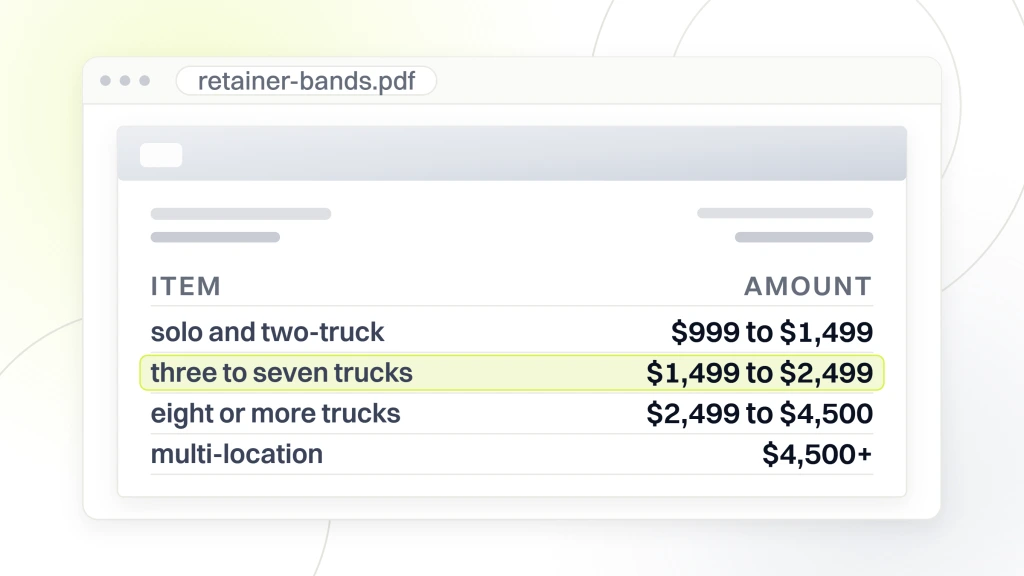
Fair plumbing Google Ads retainers land in a tight band by shop size and monthly ad budget. Redefine Web prices four tiers at $999, $1,499, $2,499, and from $4,500 per month, with ad spend billed separately. Solo owner-operators and two-truck shops slot into the $999 to $1,499 band. Growing shops with three to seven trucks slot into $1,499 to $2,499. Regional shops with eight or more trucks slot into $2,499 to $4,500. Multi-location plumbing operators slot into the $4,500-plus band. Anything cheaper than the $999 floor skips LSA pairing and emergency-versus-planned campaign splits, which are the two moves that separate a real plumbing retainer from a templated one.
Solo and two-truck operations
Owner-operator and two-truck plumbing shops running $3,000 to $7,000 monthly ad spend pay $999 to $1,499 for a real Google Ads scope. That retainer covers two campaigns split between emergency and planned service, LSA pairing under the standard search campaign, dynamic call tracking with dispatch qualification, monthly landing page tests, and monthly reporting tied to booked and completed jobs. Retainers under $999 usually cover a monthly login and a static bid rule. Read the home services Google Ads management page and the home services PPC hub for the fee ranges across plumbing and adjacent trades.
Growing and regional shops
Three-truck to eight-truck plumbing shops with $9,000 to $22,000 monthly ad spend pay $1,499 to $2,499. The retainer adds service-area geographic segmentation across three to five ZIP-code clusters, install-versus-repair campaign splits, commercial-plumbing bid campaigns, offline conversion imports from ServiceTitan or Housecall Pro, and weekly bid work on high-cost keywords. Regional shops running eight trucks or more pay $2,499 to $4,500 and add dedicated analyst hours for quarterly incrementality tests and reporting cadence to a general manager or private-equity backer.
LSA pairing inside a plumbing Google Ads retainer
Google Local Service Ads (LSA) pair with standard Google Ads at every serious plumbing retainer because the two channels cover different intent bands. LSA runs on pay-per-lead with Google-verified contractor badges and captures the highest-intent emergency drain and pipe repair calls at $18 to $42 per validated lead. Standard Google Ads runs on pay-per-click and captures broader intent for repipes, water heater installs, commercial bids, and maintenance-plan sign-ups. Skipping either channel leaves 25 to 45% of qualified booking demand on the table. Per the Google Local Services Ads verification documentation, LSA requires background checks on the license, insurance, and technicians.
Emergency LSA and standard search overlap
Healthy plumbing budget splits run 30 to 45% LSA and 55 to 70% standard Google Ads at the mid-market operator level. LSA and standard search overlap heavily on emergency queries, so joint bid management prevents cannibalization where the same searcher sees both an LSA and a standard search ad. Real agencies run daily bid coordination between the two channels and monitor the LSA lead-dispute queue for wrong-fit leads. Gwinnett Area Plumbers produced 141 new leads at a 14.6% conversion rate after we installed the shared LSA-plus-search budget model and rebuilt 10 service-specific ad groups. Real retainers manage LSA lead disputes weekly and file wrong-fit disputes inside 48 hours to keep the badge active.
LSA verification and profile work
LSA participation requires Google-verified background checks on the plumbing contractor license, insurance, and every technician on the truck. Real agencies handle the verification submission, the annual renewal, and the profile-optimization work of collecting Google Reviews at the LSA badge threshold. The practical work of pushing dispatch response time under three minutes and keeping the badge active sits inside the retainer. Miss the response-time gate for 30 days and the LSA badge drops in rank order, which cuts lead volume 25 to 40% inside the next two weeks.
Campaign structure for a plumbing Google Ads account
A real plumbing Google Ads account splits into six campaign buckets. Emergency drain and pipe repair, planned water heater install, repipe and sewer line, commercial plumbing bids, maintenance-plan sign-ups, and brand terms. Each bucket needs a distinct landing page, distinct ad copy, and distinct bidding strategy. Accounts that dump all traffic into one plumbing campaign lose 35 to 55% of budget to intent mismatch inside 45 days.
Emergency drain and pipe repair campaign
Emergency campaigns sit on the tightest keyword set. Clogged drain, burst pipe, no hot water, sewer backup, plumbing emergency, same day plumber. Ad copy calls out fast dispatch, no dispatch fee, and warranty coverage. Bidding runs at target cost per action against the booked-job goal with maximum bid caps around $55 in most metros. Landing pages show click-to-call in the hero, dispatch time within 60 minutes, star rating from Google Reviews, and a service-area check. Gwinnett Area Plumbers built 10 service-specific ad groups on this exact structure and pushed 968 highly targeted ad clicks through the funnel in four months.
Planned install and commercial campaigns
Planned install campaigns sit on research phrases. Water heater replacement cost, tankless water heater install, repipe cost, sewer line replacement. Ad copy calls out free quote, financing partners, and warranty terms. Landing pages run a multi-step quote form asking for home size, current system age, and preferred appointment window. Commercial plumbing campaigns target property managers and facility engineers with phrases like commercial plumber for property manager, backflow testing service, and industrial plumbing service. Landing pages call out same-day service level agreements, insurance verification, and after-hours dispatch fees on a per-visit line item.
Plumbing Google Ads pricing table by fleet
Below is the fee band we quote when a plumbing prospect asks what a fair retainer looks like at their fleet size. The floors match published rate cards from 18 plumbing-vertical Google Ads shops, cross-checked against real cost data from three Redefine Web plumbing client accounts across two states.
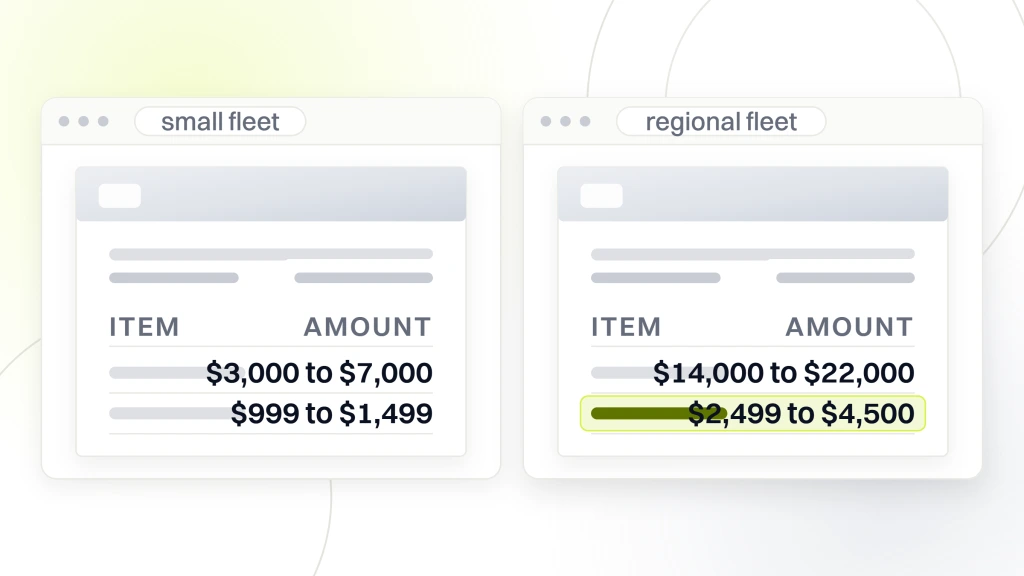
- 1 to 2 trucks. Ad spend $3,000 to $7,000. Retainer $999 to $1,499. Covers 2 campaigns split by intent, LSA pairing, monthly landing page, dispatch sync.
- 3 to 5 trucks. Ad spend $7,000 to $14,000. Retainer $1,499 to $2,499. Adds ZIP-cluster segmentation, install-vs-repair split, offline conversion imports.
- 6 to 8 trucks. Ad spend $14,000 to $22,000. Retainer $2,499 to $4,500. Adds multi-campaign structure, dedicated LSA management, weekly cadence, LP tests.
- 9+ trucks regional. Ad spend $22,000 to $45,000. Retainer from $4,500. Adds dedicated analyst, commercial campaigns, quarterly incrementality tests.
- Multi-location operator. Ad spend $45,000 to $150,000. Retainer $4,500-plus custom. Adds location-level attribution, franchise pod, brand plus territory structure.
Reading the table without getting fleeced
The fair retainer column reflects mid-market plumbing agency rate cards after removing outliers. A quote 30% above the top of your row usually reflects true home-services specialization worth paying for, especially if the agency runs 10 or more plumbing accounts and can show current cost per booked job benchmarks in your metro. A quote 40% below the floor means the agency will run the account against a template and skip the LSA management piece, which produces cost per booked job 45 to 70% higher inside the first 60 days. Two quotes below the floor from different shops in the same week is the market telling you the vertical is being commodified by pod agencies.
Ad spend to retainer ratio
Healthy retainer-to-ad-spend ratio for plumbing work sits at 15 to 25%. Below 12%, the agency cannot afford the LSA management and campaign-split work at scale. Above 30%, you overpay for weekly attention that a smaller plumbing-vertical shop delivers at a fair rate. The ratio holds inside that band across solo through mid-size regional tiers. Multi-location operators can hold at 12 to 15% because location-level attribution work scales cheaper per location once the analytics stack is built and shared campaigns amortize across offices. Ask any prospective agency to show you the ratio they run across their book and watch their face when they answer.
Tracking setup for a plumbing Google Ads account
Plumbing Google Ads tracking runs on three layers. Ad-platform conversion tracking captures form fills and clicks-to-call at the campaign level. Call tracking with dynamic number insertion attributes phone calls to the exact keyword that produced them and tags calls by service type. And ServiceTitan or Housecall Pro integration imports booked and completed jobs back into Google Ads through the Enhanced Conversions API. Missing any layer runs the account against the wrong signal. Read the Google Ads Enhanced Conversions documentation for the raw setup steps engineers work from.
ServiceTitan and Housecall Pro imports
ServiceTitan and Housecall Pro both export booked-job and completed-job data through webhooks that a real agency imports into Google Ads through the Enhanced Conversions for Leads API. Setup takes an engineer eight to fourteen hours per shop and runs $400 to $700 in one-time build cost. Once installed, Google Ads bids against completed jobs and revenue rather than form fills, which produces a 20 to 30% drop in cost per completed job inside 60 days. Parker Heating and Cooling, an HVAC client, cut cost per lead from $83 to $15 and hit an 18x return on ad spend after we wired end-to-end conversion tracking and rebuilt the ad account from scratch across 24 months.
Dispatch qualification tagging
Call whisper messages let dispatch hear a pre-answer message identifying which Google Ads keyword produced the call and which campaign bucket it belongs to. Qualification tagging in CallRail then flags each call as booked, quoted, or wrong-number, and those tags feed back to Google Ads through Zapier or a native integration. Firms without this piece optimize against raw call volume rather than booked and completed jobs, which means budget flows to wrong-intent traffic inside 30 days. Setup takes four to six hours and pays back at week three. McCormick Heating & Cooling drove 125 monthly leads at $15 each and doubled annual revenue after we installed condition-specific SEO, real-photography rebuilds, and dispatch-tagged call tracking across the account.
Red flags in a plumbing Google Ads agency quote
Six patterns in a google ads management for plumbers quote signal you should walk away. Two red flags together is a hard pass, not a negotiation opening. About 6 of 10 quotes prospects send us for a second opinion show at least one of these patterns, so learn the pattern-match before your next agency call. The two most common patterns are single-campaign structure and no LSA pairing, and either one on its own signals a non-vertical agency running a templated scope.
No LSA pairing or shared budget model
Any plumbing Google Ads quote that treats Local Service Ads as a separate line item outside the retainer or ignores LSA entirely signals a non-vertical agency. LSA and standard Google Ads share the top four search positions on any plumbing emergency query, so the two channels must be managed together. Ask the agency exactly how they split budget between LSA and standard Google Ads, how they handle cannibalization when both channels bid on the same searcher, and what their LSA lead-dispute cadence looks like. If the answer wavers or defers to a follow-up call, the shop does not manage LSA at any real depth.
Single-campaign structure for all service types
Any plumbing Google Ads scope that runs one campaign for emergency, install, commercial, and maintenance service is a hard pass. Emergency drain calls and repipe quotes look nothing like each other on the search side, the landing page side, or the dispatch side. A scope that quotes one campaign for the shop signals the agency treats plumbing like a template industry and skips the vertical-specific work.
In-house versus agency for plumbing Google Ads
Hiring an in-house paid media specialist for a plumbing shop costs $60,000 to $105,000 in loaded salary at the mid-market level, which works out to roughly $5,000 to $8,700 monthly. Add an analyst and the internal team lands at $10,500 to $15,500 monthly, which is the fair comparison point for an agency retainer above the $4,500 tier. Below $4,500 monthly, the agency wins on cost per booked job because the specialist team runs 15 or more plumbing accounts and pattern-matches wins fast across the book. Read Google Ads management pricing for the full fee-versus-scope breakdown across verticals.
When to bring plumbing Google Ads in-house
Bring the work in-house when monthly ad spend clears $55,000 across plumbing plus adjacent trades like HVAC or electrical, when three or more paid channels need coordinated attribution, and when the company has an operations partner willing to manage a paid media team day to day. Below those triggers, the agency model produces better cost per booked job because the specialist team pattern-matches wins across many plumbing accounts. Independent home services trade press covers the multi-trade in-house-versus-agency tradeoff in more depth if you want the case-by-case walk-through.
Hybrid staffing pattern for regional operators
The best-performing regional plumbing operators run a hybrid model. One internal marketing manager owns the roadmap plus a specialist plumbing Google Ads agency runs execution. Total spend lands at $4,500 to $8,000 monthly on the agency side and produces about 25% better cost per completed job than a pure agency stack at the same budget. The marketing manager owns brand, community sponsorships, and dispatch coordination. The agency owns platform depth and daily execution. That split works because the marketing manager knows the community and dispatch capacity while the agency team pattern-matches wins faster than any solo hire across many plumbing accounts.
Contract length and cancellation clauses to demand
Standard plumbing Google Ads contracts run six months with a 30-day out clause after that. Anything longer than 12 months signals the agency needs runway to earn back an underpriced setup and usually means overpriced monthly work. Anything shorter than 90 days rarely gets past one full LSA verification cycle, so the fair cost-per-booked-job numbers never show. Six months is the honest floor for plumbing work and matches what Redefine Web writes into every plumbing retainer agreement.
Why the six-month floor works for plumbing
The first 30 days go to account audit, tracking install, LSA verification submission, and campaign restructure. Days 31 to 60 launch campaigns and clear LSA verification. Days 61 to 90 scale winners and cut losers. Month four is when bidding algorithms have enough booked-job data to price keywords properly, and the seasonal shift into fall drain and pipe-freeze season adjusts. A three-month contract barely gets past LSA verification. Six months clears at least one full seasonal transition and one full LSA badge review cycle, which is the earliest honest window to judge the account.
Ad account ownership clauses
Every fair plumbing contract transfers full Google Ads account ownership to the shop at signing. The agency runs the account under the shop’s Google Ads ID through the manager-account link, not the other way around. Same rule applies for the Local Services Ads profile, since the LSA badge and review history belong to the plumbing contractor license. Any agency that insists on holding the ad account or LSA profile inside their own manager account is telling you exactly what happens to your keyword history and review data on the way out. Get that clause in writing before setup runs and read it twice.
Pricing by service mix and job type
Service mix changes the fair retainer by 20 to 40% versus the baseline table. Emergency-heavy operators pay 15 to 20% below baseline because campaign structure is simpler. Repipe-heavy and water heater-heavy operators pay 15 to 30% above baseline because sales cycles are longer and landing pages need more work. Commercial plumbing operators pay 25 to 40% above baseline because account-based targeting layers and lengthy quote workflows sit inside the retainer and require analyst time.
Emergency-heavy versus install-heavy operators
Emergency-heavy operators booking 70% or more of jobs on drain, pipe, and repair work pay $999 to $1,499 monthly at the retainer level. LSA runs at 40 to 50% of ad budget because emergency queries fit LSA’s pay-per-lead model best. Install-heavy operators booking 40% or more on new water heater install and repipe pay $1,499 to $2,499 because install landing pages need more work and the sales cycle produces quote-follow-up workflows outside the ad platform. Read the Google Ads management for HVAC breakdown for the adjacent-trade fee comparison.
Commercial and property-management operators
Commercial plumbing operators serving property managers and facility engineers pay $2,499 to $4,500-plus monthly at the retainer level because campaign structure adds account-based targeting layers, service level agreement pricing, and multi-decision-maker landing pages. Ad spend runs $10,000 to $25,000 monthly split across commercial-emergency, commercial-repipe, and preventive-maintenance-contract campaigns. Cost per booked commercial contract lands at $350 to $850 with average contract value at $4,500 to $22,000 annually. The retainer earns back inside the first two signed contracts, and the third contract funds the year.
How to pick the right plumbing PPC agency
Pick a google ads management for plumbers agency by three inputs. Number of active plumbing accounts they run today, whether their scope includes weekly call-recording review by a named staffer, and their case-study library for plumbing shops in your metro and fleet size. Match those inputs against your ad budget and service mix, then check the six red flags before signing. Reference the best Google Ads management agencies shortlist for the vertical-specific scoring rubric we use on second-opinion audits.
Five questions to ask on the discovery call
Ask five questions on the discovery call. First, how many active plumbing accounts run at your agency today and how many in my fleet size. Second, how do you pair LSA with standard Google Ads and what is the shared-budget model. Third, how do you split emergency campaigns from install and commercial campaigns. Fourth, how do you handle offline conversion imports from ServiceTitan or Housecall Pro. Fifth, what does the cancellation clause say and who owns the Google Ads and LSA profiles at exit. If any answers dodge or defer to a follow-up, keep looking.
Case study patterns worth trusting
Trust a case study that names the plumbing shop, the fleet size, the metro, the retainer band, and the cost per booked job at 90-day and 12-month marks. Ignore case studies that quote impression counts or click-through rates without a booked-job number. Berks Plumbing produced 99% more ad conversions and 67% lower cost per acquisition on our program. Gwinnett Area Plumbers hit 141 leads at a 14.6% conversion rate in a four-month sprint. Parker Heating and Cooling cut cost per lead from $83 to $15 at 18x return on ad spend. McCormick Heating & Cooling doubled annual revenue on 125 monthly leads at $15 each. That is the shape of a real home-services case study.
Getting real value from your plumbing PPC retainer
Google ads management for plumbers sits in a tight fee band once you strip out the sub-$999 templated retainers and enterprise 25-percent-of-spend outliers. Between $999 and $4,500 monthly is where 80% of mid-market plumbing shops find real value at Redefine Web pricing. Match the fee to fleet size and service mix, keep retainer-to-spend ratio at 15 to 25%, and hold the agency accountable to LSA management and weekly call-recording review. Take the free Google Ads audit before signing anything, and if a quote you got is 30% above or below the audit’s fair-range number, the audit will show why.