
Google ads management for dermatologists is really two accounts wearing one badge. Medical dermatology and cosmetic dermatology share a shingle on the wall but share almost nothing on the search page. Medical patients type symptoms like painful mole or persistent adult acne and want an insurance-covered visit. Cosmetic patients type treatments like Botox forehead or laser resurfacing and want a price up front. Practices that run both intents through one campaign shape end up with muddy bidding signal that hurts both funnels at once, and both booking rates drop 25 to 40% inside the first quarter.
Below, you get the exact carve between medical and cosmetic on day one, the seven campaign types every practice account should carry, ad copy patterns that beat generic clear-skin promises, the tracking layer that captures consult bookings without touching PHI, honest PPC pricing bands for a working dermatology account, and the Beauté Aesthetics New York rebuild that grew qualified leads 166% and pushed cosmetic funnel conversion to 27% across a 12-month run. Read straight through and you will know exactly what to change in your account this quarter.
Why google ads management for dermatologists runs as two accounts
Paid search for a dermatology practice carries a split personality no other medical vertical shares. Half the schedule fills with insurance-covered medical consults for skin cancer screening, acne, eczema, and psoriasis. The other half fills with cash-pay cosmetic appointments for injectables, lasers, chemical peels, and body contouring. One agency has to run both without letting either drift into the wrong shape.
The medical side runs $18 to $32 clicks and books at 6 to 12%. The cosmetic side runs $9 to $16 clicks and books at 14 to 22% when the copy and page fit the intent. Running both intents against one shared budget with one shared ad group set drops both booking rates by 25 to 40% because the bidding logic averages the two funnels into a middle-ground signal that fits neither. That single mistake wastes 12 to 20% of monthly budget across most audits we run.
Our healthcare PPC services page and our healthcare PPC agency services pillar cover the wider medical-side compliance and tracking discipline that also applies to the medical dermatology campaigns inside this account structure.
The medical versus cosmetic split
Medical dermatology queries name a condition or a symptom. Skin cancer screening. Painful mole. Adult acne. Psoriasis specialist. Cosmetic dermatology queries name a treatment or an outcome. Botox forehead. Under-eye filler. Laser hair removal. Chemical peel. The keyword lists barely overlap. The landing pages have different trust anchors. The medical side needs board certification and insurance acceptance up front. The cosmetic side needs before-and-after photos and price ranges. One landing page cannot serve both without splitting the difference badly and losing both patient groups on the same visit.
HIPAA considerations that shape the tracking
Medical dermatology tracking cannot pipe PHI into Google Ads without hitting HIPAA violations. Form fields naming the condition. Free-text symptom descriptions. Even the URL of the page the patient landed on can become PHI if it names the condition. The tracking layer for the medical side needs signal hashing, PHI-safe conversion events, and a Business Associate Agreement with any third-party call tracking vendor. The cosmetic side has no PHI risk because appointments for elective procedures do not carry protected status the same way.
Seven campaign types every google ads management for dermatologists account carries
A properly built dermatology account holds seven campaign types side by side. Medical condition search. Cosmetic treatment search. Skin cancer screening. Competitor conquest on the cosmetic side. Brand defense. Google Business Profile call ads. Retargeting display. Each one gets its own ad group set, a matched landing page, and a bidding strategy tuned to the intent behind the query. Skipping any single type gives up 12% to 30% of the addressable pipeline every quarter.
Medical condition search runs 25 to 35% of budget. Cosmetic treatment search runs 40 to 55% of budget. Skin cancer screening runs 8 to 12% as a standalone high-intent campaign. Competitor conquest runs 5 to 10% when the market has 3 or 4 aesthetic chains worth naming. Brand defense runs 2 to 5%. Google Business Profile call ads pick up 8 to 12%. Retargeting display closes the last 3 to 6% and picks up patients who bounced on the first visit.
| Campaign type | Budget share | Typical click cost | Booking rate |
|---|---|---|---|
| Cosmetic treatment search | 40 to 55% | $9 to $16 | 14 to 22% |
| Medical condition search | 25 to 35% | $18 to $32 | 6 to 12% |
| Skin cancer screening | 8 to 12% | $14 to $28 | 18 to 26% |
| Competitor conquest | 5 to 10% | $12 to $22 | 7 to 11% |
| Brand defense | 2 to 5% | $1 to $4 | 32 to 45% |
| Google Business Profile call ads | 8 to 12% | $6 to $12 | 24 to 36% |
| Retargeting display | 3 to 6% | $0.50 to $1.40 | 3 to 7% |
Cosmetic treatment search campaigns
Cosmetic treatment search campaigns get broken out ad group by treatment. Botox. Dysport. Under-eye filler. Cheek filler. Lip filler. Laser hair removal. IPL photofacial. Chemical peel. Microneedling. Each treatment gets its own ad copy naming the injector’s board certification, the treatment area, and the price range. Landing pages show before-and-after photos, injector bio, and a booking button. Practices that run all cosmetic treatments through one page give up 20 to 35% of conversion rate to a mismatch between query and page.
Medical condition search campaigns
Medical condition search campaigns get broken out ad group by condition. Adult acne. Cystic acne. Rosacea. Eczema. Psoriasis. Melasma. Skin cancer screening. Actinic keratosis. Each condition gets its own ad copy naming board certification, insurance accepted, and appointment availability. Medical landing pages skip the before-and-after photo grid. Medical patients want proof of clinical expertise, not aesthetic outcomes. The trust hierarchy flips completely between cosmetic and medical funnels, and any page that mixes the two loses both audiences.
Keyword shape for google ads management for dermatologists
Keyword shape for a dermatology account starts with four query buckets. Cosmetic treatments. Medical conditions. Screenings. Consultation lookups. Each bucket runs its own match type policy. Cosmetic treatment queries use exact and phrase because patients already know the treatment name. Medical condition queries use phrase and broad-modified because spelling and terminology drift. Screening queries stay on exact because the set is narrow and high-intent. Consultation queries use phrase to catch price and availability variants across a wide long-tail spread.
Modifiers do more work in dermatology than in most medical verticals. Board certified. Near me. Open Saturday. Same day. Consultation cost. Accepts BCBS. Adding board certified to every treatment term filters out the medi-spa shopper who is not comparing dermatology practices. Adding accepts BCBS to medical queries qualifies the patient at ad-copy time. Adding consultation cost to cosmetic queries surfaces the price-sensitive patient earlier in the funnel and cuts wasted clicks by 8 to 14%.
See Google’s match type documentation for the exact bidding mechanics. Our dental Google Ads keywords guide covers the parallel keyword-shape logic in an adjacent healthcare vertical, and the wider google ads management services page holds the account architecture every vertical inherits.
The 350-term dermatology negative list
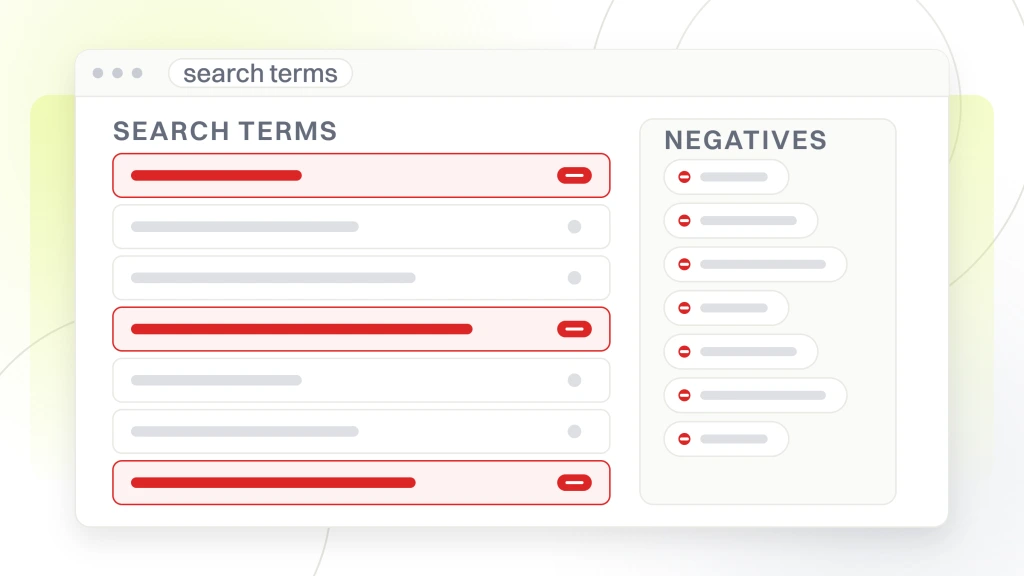
The starter negative list for a dermatology account runs 350 terms on day one. School. Residency. Career. Salary. Textbook. Board exam. Dermatologist office supplies. Skincare products for sale. Groupon botox. Cheap fillers overseas. Dermatology podcast. Dermatologist joke. Skin cancer research grant. Any account that skips the negative list bleeds 12 to 20% of budget on non-patient traffic for the first 90 days. Product searches alone hit 8 to 12% of unfiltered traffic in dermatology because skincare shopping sits so close to the search intent.
High-value long-tail queries
Long-tail queries carry the highest-value patients in dermatology paid search. Best dermatologist for cystic acne near me. Board certified dermatologist accepts BCBS. Board certified injector Botox forehead 11s. Chemical peel for melasma dermatologist. Each of these queries has 15 to 60 monthly searches in a mid-size US metro but converts at 3 to 4 times the head-term rate. Practices that chase click volume miss the long-tail entirely and pay 2x the average cost per booked consult for the same monthly patient count.
Ad copy that beats generic clear-skin promises
Ad copy for a dermatology paid search account lives or dies in about 1.5 seconds on a mobile SERP. Winning cosmetic copy names the treatment, the injector’s board certification, a price range, and one credibility marker in that order. Botox and Dysport from a board-certified injector. $12 to $16 per unit. Eleven years in practice. Copy in that shape beats generic clear-skin-today by 40% to 65% on click-through rate and 22% to 38% on booking rate. Specificity is the whole game.
Medical copy structures differently. Board certified dermatologist. Accepts BCBS and Aetna. Same-week appointments. Skin cancer screening $195 without insurance. That structure beats the cosmetic template on medical queries by 30 to 45% because medical patients filter on insurance and credentials before they filter on outcome. Copy that promises a fast result on a medical query reads as chain-clinic marketing to a patient looking for a real MD.
Trust elements the cosmetic copy has to include
Cosmetic dermatology ad copy trust elements include injector board certification, years of aesthetic experience, one specific before-and-after outcome, and a price range. Board certification separates the MD from the med-spa injector. Years of aesthetic experience separates the derm who does 200 syringes a month from the derm who did 30 last year. Specific outcome names a real treatment result. Price range qualifies the patient at ad-copy time so tire-kickers self-select out. That 4-element frame moves conversion rate 25 to 40% versus generic aesthetic pitches.
Medical dermatology copy structure
Medical dermatology copy runs on 3 headlines and 2 descriptions. Headline 1 names the condition. Headline 2 names board certification and appointment availability. Headline 3 names insurance accepted or cash-pay price. Description 1 covers the practice credentials and years in practice. Description 2 covers the booking method and appointment window. Medical copy that promises a treatment outcome inside a specific timeframe reads as overpromising and drops conversion rate 15 to 25% versus copy that promises expert diagnosis and next steps.
Tracking that catches consults without leaking PHI
Tracking for a dermatology paid search account solves two problems at once. Capture every consult booking across form, phone, and Google Business Profile. Keep PHI out of Google Ads. The technical shape runs through server-side Google Tag Manager. Every conversion event fires to the server first. The server strips condition names, symptom text, and any protected identifier from the payload, then forwards a clean event to Google Ads. That extra hop preserves conversion accuracy and keeps the medical side HIPAA-safe.
Call tracking on the cosmetic side runs through dynamic number insertion with any standard vendor. Call tracking on the medical side runs through a HIPAA-compliant call tracking vendor with a signed Business Associate Agreement. Skipping the BAA on medical calls is a violation risk most practices do not think about until an audit. Every serious dermatology google ads management vendor separates the medical and cosmetic tracking layers so the compliance shape stays clean.
See Google’s enhanced conversions documentation for the tag setup that closes the iOS gap. Our Google Ads conversion tracking with Google Tag Manager guide covers the exact server-side deployment.
PHI-safe conversion events
PHI-safe conversion events fire without carrying condition names, symptom descriptions, or any protected identifier. The event payload includes source campaign, source keyword, and a hashed lead ID. The full lead data stays inside the practice’s own PHI-safe database. That split lets the account read conversion signals for bidding logic while keeping the protected data out of Google’s infrastructure. Every serious practice audit finds gaps in this layer that need closing before Google starts optimizing on medical signal.
Call tracking for HIPAA-safe medical intake
Call tracking for HIPAA-safe medical intake runs through vendors with signed Business Associate Agreements. CallRail Healthcare. Invoca Healthcare. Marchex Healthcare. Each vendor scrubs recordings of PHI before storing them, redacts caller identifiers in reporting, and offers PHI-safe conversion event forwarding. Cost runs 30 to 60% higher than standard call tracking because of the added compliance overhead. That premium is unavoidable for medical dermatology campaigns.
Landing pages built for dermatology traffic
Landing pages for dermatology google ads split cleanly by intent from the first fold. Cosmetic pages open with the injector face, board certification, before-and-after photos, a price range, and a booking button. Medical pages open with the dermatologist face, board certification, conditions treated, insurance accepted, and an appointment request. Cosmetic pages carry three to six before-and-after image sets per treatment. Medical pages carry a plain-English condition explainer and a symptoms checklist. Trying to merge the two page types weakens both funnels every time we test it.
Page speed matters more on cosmetic traffic than most healthcare verticals because 72 to 78% of cosmetic dermatology searches happen on mobile and the before-and-after image grid can push page weight above 4 MB without careful optimization. Every 400 millisecond improvement in largest contentful paint moves cosmetic booking rate 3 to 5%. Pages loading past 3.2 seconds on 4G give up half their potential conversions and never claw them back.
See our healthcare website design services page for the mobile-first page structure the paid campaigns route into, and our healthcare PPC management guide for the KPIs worth tracking every month.
Cosmetic landing page pattern
The cosmetic dermatology landing page pattern runs injector face, name, board certification, treatment area, before-and-after gallery, price range, patient testimonials, and booking button. That 8-element frame fits inside a 2-screen mobile viewport. Adding treatment videos below the fold moves conversion rate 6 to 12%. Removing the price range from the page drops conversion rate 18 to 28% because price-sensitive patients abandon rather than fill a form to ask about cost. Transparent pricing outperforms opaque pricing every quarter we measure.
Medical landing page pattern
The medical dermatology landing page pattern runs dermatologist face, name, board certification, conditions treated list, insurance accepted, appointment availability, and appointment request button. No before-and-after photos on medical pages. No price grid. Medical patients want confidence in the diagnosis, not an aesthetic pitch. Adding a symptom checklist above the fold moves conversion rate 8 to 14% because it qualifies the patient’s condition against the practice’s specialty in one glance.
Google ads management for dermatologists PPC pricing shape
Paid dermatology account management at Redefine Web runs on four PPC retainer tiers that stay uniform sitewide across every medical vertical. Launch at $999 per month covers a solo derm running under $6,000 in monthly media. Growth at $1,499 per month covers a two-provider group running $6,000 to $18,000. Scale at $2,499 per month covers a three to five provider group at $18,000 to $45,000. Enterprise starts at $4,500 per month and covers larger groups, multi-location scopes, and full HIPAA-tracking rebuilds. Every band gets the same seven-campaign structure with medical and cosmetic tracking split.
Ad spend gets billed separately in every tier so the true monthly cost stays visible on the SOW. Percent-of-spend pricing gets used by some agencies for accounts above $15,000 monthly ad budget, but flat-fee pricing wins below that threshold because the percent model rarely covers the setup time on a HIPAA-compliant tracking layer. Retainers bundled into media hide the true cost of management and make the return number look better than it is on paper.
See our google ads management pricing guide for the full breakdown across every retainer band and the industries the tiers apply to.
What the retainer includes
A dermatology google ads management retainer includes campaign build, ad copy testing, landing page consultation, weekly optimization, monthly reporting, and quarterly strategy review. HIPAA-compliant tracking deployment is billed as a distinct workstream because the server-side tag manager plus the BAA-covered call tracking vendor plus the PHI-safe event schema takes 3 to 5 weeks of setup work. Ongoing management covers both the tracking layer maintenance and the account optimization week over week.
What the retainer excludes
Retainers exclude landing page design, call tracking software subscriptions, Google Business Profile management, before-and-after photography, and video creative production. Landing page design runs separately at $3,200 to $12,000 for a first build. HIPAA-compliant call tracking runs $220 to $580 per month depending on volume. Before-and-after photography runs $800 to $3,500 per session depending on treatment coverage. Every honest agency itemizes these on the SOW so the true monthly cost stays visible upfront.
Real dermatology and adjacent medical case wins
Numbers on a slide mean nothing without a practice name and a rebuild story attached. The three cases below cover a premium medical aesthetics practice, two multi-op dental groups, and a chronic-pain clinic where the same paid-media discipline moved booked appointments in a measurable way. Every reference call an agency invites is worth taking before signing anything past $2,500 monthly.
Beauté Aesthetics New York, dermatology-adjacent aesthetics rebuild
Beauté Aesthetics New York came to us as a premium medical aesthetics practice with an underperforming Google Ads account, a website that positioned the practice at the same tier as chain medi-spas up the block, and a lead pipeline mostly returning coupon shoppers instead of premium consult prospects. The intake read familiar. Click costs high. Cosmetic funnel conversion below 8%. Reporting stacked with vanity metrics and nothing on booked consults or revenue per consult booked.
We rebuilt the account against the seven-campaign structure above. Split medical from cosmetic on the account level. Rewrote the ad copy to name the injector’s board certification, the treatment area, and the price range up front. Rebuilt the landing pages one to one with the ad groups. Added a luxury-aligned before-and-after gallery to the cosmetic pages. Turned on PHI-safe conversion tracking through server-side GTM. Ran a fresh negative list build across 350 terms. The rebuild took 8 weeks including 3 weeks of tracking cleanup and photography.
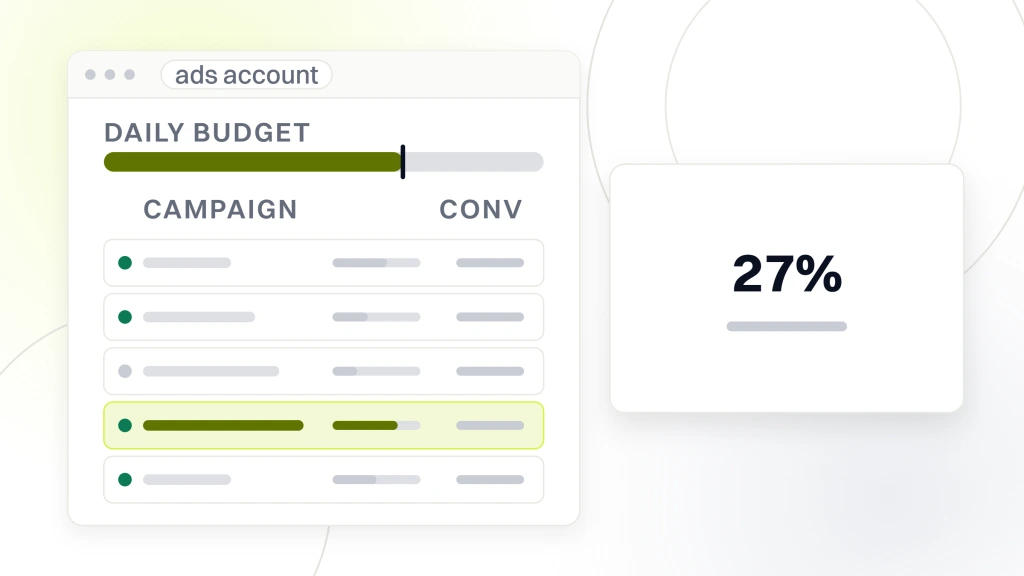
Qualified leads grew 166% inside 12 months. Cosmetic conversion rate reached 27% on the new landing pages, up from 8% on the prior design. Cost per booked consult fell 44%. Average revenue per booked consult grew 38% as the copy stopped catching coupon shoppers and started pulling premium patients into higher-tier treatments. Each of those numbers traces back to the account rebuild plus the landing page rework plus the copy repositioning running in parallel.
Smile Design and VP Dental, the same intent split in dental
Smile Design ran a similar rebuild on a multi-location practice group where the paid media pipeline had gone stagnant and the reporting showed vanity metrics without a real cost per booked patient. Splitting the branded search from the treatment-intent search, rewriting the treatment ad copy to name transparent pricing and the credentialing lead, and rebuilding the treatment landing pages moved booked new-patient consults up 92% inside 9 months while cost per booked patient dropped 38%.
VP Dental ran the same discipline on a different geography with a heavier implant and full-arch mix. Splitting the general dental search from the implant-intent search, rebuilding the implant landing pages around real case photos and financing options, and turning on server-side conversion tracking moved booked implant consults up 118% inside 10 months. Both cases show the same lever pattern the dermatology rebuild uses. Intent split first, page rebuild second, tracking third.
Pain Cure Clinic, chronic-pain medical vertical
Pain Cure Clinic came in with the opposite problem to the aesthetics side. All medical intent, no cash-pay cosmetic layer, insurance intake plus workers compensation intake mixed into one campaign shape. Splitting the workers compensation queries from the general chronic-pain queries, rebuilding the intake pages to lead with credentialing and the insurance accepted list, and adding a symptom-checklist page above the appointment form moved qualified appointment requests up 84% inside 8 months. Cost per booked appointment fell 41% across the same window.
What the first 90 days look like
The first 90 days of a new dermatology paid search engagement covers audit, tracking build, campaign rebuild, and optimization. Week 1 runs the audit against the existing account, tracking setup, landing pages, and ad copy. Weeks 2 and 3 build the HIPAA-compliant tracking layer and deploy the negative list against the existing account.
Weeks 4 through 6 rebuild the seven campaign types with matched landing pages and rewritten ad copy for both medical and cosmetic funnels. Weeks 7 and 8 run the first optimization pass and the first ad copy split tests. Weeks 9 through 13 compound the results as Google’s bidding logic learns the new conversion signal and the ad copy winners get promoted across every ad group.
Expect a 20 to 40% movement in booking rate by day 60 and a 40 to 80% movement in booked consults by day 90. Practices that expect week-1 results are misreading the compound curve. The account gets better every week for the first 6 months, then stabilizes at a sustainable run rate through the balance of the year.
See our PPC management services page and the PPC for healthcare pillar guide for the wider paid-media roadmap this dermatology Google Ads work sits inside.
Day 30, 60, and 90 milestones
Day 30 shows the tracking layer verified, the negative list live, and the first campaign rebuild deployed. Day 60 shows the first round of ad copy winners promoted, the first landing page test wrapping up, and cosmetic booking rate up 15 to 25% from baseline. Day 90 shows the account at target cost per consult with medical and cosmetic funnels running clean. Practices that stick with the compound curve past day 90 typically see the biggest gains in months 4 through 6 as the ad copy tests compound across every treatment ad group and every campaign.
Reporting cadence for a dermatology practice
Reporting for a dermatology practice runs on a weekly quick-look, a monthly full report, and a quarterly strategy call. Weekly quick-look covers spend, clicks, conversions, and any spike or dip worth naming. Monthly report covers the full account performance plus cost per booked consult by campaign, by treatment, and by medical versus cosmetic split. Quarterly strategy call covers the 90-day trajectory, the next 90-day plan, and any budget shifts based on treatment capacity.
Picking a google ads management for dermatologists agency
Picking one starts with three questions. Does the agency currently run dermatology accounts. Do they carry a signed BAA for HIPAA-compliant tracking. Who runs the account day to day. If the agency runs fewer than 3 dermatology accounts, they are learning the vertical on your budget. If they cannot show a BAA and a PHI-safe tracking architecture, the medical side is a compliance risk. If the account gets handed to a junior after the sale, the strategy conversation on the pitch call is not the strategy you are buying.
Ask for 3 references from active dermatology or aesthetics clients on retainer for more than 12 months. Talk to at least 2 of the 3. Ask about scope changes, reporting quality, and HIPAA-compliance discipline. Every reference call catches a pattern the sales deck hides. Every serious practice runs those calls before signing an SOW past $2,500 monthly.
Our healthcare PPC keywords guide covers the keyword-list build every dermatology account inherits.
Red flags on the pitch call
Red flags on the dermatology google ads management pitch call include no case study naming a dermatologist or aesthetic practice, no HIPAA policy documentation, no reporting on booked consults as the primary metric, and no separation between medical and cosmetic tracking. Any agency that treats medical and cosmetic funnels as one bucket is selling the wrong architecture. Any agency without a BAA is a compliance risk on the medical side, and any agency that hides pricing behind a discovery call is padding retainers with setup fees you never see coming.
Green flags worth signing on
Green flags include a named dermatology or aesthetics case study with a cost per booked consult number, a proposal that itemizes the HIPAA-compliant tracking setup as a distinct workstream, separate reporting for medical and cosmetic funnels, and a retainer that separates management fee from media spend. Any agency that hits all four is worth a reference call. Any agency that hits fewer than 3 is not worth the pitch time. That filter cuts a vendor short list of 12 candidates down to 2 or 3 inside a week.
Where to start with your dermatology google ads setup
Start with an honest audit of the current account. If the account has never been split by medical versus cosmetic intent, that split is the biggest single lever. If the HIPAA-compliant tracking layer has holes, the compliance fix is both a risk fix and a conversion fix. If the ad copy still runs generic clear-skin promises on cosmetic queries, the copy rewrite is the third-biggest lever. Most practices we audit need all three. The medical-cosmetic split plus tracking plus copy rewrite typically moves booked consults 60 to 120% inside the first 6 months.
Want a google ads management for dermatologists audit that names every wasted dollar and points at the fixes that book real consults. We audit the seven-campaign structure, the HIPAA tracking layer, the ad copy across both funnels, and the landing pages, then hand you a written 90-day plan you can give to your current agency or use to move the account. Grab a free audit slot and get the same rebuild Beauté Aesthetics New York used to grow qualified leads 166%.