
WooCommerce SEO is where most Shopify migrants underestimate the workload. The platform gives you full control, which sounds great until you find that the default install lands with 15 to 25 URL issues that break crawl budget and category page indexation. This guide walks you through what real WooCommerce SEO services cover, what they cost, and how a growth-focused store past $500K annual revenue should scope the retainer to grow organic revenue past 30% of monthly total inside 12 months.
You’re probably reading this since your WooCommerce store’s organic traffic looks flat, product page indexation dropped after the last update, or a competitor on Shopify is out-ranking you on your own brand terms. The fix isn’t a bigger plugin bundle. It’s a real program that audits the theme, cleans the category structure, rewrites product page copy, and pairs it with monthly link outreach. Below you’ll find the pricing bands, the Yoast vs Rank Math decision, a real RAFZ Cirkulära Interiörer case study, and the exact scope worth signing.
Yoast vs Rank Math for WooCommerce SEO in 2026
Yoast and Rank Math both handle the on-page baseline, but the tradeoffs matter past 500 SKUs. Rank Math wins on schema flexibility, includes local business and product schema in the free tier, and posts faster server-side performance on large catalogs. Yoast wins on documentation depth, a larger support community, and the paid WooCommerce extension for product schema at the paid tier.
Pick Rank Math free for stores under 1,000 SKUs. It handles product schema, focus keyword optimization, and XML sitemap output without the paid upsell. Pick Yoast SEO Premium at $99 per year plus the WooCommerce extension at $79 per year for stores past 1,000 SKUs where the paid schema options and internal linking tool pay back through the added category page rewrites. Rank Math Pro at $69 per year is the middle option for stores that want advanced schema flexibility without the Yoast documentation depth.
The migration between the two is painful. Switching Yoast to Rank Math or the reverse loses 20 to 45% of the meta descriptions and focus keyword data if the SEO team doesn’t run the migration tool correctly. If your current plugin is working, don’t switch on aesthetic grounds. Switch only when the plugin genuinely blocks a technical requirement, and then run the switch through a staging environment first. The external comparison of the two lives at the Kinsta Rank Math versus Yoast comparison. The same platform-choice logic shows up outside ecommerce too. Manufacturing SEO strategy covers the wider take on whether SEO is being phased out or still pays back on B2B catalogs.
WooCommerce SEO company category page rewrites
A WooCommerce SEO company worth signing rewrites 8 to 20 category pages per month once the technical layer is clean. Each rewrite runs 4 to 8 hours. 60 minutes of SERP research, 30 minutes of keyword mapping, 90 minutes of writing, 30 minutes of internal linking, 30 minutes of QA, and time for revisions. That’s 32 to 160 hours monthly on category page rewrites alone for a 1,500-SKU catalog with 60 top-level categories.
The rewritten category page has a structure that ranks. A 500 to 900 word intro block above the product grid, with buying advice, size or type comparisons, and internal links to 4 to 8 related category or blog pages. Product cards with server-side rendered structured data. A filter and sort UI that generates crawlable URLs only for the top 5 filter combinations by search volume. A 6 to 10 question FAQ block below the product grid answering real buyer questions from Answer The Public. And breadcrumb navigation with proper schema markup on every level.
The category page copy is where most WooCommerce sites lose to Shopify competitors. A 40-word category intro that reads like the store owner wrote it in 15 minutes cannot compete with a Shopify competitor whose category page has 700 words of genuine buying advice from a specialist writer. Invest 4 to 8 hours per category page on the rewrite. On a 60-category site, that’s 240 to 480 hours of writing, which is why the Traffic tier retainer at $1,499 to $2,499 per month makes sense for a growth-focused DTC brand. Pair this with a working Search Engine Optimization Services partner who’s rewritten category pages on 20 plus WooCommerce catalogs.
Product page SEO tuning for buyer intent
Product-level tuning captures long-tail buyer intent that category pages don’t reach. A category page ranks for “linen dining chair.” A product page ranks for “RAFZ Delilah linen dining chair in oat.” The long-tail search volume per page is smaller, yet the intent is transactional, and 300 well-optimized product pages account for 20 to 40% of the store’s total organic revenue. See our related ecommerce digital marketing agency guide for how paid, SEO, email, and retention fit under one retainer.
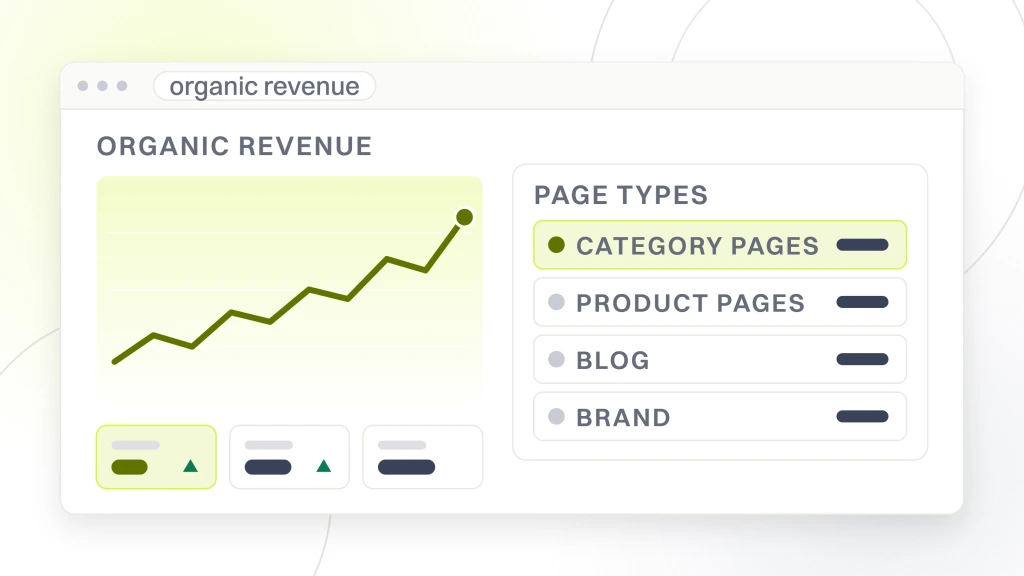
The product page checklist runs eight items. Unique title tag with brand, model, and category noun. Meta description with a real benefit or offer. 250 to 700 words of unique product description in the store’s voice, not the manufacturer boilerplate that runs on 400 other retailers. Product schema with offer, aggregate rating, and review sub-types. At least 3 review snippets rendered server-side, not lazy-loaded JavaScript. A related-products block linking to complementary items. Breadcrumb navigation with schema. And image alt text describing visible attributes of the product.
The number of WooCommerce stores that fail the manufacturer-boilerplate check is around 8 in 10. Copy the same description onto 400 SKUs and Google treats every one of them as duplicate content. The category page pulls the organic traffic, and the product pages get maybe 5% of the total organic pie. Rewrite unique descriptions on the top 100 revenue SKUs first, then work outward. This pass alone adds 15 to 30% to organic revenue inside 4 months on a mid-size catalog.
Link building patterns for a growth-focused agency
A growth-focused agency runs three link building patterns in parallel. Product-level PR pitches to niche editors covering the category. Category-level content pieces that earn backlinks through original data or genuinely useful buying guides. And digital PR campaigns tied to seasonal moments in the vertical, like holiday gift guides for home decor or festival wardrobe pieces for apparel.
The volume worth targeting on a $2,499 retainer is 3 to 6 placements per month at domain rating 40 or higher. Below DR 40, the backlinks help topical relevance but move the domain rating needle slowly. Above DR 60, the placements pull real ranking value and compound quickly on the category pages they link to. The mix worth writing into the contract. 2 to 3 DR 40+ placements per month minimum, 1 to 2 DR 60+ placements per quarter, and 1 to 2 tier-1 press placements per year for stores past $2M annual revenue.
The tactic that stopped working. Paid guest posts on link farms. Google’s spam updates through 2024 and 2025 devalued 70% of the guest post placements agencies were selling at $180 to $400 apiece. The tactics that still work. Original data reports, product review outreach to niche editors, and HARO-style responses to real reporter queries through Connectively or Featured. Ask any agency what percentage of their link placements come from paid guest posts. If it’s above 20%, walk away.
RAFZ Cirkulära Interiörer case study for a growth-focused catalog
RAFZ Cirkulära Interiörer is a Swedish sustainable furniture brand whose site rebuild engagement mirrors the compounding pattern we run on growth-focused WooCommerce catalogs. The program cut fully loaded page load from 15 seconds to 2 seconds, drove a 28% conversion rate gain on the rebuilt store, and reduced server requests by 82% by ripping out plugin bloat and rolling out a custom lightweight theme paired with a place2place API feed for automatic product listings.
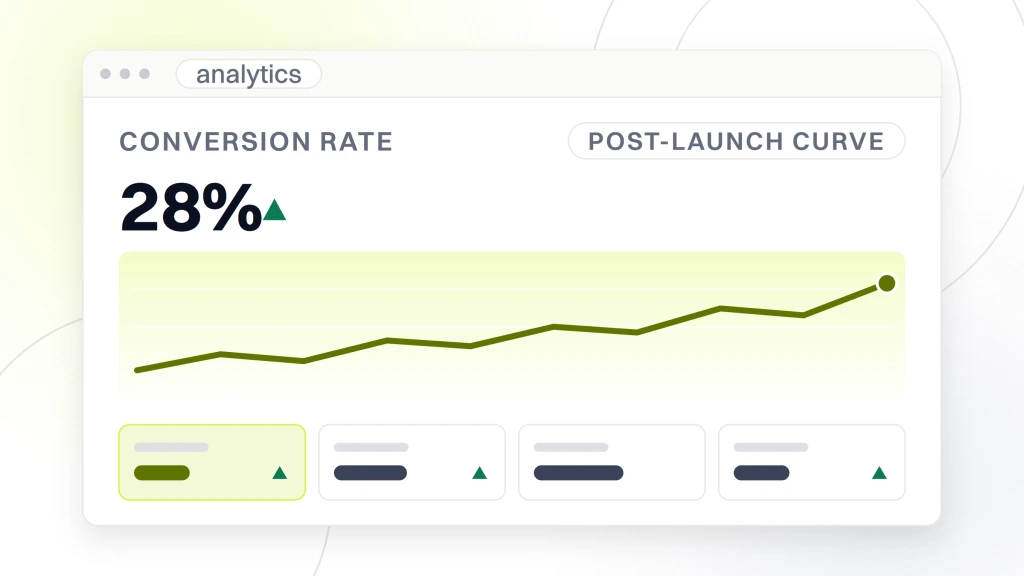
The RAFZ engagement started with a full technical audit that surfaced plugin-heavy overhead across the checkout flow, JavaScript-rendered product variations Google was indexing incorrectly, and a homepage that failed to showcase products or inspire shoppers. The first months went into rebuilding the WooCommerce store on efficient custom code instead of stacked plugins, restructuring the categories into intent-mapped hubs for browsers versus buyers, and adding the repaint customization feature that aligned with the brand’s sustainability mission. By the post-launch curve, conversion rate was up 28%, page load dropped from 15 seconds to 2, and server load fell 82%.
The takeaway for a growth-focused DTC store owner reading this. The compound is real but takes 12 to 36 months on organic terms to fully materialize even when the tech rebuild lands in month 3. Month one delivers a technical audit and 3 to 4 category page rewrites. Month six delivers visible ranking movement on 15 to 25 category terms. Month twelve delivers 20 to 40% organic revenue growth over the pre-engagement baseline. Year three onwards delivers the compound the RAFZ conversion and load numbers show on the store side. If your current SEO agency has been on the account for 18 months without matching this cadence, the retainer is not doing the work.
Independent consultant vs full-service agency
An independent consultant runs $150 to $350 per hour and handles strategy, audits, and account direction, then hands execution to your in-house team or a separate content and dev team. A full-service WooCommerce SEO agency at $1,499 to $4,500 per month runs both strategy and execution through one team. The right pick depends on whether you have in-house execution capacity.
Consultants win for stores with a strong in-house marketing team, a WordPress developer on staff, and a content lead who can direct writing production. The consultant runs 8 to 20 hours per month at strategic direction level, then the in-house team executes. Total cost $2,400 to $6,000 monthly, with most of the spend going into internal payroll instead of an agency retainer. Downside. Quality depends entirely on the in-house team’s execution speed, and the consultant sees the results 30 days late in monthly reviews.
Full-service agencies win for stores without in-house SEO or content capacity. The agency runs strategy plus execution through one integrated team at $1,499 to $4,500 per month all-in. Downside. Less strategic depth per hour than a specialist consultant, and the account lead’s time gets diluted across 6 to 10 other client accounts. For stores past $5M annual revenue, the hybrid model wins. Consultant at 4 hours per month for strategic direction, agency retainer for execution. The hybrid runs $4,000 to $9,000 monthly combined and delivers the strategic depth of a consultant with the execution of an agency. Our retainer tiers land at $999 for Visibility, $1,499 for Traffic, $2,499 for Scale, and from $4,500 per month for Enterprise catalogs.
Expert red flags to catch in every proposal
The red flags on any expert proposal cluster around three patterns. Guarantees. Plugin-first thinking. And no dev capacity. Any expert who guarantees a first-page ranking on a competitive category term is either lying or planning to game the metric with branded search volume tricks Google catches inside 6 months.
The plugin-first red flag looks like a proposal whose first-month deliverables are “install Yoast” and “configure Rank Math schema.” These are two-hour tasks. If they show up as month-one milestones, the proposal is padded. The real month-one work is a 40 to 80 hour technical audit, a category structure review, and 3 to 5 category page rewrites. Anything less is a plugin install with a retainer attached.
The dev capacity flag is the one most stores miss. Real optimization work requires a WordPress developer who can edit theme files, adjust the functions.php file safely, and run redirects at the.htaccess or Nginx level. Agencies without a dev on staff outsource the technical tickets to a freelancer, which stretches every ticket from a 4-hour job to a 3-week ping-pong across email. Ask the agency to name their in-house WordPress developer on the intro call. If the answer is vague or the dev is billed separately at $150 per hour on top of the retainer, you’re paying twice for the same work.
- Guaranteed first-page rankings on competitive category terms
- Month-one deliverables that are two-hour plugin installs
- No named account lead or developer capacity in the team roster
- Retainer with no hours breakdown by technical, content, and link work
- Case studies with ranking screenshots but no revenue or ROAS numbers
- Reporting cadence more frequent than the actual delivery cadence
- Monthly link package priced separately with no domain rating targets
- Termination clause longer than 30 days notice with penalty language
Wrapping the growth-focused services guide
A retainer that grows organic revenue past 30% of total store revenue runs on the same repeatable pattern. Fix the technical layer first, including permalinks, canonicals, and variation URLs. Rewrite category pages second, 8 to 20 per month once the technical is clean. Rewrite the top revenue product pages third. Then compound with content clusters and DR 40 plus backlinks on a monthly rhythm through months 6 to 18.
If you take one thing from this guide, take the hours split on a real retainer and run it against your current agency’s monthly invoice. If more than 40% of the hours go to reporting, strategy calls, and account management, the retainer is not doing the work. When you’re ready to talk through a WooCommerce SEO retainer paired with paid, email, and CRO on one account, our Ecommerce Marketing Agency for DTC and Shopify Brands team walks through the shape in a 30-minute call. For the site build layer that pairs with the retainer, our Ecommerce Website Design Services practice runs the same pattern on WooCommerce and Shopify builds.