
SEO for beauty industry brands runs differently than SEO for fashion, home goods, or general ecommerce. Google treats beauty content as YMYL (Your Money or Your Life) since skin, ingredients, and procedures touch health-adjacent decisions. E-E-A-T signals weight heavier than in other categories. Named authors with credentials. Medical review on health claims. Peer-reviewed citations. Visible team credentials. Brands that run beauty SEO like fashion SEO leave 40 to 60% of potential organic revenue on the table, and they leave it there for a full year before anyone notices the gap on the dashboard.
This guide walks the YMYL discipline that separates a real category shop from a generalist, the ingredient content that pulls top-of-funnel traffic, the category-page architecture that carries conversion, the technical baseline every beauty site needs, three real client teardowns (Beauté Aesthetics New York, Abigail Ahern, and Boogie Board), and the retainer bands that pair with each scope. Read straight through in about 12 minutes and you’ll have a working brief for the next SEO agency conversation.
YMYL discipline for beauty industry SEO work
Google reads beauty content as YMYL since it touches health-adjacent decisions. E-E-A-T signals (experience, expertise, authoritativeness, trust) weight heavier in the vertical than in fashion or home goods. Named authors with real credentials. Medical review on health-adjacent content by a board-certified dermatologist. Peer-reviewed citations on every clinical claim. FTC-safe language on outcomes. A visible team page with real credentials. Any retainer that skips those 5 items on the deliverables list is running fashion SEO for a beauty client, and it will underperform inside 6 months.
The specific deliverables that show YMYL competence. Author byline template with schema markup baked in. Medical-reviewer sourcing workflow at $180 to $340 per article for board-certified reviewers. FTC substantiation database maintained inside the retainer. Clinical-study citation database updated quarterly. Category shops have all 4 in the first 60 days of engagement. Generalists promise the workflow and deliver it in month 5. See Google’s helpful content guidance for the current YMYL framework.
Medical review workflow inside the retainer
The medical review workflow lives inside the retainer. A category shop keeps a bench of 8 to 20 board-certified dermatologists on retainer for client work. Review turnaround targets 5 business days or less. Reviewer credentials get verified once at bench onboarding and re-verified annually. The reviewer’s byline and credentials appear on every article they cleared, with schema markup baked in. Any retainer without this bench pre-built sources reviewers per article, which stretches turnaround to 15 to 20 days and inflates cost per article by 50 to 80%.
What YMYL failure actually looks like on the dashboard
YMYL failure shows up quietly. Traffic looks flat, not down. New content ranks in the 30 to 60 range and never climbs. A single Google core update pulls positions from 12 to 45 overnight, and they never come back. That’s the pattern for a beauty brand running generalist SEO. The fix is retroactive. Add author bios with credentials to every existing article. Add medical reviewer bylines. Add peer-reviewed citations. Recovery takes 2 to 3 quarters. Prevention costs a fraction of recovery, and every real beauty SEO shop knows that math on day one.
Ingredient content for beauty industry SEO
Ingredient content is the highest-converting beauty SEO topic. Each active ingredient a brand carries gets its own explainer article. Niacinamide. Retinol. Vitamin C. Hyaluronic acid. Salicylic acid. Glycolic acid. Ceramides. Peptides. Bakuchiol. Each article cites 3 to 5 peer-reviewed studies, walks concentration bands, addresses common concerns, and links to the SKUs on the site that carry the ingredient. A well-scoped niacinamide article pulls 3,200 to 7,800 monthly sessions after month 9 and converts at 2.1 to 3.4% on email signup or product-page click.
The citation database is what separates a category shop from a generalist. A category shop maintains a database of 400 to 1,200 peer-reviewed studies indexed by ingredient. Writers pull 3 verified citations in 20 minutes instead of researching from scratch. That cuts article production time by 60% and keeps citation quality consistent across the calendar. A generalist writes ingredient articles from Wikipedia and blog posts. The former ranks. The latter doesn’t. See our beauty and skincare SEO service page for the retainer scope options.
Ingredient article structure that ranks
A ranking ingredient article follows a specific structure. Opening summary answering what the ingredient does in 60 to 80 words. Section on mechanism of action citing 2 studies. Section on concentration bands with clinical evidence per band. Section on skin-type suitability and contraindications. Section on how to layer with other actives. Section on common mistakes. Product recommendations linking to SKUs on the site. FAQ block. Author byline with credentials. Medical reviewer byline. Peer-reviewed reference list. That structure earns featured snippets, People Also Ask boxes, and long-tail rank across ingredient queries.
Ingredient plus concern cluster architecture
The strongest ingredient content lives inside a cluster, not as a standalone. Niacinamide as the hub article. Spokes for niacinamide plus rosacea, niacinamide plus acne, niacinamide plus large pores, niacinamide plus hyperpigmentation, and niacinamide plus retinol layering. Every spoke links back to the hub and to 2 sibling spokes. That internal linking pattern doubles the hub article’s authority and pulls the whole cluster up together in the SERP. Category shops build clusters as the default. Generalists write hubs and never build spokes since the calendar defaults to one-off article production.
Category-page architecture for beauty industry SEO sites
Category-page architecture carries the conversion layer for these sites. A category-competent build has a filter architecture (concern, skin type, price band, ingredient exclude, active include), a treatment-comparison table for services, a routine-builder for retail SKUs, and internal linking to relevant ingredient articles. Time on category page climbs from 47 seconds on generic templates to 2 minutes 18 seconds on category-built templates. Category-to-product click-through jumps 40 to 60%. That work looks small on a scope list and moves revenue like a wholesale rebuild.
The schema markup on category pages matters as much as the design. ItemList schema listing the products in the category. Product schema on each SKU thumbnail. Review and AggregateRating schema pulled from the individual PDPs. FAQPage schema on the category-page copy. That schema layer earns rich results and merchant listings in Google Shopping. A category shop delivers this markup at build. A generalist adds category schema in month 3 when someone notices the rich results are missing.
| Category-page element | Purpose | Rank signal |
|---|---|---|
| Filter architecture | Buyer segmentation | Time on page, pages per session |
| Routine-builder module | Cross-sell and average order value | Category-to-product click-through |
| Ingredient article links | Internal linking depth | Ingredient-page authority pass-through |
| ItemList plus Product schema | Rich results in Google | Merchant listings and star ratings |
Routine-builder module on the category page
The routine-builder module lets buyers select their concern (hydration, brightening, anti-aging, sensitivity) and returns a recommended 4-to-6 product routine with a bundle discount. That module converts at 4.8 to 8.2% on skincare category pages versus 2.1% for the generic grid layout. A category shop builds the routine module during the initial site build with the SKU logic tied to the ingredient library. A generalist adds a static routine article in month 5 and calls that a routine-builder. The static version doesn’t convert since it can’t respond to the buyer’s stated concern.
Technical baseline for beauty industry SEO sites
The technical baseline covers Core Web Vitals inside the 75th percentile targets (LCP under 2.5 seconds on 4G, INP under 200 milliseconds, CLS under 0.1), Product plus Review plus AggregateRating schema on every PDP, MedicalProcedure schema on treatment pages for medical spas, FAQPage schema on ingredient articles and category pages, canonical tags configured for pagination and filter combinations, and image optimization for shade-matching and before-and-after carousels. That baseline gets a beauty site into the top 20 for competitive category queries inside 6 to 9 months without heavy backlink outreach.
The technical audit costs $8,000 to $18,000 one-time at engagement start. That audit covers the site’s current baseline against the targets above, the priority roadmap for the first 90 days, and the handoff to the dev team. A category shop lands the audit in the first 60 days. A generalist promises the audit and delivers a slide deck in month 4. Ask to see a redacted audit from a comparable client during the sales call. Category shops share it. Generalists promise to send an example. See Google’s Core Web Vitals documentation for the underlying speed and interactivity targets.
Dev-team handoff pattern
The dev-team handoff pattern matters too. A category shop writes the priority queue as JIRA-ready tickets with acceptance criteria, mocks, and rollback plans. A generalist writes the priority queue as a PDF summary and lets the dev team convert it to tickets. That translation step usually adds 2 to 3 weeks of overhead before dev work starts. Ask to see the ticket format during the sales call. Category shops share a redacted example on the spot. Generalists share a slide deck of the audit summary and skip the ticket format entirely.
Retainer bands for beauty industry SEO services
Retainers in this vertical run across 4 bands. Visibility at $999 per month covers technical monitoring, monthly on-page tune-ups, and a single monthly content refresh for single-location clinics or established brands with in-house content. Traffic at $1,499 per month covers 4 articles per month with medical review, technical maintenance, and monthly performance reporting. Scale at $2,499 per month covers 8 articles per month, backlink outreach, category-page rebuilds, and quarterly business reviews. Enterprise starts at $4,500 per month for multi-country brands, larger content volume, and dedicated account leadership.
Ad spend, one-time technical audits, and digital PR campaigns sit outside the retainer as separately quoted line items. A category shop breaks this out on the proposal transparently. A generalist bundles everything into one number and hides margin inside the bundle. Ask for the breakout in writing before signing. Any shop that resists is either padding margin on one line or planning to underdeliver on another. See our beauty marketing retainer plan for the retainer scope options.
What sits inside versus outside the retainer
Strategy, article writing, medical review, technical monitoring, monthly reporting, and one hour of monthly small changes sit inside the retainer. Ad spend, one-time technical audits above baseline, custom illustration, video production, and digital PR campaigns sit outside as project pricing. A category shop names all of this on the proposal. A generalist bundles everything and quietly deprioritizes the lines that eat margin. The breakout matters more than the sticker retainer number. Scope creep in month 3 usually surfaces as a mystery invoice in month 5 if the breakout isn’t on paper.
Case study on Beauté Aesthetics New York SEO build
Beauté Aesthetics New York, a Manhattan luxury clinic, ran a 12-month full SEO retainer that delivered 166% lead growth, 88% new user growth, and a 27% conversion rate gain. The scope covered 8 ingredient and treatment articles per month with board-certified physician review, quarterly category-page rebuilds for the 4 highest-margin services, a monthly product-page rewrite queue for the retail skincare shelf, and a technical audit plus 90-day dev handoff in the first 60 days. The engagement ran the full YMYL discipline named earlier.
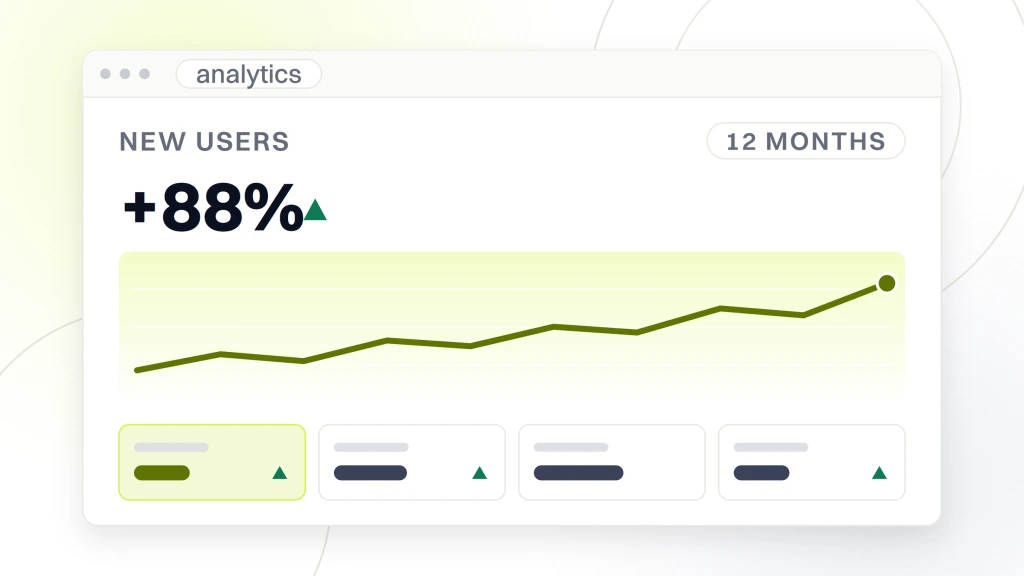
The specific decisions that mattered. Every article carried board-certified physician review, peer-reviewed citations on clinical claims, and FTC-safe outcome language. Every category page was rebuilt with filter architecture, routine-builder module, and ItemList schema. Every treatment page carried MedicalProcedure plus FAQ plus AggregateRating schema. The Core Web Vitals overhaul pulled Largest Contentful Paint from 4.1 seconds to 1.9 seconds on 4G. The lead growth compounded from month 5 as the ingredient content matured in the index and pulled the whole cluster up together.
| Beauté SEO metric | Baseline | After 12 months |
|---|---|---|
| Website leads | Flat | Plus 166% |
| New user growth | Below baseline | Plus 88% |
| Conversion rate | Weak funnel | Plus 27% |
| Mobile LCP | 4.1 seconds | 1.9 seconds on 4G |
YMYL disciplines delivered end to end at Beauté
Every article on Beauté’s site landed with a board-certified physician review signature, cited peer-reviewed research on ingredient and procedure claims, and used FTC-safe language on outcomes. The medical review workflow ran at 4 business days from draft to reviewer-approved copy. That’s what YMYL SEO looks like when the shop treats it as core deliverable rather than a nice-to-have. Rank gains showed up in month 3 and compounded through month 12 as internal linking pulled the whole content cluster up together.
DTC beauty SEO signals from Abigail Ahern and Boogie Board
Beauté sits on the clinical side. The DTC ecommerce side of beauty follows the same YMYL and category-architecture rules with different distribution mechanics. Two other Redefine Web clients show the pattern in action. Abigail Ahern, a global leader in luxury home décor, hit a 179% revenue gain and doubled conversion rates after a rebuild that pulled paid media off discount-led messaging and rebuilt category pages around intent-driven traffic. That premium-brand playbook maps directly onto luxury skincare and clean beauty brands that keep burning growth on discount promos.
Boogie Board, creator of the first reusable writing tablet in 2009, ran a cross-channel media rebuild that cut acquisition cost to $31 per conversion and boosted conversions 11% on $650K in managed ad spend at sustainable ROI. The mechanics translate to beauty DTC directly. Precise Google Ads targeting layered over rebuilt landing pages. Automated follow-up sequences. Retargeting that respects the shopper’s stage in the funnel instead of pounding the whole list with a 20% off code. Every beauty DTC brand running paid at 3x the Boogie Board CPA is leaving the same money on the table.
What DTC beauty brands borrow from Abigail Ahern’s rebuild
Abigail Ahern’s rebuild replaced discount-led creative with premium-aligned messaging, ran segmented shopping campaigns, and rebuilt category-page SEO depth. Luxury and prestige beauty brands run the same trap Abigail Ahern ran before the rebuild. Heavy branded search plus constant promo emails plus discount codes plastered on every landing page. The rebuild’s 179% revenue gain came from cutting the discount lean and rebuilding organic and paid around intent-driven queries. That’s the same move that grows a clean beauty or prestige skincare brand out of a promotional loop.
Backlink strategy for SEO in the beauty industry
Backlink outreach for the vertical runs differently than for other categories since YMYL weighting rewards authoritative citations over sheer link volume. Real beauty backlink outreach lands 12 to 24 relevant backlinks monthly at $80 to $180 per link earned through HARO, targeted publication pitching (Byrdie, Allure, Refinery29, PopSugar Beauty), and expert quotes tied to product launches. Volume without quality is a temporary rank climb followed by a permanent penalty. Any shop that promises 30 to 60 backlinks per month at low retainer cost is selling PBN links or paid links that trigger manual actions inside 6 to 12 months.
Digital PR campaigns sit alongside the ongoing outreach as a separate line item. A category shop runs 2 to 3 digital PR campaigns per year tied to product launches, ingredient studies, or category trend reports. Each campaign runs $8,000 to $24,000 project-priced and earns 8 to 18 high-authority backlinks (DR 60 plus). That authority load feeds the whole content cluster and grows rank across ingredient and category queries. Generalist shops skip digital PR since they don’t have the pitching relationships to earn top-tier placements.
HARO plus publication pitching in practice
HARO (Help A Reporter Out) and its successors deliver 3 to 8 quotes per month for a brand with a founder or a house dermatologist willing to answer beauty and skincare queries in a same-day turnaround. Every accepted quote earns a DR 40 plus link, and the compounding effect over 12 months pulls domain authority up by 4 to 8 points. Publication pitching to Byrdie, Allure, Refinery29, and PopSugar Beauty lands 1 to 3 accepted stories per quarter tied to a real product launch or a clean-formulation angle. Together the 2 tactics carry the linkable side of the strategy without paid link programs.
Shortlist questions for a beauty SEO retainer
Six questions on the first call separate a real category shop from a generalist. What’s the medical review workflow and turnaround target. What’s the ingredient citation database size and update cadence. Who’s the account lead by name and how long at the agency. What’s the retainer band for the scope described. What does a redacted monthly report from a comparable client look like. And what’s the backlink outreach approach (HARO plus publication pitching plus digital PR versus volume link buying). Category shops answer with numbers inside 10 minutes. Generalists answer with slides.
Two more questions worth asking on the second call. What share of your client roster is beauty and skincare only. What percentage of your writers have written for beauty for 3-plus years. A category shop lands at 70% plus on both. A generalist lands under 30% on both. That gap predicts editorial quality and turnaround more reliably than any credential on the shop’s homepage. See Ahrefs on SEO metrics for the underlying measurement taxonomy.
Reference call questions worth asking
Reference calls surface the honest read on any candidate shop. Ask each reference how the account lead handles urgent scope changes during an algorithm update. Ask whether the shop has turned over writers, medical reviewers, or account leads during the engagement. Ask whether monthly rank targets get hit more or less than half the time. Ask whether the reference would resign the retainer today. Two “we’d resign tomorrow” responses and the shop earns the finalist slot. Any hedging and the shop drops. Reference calls take 30 minutes each and predict outcomes more reliably than any deck.
Reporting cadence for the beauty SEO retainer
The reporting cadence for the retainer runs 3 layers. Weekly dashboard for high-frequency metrics (organic traffic, category page performance, new indexed pages). Monthly narrative report tying weekly metrics to the retainer roadmap. Quarterly business review with the founder or CMO covering trend analysis and roadmap adjustments. Category shops run all 3 cadences by default. Vendor shops run one or two and leave the rest unspecified in the contract. That gap decides whether the founder feels bought in through month 12.

The monthly narrative report should run 6 to 9 pages. Organic sessions and revenue by pillar cluster. New indexed pages and their velocity to first rank. Medical review turnaround times. Product-page conversion rate deltas since publish. And a one-page narrative from the account lead tying the numbers to the roadmap. Anything longer buries the signal. Anything shorter reads like an activity log. Founders who read the report cover to cover in 15 minutes stay bought in through the retainer term.
The dashboard-versus-narrative split matters too. Weekly dashboards should show metrics only (no narrative) so the founder can scan them in 2 minutes. Monthly narrative reports should tie those metrics to decisions made and decisions coming up. Quarterly business reviews should cover trend analysis, roadmap adjustments, and next-quarter budget. A category shop runs all 3 layers automatically. A generalist skips the weekly dashboard since it exposes uneven monthly output. Ask to see the 3-layer cadence documented in the retainer scope. See our beauty and skincare digital marketing agency guide for the reporting patterns we recommend.
Contract terms for the beauty SEO retainer
A 6-month first term with a mutual continuation option, then rolling 6-month terms with 60-day cancellation notice. That structure gives the shop time to ramp editorial voice, build the ingredient library, and clear the first technical audit. It gives the founder an honest exit if outputs don’t match the proposal. Shops pushing 12-month or 24-month first terms are signaling they need the revenue certainty. Shops offering shorter terms at kickoff are signaling they don’t invest in ramp. Six months is the honest middle for beauty SEO retainers.
The exit clause matters as much as the term length. Content ownership transfer (all articles remain the client’s). Citation library handoff (the client’s Notion or Airtable). Medical reviewer introductions so the client can continue the workflow in-house. Backlink outreach relationships handoff where possible. And a 2-month knowledge-transfer period at 50% retainer rate. Any shop that resists an exit clause is signaling they don’t want the retainer to end, which usually means the retainer economics work better for them than for the client after year 2.
Payment terms signal maturity too. A category shop invoices monthly on the first business day, expects payment inside net-15, and offers a small discount for quarterly prepay (usually 3% off the retainer for 3 months paid upfront). A generalist invoices whenever the account manager remembers, accepts net-45 payment, and never offers prepay discounts since their own cashflow runs stretched. Payment terms are a proxy for the shop’s own business health. See our beauty and skincare marketing agency page for the retainer scope options.
Making the pick on a beauty industry SEO retainer
The right shop for this work quotes a specific deliverables list on a specific retainer band, names a medical review workflow with a turnaround target, shows a citation library that already exists, demos a monthly report from a comparable client with real revenue numbers, and hands over an exit clause that protects content ownership and reviewer relationships. Every other proposal in the inbox is worth passing on. The screen takes 2 calls per shop and 2 reference calls per finalist. Total time is about 8 hours across 4 candidates.
The last piece of advice is patience with the timeline. Organic growth in this vertical compounds over quarters, not weeks. Signing the retainer 90 days before you want traffic gains to show up is the honest read on the calendar. Brands expecting month-2 ROI hire the wrong shop and quit at month 5. Brands planning for month-10 payback pick shops that operate on the right time horizon and win the vertical over 24 months. Ready to shortlist a category specialist. Start with the 6 first-call questions above and book two 45-minute calls this week.