
Real estate PPC is the paid channel that puts your name at the top of Google the moment a buyer types “homes for sale in [city]” or a seller types “sell my house fast [city]” at 11 p.m. on a Tuesday. Done right, a $3,000 monthly Google Ads scope books 8 to 22 qualified consults inside that window and pays back off the first closed deal. Done wrong, the same $3,000 disappears into broad-match traffic from renters, tire kickers, and out-of-market clicks that never turn into a phone call.
This guide walks through what “done right” looks like across solo agent, team, and brokerage scopes. You’ll get the retainer bands worth paying for, the campaign structure that separates working accounts from budget theater, and a Redefine Web engagement that pulled cost per booked consult from $214 to $96 on a mid-Atlantic buyer-agent team inside six months. Bring your last 90 days of Google Ads data and read straight through in about ten minutes.
Landing pages that make paid real estate ads pay back
PPC real estate clicks bounce hard when they land on your generic homepage. Landing pages built ad group by ad group convert at 3 to 5 times the rate of homepage traffic. The offer, the copy, and the form on the page match the search intent that produced the click. Every paid search account needs at least two landing pages, one buyer and one seller, before spend goes above $2,000 monthly.
Buyer landing pages open with a neighborhood hero image, a headline naming the exact area, and a two-field form (name + email) tied to a same-day auto-response. Below the form, three trust bullets. Agent name, transactions closed last 12 months, and a client testimonial with a real first name and neighborhood. Below that, a live MLS listing carousel filtered to the neighborhood in question. Every button on the page pushes toward booking a consult on the calendar. Nothing else.
Seller landing pages open with a home-valuation form as the primary offer. Address in one field, email in the second, phone in the third. Same-day auto-response with an estimated valuation range pulled from public data, plus a scheduled follow-up email 24 hours later with a real number generated by the agent. Below the form, three social-proof bullets. Total sold volume last year, average days on market for the agent’s listings, and one seller testimonial. Nothing else.
Every landing page carries a call-tracking phone number that routes to the correct agent with dynamic number insertion. Every landing page passes Core Web Vitals under 2.5 seconds LCP on 4G. Google Ads Quality Score reads page speed as a ranking input. Slow landing pages get penalized in the auction and cost 20% to 40% more per click on the same keyword against a faster competitor page.
Call tracking and attribution on a real estate PPC account
Call tracking is the single most-skipped piece of real estate PPC management, and it separates a working account from an unmeasurable one. Every ad, every landing page, every Google Business Profile link runs a dedicated phone number that logs source, ad group, and keyword before ringing the agent’s line. CallRail runs $45 to $145 monthly and is the industry standard. Twilio’s dynamic number insertion costs less but takes a developer to wire up.
Without call tracking, the account is guessing at attribution. The agent picks up the phone, the caller says “I found you on Google,” and the report shows a form submission from Facebook. Both agent and vendor blame the wrong channel for two quarters running. Every serious PPC engagement wires call tracking on day one and reads the recordings in the first monthly review to catch bad-fit callers before they burn budget.
Attribution ties booked consults back to the exact keyword that generated the first click. That closes the feedback loop on which ad groups deserve budget increases and which ones need to be paused. On a mature account, 20% of keywords produce 70% of booked consults. The other 80% burn budget without payback. Weekly negative-keyword additions and monthly ad-group pauses keep the account concentrating spend on the 20% that closes deals. The wider PPC practice off the Real Estate silo runs the same pattern across every vertical we work in, with detail at PPC Management Services. If you run home services alongside real estate, the fuller answer on launching a paid account from scratch lives in PPC for Home Services That Books Real Jobs.
A real client case for what real estate PPC management can move
A mid-Atlantic buyer-agent team came to Redefine Web running a single Search campaign, one homepage landing page for every ad, and no negative keyword list. Google Ads cost per booked consult sat at $214 across the first 90 days. Six months in, the same account ran 4 buyer campaigns segmented by neighborhood, 2 seller campaigns split by intent, and 7 dedicated landing pages, and cost per booked consult had dropped to $96 on 38% higher monthly spend.
The build ran on a fixed sequence. Week one, we rebuilt account structure into buyer-intent and seller-intent campaign trees with match-type discipline (phrase and exact only). Week two, we shipped 7 landing pages tied to the top ad groups. Downtown condos, first-time buyer, luxury single-family, seller valuation, cash offer, relocation, investor. Week three, we wired CallRail to every ad and landing page and integrated it with the team’s Follow Up Boss CRM so booked consults tied back to keyword. Week four, we loaded a 400-line negative keyword list mined from the Search Terms report and applied for Local Services Ads under Google Screened.
Booked-consult volume climbed from 11 per month in month one to 34 per month by month six. Close rate held at 1 in 8 buyer consults and 1 in 5 seller consults. The account produced roughly 5 closed transactions per month by the back half of the engagement. Attributed GCI ran into the six figures against a $4,800 monthly ad spend and $1,600 management fee. The mechanics are portable. Dedicated landing page per ad group, service-specific copy, negative keyword list on day one, call tracking wired to attribution, and monthly working session tied to booked-consult reporting rather than impression counts. That structure defines working management on any account above $2,000 monthly spend.
Two published Redefine Web wins on the real estate side back this pattern. Abels Residential, a London letting agency, hit 20+ qualified rental leads per month and 300+ first-page keyword rankings on a conversion-focused website with sub-2-second load time. McCarthy Court, a 7-unit luxury Sidcup development, sold out 100% in 3 months pre-completion off 60+ qualified buyer leads and 10K targeted campaign visits. Different scopes, same rule set. Match the offer on the landing page to the search on the ad, and the CPL drops.
How to choose a PPC agency for real estate that stays past onboarding
Pick a PPC agency against nine questions. Live client account link, named account lead, fixed management fee, call tracking written into the scope, CRM scope, monthly working session, 30-day termination, owned account access, and named ad groups the team built last month.
Those nine answers filter portfolio-only shops from real operators in the first sales call. The vendor who stalls on any two of them is running the account on autopilot and billing the retainer for reports instead of decisions.
Ownership of the Google Ads account matters more than any other line on the proposal. A vendor that runs your account inside their MCC (My Client Center) and refuses to move it to your own manager account on termination is holding your historical data hostage. Every serious vendor grants you MCC linking to your own root account on day one, and lets you take the account when you leave. If they refuse, walk.
The retainer past onboarding is where accounts live or die. A vendor that runs onboarding for six weeks, launches the campaigns, and then disappears with a monthly PDF is billing for setup. A vendor that runs a 45-minute working session every month, adds 15 to 30 negative keywords weekly, and refreshes ad copy quarterly is billing for management. The difference in cost per booked consult between the two styles usually runs 40% to 90% by month six. Cheaper isn’t cheaper when the CPL doubles.
Ask the vendor to name a keyword their last real estate client ranked highest converting for last month. If they can’t answer inside 30 seconds, they’re not looking at the account weekly. If they name a keyword and quote the cost per booked consult against it, the account is being watched. That single question separates working operators from portfolio-only shops in the first sales call. Request a look at the Search Terms report from a live client (redact the client name if needed). A clean search terms report with tight phrase-match traffic and few wasted broad queries is the operator signal that matters.
Retainer benchmarks for real estate PPC services in 2026
Management fees on real estate PPC services price between $999 and $4,500 per month depending on scope and spend. Redefine Web publishes four tier bands. $999/mo for solo agents on a single metro, $1,499/mo for a buyer-agent team, $2,499/mo for a boutique brokerage, and from $4,500/mo for a mid-size brokerage or investor motivated-seller account. Ad spend is billed separately and paid direct to Google.
| Scope | Monthly ad spend | Management fee | Booked consults target |
|---|---|---|---|
| Solo agent, one metro | $1,500 to $3,500 | $999/mo | 4 to 10 per month |
| Buyer-agent team | $3,500 to $8,000 | $1,499/mo | 10 to 22 per month |
| Boutique brokerage | $8,000 to $18,000 | $2,499/mo | 22 to 45 per month |
| Mid-size brokerage | $18,000 to $40,000 | Starts at $4,500/mo | 45 to 120 per month |
| Investor motivated-seller | $4,000 to $12,000 | Starts at $4,500/mo | 10 to 35 per month |
A fair retainer covers the following every month, and the deliverables sit in a shared client folder your team can open at any time.
- Weekly search terms review with 15 to 30 negative keywords added
- Monthly ad copy refresh across every active ad group
- Quarterly landing page conversion audit with named tests queued for the next quarter
- Call tracking review with keyword-level attribution tied to booked consults
- Google Business Profile and Local Services Ads coordination inside the same account
- Monthly 45-minute working session with the account lead, not an account manager reading a PDF
- Owned account access with MCC linking from your own root account
Local Services Ads and Google Screened for agent PPC advertising
Local Services Ads (LSA) under the Google Screened program is the pay-per-lead channel every real estate agent should be running alongside standard Search. LSA sits above the organic pack and above the paid Search results on mobile. The verified badge next to your business name signals license and background check on file. Pay-per-lead pricing runs $60 to $180 per qualified call in most metros.
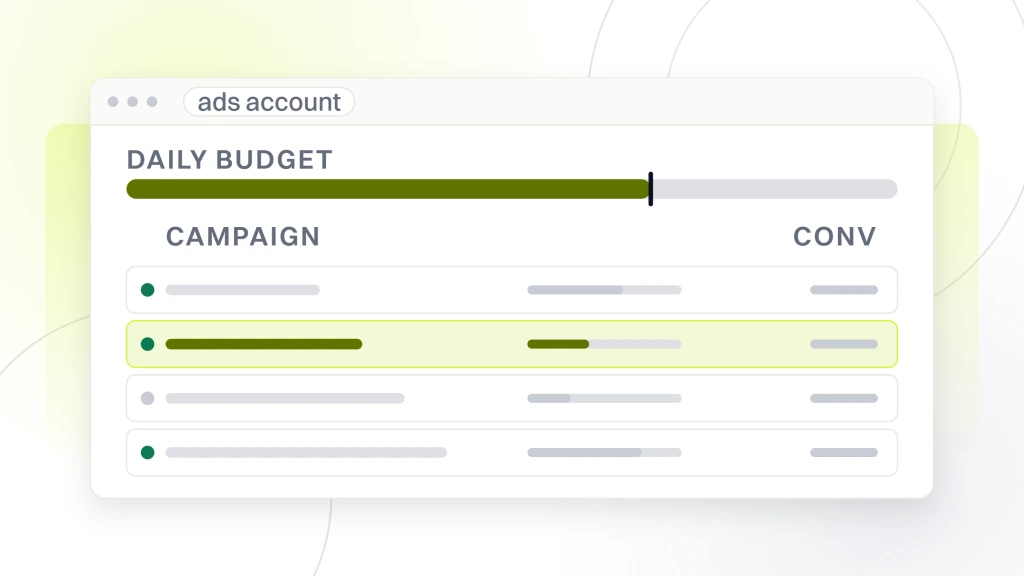
Setting up LSA takes 4 to 6 weeks. Google runs the background check on the agent’s real estate license, insurance, and business identity. Once approved, the profile displays a Google Screened badge and enters the rotation. Bidding is set as a monthly budget cap. Google auto-rotates the profile against competitors in the same category, and the auction weighs response rate, review count, and star rating.
Dispute the leads that don’t fit. Every LSA account gets 15% to 25% of leads that are out-of-scope. Wrong price band, wrong city, tire kickers. Google refunds legitimate disputes within 3 to 5 business days. Every serious operator disputes 10 to 20 leads per month per client and typically recovers $400 to $1,600 in refunded lead cost. That process alone drops effective CPL by 15% to 25% when done consistently.
Response rate is the ranking signal LSA reads most heavily. Answering the phone within 60 seconds versus waiting 20 minutes moves the profile up in the rotation the same day. Every LSA lead that goes to voicemail hurts the ranking, and the ranking loss usually costs more in the next month than the missed lead itself. Wire an answering service or a dedicated intake team into the LSA workflow if the primary agent can’t answer 90% of calls within 60 seconds.
The five mistakes that sink PPC for real estate accounts
First mistake. Broad-match keywords on day one. “Homes for sale” as broad match pulls traffic from renters, out-of-market buyers, home tour requests, and job seekers. The waste is 40% to 70% of budget before month one is over, and is a top reason real estate PPC leads stop converting. Start every account phrase and exact match only. Test broad match after 60 days of conversion data informs which themes deserve the wider net.
Second mistake. No landing pages. Sending paid traffic to the site’s homepage instead of a dedicated buyer or seller page cuts conversion rate by 60% to 80%. A $180 buyer lead on a homepage lands at $60 on a dedicated landing page with the same ad and the same targeting. Build two landing pages before spend goes above $2,000 monthly.
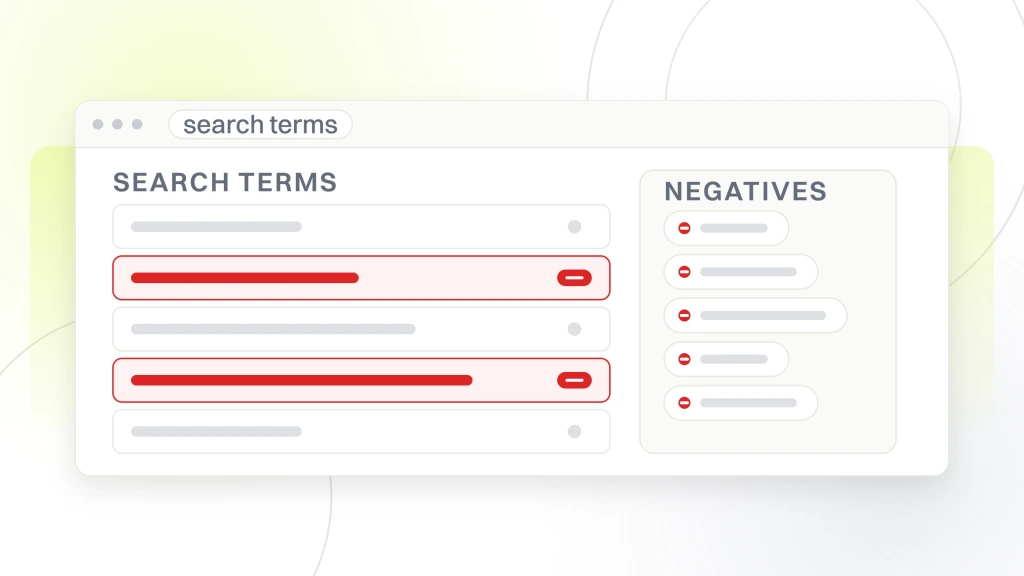
Third mistake. No negative keywords. “Zillow,” “Redfin,” “realtor.com,” “jobs,” “salary,” “license,” “school,” “apartments,” “free” all pull traffic that never turns into a consult. A 400-line negative list on day one and weekly search terms review catch the noise before it burns weekly budget. WordStream’s data shows accounts with proper negative-keyword hygiene convert at 3x the rate of accounts without.
Fourth mistake. No call tracking. The account can’t tell whether last month’s 40 phone calls came from Google Ads, Zillow, or a client referral. Reporting is guesswork. Attribution decisions get made on gut feel. Wire CallRail or Twilio dynamic number insertion on day one and read the recordings monthly. Bad-fit calls surface fast and the negative keyword list grows from real conversations.
Fifth mistake. Paying a $2,500 monthly management fee for a spreadsheet emailed every 30 days with click counts and no decisions. Ask the vendor to name a keyword their last client booked the most consults from, the current cost per booked consult on that account, and the negatives they added last week. Real answers separate real management from theater. If the vendor stalls, the account has been on autopilot and the retainer is billing for reporting.
How long paid campaigns take to hit their stride
Paid accounts move through three phases across the first six months. Weeks one to four handle campaign build and first data collection. Weeks five to twelve run optimization and LSA approval. Months four to six deliver mature cost per booked consult, 30% to 60% below launch.
Every phase moves at Google’s data-collection pace, not the vendor’s promise pace. The account needs 60 days of conversion data before controlled broad-match tests, ad-copy A/B rotations, and landing page swaps have real signal to act on.
Month one CPL is always the highest CPL of the engagement. Every vendor that promises “lead flow in week two” is either running broad-match traffic that burns fast or misrepresenting the timeline. Honest expectations. 6 to 15 booked consults in month one on a $3,000 spend, dropping cost per consult by 15% to 30% by month three, and hitting mature economics by month six. Anyone promising a faster curve is selling a story, not a plan.
The account compounds through year one. The CRM data, the negative keyword list, and the landing page conversion history all feed the next quarter’s decisions. An account that starts at $180 cost per booked consult in month one commonly lands at $95 to $130 by month twelve. That drop happens through hundreds of small decisions, not one big optimization, which is why the monthly working session with an operator who knows the account matters more than any tactic in this guide.
What to do this week on your paid campaigns
Get three actions done by Friday. Pull the last 30 days of Search Terms and grow the negative keyword list. Confirm call tracking fires on every ad and landing page. Load a competitor’s top ad and put their landing page next to yours side by side.
Those three alone usually move next month’s cost per booked consult 10% to 25% lower without touching bids, budget caps, or the ad copy across the campaigns you’re already running.
Every week of delay pushes the compounding curve another week down the road. The competitor already running the tight account structure pockets the buyer clicks you paid for and lost to a slow landing page. This is not one clever hack. It is 12 months of consistent negative keyword additions, landing page tests, and monthly working sessions that produce a lead engine your team owns for years.
For teams that want the whole account run off your plate, our Real Estate PPC Agency for Brokerages team handles the build, the tracking, and the monthly optimization. For teams that need paid coverage alongside SEO on the same account, our Real Estate SEO Services for Brokerages team runs both channels under one working session so the reporting stays clean. A 30-minute audit call reads your last 60 days of Google Ads data, your Search Terms report, and your landing pages, then hands back a specific 90-day plan sized to your current spend.