
SEO for Food and Beverage Brands That Ranks Recipes and Buyers
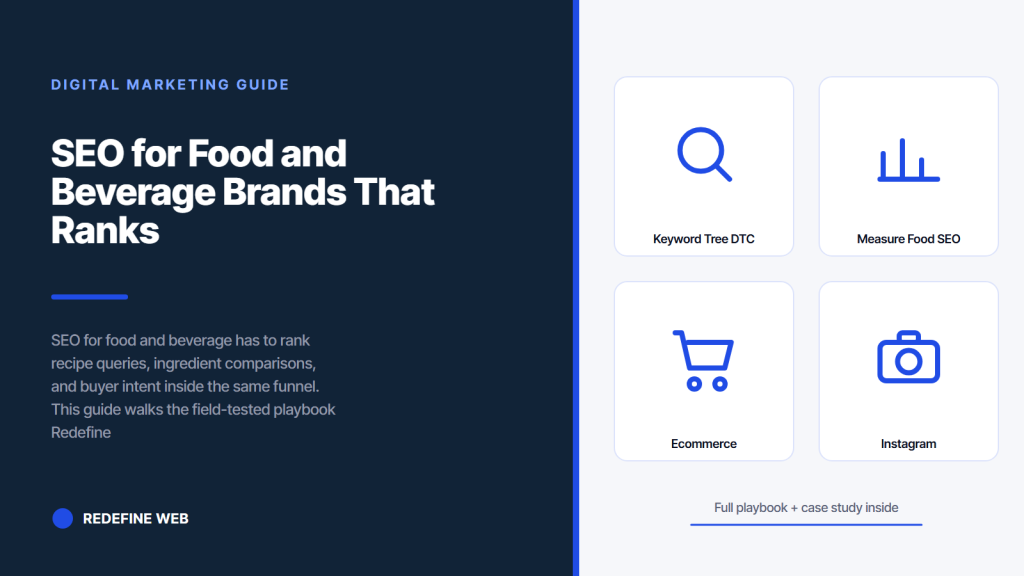
- Recipe, ingredient, comparison, and product queries need separate content types.
- Recipe schema opens the Google recipe carousel on top search page.
- Site speed under 2.5 seconds LCP protects branded rankings.
- Retainer floor is 599 dollars for a small DTC catalog.
- Rich results impression share matters more than raw rankings.
- Why SEO for food and beverage is different
- Keyword tree for a DTC food brand
- Schema markup every food brand needs
- Technical SEO checklist for food ecommerce sites
- Content pillars for SEO for food and beverage retainers
- How Vejrø Resort maps to a food and beverage brand
- Comparison of SEO content types for food brands
- How to measure food SEO success
- Budget ranges for SEO for food and beverage
- Where to start this quarter
SEO for food and beverage is the organic search program that pulls recipe queries, ingredient comparisons, and high-intent buyer terms into the same funnel and closes them on a DTC or retailer product page. The category is different from most SEO verticals because a food buyer starts on a recipe query, moves to a comparison query, and closes on a product query inside the same seven day window. Each query needs a matching content type, schema, and conversion path back to the DTC site or the Amazon storefront.
This guide walks the field-tested SEO for food and beverage playbook Redefine Web runs with DTC food brands, beverage startups, and packaged CPG accounts pushing into retail. You get the keyword tree that actually converts, the technical checklist that protects the catalog, and the reporting cadence that ties organic traffic to closed orders. If the current retainer is not tied to real revenue, this guide is the playbook the founder should hand the next partner.
Why SEO for food and beverage is different
SEO for food and beverage is different because the buyer path splits across recipe, ingredient, comparison, and product queries inside the same intent window. A shopper looking for a keto snack starts on a recipe search, moves to an ingredient comparison, and closes on a branded product query inside seven days on the same device.
Every query type needs a matching content template. Recipe queries need a recipe schema page with an ingredient list, method, and nutrition data. Ingredient queries need a category page with a clear pros and cons layout. Comparison queries need a direct head-to-head against the top three category alternatives on the same shopping tab. Product queries need a fast-loading product detail page with review schema, aggregate rating, and a clear price plus availability block ready for the search snippet.
The single largest win for SEO for food and beverage brands is a full recipe library built around the top 20 category recipes. A snack brand that publishes 20 recipe pages tied to the top 20 recipe queries in the category can double the organic traffic to the DTC site inside two quarters. The reason most food SEO retainers miss this is a keyword strategy that hunts commercial queries only and ignores the recipe query volume that feeds the top of the funnel. Read the food and beverage SEO page for the retainer scope Redefine Web runs on CPG accounts every month.
Keyword tree for a DTC food brand
A keyword tree for a DTC food brand splits into four branches. Recipe queries at the top of the funnel. Ingredient and category queries in the middle. Comparison and alternative queries near the bottom. Branded and product queries at the close. Every branch has a matching content type and a matching conversion path back to the DTC catalog.
Recipe queries pull in the largest search volume and the lowest intent. Ingredient queries pull in category education searches where the reader is comparing what the ingredient does, where it comes from, and how it stacks against alternatives. Comparison queries are the pre-purchase filter step where the reader has picked the category and is weighing three brands. Branded and product queries close on the site or the Amazon storefront and carry the highest conversion rate of the tree by four to eight times.
Budget allocation across the tree follows the intent curve. A growth-stage DTC food brand runs roughly 40 percent of content spend on recipe queries, 25 percent on ingredient queries, 20 percent on comparison queries, and 15 percent on branded and product queries. A scale brand past 10 million in trailing revenue flips the mix and pushes more into comparison and branded work because the recipe library is already built out. The Google recipe structured data guide is the current reference every food brand should hit before publishing a new recipe page.
Schema markup every food brand needs
Schema markup for a food and beverage brand covers five types across the catalog. Recipe schema on every recipe page with ingredient list, cook time, nutrition, and method fields filled in. Product schema on every product detail page. Aggregate rating schema pulling live review counts. FAQ schema on category and comparison pages. Organization schema on the home page and the about page.
Recipe schema is the highest-value type in the food vertical because it opens the Google recipe carousel on the top of the search page. A recipe page without recipe schema misses the carousel entirely and loses 40 to 70 percent of the impression opportunity for the query. Product schema on the DTC site pulls price, availability, and review count into the Shopping tab and the Google Merchant Center feed. Both types are non-optional on any food catalog past 20 SKUs on the retainer scope.
Schema validation has to run monthly on a Search Console audit plus a live Rich Results Test on every top revenue page. A Shopify theme update that drops product schema on the top ten SKUs is not visible in the admin but is visible to Google inside 48 hours, and the shopping tab impressions drop 15 to 30 percent the same week the schema breaks silently. See the monthly website maintenance packages page for the schema audit scope Redefine Web runs on every food client retainer.
Snack shopper hits recipe, then ingredient, then product across 7 days. If your site has product pages but no recipe library, you're missing the front of the funnel.
Technical SEO checklist for food ecommerce sites
The technical checklist for a food ecommerce site covers eight items every month. Site speed on Core Web Vitals field data, not lab data. Mobile usability across every product page. Broken link scan across the whole property. XML sitemap freshness inside 48 hours of a new product launch. Robots.txt review for crawl blockers on the checkout path.
The rest of the checklist covers canonical tags on every duplicate product variant, structured data validation across five schema types, and Search Console coverage and enhancements review. Site speed carries the most weight because a food brand runs on Shopify or WooCommerce with a Klaviyo pop up, a subscription plugin, a review app, and a shipping calculator that all load JavaScript on the same page. The LCP field data on mobile has to hold under 2.5 seconds on the top ten revenue pages every month.
Miss that mark for a full quarter and the branded search rankings drop as Google recategorizes the page under low-quality mobile experience. The single most common break on a food ecommerce site is the canonical tag on product variants. A snack brand that sells the same SKU in three flavors and a mystery box bundle needs a canonical strategy that consolidates ranking signal to the primary product page. Miss the canonical work and Google splits the ranking signal across four variant pages, and the branded query falls out of the top three inside six weeks. The fix is a canonical audit every quarter and a variant handling policy documented inside the SEO retainer scope from day one.
Content pillars for SEO for food and beverage retainers
Content pillars inside a food SEO retainer split into four families with clear ownership. Recipe pillars on the top 20 category recipes plus seasonal variants. Ingredient pillars on the top 15 category ingredients. Comparison pillars on the top ten head-to-head matchups against category competitors. Buyer guide pillars on the top five decision paths that funnel to the DTC checkout at the close.
Recipe pillars carry the biggest impression volume and the lowest conversion rate. Ingredient pillars carry the biggest link-earning volume because the ingredient page ranks well and attracts backlinks from recipe blogs and health content sites. Comparison pillars carry the highest commercial intent per view and convert at 5 to 8 times the recipe rate. Buyer guide pillars are the closer content that pulls a warm reader to the product detail page on the same session.
Content velocity for a growth-stage brand runs eight to twelve pieces per month across the four pillars for the first six months and drops to four to six per month once the pillar library is built. Every piece runs through an editorial brief tied to a target query, an outline that hits the answer directly in the first paragraph, and a fact check on any nutrition or ingredient claim before publish. Read the Search Engine Land SEO overview for the current best practices on editorial-plus-technical SEO work every food brand should track this year.
How Vejrø Resort maps to a food and beverage brand
Vejrø Resort is a Danish private-island resort that turned strong social engagement into direct bookings with an integrated website. Every play in that engagement transfers to a food and beverage brand running SEO on a DTC catalog with a farm-to-table story on the label.
Vejrø Resort hit 10K organic visits, 200 plus first-page keywords, and a 2.2 percent booking conversion rate inside three months of the SEO program launch. The playbook was a full-site technical audit, a content pillar build on hospitality plus destination queries, and a schema layer on the room and restaurant pages. Every one of those moves transfers to a food catalog. Technical audit on the Shopify or WooCommerce base. Content pillars on recipe, ingredient, comparison, and buyer-guide queries. Schema layer on recipe plus product plus organization types on the same catalog.
The transfer point for a food brand is the schema plus content combination. Vejrø’s schema on the restaurant page and the destination pages pulled the property into rich results across booking queries, and the same play works on a food brand for recipe carousels and shopping tab placements. A DTC snack brand that copies the same shape lands in the same three-month conversion curve on the SEO channel alone without needing a paid media push to prove the SEO layer is working on the retainer this quarter.
Comparison of SEO content types for food brands
The table below breaks down four common content types for SEO for food and beverage brands. Every row is field-observed on real client accounts across snack, drink, and specialty food verticals. The mistake most food SEO retainers make is picking one type and running it exclusively for six months. The right mix runs all four in parallel with the volume split by intent stage on the current cohort.
| Content type | Intent stage | Impression volume | Conversion rate | Best used for |
|---|---|---|---|---|
| Recipe pillar | Top of funnel | High | 0.2 to 0.5 percent | Category education |
| Ingredient pillar | Middle of funnel | Medium | 0.5 to 1.5 percent | Backlink earning |
| Comparison pillar | Pre-purchase | Medium | 2 to 5 percent | Category filter step |
| Buyer guide pillar | Close | Lower | 4 to 8 percent | DTC checkout close |
Two mistakes most food brands make on the content mix. First, running recipe pillars only and reporting impression volume as the win metric while the DTC conversion rate stays flat. Second, running comparison pillars only and missing the recipe volume that feeds the top of the funnel with new-buyer awareness. The right mix runs all four in parallel with a volume split roughly matching the intent-stage traffic share on the current cohort of new buyers.
The reporting layer has to tie every content type back to closed revenue, not to keyword rankings alone. A ranking win on a recipe pillar that never converts to a first order on the DTC site is a vanity win. A ranking win on a comparison pillar that converts at 4 percent is a real revenue win. Both matter, but the report has to name the difference every single month or the retainer drifts into vanity metrics inside two quarters. Read the food and beverage marketing hub for the parent scope on how SEO fits inside a full CPG retainer.
How to measure food SEO success
Measuring success for SEO for food and beverage starts with five numbers on a monthly dashboard. Organic sessions on the top 20 revenue pages. Ranking positions on the top 30 target queries. Rich results impression share on recipe and product queries. Assisted conversion count from organic traffic. Cost per acquisition on organic versus paid across the same cohort.
Assisted conversion carries the weight most SEO reports skip. A food brand shopper touches organic twice, paid once, and email once before the first order lands on the DTC site or the Amazon storefront. A report that credits the last click only misses the organic contribution that opened the buyer journey four days earlier in the same window. The fix is a multi-touch attribution model that gives partial credit to every touch inside the conversion window. GA4 exploration reports handle this cleanly if the events are set up correctly on the DTC site theme.
Rich results impression share is the food-specific metric that most SEO reports leave out entirely. The number of food brands paying for SEO without a rich results monitoring dashboard is roughly 80 percent of every account I have audited in the last three years, and the fix is a Search Console filter that isolates recipe carousel and shopping tab impressions on the top revenue queries every week on the retainer.
Budget ranges for SEO for food and beverage
SEO for food and beverage retainers run 599 to 5,000 dollars per month depending on catalog size, content velocity, and technical complexity. A single-brand DTC snack with 20 SKUs sits near the floor. A multi-brand CPG holding company with 200 SKUs and a retail feed sits near the ceiling of the range.
The floor retainer at 599 dollars per month covers a monthly technical audit, four content pieces, and a monthly report. The mid retainer at 1,500 to 3,000 dollars covers eight to twelve content pieces, quarterly technical deep dives, schema management, and monthly reporting with cohort attribution. The ceiling retainer at 3,000 to 5,000 dollars covers 12 to 20 content pieces, weekly technical monitoring, backlink outreach, and a dedicated strategist assigned to the account for the full quarter on the retainer.
Two pricing traps to avoid. First, retainers under 599 dollars per month that promise SEO wins on a catalog of 50 SKUs. The scope cannot fit the work inside the fee, and the deliverables slip inside two months of the go live date. Second, retainers at 5,000 dollars per month that never audit the technical layer and only ship content. The content pillars stack up but the technical debt slows every ranking win. Real SEO retainers cover both layers with a documented monthly split on the scope inclusion list.
Where to start this quarter
Where to start this quarter depends on the current state of the catalog. A brand with a Shopify site and no SEO history should start with a full technical audit covering schema, site speed, and canonical tags on product variants. That audit surfaces the fixes that open ranking gains inside 60 days before new content ships.
A brand with an existing SEO retainer and flat rankings should audit the content pillar mix and the schema layer separately. Ninety percent of stalled food SEO retainers stall on the same two issues. Content mix skewed too heavily toward recipe queries with no comparison or buyer guide layer. Schema layer broken or missing on the top revenue product pages. Fix both and the ranking curve resumes inside 90 days of the audit report landing in the founder inbox.
A brand pushing into retail should layer Amazon SEO on top of the DTC retainer inside the same quarter. Amazon carries different ranking factors than Google and needs a separate keyword tree, but the content and schema work on the DTC site feeds the branded search volume that Amazon rewards on the storefront. Read the Amazon Seller Central category resources for the current ranking factors every food brand should track before the next product launch.
The build layer under every food SEO retainer is the DTC site itself. A slow theme, a bloated app stack, or a checkout that breaks on mobile will limit every ranking win the SEO team delivers this quarter. Pair the SEO retainer with a real build audit on day one so the ranking gains actually convert. See the food and beverage web design page for the build scope that pairs with the SEO retainer on new engagements.
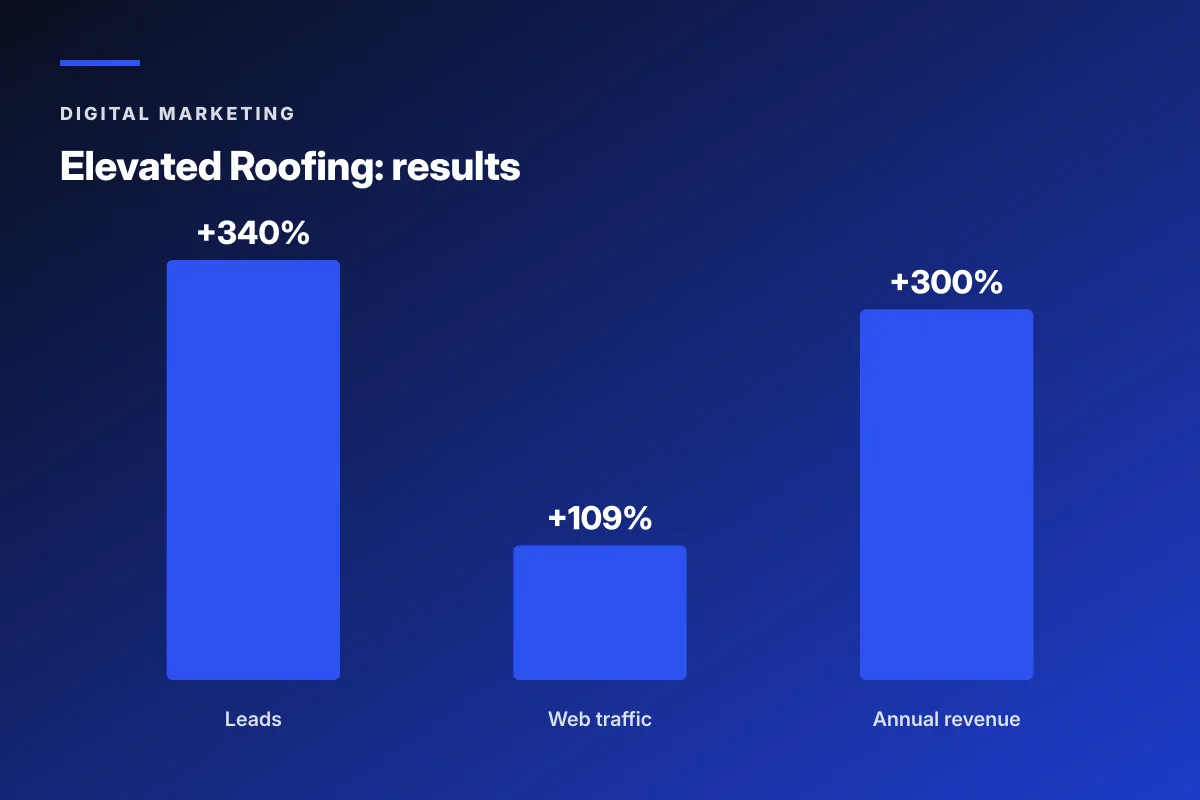
SEO for food and beverage is a four-pillar content program plus a technical layer plus a schema layer plus a reporting layer. Vejrø Resort grew organic sessions to 10K and hit a 2.2 percent conversion rate inside three months of the same shape, and a DTC food brand that copies the pillars, the schema, and the reporting cadence lands in the same growth curve inside two quarters on the SEO channel alone.

Frequently asked questions
Why is SEO for food and beverage different from other verticals?
SEO for food and beverage is different because the buyer path splits across recipe, ingredient, comparison, and product query types inside the same seven day intent window. A shopper looking for a keto snack starts on a recipe search, moves to an ingredient comparison, and closes on a branded product query. Every query type needs its own content template with its own schema and its own conversion path back to the DTC catalog or the Amazon storefront to work correctly on the search page.
What schema markup does a food brand need on the catalog?
A food brand needs five schema types across the catalog. Recipe schema on every recipe page with ingredient list, cook time, nutrition, and method fields. Product schema on every product detail page. Aggregate rating schema pulling live review counts. FAQ schema on category and comparison pages. Organization schema on the home page. Recipe schema opens the Google recipe carousel on the top of the search page and pulls 40 to 70 percent more impression volume per query on average across the category.
How much does SEO for food and beverage cost per month?
SEO for food and beverage retainers run 599 to 5,000 dollars per month depending on catalog size, content velocity, and technical complexity. The floor retainer covers a monthly technical audit, four content pieces, and a monthly report. The mid retainer at 1,500 to 3,000 dollars covers eight to twelve content pieces, quarterly deep dives, and schema management. The ceiling retainer at 3,000 to 5,000 dollars covers 12 to 20 pieces, weekly technical monitoring, backlink outreach, and a dedicated strategist on the account.
How many content pieces per month does a food brand need?
A growth-stage food brand runs eight to twelve content pieces per month across four content pillars for the first six months. Recipe pillar on the top 20 category recipes plus seasonal variants. Ingredient pillar on the top 15 category ingredients. Comparison pillar on the top ten head-to-head matchups. Buyer guide pillar on the top five decision paths. Content velocity drops to four to six pieces per month once the pillar library is built, with the rest of the retainer shifting to refresh and optimization work on the existing library.
How should a food brand measure SEO success month over month?
Measure success on five numbers monthly. Organic sessions on the top 20 revenue pages. Ranking positions on the top 30 target queries. Rich results impression share on recipe and product queries. Assisted conversion count from organic traffic. Cost per acquisition on organic versus paid across the same cohort. Assisted conversion carries the weight most SEO reports skip because a food buyer touches organic twice, paid once, and email once before the first order lands on the DTC site or the Amazon storefront.
Do food brands need separate SEO for Amazon and Google?
Yes, food brands need separate SEO for Amazon and Google because Amazon carries different ranking factors than Google and needs a separate keyword tree, but the content and schema work on the DTC site feeds the branded search volume that Amazon rewards. Amazon ranks on conversion rate, sales velocity, and keyword match inside the product title and bullet points. Google ranks on content quality, schema, backlinks, and site speed. A real SEO retainer for a food brand pushing into retail covers both platforms with coordinated strategy.
Book your free 30-minute strategy call.
No spam, no sales rep. We use your email to schedule your call with a senior strategist. That is it.
More from the blog
View all articles → Digital Marketing
 Dental Marketing Tips That Compound Into New Patients
Read article Digital Marketing
 Ecommerce Marketing Strategies That Drive Real DTC Revenue
Read article Digital Marketing