SEO for SaaS is not blog volume with a few keyword sprinkles on top. It’s a search program tied to your buyer stages, your product-led motion, and your revenue math. This guide covers what a real B2B SaaS SEO strategy looks like in 2026, how it differs from generalist SEO, and how to build a program that compounds pipeline instead of just producing traffic charts you send to the board every quarter.
Read straight through in twelve minutes. You get the search architecture, the keyword layering by buyer intent, the technical baseline, the content cadence, and the reporting shape that survives contact with a real CFO. Written for founders, heads of growth, VP marketing, and demand gen leads at $2M to $80M ARR B2B SaaS companies who are done buying paid traffic and want a compounding search asset. If a generalist retainer once sold you traffic charts and never touched pipeline, this is the honest reset.
How to improve seo for saas companies in the first 90 days
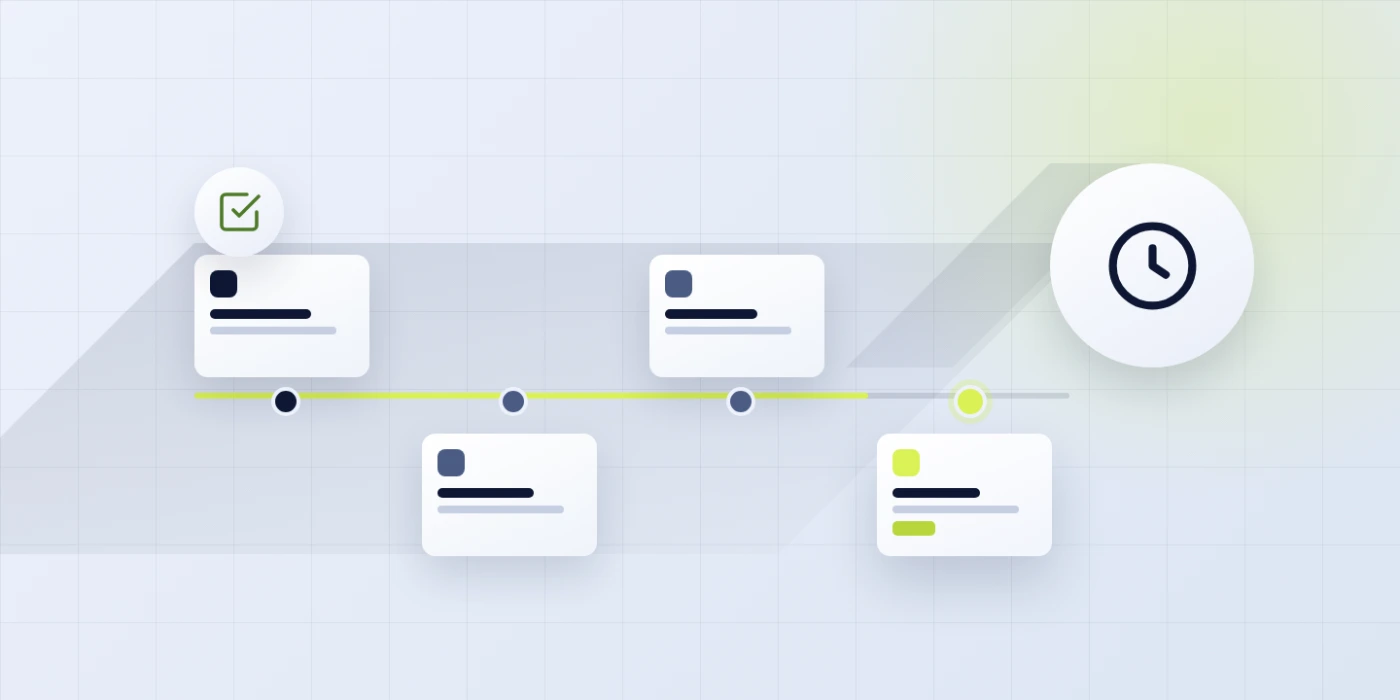
Ninety day plan for improving seo for saas companies. Days 1 to 30 are technical baseline, keyword architecture, and a competitive gap analysis. Days 31 to 60 are content brief production and site fixes applied in parallel. Days 61 to 90 are first-round publish cadence, initial link outreach, and pipeline tracking rebuild.
By day 90 you have 6 to 12 pieces of new content live, 40 to 80 technical fixes applied, a clean keyword architecture, and the first two weeks of pipeline attribution data flowing into your CRM. That’s enough baseline to run the retainer for another 12 months without guessing. Cut a phase short and something breaks 4 months later that the dashboard won’t warn you about.
Technical baseline in the first 30 days
The technical baseline covers crawlability, indexation, canonical logic, sitemap health, robots directives, Core Web Vitals, schema markup, and internal linking density. Most SaaS sites we audit fail on three of those eight the first time we look. Fix all eight and you free up organic potential that was quietly capped by hygiene issues. The web.dev vitals reference is the honest way to benchmark Core Web Vitals across a SaaS product marketing site.
Competitive gap analysis that names real names
A working competitive gap analysis names 5 to 10 direct search competitors, maps their ranking URLs against yours by keyword, and identifies the top 30 keyword gaps by intent. It also identifies the top 10 pages where they outrank you today and lays out a specific plan for each. Vague competitive analysis reads like a list of domain ratings. Real competitive analysis reads like a battle plan. Ask your SaaS SEO consultant which one they deliver in the first 30 days.
Content patterns for seo for b2b saas that actually convert
Six content patterns carry the load in b2b saas seo. Category primers. Comparison pages. Alternative-to pages. Use-case guides. Integration pattern pages. Docs-adjacent tutorials. Every published URL in the first year should fit one of these six patterns, tied to a specific keyword and a specific downstream conversion.
Anything that doesn’t fit one of these six is either thought-leadership content that belongs on a personal blog or news content that belongs in a newsletter. Both have their place. Neither drives organic search revenue at a level that justifies retainer investment. The temptation to publish outside these patterns comes from the CMO wanting to sound smart. Resist it, and the program will hold its shape.
| Content pattern | Buyer intent | Word count target | Downstream conversion |
|---|---|---|---|
| Category primer | Awareness | 2,500 to 4,000 | Newsletter signup |
| Comparison page (X vs Y) | Late-stage | 1,800 to 3,000 | Demo request |
| Alternative-to page | Late-stage | 2,000 to 3,500 | Free trial signup |
| Use-case guide | Solution research | 2,200 to 3,500 | Free trial signup |
| Integration pattern | Solution research | 1,500 to 2,500 | Trial + doc read |
| Docs-adjacent tutorial | JTBD post-signup | 1,200 to 2,000 | Activation event |
Comparison page anatomy
A comparison page that ranks and converts opens with a table above the fold, follows with a 3 to 5 section deep-dive on the top differentiators, includes a fair-minded weakness admission, and closes with a decision guide keyed to buyer type. Comparison pages that read like sales letters underperform. Comparison pages that read like Wirecutter reviews convert. Your reader is doing the same research anyway. Better they do it on your page than on a competitor’s.
Alternative-to page anatomy
Alternative-to pages target searchers who’ve decided the competitor isn’t for them and are shopping. Buyer intent is high, keyword volume is modest, and conversion rates on well-built pages run 3 to 7 percent to trial signup. Structure the page around the specific reasons users leave the competitor. Interview 5 current clients who switched from that competitor and write the page from their words. Templated alternative-to pages read hollow and rank thin. Real ones read like documentation for a migration decision.
Technical seo for saas that most teams under-invest in
Technical foundations for saas seo strategy cover more than site speed. Indexation logic for parameterized URLs. Canonical handling on multi-region content. Structured data on comparison and product pages. Hreflang for multi-language SaaS. Rendering strategy for JavaScript-heavy frameworks. Get these wrong and content investment underperforms permanently.
Most SaaS sites we audit fail on JavaScript rendering, on indexation of subdomain docs, and on structured data implementation. Fixing all three takes 4 to 8 weeks of developer time and adds 20 to 40 percent more indexed pages inside a quarter. If your engineering team is fully booked, technical work stalls first and content work absorbs the pain second. Fund the technical work before you scale the content investment, or you cap the whole program at whatever the shell of the site can support.
JavaScript rendering strategy
React and Next.js sites render pages either server-side, client-side, or via static generation. Google’s crawler renders JavaScript, but poorly and late. If your product marketing pages render client-side only, Google may index a shell of your content and rank you for phrases that don’t appear on the page. Static generation or server-side rendering is the honest choice for pages you want ranking. Next.js with SSR is the pattern we install most often on SaaS accounts.
Structured data on comparison pages
Comparison pages benefit from Product schema, Review schema, and FAQPage schema on the same URL. Category primers benefit from Article schema plus a defined author with Person schema. Docs-adjacent content benefits from HowTo schema. Roll all three of these into your CMS templates once and every published page inherits the structured data for its type. Manual schema per page always drifts. Template-level schema stays clean.
Link building patterns that fit b2b saas seo
Link building for a SaaS marketing site differs from ecommerce or local link building. Product launches on Product Hunt earn topical links from tech sites. Integration partnerships earn links from partner marketplaces and blog posts. Original data reports earn links from analysts and journalists. Ghost-written expert commentary earns links from industry publications. These four patterns produce 60 to 80 percent of the links your program needs.
Guest posting on generic marketing blogs no longer moves rankings the way it did in 2019. Paid link outreach on marketplace sites hurts your domain more than it helps. Focus link budget on the four patterns that produce real editorial links, and accept that the pace will be 6 to 15 links per month rather than the 30 to 50 links some agencies promise. Fewer, better, real links compound. Mass-produced links either get devalued or trigger manual actions. Neither outcome is worth the budget.
Integration partnership links
Every integration you build with another SaaS product creates a natural cross-link. Their marketplace lists your integration. Their launch blog posts mention your product. Your marketplace lists their integration. Both parties benefit. A working integration partnership program generates 3 to 8 quality editorial links per month once it hits steady state. It also feeds pipeline through the integration itself, which is a rare combination in link building.
Original data reports
Original data reports earn the highest quality links your program will see. A survey of 400 practitioners in your category, published as a report with clean charts and clear findings, will earn 40 to 80 editorial links across a 6 month news cycle. That’s the anchor of a link building program done right. One data report per year, done well, moves rankings more than a year of guest post outreach done sloppily. If your team lacks the survey design chops, hire a research contractor. Don’t skip the pattern.
Reporting and attribution for seo for saas
Attribution for a SaaS search program is a first-touch, last-touch, and assist model rolled together. Organic search rarely gets sole credit for closed deals in a B2B SaaS sales cycle. It usually gets first-touch on 30 to 50 percent of deals and assist on another 20 to 40 percent. Report both. The program earns its budget on the pipeline slide, not the traffic slide.
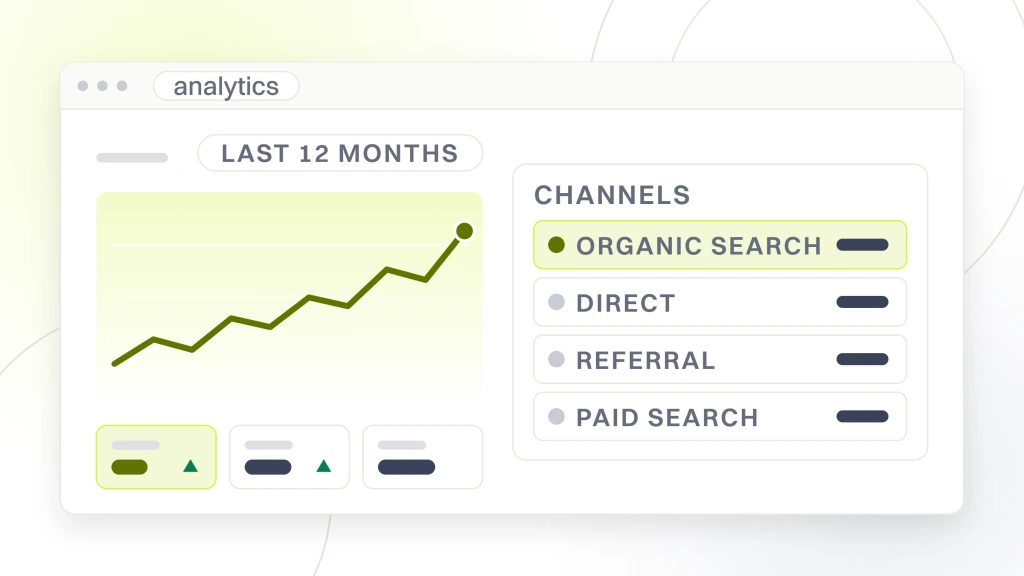
The reporting mistake we watch teams make is showing rankings, traffic, and MQL counts to the CFO. The CFO cares about pipeline sourced from organic and CAC payback by channel. Show those numbers first, then let the CFO ask about rankings if they want to. Structure your monthly report so the pipeline number is the first thing anyone sees. Rankings and traffic sit in the appendix where they belong.
Pipeline sourced from organic
Pipeline sourced from organic is the number that wins budget. Calculate it as the sum of pipeline dollars from opportunities where the first touch was an organic search visit. Report it against the total marketing spend on the search program, including consultant fees, writer costs, technical work, and link investment. A working program produces 3x to 6x pipeline-to-spend by month 12, and 8x to 15x by month 24. Anything less and something specific is broken. Redefine Web’s SaaS SEO Agency Tied to Pipeline & ARR reports pipeline this way by default.
CAC payback by channel
CAC payback for organic-sourced clients should trend 20 to 40 percent below paid-sourced clients by month 12 of the program. That’s because organic-sourced buyers come in with more context, higher intent, and stronger fit. If your organic payback is worse than paid by month 12, the keyword targeting is off. Look at the intent split, look at the buyer stage weighting, look at the landing pages. Something in the mix is pointing organic at the wrong buyers.
AEO. How AI answer engines change seo for saas
Answer Engine Optimization (AEO) sits alongside classic organic search now, not underneath it. When ChatGPT, Perplexity, or Google’s AI Overviews recommend a category leader by name, that’s a pipeline event you never appear in your GA report. A working saas seo guide in 2026 treats AEO as a second visibility layer, not a bolt-on tactic. Category primers and comparison pages that answer buyer questions cleanly get lifted into AI recommendations the same week they publish.
The mechanics differ from ranking blue links. AI systems prefer content with a clear entity (your product name), unambiguous facts, and quotable one-sentence answers near the top of each section. Write the first two sentences of every H2 as a standalone answer someone could screenshot. Add FAQ schema and Product schema so AI crawlers can lift the facts cleanly. Track brand mentions inside AI answers monthly as a leading indicator. It won’t show in Google Search Console, but it will show in demo requests where the buyer says a chatbot pointed them to you.
A real B2B SaaS engagement and what the numbers moved to
Rapyd Financial Network is a fintech SaaS with fragmented marketing and roughly 5 monthly inbound leads at start. A unified inbound program covered seo strategy for saas companies, content sprints, and CRM cleanup. Inbound leads tripled and organic traffic grew 5x inside two years.
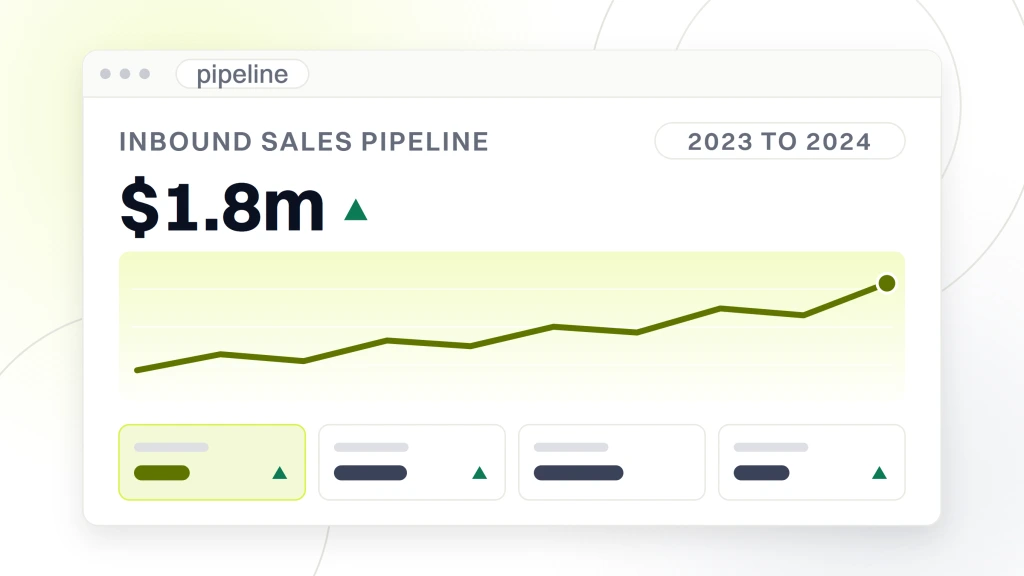
The engagement produced over $1.8m in inbound sales pipeline across the 2023 and 2024 program, tripled monthly inbound leads through a combination of content marketing and CRM integration, and 5x-ed organic website traffic through a combined SEO plus content plus redesign motion. The reason the numbers moved was disciplined execution against the six-pattern content architecture and the pipeline reporting shape described earlier in this guide, not any single tactic. Discipline compounds, tactics don’t.
What worked in the Rapyd Financial Network engagement
The two moves that produced most of the results. First, rebuilding the CRM and marketing automation stack so organic-sourced pipeline could actually be attributed. Second, a category-level content sprint that positioned Rapyd Financial Network against the comparison keywords their buyers were searching for. The technical baseline work and the link building were needed but not the primary levers. In fintech SaaS the reporting and positioning work usually matters more than raw content volume.
What broke along the way
A redesign mid-program broke a handful of URL structures and cost roughly a week of technical SEO cleanup. The team wanted to skip a proper redirect map to save developer time. Skipping it would have cost roughly 30 percent of the existing organic base. We pushed back, the redirect map got built, and the ranking hold survived the redesign. If your consultant doesn’t push back on shortcuts that break rankings, the retainer isn’t earning its fee.
In-house team versus saas seo agency for the strategy layer
Hire in-house SEO at Series B and beyond when your ARR clears $12M, your writer team is 3 or more people, and your content publishing cadence has stabilized above 30 pieces per year. Below that scale, an agency retainer covers the strategy layer at 30 to 50 percent of the fully loaded cost of an in-house SEO lead.
The two models are not mutually exclusive at scale. Once you cross $25M ARR most SaaS marketing orgs run both. An in-house head of SEO owns the daily rhythm and the internal politics, and a fractional agency partner brings the outside perspective and the tactical benchmarks from working across 20 to 40 other accounts. Anyone who tells you to pick one is oversimplifying the growth stage math.
When an agency retainer fits best
Agency retainer fits when you’re Series A to Series B, when your marketing team is 3 to 8 people, when you can’t dedicate a full-time hire to SEO, and when you want tactical benchmarks from other SaaS accounts. Agencies bring pattern recognition that no first in-house SEO hire will have on day one. They also bring writing capacity, technical depth, and link building relationships that would take 12 months to build in-house. See our B2B SaaS Marketing Agency Tied to Pipeline hub for the full retainer shape.
When in-house SEO fits best
In-house SEO fits when your ARR is above $12M, your writer team is scaled, your CMS demands hands-on daily maintenance, and your organic search program is central to growth. An in-house head of SEO owns tools budget, hires or fires writer roles, negotiates with product on tracking, and sits in the room where roadmap decisions are made. That level of embedded ownership isn’t something an agency partner can replicate at the same speed. Related. Search Engine Optimization Services.
Budget planning for a saas seo guide-worthy investment
Budget for a SaaS search program splits into four line items. Strategy and management ($4,000 to $28,000 per month). Content production ($3,000 to $18,000 per month). Technical fixes and development ($2,000 to $12,000 per month). Link building ($3,000 to $12,000 per month). Total programs run $12,000 to $70,000 per month depending on stage and ambition.
Under $12,000 per month you’re running a hobby program that will look busy on the dashboard but won’t move the pipeline number. Over $70,000 per month you’re into enterprise territory where the SaaS SEO ROI conversation shifts because paid channels also scale meaningfully. Most Series A to Series B SaaS companies land at $18,000 to $32,000 per month, all-in. That range produces the fastest compounding curve if the strategy is right.
Budget mix that produces the strongest results
- Strategy and management. 30 percent of program budget
- Content production including writers, editing, design. 35 percent
- Technical fixes, developer time, tooling. 15 percent
- Link building including outreach, PR, data research. 20 percent
These ratios drift by stage. Early stage tilts toward strategy and content. Later stage tilts toward links and technical. If any single line item exceeds 45 percent of program budget for more than a quarter, ask whether the mix is right for your current stage of program maturity.
Cost comparison versus in-house build
A fully loaded in-house SEO team of 4 people costs $580,000 to $820,000 per year including salary, benefits, tools, and overhead. That team can produce 60 to 100 published URLs and manage the full technical stack. An equivalent agency retainer costs $240,000 to $420,000 per year for the same output. Once you clear $18M in ARR, the in-house build becomes more efficient. Below that, the agency retainer wins on economics. Above $50M ARR, most orgs run both.
A twelve month plan that respects the compounding curve
Month 1 through 3 is foundation. Month 4 through 6 is first cadence and early ranking gains. Month 7 through 9 is publishing scale and first meaningful pipeline attribution. Month 10 through 12 is optimization and expansion of the winning topics.
Any plan that promises measurable pipeline in month 3 is misrepresenting the timeline. Search compounding is a 12 to 24 month asset. Paid channels give you speed. Search gives you durability. Both are valid. Match the timeline to the channel or you’ll keep firing consultants at the wrong problem.
Months 1 through 3 foundation work
Foundation work covers technical audit, keyword architecture, competitive analysis, editorial calendar, and the first 4 to 8 pieces of published content. Rankings barely move because domain age matters and content needs a few weeks to age in. This is the quarter that tests team patience. Founders who cut the retainer here miss the compounding curve entirely. Ride out the noise.
Months 10 through 12 optimization
By month 10, you know which content patterns produce pipeline in your specific vertical. Double down on those patterns. Retire content that gained traffic but didn’t convert. Rewrite comparison pages that ranked but didn’t convert. Refresh category primers that ranked but got outdated. The optimization quarter often produces the best CAC payback of the year because you’re focused entirely on proven patterns. Related. SaaS PPC Services: Ad Spend Tied to Pipeline.
Make seo for saas work for your next twelve months
The bottom line. A working seo for saas program is pipeline math on a 12 to 24 month timeline, six content patterns, a real technical baseline, and reporting that puts pipeline sourced from organic on the first slide. Everything else is decoration. Pick your budget band honestly, pick the six patterns that match your buyer, and pick a partner who reports pipeline first and rankings last. That’s the whole game.