
What Is Fashion Marketing?
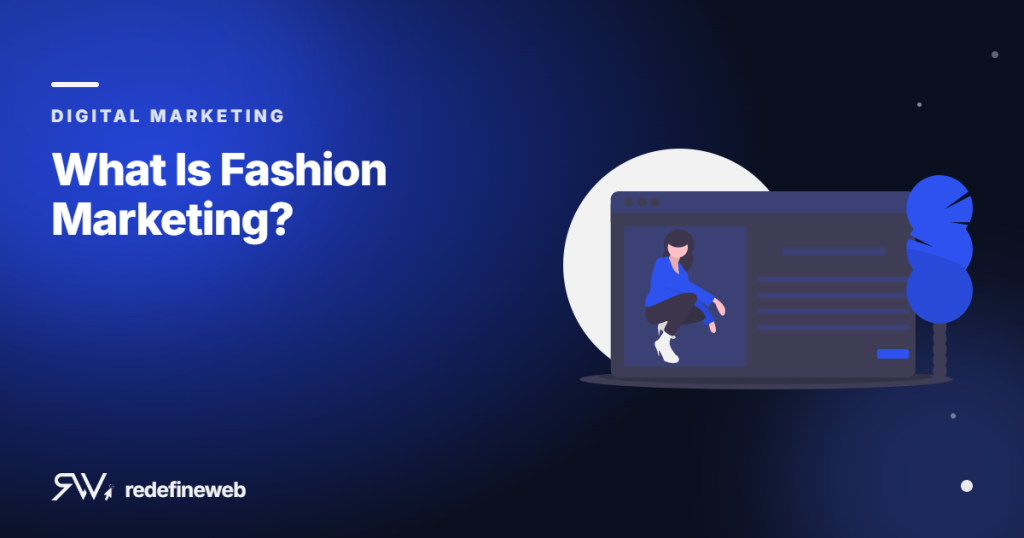
Fashion marketing is the process of connecting clothing, accessories, and lifestyle products to the right buyers at the right time. It combines visual storytelling, consumer psychology, trend forecasting, and channel strategy to build brand awareness and drive purchases. If you run a fashion brand, understanding how marketing works in this industry is the difference between a product that sells and one that sits in a warehouse.
This guide breaks down what fashion marketing actually involves, which channels move the needle, and what separates brands that grow from brands that stall.
How Fashion Marketing Differs from General Marketing
Most industries sell on features and price. Fashion sells on identity. When someone buys a jacket from a brand they love, they’re buying how it makes them feel and what it says about who they are. That shifts the entire marketing equation.
In fashion marketing, the visual layer carries most of the weight. A product photo can close or kill a sale before a single word of copy lands. The season cycle also matters — fashion brands typically plan campaigns 3 to 6 months ahead, tying content calendars to drops, collections, and cultural moments rather than quarterly promotions.
Brand perception matters more than in almost any other category. Consumers follow fashion brands the way they follow personalities. That means every touchpoint — Instagram post, packaging, email, website — shapes how the brand lives in someone’s mind.
The Core Goals of Fashion Marketing
Fashion marketers work toward a few specific outcomes:
- Brand awareness: Getting the right audience to recognize and remember the brand before they’re ready to buy.
- Audience growth: Building an owned audience (email list, social followers) that you can reach without paying for every impression.
- Purchase conversion: Turning browsers into buyers through product pages, retargeting ads, and email sequences.
- Repeat purchase and loyalty: Getting existing customers to buy again — which typically costs 5x less than acquiring a new customer.
- Brand positioning: Owning a specific position in the market (luxury, sustainable, streetwear, minimalist) so buyers know exactly what you stand for.
Most fashion brands focus heavily on acquisition and underinvest in retention. That’s a costly mistake — repeat customers spend 67% more per order than first-time buyers on average.
Key Fashion Marketing Channels
The channels that work for fashion brands are different from what works in B2B software or home services. Here’s where fashion marketing actually happens:
Instagram and TikTok
These are the two most important organic channels for fashion brands right now. Instagram drives discovery through Reels and Stories, while TikTok’s algorithm surfaces content to non-followers based on interest signals. Brands that post 4 to 7 times per week on these platforms see consistent follower growth and can generate meaningful organic traffic to product pages.
Influencer Partnerships
Fashion influencer marketing generates $6.50 in earned media value for every $1 spent on average. Micro-influencers (10,000 to 100,000 followers) consistently outperform mega-influencers on engagement rate and purchase intent. Fashion brands typically allocate 15% to 30% of their digital marketing budget to influencer partnerships.
Email Marketing
Email remains the highest-ROI channel in fashion. The average fashion email marketing campaign returns $36 for every $1 spent. New collection launches, restocks, and abandoned cart sequences drive the majority of email revenue. A brand with 10,000 email subscribers and a solid 3-email welcome sequence can generate $15,000 to $30,000 from that sequence alone in year one.
Paid Social Advertising
Meta (Facebook and Instagram) ads are the primary paid acquisition channel for most fashion brands. Dynamic product ads that retarget site visitors convert at 3x to 5x the rate of cold traffic campaigns. TikTok ads are growing fast, especially for brands targeting audiences under 35.
Search Engine Optimization
Fashion SEO targets both product-level keywords (“women’s linen blazer”) and editorial content (“how to style wide-leg trousers”). Brands that invest in SEO typically see search traffic compound over 18 to 24 months, reducing dependence on paid acquisition. Organic search drives 33% of all e-commerce traffic on average.
Fashion Marketing Strategy: The Basics
A working fashion marketing strategy needs a few things in place before it can scale:
- Clear brand positioning: Who is this brand for, what does it stand for, and what makes it different from competitors?
- Defined target customer: Not just demographic data, but psychographic insight — what does this person value, how do they shop, what content do they consume?
- Content system: A repeatable process for producing and distributing visual content across channels without burning out the team.
- Campaign calendar: Drops, launches, seasonal pushes, and sale events mapped out 90 days ahead.
- Measurement framework: KPIs for each channel — impressions and reach for brand awareness, click-through rates and conversion rates for paid campaigns, open and click rates for email.
Brands that skip the strategy layer and jump straight to tactics — posting on Instagram without a content plan, running ads without a defined audience — waste significant budget before they figure out what works.
The Role of Visual Identity in Fashion Marketing
Visual identity in fashion isn’t just a logo. It’s the full system: color palette, typography, photography style, model casting, set design, and post-production treatment. Consistent visual identity increases brand recognition by up to 80%. When someone scrolls Instagram and instantly knows a post belongs to a specific brand before reading the caption, that’s visual identity working.
Fashion brands that invest in professional photography and consistent art direction outperform competitors across every channel metric. Product images with clean, consistent backgrounds convert 20% to 40% better than inconsistent or low-quality imagery. Editorial content — styled shoots that tell a story — drives social shares and press coverage that product-only content rarely generates.
Seasonal Marketing in Fashion
Fashion operates on seasonal cycles that shape the entire marketing calendar. Spring/Summer and Fall/Winter collections drive the primary campaign pushes. Smaller drops, capsule collections, and collabs fill the calendar between major seasons.
The key dates every fashion marketer plans around include:
- New Year (January): fresh start, wardrobe reset messaging
- Spring launch (February to March): transitional weather, new arrivals
- Summer (May to June): vacation, outdoor, warm-weather collections
- Back to school (August): younger demographics, functional styling
- Fall launch (September): the biggest season for most apparel brands
- Holiday (November to December): gift purchasing, BFCM, end-of-year sales
Brands that plan content and ad budgets around these windows consistently outperform brands that react to seasons as they arrive.
Fashion Marketing for Small and Mid-Size Brands
Large fashion houses have eight-figure marketing budgets. Most brands don’t. For smaller brands, the priority is building an owned audience fast and using that audience to reduce paid acquisition costs over time.
Practical starting points for brands with limited budgets:
- Focus on two social channels instead of five — depth beats breadth at low budget levels
- Build the email list from day one — even 1,000 engaged subscribers outperform 10,000 passive social followers in revenue generation
- Partner with 5 to 10 micro-influencers per launch instead of one large influencer
- Invest in 2 to 3 high-quality editorial shoots per season rather than continuous low-quality content
- Run retargeting ads before cold acquisition ads — they cost less and convert better
Measuring Fashion Marketing Performance
The metrics that matter in fashion marketing depend on the goal and the channel. Here are the KPIs brands should track:
- Customer Acquisition Cost (CAC): Total marketing spend divided by new customers acquired in a period
- Customer Lifetime Value (LTV): Average revenue a customer generates over their relationship with the brand
- LTV:CAC ratio: Healthy fashion brands typically run 3:1 or higher
- Email open and click rates: Industry averages for fashion run around 21% open rate and 2.5% click rate — beating those benchmarks indicates a strong list
- Social engagement rate: Likes, comments, and shares divided by reach — 1% to 3% is typical for fashion brands on Instagram
- Return on Ad Spend (ROAS): Revenue generated per dollar spent on paid ads — most fashion brands target 3x to 6x depending on margin
Common Fashion Marketing Mistakes
Even experienced teams make these errors:
- Chasing trends instead of building brand: Hopping on every viral moment dilutes identity. Brands that anchor their content to a consistent aesthetic build more durable recognition.
- Ignoring email in favor of social: Social platforms change their algorithms. You don’t own your followers. Your email list is an asset you control.
- Running ads without creative testing: A single ad creative will fatigue quickly. Fashion brands need to test at least 4 to 6 creative variants per campaign.
- Underinvesting in product photography: Bad photos kill conversion rates. A $2,000 investment in a proper shoot can generate 10x that in improved conversion.
- Skipping post-purchase marketing: The first 30 days after a purchase are the highest-value window for repeat purchase. Most brands go silent after shipping confirmation.
Fashion Marketing FAQ
What does a fashion marketer do?
A fashion marketer develops and executes strategies to build brand awareness and drive sales for clothing or accessory brands. This includes managing social media channels, planning paid advertising campaigns, working with influencers, running email marketing, and coordinating creative content production. In larger brands, these functions split into specialized roles. In smaller brands, one or two people handle the entire marketing operation.
How much do fashion brands spend on marketing?
Fashion brands typically spend 8% to 15% of revenue on marketing. Luxury brands often spend at the lower end of that range because brand prestige carries organic demand. Direct-to-consumer fashion brands targeting growth frequently spend 20% to 30% of revenue on marketing, especially in the first two to three years when building awareness from scratch.
Which social media platform is best for fashion marketing?
Instagram is still the most effective platform for most fashion brands because of its visual format, shopping integrations, and audience demographics. TikTok has grown rapidly and drives high discovery, especially for brands targeting consumers under 35. Pinterest is underrated for fashion — it drives significant purchase intent traffic to e-commerce sites. The right platform depends on where your specific target audience spends time.
Is influencer marketing worth it for fashion brands?
Yes — when done right. The key is matching the influencer’s audience to your target customer, not just chasing follower counts. Micro-influencers with 10,000 to 50,000 followers often generate better results than accounts with millions of followers because their audiences trust their recommendations more. Measure influencer campaigns by referral traffic, promo code usage, and new customer acquisition — not just reach or impressions.
How long does it take fashion marketing to show results?
Paid advertising can show results within days. Email marketing typically produces measurable revenue within the first few weeks of running welcome and abandon sequences. Organic social growth takes 3 to 6 months of consistent posting before meaningful traction builds. SEO takes 6 to 18 months to show significant organic traffic growth. Fashion brands that combine paid channels for short-term revenue with organic and email for long-term growth build the most durable customer acquisition engine.
Book your free 30-minute strategy call.
No spam, no sales rep. We use your email to schedule your call with a senior strategist. That is it.
More from the blog
View all articles → Digital Marketing
 Do You Need a Beauty Social Media Marketing Agency?
Read article Digital Marketing
 How Emerging Beauty Brands Should Choose a Marketing Agency
Read article Digital Marketing