You want google ads management for orthodontists that pays back on signed cases, not clicks. The fair band sits at $999 to $4,500 per month on the agency side at Redefine Web, plus $4,500 to $28,000 in ad spend, and the scope that hits those numbers looks nothing like a template dental retainer. Disciplined orthodontic accounts hold cost per booked consult at $85 to $180 for braces and Invisalign, and consult-to-contract close rates land between 42 and 68 percent. Anything cheaper usually drops the single move that separates real orthodontic work from templated dental. Separate campaigns for adult Invisalign, teen braces, and pediatric early treatment, dynamic call tracking with treatment coordinator qualification tags, offline conversion imports from Dolphin or tops Ortho or Cloud 9, and monthly landing page tests mapped to each case type. Skip that scope and the ad budget bleeds on wrong-intent traffic inside 45 days.
Every figure in this guide comes from live Redefine Web dental and orthodontic client accounts and rate cards pulled from 15 orthodontic-focused Google Ads shops. Read it straight through in 10 minutes and you will know what a fair retainer looks like at your practice tier, which six patterns in a quote say walk, and how to grade an existing account on cost per signed case rather than raw clicks. For the vertical view across dental Google Ads work, see the dental PPC services page.
Case value math behind an orthodontic Google Ads retainer
Case value is what drives every retainer decision in google ads management for orthodontists. Adult Invisalign averages $5,200 to $7,800 per case. Teen full-treatment braces sit at $4,800 to $6,500. Pediatric phase-one early treatment runs $2,200 to $3,800. Retention and refinement contracts run $650 to $1,400. Your retainer should map to your case-value mix, because a $1,499 monthly retainer paying back on one Invisalign case is a different math than a $4,500 retainer paying back on nine consults a week.
Adult Invisalign economics
Adult Invisalign campaigns produce the highest revenue per click but require the tightest intent filter. Cost per click on Invisalign keywords now runs $8 to $22 in most metros, and cost per booked consult sits at $95 to $220 depending on how tight the negative keyword list stays. Consult-to-contract conversion runs 42 to 58 percent because adult patients research heavily before booking. The math still works. At $180 cost per consult and 50 percent close rate, cost per signed adult Invisalign case lands at $360 against $5,200 to $7,800 in case revenue, which is a 14x to 22x return on ad spend.
Teen braces and pediatric campaigns
Teen braces and pediatric early-treatment campaigns sit on longer decision cycles. Parents drive the booking and often shop two to five practices before signing. Cost per booked consult runs $65 to $150 for teen work and $45 to $120 for pediatric consults. Consult-to-contract conversion runs higher at 58 to 68 percent because in-person orthodontist rapport closes parent objections faster than digital research does for adult patients. Canadian Orthodontic Partners, an orthodontic network we work with across eight provinces, produced 97 percent more booked consults and 58 percent lower cost per consult after we split their teen and pediatric campaigns into dedicated structures with capacity-aligned bidding.
Google ads management for orthodontists fee band by practice size
Fair orthodontic Google Ads retainers at Redefine Web sit in a tight band tied to practice size and monthly ad budget. Solo orthodontists and single-location practices pay $999 to $1,499 monthly. Two-location and small-group practices pay $1,499 to $2,499. Regional groups with three or more locations pay $2,499 to $4,500. Orthodontic support organizations and multi-location networks running 10 or more offices sit at custom scope from $4,500 monthly. Anything under the floor drops the campaign-per-case-type build, and that split is the single move separating a real orthodontic retainer from a templated dental one.
Solo and single-location practices
Solo orthodontists running $4,500 to $9,500 monthly ad spend pay $999 to $1,499 for a real Google Ads scope at Redefine Web. That retainer covers three campaigns split by case type, weekly search-term review, quarterly landing page tests, treatment coordinator qualification review, and monthly reporting tied to booked consults and signed cases. Retainers under $999 usually cover a monthly login and a template report with no case-type work built in. VP Dental, a 20-year practice we work with, doubled new monthly patients and added $8,100 in monthly recurring revenue after we unified their web and paid strategy under one team with real reporting.
Multi-location groups and orthodontic support organizations
Multi-location orthodontic groups with three to nine offices spending $12,000 to $28,000 monthly on ads pay $2,499 to $4,500 at the retainer level. The scope adds location-level attribution, capacity-aligned bidding that shifts spend toward offices with open consult slots, and quarterly incrementality tests. Smile Design Dentistry, a 50-plus location DSO in Central Florida and Tampa Bay, cut cost per call 30 percent while scaling high-quality leads across every office after we restructured their PPC accounts by funnel and geography and added CallRail patient-quality scoring on every ring. Orthodontic support organizations with 10 or more offices sit at custom scope from $4,500 monthly with dedicated analyst hours, brand-plus-territory campaign structures, and multilingual campaigns in Spanish, French, or Mandarin depending on service area demographics.
Campaign structure that separates real orthodontic PPC from templated dental
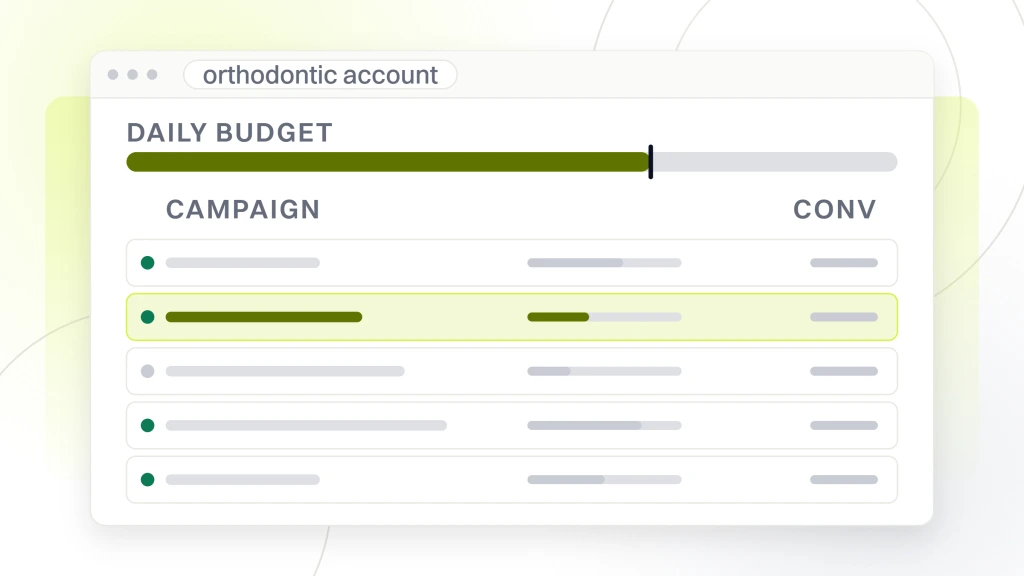
A working orthodontic Google Ads account splits into five campaign buckets. Adult Invisalign, teen full-treatment braces, pediatric early-treatment consults, retention and refinement, and brand terms. Each bucket runs its own landing page, its own ad copy, and its own bidding strategy. Accounts that dump all traffic into one dental campaign lose 35 to 55 percent of budget to case-type mismatch inside 60 days, and the exec dashboard hides the loss behind a passable blended cost per lead number.
Adult Invisalign campaign structure
Adult Invisalign campaigns sit on high-intent research phrases. Invisalign cost near me, invisalign consultation, clear aligners for adults, invisalign vs braces. Ad copy calls out consult pricing, monthly payment options, and treatment-timeline expectations. Landing page runs a case-type-specific quote form asking for treatment timeline preference, dental insurance carrier, and preferred consult window. Bidding runs on target cost per action against the booked consult goal with maximum bid caps around $18. Ad extensions call out board certification and provider tier when applicable.
Teen and pediatric campaign structure
Teen braces campaigns sit on parent-search phrases. Orthodontist for teens, braces for kids, teen braces cost. Ad copy calls out payment plans, financing partners, and the treatment-coordinator meet-and-greet before contract signing. Pediatric campaigns sit on early-intervention keywords. Children’s orthodontist, early treatment phase one, kids palate expander. Landing pages for both campaigns run parent-friendly content with treatment timelines, financing options, and social proof from local school district referrals. Read the dental Google Ads keywords guide for the full keyword expansion strategy across adult, teen, and pediatric orthodontic search intent.
Pricing table for orthodontic PPC by practice tier
Here is the fee band we quote when an orthodontist asks what a fair Redefine Web retainer should look like at their practice tier. The floors line up with published rate cards from 15 orthodontic-vertical Google Ads shops, cross-checked against live cost data from four Redefine Web dental and orthodontic client accounts.
| Practice tier | Monthly ad spend | Fair Redefine Web retainer | What the retainer covers |
|---|---|---|---|
| Solo orthodontist | $4,500 to $9,500 | $999 to $1,499 | 3 campaigns by case type, weekly cadence, quarterly LP tests, treatment coordinator sync |
| Two-location practice | $9,500 to $18,000 | $1,499 to $2,499 | Location-level attribution, offline conversion imports, monthly LP tests, dedicated AM |
| 3 to 9 location group | $18,000 to $35,000 | $2,499 to $4,500 | Capacity-aligned bidding, quarterly incrementality tests, dedicated analyst hours |
| 10-plus location OSO | $35,000 to $120,000 | from $4,500 (custom scope) | Multilingual campaigns, brand plus territory structure, PE reporting cadence |
| Enterprise network | $120,000 to $400,000 | from $4,500 (custom scope) | Dedicated pod, media mix modeling, location-level attribution, weekly exec review |
Reading the table without getting fleeced
The fair retainer column reflects mid-market orthodontic rate cards after removing outliers. A quote 30 percent above the top of your row reflects true orthodontic specialization worth paying for, especially if the agency runs 8 or more orthodontic accounts and can show current cost per booked consult benchmarks in your metro. A quote 40 percent below the floor means the agency will treat orthodontics like general dental and skip the case-type campaign split, which produces a 40 to 65 percent higher cost per booked consult within 60 days.
Ad spend to retainer ratio
Healthy retainer to ad spend ratio for orthodontic work sits at 10 to 20 percent. Below 8 percent, the agency cannot afford the case-type campaign split and treatment coordinator sync work. Above 25 percent, you overpay for weekly attention that a smaller orthodontic-vertical shop delivers at fair rate. The ratio holds inside that band across solo through mid-size group tiers. Enterprise networks and orthodontic support organizations run tighter ratios at 4 to 10 percent because location-level attribution work scales cheaper per office once the analytics stack is built and multi-location campaigns share infrastructure.
Tracking setup that pays for itself in 60 days
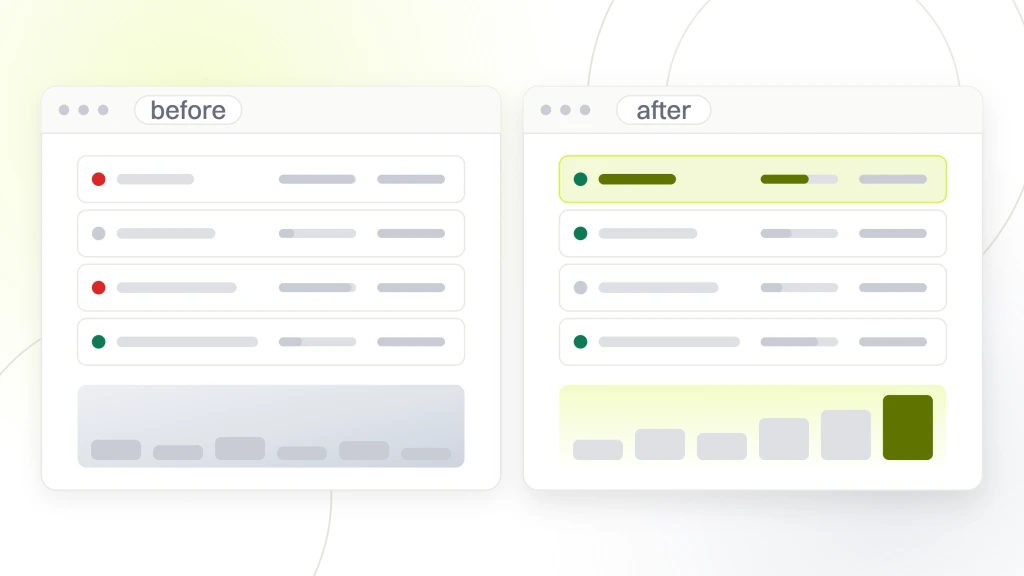
Orthodontic Google Ads tracking runs on three layers. Ad-platform conversion tracking captures form fills and clicks-to-call at the campaign level. Call tracking with dynamic number insertion pins phone calls to the exact keyword that produced them and tags each call by case type. Practice management system integration then pushes booked consults and signed contracts back into Google Ads through the Enhanced Conversions API. Skip any layer and the account optimizes against half the picture, which shows up as inflated cost per signed case at month three.
Practice management system imports
Dolphin Imaging, tops Ortho, and Cloud 9 Ortho all export consult and contract data through webhooks or CSV that a real agency imports into Google Ads through the Enhanced Conversions for Leads API. Setup takes an engineer six to twelve hours per practice and runs about $400 to $600 in one-time build cost. Once installed, Google Ads bids against booked consults and signed contracts rather than form fills, which produces a 25 to 35 percent drop in cost per signed case within 60 days. Read the Google Ads Enhanced Conversions documentation for raw setup steps.
Treatment coordinator qualification tagging
Call whisper messages let the treatment coordinator hear a pre-answer message identifying which Google Ads keyword produced the call and which case-type campaign it belongs to. Qualification tagging in CallRail then flags each call as booked, consulted, or wrong-fit, and those tags feed back into Google Ads through Zapier or a native integration. This piece takes four to six hours to set up and pays back at week three when the case-type campaigns start converging on qualified consults rather than raw call volume. Practices that skip this step optimize against the wrong signal and pay for it every month after.
Red flags in an orthodontic Google Ads quote
Six patterns in an orthodontic Google Ads quote say walk. Two red flags together is a hard pass, not a negotiation opening. About half the quotes prospects send Redefine Web for a second opinion carry at least one of these patterns, and the ones that carry three or more usually come from agencies running the account as a side-of-desk template job.
- One campaign for every case type. Adult Invisalign, teen braces, and pediatric intent look nothing alike on the search side.
- No treatment coordinator sync in the scope. The agency runs the account blind to consult-to-contract behavior.
- No offline conversion import from Dolphin, tops Ortho, or Cloud 9. Bidding optimizes on form fills, not signed cases.
- No landing page tests in the scope. Traffic hits a generic services page and consult conversion craters.
- Ad account held inside the agency’s manager. Keyword history and consult data walk with the agency at contract end.
- Contract longer than 12 months. The agency needs runway to earn back an underpriced setup, which usually means inflated monthly work.
Single-campaign structure for all case types
Any orthodontic Google Ads quote that runs one campaign for all case types is a hard pass. Adult Invisalign, teen braces, and pediatric early-treatment intent look nothing like each other on the search side, the landing page side, or the treatment coordinator side. A scope that quotes one campaign for the account signals the agency treats orthodontics like a template dental vertical and skips the case-type work, which is the single biggest fee-versus-value driver in the vertical. That one shortcut is worth 40 to 65 percent of your ad budget every month it stays uncorrected.
No treatment coordinator sync in the scope
Any orthodontic scope without a weekly or biweekly treatment coordinator sync in writing signals the agency runs the account blind to consult-to-contract behavior. The treatment coordinator sees the pattern in consult behavior first, months before the Google Ads report shows it. A real agency has that sync on the calendar, brings tagged call recordings to the meeting, and lets the coordinator flag which case-type campaigns produce the wrong-fit consults.
Cost per signed case is the only number that matters
Cost per signed case is the number that matters in google ads management for orthodontists, not cost per click or cost per lead. Fair cost per signed adult Invisalign case runs $360 to $520. Fair cost per signed teen braces case runs $140 to $280. Fair cost per signed pediatric early-treatment case runs $95 to $210. Grade any orthodontic Google Ads account by matching these figures against average case value in your metro, and drop the raw cost per lead number from the dashboard because it hides wrong-intent traffic that never books a consult.
Adult Invisalign benchmarks
Adult Invisalign accounts produce signed cases at $360 to $520 all-in for practices in tier-one metros like Los Angeles, Chicago, New York, and Boston, and $220 to $380 in secondary markets. Average case value at $5,200 to $7,800 translates to 12x to 22x return on ad spend at the healthy end of the band. Practices holding cost per signed case above $600 have usually skipped the case-type campaign split or run without a treatment coordinator sync, both of which grow consult-to-contract conversion by 30 to 45 percent when installed correctly.
Teen and pediatric benchmarks
Teen and pediatric campaigns produce signed cases at $95 to $280 in most markets, with average case value at $2,200 to $6,500. The math holds at every case-value tier as long as consult-to-contract conversion stays above 55 percent, which requires the treatment coordinator sync, quick consult follow-up within 4 hours of the ad click, and financing plans presented in the first consult. Practices without financing plans in the ad copy or landing page lose 40 to 60 percent of teen and pediatric consults at the first-price conversation. iSmile Dental Spa in Carmichael, California grew patient volume 900 percent after we combined SEO, Google Ads, and video into one coordinated program.
In-house versus agency for orthodontic paid media
An in-house paid media manager for an orthodontic practice or group runs $75,000 to $130,000 in loaded salary at the mid-market level, or about $6,250 to $10,800 monthly. Add a marketing analyst and the full in-house team lands at $12,000 to $18,000 monthly, which is the fair benchmark for any agency retainer above $8,500. Under $8,500 monthly, the agency wins on cost per signed case because a specialist team runs 8 or more orthodontic accounts and pattern-matches wins across the vertical fast.
When to bring the work in-house
Bring the work in-house when monthly ad spend clears $80,000 across three or more locations, when three or more paid channels need coordinated attribution, and when the group has a marketing director willing to manage a paid media team. Below those triggers, the agency model produces better cost per signed case because the specialist team pattern-matches wins across many orthodontic accounts and sees case-type-specific patterns fast. Independent dental-marketing benchmarks from the American Association of Orthodontists trade press cover the in-house-versus-agency tradeoff in more depth if you want the vendor-neutral view before signing.
Hybrid staffing pattern for OSO networks
The best-performing orthodontic support organizations run a hybrid model. One internal marketing director owning the roadmap plus a specialist orthodontic Google Ads agency running execution. Total spend lands at $3,500 to $8,000 monthly on the agency side and produces about 30 percent better cost per signed case than a pure agency stack at the same budget. The director owns brand, market expansion, and multi-location coordination. The agency owns platform depth and daily execution. That split works because the director knows the network and doctor relationships, while the agency team touches many orthodontic accounts a month and sees case-type wins faster than any solo hire.
Contract length and cancellation terms that work in this vertical
Standard orthodontic Google Ads contracts run six months with a 30-day out clause after that window. Anything past 12 months signals the agency needs runway to earn back an underpriced setup and usually means inflated monthly work. Anything under 90 days rarely produces enough consult data for the case-type campaigns to converge, and the fair cost-per-signed-case numbers never show. Six months is the honest floor for google ads management for orthodontists, and every Redefine Web agreement in this vertical sits on that term.
Why the six-month floor works for orthodontics
The first 30 days go to account audit, tracking install, practice management system integration, and case-type campaign structure build. Days 31 to 60 launch campaigns with a test budget. Days 61 to 90 scale winners and cut losers as consult-to-contract conversion data accumulates. Month four is when Google Ads bidding algorithms have enough signed-case signal to price each case-type campaign properly. A three-month contract barely gets past the practice management system integration. Six months lets the account clear at least two full consult-to-contract cycles and produces the cost per signed case numbers a real quarterly review can act on.
Ad account ownership clauses
Every fair orthodontic Google Ads contract transfers full Google Ads account ownership to the practice at signing. The agency runs the account under the practice’s Google Ads ID through the manager-account link, not the other way around. Same rule applies for the CallRail account and any tracking integration built during onboarding. Any agency that insists on holding the ad account or tracking stack inside their own manager account is telling you exactly what happens to keyword history and consult data on the way out. Get that clause in writing before setup runs.
Landing pages by case type, not one generic dental page
Landing pages sit inside the retainer scope at every serious orthodontic Google Ads agency. Each case-type campaign gets its own page, because search intent and conversion behavior look nothing alike across adult Invisalign, teen braces, and pediatric early treatment. Practices running one dental page against three campaign types blur the intent and lose 25 to 40 percent of consult conversions. North County Dental Care in Vista, California grew organic traffic 385 percent and marketing ROI 500 percent after we rebuilt the site on a mobile-first, HTTPS foundation with dedicated service pages.
Case-type-specific landing page structure
Adult Invisalign landing pages call out clear pricing, monthly payment plans, before-and-after gallery of adult patients, and a consult form asking for treatment-timeline preference. Teen braces landing pages stress financing options, parent testimonial video, and a fast consult-scheduler form with parent contact fields. Pediatric landing pages call out early-treatment benefits, kid-friendly office photos, and a consult form that captures child’s age and orthodontic screening date. Each page runs its own conversion goal in Google Ads so bidding optimizes per case type rather than blending three different case-value profiles into one bid target.
Financing and pricing transparency
Landing pages that call out financing partners like CareCredit, Sunbit, or in-house payment plans convert consults at 22 to 34 percent higher rates than pages that hide pricing. Adult Invisalign pages that show a starting monthly payment produce 41 percent higher form fills than pages that quote total case cost only. Teen braces pages that display the parent-facing monthly financing option convert consults at 27 percent higher rates. The finance disclosure runs a full paragraph and links to CareCredit’s official application flow.
How to pick the right orthodontic Google Ads agency
Pick an orthodontic Google Ads agency on three inputs. The number of active orthodontic accounts they run today, whether their scope includes weekly call-recording review with the treatment coordinator, and their case-study library for orthodontists in your practice tier and case-value mix. Weigh those inputs against your ad budget and case-type distribution, then run the six red flags before signing. If any answer dodges or defers, keep looking.
Five questions to ask on the discovery call
Ask five questions on the discovery call. First, how many active orthodontic accounts run at the agency today and how many in your exact case-type mix. Second, how does the scope handle case-type campaign splits and who builds the landing pages. Third, how do you run the treatment coordinator sync cadence and what tagged call recordings do you bring to it. Fourth, how do you handle offline conversion imports from Dolphin, tops Ortho, or Cloud 9. Fifth, what does the cancellation clause say and who owns the Google Ads account. Pain Cure Clinic, a chiropractic and wellness practice we work with, grew patient appointments 205 percent and organic traffic 289 percent after we ran the same five-question discipline across their paid and organic build.
Case study patterns worth trusting
Trust a case study that names the practice, the case-type mix, the metro, the retainer band, and the cost per signed case at 90-day and 12-month marks. Ignore case studies that quote traffic percentages without a signed-case number. Canadian Orthodontic Partners produced 97 percent more booked consults, 58 percent lower cost per consult, and 105 percent higher conversion rates on our program. That is the shape of a real orthodontic case study. See the how to choose a dental Google Ads agency for the sibling breakdown on scope and pricing.
Getting real value from google ads management for orthodontists
Orthodontic Google Ads sits in a tight band once you strip out the sub-$999 templated retainers and the enterprise 25-percent-of-spend outliers. Between $999 and $4,500 monthly is where 80 percent of mid-market orthodontic practices find real value at Redefine Web. Match the fee to practice tier and case-type mix, keep retainer-to-spend ratio at 10 to 20 percent, and hold the agency accountable to case-type campaigns and weekly treatment coordinator sync.
Where Redefine Web sits on the orthodontic price band
Our orthodontic Google Ads retainers start at $999 monthly for solo orthodontists under $9,500 in ad spend, scale to $1,499 to $2,499 for two-location practices at $9,500 to $18,000 monthly spend, and top out at $4,500 for regional groups above $18,000 monthly spend. Larger networks and orthodontic support organizations sit at custom scope from $4,500 monthly. Every retainer includes case-type campaign splits, weekly treatment coordinator sync, and quarterly landing page work. Every scope tier delivers weekly optimization plus a consult review, not a monthly PDF. See the best Google Ads management agencies shortlist for the full scope breakdown across paid channels.
Next steps if the fee still feels murky
Take the free Google Ads audit before you sign anything. Five business days, a 12-page report, and it tells you what the retainer should cost against your case-type mix, monthly ad budget, and consult capacity. If a quote you got sits 30 percent above or below the audit’s fair-range number, the report shows why. See the Google Ads audit page to start.