Google Ads management Raleigh accounts win or lose on 4 clear moves. County-level bid modifiers, tight negative keyword lists, dedicated landing pages per service line, and call tracking wired to the Google Ads click ID. The Triangle DMA covers 2.2 million people across Wake, Durham, Orange, Johnston, and Franklin counties. Raleigh added roughly 62,000 residents per year for the last 3 years, driven by RTP tech growth, Duke and UNC medical spillover, and a strong local trades market. Cost per click across the Raleigh DMA sits 10% to 25% below the national average for most service verticals. That gap gives Triangle shops real cost control on paid search. Poorly run Google Ads management Raleigh accounts still waste 30% to 55% of spend on the wrong queries, wrong ZIPs, and wrong device targeting.
What follows is the operating model our team runs on live Triangle Google Ads accounts. Vertical benchmarks, campaign structure, negative keyword shape, conversion tracking, and the monthly cadence that keeps the phone ringing for HVAC crews, dentists, med spas, law firms, and B2B software companies across Raleigh, Cary, Apex, Wake Forest, and Durham. Every number traces to accounts we manage today across the Research Triangle. Retainer pricing sits at $999 to $4,500 per month based on ad spend tier and scope, and the wrapper around the ad spend does more work than the spend itself. Our Google Ads management pricing guide walks the seasonal math and fee model math in detail.
Google Ads Management Raleigh Runs on Its Own Triangle Map
Raleigh Google Ads auctions do not price uniformly across the metro. Wake County holds the largest population base. Durham and Orange counties hold RTP tech companies plus the Duke and UNC medical clusters. Johnston and Franklin counties hold the outer suburbs where household income runs 10% to 25% below Wake County. Auction pressure varies by county. Cary and Apex auctions run 15% to 25% hotter than downtown Raleigh for most service verticals because household income runs higher. Wake Forest and Holly Springs run at par with downtown Raleigh. Auction pressure in Johnston County runs 10% to 20% below Wake County across most verticals. Setting a flat DMA-wide bid ignores this map and burns budget on the wrong ZIPs.
The vertical mix that shapes Raleigh auctions
Home services dominate Wake County Google Ads spend. HVAC, plumbing, roofing, and pest control compete hard against national franchise brands and hyperlocal shops. Healthcare, dental, and med spa concentrate through Cary, Apex, and North Raleigh where household income supports elective care. Legal spend concentrates on personal injury and family law with cost per click running $35 to $95 for head terms. B2B software companies concentrated inside RTP and along Six Forks Road carry lower auction pressure but tighter attribution requirements to satisfy investor reporting inside the quarterly cadence. Match the campaign structure to the vertical mix or the account will drift within the first 90 days.
Seasonality on the Triangle map
Raleigh Google Ads seasonality tracks weather plus the university calendar. HVAC peaks span May through September when North Carolina heat pushes AC demand hard. Roofing peaks after the March through May storm windows and the fall hurricane threat window. Dental books strongest in January when insurance benefits reset and again in August when the university crowd rebuilds. Legal stays flat year-round. Retail DTC brands run a Black Friday spike from mid-October through late December. Shops running flat annual budgets miss these seasonal peaks and overspend through the flat months across the Triangle. Budget pacing has to bend with the season, not fight it.
Google Ads Management Raleigh Pricing Across Account Tiers
Raleigh Google Ads management pricing splits across 3 account tiers by ad spend. Sub $5,000 accounts price at $999 to $1,499 in management fee per month. Mid-market accounts spending $5,000 to $25,000 monthly price at $1,499 to $2,499. Enterprise accounts spending over $25,000 monthly price at $4,500 flat or from $4,500 upward, or 8% to 12% of spend for accounts on a percentage model. Percentage-of-spend fee models drift out of alignment as spend rises past $20,000 per month because the workload flattens while the fee keeps climbing across the account. Ask any Raleigh agency to show a flat-fee tier once monthly spend passes $15,000.
Solo trade and single-location retail
A single-location Triangle home services shop spending $4,000 monthly on Google Ads should expect $999 to $1,499 in management retainer. That covers one active campaign, a negative keyword file, weekly bid tuning, monthly reporting, and one small landing page test per quarter. Shops paying more than $1,200 a month for a $4,000 spend account usually get a scope that includes retargeting, GA4 event configuration, or a second campaign for a secondary service line. Anything cheaper than $999 per month usually runs as bot-driven optimization with no Triangle market knowledge behind the account. A Fuquay-Varina HVAC shop we audited last quarter had been paying $299 a month for 18 months and never saw a cost per lead report.
Mid-market and multi-location
Mid-market Raleigh accounts running $8,000 to $25,000 monthly in Google Ads spend should budget $1,500 to $3,200 per month in management fee. That covers 3 to 7 campaigns, active Shopping or Performance Max where the vertical supports it, weekly optimization work, monthly executive reporting, quarterly landing page testing, and dedicated strategist time. Multi-location retail groups running 4 to 8 stores across the Triangle tend to sit at the $2,499 per month tier because store-level conversion tracking adds workload across the account. A Cary med spa group running 3 locations on our retainer last year wired store-level attribution through GA4.
Enterprise B2B and RTP tech
Enterprise B2B accounts based in RTP or downtown Raleigh usually spend $25,000 to $90,000 monthly on Google Ads. Management fees at that scale start at $4,500 monthly under a flat fee model, or 8% to 12% of spend for accounts that grow steadily. Scope covers offline conversion imports from Salesforce or HubSpot, pipeline attribution back to keyword, quarterly incrementality testing, and executive briefings on paid channel spend across leadership. RTP B2B accounts treating Google Ads as brand build without pipeline attribution usually cancel the retainer inside 12 months. Google’s own offline conversion tracking documentation walks the import pattern the enterprise stack usually adopts.
Google Ads Management Raleigh Campaign Structure That Fills the Board
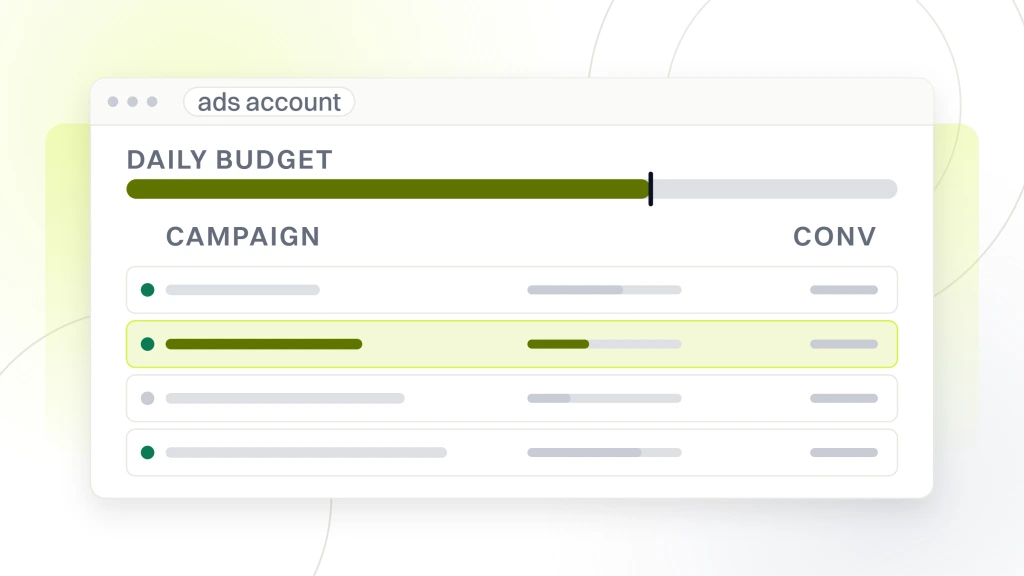
Raleigh campaign structure that books calls splits by service line rather than by geography. A plumbing account gets separate campaigns for emergency, drain cleaning, water heater, and repipe. A dental account gets separate campaigns for cleaning, cosmetic, implants, and Invisalign. Geography sits inside each campaign via county-level bid modifiers, radius targeting around the shop or office, and ZIP-level exclusions where conversion history proves the spend does not pay back for the account. Structure by service line, control by ZIP. Reverse the frame and the account will feed budget to head terms without conversion history to back the spend.
Ad group and match type discipline
Ad groups inside each Triangle campaign hold 3 to 5 tightly themed keyword variants. Phrase match dominates because broad match now leans on Google smart bidding to steer, and the algorithm still sends odd queries when the search intent gets ambiguous. Exact match handles the head terms with proven booked-call history. Broad match handles Performance Max feeds and audience signals where the discovery layer earns its keep. Raleigh accounts stuffing 40 keywords into one ad group usually see their Quality Scores drop 2 to 3 points across the board within 60 days of launch. Tight themes read as relevance to the auction and the auction rewards relevance with lower cost per click.
Location targeting across the Triangle
Location targeting on a Triangle account should include Raleigh, Cary, Apex, Morrisville, Wake Forest, Holly Springs, Fuquay-Varina, Durham, Chapel Hill, and Garner as the core service area. Add plus 15% to plus 25% bid modifiers for Cary and Apex where household income runs highest. Add plus 5% to plus 15% modifiers for North Raleigh and Morrisville. Add neutral to minus 15% modifiers for Fuquay-Varina and outer Wake County. Exclude Johnston and Franklin counties at the outset unless conversion history has proved those markets. Practices skipping this county-level tuning waste 20% to 35% of spend on ZIPs that never convert. County modifiers are the fastest single fix on most Raleigh audits.
Bidding strategy selection
Bidding strategy selection depends on conversion volume. Accounts booking under 30 conversions per month should stay on maximize clicks or manual CPC until the account trains enough conversion data to feed smart bidding. Accounts booking 30 to 90 conversions per month can shift to target CPA. Accounts booking over 90 conversions per month can shift to target ROAS or maximize conversions with a target CPA guardrail. Raleigh accounts often reach the smart bidding threshold inside 90 days on properly built accounts because Triangle population growth pushes steady query volume across most service verticals.
Google Ads Management Raleigh Tracking That Closes the Loop
Conversion tracking on any Triangle Google Ads account should cover 4 primary events. Form submissions on the site. Phone calls tracked through CallRail or CallTrackingMetrics. Booking widget completions when the practice or retailer uses one. Offline conversion imports from the CRM for B2B and high-consideration verticals. Raleigh accounts running Google Ads without all 4 tracking layers cannot read whether the account books jobs, and the Google Ads dashboard conversions rarely match booked jobs at the shop or signed contracts at the RTP firm. Tracking is not the last step on the launch checklist. It is the foundation the smart bidding algorithm learns from.
Google Tag Manager setup
Google Tag Manager holds the tracking layer for most Triangle accounts. Set up dedicated triggers for form submissions with a form ID variable. Set up call tracking triggers wired to CallRail webhooks. Set up scroll depth events at 25%, 50%, 75%, and 100% for landing page diagnostic data. Set up outbound click events for CTA buttons. GTM configuration takes 2 to 6 hours for a clean setup and pays back the first week the account runs. See our Google Ads conversion tracking guide for the tag-by-tag walk-through the setup uses.
Call tracking for Triangle service accounts
Call tracking on Raleigh home services accounts should use dynamic number insertion tied to the Google Ads click ID. CallRail prices this at $45 to $80 monthly for a single pool of numbers with $3 to $6 per tracked minute. Every call over 60 seconds should count as a qualified lead. Every call under 30 seconds should get excluded from conversion counts because those calls rarely become jobs. Triangle accounts counting every ring as a conversion feed noise into smart bidding and see cost per lead drift up 20% to 35% within 90 days across the account. Filter the noise out and the algorithm learns from real jobs.
Offline conversion imports for RTP B2B
Offline conversion imports for RTP B2B accounts pull qualified lead status, opportunity created, and closed-won revenue from the CRM back into Google Ads. Salesforce, HubSpot, and Pipedrive all support this workflow through native integrations or Zapier connections. The setup takes a full day of engineering time for a clean pipeline. The payoff runs 15% to 40% lower cost per opportunity within 90 days because smart bidding can weight bids against real pipeline events rather than form fills that never become deals for the RTP account. Skip this step and the smart bidding algorithm optimizes toward noise.
Negative keyword lists that stop wasted Raleigh spend fast
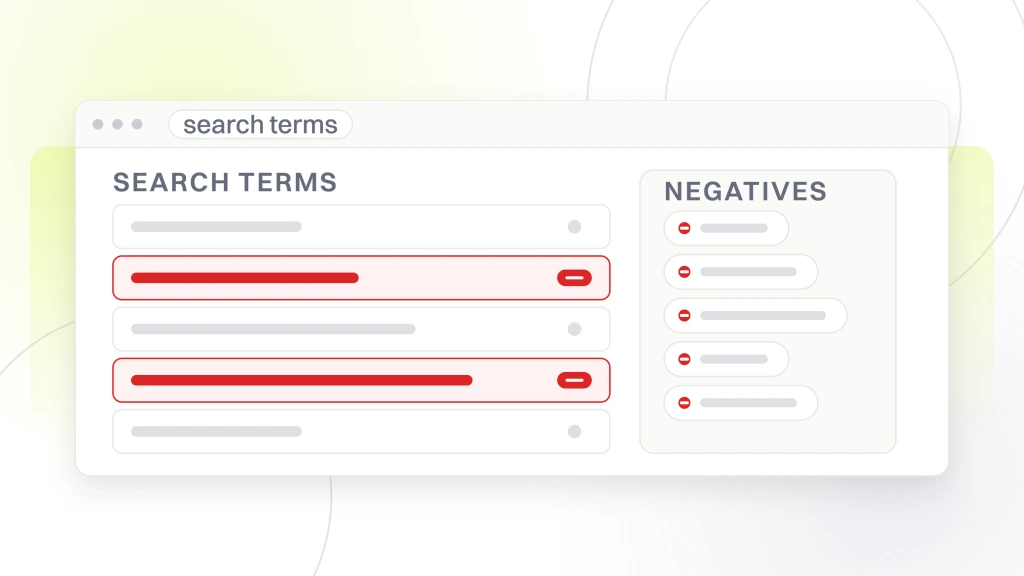
Negative keyword lists on Triangle Google Ads accounts typically save 25% to 45% of monthly spend within 60 days when built correctly. Every vertical has its own negative list shape. Home services accounts need job, career, apprenticeship, DIY, and free variants blocked at the campaign level. Legal accounts need pro bono, free consultation for court appointed, and law school blocked. Dental accounts need dental school, dental hygienist job, and free dental clinic blocked. Building these lists takes an audit of 90 days of search term data and 3 to 6 hours of pattern review inside the account.
- Generic waste list. Free, cheap, DIY, job, salary, career, how to.
- Vertical waste list. Service-specific mismatches per campaign (roof rack for roofing, dental school for dental).
- Location waste list. ZIP-level exclusions and outer-county town names with no conversion history.
- Brand waste list. Competitor brand terms that never convert on your landing pages.
- Match-type waste list. Broad-match query variants that steered off intent last quarter.
Cross-account shared lists
Shared negative keyword lists in Google Ads let the same list apply across multiple campaigns without duplicating the file. Every Triangle account should carry at least 3 shared lists. A generic waste list with obvious low-intent terms. A vertical-specific list tied to the account service line. A location list blocking towns in the DMA that never convert. Managing negatives at the list level rather than the campaign level cuts weekly optimization time by 40% to 60% while producing tighter control across the Triangle account. A shared file that hits every campaign at once beats 8 duplicated campaign-level files every time.
Search term review cadence
Search term review should run weekly for Raleigh accounts spending over $3,000 per month. Any query that produced $30 or more in spend without a conversion in 30 days should get added to negatives. Any query with a click-through rate over 5% but zero conversions should get added as well because it usually signals search intent mismatch. Weekly review takes 30 to 45 minutes for a $5,000 per month account and 90 to 120 minutes for a $15,000 per month account. Practices skipping this weekly work usually see cost per lead climb 20% to 40% inside 90 days.
Google Ads Management Raleigh Benchmarks by Vertical
Vertical benchmarks drive Raleigh Google Ads budget decisions more than any other variable. The table below shows current cost per click, cost per lead, and monthly spend guidance across the verticals our team runs today across the Triangle. Practices should treat these as directional numbers rather than guarantees. Actual account performance depends on landing page quality, offer strength, and campaign management discipline as much as on the underlying auction pressure across the Raleigh metro. Google’s own bidding basics guide covers the auction mechanics behind these numbers.
| Vertical | Cost per click | Cost per lead | Monthly spend range |
|---|---|---|---|
| HVAC emergency | $24 to $62 | $72 to $195 | $6,000 to $24,000 |
| Plumbing | $20 to $45 | $58 to $155 | $4,000 to $17,000 |
| Roofing | $30 to $80 | $90 to $250 | $6,000 to $30,000 |
| Dental new patient | $14 to $36 | $70 to $190 | $3,500 to $13,000 |
| Personal injury law | $45 to $210 | $220 to $780 | $9,000 to $50,000 |
| B2B SaaS RTP | $8 to $30 | $90 to $360 | $5,500 to $38,000 |
| Med spa | $7 to $24 | $48 to $150 | $2,800 to $10,500 |
Read the table with practice-specific context. A downtown Raleigh personal injury firm competing against 30 other firms carries higher cost per click than the same firm operating in Wilson or Rocky Mount. A Cary med spa competing against 12 nearby competitors carries a different cost per lead than a North Hills med spa competing against 18. Practices should audit their local competitive set before committing to the benchmarks in the table. The competitive set drives 40% to 60% of the variance in cost per click across the Triangle.
Monthly spend ranges reflect budgets that produce meaningful lead volume rather than starter budgets that struggle to keep the account trained. Any Raleigh account below the low end of the spend range usually sees choppy performance because the daily budget caps mid-morning and the algorithm cannot train against enough conversion data to optimize bids. Practices below the range should stay on manual CPC and skip smart bidding until spend rises past the training threshold for the vertical.
Raleigh service accounts our team has rebuilt
Berks Plumbing is a real client of ours and the pattern that ran on their account maps directly onto Raleigh plumbing shops. When the account came in, the site was a single-page brochure, Google Ads was burning budget on irrelevant clicks, and organic traffic barely registered. We restructured the whole paid mix. That included rebuilding the site, tightening Google Ads targeting, and restructuring the Local Service Ads profile against the seven-job checklist. Verification hardened. Weekly budget pacing put in place. Dispute filing moved to a Wednesday rhythm. Review workflow wired into the invoice step. Twelve months in, the numbers landed at 99% more conversions, 67% lower cost per acquisition, and 75% higher organic traffic against the pre-engagement baseline.
Gwinnett Area Plumbers ran the same rhythm and cut cost per booked job from $92 to $47 in the first 120 days. The rebuild started with a four-step math worksheet. Target of 35 to 45 booked jobs per month at a 45% close rate. Target leads of 78 to 100. Target conversion rate of 12%. Required clicks of 650 to 830. Target CPC of $10.50 for plumbing in the metro. Monthly Google Ads budget of $6,800 to $8,700. The plan produced 141 qualified leads in 4 months at a 14.6% conversion rate on $9,600 of spend. Every math input matched the industry benchmark for plumbing in a Sun Belt metro, which is the pattern Raleigh accounts should mirror on setup.
Pain Cure Clinic came to Redefine Web with a Google Ads account that spent $3,800 a month and booked 12 to 15 new patient exams. Cost per exam sat at $250 and drifted higher every quarter. The homepage was the landing page, call tracking wasn’t set up, and the account had 4 broad-match ad groups with no negative keyword list. Within 9 months of restructuring the account, adding call tracking, and building 3 condition-specific landing pages, Pain Cure Clinic saw a 205% increase in patient appointments booked from paid search, at a cost per exam that dropped from $250 to $118. Ad spend held steady, yet booked volume more than tripled. The account structure and landing pages did the heavy lifting.
ProCare Sports, a San Diego sports chiropractic practice, replaced an outdated 2000s-era website with a modern SEO-optimized Yelp-powered presence. Website engagement improved 30% through modern design and strong calls to action. The site generated 20+ unique visitors daily with consistent local growth. Accuracy and consistency across Google and Yelp locked in stronger local visibility, giving the paid campaigns a foundation to build against. Boogie Board, a DTC brand selling reusable writing tablets across Google Ads and Meta, managed $650K in ad budget through the rebuilt account, boosted conversion rate 11% through refined targeting and landing page work, and cut cost per sale to $31. Four accounts. Four verticals. One operating rhythm.
Landing pages that turn Triangle clicks into booked calls
Landing pages carry as much weight as the ad account itself. A tightly built campaign feeding a weak homepage produces 30% to 60% worse conversion rates than the same campaign feeding a dedicated landing page. Raleigh accounts should build dedicated landing pages for each service line, each with intent-matched copy, a single primary call to action, a phone number in the top nav, and reviews or trust signals above the fold. Page load time should stay under 2.5 seconds on 4G mobile because slow pages lose clicks before the visitor sees the offer across the Triangle.
Above-the-fold structure
The above-the-fold section on a paid landing page should carry a headline that repeats the ad copy promise, a subhead that mentions the Triangle service area, a phone number tied to CallRail dynamic insertion, a form with 3 fields max, and a trust signal like a local reviews snippet or a BBB Raleigh badge. Adding a hero image of a real crew on a real job in Raleigh outperforms stock photography by 15% to 25% in conversion rate. Practices reusing the same landing page for organic and paid traffic usually see paid conversion rates run 25% to 40% below dedicated pages.
Below-the-fold trust building
Below the fold, the page should carry a 3 to 5 item bullet list of what makes the service different, a service area map showing coverage across the Triangle, customer photos or crew photos, and a review widget pulling live Google reviews via a third-party plugin. Trust signals from local Raleigh brands like the Raleigh Chamber, BBB Raleigh, or Angi Certified badges add authority. Pages loading these badges via async scripts avoid dragging page speed under the 2.5 second threshold across the Raleigh account.
Form design and mobile flow
Form design carries real weight on conversion rate. A 3 field form asking name, phone, and issue converts 25% to 45% better than a 6 field form asking name, phone, address, email, service, and best time to call. On mobile, the phone number should click-to-call directly with a sticky button visible on scroll. Every Triangle home services account should have both the form path and the click-to-call path active. Some visitors prefer to type. Others prefer to call. Losing either path costs the account 15% to 30% of potential conversions across the Raleigh metro.
Local Service Ads as a companion channel for Triangle accounts
Local Service Ads pair with standard Google Ads for most Raleigh home services accounts. LSAs price per qualified lead rather than per click, at $28 to $105 per lead depending on vertical. HVAC LSAs in Raleigh price at $48 to $90 per lead. Plumbing LSAs price at $38 to $78. Roofing LSAs price at $58 to $125. LSAs pull impression share from Google Ads and complement rather than replace the standard search campaigns. Triangle accounts running both channels usually see 20% to 40% higher total lead volume than accounts running one or the other alone across the same monthly budget. Our Local Service Ads management guide walks through how to pair them.
Google Guaranteed background check
The Google Guaranteed badge requires a background check on all technicians and insurance verification for the business. The badge process takes 2 to 4 weeks to complete for a clean Raleigh provider. Triangle shops that skip the badge usually get outranked in the LSA slot by badged competitors even at higher bids. The badge signal outweighs the bid signal in the LSA auction. Any Raleigh shop planning to run LSAs should start the background check process before the campaign launches to avoid a soft first month while paperwork clears.
Review pace and verification
LSA rank depends heavily on Google Business Profile reviews. Raleigh shops running LSAs should target 3 to 5 verified reviews per month across the campaign window. Reviews from Wake County customers with real profile photos and specific job descriptions weight higher than generic 5-star reviews without context. Automated review request tools tied to the CRM or dispatch system usually double or triple monthly review volume within 90 days. Triangle shops running review generation without automation usually see review volume stall at 1 to 2 per month.
LSA lead dispute workflow
Every Raleigh LSA account should have a lead dispute workflow. Google refunds LSA leads that fall outside the service area, land on the wrong job type, or turn out to be spam. Disputed leads processed within 30 days of the call typically get credited back at a 70% to 90% approval rate. Triangle shops skipping the dispute workflow usually pay 15% to 25% more per booked job across the campaign window because they never claim refunds on the bad leads Google served across the account.
Google Ads Management Raleigh Monthly Cadence
Monthly cadence on a Raleigh Google Ads retainer follows a predictable rhythm. Week 1 handles bid tuning, negative keyword additions, and search term review. Week 2 handles ad copy refresh, extension review, and landing page CRO. Week 3 handles the mid-month reporting draft, budget pacing check, and campaign structure adjustments if the month is trending soft. Week 4 handles the executive report, next-month planning, and quarterly review scoping if that quarter closes at month end. This cadence produces steady booked lead volume rather than choppy monthly swings across the Triangle account.
Reporting rhythm and pacing
Reporting rhythm on Raleigh accounts should include a weekly one-page pacing check emailed to the owner. The check covers spend to date, projected spend by end of month, conversions to date, cost per lead running week over week, and any budget adjustments needed to stay on target. Monthly executive reports run 4 to 8 pages covering the same numbers plus vertical benchmarks, competitive intel from Auction Insights, and a next-month plan. Triangle owners who read the weekly pacing note catch overspend issues in week 2 rather than at month end.
Quarterly review work
Quarterly review work covers full account audits, competitive positioning against Auction Insights top 5 competitors, landing page CRO testing plans, seasonal budget rebalancing, and executive team briefings on paid channel performance. This quarterly work sits inside the retainer scope for mid-market and enterprise Triangle accounts. Solo trade accounts usually add it as scoped project work at $800 to $2,500 per quarter depending on account complexity. The work pays back through 15% to 30% efficiency gains in the following quarter across the Raleigh account.
Bid strategy transitions
Bid strategy transitions between manual CPC, maximize clicks, target CPA, and target ROAS should follow the conversion volume triggers discussed earlier. Transitions get scheduled for the second week of a month to give the account 3 weeks of the new strategy before the next monthly report. Raleigh accounts flipping bid strategies mid-month or reactively during a soft week usually see conversion volume oscillate rather than stabilize. Discipline in strategy transitions matters more than the choice of strategy itself across any Triangle account over the retainer window.
Working with a Partner on Google Ads Management Raleigh
Our team runs Google Ads accounts for Raleigh shops inside an integrated PPC program. Coverage includes account structure, weekly optimization, monthly reporting, landing page CRO, call tracking configuration, and offline conversion imports for B2B accounts. The retainer scope starts at $999 per month for solo trade shops and scales up through mid-market and enterprise tiers, starting at $4,500 monthly for the largest RTP accounts. Triangle shops should scope this at the start of a quarter rather than mid-quarter because bid strategy changes and campaign restructures benefit from a full 90 day training window across the account. Our PPC management services page covers the wider scope.
Coverage of Google Ads best practices published by Google at support.google.com covers the platform documentation worth reading quarterly. The North Carolina Attorney General consumer protection resources at ncdoj.gov cover baseline advertising rules that apply across North Carolina for consumer-facing marketing spend.
What the retainer produces alongside the ad account
The retainer alongside the Google Ads account produces the landing page infrastructure, call tracking configuration, GTM setup, and reporting rhythm that convert clicks into booked jobs. Standalone Google Ads spend without the wrapper usually produces 20% to 40% worse cost per lead than accounts running the full stack. Triangle shops already on the retainer add Google Ads as a layer with modest incremental scope. Shops without the retainer usually need to add it before layering paid search across the account. Our Google Ads management services page covers the wider scope. For a broader take on service selection, read the home services Google Ads management guide.
When to start the engagement
Start the engagement when the shop has capacity to handle 20% to 40% more booked jobs per month within 90 days of launch. Accounts running Google Ads without dispatch capacity usually book leads that go unserved and generate poor reviews. Sequence matters. Capacity first. Campaign structure second. Paid spend third. Raleigh shops that reverse the sequence usually cancel the retainer within 6 months because leads exceed the shop capacity and the customer experience suffers. Sound capacity planning across the crew ahead of the launch keeps the ROI predictable across the retainer window.
A Final Read on Google Ads Management Raleigh
Raleigh Google Ads management works well for shops with the right service capacity, the right campaign structure, and the right measurement discipline. The Triangle DMA gives local advertisers real cost savings versus national averages, but only if the account uses county-level bid modifiers, tight negative keyword lists, and dedicated landing pages. Raleigh shops running any of those three layers poorly usually see cost per lead drift 20% to 40% above the vertical benchmarks in this guide within 90 days. The deciding factor is not the ad spend itself. It is the campaign structure, negative list shape, tracking setup, landing page infrastructure, and monthly cadence around the spend. If you also run accounts in the Northeast, see our companion piece on Google Ads management services NJ for cross-market notes.
Triangle shops that invest in the wrapper turn Google Ads into a predictable booking channel. Shops that skip the wrapper usually see the account underperform for 6 to 12 months before canceling the retainer. Triangle shops scoping their next quarterly buy should map their vertical against the benchmark table in this guide, confirm the campaign structure follows service-line separation, and build the tracking layer with CallRail, GTM, and offline conversion imports for RTP B2B accounts before increasing spend past the training threshold. Google Ads without a tracking layer runs as a guessing game. Google Ads with a tracking layer becomes a spreadsheet decision that renews or cancels on real cost per booked job numbers rather than front-desk gut feel.