A med spa marketing plan is a one-page operating sheet, not a 40-page strategy document that nobody opens after week two. It covers seven parts the front desk, the injector, the agency, and the owner all read in ten minutes. Goal, audience, channels, offers, calendar, budget, KPIs. Fill in each section this week and the practice runs on one shared picture instead of scattered tactics nobody remembers by month three.
You get the seven-part template we build for aesthetic practices, the quarterly calendar mapped to bridal season and holiday gifting, the budget split by channel at four practice sizes, the KPI sheet that surfaces bottlenecks weekly, and a Med Spa · Pacific Northwest rebuild where the same plan grew consult requests 241% inside nine months on the same $8,400 monthly ad budget. Read straight through in about twelve minutes and copy the template into your own doc before you close the tab.
Seven parts of a med spa marketing plan that actually works
Every plan covers the same seven parts. An annual goal in booked treatments and revenue. The audience segments the practice serves. The channels the plan runs across. The offers pushed each quarter. A calendar of promotions and content. A budget split by channel and quarter. A KPI sheet tracked weekly. Practices that use all seven get one operating picture the whole team works against. Practices that skip parts end up with scattered tactics nobody can measure or repeat by month six.
- Annual goal in booked treatments and gross revenue
- Audience segments the practice targets
- Channels the plan runs across
- Offers pushed each quarter
- Calendar of promotions and content
- Budget by channel and quarter
- KPIs tracked weekly
Annual goal in booked treatments
Set the annual goal in two numbers. Booked treatments per month by end of Q4. Gross revenue for the year. A practice at 60 booked treatments per month today targets 90 by year end. A practice at $860,000 in revenue targets $1.1 million. Those two numbers drive every downstream decision in the plan. Budget, channel mix, staffing, membership push. Skip the annual goal and every meeting turns into a debate about what the plan even is. Set the goal on paper and every decision either supports it or does not.
Audience segments in med spa marketing
Split the audience into six segments. First-time consult inquiries from paid traffic. First-treatment new patients. Members. Lapsed patients over 90 days. High-value patients over $2,000 lifetime. Referral sources. Every segment gets different offers, different copy, different send frequency. Solid med spa marketing segments the list this way and sees email revenue climb 3 to 6 times inside 90 days on the exact same file. Practices that broadcast one message to the whole list watch open rates decline and revenue flatten inside two quarters.
Channel mix inside the plan
Four channels do most of the paid and organic work in aesthetics. Google Ads for high-intent local search. Meta for retargeting warm audiences and prospecting new ones. Local SEO for the map pack and city-level content. Email and SMS for owned audiences. Miss one and cost per lead climbs as owned revenue slides. Cover all four and cost per booked treatment settles into a predictable band inside 60 to 90 days. Every plan we build covers all four channels with quarterly reviews that reallocate budget based on booked-treatment cost per channel.
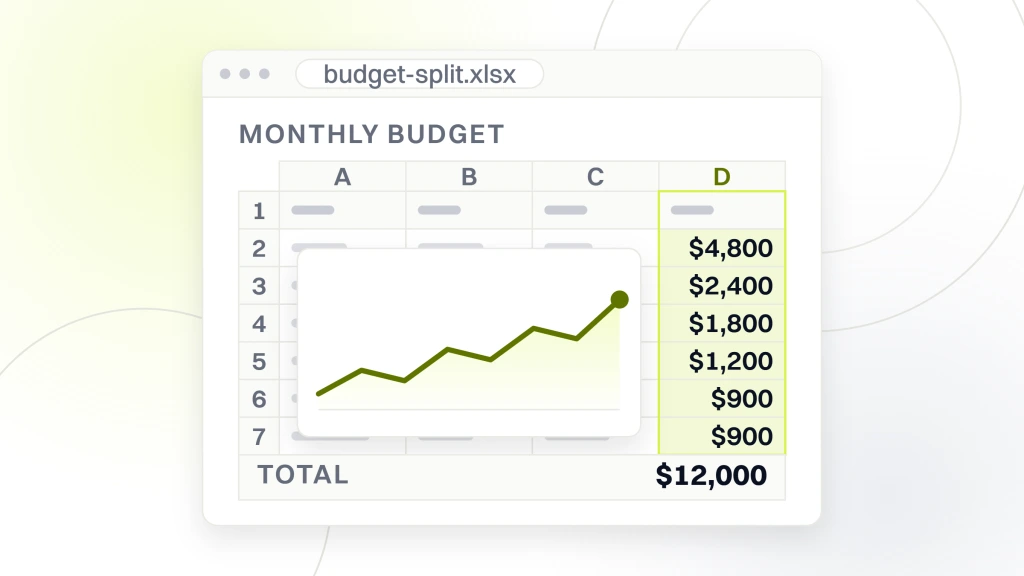
The budget split we run for a $12,000 monthly spend looks like $4,800 Google Ads, $2,400 Meta, $1,800 SEO retainer, $1,200 email and SMS platform plus content, $900 photography and video, and $900 reserve for micro-influencer buys. That mix produces 55 to 120 booked treatments per month on average across our aesthetics accounts. Chains with heavier ad budgets scale the same ratios up. Solo injectors starting at $3,600 total scale the same ratios down and add sweat equity on organic content and short-form video.
| Monthly budget | Google Ads | Meta | SEO | Email + content | Reserve |
|---|---|---|---|---|---|
| $3,600 solo | $1,800 | $400 | $800 | $400 | $200 |
| $6,000 small | $2,600 | $900 | $1,200 | $1,000 | $300 |
| $12,000 established | $4,800 | $2,400 | $1,800 | $2,100 | $900 |
| $24,000 chain | $9,600 | $4,800 | $3,600 | $4,200 | $1,800 |
Google Ads share of the med spa marketing budget mix
Google Ads takes 40% of the budget at every practice size in the template. It books the largest share of paid treatments in the first 90 days by pulling patients already searching for Botox in your city. Cost per booked treatment settles into a $28 to $65 band inside 60 days on the accounts we run through our Med spa PPC engagement. Skip Google Ads and you cede that traffic to the corporate chain running a $12,000 monthly campaign inside your service area. Every plan we build starts with a controlled Google Ads campaign live inside the first 14 days.
SEO share of the budget
SEO takes 15% of the budget at every practice size since organic ranking compounds over 12 to 24 months. Practices that commit to a $1,500 to $2,400 monthly SEO retainer for 12 months land in the top three organic results for their core service keywords in their metro. Organic bookings climb to 30% to 45% of monthly volume. Our Med spa SEO services engagement runs city-level treatment pages, before-after gallery SEO, and monthly Google Business Profile discipline as the standard package inside the plan.
Offers and quarterly calendar in a med spa marketing plan
Aesthetic demand is not flat across the calendar. Q1 spikes for anti-aging and skincare right after the holidays. Q2 loads bookings for weddings, proms, and pre-vacation prep. Q3 quiets as patients travel and skin work moves out of season. Q4 spikes hard around Black Friday and holiday gifting. Every plan matches offers to quarters. Push the wrong offer in the wrong month and creative that would have converted in a different window gets wasted along with the traffic you paid to send to it.
Q1 offers cover skincare relaunches, laser hair removal packages ahead of summer, and membership sign-ups tied to January resolutions. Q2 offers cover bridal packages, Mother’s Day promotions, and pre-vacation body contouring. Q3 offers cover hydration facials, injectable maintenance, and back-to-school mom pushes in August. Q4 offers cover gift cards, membership as a gift, and product bundles for holiday gifting. Practices that map offers to seasons instead of pushing the same monthly Botox promo see marketing efficiency climb 25% to 40% inside a full year.
Q2 bridal calendar
Q2 bridal is the highest-margin window for a med spa. Brides book packages 60 to 120 days out and spend $1,800 to $4,500 across the run-up. Package the bridal offer with skincare consult, hydration facial, tox touch-ups, teeth whitening, and a lash extension bundle. Price it at a 12% to 18% bundle discount off individual pricing. Push it hard through Instagram partnerships with local bridal shops and photographers. Practices that own bridal in their metro run 20 to 30 bookings per month during Q2 at that ticket size.
Q4 gift card and membership gifting
Q4 aesthetic gifting is the season most practices underrun. A $250 gift card sold in November redeems for a $250 treatment in January when skincare season peaks. That timing arbitrage smooths cash flow across the winter gap. Membership as a gift adds a second Q4 play. A 12-month membership sold as a holiday gift creates a locked-in patient starting January 1. Practices that push Q4 gifting hard sell 60 to 140 gift cards and 15 to 40 memberships in the six-week window between Black Friday and end of year.
Budget split section of the plan
The budget section of the plan needs three columns. Monthly spend per channel. Quarterly total per channel. Trigger for reallocation. Every quarter, the plan reviews channel-level cost per booked treatment. Channels above a $500 cost per booked treatment threshold get their budget cut and reallocated to channels under a $250 threshold. That single quarterly ritual produces more marketing efficiency than any strategy meeting. Practices that skip it end the year with a $22,000 wasted paid quarter they never noticed until the annual audit.
Budget triggers work in both directions. A Google Ads campaign trending at a $180 cost per booked treatment gets a 30% budget increase next quarter. A Meta prospecting campaign trending at a $620 cost per booked treatment gets cut in half and reallocated to Google Ads. That mechanical discipline replaces gut decisions with numbers. Owners who trust the numbers scale more predictably than owners who override the data based on which channel felt busy last month or which platform rep called on Tuesday.
Quarterly reallocation ritual
Set a 60-minute meeting on the calendar for the first Monday of each quarter. Review channel-level cost per booked treatment for the previous 90 days. Reallocate budget across channels using the $500 upper cap and $250 lower cap. Document the reallocation in the plan. Report the change to the whole team by end of day. That single ritual produces the compound effect that separates a well-run plan from a scattershot budget. Practices that do this for a full year end at a 30% to 50% lower blended cost per booked treatment than they started with.
Reserve fund for opportunistic buys
Every plan holds 5% to 10% of the budget in reserve for opportunistic buys. A local micro-influencer becomes available. A neighborhood event sponsorship pops up. A competing med spa closes and a fast Google Ads bid increase captures the vacated traffic. Reserve funds cover those moves without breaking the core budget. Practices that spend every dollar on scheduled campaigns miss quarterly opportunities that would have booked 15 to 30 extra treatments at low cost, so keep the reserve line item non-negotiable.
KPI tracking sheet inside the plan
The KPI section is a one-tab spreadsheet with six columns. Channel, monthly spend, leads generated, booked treatments, cost per booked treatment, week-over-week trend. Fill in the numbers every Monday from the previous week. Total the columns monthly. Report the totals in the quarterly reallocation meeting. Practices that maintain this sheet make budget decisions on data. Practices that skip it make budget decisions on whichever channel felt busy last week, which is almost always the wrong signal for where the next dollar should go.
Track cost per booked treatment, not cost per lead. A lead is a form fill. A booked treatment is revenue. Google Ads at $88 cost per lead that closes at 45% produces a $196 cost per booked treatment. Meta at $42 cost per lead that closes at 12% produces a $350 cost per booked treatment. Same-looking cost per lead, wildly different real cost. Every KPI sheet inside a serious aesthetics plan uses cost per booked treatment as the primary metric or the plan optimizes for the wrong outcome.
- Channel name (Google Ads, Meta, SEO, Email, SMS, Referral)
- Monthly spend by channel
- Leads generated by channel (form fills, calls, chats)
- Booked treatments by channel
- Cost per booked treatment by channel
- Week-over-week trend arrow (up, flat, down)
Weekly review rhythm
Set a weekly 30-minute meeting where the team reviews channel-level cost per booked treatment, week-over-week booking volume, and any campaigns showing runaway cost per lead. Kill campaigns that trend past a $500 cost per booked treatment cap. Scale campaigns that trend under a $150 cap. That single 30-minute weekly rhythm produces more budget discipline than any quarterly strategy meeting. Practices that skip the weekly review discover a $22,000 wasted paid quarter when they finally audit at year end.
Attribution tools
Every KPI sheet depends on three tools. Call tracking with dynamic phone numbers swapped by visitor source. UTM tags on every ad URL, email link, and social bio link. A scheduler or CRM that logs source per patient. Tools like CallRail and CallTrackingMetrics run $45 to $180 per month. Standardize the UTM tagging in a shared spreadsheet so every team member follows the same convention. Google’s Campaign URL Builder makes consistency easy from day one.
Case study of an aesthetics plan run in Seattle
Med Spa · Pacific Northwest, a multi-room aesthetics practice, came to us running a template WordPress site, a single combined service page, no visible pricing anywhere on the site, and $8,400 per month in Google Ads spend producing 22 to 28 booked consults per month. The practice was competing against three corporate chains inside a two-mile radius. The owner suspected the site was the bottleneck. She was right, though the site was one of four bottlenecks feeding the funnel. No plan existed before we started.
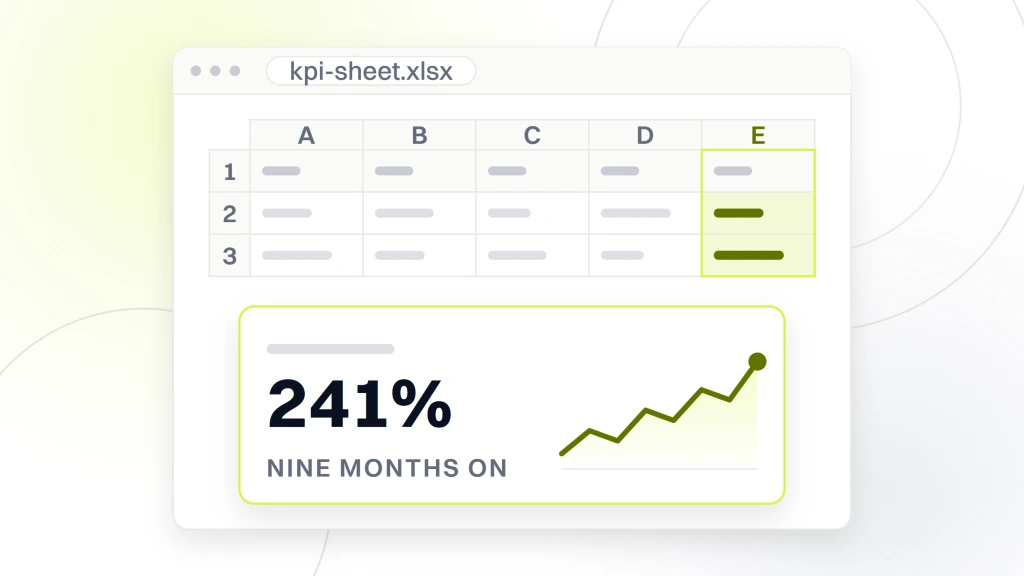
We built a full plan across four workstreams over 90 days. Treatment-mapped service pages built individually for Botox, filler, laser hair removal, chemical peels, dermaplaning, and body contouring. A price simulator embedded on every treatment page so patients could estimate their visit inside 30 seconds. A rebuilt before-after gallery with 180 indexed pages. Segmented Google Ads campaigns and Meta retargeting rebuilt from scratch. Weekly KPI reviews. Quarterly budget reallocation. Nine months later, consult requests climbed 241%, organic traffic 178%, and paid cost per lead dropped 38% on the same $8,400 monthly budget.
The plan in action
The plan document was two pages. Page one covered the seven parts. Page two was the KPI tracking sheet. Every Monday the team filled in the previous week’s numbers. Every quarter the owner ran the reallocation meeting. That simple operating rhythm produced 90% of the growth. The other 10% came from creative work on offers and copy. Owners who chase brilliant creative and skip the operating rhythm never see numbers move consistently. The rhythm is the product, and every plan we build follows the same shape for that reason.
Nine-month numbers
By month nine, consult requests were 3.4 times the baseline. Organic sessions per month climbed from 4,200 to 11,676. Paid cost per lead dropped from $142 to $88. Booked treatments per month climbed from 38 to 112 on the same $8,400 monthly ad spend. Membership grew from zero enrolled to 148 active members generating $22,050 in monthly recurring revenue. That MRR alone covered the entire monthly marketing budget with headroom left over for the reserve line the plan always keeps open.
Thirty-day launch checklist for the plan
The plan template becomes real inside 30 days. Week one, write the seven-part plan document. Week two, set up Google Ads and rebuild the landing page. Week three, connect email and SMS platform and turn on the 90-day lapsed reactivation flow. Week four, print referral cards, train the front desk, and run the first weekly KPI review. That sequence pushes every core piece of the plan live inside a month. Practices that stretch the launch into a quarter lose momentum and never complete the setup at all.
The staffing needed to launch the plan is one owner or marketing lead at 6 to 10 hours per week plus the front desk absorbing 2 to 3 hours per week for referral card distribution and review requests. Add an agency for paid, SEO, and web build if the practice does not have in-house talent. Total agency cost lands at $3,600 to $12,000 per month depending on scope. Every plan we build goes live inside 30 days with a 90-day review and quarterly reallocation set from day one.
Week one, write the plan
Block a half day and fill in the seven parts on paper or in a shared doc. Annual goal in booked treatments and revenue. Six audience segments. Four channels. Q1 through Q4 offers. Quarterly calendar. Budget split. KPI sheet template. Share the doc with the whole team by end of week. Every question about tactics for the next 12 months gets answered by pointing at the doc. Practices that skip the writing step keep making one-off decisions that contradict the plan they never wrote down anywhere.
Week two, paid and landing page
Push the landing page rebuild live with a three-field booking form, clear price bands, and above-the-fold trust bar. Launch a controlled Google Ads campaign at 40% of monthly paid budget across three ad groups covering the top three treatments. Set the daily budget cap to prevent runaway spend. Turn on call tracking with dynamic phone numbers. That launch produces measurable booked treatments inside 14 days if the landing page and offer are aligned. Practices that skip the landing page rebuild bleed 40% to 65% of paid clicks in the first month.
Role of the website inside the plan
Every plan lives or dies on the website. A brilliant plan pushed to a broken page still books nothing. The site has to load under two seconds on a phone, show pricing bands within the first screen, present real before-after work, and let a patient book a consult in under 30 seconds through a three-field form. Practices that skip the site rebuild and layer paid on top of a broken foundation waste 40% to 65% of ad budget. Fix the site first, then scale the plan.
The rebuild we run on our Med spa web design engagement covers seven patterns that book treatments. Sticky header with click-to-call and Book Consult. Above-the-fold trust bar with review count and patient count. Insurance-optional payment plan callout. Six treatment tiles with one benefit line each. Live scheduler embedded on the primary landing page. Real practice photography, no stock models. Below-the-fold review carousel with real names, dates, and treatment tags. Every one of those seven patterns matters. See Google’s Core Web Vitals guide for the ranking thresholds the rebuild targets.
Landing page rebuild
The landing page for paid traffic is not the homepage. Build a dedicated landing page per top treatment with a three-field booking form, a clear price band, one before-after image, one 20-word offer statement, and a live scheduler. Nothing else above the fold. Practices that push paid traffic to a homepage with 12 competing calls to action see paid conversion rate stall at 3% to 5%. Dedicated landing pages push it to 12% to 18% on the same traffic. That gap is the difference between a profitable paid channel and a broken one.
Treatment-mapped SEO pages
Every treatment gets a dedicated SEO page separate from the paid landing page. Botox in Denver. Botox in Boulder. Filler in Denver. Filler in Boulder. Each page runs 1,400 to 2,200 words with pricing bands, before-after examples, provider bios, and treatment-specific FAQ schema. Ten treatments across five neighborhoods lands 50 unique pages that each rank for their local query. That editorial volume is what beats corporate chains that push everything through a single national services page and win no long-tail search.
Referral and retention loops inside the plan
The plan is not complete without a referral loop and a retention engine. Referrals produce 18% to 25% of monthly booked treatments once the loop runs for four months. Retention through membership and rebook nudges keeps existing patients on the calendar for 12 to 24 months. Practices that build these two loops into the plan see blended cost per booked treatment drop 30% to 50% inside a year, since owned-audience revenue carries a larger share of monthly volume than paid channels alone ever can.
The referral loop is a physical card at every checkout with a two-sided reward at $50 off for the friend and $50 credit for the referring patient. The retention engine is a segmented email flow with six triggers. New consult drip. First-treatment welcome. Post-visit rebook. 90-day lapsed reactivation. Membership renewal. Birthday message with $50 credit. Both loops run on autopilot after setup. Maintenance runs about six hours per month per practice. See the American Med Spa Association’s practice benchmarks for industry-wide retention data.
Referral cards at every checkout
Print 2,000 physical cards at $180 total on professional card stock. Hand them at every checkout with a single scripted line. Say a $50 card for a friend and $50 credit when they book their first treatment. That is the entire script. Track redemptions with a unique code per card entered at the friend’s booking. Practices that run this discipline for six months see referral bookings climb from 5% to 8% of monthly volume to 18% to 25% at a cost per booked treatment of $8 to $18.
Reactivation flow for lapsed patients
The 90-day lapsed reactivation flow produces the highest revenue of any owned email sequence. Trigger fires 91 days after last visit. Four-email sequence over 14 days. First email is a soft check-in with no offer. Second is a $50 credit on any treatment. Third is a limited-time membership entry offer. Fourth is a last-call reminder with a booking calendar link. Practices we run this on reactivate 15% to 28% of the audience inside 30 days, worth $600 to $1,900 per reactivated patient over the next six months.
med spa marketing strategies and ideas that stack inside the plan
Once the plan skeleton runs, layer med spa marketing strategies on top that fit the practice size. Short-form video on Instagram and TikTok showing 15-second treatment intros. Injector introductions on Reels tied to a booking link in bio. Provider-led educational posts that build authority in a metro. Google Business Profile posts twice a week tied to the current offer. Local press releases tied to new treatment launches. Every strategy plugs into a slot in the calendar the plan already defines. Nothing runs off-book.
med spa marketing ideas that move the needle keep showing up in the same categories. Bridal partnerships with local shops. Referral cards at every checkout. Membership as a Q4 holiday gift. Reels tied to real patient results with signed consent. Neighborhood micro-influencer buys at 8,000 to 40,000 follower range. Post-visit review requests through SMS within 24 hours. Practices that pick five ideas per quarter and run them fully beat practices that try 20 ideas and finish none. Depth of execution beats variety of tactic every single time.
How to market a med spa on a lean budget
Owners asking how to market a med spa on a $3,600 monthly budget get the same answer every time. Fix the site first, run controlled Google Ads on the top three treatments, publish two Reels a week from the treatment room, and turn on the 90-day reactivation email. That stack alone books 20 to 45 treatments per month at solo-injector scale. Everything else is optional until those four moves work. How to market a med spa without wasting spend starts with the plan, not with the shiniest new platform.
Where to start on your own med spa marketing plan
Start with the seven-part plan doc this week. Fill in each section on paper or in a shared Google doc. Share it with the team by Friday. Book the week-two paid launch on the calendar. Book the first weekly KPI review on the calendar. Book the first quarterly reallocation meeting 90 days out. Those five moves take a half day of focused work and produce every downstream benefit in this guide. Every additional tactic stacks on top of that operating rhythm.
When you are ready to run the plan with agency support, our Med spa marketing agency engagement covers strategy, paid channels, SEO retainer, and site rebuild in one plan. The Med spa marketing retainer starts at $1,499 per month for a lighter touch across email, SEO, and content with paid still run in-house. For sibling reads, see our med spa marketing strategies and med spa marketing ideas guides for tactical depth on channels and offers.