Organic search engine optimization services are professional retainers that grow a website’s rank in unpaid Google results through technical fixes, on-page work, content, and backlinks. The scope runs monthly, the payoff compounds past month 12, and the cost per booked customer keeps falling as paid ads keep climbing.
Most owners find these services after 18 months of paid ad shocks. You want traffic that flows when the credit card stops, not clicks that die the second ad spend pauses. Page-one competitors earned those spots with 24 months of steady organic work, and their cost per booked customer looks nothing like your paid math. Nielsen’s 2021 trust report puts earned recommendations well ahead of paid channels, and the Google Search Central starter guide still lists the same four fundamentals every real retainer covers.
What follows covers the four workstreams a real natural search engine optimization service delivers each month, the pricing bands that map to real work, the compounding curve that separates the payoff from the pain, and the 6 mistakes that stall growth. Written for the owner or marketing lead who wants to know what a retainer buys before signing.
What Organic Search Engine Optimization Services Cover
Organic search engine optimization services cover four workstreams that run every month of the retainer. Technical SEO, on-page optimization, content publishing, and backlink acquisition. Every honest scope names monthly deliverables under each workstream, so you can read the last-day-of-month report and see what you paid for.
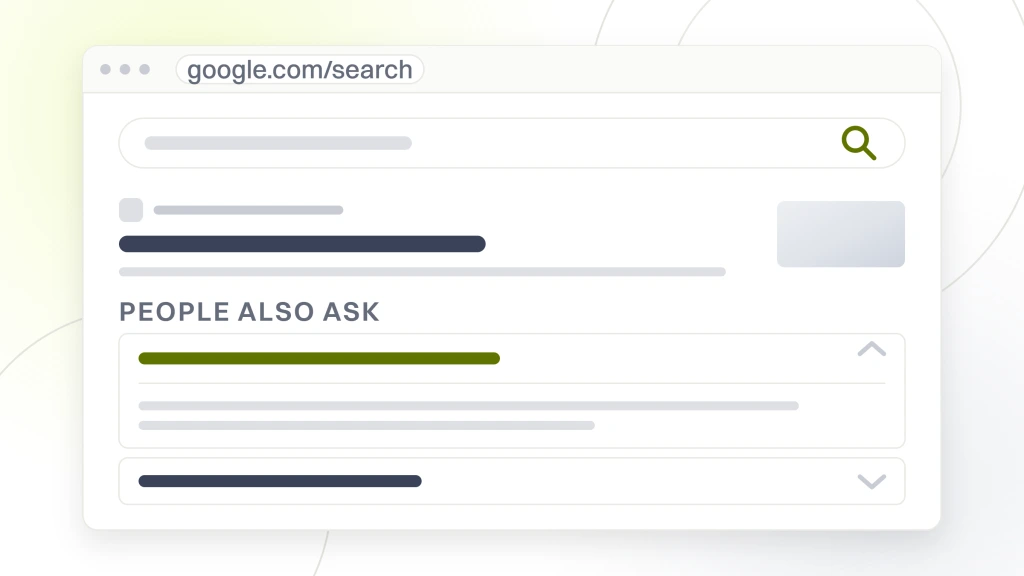
Providers that pitch organic SEO and then send paid search reports or citation-tool submissions are misrepresenting the channel. Organic work compounds over 6 to 12 months and outlives any single algorithm update, since the fundamentals map to how Google ranks pages. Ask for the four-workstream scope before signing, and walk away if the pitch cannot break the retainer into workstream hours.
Technical SEO clears the foundation
Site speed, mobile responsiveness, crawlability, structured data, HTTPS, canonical tags, XML sitemaps, robots.txt, and broken link cleanup. Every organic engagement opens with a technical audit in the first 30 days. Content work on a broken site does nothing, and Google cannot rank pages it cannot crawl. Core Web Vitals sit at the center of this work. Passing all three (LCP, INP, CLS) tends to add 15 to 30 percent organic traffic inside 90 days on sites that were failing before.
On-page optimization aligns money pages with intent
Title tags, meta descriptions, H1 headings, H2 subheads, internal linking, image alt text, and body copy on the money-earning pages. Real teams work the top 5 pages hard for 90 days rather than spreading effort thin across 30 pages. Focus beats volume every time on an organic budget. Any provider that leads with content volume before rewriting existing pages is padding invoices.
Content publishing builds topical authority
1 to 3 high-quality blog posts each month, sitting next to your money-earning pages, structured in pillar-cluster form with internal links that flow authority from posts to service pages. Every post targets a buyer-intent keyword and answers the query well enough that Google surfaces it in AI overviews. Content volume beyond 3 posts monthly on a small business retainer is padding, not growth work.
Backlink acquisition builds domain trust
Digital PR outreach, guest posts on real publications, HARO responses, resource-page pitches, and reclaimed unlinked brand mentions. 3 to 8 earned links each month is the healthy range for a small business retainer. A natural search engine optimization service that promises 40 links a month is either buying junk or counting internal links as backlinks. Ask which domains and let them show you 2 samples from last month.
Organic Search Engine Optimization Services Versus Paid Advertising
Organic search engine optimization services beat paid advertising on cost per booked customer once the organic base compounds past month 12. Paid ads deliver immediate lead flow, and cost per lead stays flat or climbs as competition grows on the platform. Organic traffic costs the retainer once and pays back monthly for years. Most growing businesses run both channels, since paid fills the pipeline during the 6 to 12 months organic takes to compound.
Cost per booked customer at year one
At year one, paid ads produce a cost per booked customer of $80 to $250 based on vertical. Organic on a $1,500 monthly retainer produces $150 to $400 in the same window, since the traffic curve is still ramping. Paid looks better at 12 months. The gap flips by month 18 to 24 as organic compounds and paid stays flat or climbs. Owners who judge organic at 12 months quit right before the payoff arrives.
Cost per booked customer at year three
At year three, organic search engine optimization services typically produce a cost per booked customer of $40 to $150, since the traffic base doubled or tripled and the retainer stayed flat. Paid ads at year three still cost $80 to $250 or more based on how aggressive the market got. Businesses that ran organic for 3 years spend 40 to 60 percent less per booked customer than businesses that ran paid only. That is the compounding math nobody sees at month 12.
When to run both, when to lean one way
Run both channels when growth is the priority and cash flow supports the paid spend. Lean organic-heavy once the retainer has compounded for 2 years and traffic sustains booked calls without paid support. Lean paid-heavy in the first 6 months of a new business, when the organic base does not exist yet. The mistake is running only one forever. Businesses locked into paid-only or organic-only leave a full growth channel on the table.
Organic Search Engine Optimization Services Case Study
A UK composite decking specialist ran an organic search engine optimization service program that combined technical audits, pillar-cluster content aligned to commercial URLs, and digital PR for backlink authority. Organic clicks grew 206 percent year over year at peak season. Conversion rate grew 74 percent. Referring domains grew 101 percent. Forecast performance beat targets by 114 percent. It was fundamentals executed in the right order.
The baseline was weak. Low domain authority, sparse keyword pool, broken tracking. The competitive set held the top positions for high-value commercial keywords. Seasonality made every mistake more expensive, since demand compressed into warmer months. The team fixed GA4 tracking first. Then they prioritized high-revenue commercial URLs already ranking on page 2. Then they built pillar-cluster content around them. Digital PR grew referring domains 101 percent in 12 months. Every workstream produced measurable output each month.
What worked and why the sequence mattered
Three moves produced most of the gain. First, fix analytics before optimizing anything else. GA4 was undercounting, so every prior optimization was flying blind. Second, prioritize commercial URLs already ranking on page 2, so small pushes moved them into the top 10 where clicks compound. Third, structure content in pillar clusters, so authority flowed across the commercial set instead of hoarding in one page. That 3-step sequence is the model we use on organic engagements for other verticals.
What this means for a growing business
The math scales down to a single-location dental practice, a home services business, or a SaaS company at seed stage. Fix analytics first. Prioritize commercial pages already ranking for something. Build pillar-cluster content that links to them. A growing business on a $2,000 to $3,000 retainer running this same sequence sees 40 to 100 percent organic traffic growth inside 12 months. The multiplier at scale is what makes the case dramatic. The mechanics are identical.
Comparing Organic Tactics on Impact and Time to Rank
Different tactics move different levers on different timelines. Organic search engine optimization service teams sequence the tactics based on what a market needs most and what the audit surfaces, not on what a template says. The table below covers the 7 core organic tactics, the time each takes to show impact, and the realistic magnitude for a growing business in a mid-competition market.
| Tactic | Time to impact | Impact on organic traffic |
|---|---|---|
| Technical SEO fixes (Core Web Vitals, schema) | 30 to 60 days | 15 to 30 percent traffic gain |
| On-page optimization on top 5 pages | 30 to 90 days | 20 to 40 percent traffic to those pages |
| Content publishing (1 to 3 per month) | 90 to 180 days | Compounds to 50 to 200 percent year one |
| Internal linking rework | 30 to 90 days | 10 to 25 percent gain across money pages |
| Backlink outreach and earned links | 90 to 180 days | 25 to 60 percent domain authority impact |
| Structured data and rich results | 15 to 45 days | Click-through gain, indirect ranking |
| Pillar-cluster content structure | 90 to 180 days | Broadens keyword coverage 3 to 5x |
Sequence the fast wins in month one
Month 1 always covers technical fixes and on-page work on the top 5 pages. Both produce visible traffic movement in 30 to 60 days on a minimal budget. Month 2 adds internal linking rework and structured data. Month 3 adds the first backlink outreach round. That sequencing produces stacked wins each month and lets the owner see the retainer paying back before invoice 4.
Content publishing needs 90 days to matter
Content published in month 1 starts ranking around month 4. Content published in month 2 ranks around month 5. That is the compounding curve. Owners who quit at month 4, since rankings have not moved yet, miss the payoff that lands in month 5 and 6. Real organic engagements require patience through the 90-day content lag before the traffic curve turns visible.
Reporting cadence keeps the sequence honest
Monthly reporting reviews what got done, what moved, and what comes next. Owners who see progress against a plan stay bought in through the compounding months. Owners without reporting drop the retainer at month 3, since the ranking has not moved yet, missing the payoff at month 5. Consistent reporting is what turns a 90-day trial into a 24-month engagement worth every dollar.
6 Common Mistakes That Stall Organic Search Engine Optimization Services
The 6 mistakes below cost businesses months of organic momentum. Organic search engine optimization services teams see the same errors in almost every audit, and fixing them is the fastest path to visible growth. Rather than waiting for a Google update to move you back into the pack, check the 6 below and fix whichever ones apply this quarter.
- Duplicate content from CMS archive pages that Google indexes as thin duplicates of the money pages, splitting ranking authority across pages that were never meant to rank.
- Missing or wrong schema markup on money pages, which costs SERP treatment your competitors are getting for free by adding four lines of JSON-LD.
- Blog posts targeting broad head-terms (like “SEO”) in place of the long-tail buyer-intent phrases customers type before booking.
- No internal linking strategy, so authority pools on the homepage and never flows to money-earning service pages that need it most.
- Buying backlinks from sketchy vendor networks that Google detects and either ignores or penalizes, undoing months of legitimate outreach in one week.
- Trying to rank 25 service pages when the business really offers 5 core services, which dilutes ranking signal across too many thin pages.
The 90-minute discovery audit catches everything
Every real organic search engine optimization services engagement starts with a 90-minute discovery audit against a documented checklist. Technical health, on-page structure, content coverage, internal linking, backlinks, GBP (Google Business Profile), citations. That session catches 95 percent of the ranking blockers. Skipping the audit means the provider guesses at the fix, and guessing is what turned 3 prior engagements into wasted retainer.
The 180-day proof-of-work window
A real organic engagement produces visible traffic growth inside 180 days on priority keywords. Not full ranking. Not full traffic. Measurable movement in the top 3 to 5 priority keywords named in the audit. If nothing moves in 180 days, the diagnosis was wrong and the plan needs a reset conversation with the provider.
When to swap providers versus rework the scope
Sometimes the provider is doing the right work and the market simply asks for more budget or more time. Sometimes the provider is doing the wrong work. The way to tell is to review the monthly work log against the four workstreams. If the log covers all four and rankings are moving, the plan is working. If the log skips backlinks and technical work and focuses only on blog posts, the provider is doing the wrong work.
Organic Search Engine Optimization Service in the Age of AI Overviews
Organic search engine optimization services still work with AI overviews and ChatGPT, since those AI answers pull from the same pages that rank in unpaid search. Google’s AI overview cites organic results ranked in the top 10 for the query. ChatGPT and Perplexity cite pages with strong topical authority. Businesses that rank organically appear in AI answers as citations. Businesses that skip organic disappear from both the traditional SERP and the AI answers.
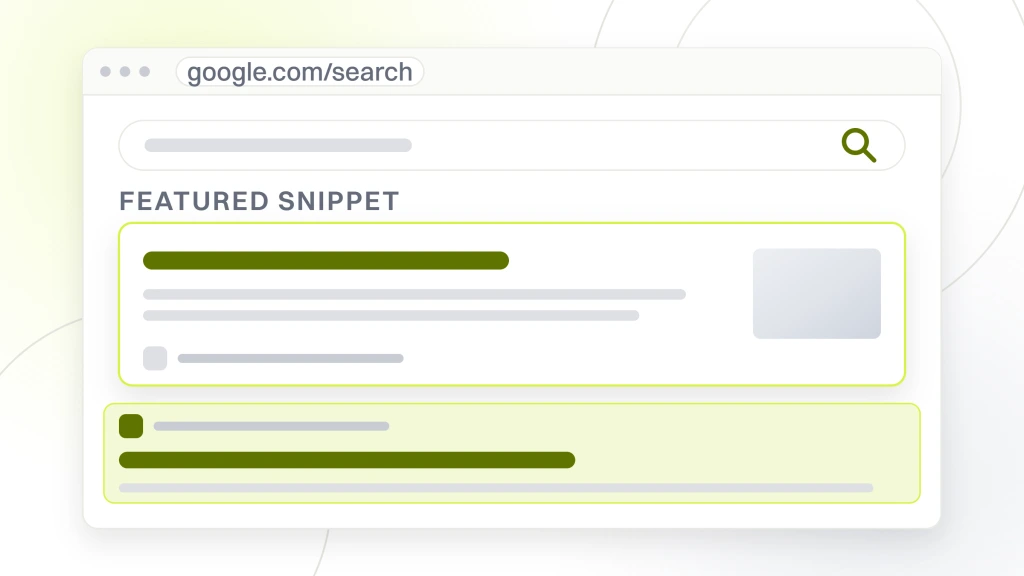
What AI overviews change about content structure
AI overviews pull direct answers from clearly structured content. Question-based H2s. Answer-first paragraphs. Bulleted lists that summarize key points. FAQ schema. Pages that follow this structure appear in AI overview citations 3 to 5 times more often than pages with wall-of-text formatting. Organic content structure in 2026 needs to serve both traditional SERPs and AI answer generation.
Topical authority beats individual page ranking now
Google’s ranking system increasingly rewards topical authority (a site with 40 pieces covering a topic in depth) over individual page optimization (one 3,000-word post trying to rank). Organic services in 2026 build pillar-cluster content structures with 8 to 15 supporting pages per pillar. That structure signals topical authority and outperforms one-off long-form content on both traditional rankings and AI citations.
Backlinks still matter, just less than 5 years ago
Backlinks still shape rankings in 2026, just less than they did in 2020. Content quality, topical authority, and user engagement signals now weigh heavier in Google’s algorithm. Organic services should still run backlink outreach and spend more of the retainer on content depth and technical foundation than in prior years. Providers stuck on 2018-style link building playbooks are optimizing for signals that no longer produce the outsized returns they used to.
Putting Natural Search Engine Optimization Services Together
Organic search engine optimization services are a stack, not a single fix. Technical SEO clears the foundation. On-page optimization aligns money pages with intent. Content publishing builds topical authority. Backlink acquisition builds domain trust. Reporting keeps everyone honest. Every layer compounds against the next. Businesses that stack the full playbook see traffic grow 40 to 200 percent inside 18 months and keep growing for years.
First 90 days. Audit, technical fixes, on-page
Days 1 through 90 cover the discovery audit, the top 5 technical fixes, the money page rewrites, the first content publishing rounds, and initial backlink outreach setup. Traffic gains of 10 to 20 percent are typical by day 90. Not a hockey stick yet, and visible movement that keeps the owner bought in through the compounding months ahead.
Months 4 through 12. Content ranks, backlinks land
Months 4 through 12 cover the compounding phase. Content published in months 1 through 3 ranks. Backlink outreach from month 2 lands in month 4 or 5. Domain authority creeps up. Rankings on priority keywords cross into the top 10. Organic traffic gains 40 to 100 percent versus baseline. Booked calls or ecommerce revenue starts climbing measurably.
Year 2 and beyond. Exponential compounding
Year 2 is where the retainer pays back multiple times over. New content ranks in weeks. Backlinks accumulate. Every existing page gains from stronger internal linking. Traffic often doubles or triples in year 2 on the same retainer that produced 30 percent growth in year 1. That compounding is why organic beats paid on cost per booked customer for every serious business past month 18.
Grow With Organic Search Engine Optimization Services
For a working organic stack our team runs, our search engine optimization services handle the audit, execution, and monthly reporting end to end. When you are ready to run this in a dental, med spa, or home services vertical, the dental marketing retainer starts at $1,499 a month. Related reads. local search engine optimization services, search engine optimization services for small business, and search engine optimization audit services.