
Pet Company SEO Keywords That Drive DTC Traffic
- Pet company SEO keywords fall into six buyer intent buckets.
- Local intent converts highest, category intent brings biggest volume.
- Each intent bucket needs its own page type to rank.
- Problem intent guides let DTC brands outrank retailers on buyer questions.
- A 20 keyword map pays back the retainer inside a year.
- Pet company SEO keywords in one page
- Local intent keywords are the highest converting bucket
- Category intent keywords fill the top of funnel
- Problem intent keywords capture buyer research
- Research intent keywords build the topical authority base
- Brand intent keywords are the easiest to rank and the hardest to grow
- Review intent keywords capture the last click before purchase
- Timeline and volume table for the six buckets
- How Passion Built maps to pet company SEO keywords
- Mapping the first 20 pet company SEO keywords
- Pet company SEO keywords by product line
- Five ranking metrics to track monthly
- Pick the right partner for your keyword map
Pet company SEO keywords are the search terms that decide whether a shopper researching grain free kibble, freeze dried treats, or dog dental chews lands on your product page or on Chewy’s. Every pet company competes for a fixed pool of buyer intent every month. The brand that maps the keywords, groups them by intent, and builds real pages against each group wins the order. The brand that guesses at keywords and dumps a blog post per week onto a WordPress subdomain does not.
This guide walks the version of pet company SEO keywords that Redefine Web maps for retail and DTC pet brands before we open a retainer. You will see the six intent buckets, the field volume ranges for each, the page type that captures each bucket, the ranking timelines by keyword class, and the revenue math on why one buyer intent phrase can pay for the whole retainer inside a quarter. If you sell food, treats, toys, supplements, or grooming, this is the keyword map that pays for itself.
Pet company SEO keywords in one page
Pet company SEO keywords fall into six intent buckets. Local intent like dog food store near me. Category intent like grain free dog food. Brand intent like Orijen puppy 25lb. Problem intent like best dog food for sensitive stomach. Research intent like how much to feed a golden retriever. And review intent like Orijen vs Acana. Each bucket needs a different page type and a different ranking timeline. Mixing them on one page is why so many DTC brands rank for nothing after twelve months of writing.
Every retailer and DTC brand starts with the same map. Pull the top 20 pet company SEO keywords by search volume in your metro or country. Group by intent bucket. Assign each group to a page type. Category intent goes to a real category page with 600 to 1,200 words of copy. Problem intent goes to a long form guide. Brand intent goes to a product page with schema and reviews. Local intent goes to the Google Business Profile and a location page. This is how pet company SEO keywords stop being a list of terms and start being a revenue plan. Read the pet products marketing hub for the full retainer scope.
Redefine Web tracks four numbers on every keyword build. Ranking positions on the top 20 target terms. Non branded organic sessions to the pages that own those terms. Assisted revenue from organic search inside Google Analytics. And the number of new terms ranking in positions 4 to 20 that can be pushed to top 3 with a page level rewrite. If those four move, the keyword plan is working. If they do not, the plan is running blind.
Local intent keywords are the highest converting bucket
Local intent pet company SEO keywords are the highest converting bucket for any brand that runs retail or grooming services. Terms like dog food store near me, pet groomer near me, cat litter near me, and puppy training near me carry buyer intent that converts inside a day. A shopper who types dog food near me at 4:15pm is driving to a store by 4:45pm. This is not research. This is a wallet in motion.
Volume is smaller than category intent. A metro of one million residents will show 500 to 3,000 monthly searches for pet store near me and 200 to 1,000 for dog groomer near me on Google Keyword Planner. But the conversion rate on those terms sits between 8 and 20 percent for a well ranked map pack listing, versus 1 to 3 percent for a category page ranking on grain free dog food. Every local click is worth ten to twenty category clicks in the revenue math.
Capture local intent with two page types. The Google Business Profile itself, optimized with the correct primary category and full attributes. And location pages on the website for every physical shop, with the full NAP block, hours, service list, and neighborhood specific copy. A retailer with three shops needs three location pages. A single shop retailer needs one strong page plus the profile. See the pet shop marketing playbook for the location page pattern with real examples.
Category intent keywords fill the top of funnel
Category intent pet company SEO keywords fill the top of the DTC funnel. Terms like grain free dog food, freeze dried treats, dog dental chews, cat litter, hip and joint supplement, and puppy toys own the browse queries that shoppers type when they know the product class but have not yet picked a brand. Volume is bigger than local intent by a factor of 10 to 50 in most countries. A US category page for grain free dog food can see 40,000 to 90,000 monthly searches, versus 500 to 3,000 for the closest local term.
Category intent needs a real category page, not a stock Shopify collection dump. Six hundred to twelve hundred words of buyer language above and below the product grid. Filter facets that Google can crawl for size, brand, protein, and dietary attribute. Internal links to related categories and the brand pages. A featured products block near the top of the page for the two or three SKUs that convert best from cold traffic. This pattern ranks. A grid with an H1 and twelve products does not.
Timeline on category intent is 4 to 9 months to first page ranking in most metros for a mid sized DTC brand. The category rank does not compound on its own. It compounds when the product pages inside the category get their own schema and content depth. A DTC brand with 40 SKUs in a category will rank the category page harder than a brand with 5 SKUs, because the internal link volume signals category depth to Google. See the pet industry SEO company playbook for the category page pattern.
Local, category, brand, problem, research, review need different pages. Open your site map. Count pages per intent bucket. Any bucket with zero is the first hole to fill.
Problem intent keywords capture buyer research
Problem intent pet company SEO keywords capture the buyer who has a problem and is looking for a product to solve it. Best dog food for sensitive stomach. Best flea treatment for cats. Best chew for aggressive chewers. Best puppy food for large breeds. These terms carry high buyer intent because the shopper has already decided a product is the answer. They are picking the right one, not deciding if they need one.
The right page type for problem intent is a long form buying guide with a clear recommendation block. Two thousand words minimum, five to eight products compared with real pros and cons, and a prominent call to action to the top pick. Not a fluffy blog post that lists twenty options with no ranking. The buying guide format ranks because Google reads the intent behind the query as commercial, not informational. A guide with clear product recommendations satisfies that intent. A generic list post does not.
Problem intent is where the DTC brand can outrank the retailer if the guide is genuinely useful. A DTC brand that ships one flagship sensitive stomach kibble can rank a best dog food for sensitive stomach guide by writing it well, sourcing vet quotes, and linking to their own product as the top pick. A retailer that stocks 15 sensitive stomach brands has to rank a category page instead. Both work. The DTC brand gets the higher conversion rate because the guide funnels to one product.
Research intent keywords build the topical authority base
Research intent pet company SEO keywords do not convert on the first visit. How much to feed a golden retriever. When to switch from puppy food to adult food. How often to bathe a dog. How to introduce a second cat. These terms bring a shopper who is not ready to buy yet. But they build the topical authority base that Google uses to decide whether your site should rank for the commercial terms too.
A DTC pet brand with 50 well written research pieces will rank category and problem intent terms faster than a brand with none, even if the two brands have identical product pages. This is because Google reads the research content as a signal of subject depth. A brand that writes deeply about feeding schedules and life stage nutrition is a brand Google trusts to rank on grain free puppy food too. The research base pays back the ranking dividend on the commercial pages.
Research intent also drives the email list. A shopper who reads the golden retriever feeding guide and signs up for the weight tracker printable is a shopper who converts on the puppy food six weeks later when the next email lands. Every research piece needs a real content upgrade wired to a real welcome sequence. See the growth marketing testing and retention playbook for the sequence framework.
Brand intent keywords are the easiest to rank and the hardest to grow
Brand intent pet company SEO keywords are terms that name a specific brand or product. Orijen puppy 25lb. Weruva Cats in the Kitchen 3.2oz. Blue Buffalo Wilderness Salmon. These terms are the easiest to rank because the shopper already knows what they want. A well built product page with correct schema and 3 to 5 real photos will rank for the exact SKU query inside a month.
The hard part is growing brand intent volume. A DTC brand cannot buy brand intent volume with SEO work alone. Volume grows with PR, ad spend, and word of mouth. This is why a DTC brand needs to invest in ads and content marketing to build brand recall before the branded search terms have real volume to capture. A retailer selling other brands captures branded intent for free every time a shopper types the brand plus near me or the brand plus best price.
The one lever a DTC brand does have on brand intent is competitor comparison content. Orijen vs Acana. Blue Buffalo vs Taste of the Wild. A DTC brand can rank comparison pages against the incumbent brands and pull some of their branded traffic to a page that presents the DTC brand as a third option. This is a slow play. It takes 6 to 12 months to rank. But it delivers real buyers to the DTC brand from queries the DTC brand did not have to seed with ad spend.
Review intent keywords capture the last click before purchase
Review intent pet company SEO keywords capture the last click before purchase. Orijen vs Acana. Best rated grain free dog food 2026. Chewy vs Petco vs Amazon for pet food. These terms carry the highest conversion rate of any intent bucket because the shopper is one search away from ordering. Volume is smaller than category intent but conversion rates run 10 to 25 percent on ranked pages that offer a clear recommendation.
Review intent works for both retailers and DTC brands. A retailer can rank best rated dog food subscription 2026 by writing a real annual roundup that names five to eight subscription brands and picks a winner. A DTC brand can rank Orijen vs Acana by writing an honest side by side comparison that lands on the DTC brand as an alternative both options miss. Neither approach works if the content is thin. The review query filter is aggressive because affiliate spam dominates the space.
Volume growth on review intent comes from mapping every product line to a review query. A DTC brand with 20 SKUs has 20 potential review pages. Not all will get ranked. The ones that do will each fund the retainer three times over inside a year. Search Engine Land’s SEO library covers the ongoing helpful content update work that filters low value review content. Read it before publishing.
Timeline and volume table for the six buckets
The table below shows the six intent buckets against volume, page type, ranking timeline, and expected conversion rate. Every number is a field average across the pet retailers and DTC brands Redefine Web has worked with in the last three years. Individual brands will land above or below these ranges depending on domain age, backlink profile, and the size of the SKU catalog.
| Intent bucket | Volume range | Page type | Ranking timeline | Conversion rate |
|---|---|---|---|---|
| Local intent | 200 to 3,000 | GBP + location page | 2 to 4 months | 8 to 20 percent |
| Category intent | 10,000 to 90,000 | Category page | 4 to 9 months | 1 to 3 percent |
| Problem intent | 2,000 to 30,000 | Buying guide | 3 to 7 months | 3 to 8 percent |
| Research intent | 1,000 to 20,000 | Content piece | 4 to 10 months | 0.5 to 2 percent |
| Brand intent | 100 to 5,000 | Product page | 1 to 3 months | 10 to 30 percent |
| Review intent | 500 to 8,000 | Comparison page | 4 to 8 months | 10 to 25 percent |
Two reading notes. First, conversion rate scales with buyer intent, not volume. A local intent query at 500 monthly searches will produce more revenue than a research intent query at 5,000 monthly searches for most pet brands. Second, timeline scales with page type and domain age. A newer domain will land at the slower end of every range. A domain with 5 plus years of history will land at the faster end. Read the pet products marketing retainer starting at 599 dollars per month for the program side base cost.
How Passion Built maps to pet company SEO keywords
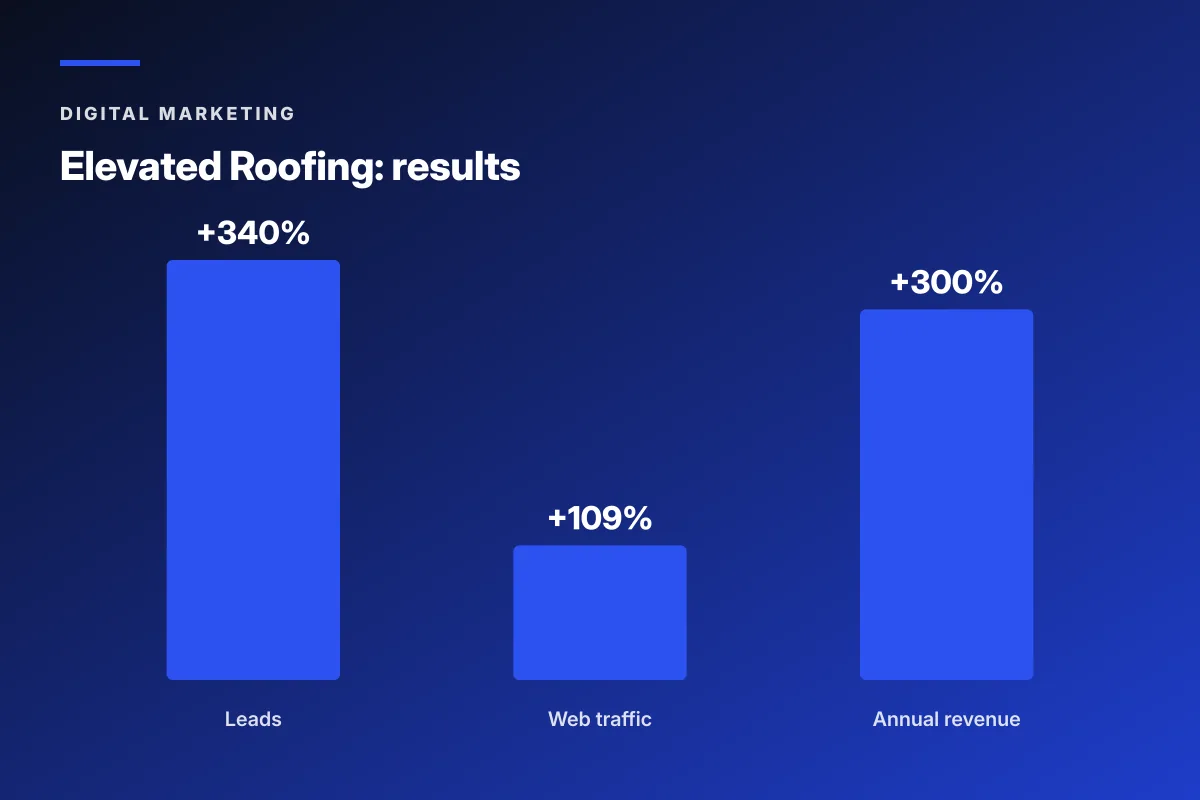
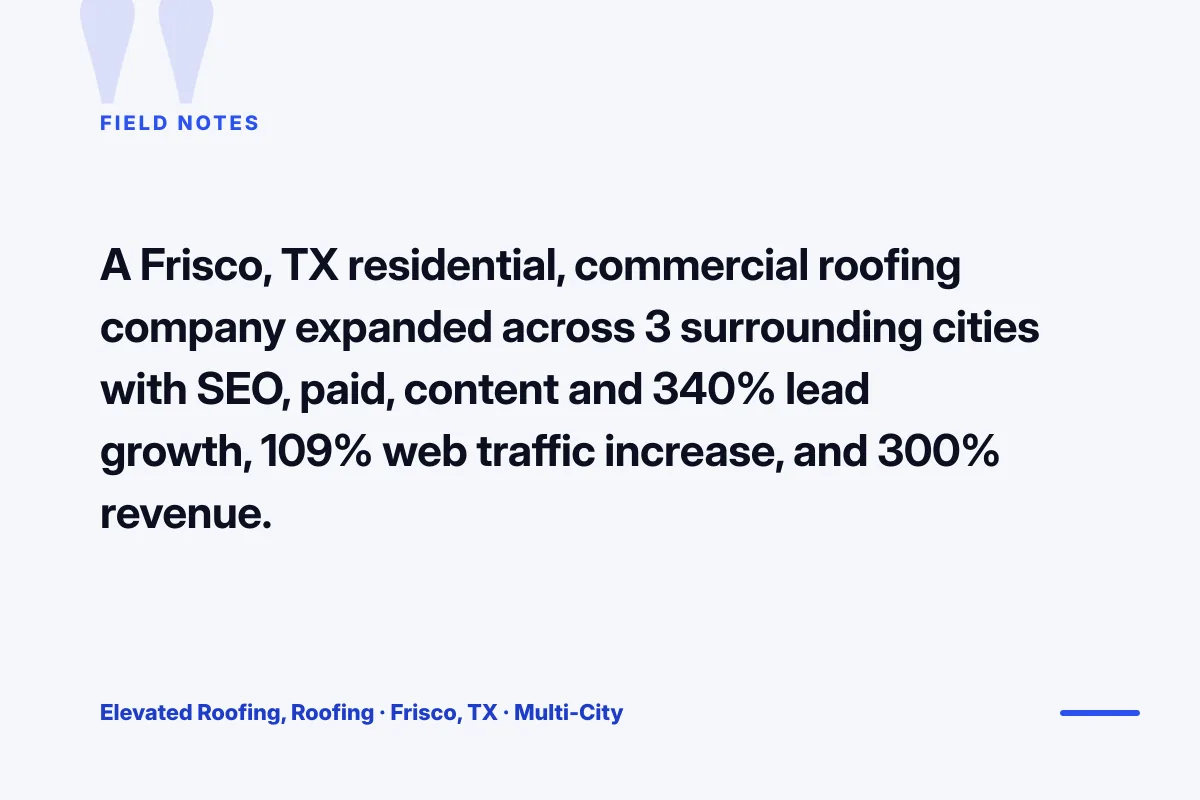
Passion Built is a local retail SEO story that transfers cleanly to pet retail keyword work. The Sydney renovation brand came to Redefine Web with two underperforming sites and six ranking keywords. Inside twelve months, the site grew to 300 plus ranking keywords, 10 percent visitor conversion, and $60,000 in bookings from organic search.
The Passion Built keyword plan is the same shape a pet brand needs. Map the six intent buckets. Assign each bucket a page type. Publish the location page and the top three category pages first, because those are the fastest to rank. Layer the problem intent guides across months 3 to 6. Add the research base across months 4 to 12. Every month, review the pages ranking in positions 4 to 20 and rewrite the two with the highest volume. That single move produced most of the ranking growth on Passion Built and produces most of the ranking growth on the pet brands we run today.
The transfer point for a pet brand is that pet queries have more research and problem intent volume than renovation queries. A pet brand can build a research base of 40 to 80 pieces that feeds category and problem intent traffic for years, because pet owners have more ongoing questions than a homeowner picking a contractor once every eight years. Every research piece a pet brand publishes has a compounding traffic curve that a renovation brand cannot easily match.
The extra play a pet brand runs that Passion Built did not is subscription attach. A shopper who lands on a research piece about puppy feeding schedules, signs up for the weight tracker printable, and converts on a puppy food subscription six weeks later is worth 3 to 5 times the first order value across the subscription lifecycle. That math is why pet company SEO keywords deserve a research base, not just a category and product page build.
Mapping the first 20 pet company SEO keywords
The first 20 pet company SEO keywords a brand should map are the terms that hit the six intent buckets in proportion. Two local intent terms for every physical location. Six category intent terms across the top selling categories. Four problem intent terms tied to real product SKUs. Four research intent terms that feed the email list. Two brand intent terms for the biggest SKUs. Two review intent terms tied to comparison content.
Volume is not the first filter. Intent match to your product line is. A brand that stocks 40 grain free SKUs picks grain free dog food as a category intent term. A brand that stocks 5 hip and joint SKUs picks hip and joint supplement instead. The keyword should match the depth of the catalog. A shallow category with a category intent keyword ranks and then loses the buyer to a brand with more SKUs to browse.
The tool stack for the map is small. Ahrefs Keywords Explorer for volume and difficulty. Google Search Console for existing rankings and click through rates. And a spreadsheet with columns for keyword, intent bucket, target page URL, current ranking, target ranking, monthly volume, and last published date. That spreadsheet is the plan. Everything else is execution.
Publish cadence matters more than tool selection. A brand that maps 20 keywords and writes 2 pages a month clears the plan in ten months and starts the second cycle. A brand that maps 200 keywords and writes 1 page a month never clears the first cycle. Small maps beat big maps every time on ranking outcomes. The extra 180 keywords in the big map dilute the writing budget across pages that never get the depth they need to rank.
Pet company SEO keywords by product line
Pet company SEO keywords split cleanly by product line and each line has a different intent mix. Dog food and cat food skew heavy on category and problem intent. Treats skew heavy on brand and gift intent. Toys skew heavy on category and review intent. Supplements skew heavy on problem intent because supplements are picked to solve a symptom. Grooming products skew heavy on problem and review intent.
A DTC brand that sells across three or four product lines needs a separate keyword map per line. Combining the maps flattens the strategy. Each line gets a dedicated category page, a set of problem intent guides tied to real SKUs, and a bank of review comparison content that names the incumbent competitors head to head. The homepage aggregates the traffic across the lines but does not carry the ranking weight. The line specific hub pages carry it.
The pattern below is a shortcut. Food and treats need 40 to 60 keywords each mapped to 20 to 30 pages. Toys need 20 to 30 keywords mapped to 10 to 15 pages. Supplements need 30 to 50 keywords mapped to 15 to 25 pages. Grooming products need 25 to 40 keywords mapped to 12 to 20 pages. Each line takes 4 to 6 months to build out to a defensible ranking position. Multi line brands should sequence the lines instead of building them in parallel, because parallel work spreads the writing team thin and delays the first line’s ranking window by another quarter. See our pet product marketing agency guide for the full retainer scope.
Five ranking metrics to track monthly
Track five ranking metrics monthly for pet company SEO keywords. Ranking positions on the top 20 target terms. Non branded organic sessions to the pages that own those terms. Assisted revenue from organic search inside Google Analytics. New keywords ranking in positions 4 to 20 that can be pushed to top 3 with a page rewrite. And referring domains growth month over month. Everything else rolls into those five.
Attach a real dollar value to each ranking. A number one ranking on a 3,000 volume category term is worth roughly 900 clicks a month at a 30 percent click through rate. At a 2 percent conversion rate and a 45 dollar average order value, that is 810 dollars in monthly revenue from one keyword. Multiply across 20 top terms and the retainer pays for itself three to five times over inside a year.
Report on the ranking to revenue path every month. Not raw keyword ranks. Ranks alone will not tell a founder whether the retainer is working. The revenue math will. Founders keep the retainer alive when the reporting closes the loop between ranking and money. Vanity ranking dashboards get the retainer cut in the next quarterly budget review.
The reporting cadence matters too. Weekly ranking snapshots let a retainer team catch a page that has dropped ten positions before it slides off page one entirely. Monthly reports are for the founder. Weekly reports are for the writer. Both should share the same underlying data set so the story from the founder’s monthly matches the story from the writer’s Monday morning ranking check. Any mismatch between the two reads as retainer noise and destroys founder trust in the numbers.
Pick the right partner for your keyword map
The right partner for pet company SEO keywords depends on where your revenue actually comes from today. A retailer with three shops and no ecommerce needs a partner strong on local intent, GBP work, and location pages. A retailer with a Shopify catalog needs a partner strong on category page structure, schema, and technical audits. A pure DTC brand needs a partner strong on problem intent guides, product page conversion, and digital PR.
Three signals separate a real pet SEO partner from a generic keyword shop. Field tested experience in the vertical, meaning they can talk to the difference between grain free and limited ingredient without a Google search first. Intent based reporting, meaning they can tell you which keywords are driving revenue, not just impressions. Access transparency, meaning Google Search Console, GBP, and analytics accounts sit in your name.
Where to start this week depends on the state of your ranking base. If your top 20 target terms are not ranking on page one, start with a keyword audit and a page level rewrite plan. If your terms rank but revenue is flat, start with a conversion rate audit and product page schema. Read Moz’s keyword research guide for the foundation reference, then map the plays to your own catalog.
Pet company SEO keywords are the plan behind every ranking pet brand. Map the six intent buckets, build the right page per bucket, publish the research base, and measure ranking to revenue every month. Passion Built grew from 6 ranking terms to 300 plus on this shape of plan. Your pet brand can hit the same math with the same discipline once the map is real and the writing happens every week.

Frequently asked questions
What are pet company SEO keywords in plain terms?
Pet company SEO keywords are the search terms shoppers type when they are looking for pet food, treats, toys, supplements, grooming products, or services. They break into six buyer intent buckets. Local intent like dog food store near me. Category intent like grain free dog food. Problem intent like best dog food for sensitive stomach. Research intent like how much to feed a puppy. Brand intent like Orijen puppy 25lb. Review intent like Orijen vs Acana. Each bucket needs a different page type to rank, and each carries a different conversion rate for the pet brand that ranks.
How many pet company SEO keywords should a new DTC brand target?
A new DTC pet brand should target 20 keywords in the first six months, mapped across the six intent buckets in proportion to the catalog. Two local intent terms per physical location. Six category intent terms across the top selling product classes. Four problem intent terms tied to real SKUs. Four research intent terms that feed the email list. Two brand intent terms for the flagship SKUs. Two review intent terms tied to comparison content. That map is enough to build a real ranking base without spreading the writing budget too thin across too many terms.
How long do pet company SEO keywords take to rank?
Timeline scales with intent bucket and domain age. Brand intent terms rank in one to three months on well built product pages. Local intent terms rank in two to four months once the Google Business Profile and location pages are cleaned up. Category intent terms rank in four to nine months for mid sized DTC brands. Problem intent guides rank in three to seven months. Research intent pieces rank in four to ten months. Review intent pages rank in four to eight months. A new domain lands at the slower end of every range. A domain with five plus years of history lands at the faster end.
Which pet company SEO keywords convert best for a DTC brand?
Local intent and brand intent keywords convert best when they exist for the brand. A shopper typing dog food near me converts at 8 to 20 percent. A shopper typing Orijen puppy 25lb converts at 10 to 30 percent on a well built product page. Category intent converts at 1 to 3 percent because the buyer has not yet picked a brand. Problem intent converts at 3 to 8 percent because the buyer has decided a product is the answer. Research intent converts at under 2 percent on first visit but produces email captures that convert later. Review intent converts at 10 to 25 percent because it is one search away from an order.
Do pet company SEO keywords need a blog to rank?
Category and product intent keywords do not need a blog. They rank on category pages and product pages with real copy, schema, and internal links. Problem intent and research intent keywords do need long form content. A DTC pet brand that skips the research base will rank category pages but will lose the topical authority battle against brands that publish 40 to 80 well written research pieces per year. The blog is not optional if the brand wants to compete on problem intent and review intent terms. It is essential if the goal is to outrank retailers on those buckets.
Can a pet retailer target the same SEO keywords as a DTC brand?
A pet retailer and a DTC brand share about 60 percent of the same keyword pool but the ranking approach differs. A retailer with a physical shop skews toward local intent, brand intent for stocked lines, and category intent on the top selling classes. A DTC brand skews toward problem intent, review intent, and research intent because the brand ships nationwide and needs to build topical authority. A retailer with both a shop and ecommerce needs to run both maps in parallel, with location pages carrying the local intent load and the category tree carrying the category intent load.
Book your free 30-minute strategy call.
No spam, no sales rep. We use your email to schedule your call with a senior strategist. That is it.
More from the blog
View all articles → Digital Marketing
 Dental Marketing Tips That Compound Into New Patients
Read article Digital Marketing
 Ecommerce Marketing Strategies That Drive Real DTC Revenue
Read article Digital Marketing