PPC campaigns for pet grooming should book chair time, not answer price questions from dog owners hunting the cheapest bath in a 30-mile ring. Most shops run a Smart campaign the onboarding rep spun up on day one. Broad match pulls in every phone shopper for miles. You pay the click, they ask the price, they hang up, and Tuesday afternoon still has open slots. The fix is a tighter shape from the start.
Here is the structure that fills the calendar with confirmed slots. You get the Google-to-Meta split for a single-location shop, the seasonal calendar that maps spring shed and holiday coats to bid changes, the geo ring that keeps you out of price-war zip codes, the ad copy that repels bargain hunters before they dial, and the first-groom offer plus package upsell that turns one click into six appointments. Built for owner-operators and small chains running two to six chairs on a monthly ad budget between $600 and $4,500.
Geo-targeted radius that keeps you out of price wars
A 4 to 7 mile ring around a single grooming location captures the neighborhoods where your shop is the closest option owners will drive to. Anything wider drags in zip codes served by cheaper big-box chains and your CPA doubles inside a month. Start tight and only stretch the ring once the inner one books out.
Pull 90 days of appointment addresses out of your booking software and map them. The 80% line usually lands between 4 and 7 miles for a single-shop urban location. Suburban shops sit closer to 6 to 9 miles. Rural shops can run 10 to 15 miles since density is lower. Set the Google Ads location target to exactly that 80% line and exclude the outer ring. You leave a few appointments on the table, but you cut wasted spend on searches that would have bounced to a closer competitor anyway.
The other geo lever is location bid adjustments inside the radius. If two of your five neighborhoods generate 60% of booked appointments, raise the bid in those two by 20 to 30% and lower the bid in the two that generate the fewest. This is the most overlooked optimization in PPC campaigns for pet grooming. Most shops set a radius on day one and never revisit it. The Google Ads location targeting documentation covers the exact settings step by step.
Ad copy that books appointments and filters price shoppers
Grooming ad copy should lead with the appointment, not the fee. “Book Saturday Chair Time” outperforms “$45 Dog Bath” by 2 to 3x on booked-appointment rate across the test accounts we run. Price-first copy pulls in price shoppers. Appointment-first copy pulls in owners with a leash in one hand and a phone in the other.
The headline structure that works. Headline 1 names the service and the availability. Headline 2 names the neighborhood or landmark. Headline 3 covers the booking action. Take “Same-Week Dog Grooming” paired with “Near Cherry Creek” paired with “Book Online Today.” That combination filters out anyone not ready to book, and it names your service area so callers know you are close. The description lines reinforce the fit. “Full-coat, de-shed, or bath and brush. Certified groomer. Open Saturdays.” That is a caller ready to book, not to negotiate. Copy shaped this way sees call-to-book rates climb from 8% to 22%.
Extensions matter too. Callout extensions list “Certified Groomer,” “Cage-Free Dry,” “Cat Grooming Available.” Sitelink extensions point to the online booking page, the pricing page, and the breed-specific service pages. Structured snippet extensions list dog breeds you specialize in. Location extension pulls your Google Business Profile address. Together they push your ad from a two-line text ad to a full local business snapshot. That expansion is worth 25 to 40% more CTR at no extra CPC. Meta ad creative should mirror this. Video of the real chair, real groomer, real dog. Not a stock photo of a poodle. The Meta ad quality guidelines cover creative fundamentals.
Quality score is the cheapest lever in pet grooming ads
Quality score is Google’s 1-to-10 rating on every keyword and it drives your real cost per click. Every point above 5 cuts CPC roughly 16%. Move a top keyword from 5 to 8 and your click cost drops 40% at the same ad position. That is the cheapest lever inside PPC campaigns for pet grooming, and most shops never touch it.
Three inputs move the score. First, expected CTR, driven by ad copy that names the neighborhood and the exact service. “Cage-Free Dog Grooming Near Cherry Creek” outperforms “Dog Grooming Services” by 30 to 50% on click-through. Second, ad relevance, driven by tight ad groups where every keyword matches the ad copy verbatim. Split keywords into one ad group per service. Full groom in its own group. De-shed in its own group. Cat grooming in its own group. Do not stuff 40 keywords into one ad group. Third, landing page experience, driven by page load under 2 seconds on mobile, real prices shown above the fold, and an online booking widget that opens in one click.
Aim for 7+ on every top-10 keyword. Anything at 5 or below gets a landing page fix or gets paused. Check the score inside Google Ads under the Keywords tab, add the Quality Score column, and sort ascending. The bottom five keywords tell you where to spend the next hour of optimization. Redefine Web runs the quality score audit inside the PPC Management Services retainer.
Landing page structure that turns clicks into booked chair time
The landing page should book, not teach. Owners clicking a Saturday chair time ad want two things above the fold. Real pricing. Real availability. Miss either one and they bounce back to search and click the next shop in the pack.
Above the fold, put the shop name, the neighborhood, and a live online booking widget that shows this week and next week’s open slots. Show base pricing for small, medium, and large dogs right next to the widget. Owners who see the number and stay are ready to book. Owners who see the number and bounce were never going to become customers. That self-filter saves you money on the next ad click since your conversion rate on landed traffic climbs.
Below the fold, three sections earn their space. A short bio of the head groomer with certifications named. Photos of the real grooming area, not stock imagery. A one-line trust bar carrying “cage-free dry,” “anxious dog specialist,” or whatever separates your shop from the block. Skip long-form copy on this page. It is a booking page, not a blog post. Load time under 2 seconds on mobile is not optional. Slow load kills grooming landing page conversion faster than any single other factor since owners are usually clicking at a red light. Redefine Web builds those pages inside the Pet Business Web Design engagement.
First-groom offer plus package upsell that locks the rebook
The first-groom discount at 20% off, paired with a 4-visit package at 10% off the bundle, is the offer stack that pulls the click and locks the repeat. Running the discount alone bleeds margin on owners who never come back. Running the package alone loses clicks to shops offering an intro discount. Stack them and both problems go away.
Ad copy should frame the offer as “Save 20% on Your First Groom, Save More with a 4-Visit Pack.” The landing page shows the single-groom price, the 4-visit pack, and a monthly membership at 15% off with priority weekend booking, side by side. Recommend the pack. Owners who pick the pack pay upfront, which locks in the return and turns the CPA math on its head. A $28 CPA on a single $75 groom is fine. A $28 CPA on a $270 4-visit pack is a completely different business. Shops that run the offer stack see rebook rates 40 to 55% higher than shops running the intro discount alone.
Cap the first-groom discount at 60 days from the ad click so it does not stack with seasonal promos. Track redemption in your booking software as a separate coupon code so you can measure real payback per ad dollar. Meta retargeting to owners who visited the booking page but did not pick a package converts at 4 to 6x the cold audience rate. That is where the upsell revenue really compounds. Redefine Web builds retargeting flows inside the Pet Product Marketing Agency retainer.
Budget bands for PPC campaigns for pet grooming at shops of different sizes
Budget bands track chair count and service radius. A single-van mobile groomer runs a different ad plan than a six-chair suburban shop with a retail counter up front. The table below shows the honest bands most grooming shops we work with land in.
| Shop size | Monthly ad spend | Google share | Meta share | Target CPA |
|---|---|---|---|---|
| Mobile groomer, 1 van | $600 to $1,200 | 80% | 20% | $22 to $32 |
| Single shop, 2 to 3 chairs | $1,200 to $2,400 | 70% | 30% | $18 to $26 |
| Established shop, 4 to 6 chairs | $2,400 to $4,500 | 65% | 35% | $15 to $22 |
| Small chain, 2 to 4 locations | $4,500 to $9,000 | 60% | 40% | $14 to $20 |
The bands assume a 4 to 7 mile radius per location, English-language search only, and a landing page with online booking enabled. If you are running without online booking, add 20% to the target CPA since phone-only conversion is always weaker. If you are running in a bilingual market and need Spanish creative, split budget 70/30 English/Spanish and expect the Spanish CPA to come in 10 to 15% lower since competition is lighter.
Budget ramping matters as much as the starting number. New accounts should not launch at the full monthly cap on day one. Start at 50% of the target for the first two weeks. Push to 75% in weeks three and four. Hit the full cap only after week five when the algorithms have learned who books versus who bounces. A shop with $2,400 per month allocated should spend roughly $1,200 in month one, $1,800 in month two, and hit $2,400 in month three, then hold steady with seasonal bid adjustments layered on top.
The Mission Pet Health lesson applied to grooming shops
Mission Pet Health, a veterinarian-owned network of 400+ animal hospitals, swapped fragmented paid media across their clinics for a scalable framework tied to appointment capacity. The outcome. 54% year-over-year lead growth, a 74% beat on the 12-month ROAS goal, and an 11% efficiency gain at scale. The same shape maps straight onto a single-location grooming shop with a bit of resizing.
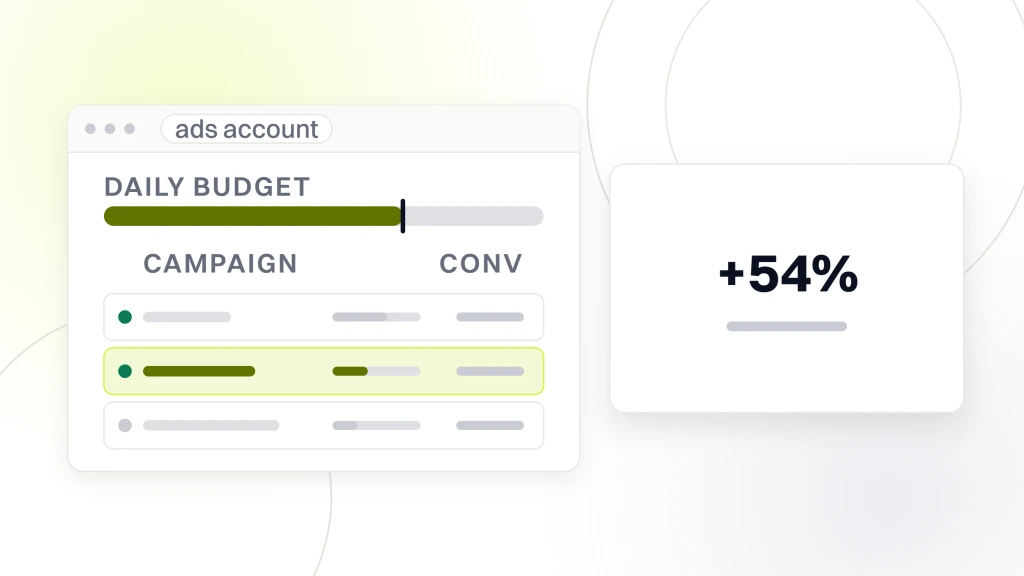
Three shifts moved the numbers. First, they aligned ad spend with real appointment capacity per location, so spend rose in neighborhoods with open chair time and pulled back in neighborhoods already fully booked. Second, they consolidated fragmented account structures, so a single media buyer could see every location’s performance without switching between 400 dashboards. Third, they layered Performance Max and Local Services Ads on top of standard Search once conversion tracking was clean. That order matters. LSA and PMax do not compensate for broken tracking.
For a single grooming shop, that translates into three practical moves. Pull your booking software’s open-slot data into your ad account weekly, so bids match real availability. Consolidate any duplicate Google Ads accounts or campaigns into one clean structure. Turn on Performance Max only after your Search campaigns have booked 30 to 40 appointments with clean conversion tracking, not before. Shops that skip the tracking cleanup and jump straight to PMax end up spending 40% more per appointment. The Mission Pet Health rebuild took 6 months to hit the +54% lead number. A single grooming shop can compress that to 90 days since the account structure is simpler. The Google Ads Performance Max overview covers the order to layer campaigns in.
Conversion tracking that counts real appointments, not phone shoppers
Conversion tracking has to count confirmed appointments, not raw form fills or dropped calls. A form or a call could still be a phone shopper poking around. Only a confirmed slot inside the booking software is a real conversion. Wire your Google Ads and Meta accounts to that booking event, not the click.
Most grooming booking software, Gingr, MoeGo, PetExec, Time to Pet, or PetLinx, offers a webhook or Zapier trigger that fires when an appointment is confirmed. Point that trigger at Google Ads via the Enhanced Conversions API and at Meta via the Conversions API. Both platforms then get a clean signal every time an ad-clicked visitor books a real slot. Pet Insurance Australia used the same clean-signal approach on Google Ads to hit an 8.87% click-through rate against a 1-3% benchmark and a 31.06% conversion rate across 455 qualified conversions in 5 months. The same setup translates.
Phone call tracking on Google Ads should route through call reporting with a 60 second minimum, so 10 second price-check calls do not count. Meta ads should count “initiate checkout” on the booking widget as the conversion event, not just landing page view. Get those two settings right and your reported CPA suddenly reads a lot higher than the vanity number your onboarding rep quoted. That is fine. A real $22 CPA on a booked appointment beats a fake $6 CPA on a form fill every day. The Enhanced Conversions setup docs walk through the technical hookup.
Negative keywords that block wasted grooming shop spend
Negative keywords are the fastest single lever to cut wasted spend. A tight list of 60 to 120 terms drops wasted click cost by 25 to 40% inside the first two weeks the list is live.
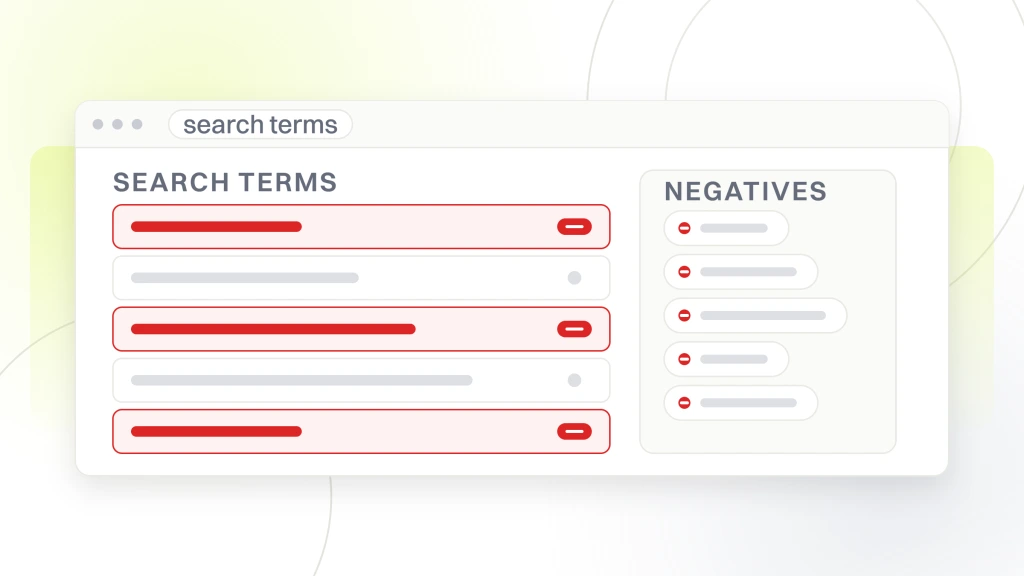
The categories to block. Job seekers searching “dog groomer jobs,” “grooming apprenticeship,” or “how to become a groomer.” DIY searchers hunting “groom dog at home,” “dog grooming tools,” or “clipper reviews.” Price shoppers on “cheap,” “discount,” “coupon,” or “free” modifiers, added as broad negatives so your paid intro offer does not accidentally get filtered. Wrong-service searches like “cat groomer” if you only groom dogs, or “horse grooming” which happens more than you would guess in agricultural zip codes. Add them as phrase-match negatives at the campaign level.
Pull the search terms report every Friday for the first 8 weeks of a new campaign. Every non-converting term above $5 in spend gets reviewed. If it should not have matched, add it as a negative. If it should have matched but did not convert, tag it for landing page review. By month three, the campaign runs clean and the CPA drops naturally since the wasted match has been trained out. Campaigns that skip the weekly negative review plateau at a CPA 30 to 45% higher than they should. That is a lot of unbooked chair time.
Meta creative that warms up the neighborhood for grooming
Meta creative has to show the real chair, the real groomer, and the real dog. Stock poodles on white backgrounds do not perform. Video of a real de-shed session does. That single call separates Meta creative that books from Meta creative that gets scrolled past on the couch.
The three video shapes that work. First, the reveal shape, a 12 second before-and-after of a matted or shedding dog turning into a clean, brushed dog. Second, the process, a 20 second calm walk-through of the grooming area showing how anxious dogs are handled. Third, the seasonal push, a 15 second reminder that shed season is starting or that holiday appointments are booking up. Rotate all three every 10 to 14 days. Do not run the same creative for more than 3 weeks or fatigue kicks in and CPM climbs 20 to 60%.
Targeting on Meta should stay tight. Pet owners inside your Google Ads geo radius, aged 28 to 65, interests including dog breeds you specialize in. Do not bother with lookalike audiences under 10,000 conversion events. Retargeting is where Meta earns its 30% of budget. Anyone who visited your booking page and did not book, hit them with a reminder ad within 48 hours. Anyone who booked once and has not returned in 6 weeks, hit them with a “time for another appointment” ad. Those two retargeting audiences convert at 4 to 6x the cold audience rate since the intent is already established.
Reporting cadence that keeps grooming ad spend honest
Weekly for the first 8 weeks, monthly after. That is the honest reporting cadence. Weekly reviews catch runaway spend quickly. Monthly reviews once the campaign is stable stop you from tuning to noise week over week.
The weekly report should cover four numbers only. Booked appointments from paid, spend total, cost per booked appointment, and the top three search terms driving conversions. Anything else is noise for a small grooming shop. If those four numbers trend the right way, the campaign is working. If any two trend wrong, dig into the search terms report and either add negatives or adjust landing page copy.
Monthly reports after the campaign is stable should add three views. Cost per appointment by neighborhood, cost per appointment by day of week, and lifetime value of paid-source clients versus organic-source clients. That third number is the one most shops never look at, and it usually shows that paid-source clients rebook at 60 to 75% of the rate that referrals rebook. So the true CPA is higher over 12 months than the first-month number suggests. Price your services with that reality in mind, not the vanity first-appointment number. For the wider ad-unit primer, our guide to Shopify PPC structure for ecommerce walks the same reporting shape for a retail funnel.
When a grooming shop should hire an agency versus run PPC in-house
Hire an agency once your monthly ad spend crosses $1,500 or once a second location opens. Keep it in-house below $1,500 with a single location. The math on agency fees stops working below that line. Above it, the hours you save each week are worth the retainer alone.
A shop owner running a $600 a month Google Ads campaign can learn the platform in 8 to 12 hours of study, run it themselves for 30 minutes a week, and hit a $22 CPA once the negative list is dialed in. Paying an agency $500 a month to manage a $600 spend leaves $100 to run ads, which does not work. At $1,500 to $4,500 in monthly spend, a Redefine Web PPC retainer at $999 or $1,499 per month covers the weekly rhythm and typically pays for itself in the CPA improvement alone. Above $4,500 in spend or multi-location, step up to $2,499 or from $4,500 per month for full Meta creative production and monthly reporting reviews. Ad spend is billed separately from the retainer in every tier.
The pitfall to avoid is hiring a generalist agency that does not understand grooming specifics. Ask on the discovery call about seasonal shed cycles, geo radius, quality score audits, and booking software conversion tracking. If the agency has never heard of MoeGo or Gingr, they are going to spend the first three months learning your category on your budget. PPC campaigns for pet grooming need a media buyer who has run at least 5 grooming or vet accounts before. That is the specialist threshold. Below it, you are educating them at your expense.
Next steps to book more grooming appointments with paid search
Pick the two moves that will pay for themselves inside the next 30 days. Tighten the geo radius to your real 80% service line. Rewrite the top ad group’s copy to lead with the appointment and the neighborhood. Turn on Enhanced Conversions with the booking-confirmed event, not the form fill. Add 60 to 120 negatives in phrase match at the campaign level. Launch the first-groom discount stacked with a 4-visit pack on a dedicated landing page. Those five moves compound and the CPA drops 25 to 40% inside a month with no budget change.
The Pet Shop Independent Retail UK rebuild leaned on mobile-first conversion plus a daily social cadence to grow calls, click-and-collect orders, and Saturday footfall in a single quarter. The Passion Built build turned SEO plus paid into 300+ ranking keywords and a 10% visitor-to-booking conversion rate. Different verticals, same rule. Own the intent close to the booking button and the rest of the funnel gets cheaper.
When you are ready for the weekly rhythm to run without you, book a call with the Redefine Web PPC team. The first conversation is a working session, not a pitch, and you leave with the search terms report already tagged. If you want to keep going in-house, save this page and work the checklist in order. Either way, the calendar fills faster than the shop next door.