
PPC for Pet Adoption Websites That Drives Real Applications
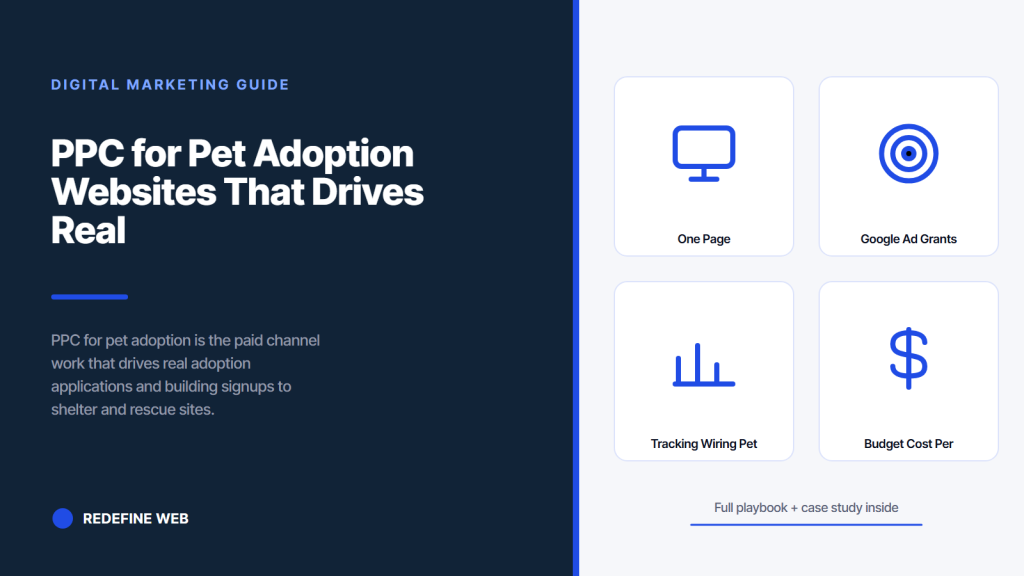
- Ad Grants unlock ten thousand dollars per month for rescues.
- Paid Google covers queries the grant cannot reach.
- Individual pet spotlight ads outperform generic ads.
- Offline conversion import optimizes toward placements.
- Weekly creative refresh sustains meta click through rate.
- PPC for pet adoption in one page
- Google Ad Grants build for pet adoption
- Paid Google Ads for queries the grant cannot reach
- Meta paid social for pet adoption
- Landing page pattern for adoption campaigns
- Tracking wiring for pet adoption PPC
- Budget and cost per application benchmarks
- How Pet Insurance Australia maps to rescue PPC
- Five numbers to track when PPC for pet adoption runs
- Pick the right PPC partner for your rescue
PPC for pet adoption is the paid channel work that drives real adoption applications, fostering signups, and donations to shelter and rescue websites instead of vanity clicks that never turn into a placed pet. Every rescue runs a site with adoption listings, a fostering program page, and a donations page, and every rescue faces the same paid channel choice. Run paid campaigns on Google Ad Grants and Meta with a real account structure that reads adoption applications as the north star, or run boosted posts on Facebook and hope for the best.
This guide walks the field tested version of PPC for pet adoption that Redefine Web runs with breed rescues, municipal shelters, and multi state rescue networks. You will see the Google Ad Grants account structure that actually drives applications, the Meta campaign build for adoption and fostering recruitment, the landing page pattern that converts a first time visitor into a submitted application, the tracking wiring to close the loop through the rescue software, the budget and cost per application benchmarks by rescue type, and the case study transfer points from Pet Insurance Australia.
PPC for pet adoption in one page
PPC for pet adoption is the paid channel discipline that runs Google Ad Grants, Google Ads paid search, and Meta paid social to drive adoption applications, fostering signups, and donations to shelter and rescue websites. Four buckets carry the load. Google Ad Grants on adoption and rescue queries for the ten thousand dollar monthly grant every qualified nonprofit gets. Google Ads paid search on the queries the grant cannot reach because of the two dollar bid cap. Meta paid social on retargeting site visitors and prospecting to lookalike adopters. Tracking wiring end to end so every dollar and every grant click ties back to an application.
Every extra tactic like TikTok fostering videos, print flyers, and community events sits on top of that base. Without the four core pieces running every month with real tracking, the rescue spends its limited paid budget or grant credit hoping it works. A rescue that runs PPC for pet adoption with a tracked funnel drives fifty to two hundred applications per thousand dollars of ad spend or grant credit at a cost per application inside twenty five dollars in most trade areas. Read the pet products marketing hub for the retainer scope pricing.
Redefine Web tracks four numbers for every rescue PPC retainer month over month. Cost per submitted application on the paid channel mix. Application to placement conversion rate through the rescue software. Fostering signup count from paid channels. Donation revenue attributed to paid channel touches. If those four numbers hold or grow month over month, PPC for pet adoption is doing its job on the rescue calendar and the placement roster.
Google Ad Grants build for pet adoption
The Google Ad Grants build for pet adoption unlocks the ten thousand dollar per month grant every qualified nonprofit rescue can earn from Google. Six requirements have to hold every month to keep the grant active. Two ad groups per campaign minimum. Two ads per ad group minimum. Two sitelink assets per campaign minimum. Five percent minimum click through rate on a ninety day rolling window. Ninety nine percent uptime on the landing pages ads route to. Conversion tracking on the primary goal like an adoption application submission.
Campaign structure inside the grant carries five campaigns. Adoption queries campaign on adopt a dog or adopt a cat plus city queries. Breed adoption campaign on adopt a poodle or adopt a labrador queries. Fostering program campaign on signing up as a fostering volunteer or becoming a fostering volunteer queries. Donation campaign on donate to animal rescue queries. Volunteer campaign on volunteer at animal shelter queries. Every campaign runs inside the grant with a two dollar maximum bid cap, and every campaign hits the five percent click through rate floor to stay compliant with the grant terms.
The grant is not free money for a rescue that ignores the compliance rules. A rescue that drops below the five percent click through rate for two consecutive months gets the grant suspended and has to reapply after fixing the account. The suspension window closes the paid channel for four to eight weeks and costs the rescue two to four thousand dollars of grant credit that will not come back. Read the Google Ad Grants policy documentation for the current compliance requirements every rescue needs to follow.
Paid Google Ads for queries the grant cannot reach
Paid Google Ads for queries the grant cannot reach carry the queries with cost per click above the two dollar grant bid cap. Emergency and same day adoption queries. Premium breed queries where breeders have bid up the auction. Retargeting on site visitors who did not complete an application. Local Services Ads if the vertical becomes available for animal welfare organizations in the future. The paid account runs parallel to the grant account with different bid strategies and different budgets so the two do not compete on the same query auction.
Bid strategy on the paid account uses maximize conversions with a target cost per action once the account has thirty conversions in a thirty day window. Before that threshold, manual CPC bidding keeps the spend controlled while the account learns. Every campaign carries its own target cost per application because the emergency queries convert at higher rates but cost more per click, and the breed queries convert at lower rates but earn premium adoption fees that fund the rescue operations.
Ad copy on the paid account leads with the specific pet type or breed the query targets. A dog adoption query gets an ad with the current dog inventory count. A cat adoption query gets an ad with the current cat count. A specific breed query gets an ad naming the breed and the shelter or fostering location. Generic adoption ads that could apply to any rescue lose the click every time to a rescue that ran specific ad copy. Read the Google Ads copy best practices documentation for the field guidance on the mechanic.
The Google grant caps at CPC, so competitive adoption keywords burn nothing. Layer paid search on top for the high-intent phrases the grant can't reach.
Meta paid social for pet adoption
Meta paid social for pet adoption fills the pipeline stage Google cannot capture because the prospective adopter is not searching yet but is scrolling through Instagram and Facebook with a pet friendly household ready for a new pet. Three campaigns carry the load. Site visitor retargeting on people who visited an adoption listing but did not apply. Past adopter lookalike prospecting on the email list of successful adoptions from the last twenty four months. Video prospecting on individual pet stories from the current inventory.
Creative for adoption Meta ads runs three shapes. Individual pet spotlight videos with the pet name, age, breed, and one line about the personality shown on the pet in the video. Before and after rescue stories on pets who were adopted and thrived. Carousel posts on breed specific adoption programs for rescues that focus on a specific breed or size. Every creative shape earns engagement at different funnel stages and the three together drive a cost per application on Meta that runs sixty to a hundred percent of the Google paid number in most trade areas.
Individual pet spotlight is the highest converting creative shape by a wide margin. A single pet featured in a video with a one line story earns four to eight times the click through rate of a generic adoption ad. The tradeoff is that the pet gets adopted and the ad has to be pulled or updated inside the same week the video launches, and the creative refresh cadence has to run weekly to keep the account fresh. Rescues that scale weekly creative refresh through a volunteer photo and video coordinator sustain the higher click through rate for months at a time. See the pet products PPC agency page for the paid social scope.
Landing page pattern for adoption campaigns
The landing page pattern for adoption campaigns carries seven sections in order. Top fold with the pet type or breed in the H1, the rescue name, and a start application CTA above the fold. Current pet inventory grid with photos, names, and quick facts on each pet. Trust signals below the inventory with the rescue non profit status, years in operation, and any credentials from the ASPCA or Best Friends network. Adoption process outline with the steps from application to adoption in three to five bullets. Fostering program cross promotion for adopters who cannot commit to full adoption yet. FAQ block on the top five questions applicants ask before applying.
Every section earns conversion for a different reason. The top fold matches the ad copy word for word so the click does not bounce on message mismatch. The current pet inventory shows real pets available today, not stock photos. Trust signals close the trust gap on first time visitors who are not yet familiar with the rescue. Process outline removes the mystery that kills first click applications. Fostering cross promotion captures the visitor who is not ready to adopt but is ready to help. FAQ answers the last question before the click on the start application button.
Start application buttons open the application form directly, not a contact form. A contact form loses seventy to eighty percent of the application intent inside the delay window between form submit and rescue follow up. A direct application embed closes the loop on the first visit and captures the application while the buyer is still on the page. Skip the direct application embed and the paid budget costs three to five times more per submitted application on the same traffic. See the pet web design for service businesses guide for the application embed pattern.
Tracking wiring for pet adoption PPC
Tracking wiring for pet adoption PPC closes the loop between the ad click and the placed pet on the rescue software. Six pieces anchor the tracking wiring. Google Ads conversion tracking on the start application click and the application confirmation page. GA4 events on the same actions plus fostering signup event and donation event on the corresponding confirmation pages. Meta Pixel with the Lead event on the application confirmation page and the Donate event on the donation confirmation page. Offline conversion import from the rescue software back into Google Ads with the actual placement count and the actual fostering onboarding count.
Two more pieces complete the wiring. Server side tagging so browser tracker blocking does not drop conversions from the ad platforms. Weekly reconciliation between the ad platform conversion count and the rescue software application count so the platforms optimize on real signal, not a form submit that never turned into a placed pet.
Offline conversion import is the piece most rescues skip and the one that matters most. Without offline conversion import, Google Ads optimizes toward form submits and drops the placement signal that separates a serious application from an idle click. With offline import wired weekly, the platform optimizes toward applications that turned into placed pets and the cost per placement drops thirty to fifty percent inside a quarter of the wiring. Read the Google Ads offline conversion import guide for the setup steps.
Budget and cost per application benchmarks
Budget and cost per application benchmarks for PPC for pet adoption track rescue size and trade area competitiveness. A small breed rescue runs 500 to 1,500 dollars per month on paid ads plus the ten thousand dollar Ad Grants budget at a target cost per application inside twenty dollars. A regional multi breed rescue runs 1,500 to 4,000 dollars per month on paid ads plus the grant at a target cost per application inside fifteen dollars. A municipal shelter or a multi state rescue network runs 4,000 to 10,000 dollars per month on paid ads plus the grant at a target inside ten dollars because the placement volume amortizes account management across a bigger pipeline.
Return on rescue spend is measured differently than commercial PPC. The north star is applications per dollar and placements per dollar, not revenue per dollar, and the donation channel operates as a secondary return that offsets the paid budget over a rolling quarter. The board member who thinks Facebook boosting a puppy photo is a paid channel strategy always ends up wondering why the rescue budget disappeared and no applications came in, when the boost went to seventeen friends of the rescue page and nine of them already adopted from the rescue last year.
The table below breaks down what falls inside each program band. These are field averages across rescues Redefine Web has run PPC for over the last four years, not a theoretical model. Every scope line is what the retainer buys, not what an add on later might cover on the rescue side.
| Rescue type | Monthly paid | Grants credit | Target cost per app | Focus |
|---|---|---|---|---|
| Small breed rescue | 500 to 1,500 | 10,000 | Under 20 dollars | Breed queries + Meta |
| Regional multi breed | 1,500 to 4,000 | 10,000 | Under 15 dollars | Local + retargeting |
| Municipal shelter | 4,000 to 10,000 | 10,000 | Under 10 dollars | Full stack coverage |
| Multi state rescue network | 10,000 to 25,000 | 10,000 | Under 10 dollars | Programmatic + PR |
How Pet Insurance Australia maps to rescue PPC
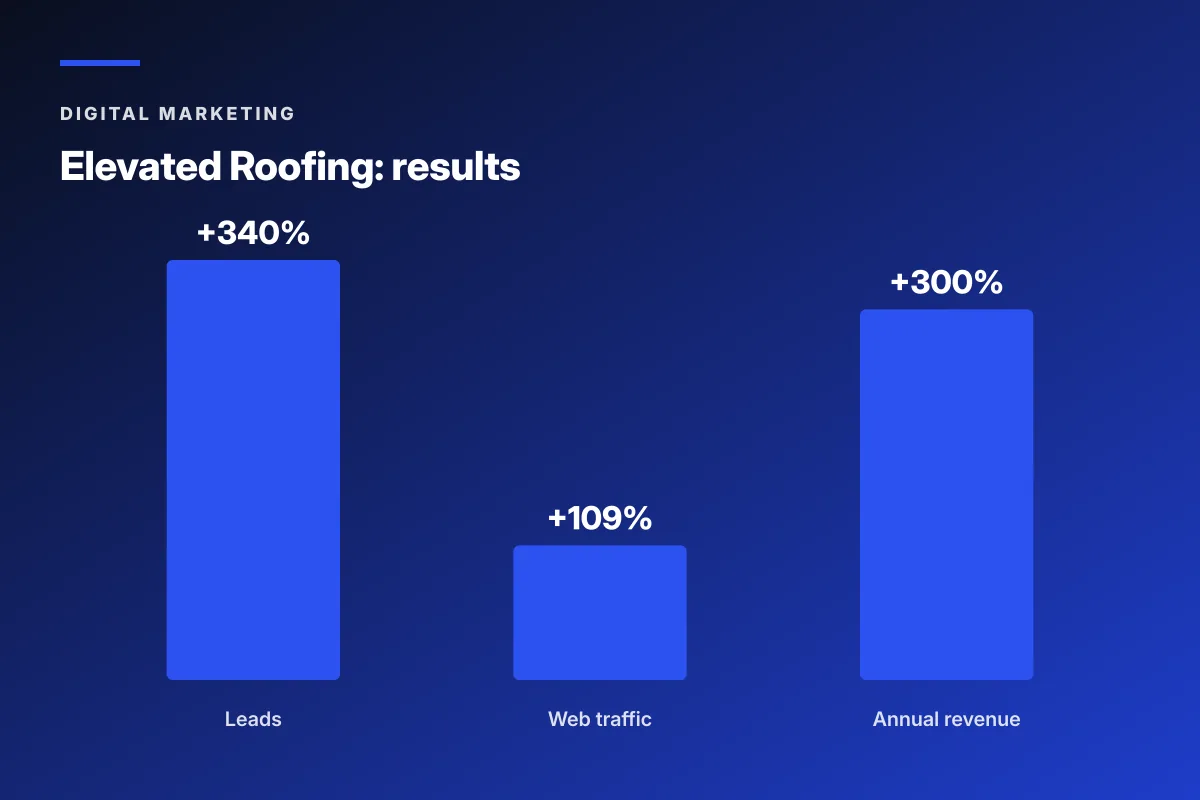
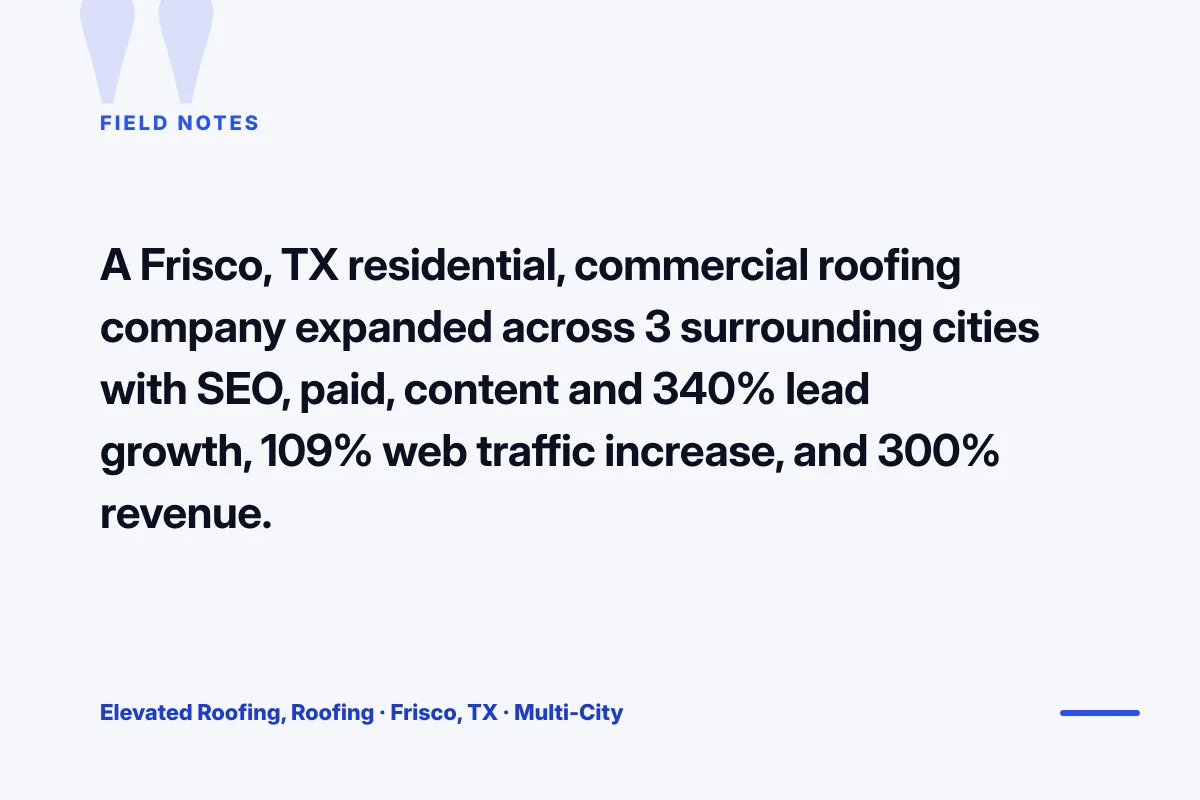
Pet Insurance Australia is a case study transfer to rescue PPC because both categories share a trust based application motion where the visitor has to fill a multi step form before the transaction happens. The Redefine Web engagement lowered paid cost per acquisition while growing non brand organic traffic across the same buyer audience over a rolling year.
Every play in that engagement applies to a rescue site carrying a similar application motion. Build a landing page per query cluster so ads route to the right page for adoption, fostering, and donation traffic. Wire tracking end to end so every ad dollar ties to an actual placed pet on the rescue software and not a phantom application. Grow the trust signal stack on every landing page with real credentials, real photos, and real stories. Run offline conversion import weekly so the platforms optimize toward applications that turned into placements, not applications that ghosted the follow up call from the adoption coordinator.
The transfer point for rescue PPC is the trust signal stack on the application page. Pet Insurance Australia earned trust by showing plan details, real customer stories, and clear pricing on every plan page. A rescue earns the same trust by showing the current pet inventory with real photos, the adoption process in plain steps, and the rescue credentials from ASPCA or Best Friends. The mechanic scales from a single breed rescue with a hundred applications per year to a multi state network with fifty thousand applications per year.
Five numbers to track when PPC for pet adoption runs
Track five numbers monthly on PPC for pet adoption. Cost per submitted application on the paid channel mix. Application to placement conversion rate through the rescue software. Fostering signup count and fostering to adopter conversion rate. Donation revenue attributed to paid channel touches on a first click and last click basis. Ad Grants five percent click through rate compliance on a ninety day rolling window. Everything else rolls into those five, and every one ties directly to placed pets and funded operations at the rescue.
Attach a real placement value to each. Every dollar of cost per application reduction saves budget for the next paid quarter. Every fostering onboarding grows the rescue capacity to save more pets without adding kennel space. Every donation earned from a paid channel touch funds the medical care and food that keeps the rescue running while pets wait for placement. Every one percent click through rate improvement on the grant campaigns pushes the account further from the compliance floor and closer to a safe operating margin above five percent. See the pet shop marketing playbook for the sibling community outreach pattern.
Set the reporting cadence to monthly with a quarterly board review. Monthly reports run one page with the five numbers month over month and the top three actions inside the retainer. Quarterly reports run three to five pages with the placement wins, the top ten pets placed through paid channels, and the priority list for the next quarter. Anything longer than that turns the retainer into a communication problem instead of a paid channel that saves pets every week of the year.
Pick the right PPC partner for your rescue
The right PPC partner for a rescue carries three signals that separate a real animal welfare vertical agency from a generic nonprofit PPC shop. Named rescue or animal welfare clients on the case study page, not generic nonprofit clients. Google Ad Grants management experience with compliance rate above five percent held for consecutive twelve month windows. Meta paid social experience with weekly creative refresh on individual pet spotlight ads.
Three questions to ask any candidate agency before signing. What is the cost per application story on a named rescue client over a twelve month engagement. What is the Google Ad Grants compliance rate the agency held across the last three rescue clients. What is the Meta weekly creative refresh cadence the agency ran on the last three rescue clients. If the agency has to look up the answers, the agency does not run the vertical at scale.
Where to start this week depends on the current state. If the rescue does not run Ad Grants today, start with the grant application and the compliance account build before any paid budget hits the account. If the rescue runs the grant but the click through rate hovers near five percent, start with the ad copy refresh and the keyword pruning. If the rescue runs the grant well but the cost per application reads high, start with the landing page audit and the offline conversion import. See the PPC agency for pet brands playbook for the account scope on multi campaign rescues.
PPC for pet adoption is a small stack of moves run every month without exception. Google Ad Grants campaigns that hold the five percent compliance floor. Paid Google Ads on the queries the grant cannot reach. Meta paid social with weekly creative refresh. Landing pages that embed the application form directly. Tracking wiring end to end with weekly offline conversion import from the rescue software. Pet Insurance Australia grew paid efficiency on a similar trust based buyer path, and the same shape holds for rescues placing pets. A rescue can hit the same math once the retainer runs every month with a real account structure and clean tracking wiring.

Frequently asked questions
What is PPC for pet adoption in plain terms?
PPC for pet adoption is the paid channel work that drives real adoption applications, fostering signups, and donations to rescue and shelter websites. The work covers four buckets. Google Ad Grants campaigns for the ten thousand dollar per month grant every qualified nonprofit gets. Google Ads paid search on queries the grant cannot reach because of the two dollar bid cap. Meta paid social on retargeting site visitors and prospecting to lookalike adopters. Tracking wiring end to end so every application ties back to a placed pet through the rescue software.
How does Google Ad Grants work for pet adoption websites?
Google Ad Grants gives qualified nonprofit rescues ten thousand dollars per month in Google Search ad credit at a two dollar per click bid cap. To keep the grant active every month a rescue must hit six requirements. Two ad groups per campaign minimum. Two ads per ad group minimum. Two sitelink assets per campaign minimum. Five percent minimum click through rate on a ninety day rolling window. Ninety nine percent uptime on landing pages ads route to. Conversion tracking on the primary goal like an adoption application submission. A rescue that drops below five percent click through rate for two months gets the grant suspended for four to eight weeks.
How much should a rescue budget for PPC on top of Ad Grants?
A small breed rescue runs 500 to 1,500 dollars per month on paid Google and Meta ads on top of the ten thousand dollar grant credit. A regional multi breed rescue runs 1,500 to 4,000 dollars per month. A municipal shelter or a multi state rescue network runs 4,000 to 10,000 dollars per month on paid plus the grant. Enterprise rescue networks with donor development at scale run 10,000 to 25,000 dollars per month. Paid budget covers the queries above the two dollar grant bid cap and the Meta paid social side that Ad Grants does not touch.
Do rescues need Meta paid social if they run Google Ad Grants?
Rescues that run Google Ad Grants still need Meta paid social because Google captures the adopter who is already searching, and Meta captures the pet friendly household scrolling Instagram with a soft spot for rescue stories and no search intent yet. Individual pet spotlight videos on Meta drive four to eight times the click through rate of generic adoption ads and match Google paid search on cost per application in most trade areas. The two channels together carry the applications while Ad Grants handles the highest volume adoption queries at the two dollar bid cap. Skipping Meta leaves half the funnel unbuilt every quarter.
What kills PPC for pet adoption the fastest?
Three things kill PPC for pet adoption the fastest. First, Ad Grants click through rate dropping below five percent for two consecutive months, which suspends the grant for four to eight weeks and costs two to four thousand dollars in lost credit. Second, a contact form on the landing page instead of a direct application embed that loses seventy to eighty percent of application intent between form submit and rescue follow up. Third, no offline conversion import so Google Ads optimizes toward form submits that never turned into placed pets. Any of the three cuts applications in half inside sixty days.
Can a rescue volunteer manage PPC without an agency partner?
A rescue volunteer with technical skills and time can manage the basics of PPC for pet adoption without an agency partner. Apply for Ad Grants through the Google for Nonprofits program. Build the five campaign account structure. Rotate ad copy monthly to stay above the five percent click through rate compliance floor. Run one Meta campaign on individual pet spotlight video and refresh weekly. Wire GA4 conversion tracking on the application submit. That gets fifty percent of the return of a full retainer. The moment the rescue grows past a thousand applications per year, the time cost of self managing overtakes the retainer cost every quarter.
Book your free 30-minute strategy call.
No spam, no sales rep. We use your email to schedule your call with a senior strategist. That is it.
More from the blog
View all articles → Digital Marketing
 Dental Marketing Tips That Compound Into New Patients
Read article Digital Marketing
 Ecommerce Marketing Strategies That Drive Real DTC Revenue
Read article Digital Marketing