Med spa PPC is the fastest paid channel to fill treatment consults, and no other channel starts sooner. Google Ads books the first patients inside week two. Meta ads join inside week five, once the winning creative and audience combinations settle. Every other channel (SEO, referral partners, retention automation, print) takes longer and gives you slower feedback. That’s why the smart sequencing for a growing med spa launches PPC first, uses paid data to shape the SEO content plan, then layers retention automation on top once consult volume is real.
This guide walks the working structure from the inside. Google Ads account layout by treatment. Meta campaign structure by audience layer. Landing page architecture that turns paid clicks into bookings. Budget benchmarks by market. Tracking that ties clicks to booked consults. Our Med Spa · Pacific Northwest client cut cost per booked consult 38% while consult volume climbed 241% on the same monthly ad spend using this exact structure.
What med spa PPC actually covers
The channel covers Google Ads on active-searcher intent, Meta ads on visual buyer intent, landing pages tuned per treatment, weekly optimization on cost per booked consult, and a creative refresh every 2 weeks. Those 5 blocks decide whether the account produces revenue or burns through the monthly ad budget on impressions that never convert.
The most common mistake is treating aesthetics paid search as a Google-only exercise. Practices running only Google Ads see cost per booked consult stall around $90 to $140 and stay there. Adding Meta ads to the same account drops cost per booked consult 30% to 45% since Meta captures the visual buyer earlier in the decision window. Skipping Meta since the practice has no video creative is the second most common mistake, and it costs the account 30% to 45% more per booked consult month over month.
- Google Ads. 3 to 5 treatment-specific ad groups plus a defensive brand ad group.
- Meta ads. 4 to 6 ad sets segmented by treatment category with a retargeting layer.
- Landing pages. One treatment-specific page per ad group, not a homepage.
- Weekly optimization. Cost per booked consult review, negative keyword sweep, audience adjustment.
- Creative refresh. 3 to 5 new video assets per month, on a 2-week rotation cycle.
Running all 5 blocks in parallel produces cost per booked consult between $28 and $58 at scale. Running 3 of the 5 produces cost per booked consult between $65 and $120. Running only Google Ads without Meta or landing page work produces cost per booked consult between $130 and $260. The block count drives the economics directly. Every block skipped adds roughly $20 to $45 to the cost per booked consult in most markets.
Google Ads for aesthetic practices
Google Ads captures the active searcher who already knows they want a specific treatment. Cost per click on med spa queries runs $4 to $14 depending on treatment and market. Cost per booked consult through Google Ads sits between $55 and $140 when the campaign structure holds. Broad-match against “med spa” alone drives cost per consult past $250 since the auction pulls in low-intent traffic. Structure matters more than budget. The Google Ads campaign structure guide covers the framework in depth.
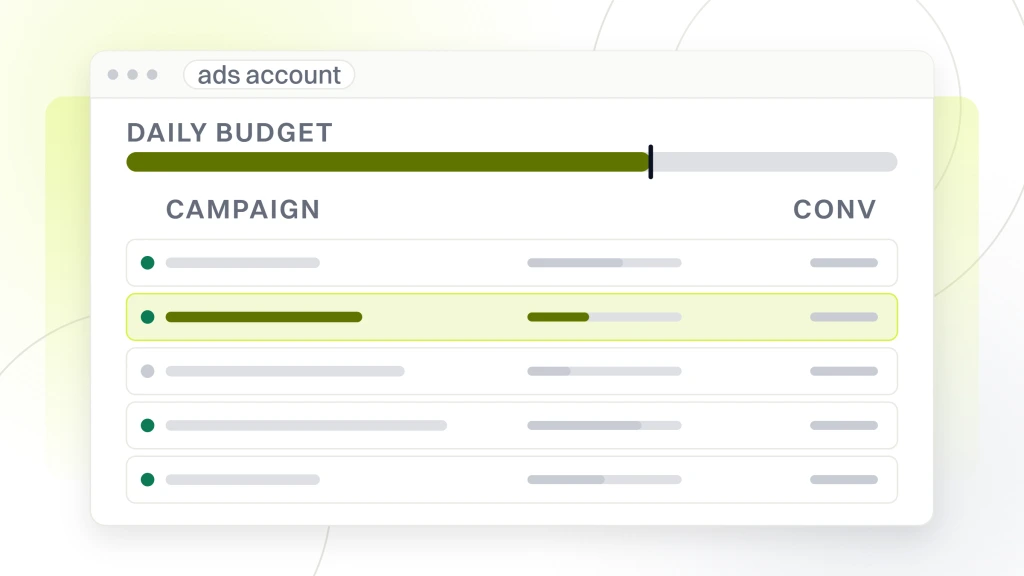
Ad group split by treatment intent produces cleaner data and lower cost per consult than any other lever. 3 to 5 treatment-anchored ad groups run side by side, each pointing at its own landing page. Blending them into one ad group hides the intent and burns budget on the weakest keyword. Location targeting sits at 12 to 25 miles depending on market density, and bid adjustments favor the neighborhoods where the target patient actually lives.
- Injectables ad group. botox near me, botox {city}, filler consult {neighborhood}, kybella {city}.
- Laser hair removal ad group. laser hair removal cost, laser hair removal {city}, IPL treatment.
- Body contouring ad group. coolsculpting {city}, emsculpt cost, double chin treatment, body sculpting.
- HydraFacial and skin ad group. hydrafacial {city}, chemical peel cost, acne treatment consult.
- Defensive brand ad group. Spa name plus common misspellings, guards against competitor bidding.
- Conversion tracking. Booked consults in the spa management system, not form fills alone.
The defensive brand ad group looks small but pays back the entire Google Ads retainer if a competitor is bidding against the practice name. Roughly 8% to 15% of aesthetics accounts we audit have a competitor running paid ads against the brand term. Adding the defensive campaign costs $80 to $220 per month in ad spend and recovers 12 to 30 booked consults per quarter that would otherwise walk to the competitor.
Meta ads that fill the calendar
Meta ads produce the highest volume of booked consults at the lowest cost per consult across most aesthetics accounts we run. Instagram and TikTok audiences map to aesthetics buyer demographics almost perfectly. Cost per booked consult on Meta sits between $32 and $85 when creative and audience layers hold. Static image ads to a homepage produce cost per consult over $180 in the same markets, which is where most under-managed accounts sit before an audit.
The winning Meta creative is a 10 to 20 second video showing a real before-and-after with the provider explaining the treatment. Static works as a retargeting support. Cosmetic shoppers scroll past static ads in under 1.3 seconds on average. Video creative that shows a real result gets watched 4 to 6 times longer per Meta creative benchmarking. That watch-time gap drives cost per thousand impressions down, and that in turn drives cost per booked consult down proportionally.
- Injectables ad set. Botox and filler consults, before-and-after video, cost focus.
- Laser ad set. Hair removal and skin, package-based offers, seasonality tuned.
- Body work ad set. CoolSculpting, Emsculpt, treatment area focus.
- Skin ad set. HydraFacial, chemical peel, membership-friendly framing.
- Retargeting ad set. Page visitors, video watchers, past patients, higher-frequency creative.
- Creative refresh. 3 to 5 new video assets monthly, shot at the spa in a single afternoon.
Retargeting produces the cheapest booked consults inside the Meta account. Shoppers who saw the ad, visited the landing page, and didn’t book still convert at 6% to 10% inside a 14-day retargeting sequence. That’s the highest retargeting conversion rate in the aesthetics category per Meta creative benchmarks. Skipping retargeting leaves 25% to 35% of the possible booked consult volume on the table every month.
Landing pages that convert paid clicks
Landing pages decide half the account performance before spend turns on. One treatment-specific landing page per ad group, not a homepage. The landing page carries the 7 decision blocks buyers need. Hero with clear headline. Benefit stack. Cost transparency. Session or appointment timeline. Provider bio with credentials. Before-and-after gallery. FAQ. Booking widget at the top and bottom of the page.
Practices routing all paid traffic to a homepage see cost per booked consult climb 40% to 80% versus practices with treatment-specific landing pages. The homepage tries to describe the whole spa. The treatment landing page answers a single buying question and routes to a single booking flow. That specificity matters most on Meta traffic, where the buyer arrived from a video ad about one treatment and expects to see that treatment when they land. Sending a Botox video click to a homepage that leads with CoolSculpting confuses the buyer and burns the click. See how Redefine Web builds med spa landing pages for the fuller pattern.
- Ad-message match. The headline on the landing page mirrors the headline on the ad.
- Above-the-fold booking widget. Visible without scroll on mobile.
- Cost transparency block. Real ranges within the first scroll depth.
- Provider photo. Real, not stock, with credentials visible.
- Mobile page speed under 2.5 seconds. LCP threshold Google enforces.
- Native booking. Appointment picker on the page, not a routing button to another site.
The landing page work runs 12 to 24 hours per treatment page for a purpose-built build. Templated landing pages can copy the structure across treatments faster but usually lose 15% to 25% of the conversion rate a hand-built page produces. That gap is worth 8 to 22 additional booked consults per month for a mid-size spa, which is why treatment-specific hand-built landing pages usually win the ROI math versus template-driven ones.
Offer design for aesthetics ad accounts
Offer design is the single lever most owners underestimate. The right first-consult offer decides show rate, second-treatment conversion, and lifetime value in one move. A discount-only offer books cheap consults that ghost the calendar. A value-forward offer (skin analysis plus provider consult, or a treatment sample tied to a full-price package quote) books patients who show up ready to buy.
The math is clean. A $99 first-consult offer that produces a 44% show rate and a 21% package conversion books 2.3 paid packages for every 25 consults. A $0 first-consult offer with the same landing page produces a 58% show rate and a 34% package conversion, which books 4.9 paid packages for every 25 consults. Same ad spend. Different offer. More than twice the paid packages. The offer wording on the ad and landing page has to match, or the buyer feels bait-and-switched and no-shows.
- Value-forward first consult. Skin analysis or treatment demo tied to a package quote.
- Financing on the landing page. Cherry, Alphaeon, or PatientFi block within the first scroll.
- Seasonal package offer. Bundled 3-session or 6-session pricing tied to a seasonal window.
- Membership call-out. Monthly membership priced against a single retail treatment cost.
- Reservation nudge. Limited weekly consult slots visible on the booking widget.
Value-forward offers also age better inside the ad account. Discount offers train the audience to wait for the next promo. Value-forward offers train the audience to book when they’re ready, which keeps the auction cost lower over 6 to 12 months since the retargeting pool converts at a steadier rate.
Tracking that ties clicks to consults
Tracking on an aesthetics ad account covers 6 pieces. GA4 with UTMs on every campaign. Meta Pixel and CAPI on the site and landing pages. Google Ads conversion tracking on landing page form submissions and phone calls. CallRail to attribute calls back to source. Booking system source field the front desk fills for every new patient. Consult show rate tracking in the spa management system. Without any single piece the reporting layer breaks and the agency can’t tune cost per booked consult accurately.
The most-skipped piece is the source field in the spa management system. It takes the front desk 8 seconds per new patient to fill, and it’s the difference between accurate attribution and guesswork. Practices without a source field see paid attribution reports mismatch the ad platform reports by 20% to 45%, which makes budget allocation decisions less accurate over the following quarter. Adding the source field costs nothing and pays back on the first month of accurate reporting.
- GA4 with UTMs. Standardized parameters on every campaign, ad set, and creative.
- Meta Pixel plus CAPI. Both browser and server-side tracking for iOS 14+ recovery.
- Google Ads conversion tracking. Form submissions, phone calls, booking widget completions.
- CallRail or comparable. Dynamic number insertion by paid source.
- Spa management source field. Front desk enters at first appointment.
- Show rate tracking. Consult-to-show rate reviewed monthly by acquisition channel.
The tracking layer feeds back into offer testing. When the agency runs two versions of a first-consult offer (one bundled, one straight price), the reporting layer shows which one drives more booked consults and which drives higher second-treatment conversion. Small optimization tests compound over 12 months into materially better yearly revenue per acquired patient.
Cost benchmarks for med spa PPC
The table below tracks what we see across active aesthetics accounts at Redefine Web. Numbers shift quarter over quarter with auction pressure and creative refresh cycles. The shape holds across markets. Solo-provider spas sit at the lower volume end. Multi-provider spas sit at the higher volume end. Discount-only campaigns sit in the bottom row where the math stops working.
| Channel mix | Cost per booked consult | Consults per month (single location) | Show rate | Second-treatment rate (90 days) |
|---|---|---|---|---|
| Google Ads only | $75 to $140 | 18 to 36 | 62% to 74% | 32% to 44% |
| Google Ads plus Meta | $48 to $85 | 34 to 68 | 68% to 78% | 42% to 55% |
| Google Ads plus Meta plus retargeting | $28 to $58 | 52 to 120 | 74% to 84% | 52% to 68% |
| Undermanaged or discount-only | $140 to $260 | 10 to 22 | 44% to 58% | 18% to 28% |
The full-stack row is where the paid channel turns into real revenue. Cost per booked consult drops. Show rate climbs. Second-treatment conversion doubles versus a discount-only campaign. Compounding kicks in around month 4, when the acquired patient base begins producing membership and second-treatment revenue on top of new consults. That’s the point at which paying the PPC agency retainer feels cheap against the revenue the retention layer alone produces.
Spas sitting in the undermanaged band typically have one fixable issue. A discount-only offer that attracts one-and-done shoppers. No retargeting. A homepage receiving all paid traffic instead of treatment landing pages. Fixing the single biggest issue moves the account from the bottom row to the middle row inside 60 days without any change in ad spend.
How to brief a med spa PPC agency
Brief the agency with the target monthly consult volume, the treatment mix in priority order, the current cost per booked consult if known, and the target cost per booked consult. Skip the ad-first inspiration boards. The agency needs the business context and the target economics before the visual context to build campaigns that produce revenue.
The brief should cover current ad accounts, tracking status, and landing page inventory. Which Google Ads and Meta accounts exist. Whether the Meta Pixel and Google Ads conversion tracking work correctly. Which landing pages exist per treatment. That context lets the agency scope the setup phase accurately. Agencies that skip this discovery and quote a flat retainer without visibility into the tracking usually spend the first 3 months rebuilding infrastructure the practice paid for once already.
- Target monthly consult volume and treatment mix priority.
- Current cost per booked consult if PPC is already running.
- Target cost per booked consult for the next 90 days.
- Ad account access. Google Ads MCC access, Meta Business Manager admin.
- Tracking status. What works, what doesn’t, what needs a rebuild.
- Landing page inventory. Which treatment pages exist, which need to be built.
- Ad spend range. Monthly budget across Meta and Google, flexibility to scale.
The right agency responds with a scope proposal referencing specific ad group structure, specific creative production cadence, and specific cost per consult targets. Any proposal that leads with brand storytelling and audience narratives before addressing cost per consult targets is designed for spas that care more about awareness than bookings. That’s a real segment, but not the one this guide serves. See the Redefine Web med spa PPC program for a working example. Standard retainer tiers run $999, $1,499, $2,499, and from $4,500 per month, with ad spend billed separately.
Common med spa PPC mistakes to avoid
Most aesthetics accounts we audit share the same 4 mistakes. Broad-match keywords running unchecked against “med spa” generic terms. All paid traffic routed to a homepage instead of treatment landing pages. Meta ads running static image creative instead of short-form video. No retargeting layer running against page visitors. Fixing all 4 takes 20 to 40 hours of specialist time and drops cost per booked consult 35% to 55% inside 60 days.
The next tier shows up in creative production. Practices producing 1 or 2 static creative assets per quarter run into ad fatigue by week 3 of each quarter and cost per consult climbs sharply. Practices producing 3 to 5 video assets per month keep cost per consult flat. The gap in creative production time (roughly one afternoon per month of provider filming) produces a 30% to 45% difference in cost per booked consult over a full year.
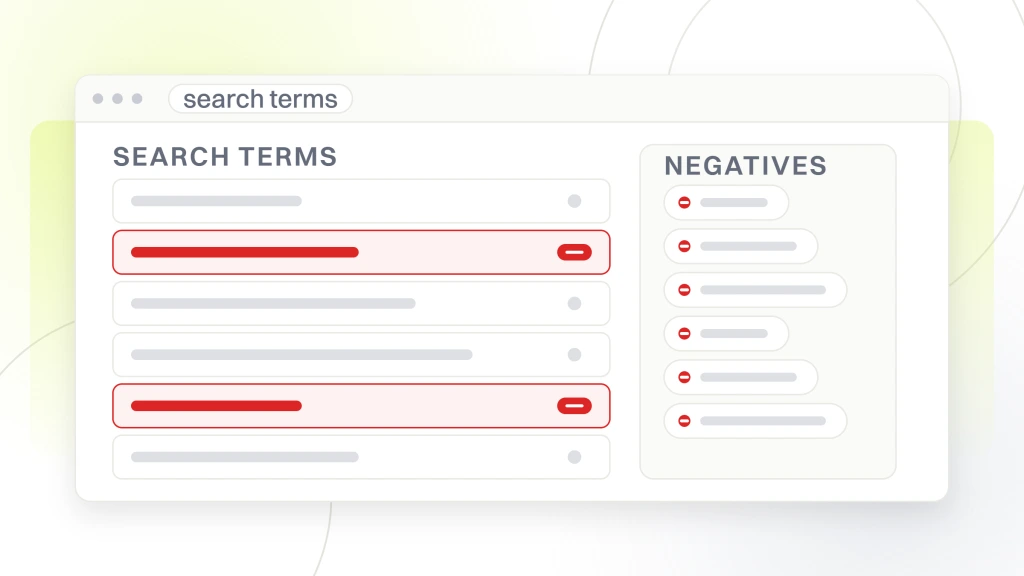
- Broad-match keywords without negative keyword sweeps, burning budget on tire-kickers.
- Homepage as landing page for all paid traffic instead of treatment-specific pages.
- Static-only Meta creative against a video-hungry audience.
- No retargeting layer against page visitors and video watchers.
- No defensive brand campaign against competitors bidding on the practice name.
- No source field in the spa management system, breaking downstream attribution.
- Weekly creative refresh skipped, ad fatigue climbs cost per consult 20% to 30%.
Each of these mistakes is fixable inside a normal PPC retainer without extra scope. The audit at the start of any engagement should surface which of the 7 mistakes the account has, and the fix roadmap sequences them by expected revenue impact. Any agency skipping this audit and moving to generic monthly deliverables is running the same playbook everywhere.
Reporting cadence that catches drift early
Reporting on an aesthetics ad account sits at 3 cadences. Weekly on cost per booked consult by channel. Monthly on treatment mix and second-treatment conversion. Quarterly on revenue per acquired patient and channel allocation strategy. Any agency delivering only monthly reports has stripped out the weekly touchpoints that let the account respond to auction pressure and creative fatigue quickly.
The weekly report should show 4 numbers. Cost per booked consult by channel. Consult volume week over week. Show rate on booked consults. Notable creative or audience changes. That 5-minute review keeps the practice owner in the loop without drowning in metrics. The monthly report adds treatment mix, second-treatment conversion, and the recommendation slide for the following month.
- Weekly report. Cost per booked consult, consult volume, show rate, creative notes.
- Monthly report. Treatment mix, second-treatment conversion, budget allocation recommendation.
- Quarterly review. Revenue per acquired patient by channel, strategic budget shift decisions.
- Ad-hoc alerts. Cost per consult drift above target, Meta rejection notifications, tracking breakage.
Practices without the weekly cadence typically discover a cost per consult problem 3 to 5 weeks after it started, which costs $4,000 to $12,000 in wasted ad spend before the fix goes live. The weekly touchpoint catches drift inside 7 days, which is where most agency retainers actually pay back their cost.
Where aesthetics paid search is heading next
Two shifts are reshaping aesthetics paid search in 2026. TikTok and Instagram Reels keep eating share from static Meta creative, and spas producing 3 to 5 short-form video assets per month for both platforms keep cost per booked consult stable, whereas spas relying on static creative see cost per consult drift up 12% to 25% per year. The gap is where the next 12 months of margin get decided.
The second shift is toward AI-generated ad copy variations. Meta and Google now offer machine-generated copy alternatives inside the ad platforms, which produce mixed results in the aesthetics vertical. Practices that A/B test the AI-generated variants against hand-written copy find hand-written copy wins on cost per booked consult 65% to 75% of the time, yet the machine variants occasionally surface angles the human writer missed. Using the AI variants as brainstorming inputs, not direct copy, usually beats both extremes.
If cost per booked consult has climbed 15% or more over the last two quarters, the first move is a 2-week audit of the ad group structure, the creative refresh cadence, the landing page quality scores, and the tracking layer. That audit produces a specific list of fixes ranked by expected revenue impact. See general PPC management services or the full med spa program for the broader scope.